God of War is the rare series that started as a screaming revenge fantasy and evolved into a deeply emotional saga about fatherhood, grief, destiny, and occasionally smashing gods with a flaming chain blade.
Originally launched on PlayStation 2 in 2005, the God of War franchise follows Kratos, a Spartan warrior who goes from angry mortal to full-time god-slayer, then somehow graduates into reluctant dad trying to keep his son from accidentally triggering Ragnarok.
Across the Greek and Norse sagas, the series blends brutal combat, mythological storytelling, cinematic presentation, and boss fights that feel less like gameplay and more like divine HR violations.
This hub tracks the full God of War timeline, mainline games, characters, and the latest news, guides, and reviews — all in one place.
If you’re here to figure out the chronological order, the best games ranked, or whether a new God of War release is coming soon, you’re in the right realm.
The God of War Timeline: Greek Rage to Norse Restraint
The God of War timeline is split into two major eras:
The Greek Saga
God of War (2005)
God of War II
God of War III
Chains of Olympus
Ghost of Sparta
Ascension
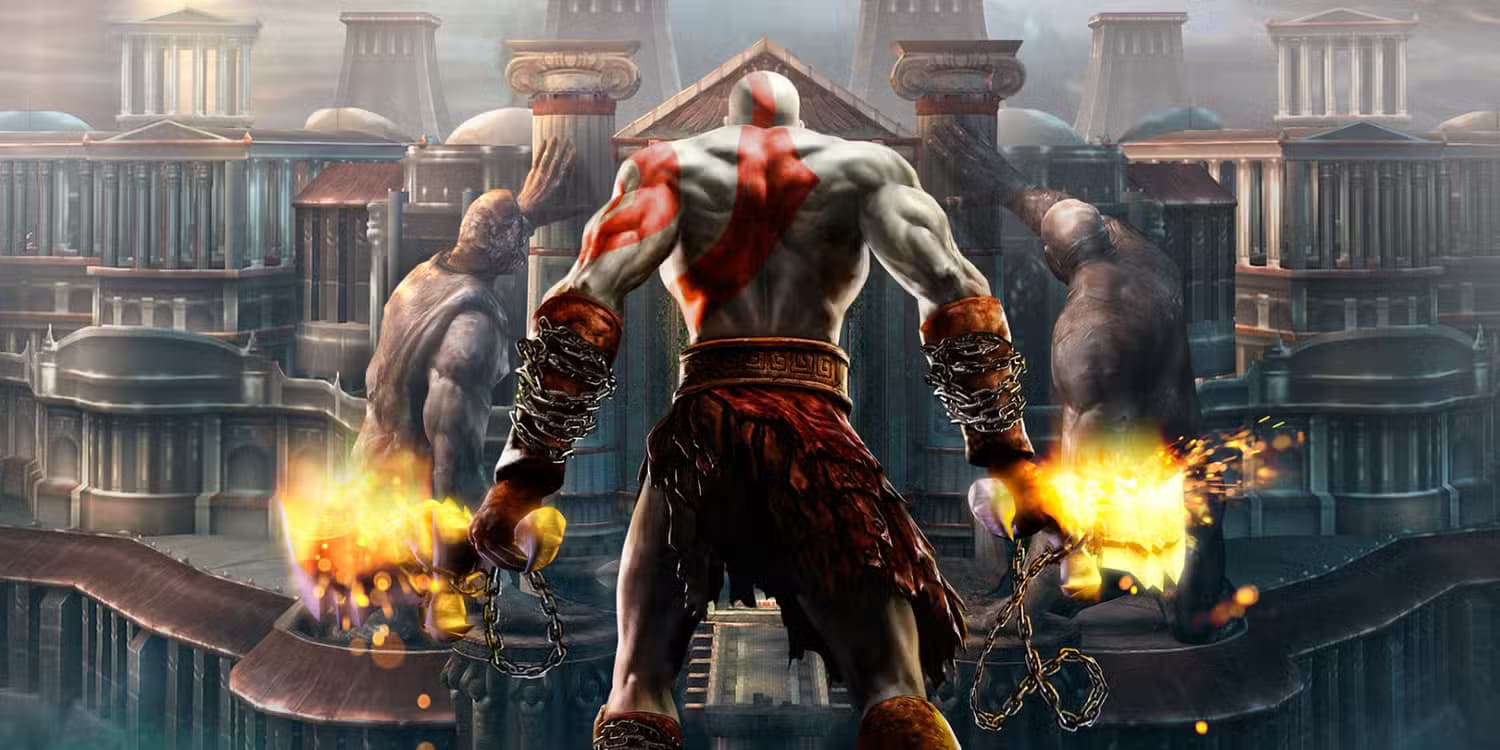
This era is peak “angry man with weapons and unresolved trauma.”
Kratos declares war on Olympus and makes it extremely personal.
Then comes the reset.
The Norse Saga
God of War (2018)
God of War Ragnarök
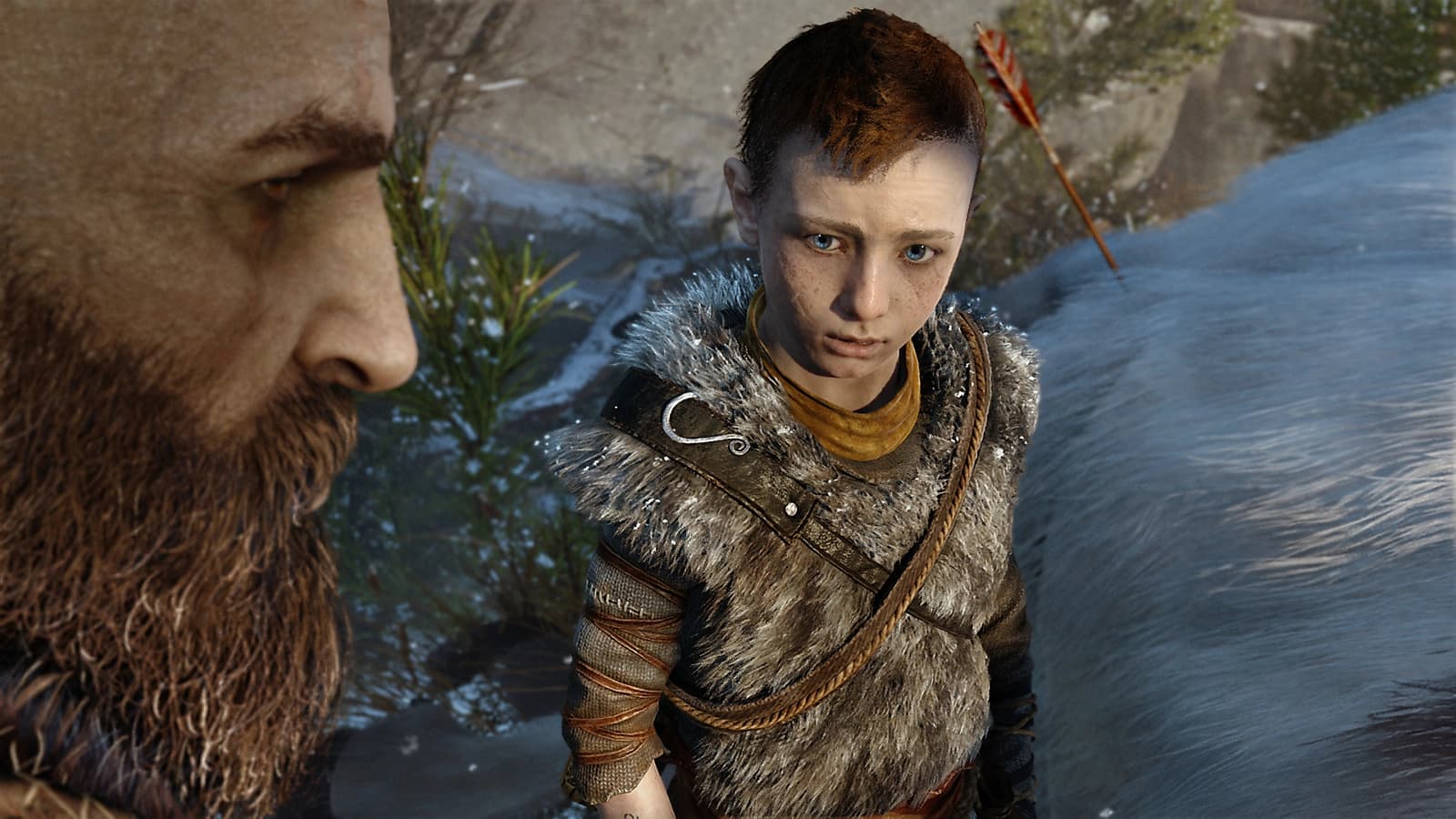
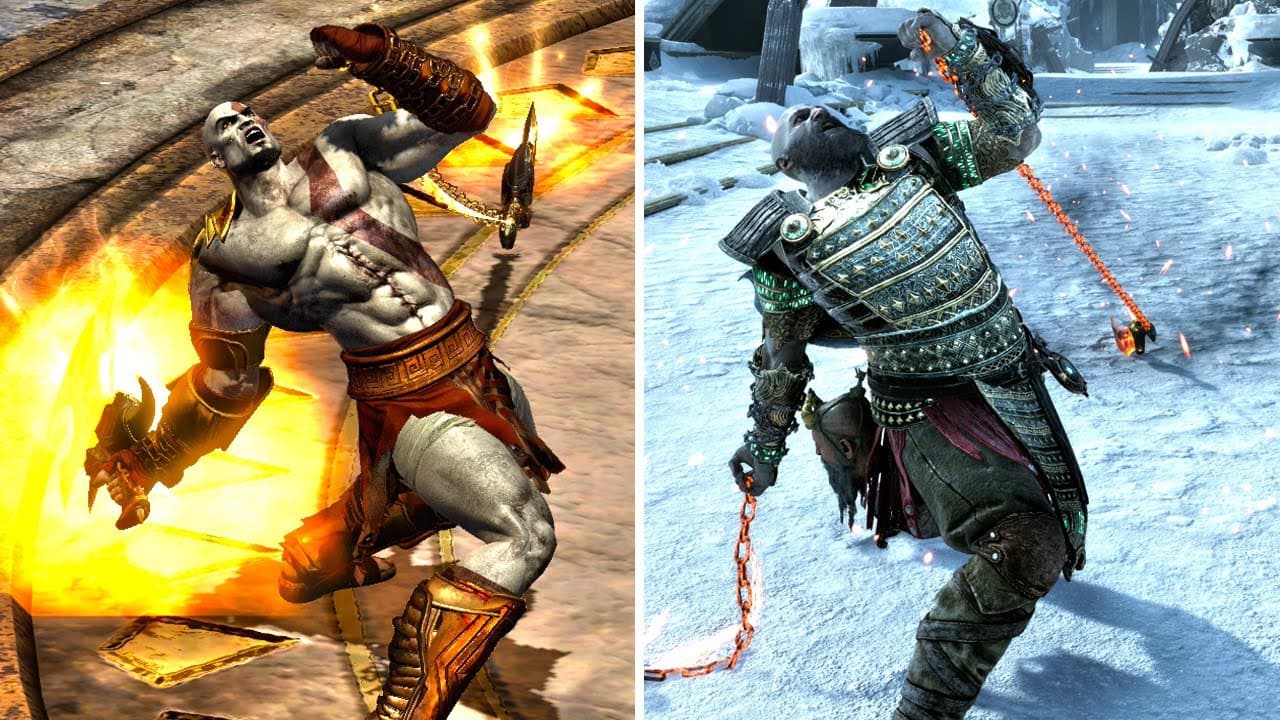
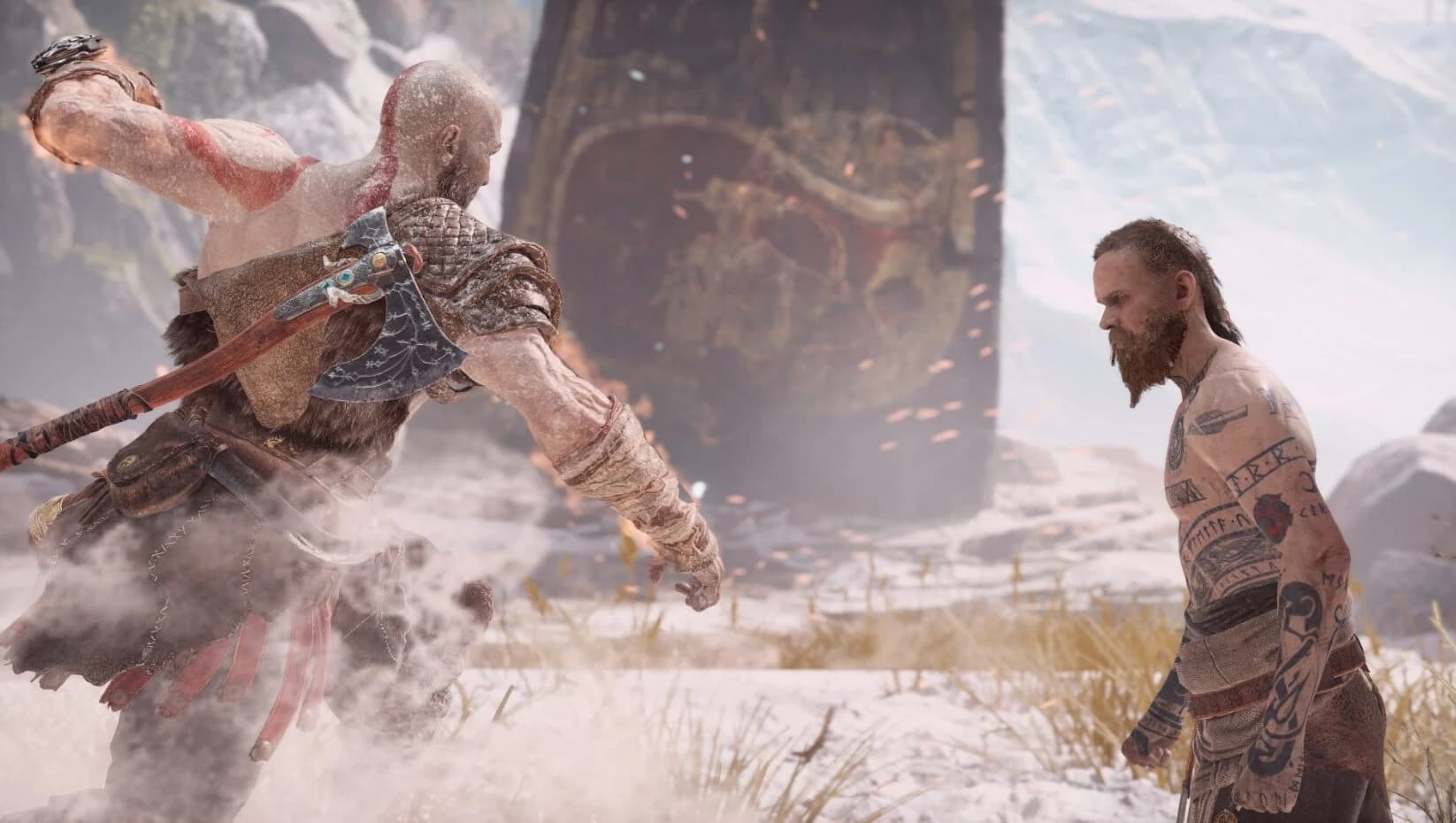
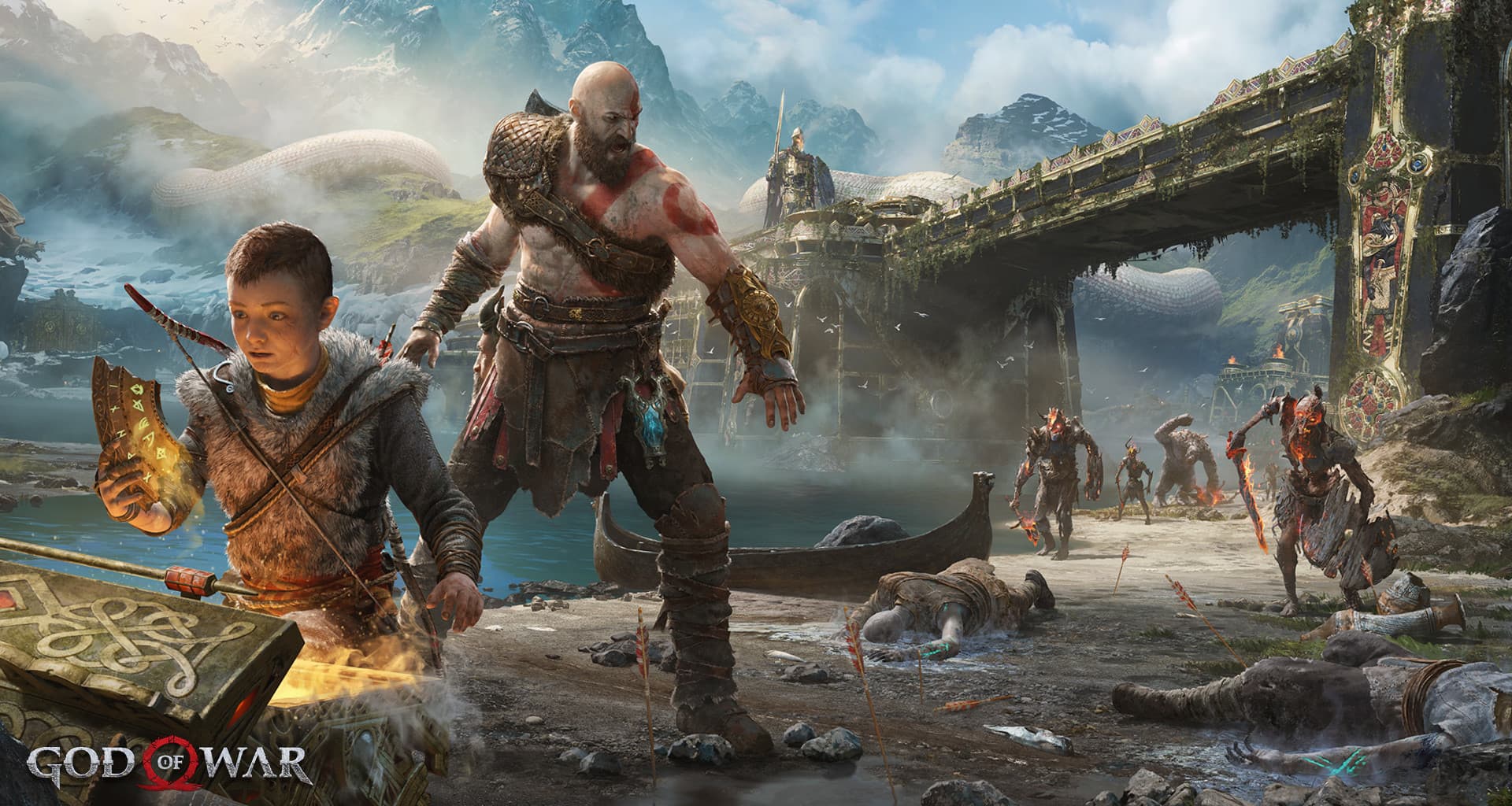
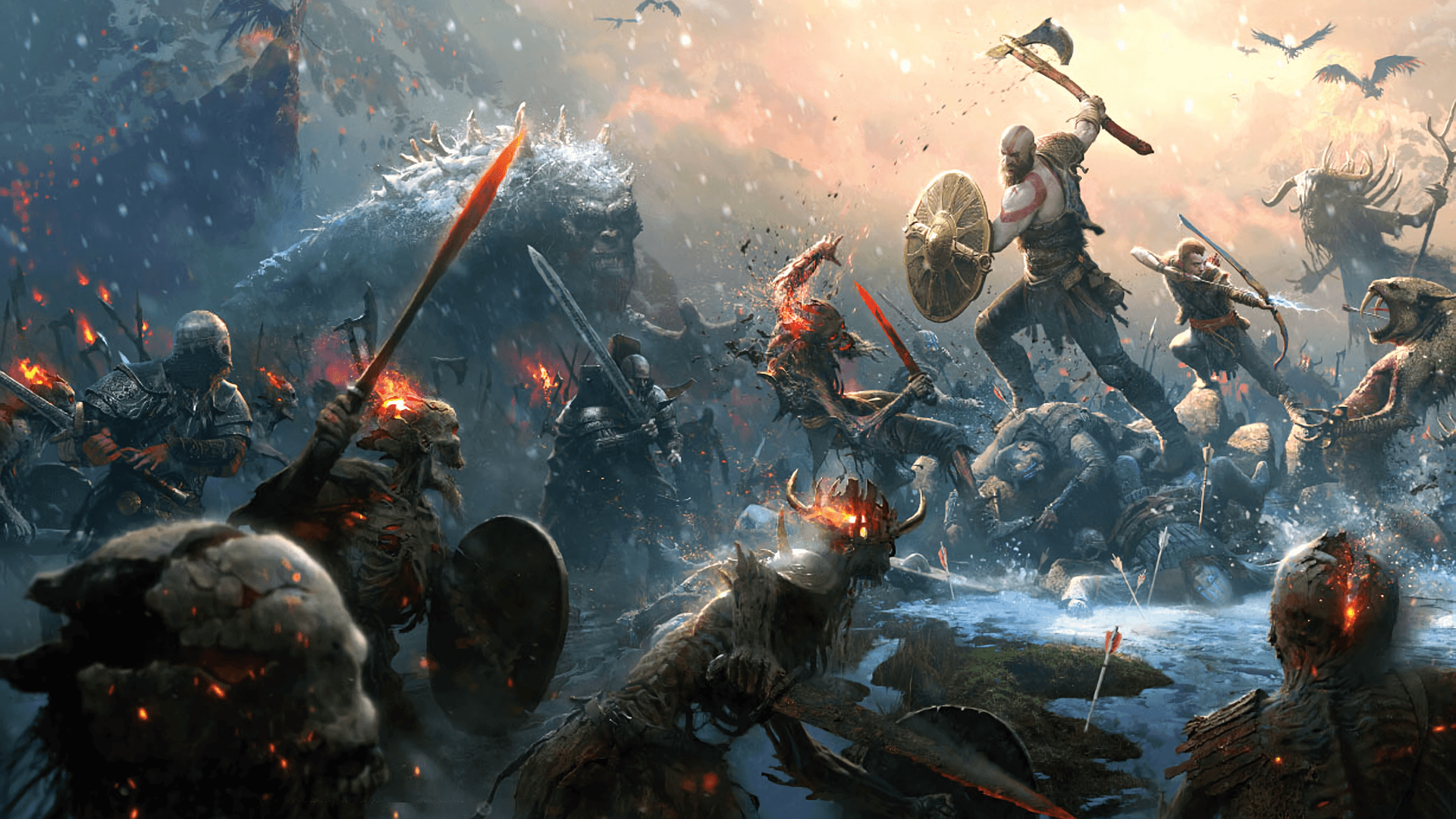
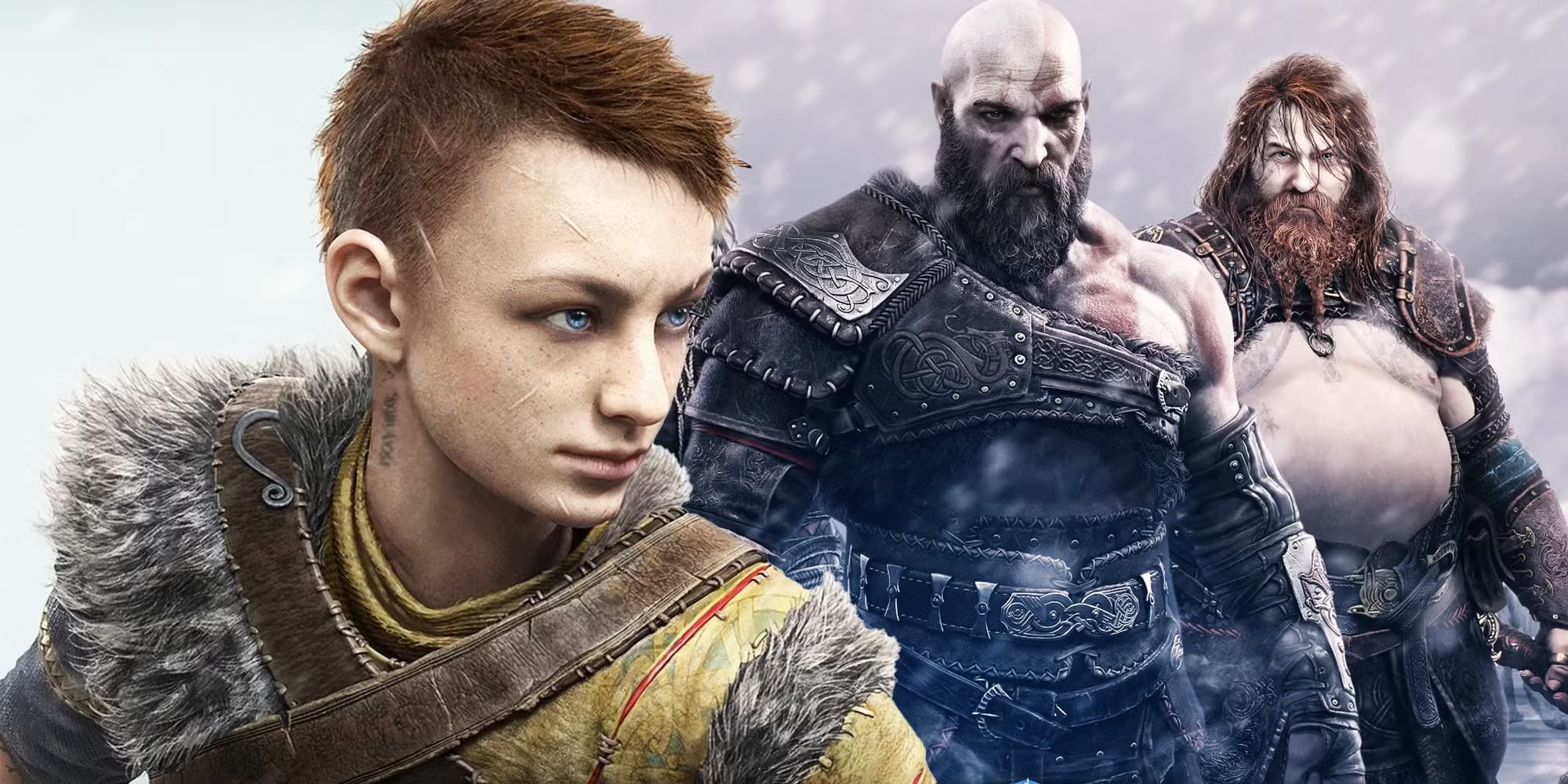
Now Kratos has a beard, a son named Atreus, and significantly more emotional baggage. The camera shifts to an over-the-shoulder cinematic style, the combat evolves, and the storytelling becomes quieter — but no less brutal.
The Norse era doesn’t erase the past. It builds on it. The Greek saga defines Kratos through vengeance. The Norse saga defines him through restraint.
If you want the full chronological breakdown of events across both mythologies, see our complete God of War timeline guide.
Mainline God of War Games Ranked and Explained
Over nearly two decades, the franchise has delivered some of PlayStation’s most iconic exclusives.
The original God of War trilogy cemented Kratos as one of gaming’s most recognizable characters. God of War III in particular pushed cinematic action to new heights — and new decapitation angles.
Then God of War (2018) redefined the series entirely, winning Game of the Year and proving that a franchise can mature without losing its identity. God of War Ragnarök continued that momentum, delivering a powerful conclusion to the Norse arc.
Debates about the best God of War game are ongoing, loud, and occasionally hostile.
Is God of War II the peak of Greek combat design?
Is Ragnarök the emotional high point?
Is 2018 the perfect balance?
We break down every entry in our full God of War games ranked list.
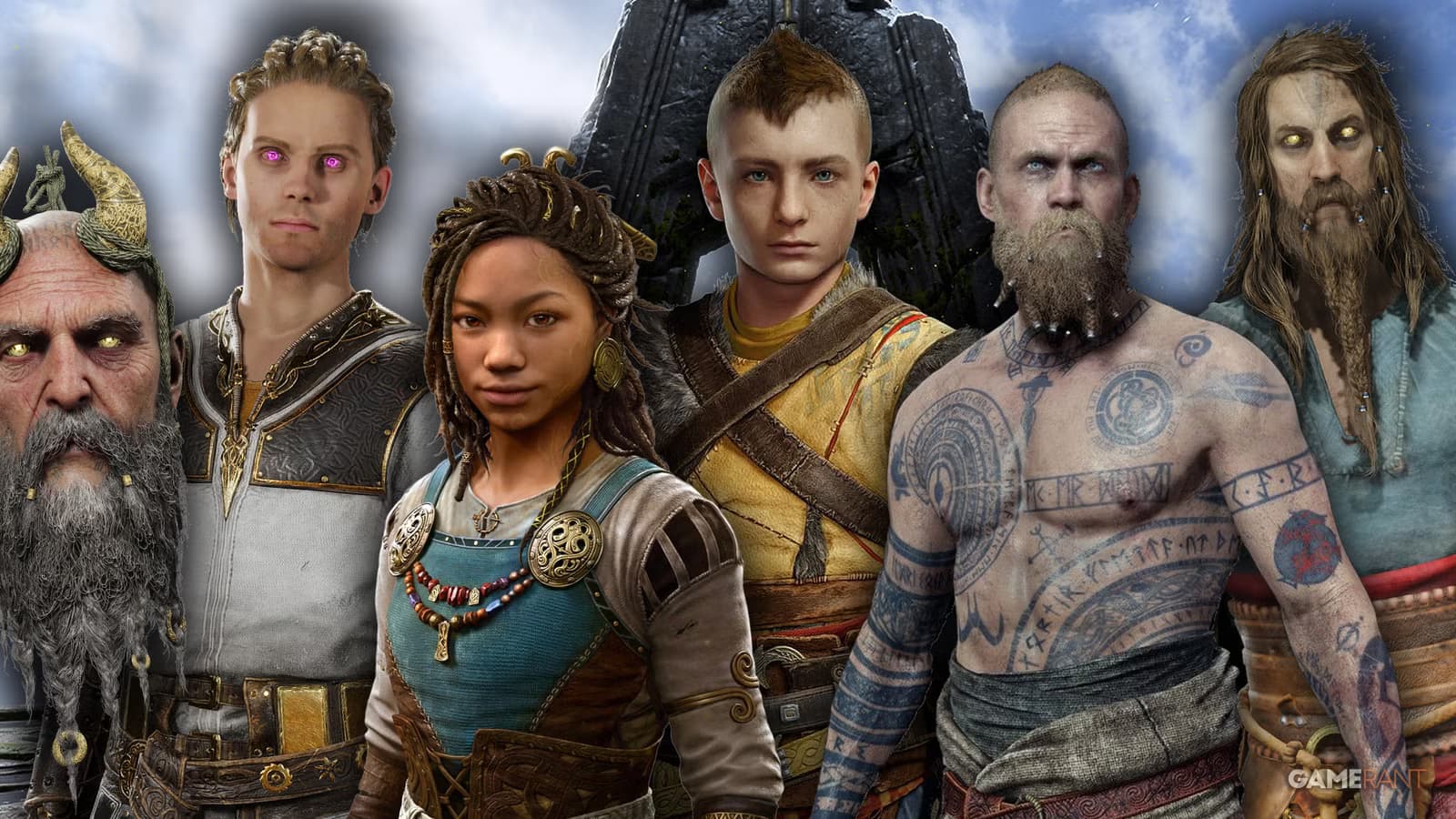
God of War Characters: From Kratos to Odin
At the center of everything is Kratos — the walking embodiment of “consequences.”
But the God of War characters are what elevate the series beyond spectacle.
Atreus (Loki) brings curiosity, growth, and uncomfortable prophecy energy.
Freya evolves from ally to adversary in one of the most layered arcs in the Norse saga.
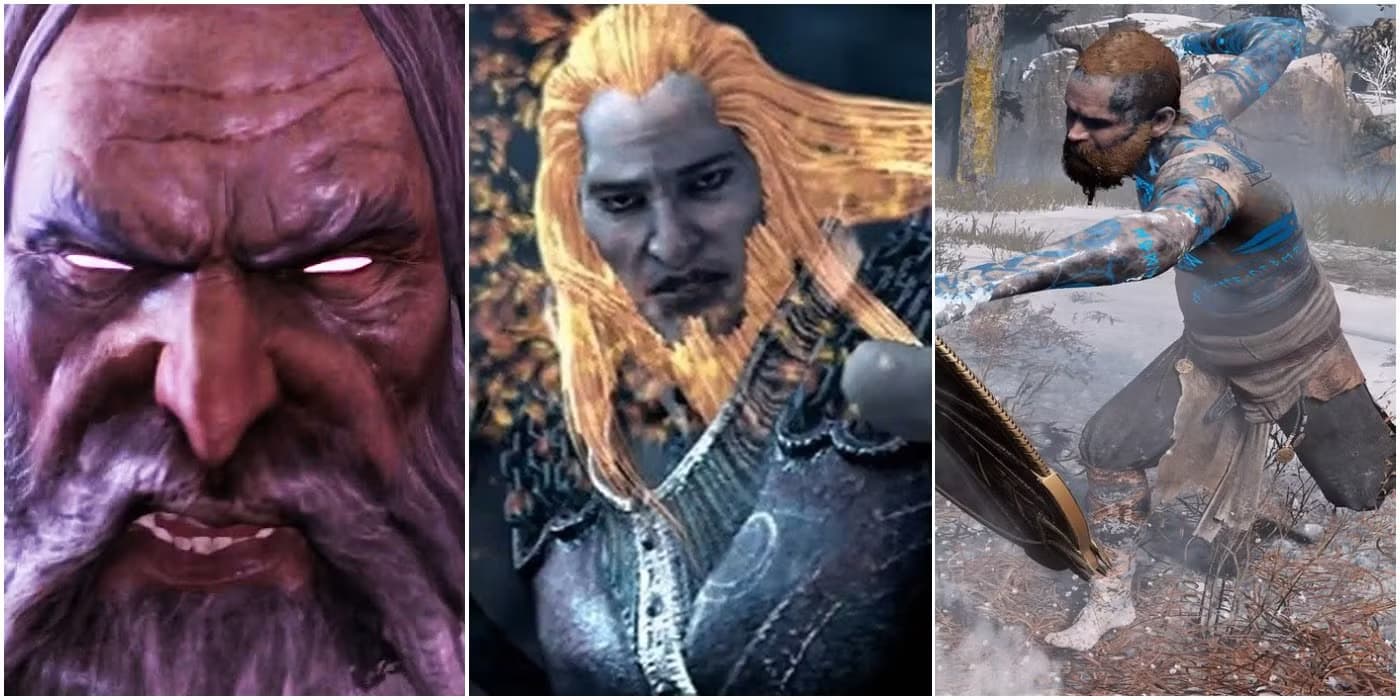
Odin reimagines the All-Father not as a thunderous tyrant, but as a manipulative strategist.
Thor feels less like a boss fight and more like a collision of generational trauma.
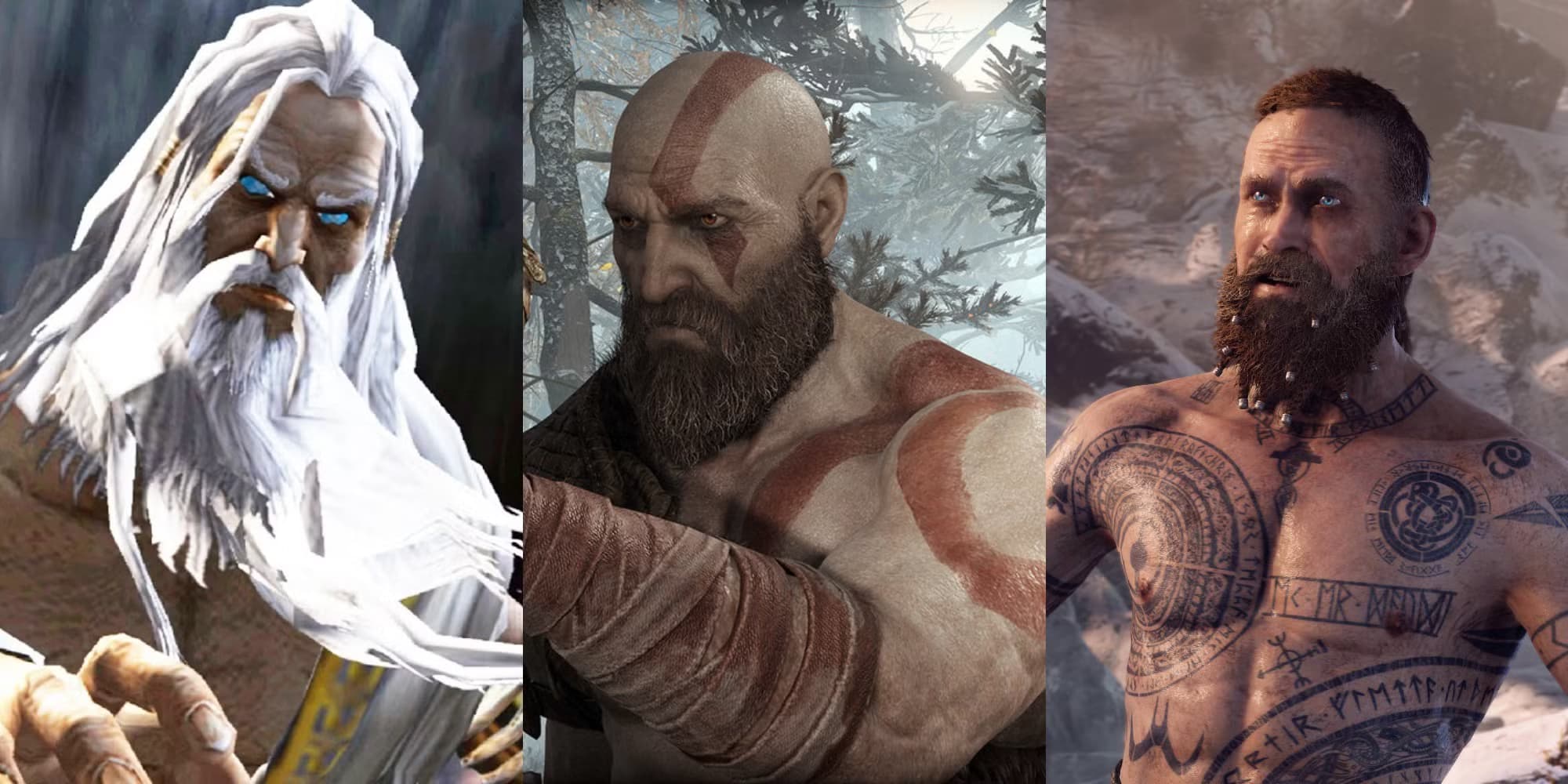
Even secondary characters matter. Mimir, Baldur, Zeus, Ares, Deimos — each adds thematic weight to the saga.
This isn’t just a hack-and-slash series anymore. It’s mythological drama with a body count.
For a deeper breakdown, explore our full God of War character guide.
The Future of God of War: What Comes Next?
With the Norse saga concluded in Ragnarök, the big question is obvious:
What’s next for Kratos?
Rumors range from Egyptian mythology to a soft reboot featuring Atreus as a lead. Santa Monica Studio has confirmed the Norse arc is complete, but that doesn’t mean the franchise is finished.
A new God of War game is inevitable. The only mystery is where — and which pantheon — Kratos decides to upset next.
We track confirmed announcements, credible leaks, and release date updates in our ongoing God of War release tracker.
Why God of War Still Matters
Plenty of franchises fade after a console generation.
God of War didn’t.
It reinvented itself.
It survived a tonal overhaul.
It modernized its combat system.
It deepened its narrative ambition.
Most importantly, it kept Kratos human — even when he was fighting literal gods.
The series works because it understands escalation. It starts with rage. It evolves into responsibility. It never forgets what came before.
And whether you’re here for the timeline, the guides, the ranked list, or the latest news on upcoming releases, this hub keeps everything organized — without sending you on a fetch quest through Olympus.
God of War (2005)God of War IIGod of War IIIGod of War (2018)God of War Ragnarok
FAQ
Frequently Asked Questions About God of War
What is the God of War timeline in order?
Think of it as Kratos’ long journey from rage mode to dad mode. Start with the Greek-era games, then move to 2018 and Ragnarok for the Norse era.
Which God of War game should I play first?
If you want modern controls and cinematic pacing, start with God of War (2018). If you want full historical context, start earlier and enjoy watching Olympus learn what accountability feels like.
Is God of War: Sons of Sparta canon?
Yes, it is canon. It adds meaningful context to Kratos’ early years and family arc.
How many God of War games are there?
There are nine major entries across mainline releases and key spin-offs. Enough to build a timeline and a therapy case file.
What is the best God of War game?
There is no universal winner. Common top picks are God of War II, God of War (2018), and Ragnarok, depending on whether you value classic combat, reinvention, or narrative payoff.
Is a new God of War game coming?
No confirmed date yet. The franchise is still active, and we track official announcements plus credible developments in this hub.
PSP prequel fills in Kratos' early service to the gods.




 PlayStation