
 SwitchFeb 27, 2026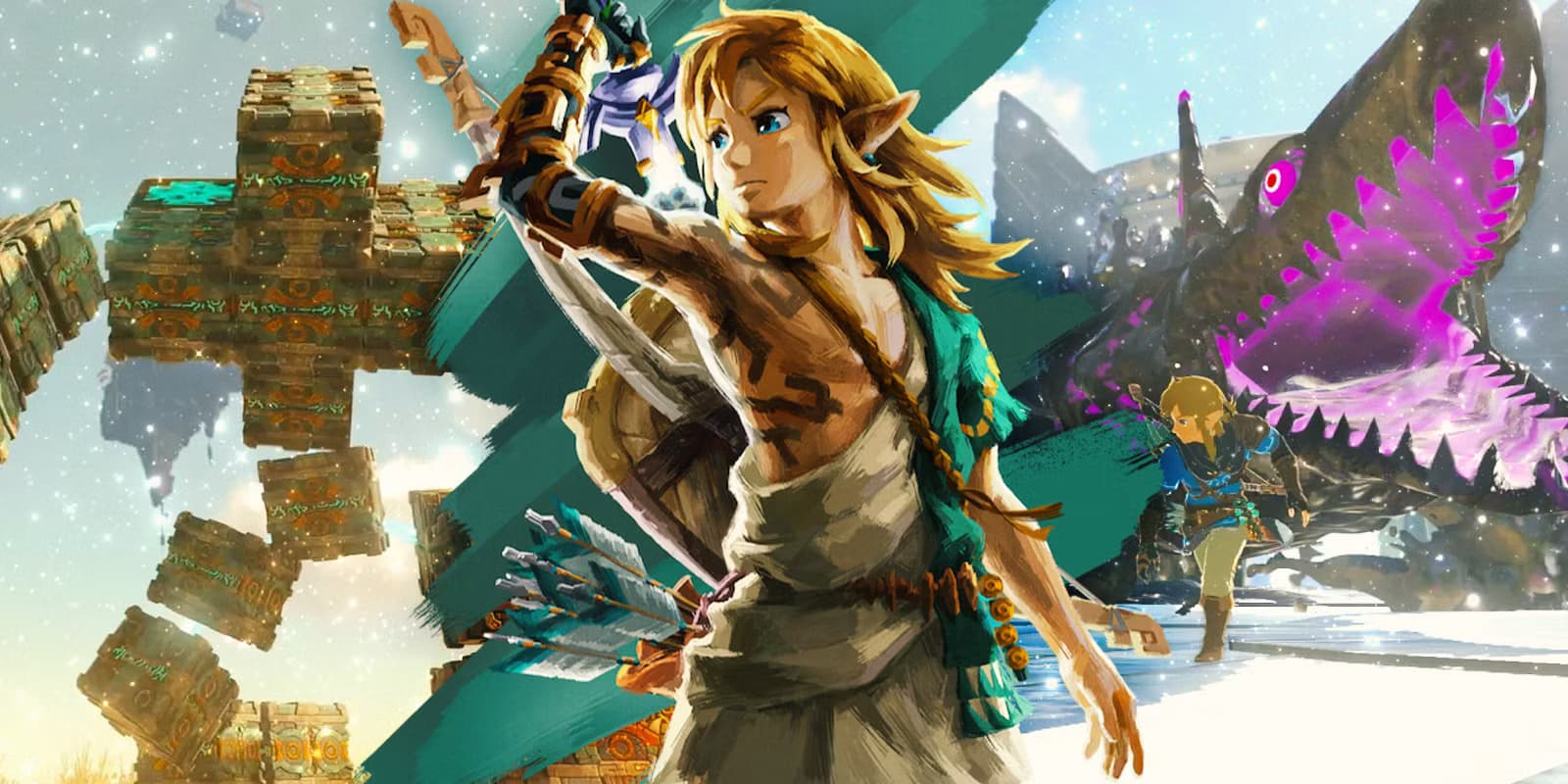
I’ve spent over 300 hours in The Legend of Zelda: Tears of the Kingdom. That’s not a flex. That’s a cry for help.
Score: 9/10
I’ve spent over 300 hours in The Legend of Zelda: Tears of the Kingdom.
That’s not a flex.
That’s a cry for help.
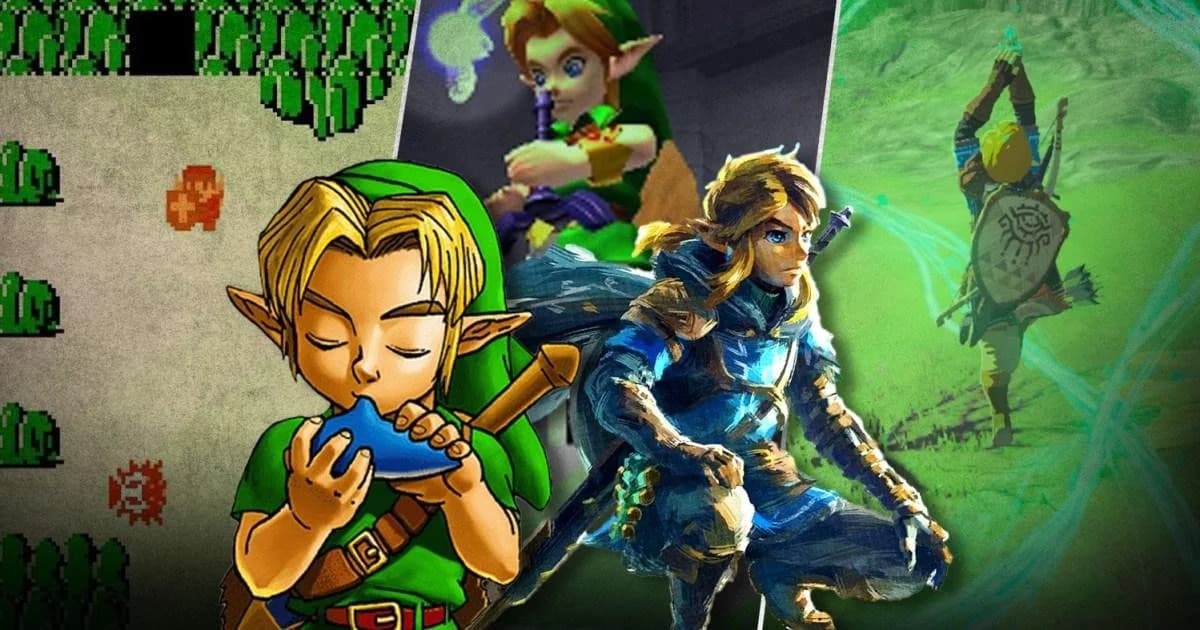
For context, I’ve been playing Zelda since A Link to the Past in the mid-90s. I grew up with this series. I’ve time-traveled, hookshot across gaps, solved water temples (barely), and endured decades of chicken-related violence.
So when I say this is one of my favorite Zelda adventures ever, that’s not casual praise.
That’s 300-hour praise.
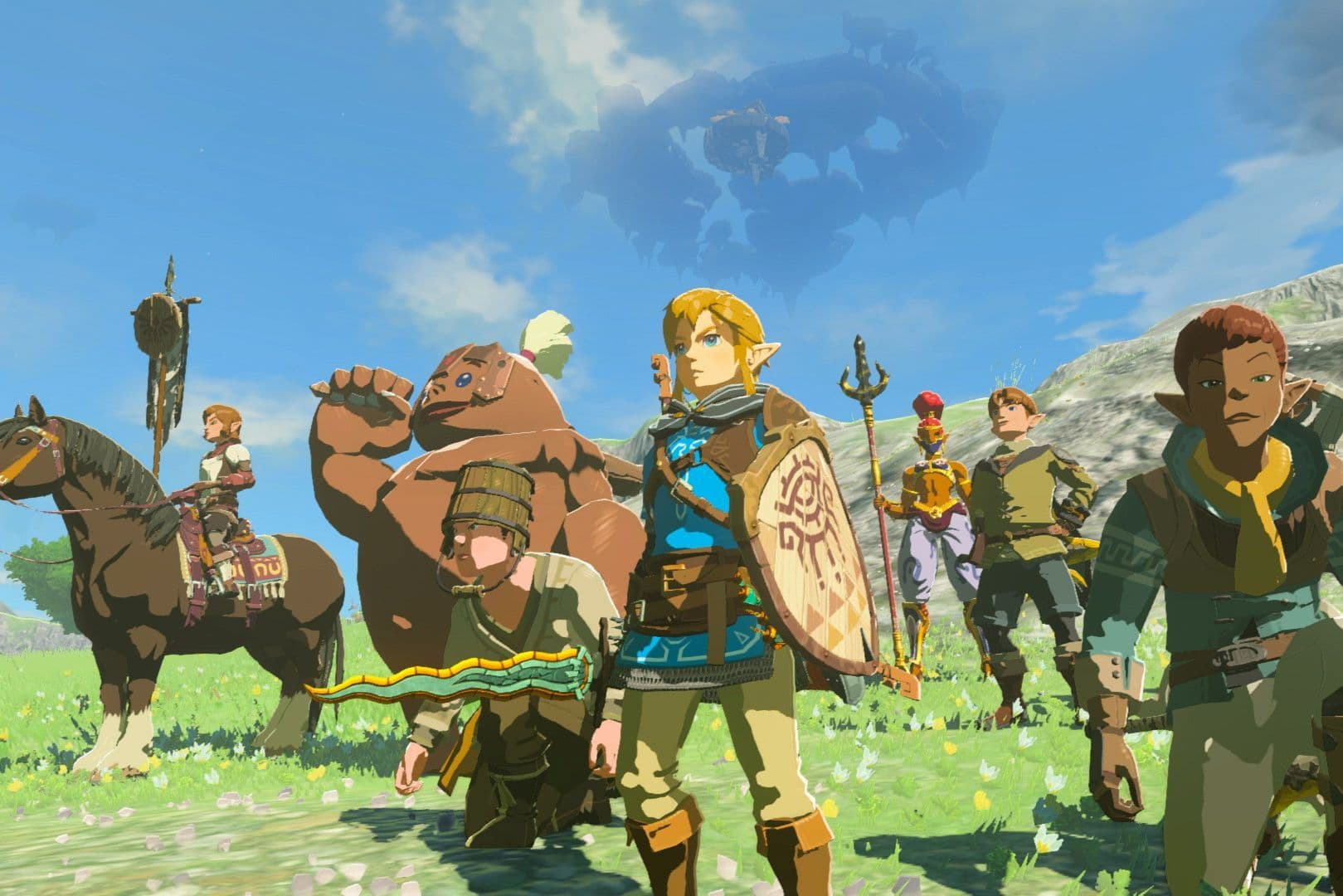
Breath of the Wild changed gaming. It redefined open-world design and gave players more freedom than most of us knew how to handle.
But if I’m being honest?
As much as I loved it, it didn’t always feel fully “Zelda.”
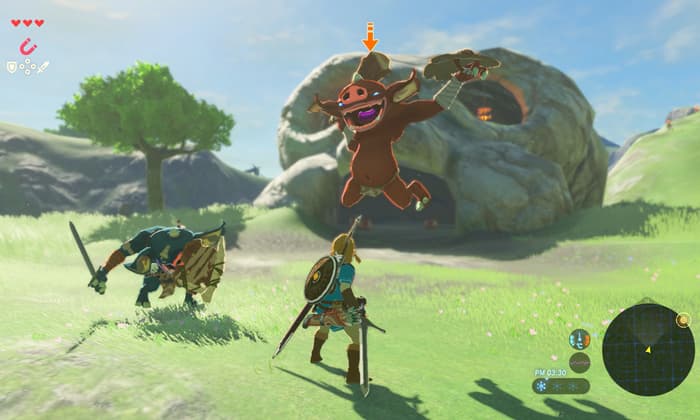
Yes, it had Hyrule. Yes, it had Link. Yes, it had a suspicious number of weapons breaking at inconvenient times.
But it lacked those classic, themed dungeons. The dramatic boss doors. The sense that something terrifying was waiting behind it.
It was brilliant.
But it felt like Zelda evolving into something new not necessarily returning to its roots.
Tears of the Kingdom takes the same Hyrule and says:
“What if we added more… and also fixed a few things?”
The world feels richer. Denser. More layered. Familiar, but meaningfully expanded.
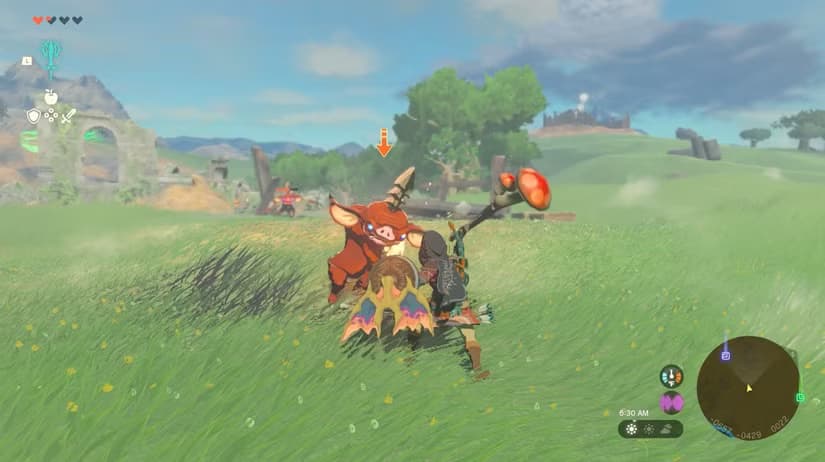
The opening hours set a noticeably darker tone, and once you’re fully unleashed into Hyrule again, the sense of adventure feels stronger than ever.
This isn’t just a sequel.
It feels like a refinement.
Let’s talk about the biggest addition: Zonai Devices.
You can now:
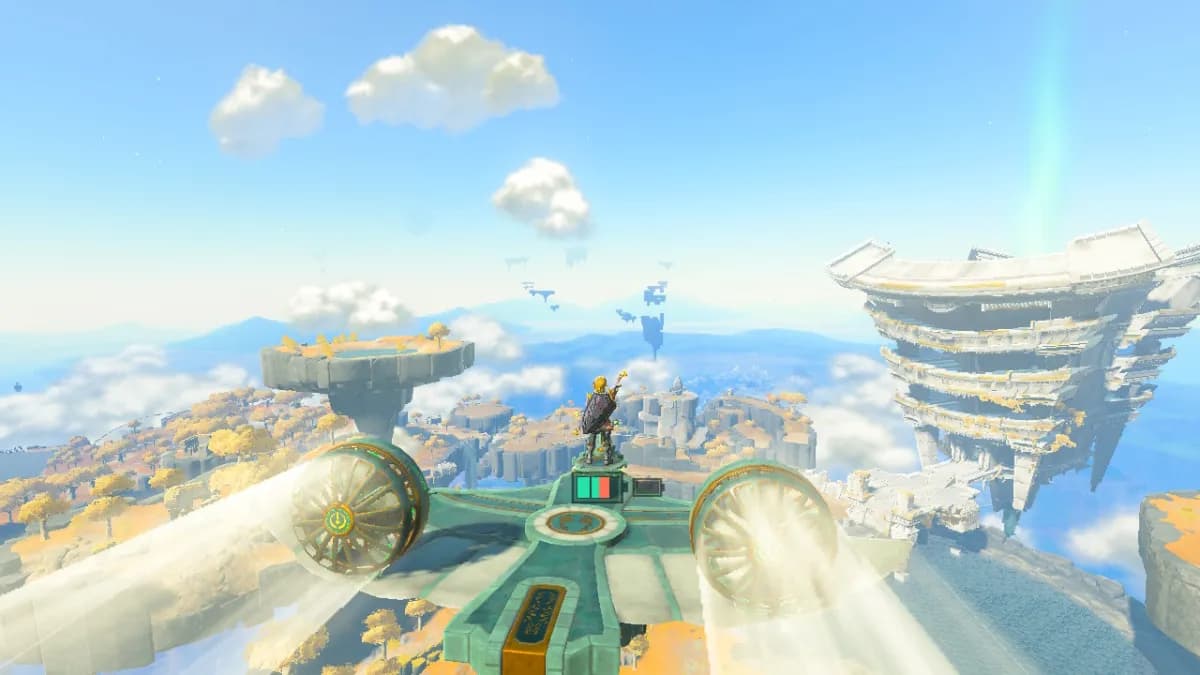
Instead of traditional Zelda “items,” you’re given systems.
And those systems are chaos in disguise.
The creativity this allows is absurd. I’ve seen players build functioning tanks. I personally built something that looked like a shopping cart with commitment issues.
It’s genius.
One of the quiet improvements over Breath of the Wild is how much more reactive the world feels.
NPCs respond more naturally. Side stories feel more connected. The kingdom feels like it’s actually experiencing events rather than just waiting for Link to show up.
It gives the adventure more emotional grounding without overwhelming the player.
The new abilities completely reshape gameplay:
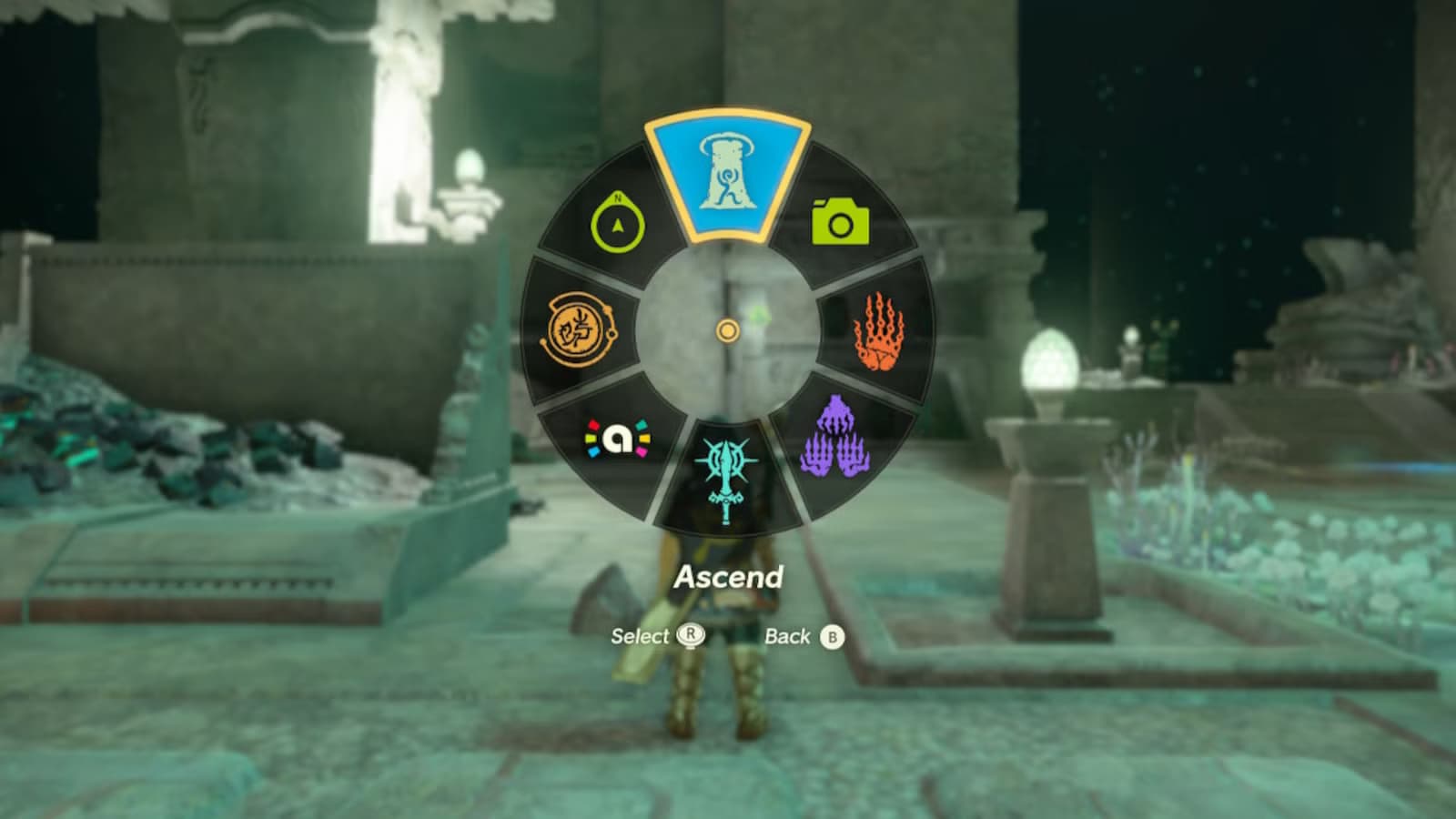
None of these feel like gimmicks. They feel integrated.
And importantly, they feel fun.
Without spoiling anything:
The dungeons feel more distinct this time around.
They have stronger visual identities, clearer themes, and more memorable encounters.
For longtime fans who missed that “classic Zelda dungeon energy,” this will feel like a welcome return.
The soundtrack builds beautifully on Breath of the Wild’s minimalism while expanding it.
There are new themes, familiar motifs, and moments where the music subtly reinforces the emotional tone of what’s happening.
It’s understated when it needs to be.
Powerful when it matters.
Very Zelda.
Let’s address the elephant in the clouds.
The sky islands were heavily marketed, and they’re cool at first.
But after extended time, they feel more limited than expected.
There’s not as much environmental variety as I hoped for. I expected something more expansive or surprising in the long term.
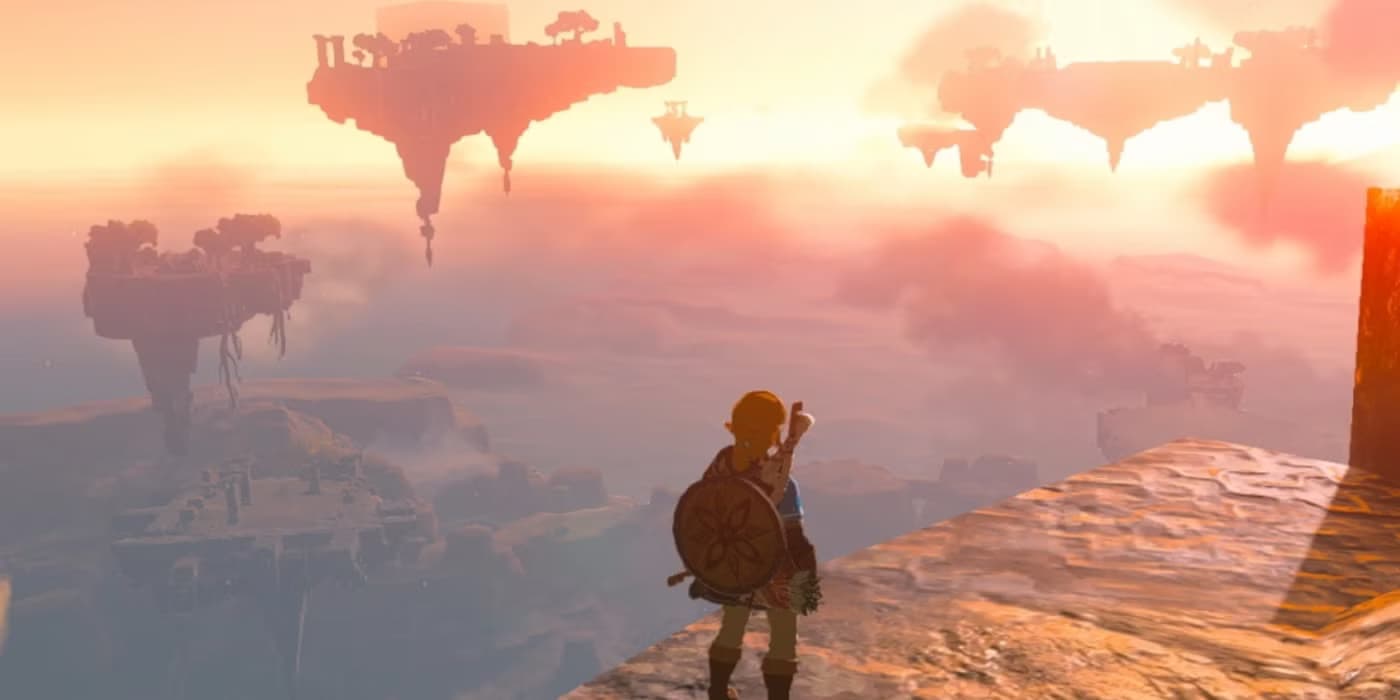
They’re not bad.
They’re just not as ambitious as the marketing made them seem.
Thankfully, the overall game more than compensates elsewhere.
Tears of the Kingdom is a massive improvement over Breath of the Wild in one key way:
It feels unmistakably like a Zelda game again.
It’s creative.
It’s expansive.
It’s refined.
It’s occasionally ridiculous.
It’s heartfelt.
After 300 hours, I’m still finding new things.
And honestly?
I’m not done yet.
Nintendo has set an incredibly high bar for whatever comes next.
Until then, I’ll be in Hyrule building things I probably shouldn’t.
 SwitchNews
 SwitchNews
 SwitchNews
 SwitchGuide