
 PlayStationMar 05, 2026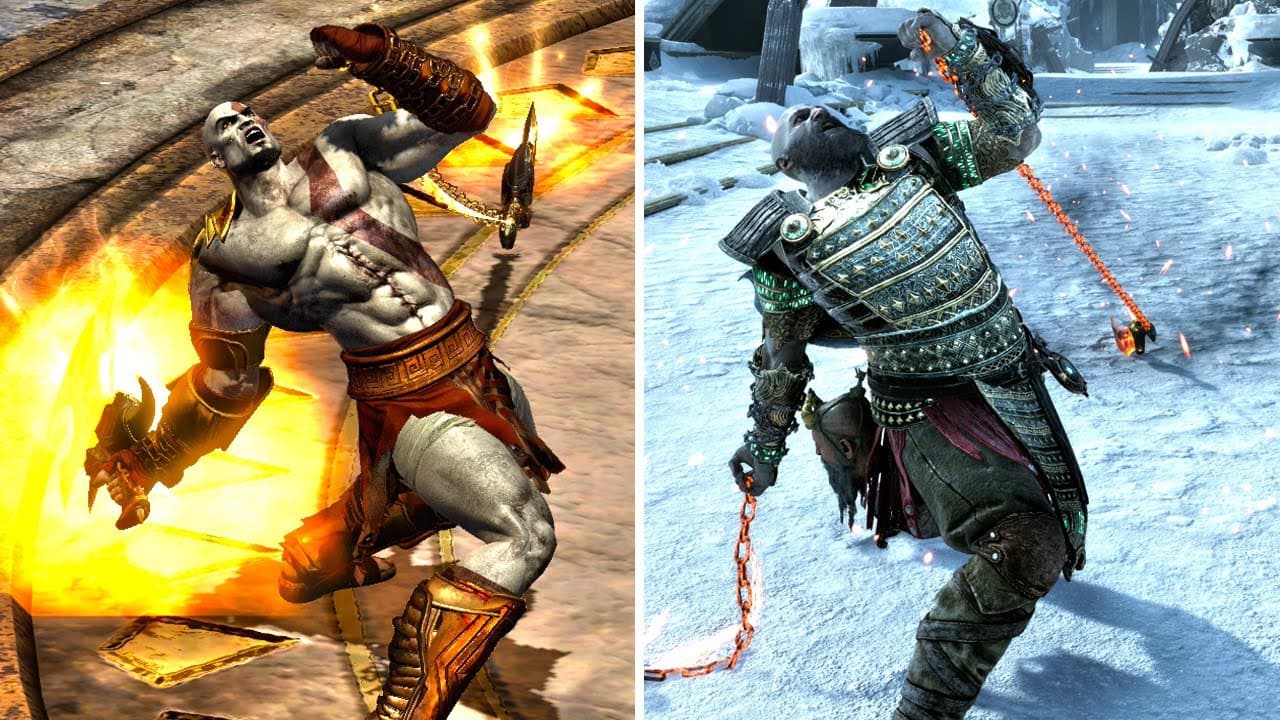
God Of War Games Ranked for 2026, including Sons Of Sparta, with every Kratos game scored by combat, story, bosses, and replay value.
Ranking God of War games is dangerous work, because every fan has one title they will defend like a Spartan oath.
But here we are: a full franchise ranking, updated for 2026, including the new 2D prequel entry.
Criteria were simple: combat quality, story impact, boss design, pacing, replay value, and that hard-to-measure factor called “how loudly did this game make me yell at my screen?”
Let the chaos begin.
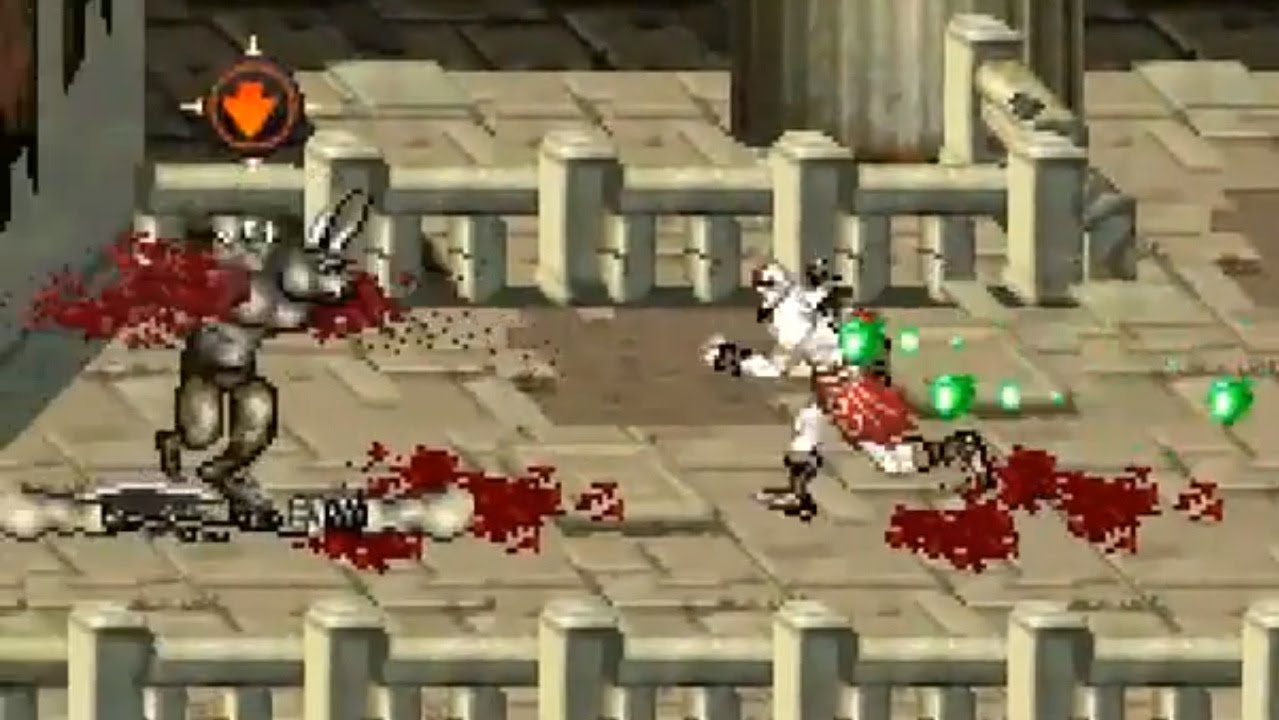
Betrayal is the franchise deep cut that most players missed, mostly because it launched in the pre-smartphone mobile era and lived in a very different gaming universe.
To its credit, it tried to keep classic God of War energy in 2D side-scrolling form, with combo chains, myth enemies, and Kratos being Kratos.
The problem is scale and legacy. It never had the technical room or narrative weight of the console entries, and today it feels more like a historical curiosity than essential canon.
Important for completionists, yes. Essential for newcomers, not really.
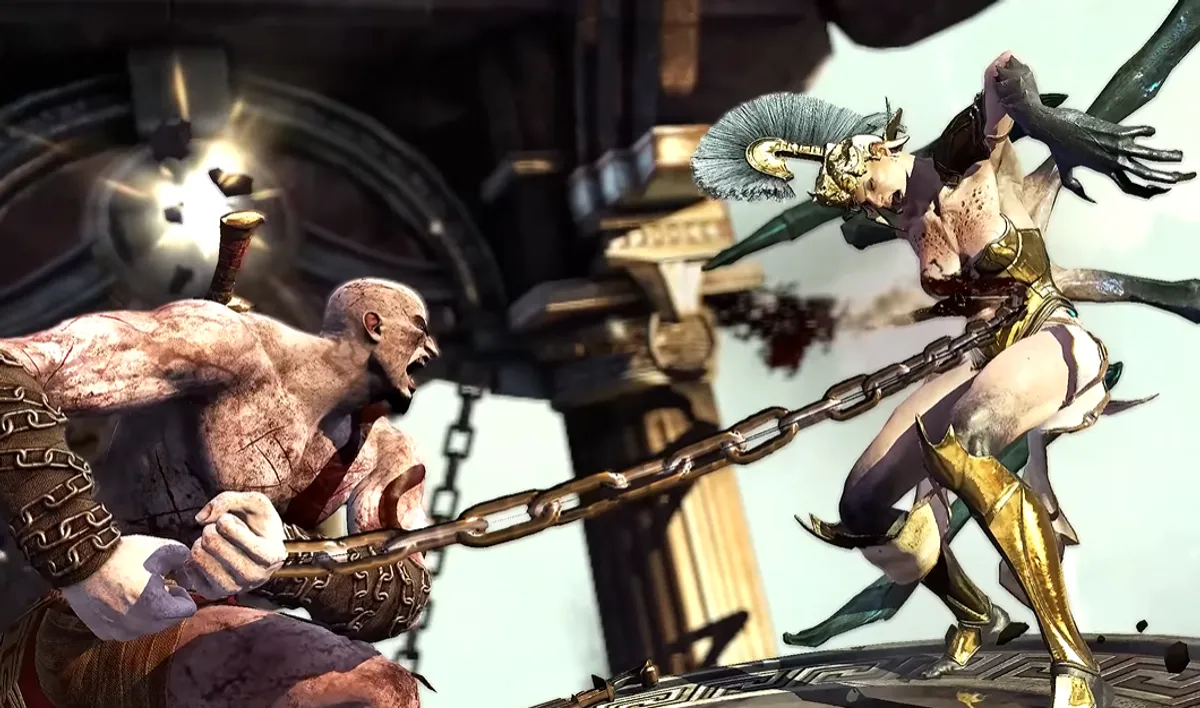
Ascension is a good game trapped under impossible expectations.
Combat is still brutal, visuals were strong for late-PS3, and the game expanded Kratos’ early timeline with bigger set pieces and mythological spectacle. It also tried multiplayer, which was bold, if not exactly what the fanbase was begging for.
Where it stumbles is momentum. Story stakes feel lower than the trilogy highs, and some pacing choices make the campaign feel less focused than the best entries.
It is far from bad. It just sits in that awkward “technically solid, spiritually less iconic” zone.
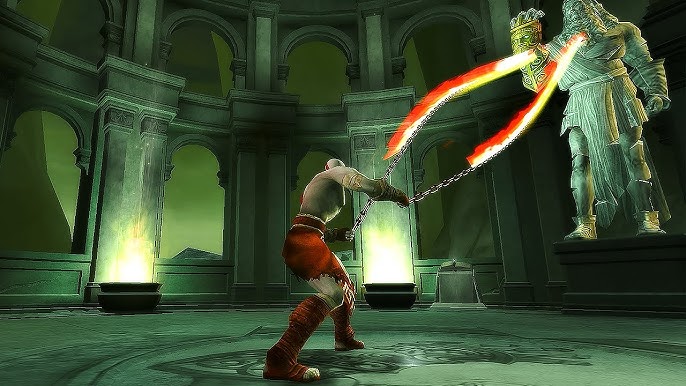
Chains of Olympus had one mission: make God of War feel legit on PSP. It succeeded.
The combat translated surprisingly well, the boss fights delivered, and the scale felt way bigger than handheld hardware had any right to support at the time.
Narratively, it adds meaningful Greek-era context for Kratos and does a strong job balancing spectacle with personal tragedy. You still get the rage, but you also get glimpses of the grief underneath it.
It is shorter and lighter than mainline entries, but as a portable prequel it is genuinely impressive.
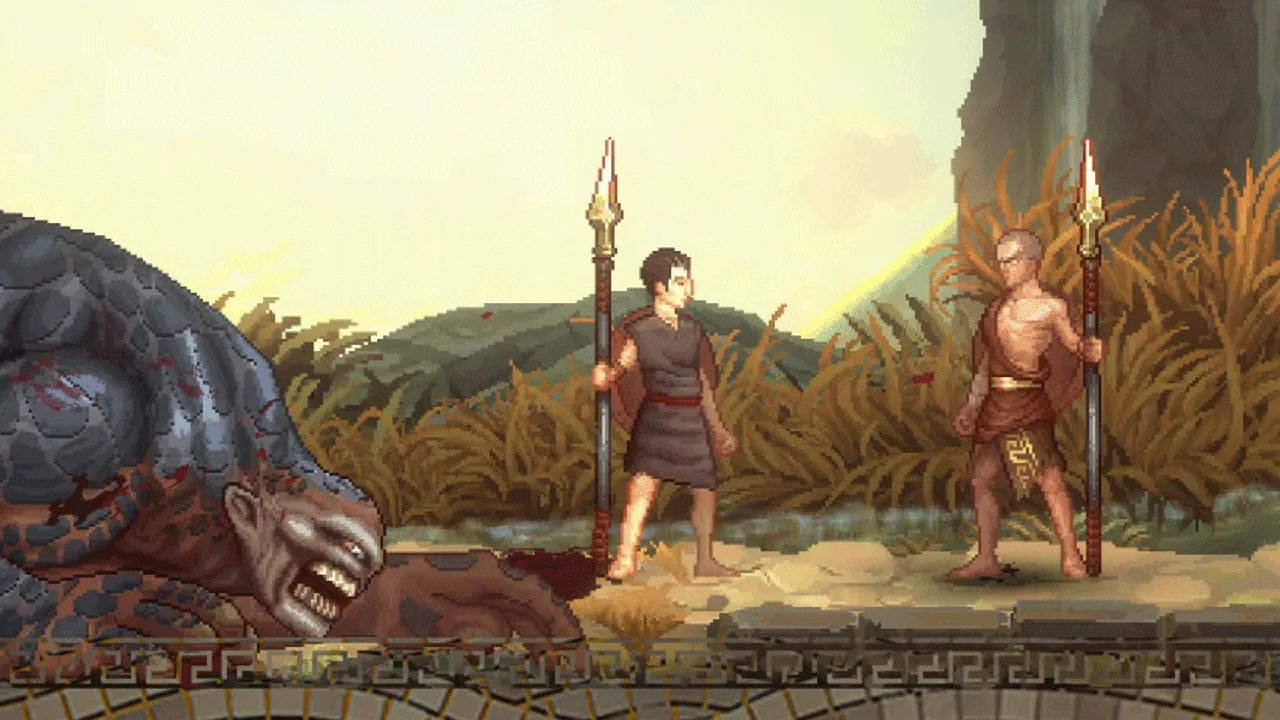
Sons of Sparta is the new wildcard: a 2D action platformer prequel that could have been a gimmick and instead became a surprisingly legit franchise side story.
It leans into Greek-era brutality, adds fast side-scrolling combat with spear-and-shield flow, and gives Deimos/Kratos dynamics more room to breathe. The retro style is not a downgrade, it is a design choice, and mostly a smart one.
It ranks mid-list for now because it does not yet carry the same long-term weight as the giants above it. But as of March 2026, it is an excellent reminder that God of War can experiment without losing identity.
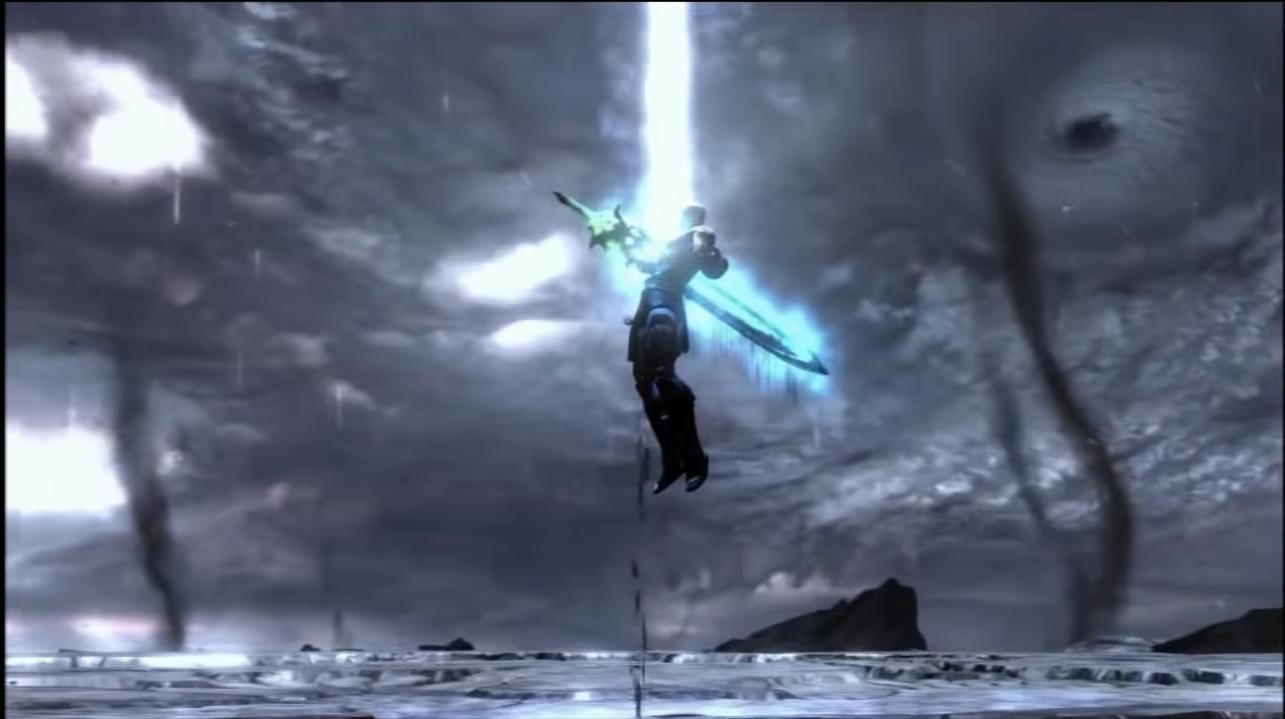
Ghost of Sparta is the best PSP God of War game, and yes, it can absolutely stand beside console entries.
The big win here is character depth. Kratos is still a rage machine, but this game gives his family trauma sharper focus and makes his arc feel more human without softening the brutality.
Combat feels tighter than Chains, presentation is stronger, and several boss/set-piece moments punch way above handheld expectations.
If you skipped it, you missed one of the franchise’s most emotionally effective chapters.
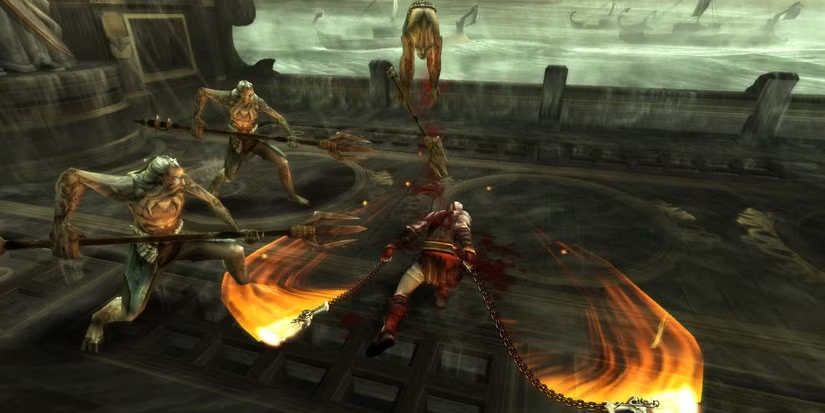
The one that started everything still holds up shockingly well.
Original God of War established the combat DNA, puzzle rhythm, myth scale, and “this boss is the size of a building and still angry at you personally” tone that the series would refine for decades.
Kratos arrives fully formed as a tragic antihero, and the Greek setting instantly felt distinct from other action franchises of its era.
It is not higher only because later games polished mechanics and storytelling further. But as a foundation, it is legendary.
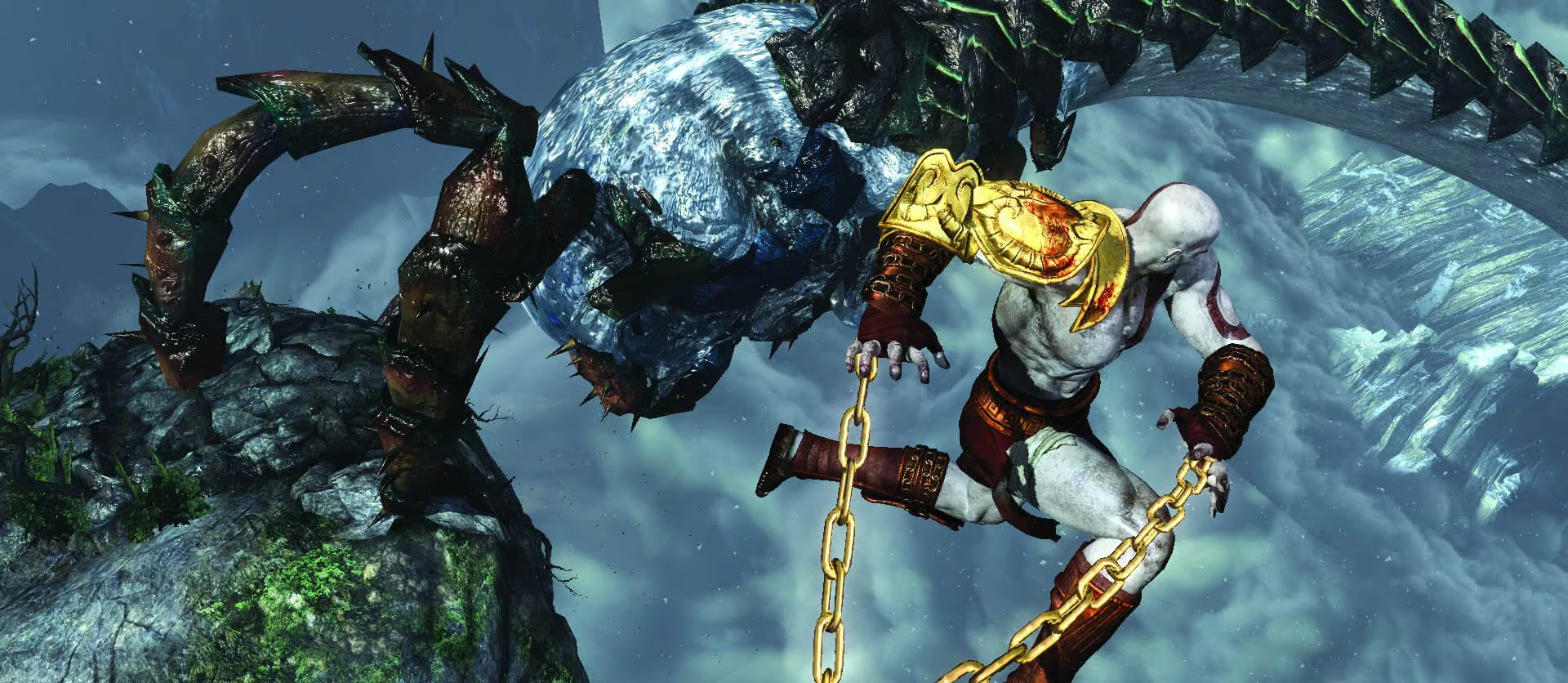
God of War III is pure escalation.
Everything is bigger: bosses, gore, production values, myth destruction, and Kratos’ commitment to handling conflict with maximum force and minimum diplomacy.
Combat is sharp, weapon variety is fun, and the presentation still slaps. The opening sequence alone is one of the most ridiculous and iconic starts in action-game history.
It misses top-three mostly on emotional nuance. It is an all-time spectacle machine, but it is less layered than the very best entries.
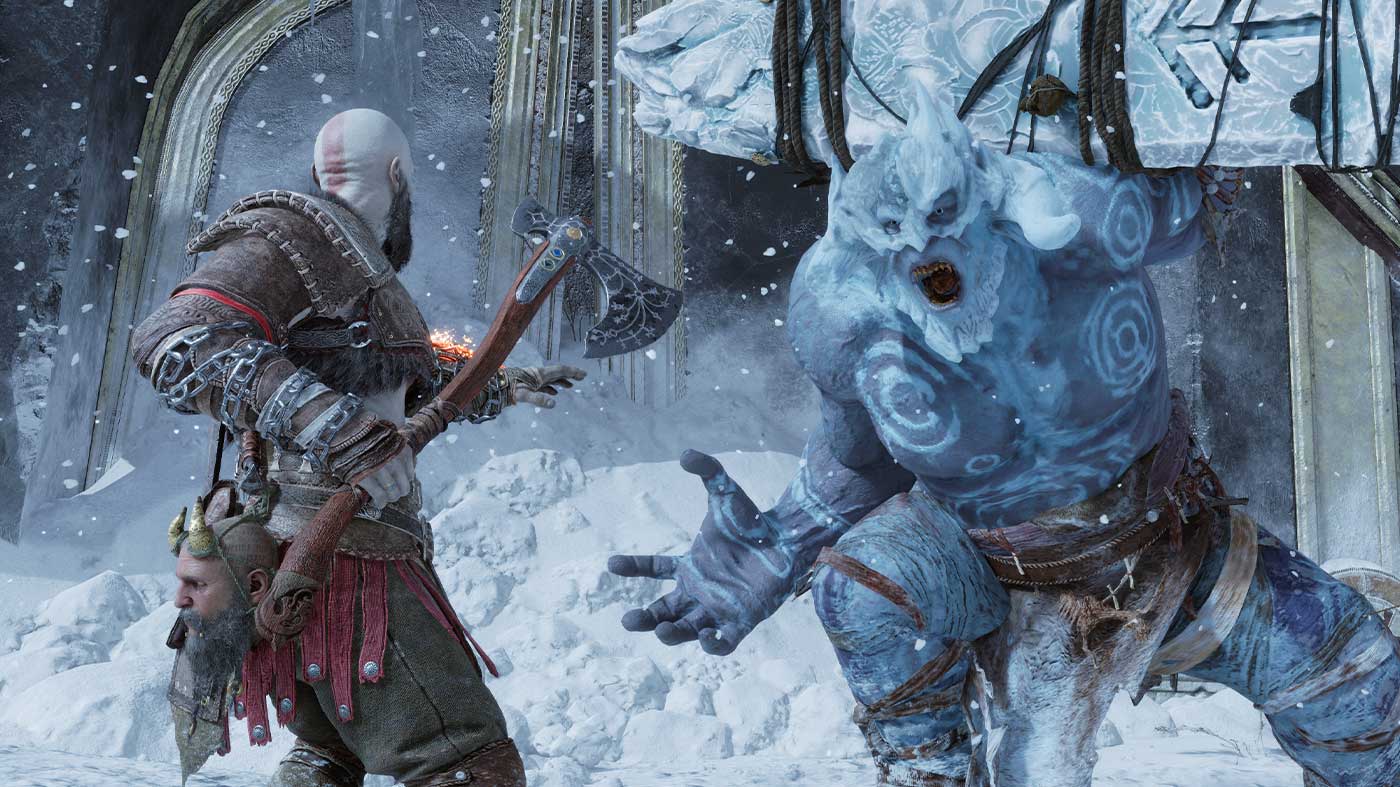
Ragnarök had brutal expectations and mostly delivered.
It expands combat options, gives Atreus more narrative agency, and lands many of the character arcs built in 2018. The emotional range is strong, from quiet father-son scenes to full mythic chaos with gods, monsters, and consequences everywhere.
Some players felt the pacing was uneven in places, but the highs are enormous, and the endgame content is excellent. It is a big, confident sequel that respects the reboot while still pushing forward.
Also: few games make “throwing an axe” feel this permanently satisfying.
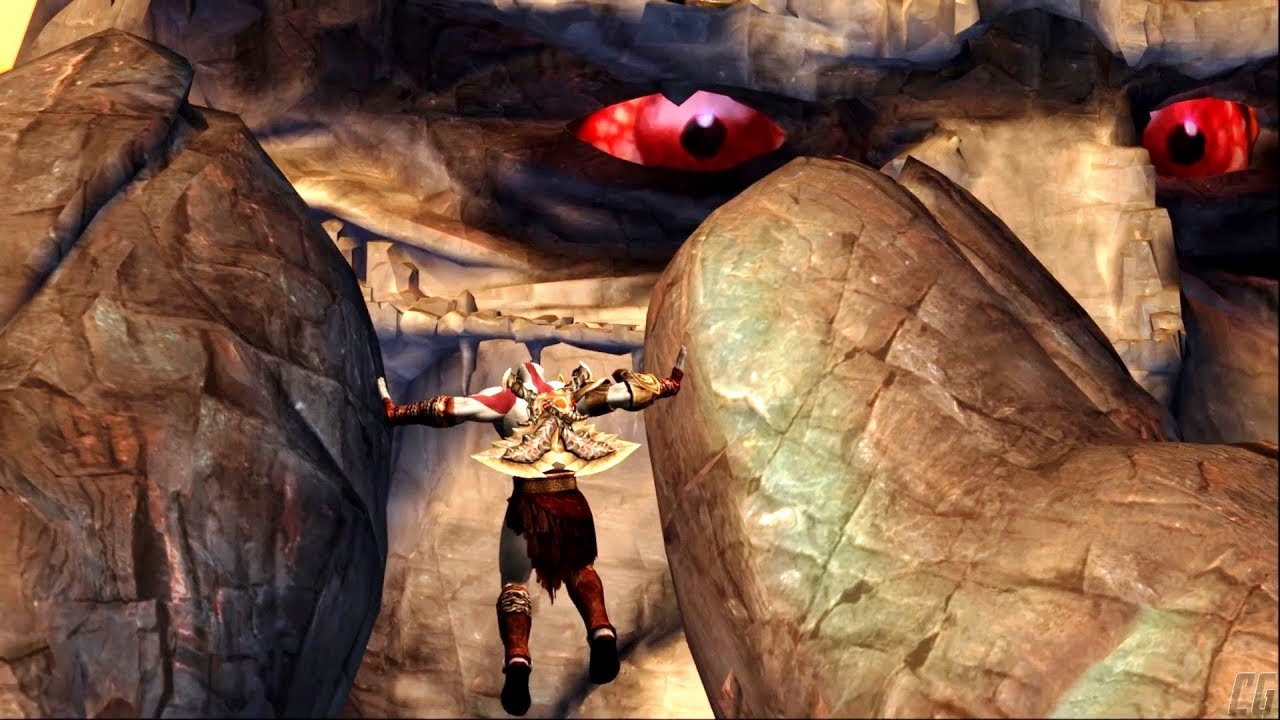
God of War II is sequel design at expert level.
It takes the original formula and improves nearly everything: combat flow, encounter design, puzzle pacing, scale, and narrative propulsion. The result is a campaign that rarely wastes your time and constantly pushes you into memorable moments.
Kratos is at peak Greek-era fury, but the game also sharpens the betrayal/revenge arc in a way that keeps momentum from first boss to final cliffhanger.
For many longtime fans, this is still the definitive “classic God of War” experience.
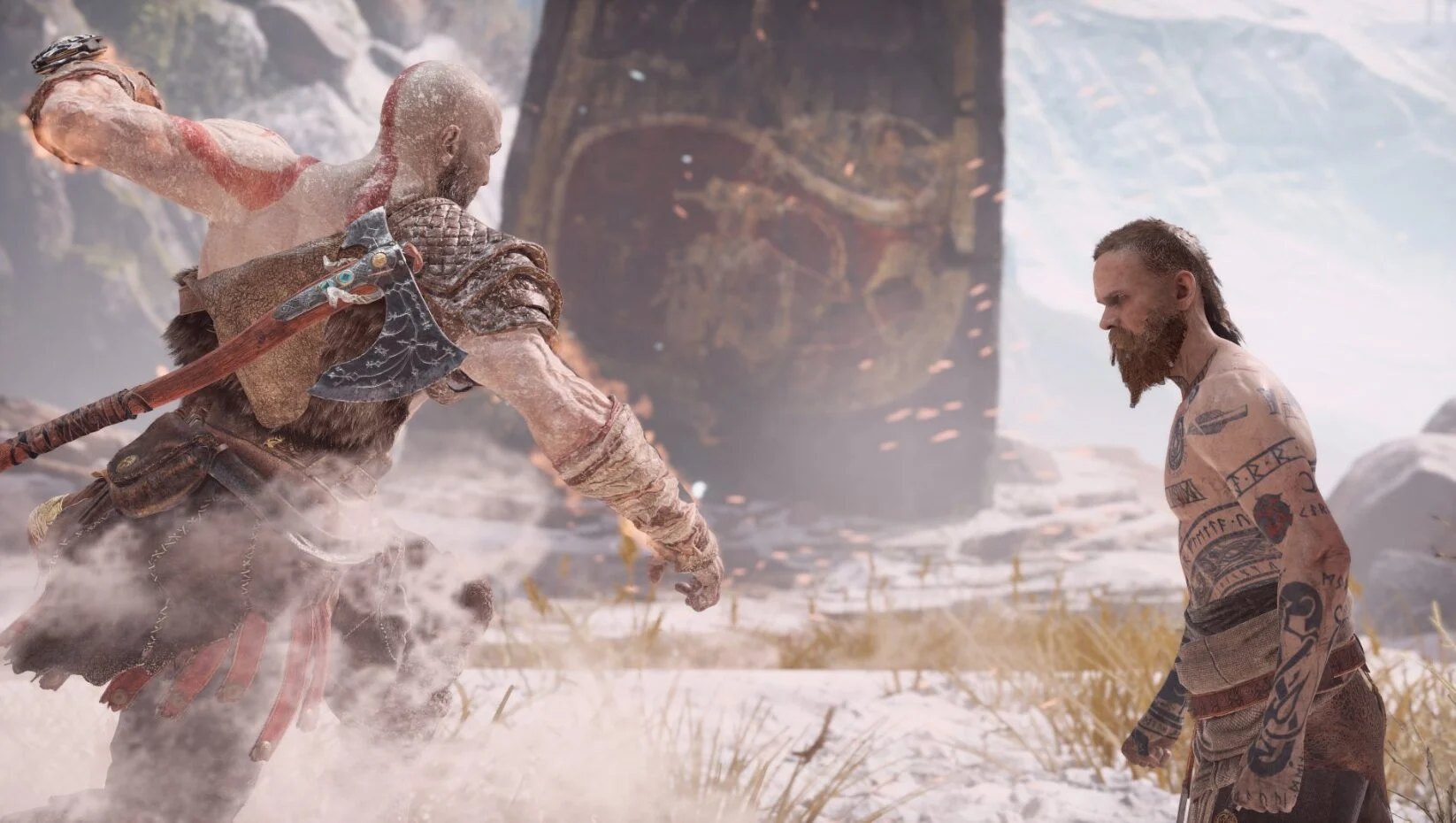
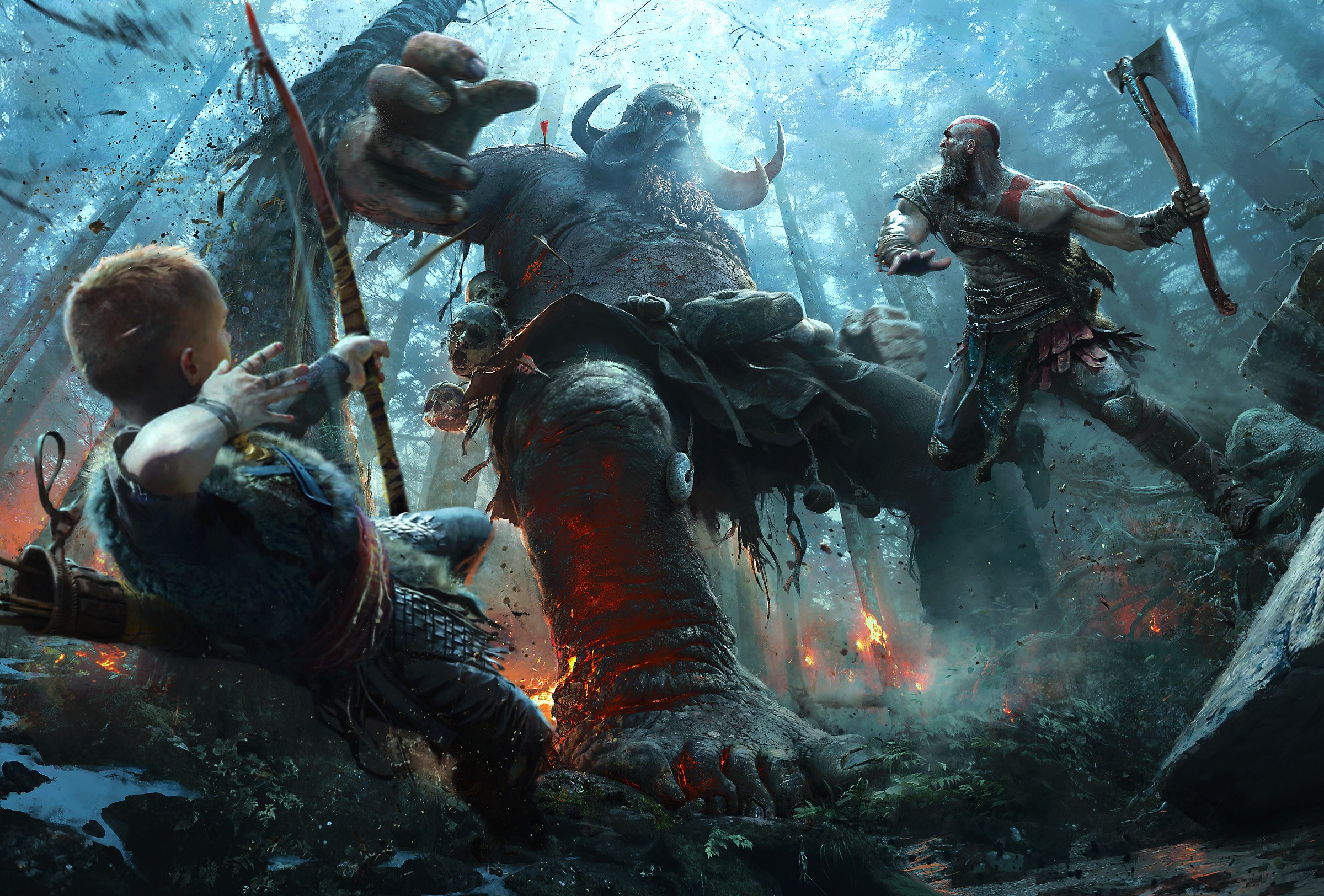
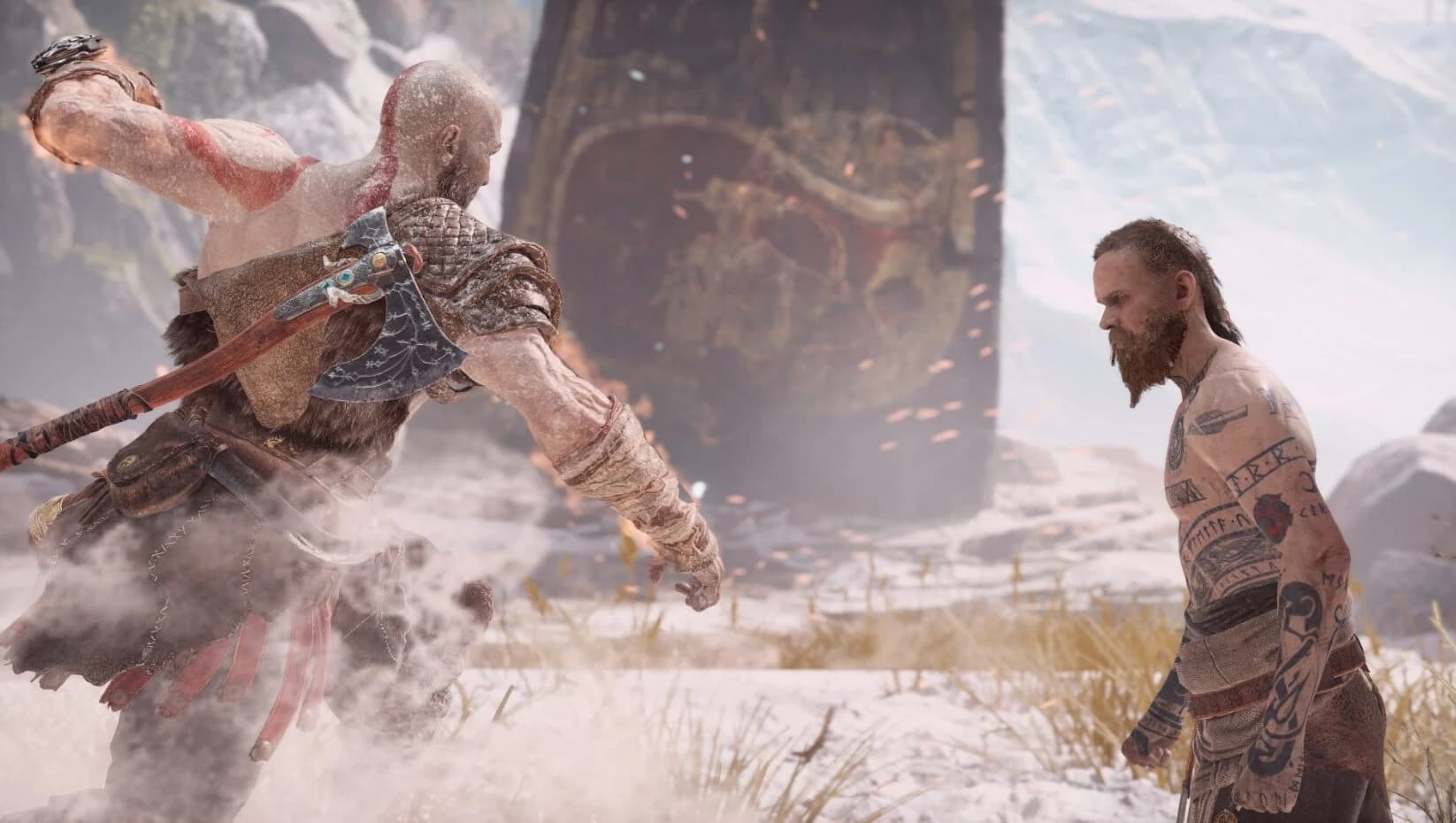
God of War (2018) is the best overall package in the franchise.
It reinvented combat, shifted camera language, matured the writing, and transformed Kratos from a one-note rage legend into one of gaming’s strongest character arcs. The father-son dynamic with Atreus could have been corny. Instead, it became the emotional backbone of the entire Norse saga.
The world design is dense, the lore delivery is elegant, and the combat hits that perfect line between tactical and brutal.
It is rare for a reboot to respect old fans, attract new ones, and still feel artistically bold. This one did all three.
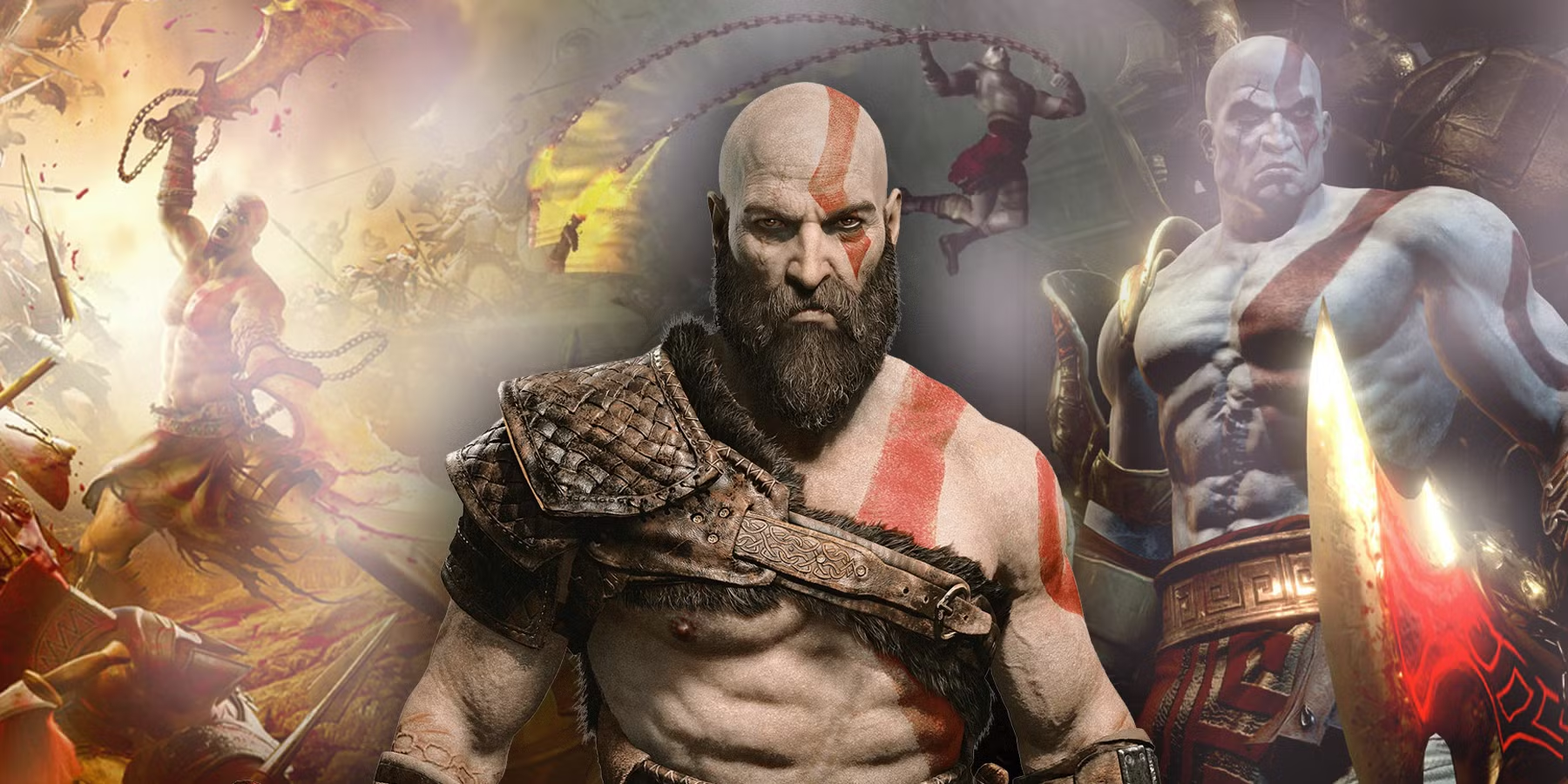
God of War has two elite eras:
Greek era: raw spectacle, relentless aggression, iconic boss scale.
Norse era: deeper character writing, tighter thematic arcs, more reflective tone.
The best entries blend both sides: mechanical intensity and emotional weight.
If your personal #1 is different, that is normal. This franchise has very few bad games and way too many strong cases.
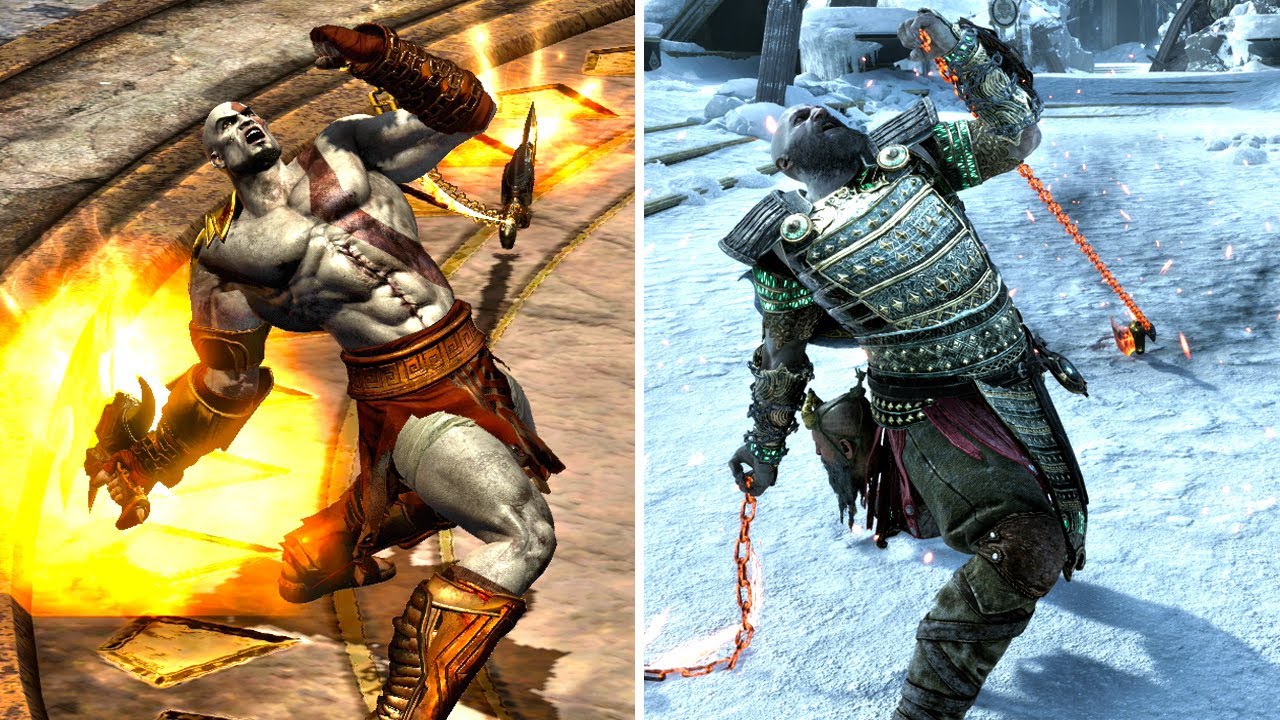
God of War stayed relevant for two decades because it evolved without losing identity.
Kratos can still tear through gods, but now the series also cares about grief, legacy, and what violence costs after the credits roll.
So yes, the ranking is debatable. That is the point.
A franchise is truly elite when even its “mid-tier” games are someone else’s all-time favorite.
 PlayStationNews
 PlayStationGuide
 PlayStationNews
 PlayStationGuide