
 PlayStationMar 05, 2026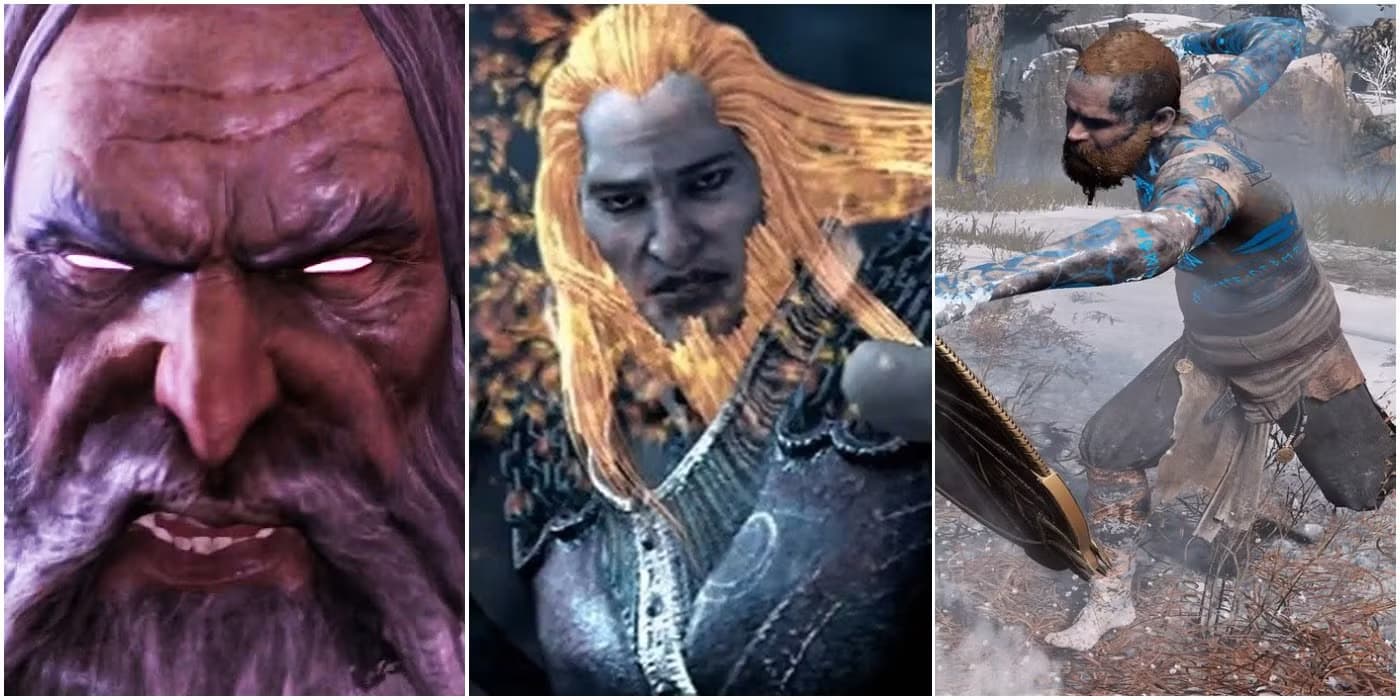
Best God Of War Bosses Ranked across Greek and Norse eras, from Zeus and Poseidon to Baldur, Thor, Odin, and Valkyrie Queen Sigrun.
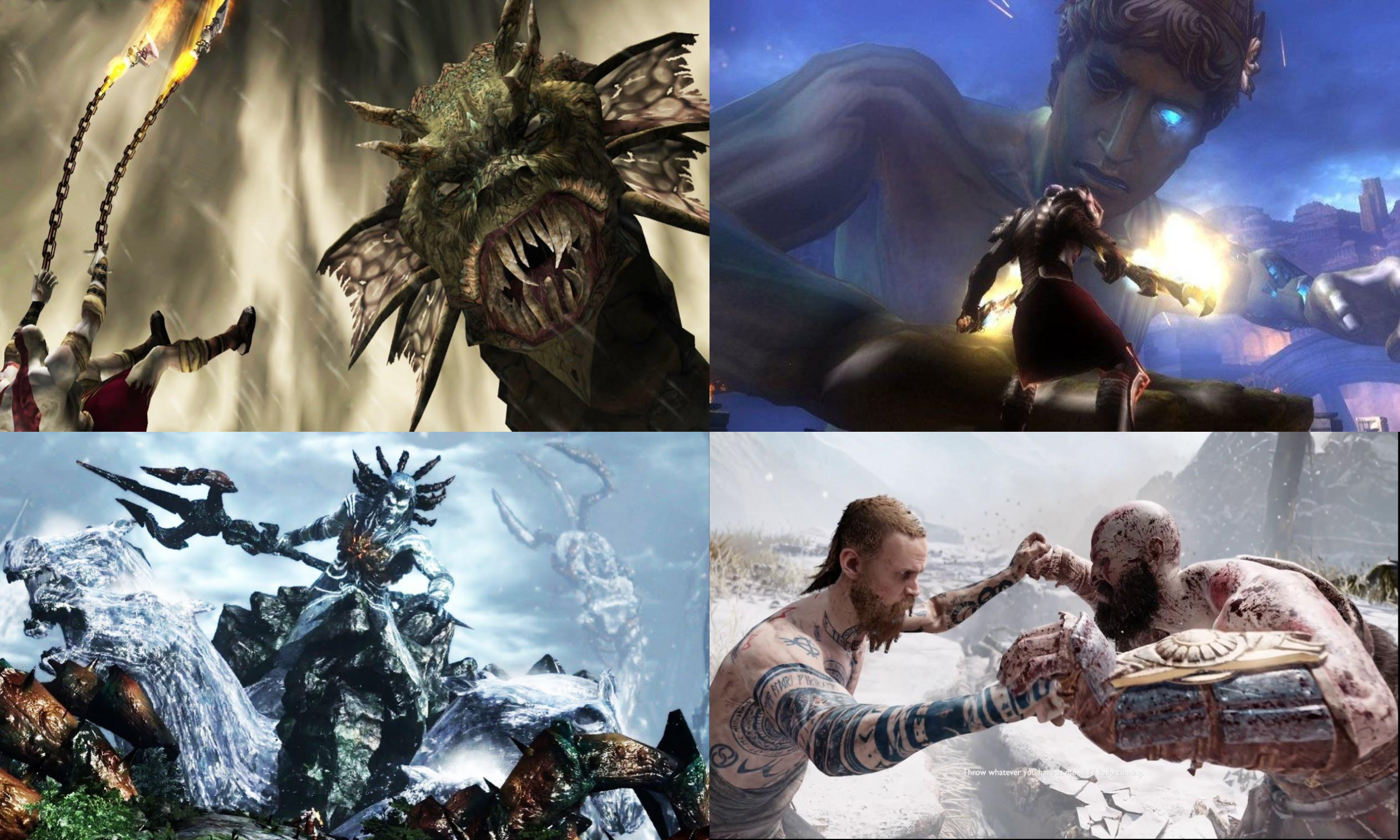
God of War bosses are not polite skill checks. They are full mythological interventions.
Some fights are pure spectacle. Some are brutal technical duels. Some are emotional damage wrapped in excellent animation and arena design.
This ranking covers the best God of War bosses across the Greek and Norse eras, based on mechanics, story payoff, presentation, and replay value.
Yes, you will disagree with at least two picks. That means the franchise did its job.
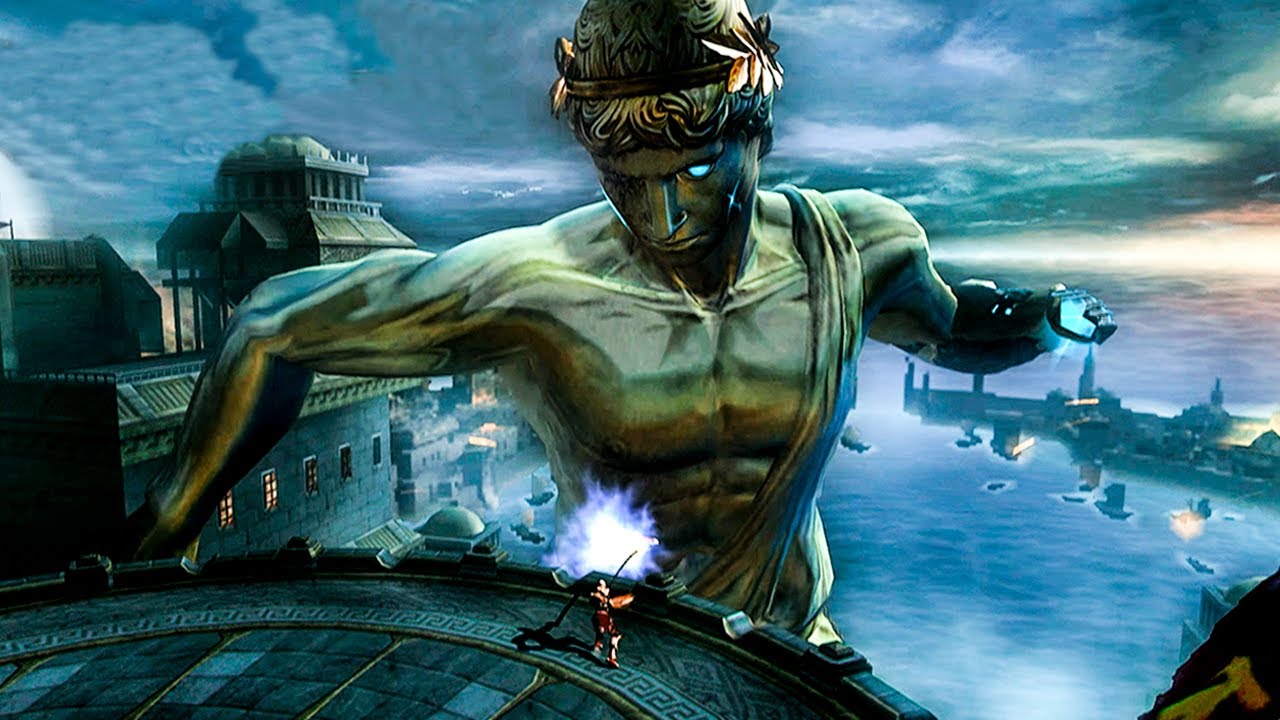
Colossus of Rhodes is one of the best “welcome back” bosses ever made.
It sets God of War II’s tone immediately: huge scale, cinematic chaos, and a fight that makes you feel underpowered in the best possible way. You are climbing a living war machine while getting swatted around ancient architecture.
Mechanically it is not the deepest encounter on this list, but as an opening statement, it is elite. It tells you the stakes are bigger, the anger is louder, and the franchise is escalating hard.
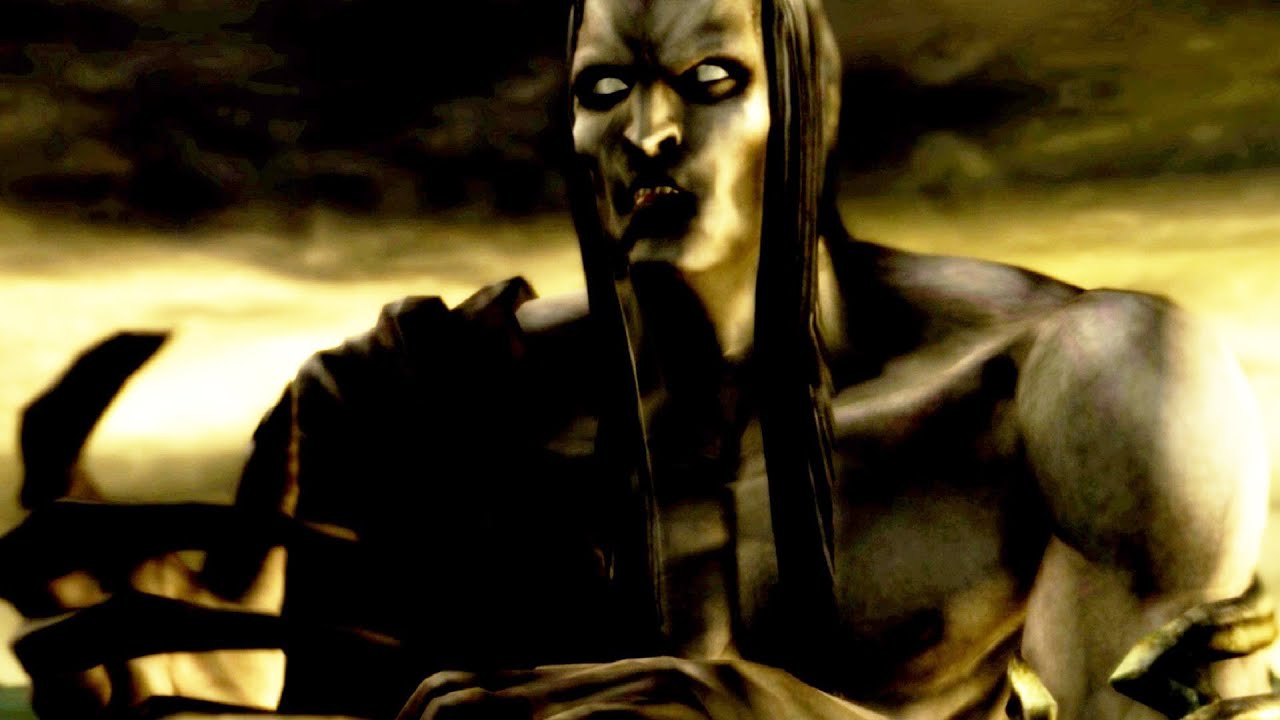
Thanatos is one of the strongest handheld-era boss payoffs.
The fight has scale, pressure, and a real emotional core because it is tied directly to Kratos and Deimos. That connection gives the battle weight beyond “big enemy at the end.”
For a PSP title, the presentation still hits hard, and mechanically it balances spectacle with enough threat to stay memorable. Thanatos is a reminder that Ghost of Sparta was not a side note, it was legit God of War drama with excellent boss design.
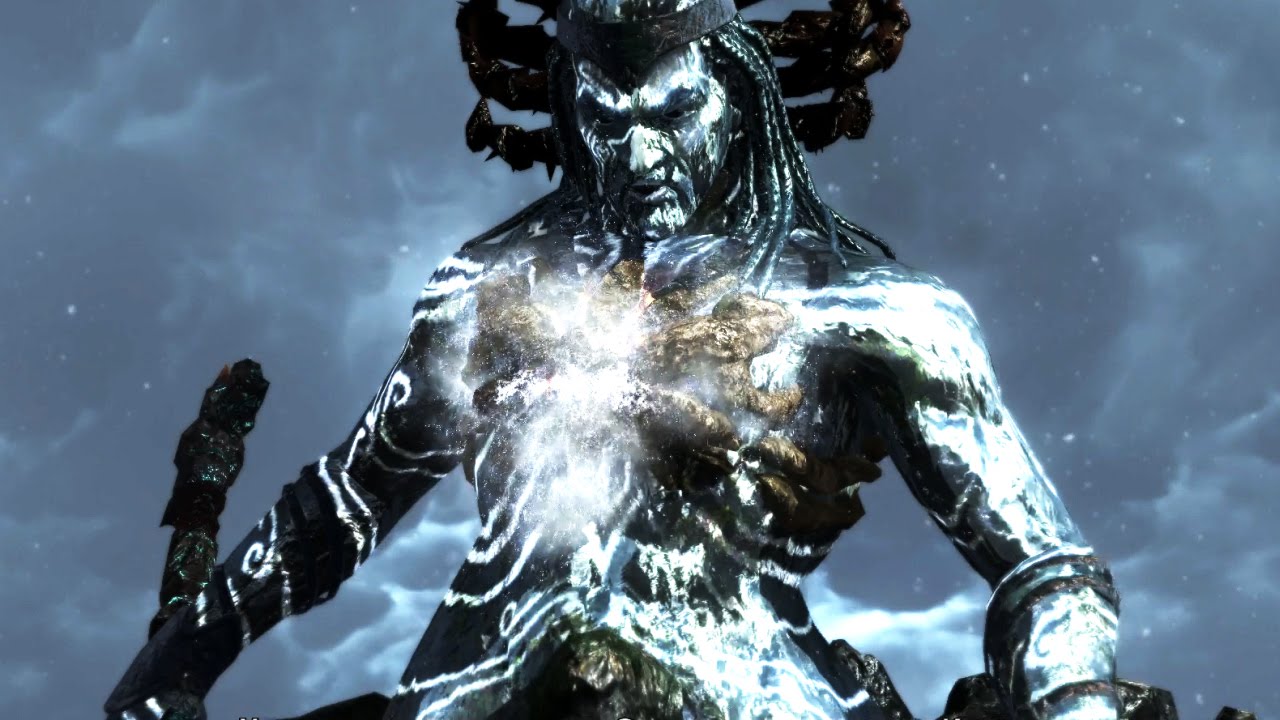
Poseidon is basically God of War III screaming “we are not pacing ourselves.”
This fight is giant, violent, and absurdly cinematic, with perspective shifts and arena destruction that still feel impressive. It is one of the most iconic intros in action game history for a reason.
The gameplay is more about controlled chaos than tight duel precision, but that is exactly what makes it work. Poseidon is not subtle design. It is spectacle executed at near-perfect franchise peak.
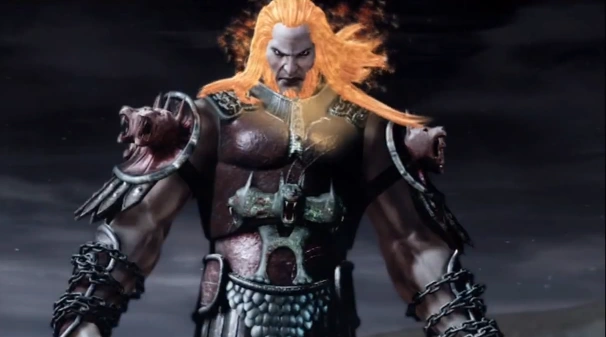
Ares is old-school God of War boss design at full intensity.
The fight is mechanically rougher than modern entries, but narratively it is massive. This is the confrontation that defines the entire franchise identity: creator versus weapon, manipulation versus revenge.
Ares also established what God of War bosses would become, not just stat checks, but mythic conclusions tied directly to Kratos’ trauma. It may not be the cleanest fight by modern standards, but its legacy value is untouchable.
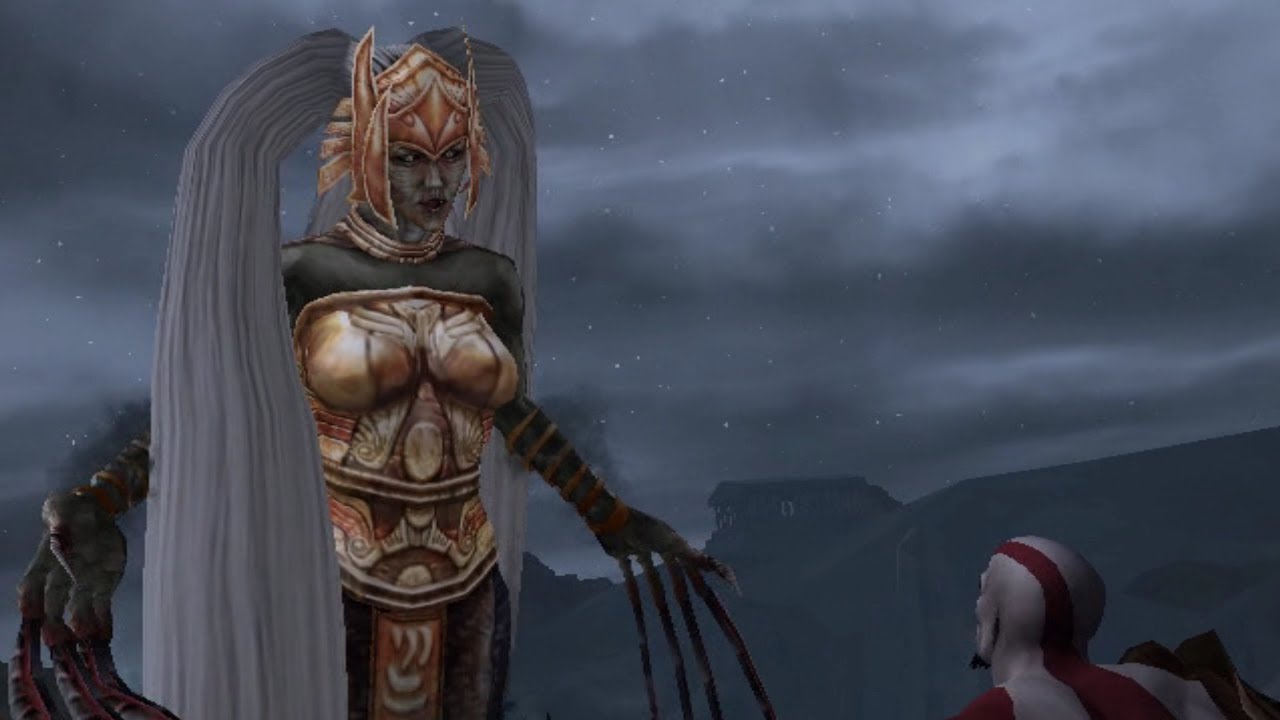
The Sisters of Fate encounter is one of the Greek saga’s most creative multi-phase boss structures.
It mixes mechanics, spectacle, and narrative consequence beautifully. You are not just defeating enemies, you are assaulting destiny itself, which is very on-brand for Kratos at this stage of his life.
The fight’s transitions stay memorable, and each stage changes rhythm enough to keep tension high. It is a classic example of the franchise balancing mythological drama with actual gameplay variety instead of just making everything bigger and louder.
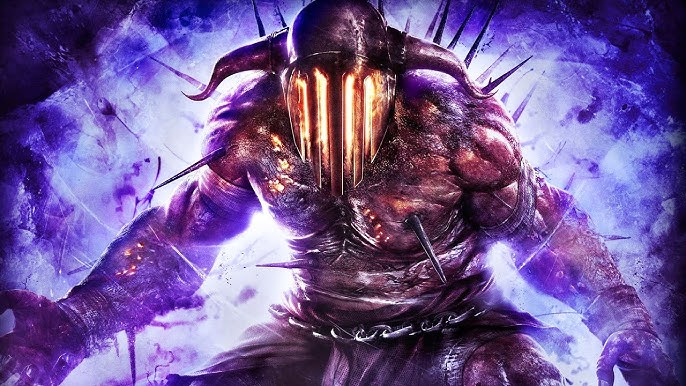
Hades is one of God of War III’s strongest pure combat bosses.
He hits hard, controls space well, and keeps pressure constant without feeling random. The arena atmosphere also helps, this fight feels like the Underworld is actively rooting against you.
Narratively, this is another key Olympian collapse moment, and the execution is brutally memorable. Hades is not the flashiest god in the trilogy, but as a boss encounter, he is sharp, aggressive, and deeply satisfying once you learn the flow.
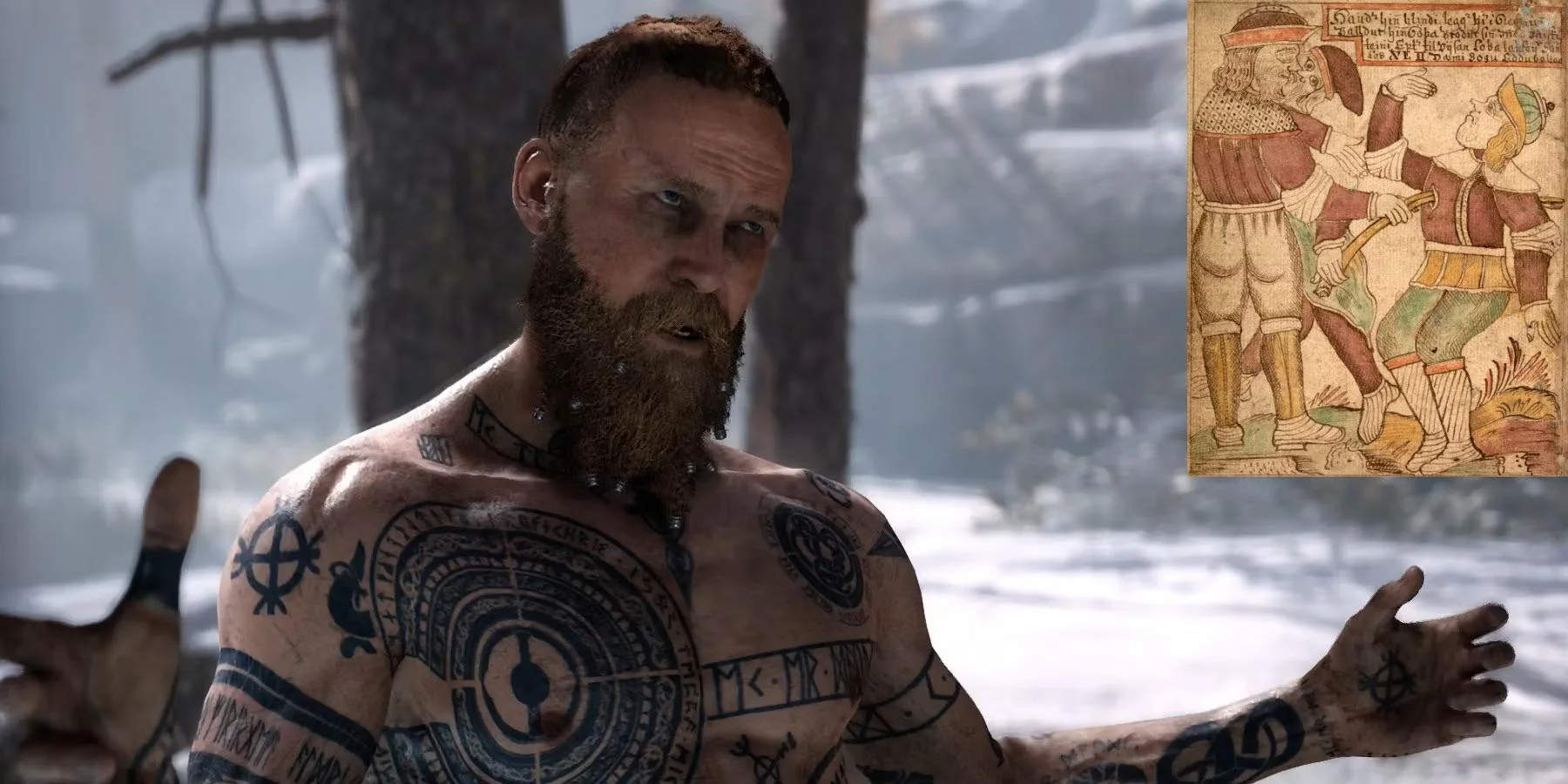
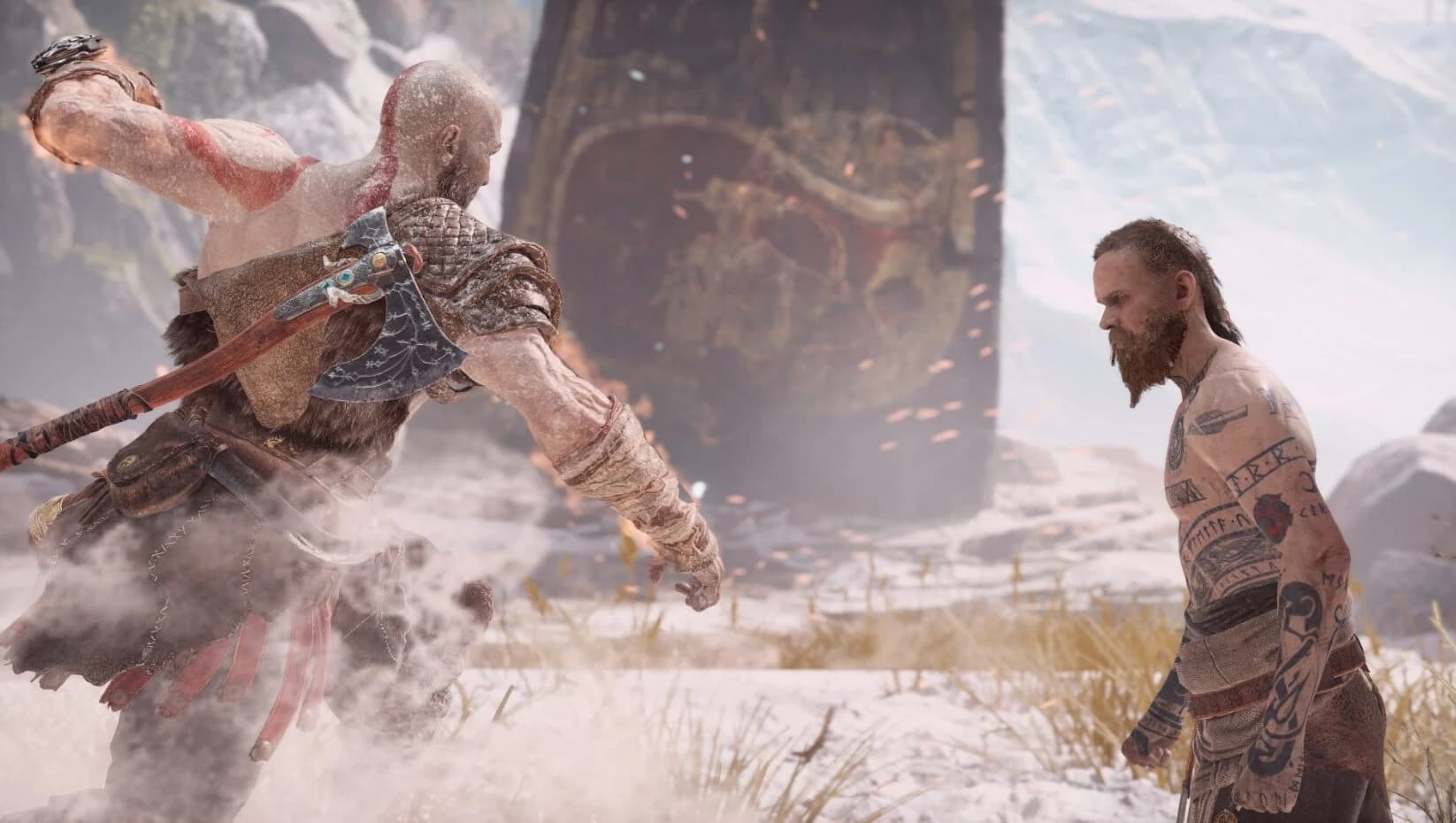
Baldur is where Norse-era boss design fully announces itself.
He is fast, relentless, and personal. The fight choreography feels more like a violent conversation than a standard boss pattern loop, which fits the 2018 tone perfectly.
What makes Baldur elite is the blend of mechanics and story. Every phase escalation tracks his curse, his obsession, and Kratos’ struggle to avoid repeating his old cycle. You are not just winning a duel, you are watching two damaged lineages collide at full speed.
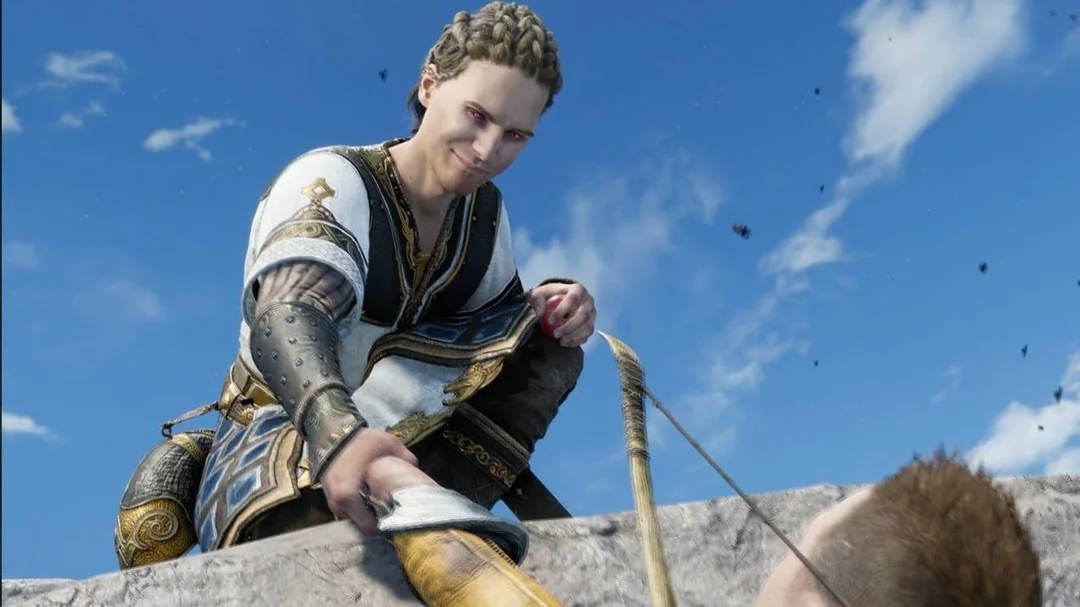
Heimdall is one of the most satisfying fights in Ragnarök because of how the game builds him up.
His foresight gimmick makes him feel unfair at first, then the encounter evolves into a smart counter-design moment where Kratos adapts, not just out-damages. That mechanical pivot is excellent.
On top of that, Heimdall is profoundly hateable in the best villain way. The fight carries emotional momentum, narrative importance, and clean combat readability. When he falls, it feels earned, and very, very overdue.
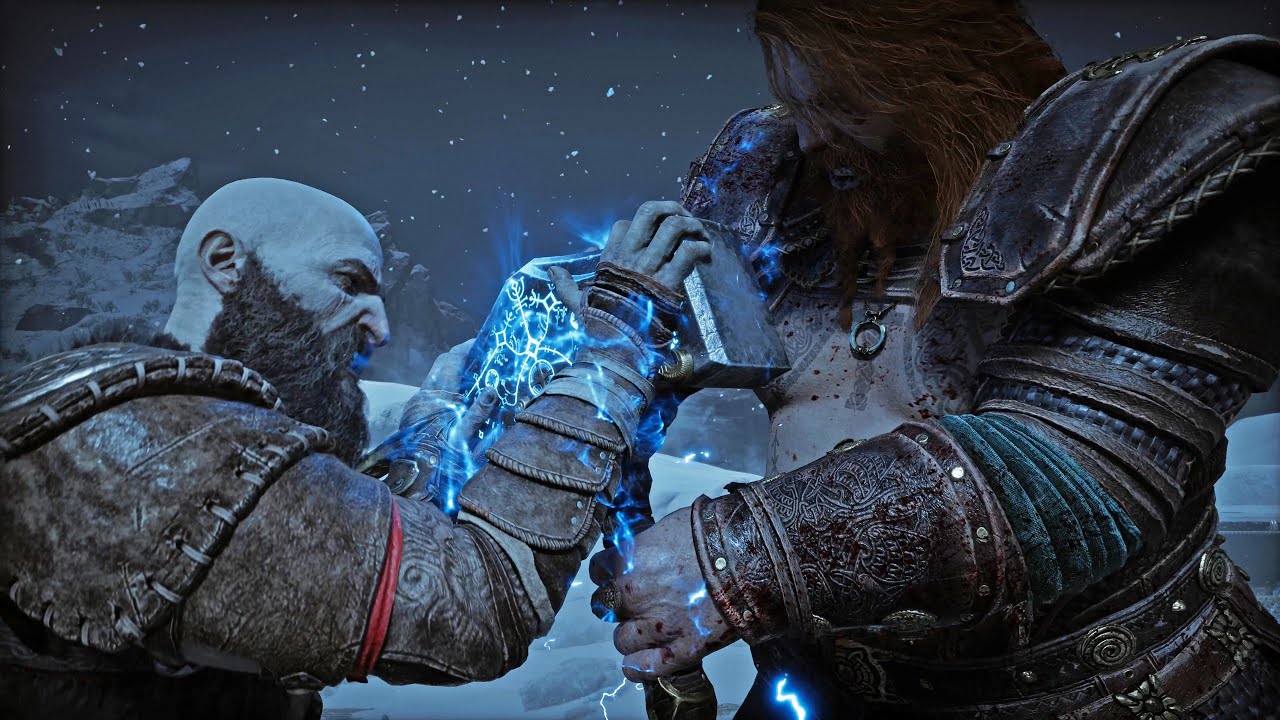
Thor versus Kratos is exactly what fans wanted: mythic heavyweight violence with serious character depth underneath.
The fight feels brutal and grounded at the same time. Thor’s presence is overwhelming, but his motivations are layered enough that the battle never feels one-note.
Mechanically, the duel rewards discipline and timing rather than pure aggression spam. Narratively, it is a clash between two warriors shaped by destructive fathers and violent legacies. Big spectacle, strong writing, real stakes, excellent boss package.
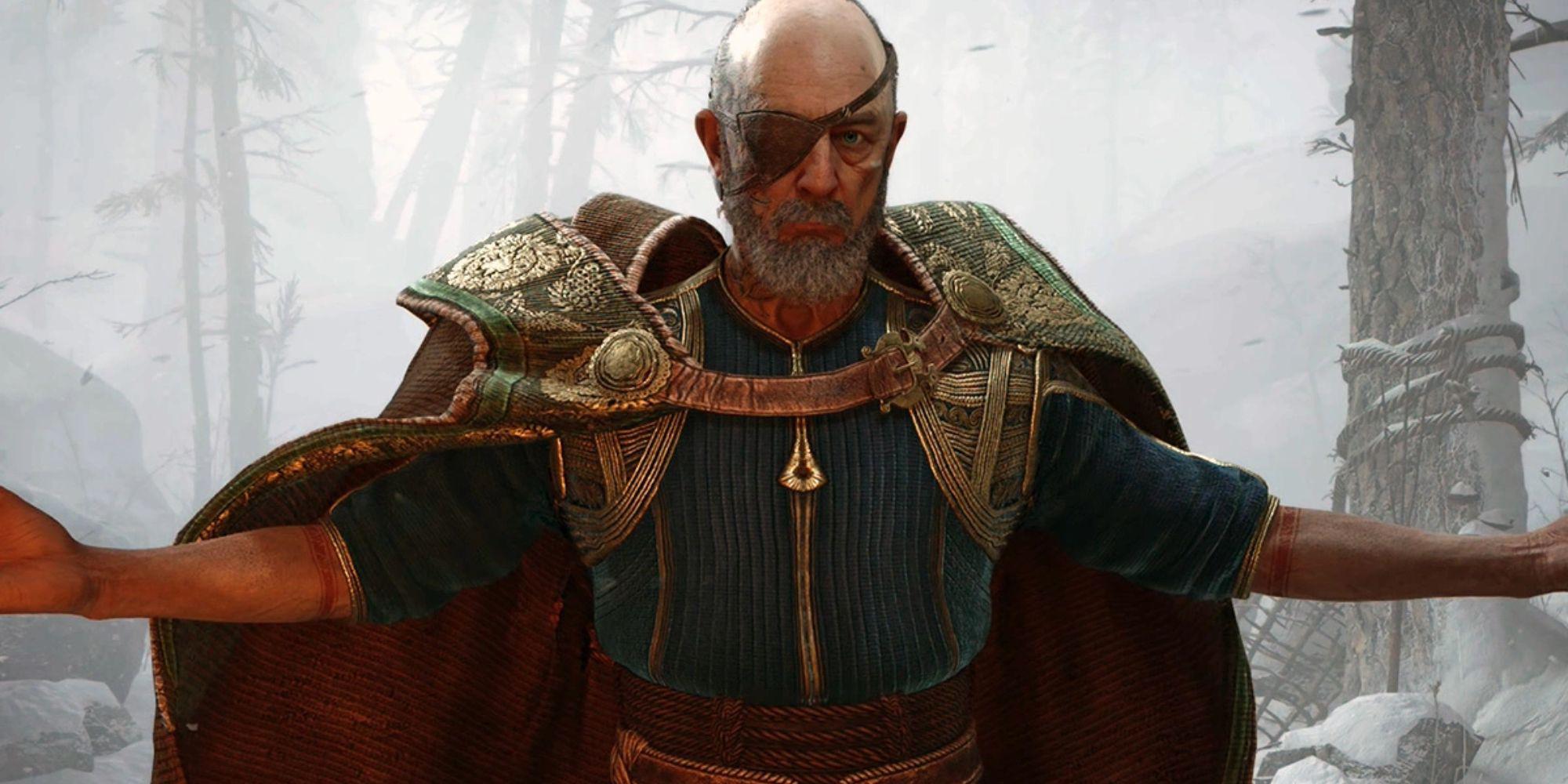
Odin’s fight works because the game spends so long making him dangerous through manipulation first.
By the time you reach the final confrontation, this is not just another god kill. It is the collapse of a control system that has been poisoning every realm through fear, lies, and leverage.
The encounter itself has strong phase pacing and excellent team dynamic energy. It is not the hardest fight in the series, but as a final narrative payoff, it lands hard and closes the Norse arc with real thematic weight.
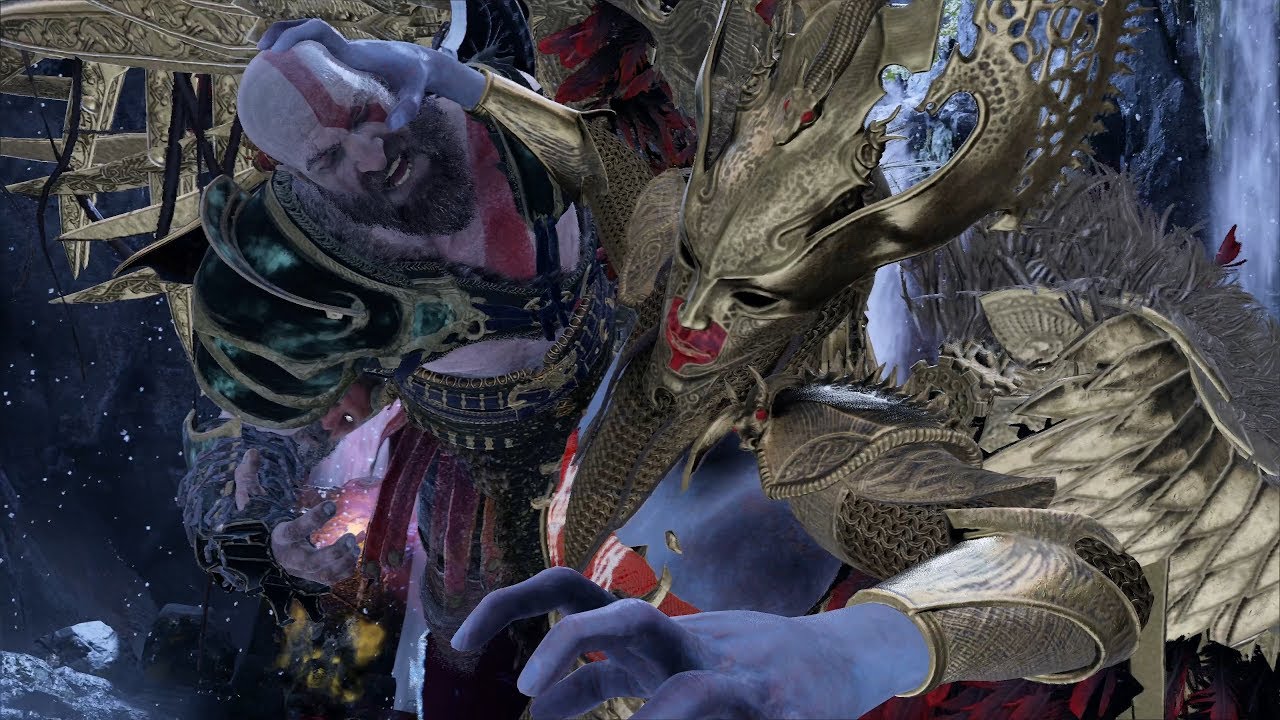
Sigrun is the optional boss that turned thousands of confident players into humble students.
She is aggressive, punishing, and mechanically dense, combining patterns from the other Valkyries into one relentless final exam. This is pure combat mastery design: no gimmick, no cutscene rescue, just execution.
Beating Sigrun feels incredible because there is nowhere to hide. You either learn the encounter deeply or lose repeatedly with educational efficiency. As a challenge boss, she is still one of the franchise’s finest achievements.
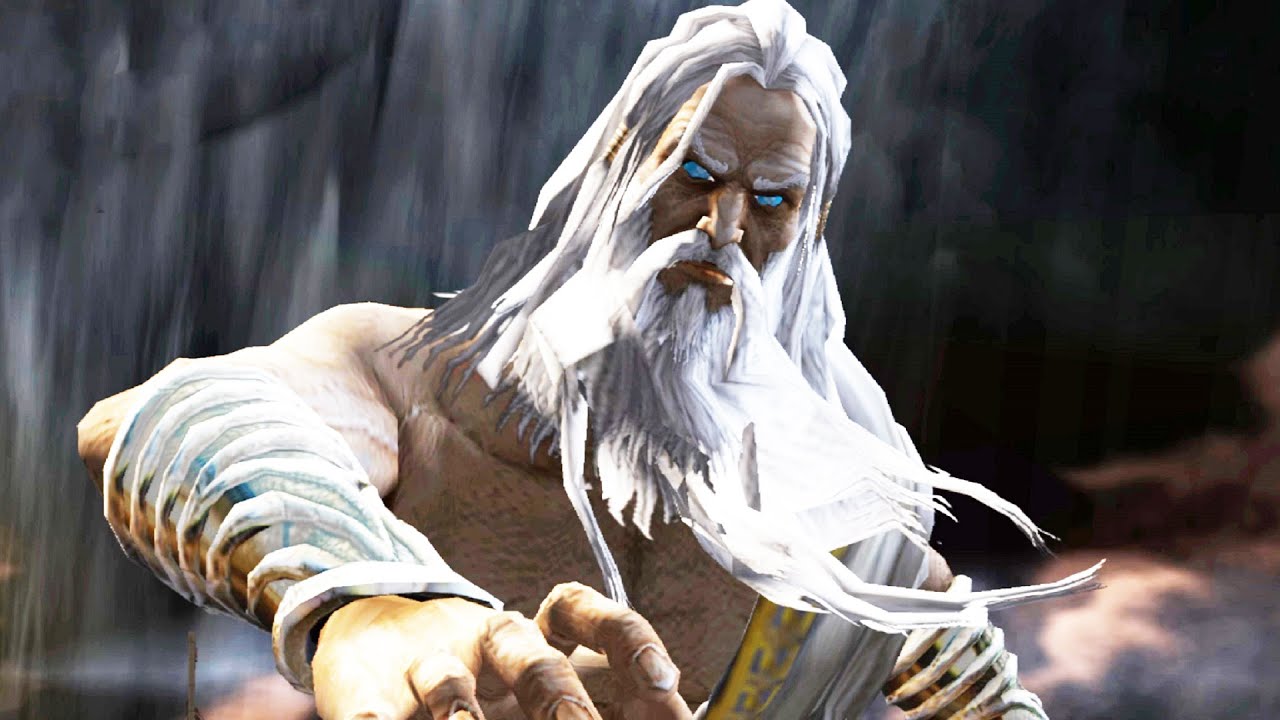
Zeus remains the definitive God of War boss because he combines mechanics, narrative stakes, and franchise legacy in one encounter.
This is not just “big bad at the end.” This is the emotional and thematic center of the Greek saga: fear-driven authority versus rage-driven rebellion, both destroying everything around them.
The multi-stage conflict feels personal, mythic, and final in a way few action-game finales manage. When Zeus falls, it is not a clean victory. It is the end of an era and the start of a harder question: what does Kratos become now?
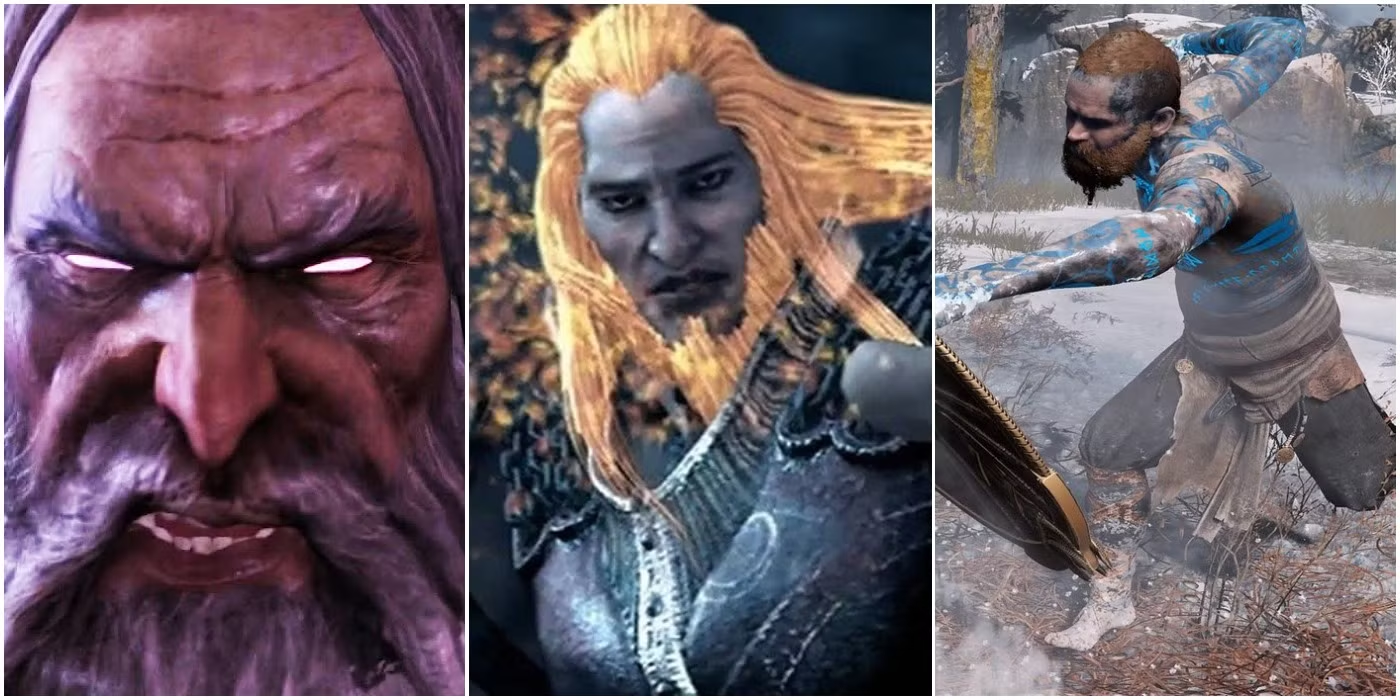
The best God of War bosses are not memorable just because they are hard.
They are memorable because they reveal character through combat. Kratos fights rage, guilt, fate, family, and legacy as much as he fights gods.
That is why these encounters stick. You remember the mechanics, but you also remember what each battle meant.
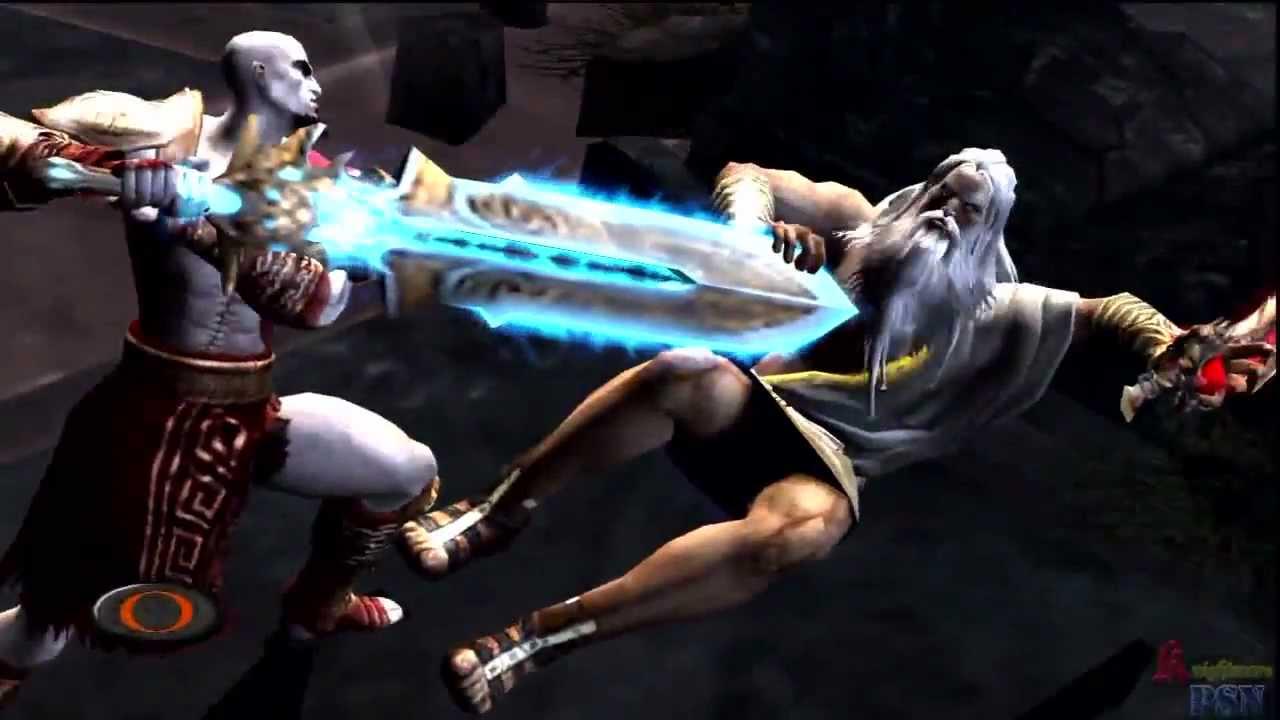
God of War has changed styles, cameras, and mythologies, but one thing never changed: boss fights are the franchise’s emotional detonators.
From Ares and Zeus to Baldur, Thor, and Odin, the best encounters are where mechanics and storytelling hit at the same time.
If a boss makes you panic, adapt, and then sit quietly during the cutscene after, it belongs on this list.
 PlayStationNews
 PlayStationGuide
 PlayStationNews
 PlayStationGuide