
 PlayStationMar 05, 2026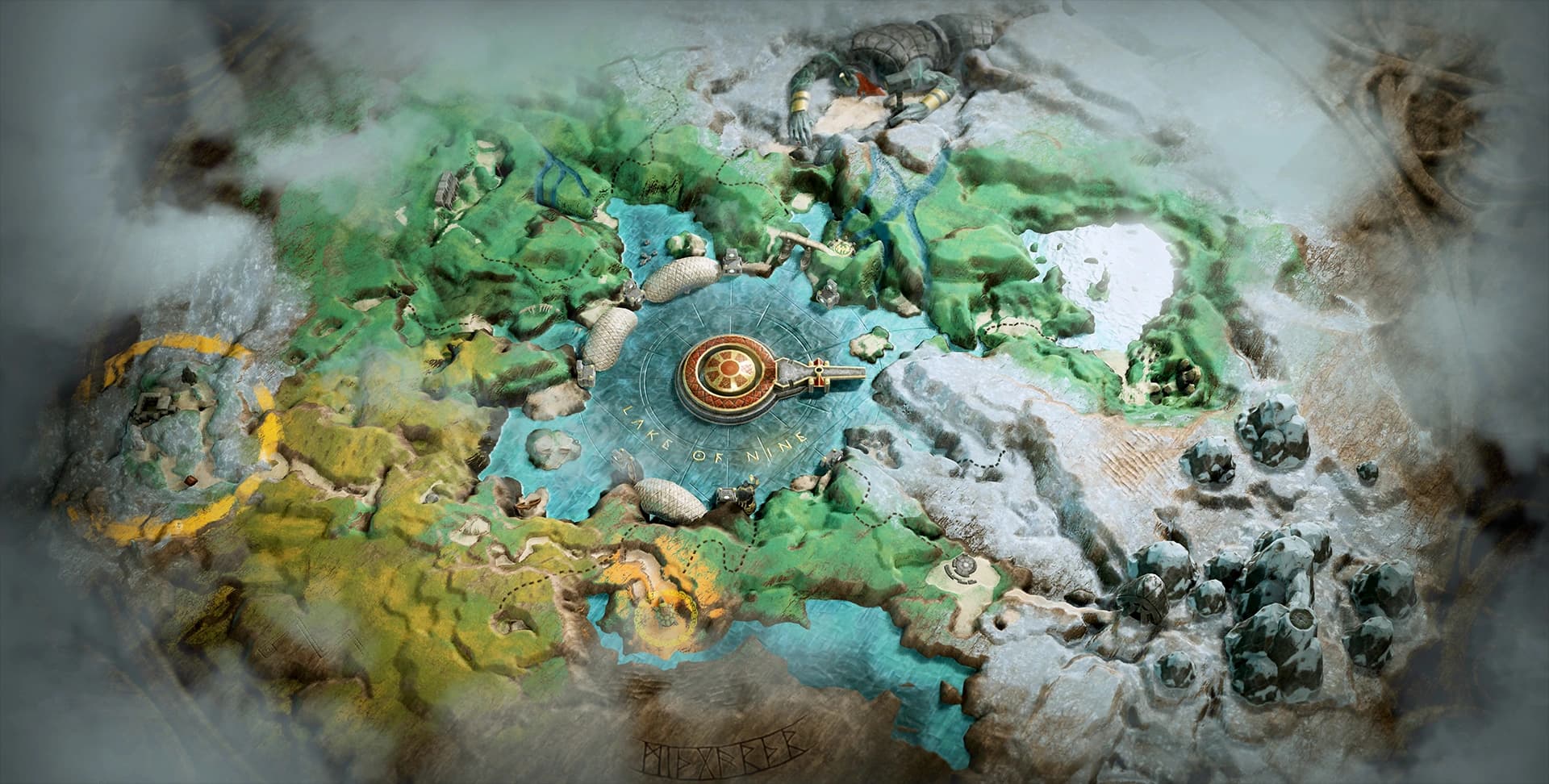
God Of War Locations Guide covering the most important places across the Greek and Norse saga, from Sparta and Olympus to Midgard, Vanaheim, and Asgard.
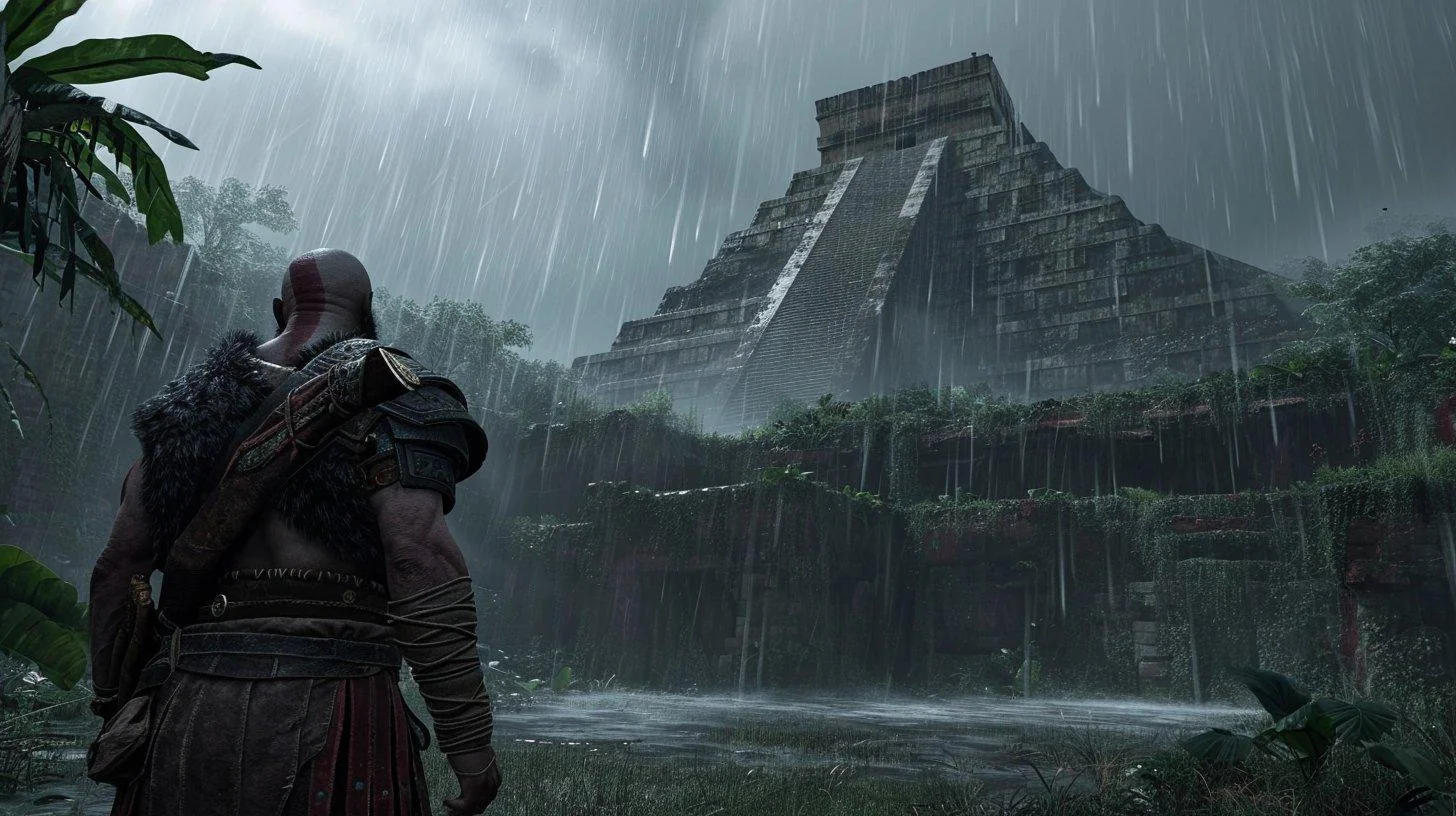
God of War locations are not just pretty maps with enemies standing around waiting to be combo’d.
Each place is a story device: a kingdom in decline, a realm under bad leadership, or a sacred zone currently being ruined by prophecy, ego, or both.
This guide covers the most important locations across the Greek and Norse eras, why they matter, and what they reveal about Kratos’ journey from rage icon to reluctant cycle-breaker.
Yes, there are spoilers. Yes, every realm has at least one family argument with supernatural consequences.
Before gods, titans, and realm travel, there was Sparta.
This is where Kratos’ identity is forged: loyalty, war culture, pride, and the survival mindset that later mutates into catastrophic vengeance. Sparta is less about geography and more about psychology. It explains why Kratos is so effective in combat and so terrible at emotional communication for most of his life.
Every future decision, good or terrible, starts here.
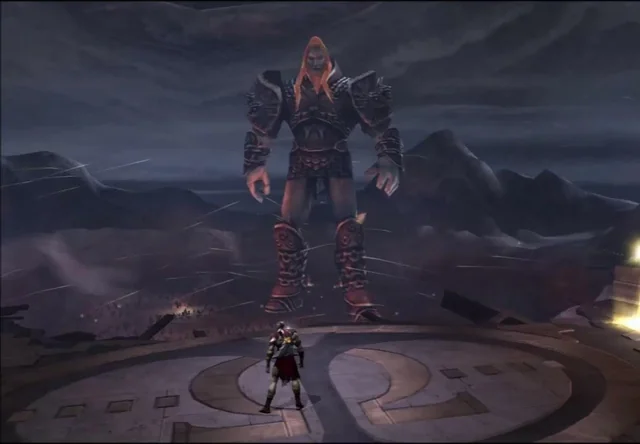
Athens is where God of War (2005) proves the franchise scale.
You fight through a collapsing city while gods treat human lives like chess pieces. The atmosphere is chaotic, tragic, and mythically huge, setting the tone for the entire Greek saga.
Athens matters because it marks the shift from “Kratos the warrior” to “Kratos the weapon pointed at gods.”
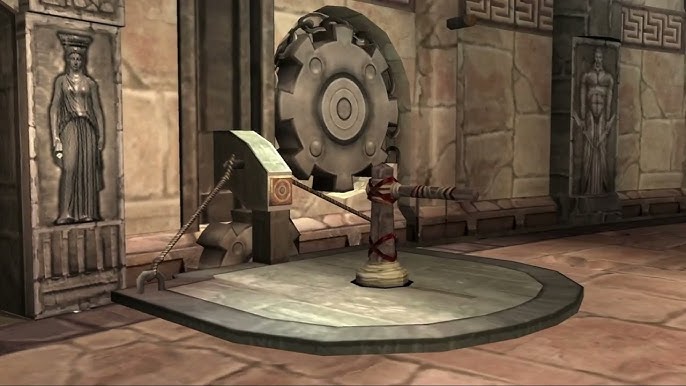
Pandora’s Temple is classic old-school God of War design at peak intensity.
It is hostile, elaborate, and unapologetically theatrical, part dungeon, part mythic torture device. This is where puzzle design, platforming, and combat all collide while the game keeps whispering, “You are not supposed to survive this.”
Narratively, it reinforces a core franchise rule: power is always behind suffering, and the bill is never optional.
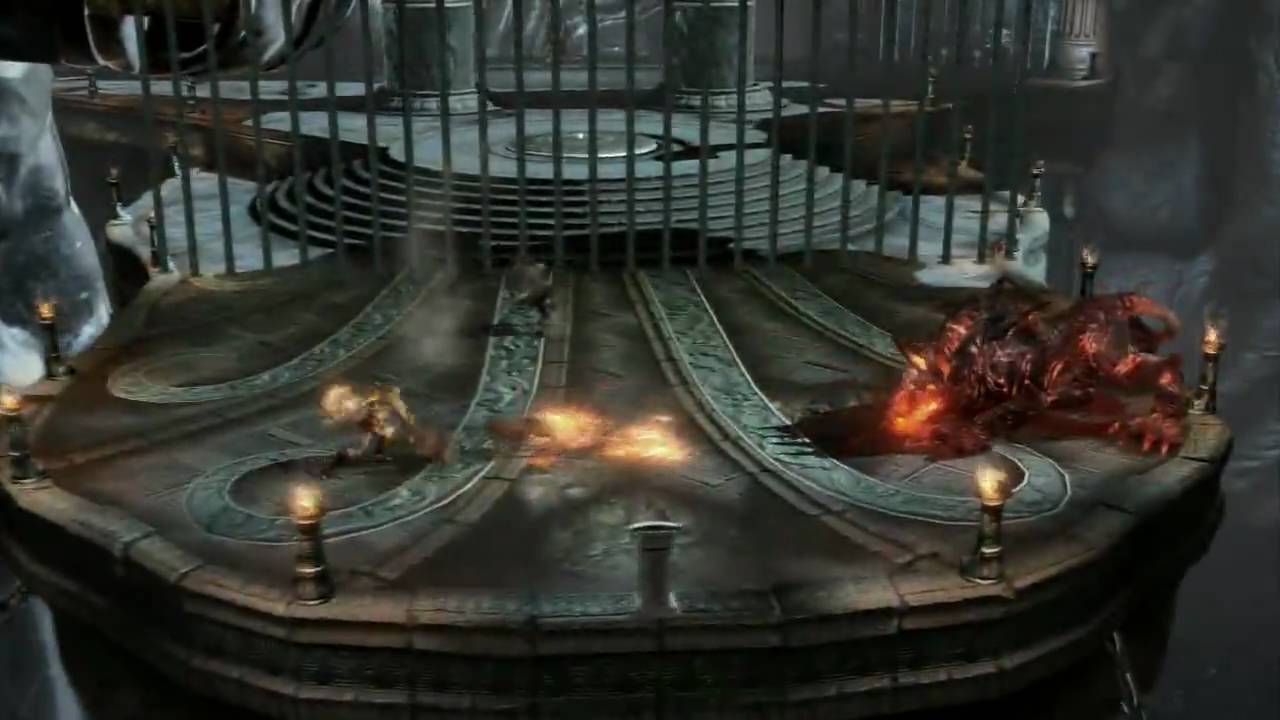
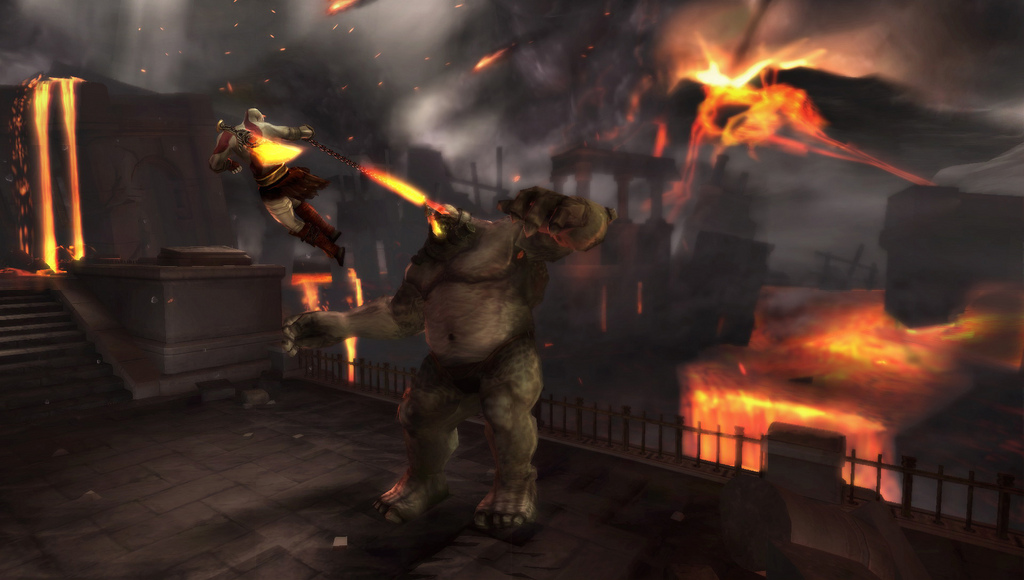
The Underworld is not a one-time set piece. It is practically a recurring workplace.
Across multiple games, it becomes a symbol of Kratos’ refusal to stay buried, physically or emotionally. It is grotesque, oppressive, and full of consequences that never really die, just like his past.
In story terms, the Underworld represents memory: no matter how far Kratos runs, it keeps pulling him back.
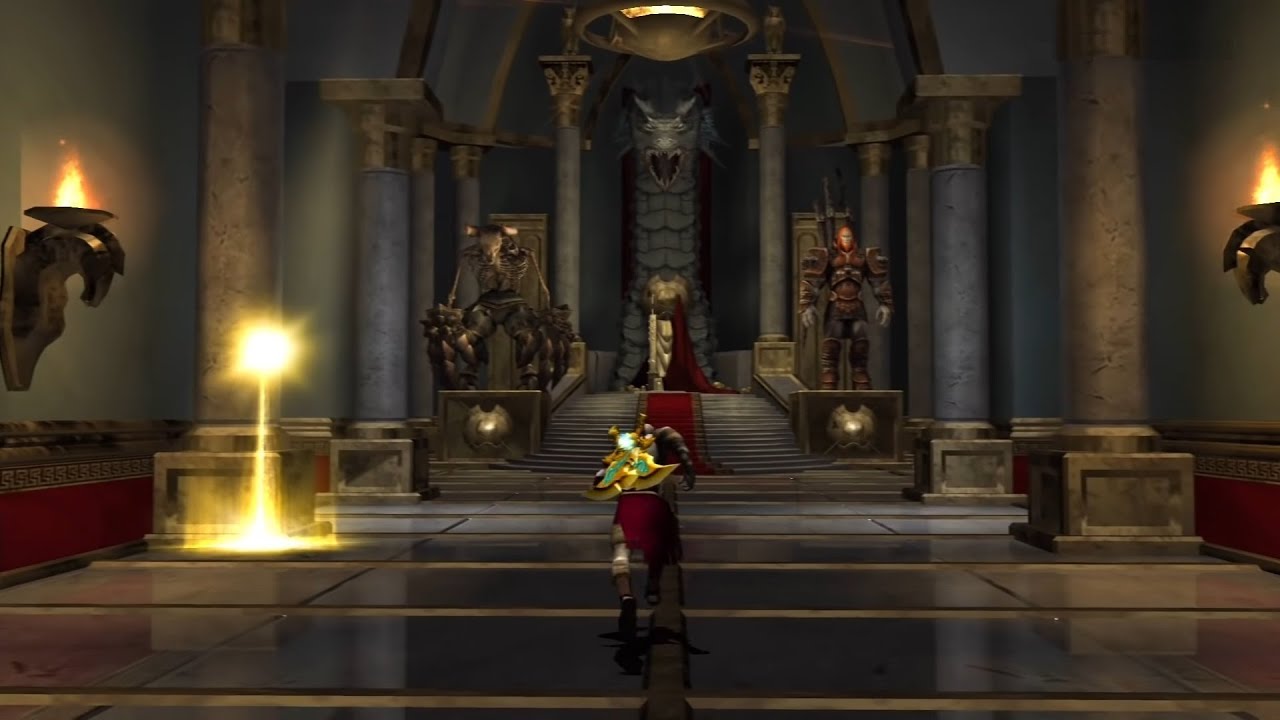
Olympus is the center of Greek divine power and the center of Greek divine failure.
It looks untouchable, but the closer you get, the more it feels unstable, political, and terrified of losing control. By God of War III, Olympus stops feeling sacred and starts feeling like a collapsing regime with lightning effects.
As a location, it perfectly captures the Greek era: stunning spectacle, total moral bankruptcy.
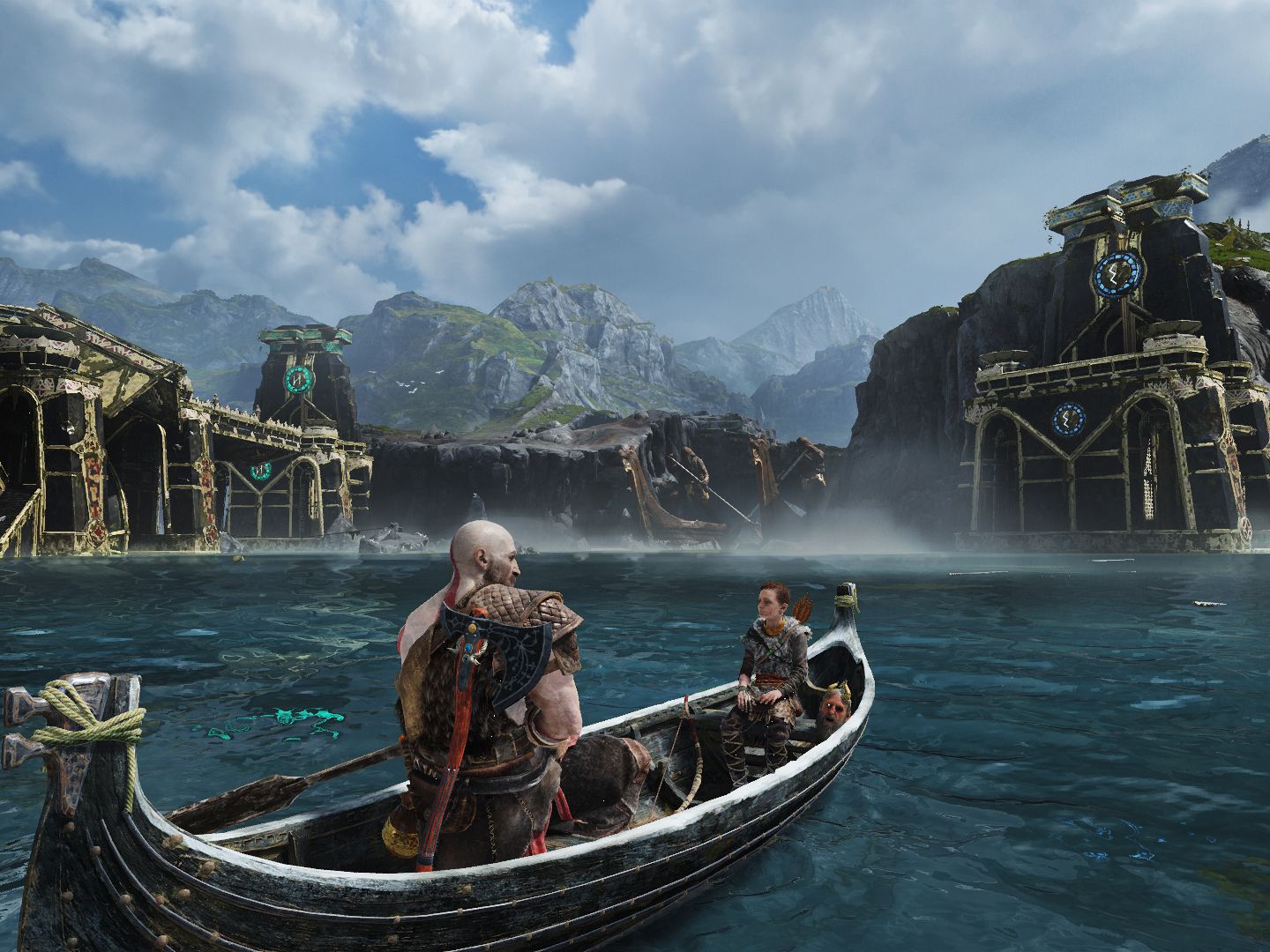
Midgard is where the franchise reinvents itself in 2018.
The Lake of Nine becomes the structural heart of the Norse saga: open exploration, layered side content, and environmental storytelling that keeps evolving as the water level changes.
It feels less like a linear war path and more like a living world full of history, grief, and unfinished business. This is where God of War becomes quieter, smarter, and far more character-driven.
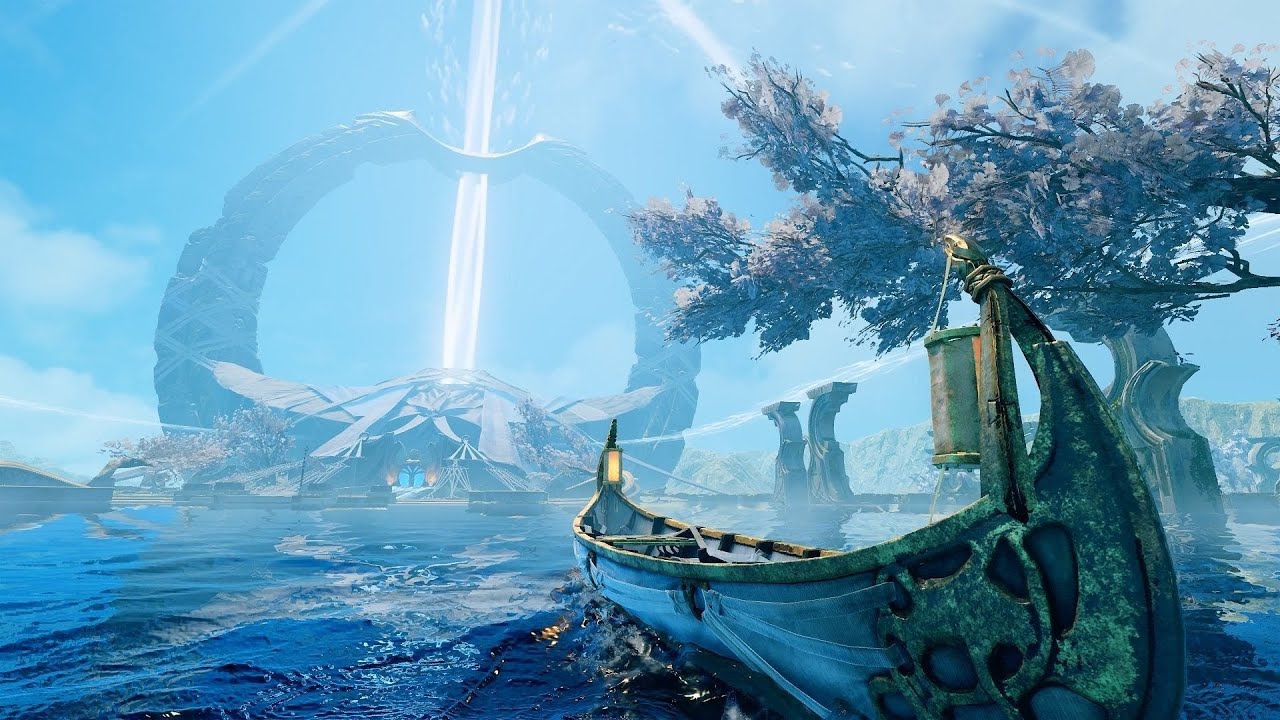
Alfheim looks elegant and mystical until you realize it is trapped in an endless faction war.
It is one of the best early examples of Norse-era writing complexity: there is no simple “good side” and “evil side,” only conflict, perspective, and collateral damage.
Mechanically, it also pushes players into new combat rhythms. Narratively, it teaches Atreus and Kratos the same lesson: intervention is easy, understanding is hard.
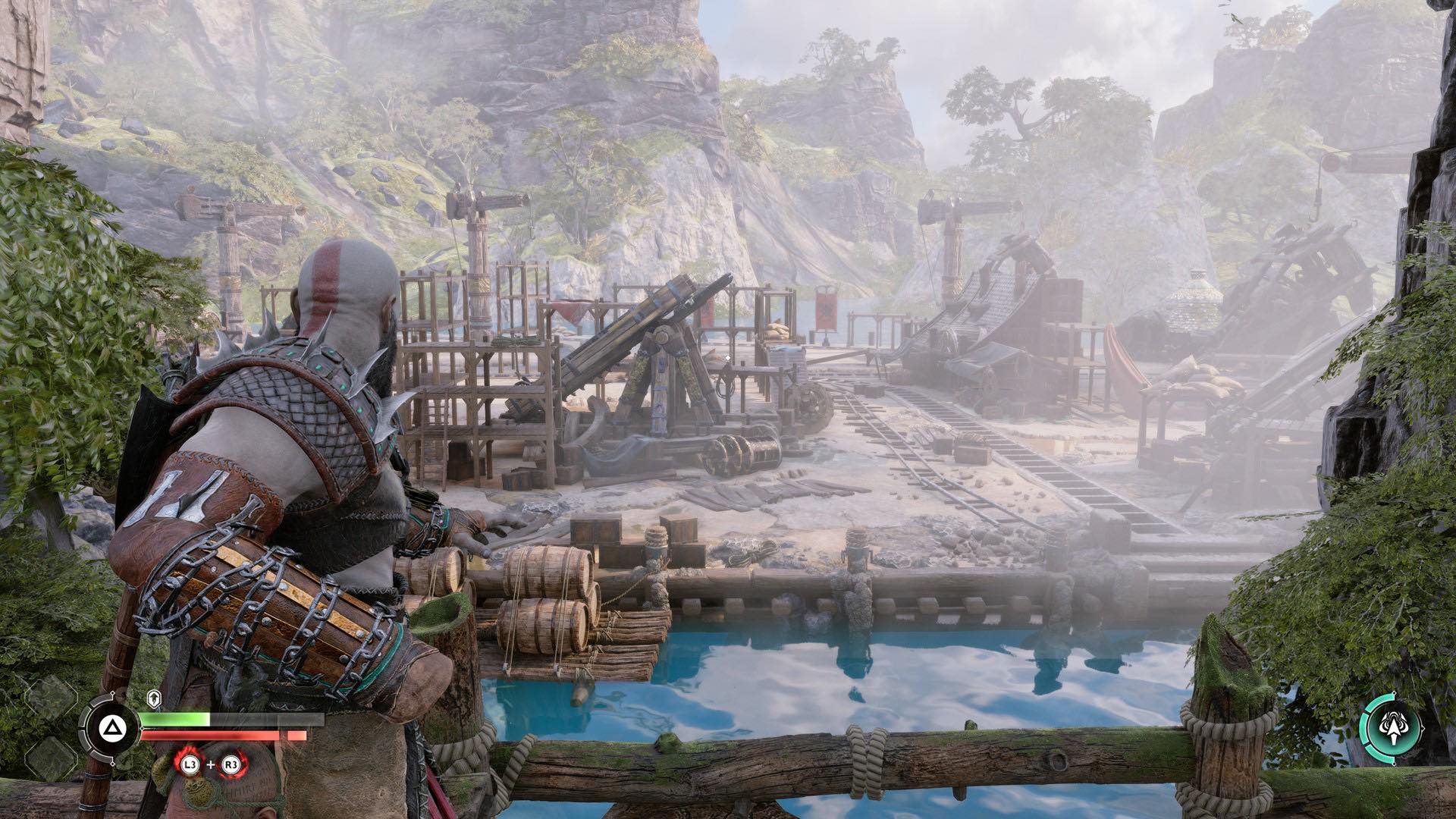
Svartalfheim brings industrial texture to the Nine Realms.
Water systems, machine-driven spaces, and dwarven architecture give it a distinct identity, while the story around it highlights control, occupation, and survival under Odin’s shadow. It feels engineered, lived-in, and politically tense.
This realm is also where the Huldra brothers’ emotional weight grows, making the place matter beyond traversal and puzzles.
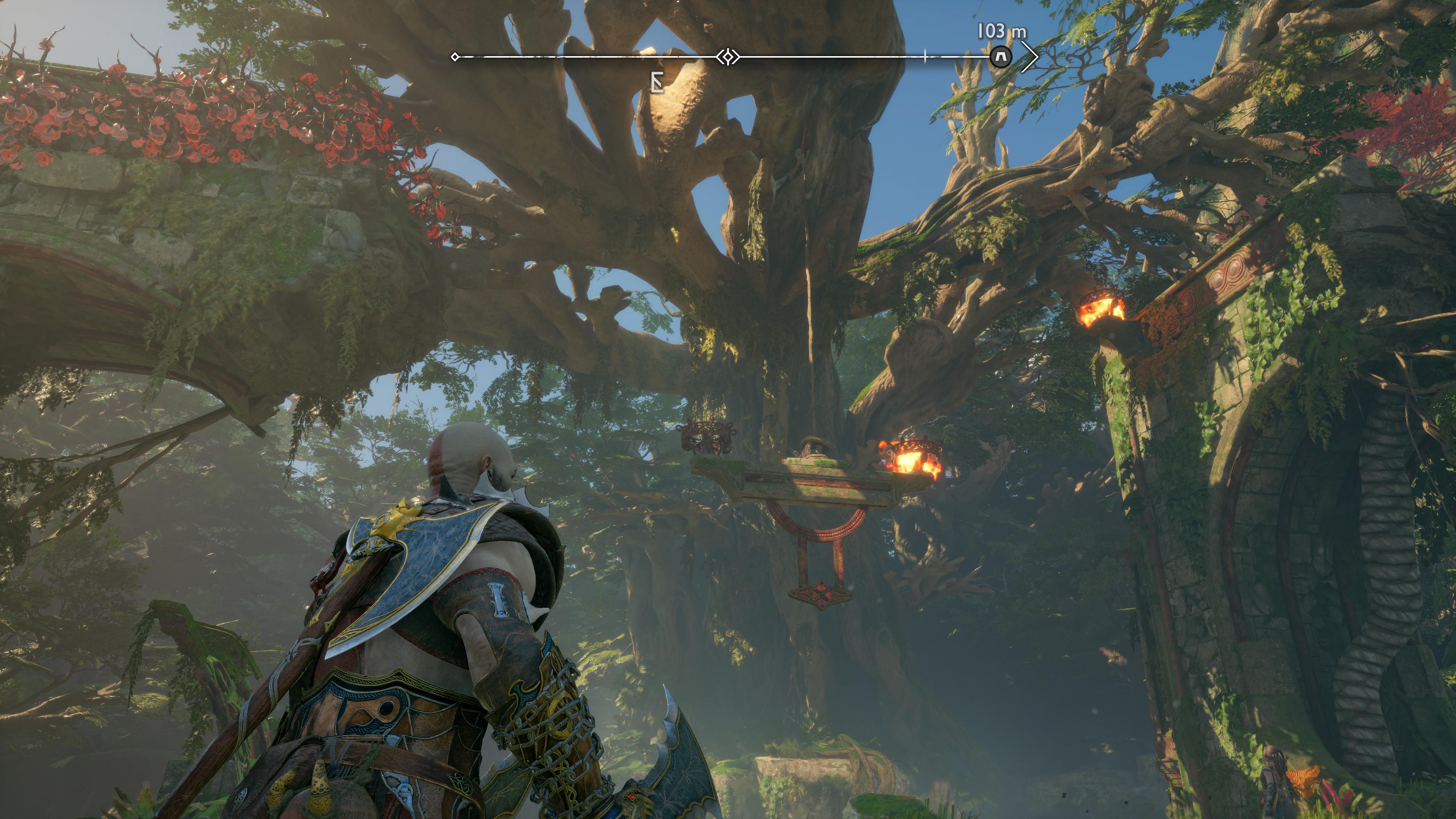
Vanaheim combines lush beauty with deep historical damage.
The realm reflects Freya’s arc perfectly: power, loss, rage, and eventual reclamation. Its environments shift between wild growth and the scars of conflict, reinforcing Ragnarök’s theme that healing does not erase what happened.
Vanaheim is one of the strongest examples of location-as-character in the series.
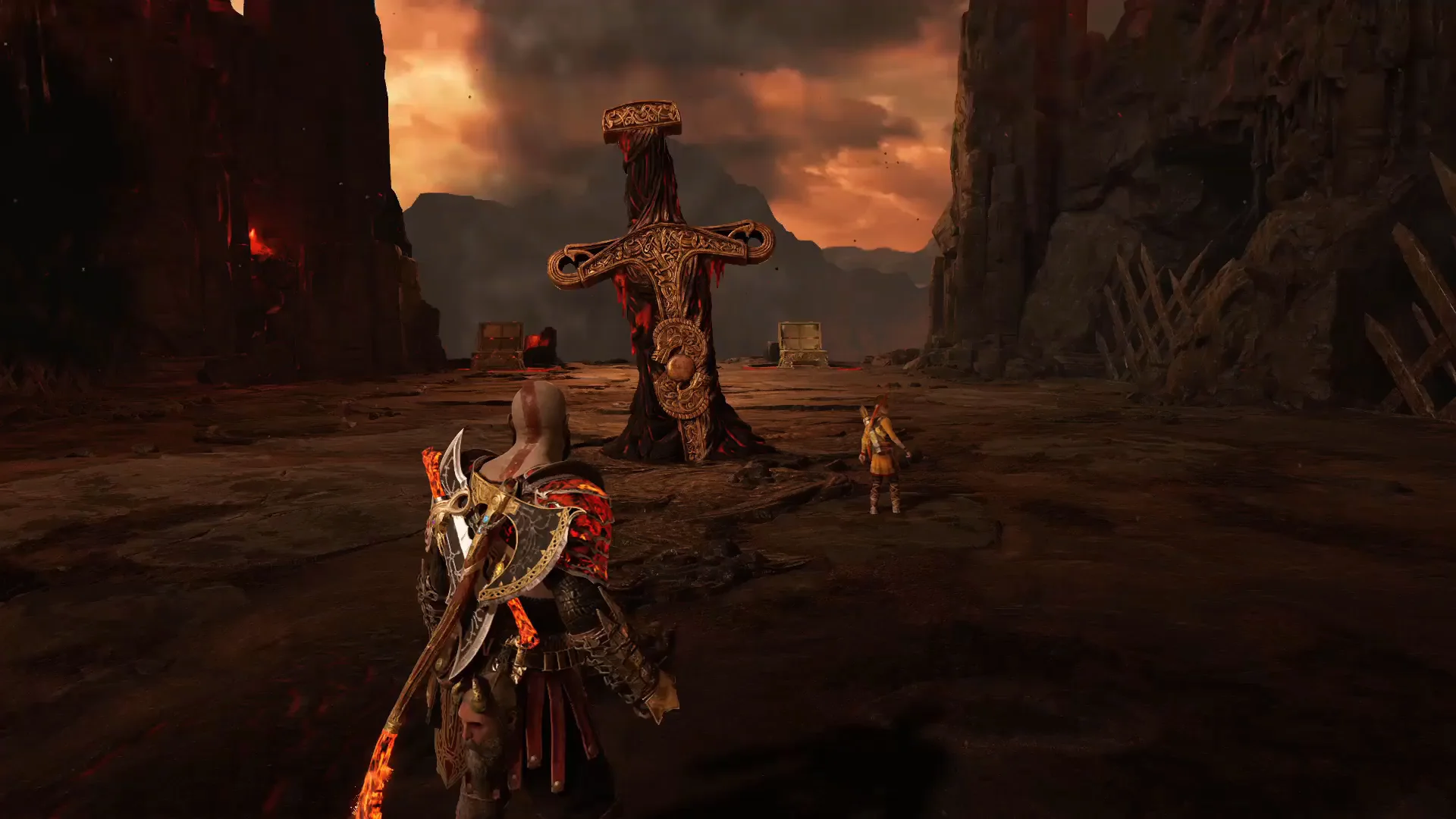
Muspelheim is pure combat philosophy.
It strips things down to challenge loops, mechanical execution, and high-pressure trial design. In both 2018 and Ragnarök, it functions as a skill lab where excuses go to die.
Lore-wise it keeps mythic fire-realm identity. Gameplay-wise it is where players discover whether their “I’m pretty good at this” confidence was accurate.
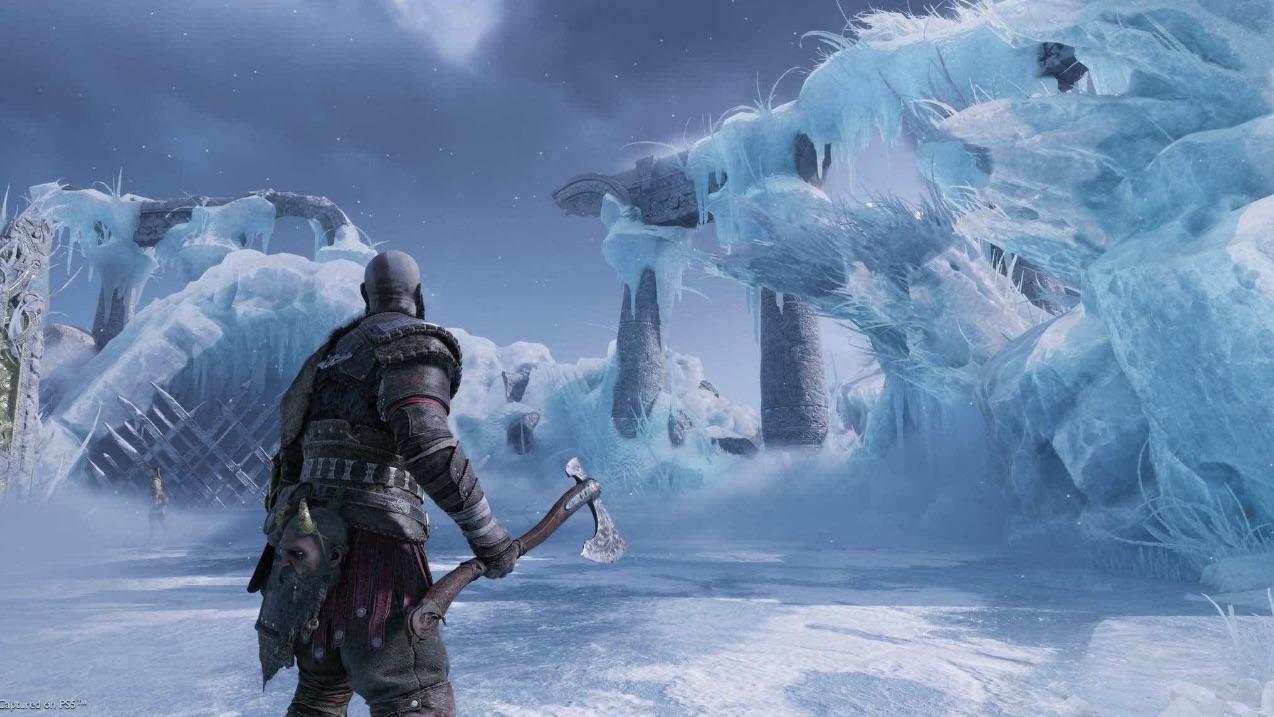
Niflheim turns atmosphere into mechanics.
Poison mist, route planning, and risk-reward loops create a location that feels tense even when you know the layout. It is a grind zone, yes, but a cleverly designed one that rewards system mastery and composure.
It embodies Norse-era God of War design philosophy: challenge should feel like learning, not random punishment.
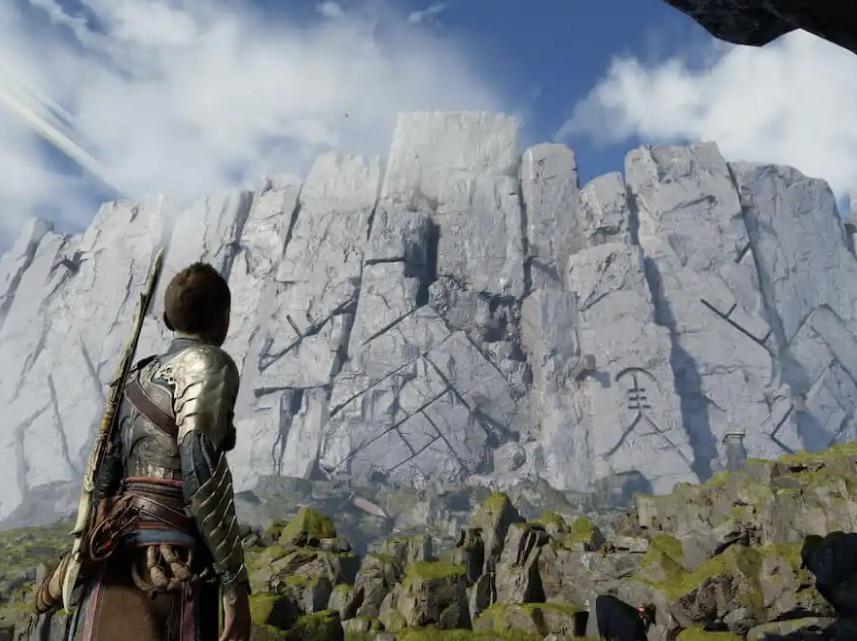
Asgard is the final political stage of the Norse saga.
It is less “heavenly paradise” and more tightly managed power center, curated image on the surface, manipulation underneath. By the time Ragnarök events peak, Asgard feels like an empire running on fear and narrative control.
As a destination, it delivers exactly what the story promises: the fall of a system that looked eternal until pressure finally cracked it.
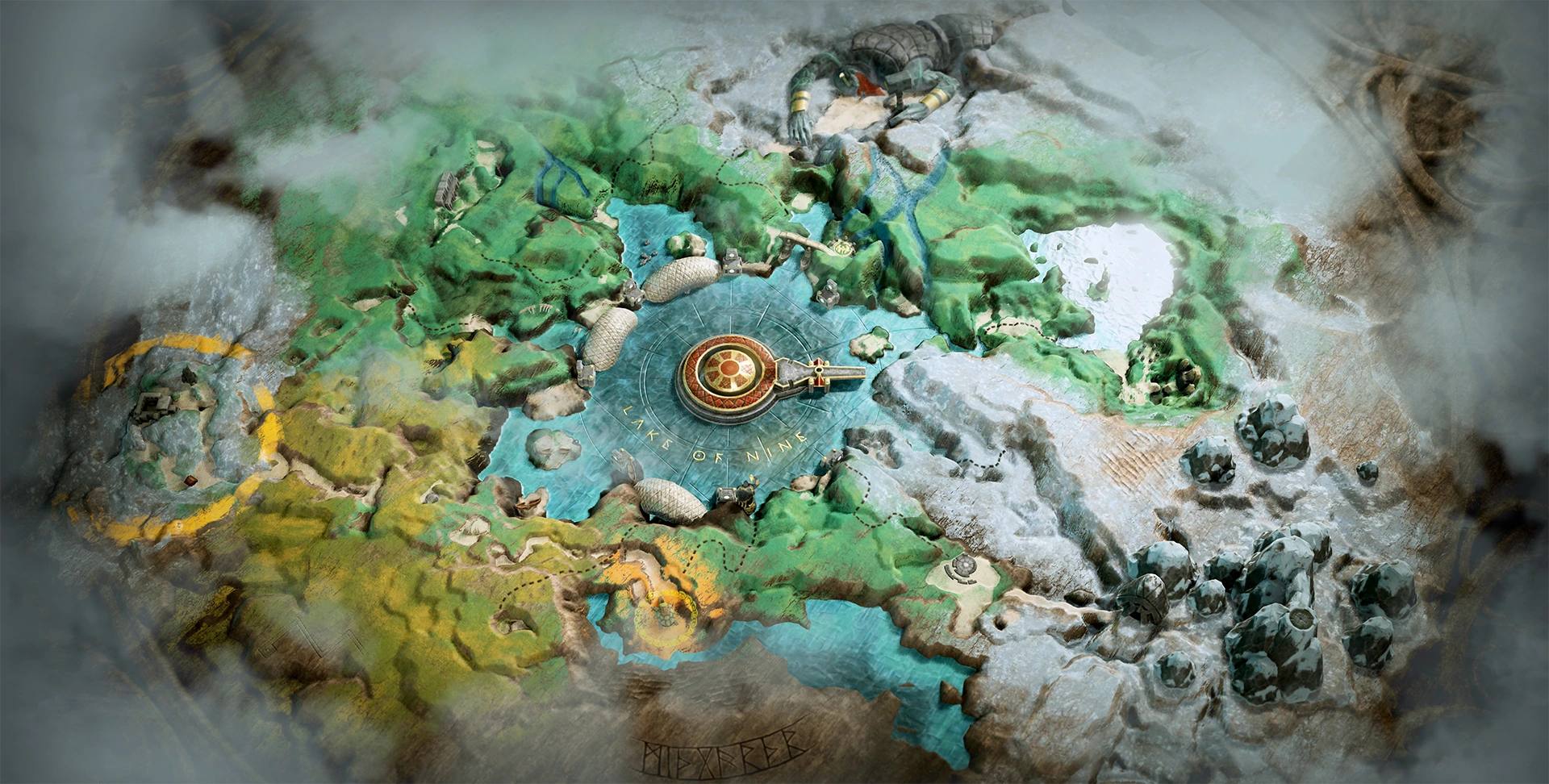
The best God of War locations do three things at once:
That is why these places stick. You do not just remember the boss fight. You remember the realm, the mood, the history, and the exact moment the story got personal.
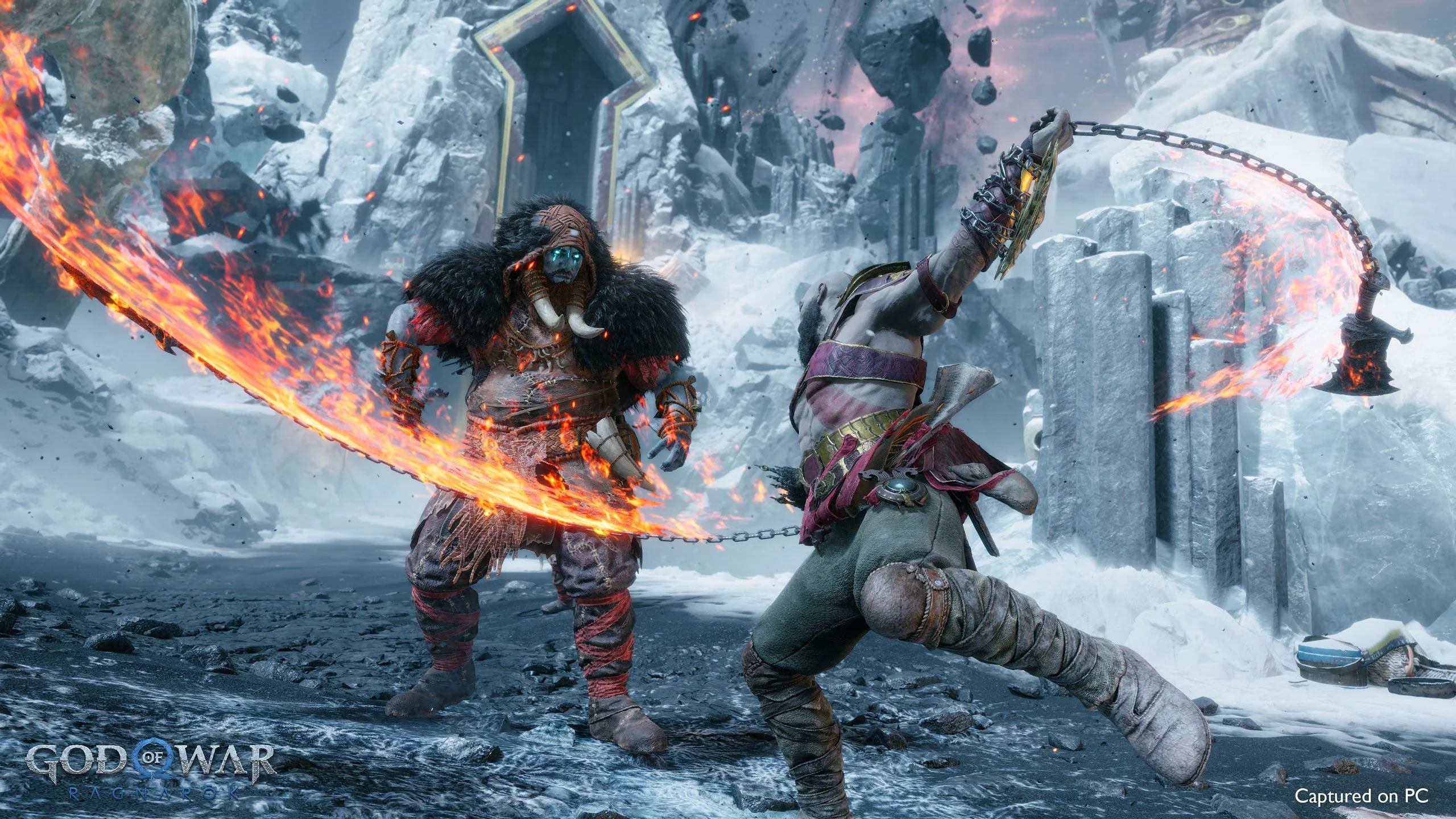
God of War locations are not filler between cutscenes. They are narrative architecture.
From Sparta’s origin pain to Olympus’ collapse to Midgard’s reinvention and Asgard’s downfall, each place reflects what the saga is really about: power, consequence, and whether people can choose a better path before everything burns.
If a location can make you fight better, think harder, and fear the next doorway, it belongs in this guide.
 PlayStationNews
 PlayStationGuide
 PlayStationNews
 PlayStationGuide