
 PlayStationMar 05, 2026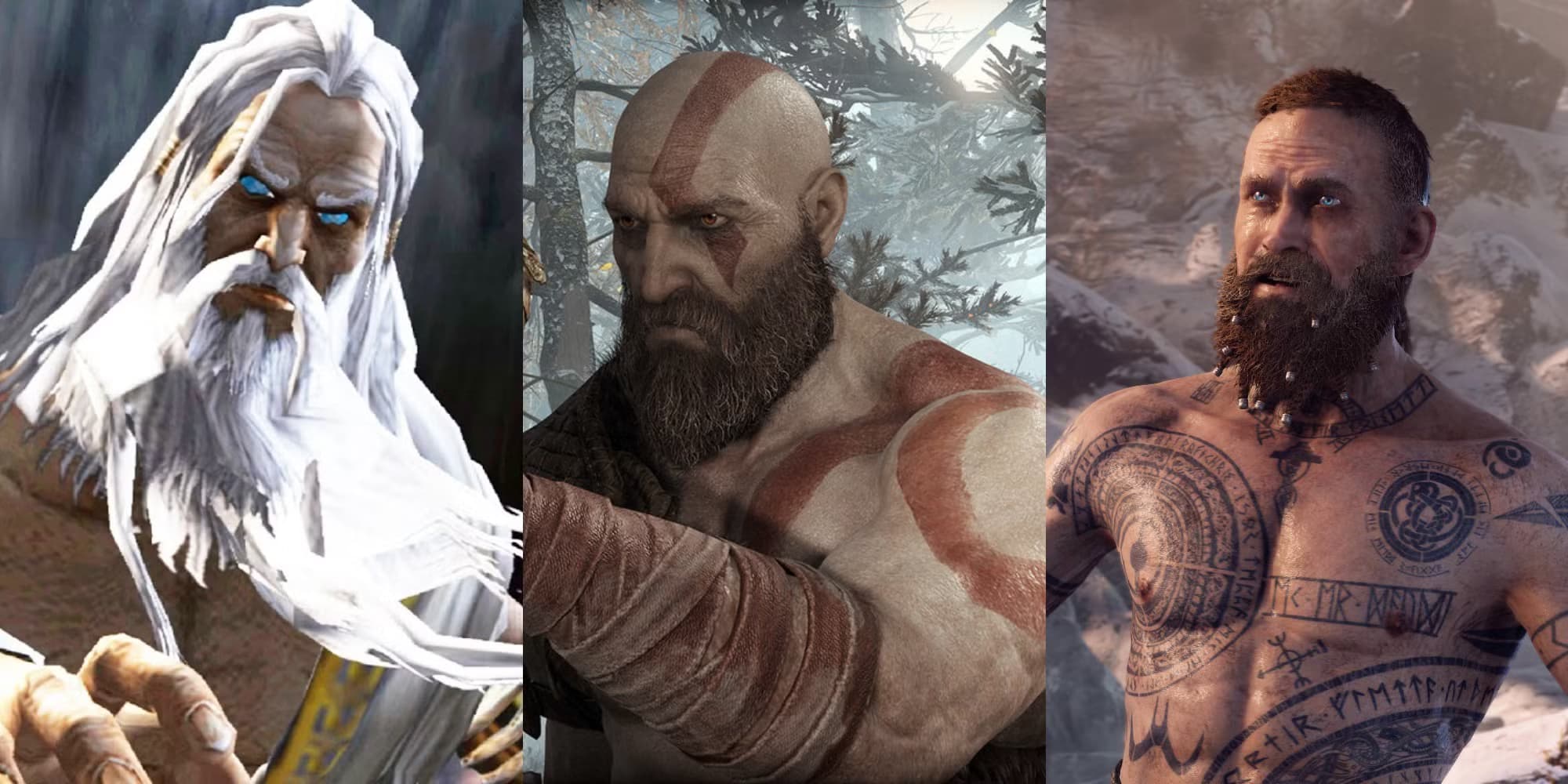
God Of War Villains Guide ranking the most important enemies in the franchise, from Ares and Zeus to Baldur, Heimdall, and Odin.
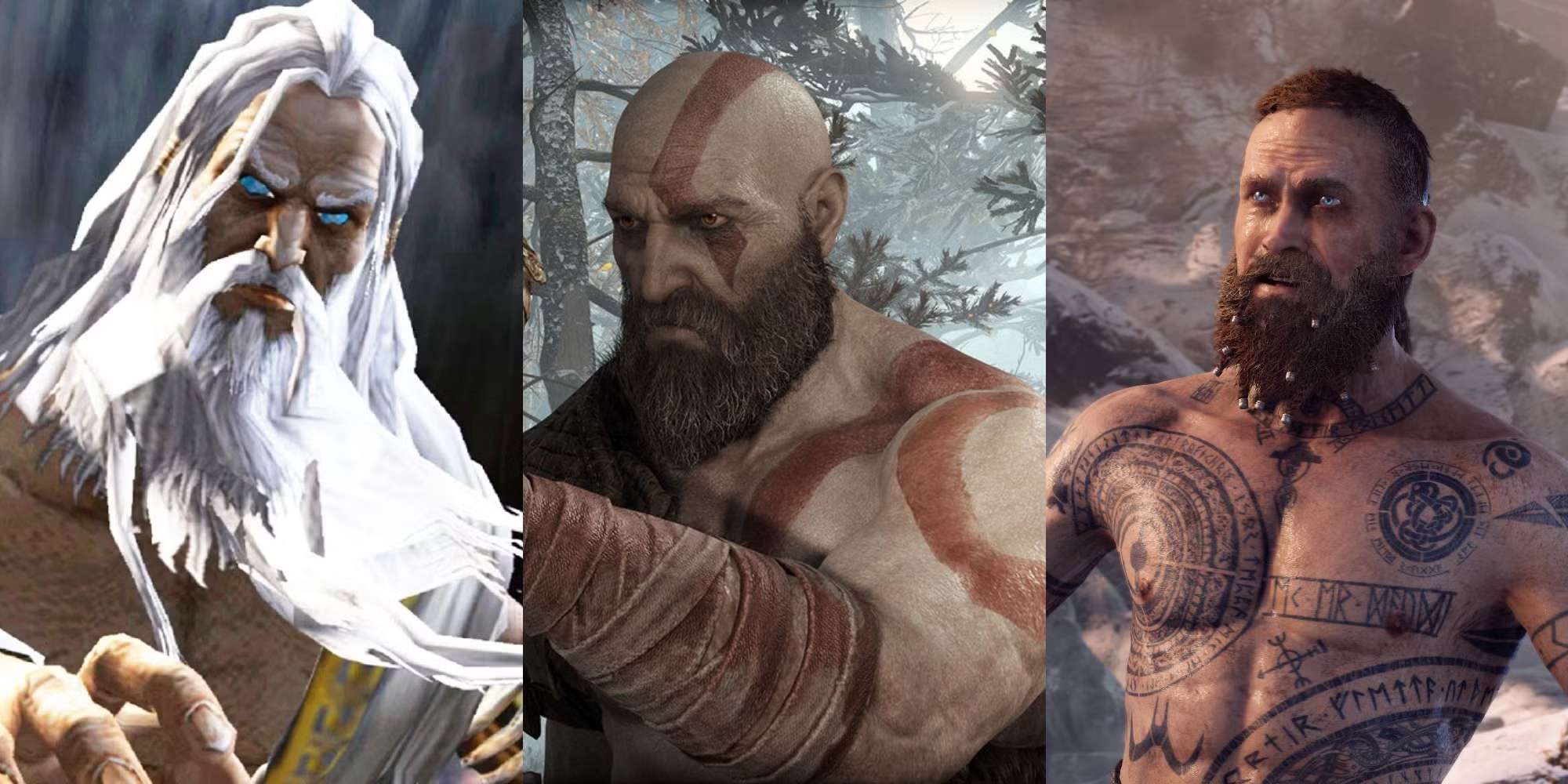
God of War has never lacked villains. What it lacks is therapy.
From Olympus to Asgard, Kratos keeps meeting rulers, gods, and immortal disasters who hear “power” and immediately choose violence, betrayal, or cosmic-level ego.
This guide breaks down the most important God of War villains, why they matter, and how each one pushed the saga from revenge fantasy into full mythological chaos.
Yes, spoilers ahead. Yes, these people all needed healthier hobbies.
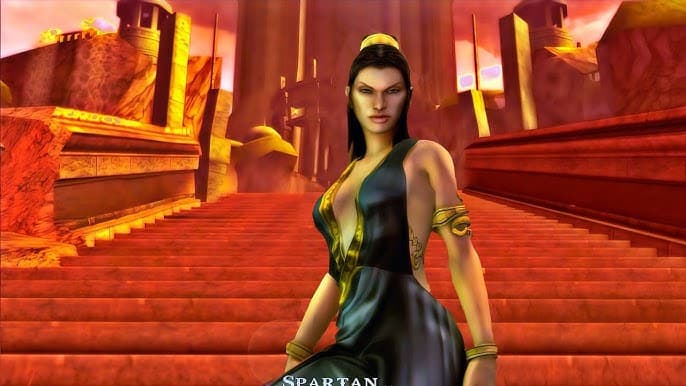
Persephone is one of the franchise’s most underrated villains because her motive is emotional, not just power-hungry.
She is broken by loss, furious at the gods, and willing to destroy the world if it means ending her pain and punishing Olympus. That makes her dangerous in a way that feels tragic, not cartoonish.
Her story also forces Kratos into one of the series’ classic moral wounds: choosing duty over personal peace. In true God of War fashion, there is no happy ending, only less catastrophic outcomes.
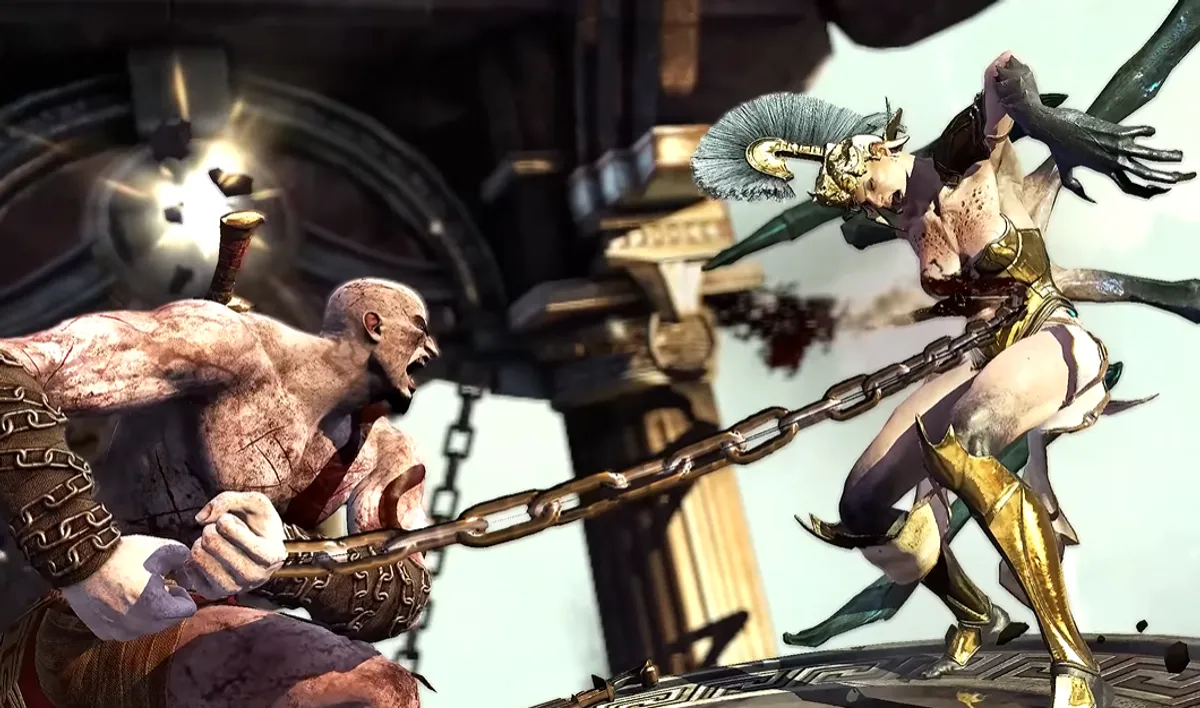
The Furies are basically the franchise’s most aggressive HR department: they enforce oaths, punish betrayal, and make sure suffering is delivered on schedule.
What makes them effective is psychological warfare. They do not just attack Kratos physically, they go after memory, trauma, and control.
Ascension may not rank top-tier for everyone, but the Furies add real myth flavor and help explain how brutal Kratos’ pre-trilogy life actually was. They are less “final boss icons” and more “living chains,” and that concept works.
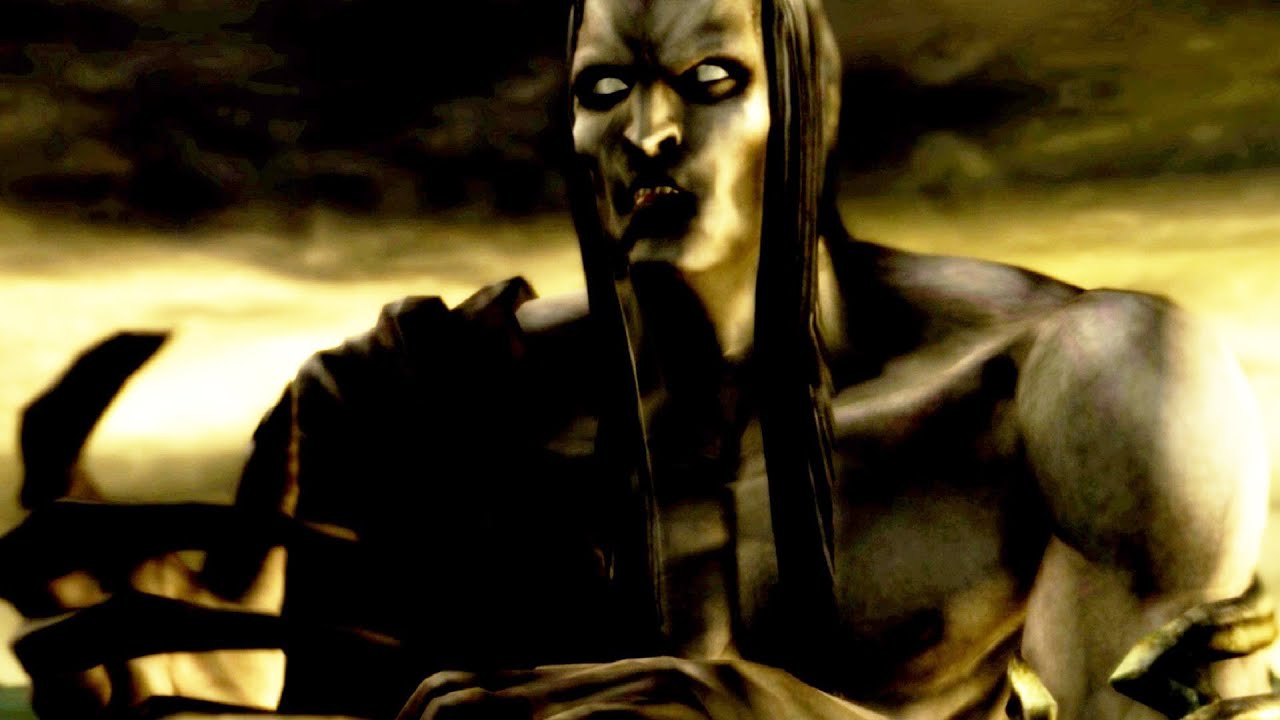
Thanatos is not subtle. He is death, rage, and divine cruelty in one terrifying package.
His conflict with Kratos is personal, mythic, and emotionally loaded through Deimos, making the final confrontation hit harder than a standard “big monster at the end” setup.
He represents an important God of War pattern: divine entities are not noble caretakers. They are often petty, violent, and obsessed with dominance. Thanatos fits that pattern perfectly, then doubles it with one of the handheld era’s strongest emotional payoffs.
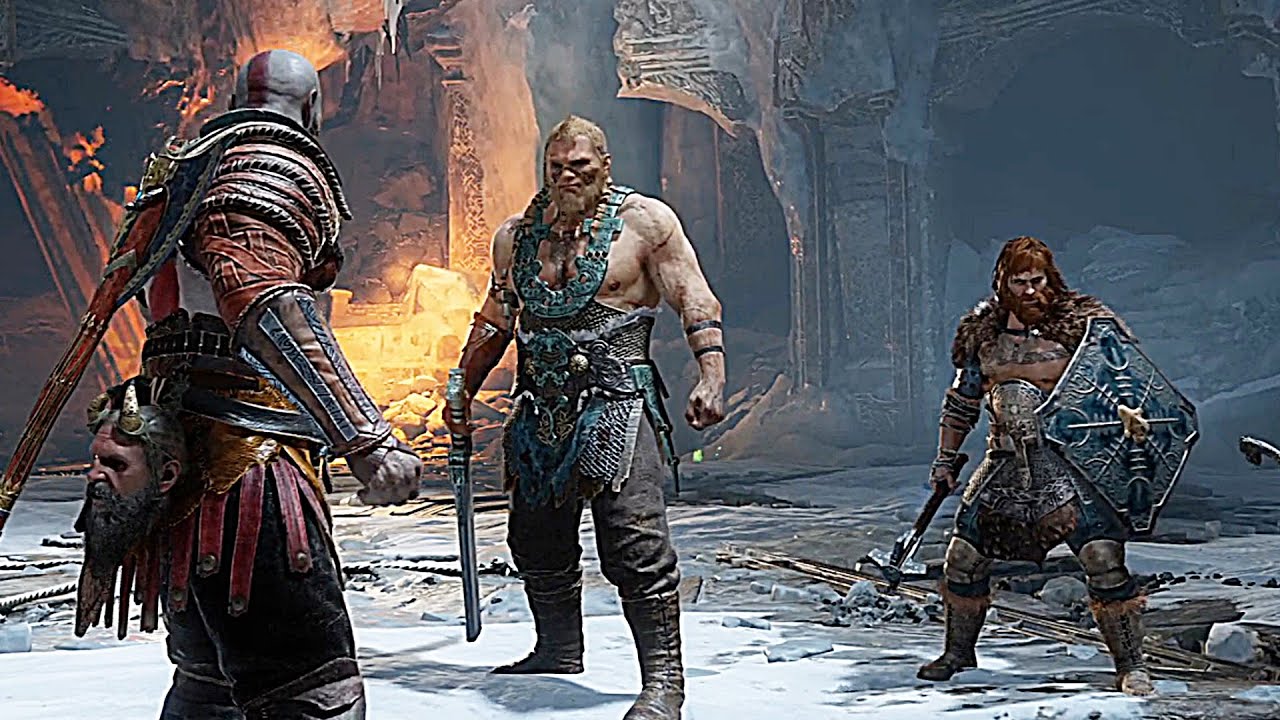
Magni and Modi are not final-boss masterminds, but they are crucial to the Norse saga’s tone.
They are loud, cruel, entitled, and completely convinced they cannot lose. That makes them perfect early-mid antagonists for Kratos and Atreus, especially because their presence escalates Atreus’ emotional arc in dangerous ways.
They also show how Odin’s world operates: violence is legacy, status is inherited, and empathy is optional. In short, they are exactly what happens when mythic power meets zero accountability.
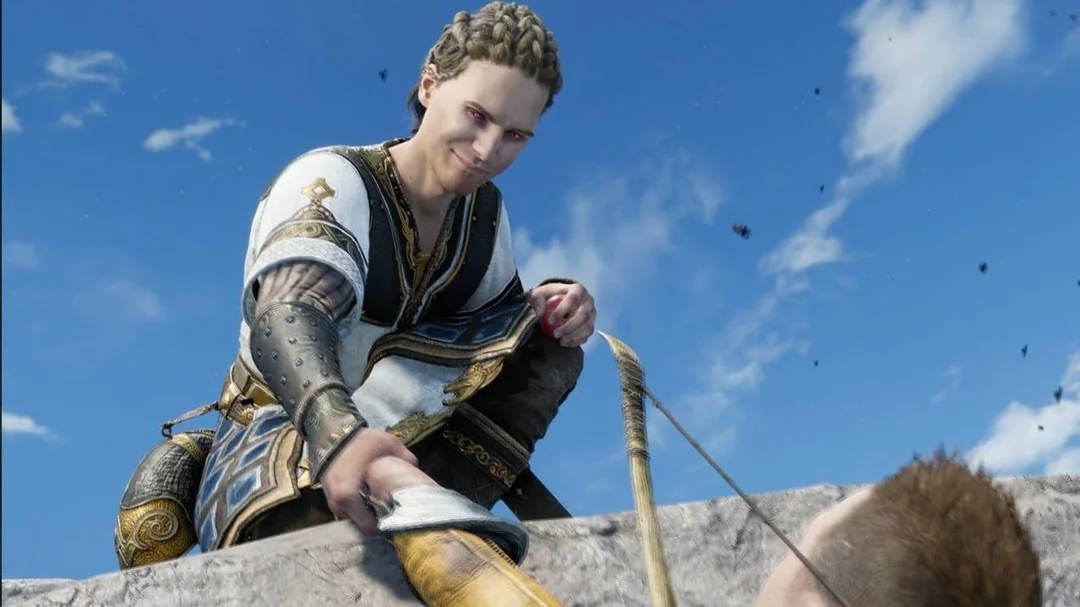
Heimdall is one of the most satisfying villains to fight because the game makes you really want to wipe that smirk off his face.
He is cruel, manipulative, and terrifyingly confident thanks to foresight that lets him read opponents before they act. Mechanically and narratively, he is designed to feel untouchable until Kratos finds a way through.
His role matters beyond one fight. Heimdall represents Asgard’s elite arrogance: power that sees everyone else as disposable. Beating him feels less like revenge and more like finally puncturing divine elitism with a spear.
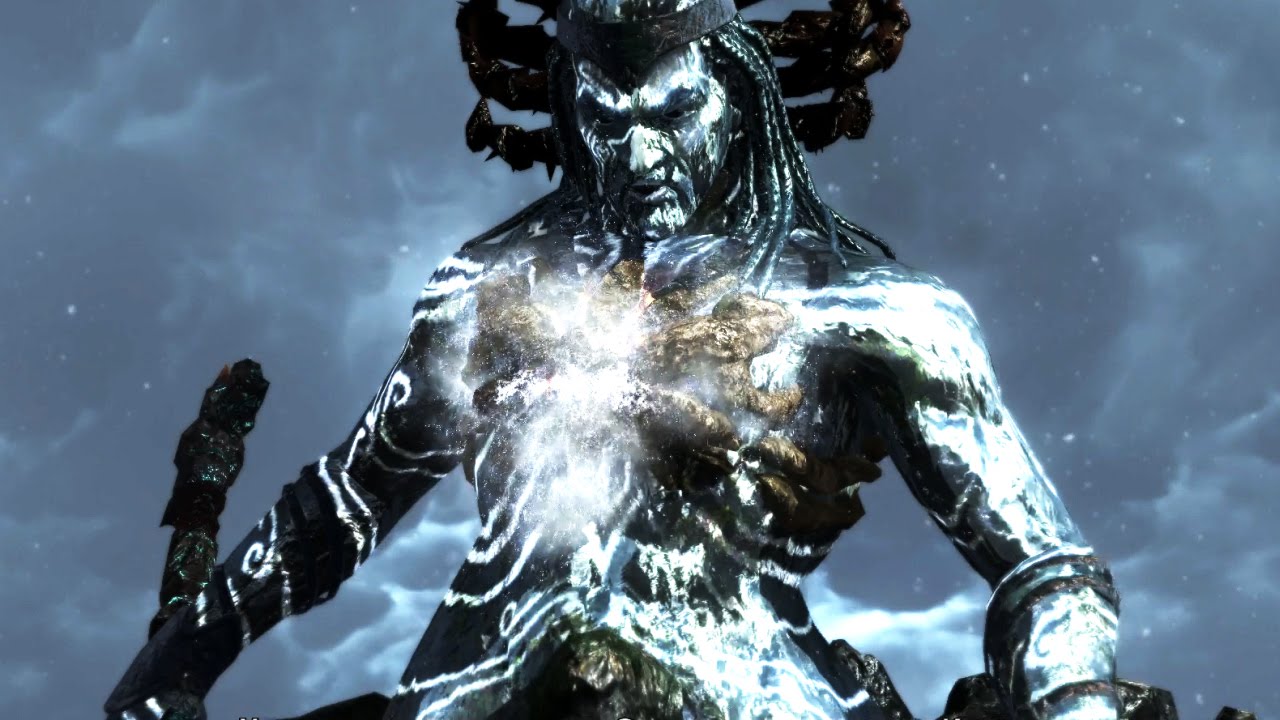
Poseidon is the perfect opening statement for God of War III: gigantic, vicious, and completely unhinged.
His fight is one of the most cinematic boss intros in action-game history, throwing players straight into “we are ending gods today” mode. But beyond spectacle, Poseidon symbolizes Olympus at its worst: divine arrogance weaponized against everyone below.
Once he falls, the world literally starts breaking apart. That is the key. In God of War, killing a god is never just a duel. It is an ecological and political catastrophe.
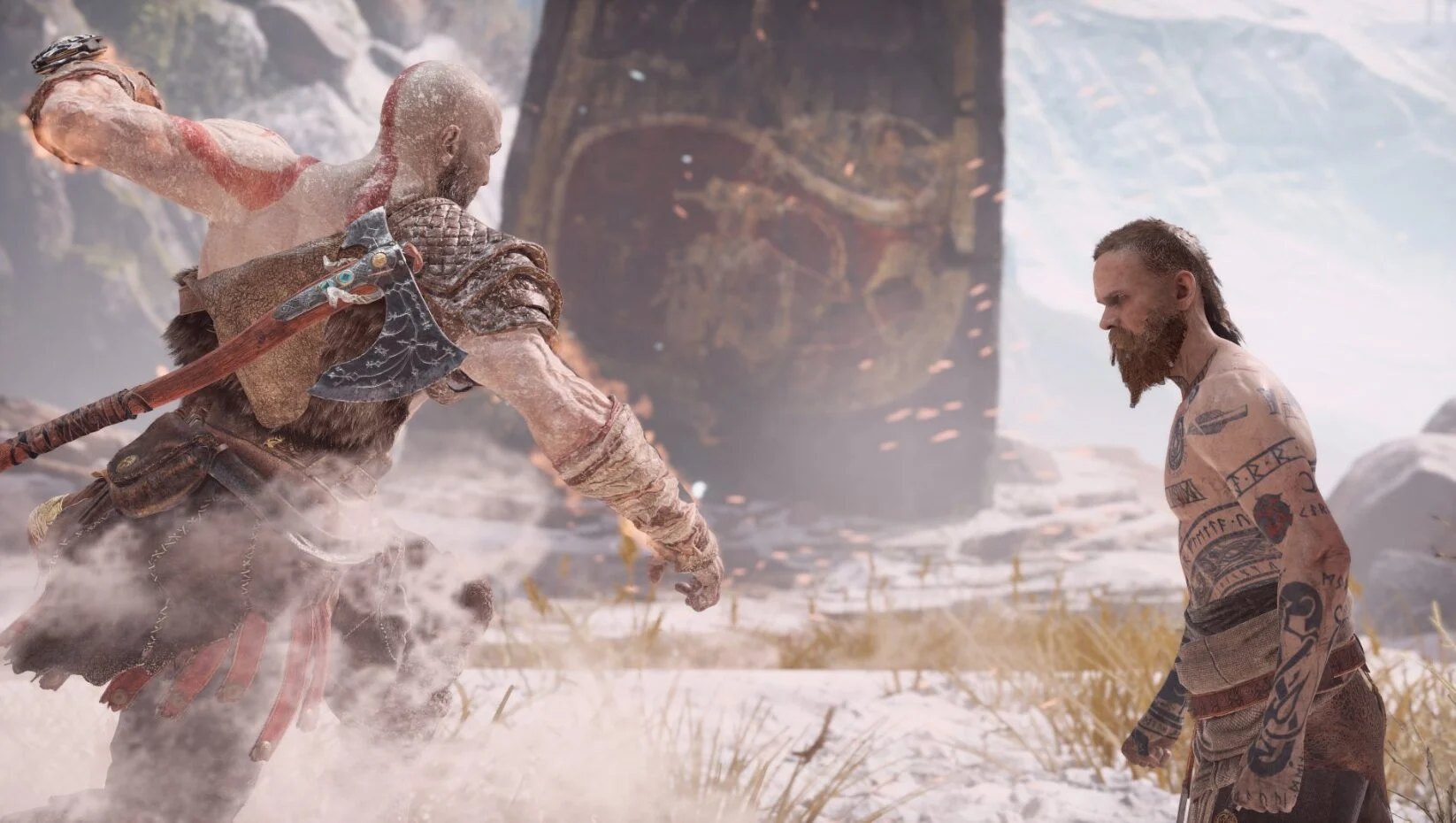
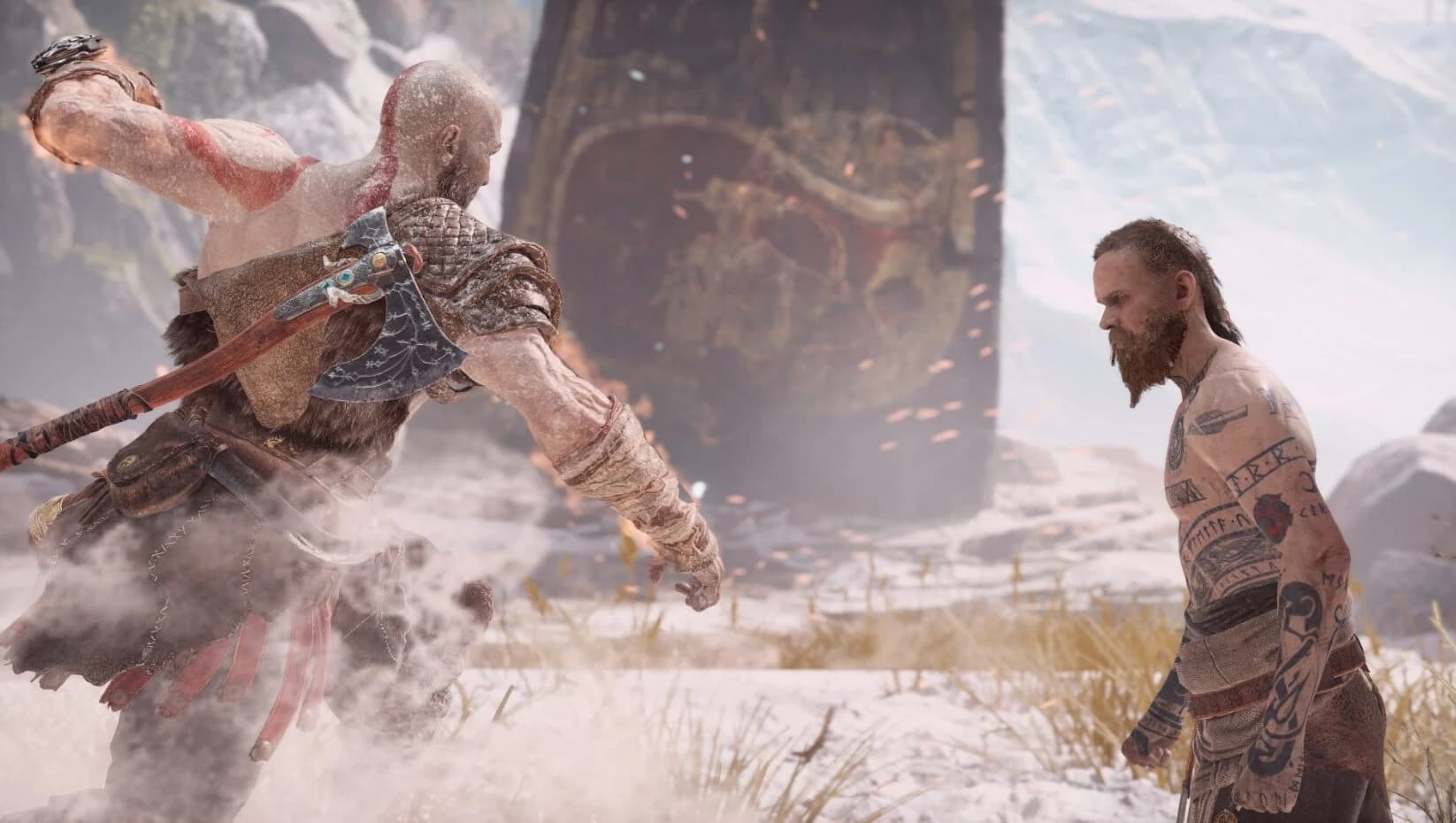
Baldur is one of the franchise’s best-written villains because he is terrifying and deeply broken at the same time.
His curse makes him unable to feel pain, pleasure, warmth, anything. That emptiness turns him into a violent obsession machine. He is not chasing conquest for glory; he is chasing sensation and release.
His conflict with Kratos mirrors a major theme of 2018: cycles of damaged fathers and damaged sons. Baldur is what happens when abuse, divine politics, and unresolved rage ferment for centuries.
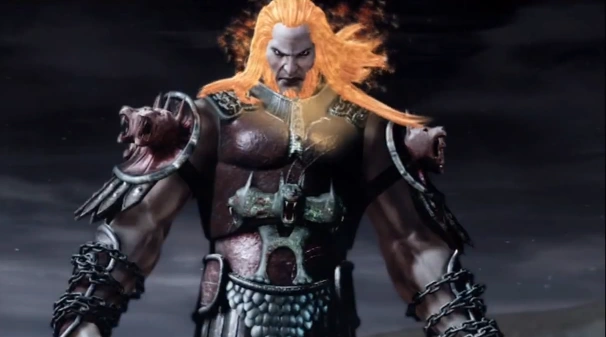
Ares is the original sin of the franchise.
He manipulates Kratos into becoming a perfect weapon, then engineers the tragedy that defines Kratos forever. Without Ares, there is no Ghost of Sparta arc, no god-slaying campaign, no franchise identity as we know it.
As a villain, he is less nuanced than later antagonists, but his narrative impact is massive. He is the catalyst that turns one Spartan warrior into mythology’s angriest cautionary tale.
Ares is not just a boss. He is the reason the series exists.
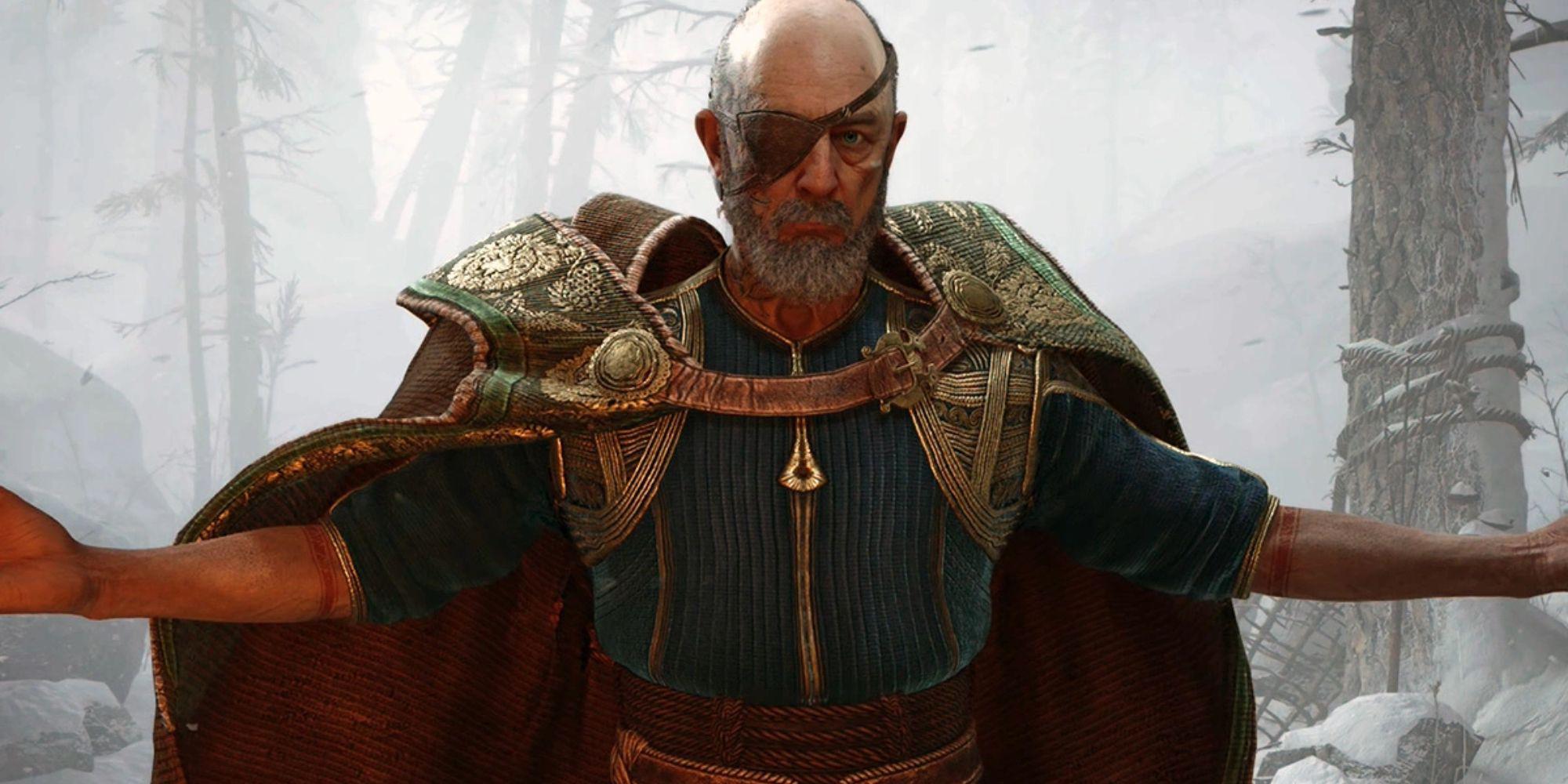
Odin is a modern God of War villain done right: charming, intelligent, paranoid, and consistently dangerous without needing constant brute-force flexes.
He manipulates everyone, rewrites narratives, and treats people like assets on a cosmic spreadsheet. That grounded political cruelty makes him scarier than many giant-monster bosses.
Ragnarök’s writing gives Odin room to be persuasive, which is why he works. He does not scream “I am evil.” He sounds reasonable while dismantling trust in real time. That is elite villain energy.
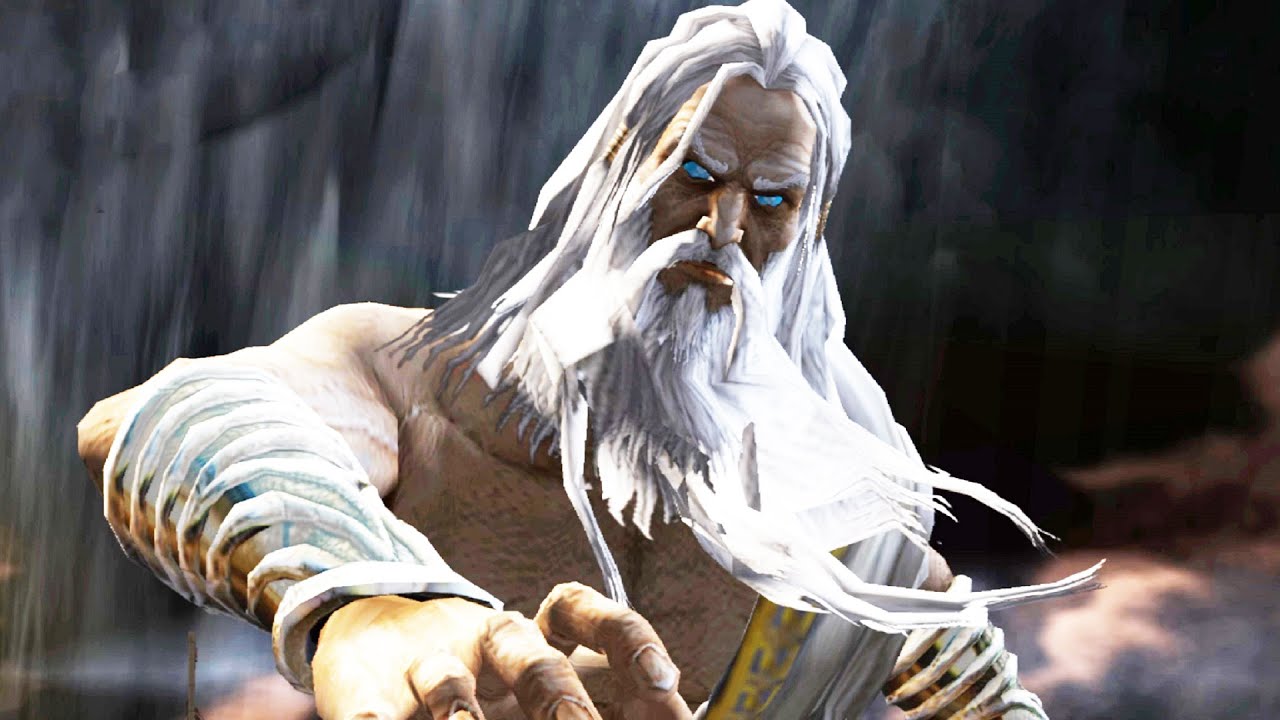
Zeus is still the definitive God of War villain.
He is not just a final obstacle. He is the core of the Greek saga’s conflict: fatherhood twisted by fear, authority weaponized as control, and prophecy-driven paranoia destroying an entire pantheon.
His relationship with Kratos gives the trilogy its emotional spine. Every betrayal, every escalation, every god-level disaster points back to Zeus choosing domination over trust.
By the end, beating Zeus feels less like a victory lap and more like detonating a generational curse. In franchise terms, he is the villain all others are measured against.
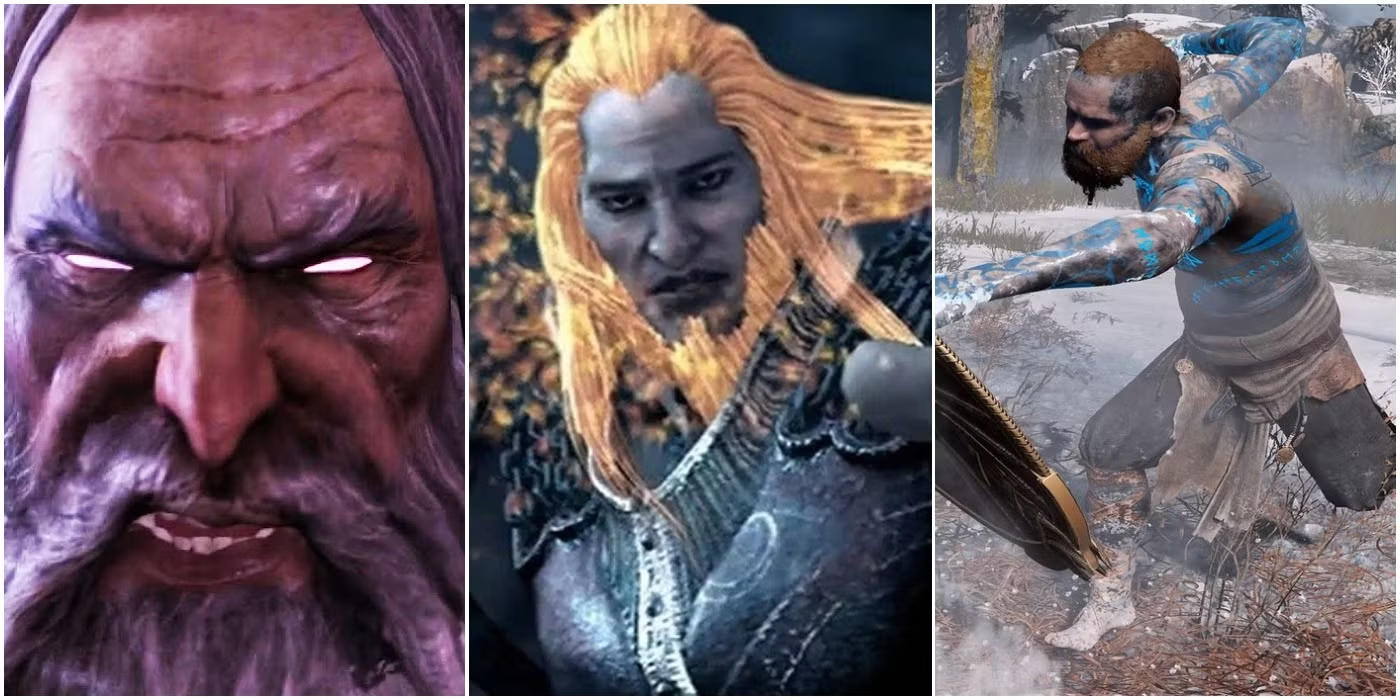
The best God of War villains are not random evil bosses. They are mirrors.
Ares mirrors blind rage.
Zeus mirrors fearful authority.
Baldur mirrors inherited trauma.
Odin mirrors manipulative control.
That is why these conflicts hit harder than spectacle alone. Kratos is not just fighting monsters. He is fighting systems of power that keep reproducing pain.
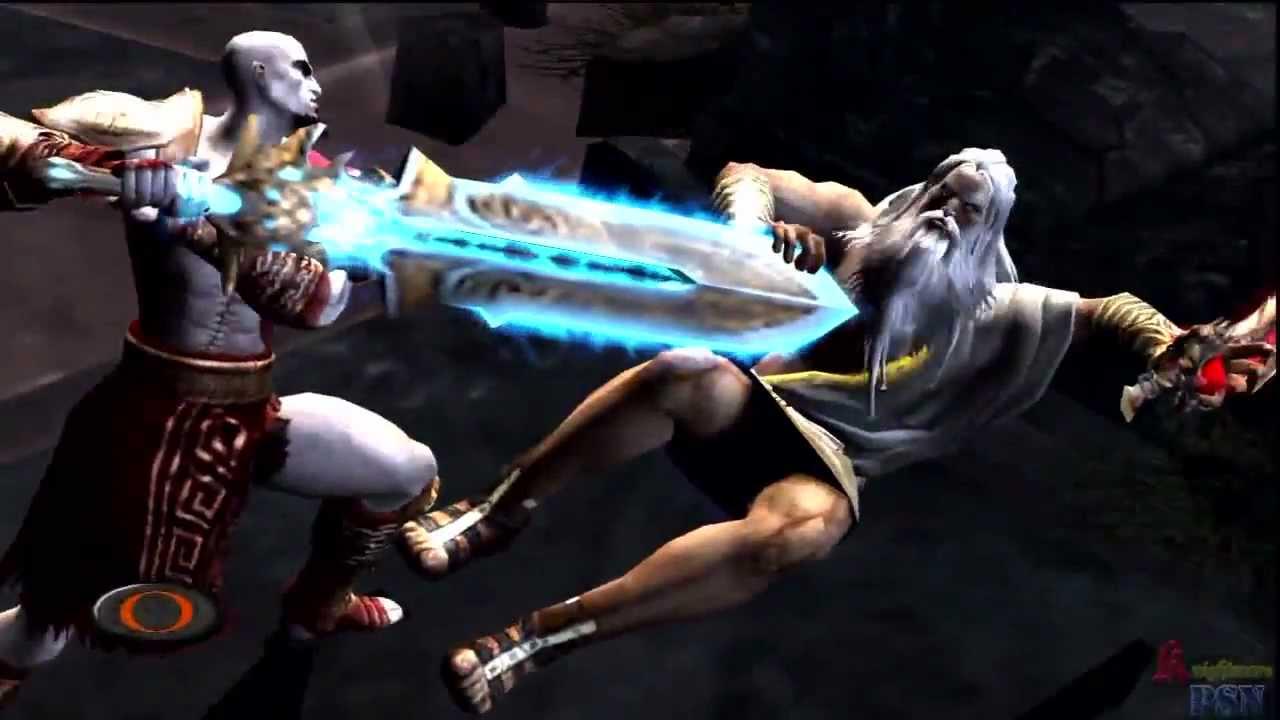
God of War villains endure because they are bigger than boss fights.
They are mythological disasters with personal motives, and each one pushes Kratos into a new version of himself, from vengeance icon to reluctant father to cycle-breaker.
If a villain can make you hate them, understand them, and fear phase two at the same time, they belong in this guide.
 PlayStationNews
 PlayStationGuide
 PlayStationNews
 PlayStationGuide