
 AllMar 05, 2026
Soulsborne Games Ranked for 2026, including Demon’s Souls, Dark Souls trilogy, Bloodborne, Sekiro, and Elden Ring, scored by combat, bosses, and legacy.
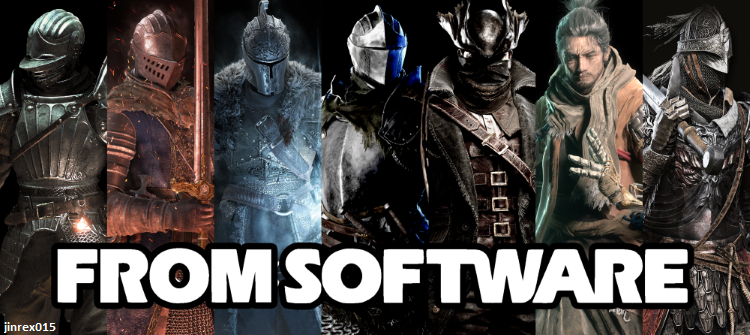
Ranking Soulsborne games is always chaotic, because every entry is somebody’s personality trait.
Some players want lore density.
Some want combat speed.
Some just want to parry a giant god and survive with 2 HP.
This ranking scores the major Soulsborne entries on combat design, world structure, boss quality, replay value, and long-term impact.
Yes, this list is subjective.
No, throwing your controller at me is not an officially supported response.
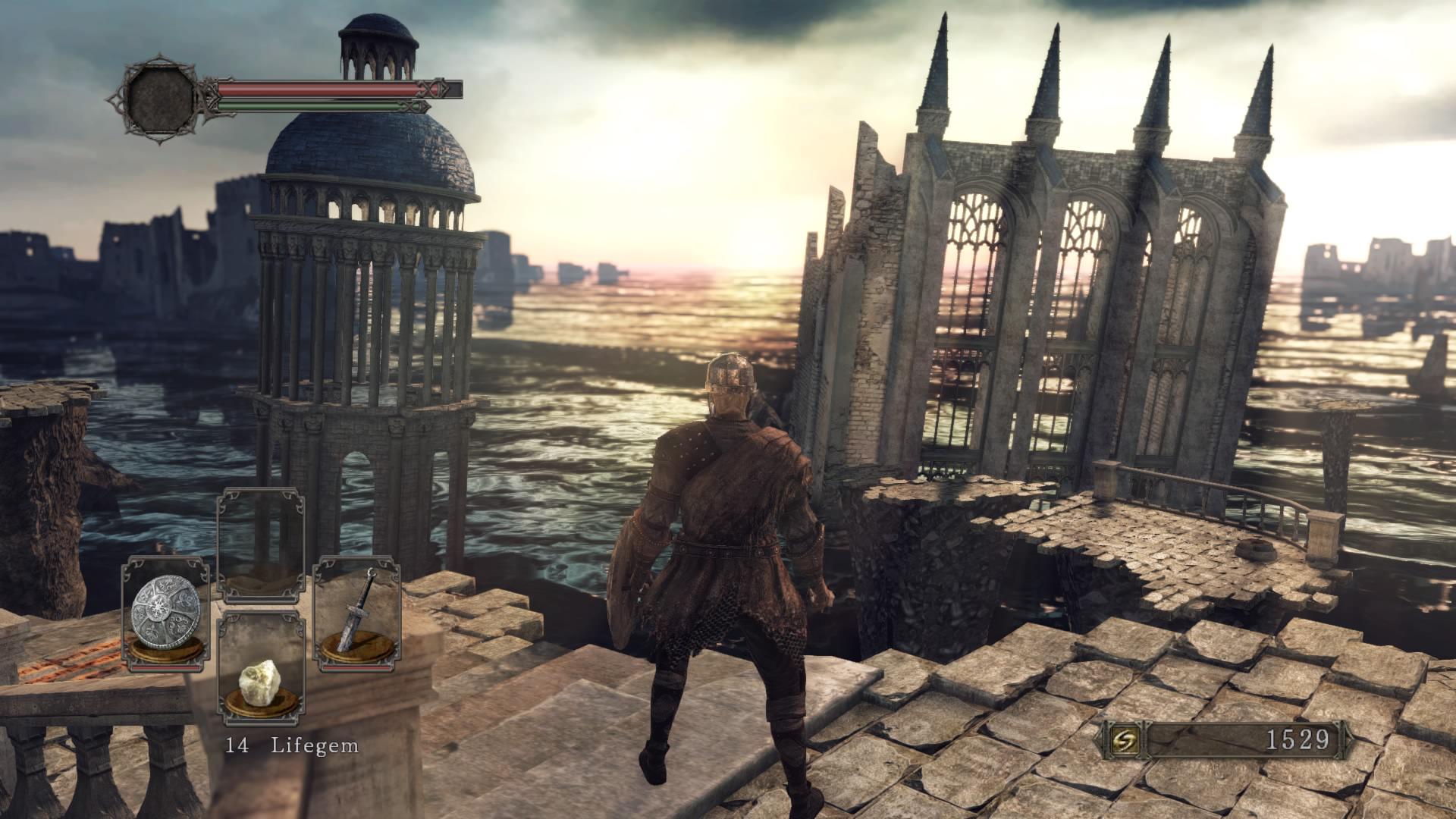
Dark Souls II is the franchise’s most controversial mainline game.
It has strong build variety, some excellent DLC content, and a uniquely melancholic tone. It also has uneven encounter design and pacing decisions that split the fanbase hard.
What still works:
What hurts it:
A flawed but important entry, and absolutely worth playing despite the discourse wars.
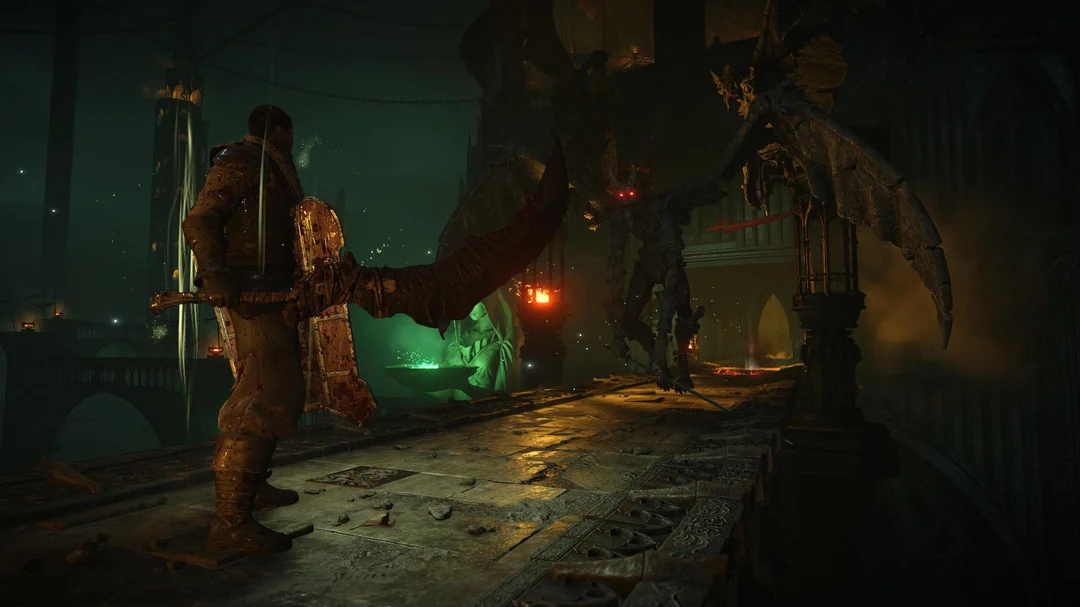
Demon’s Souls is where the entire modern formula starts.
It remains excellent at atmosphere, level tension, and “every hallway could ruin your day” pacing. The PS5 remake modernizes presentation beautifully, while the original still holds huge historical value.
Strengths:
It ranks sixth only because later entries evolved systems and boss consistency further.
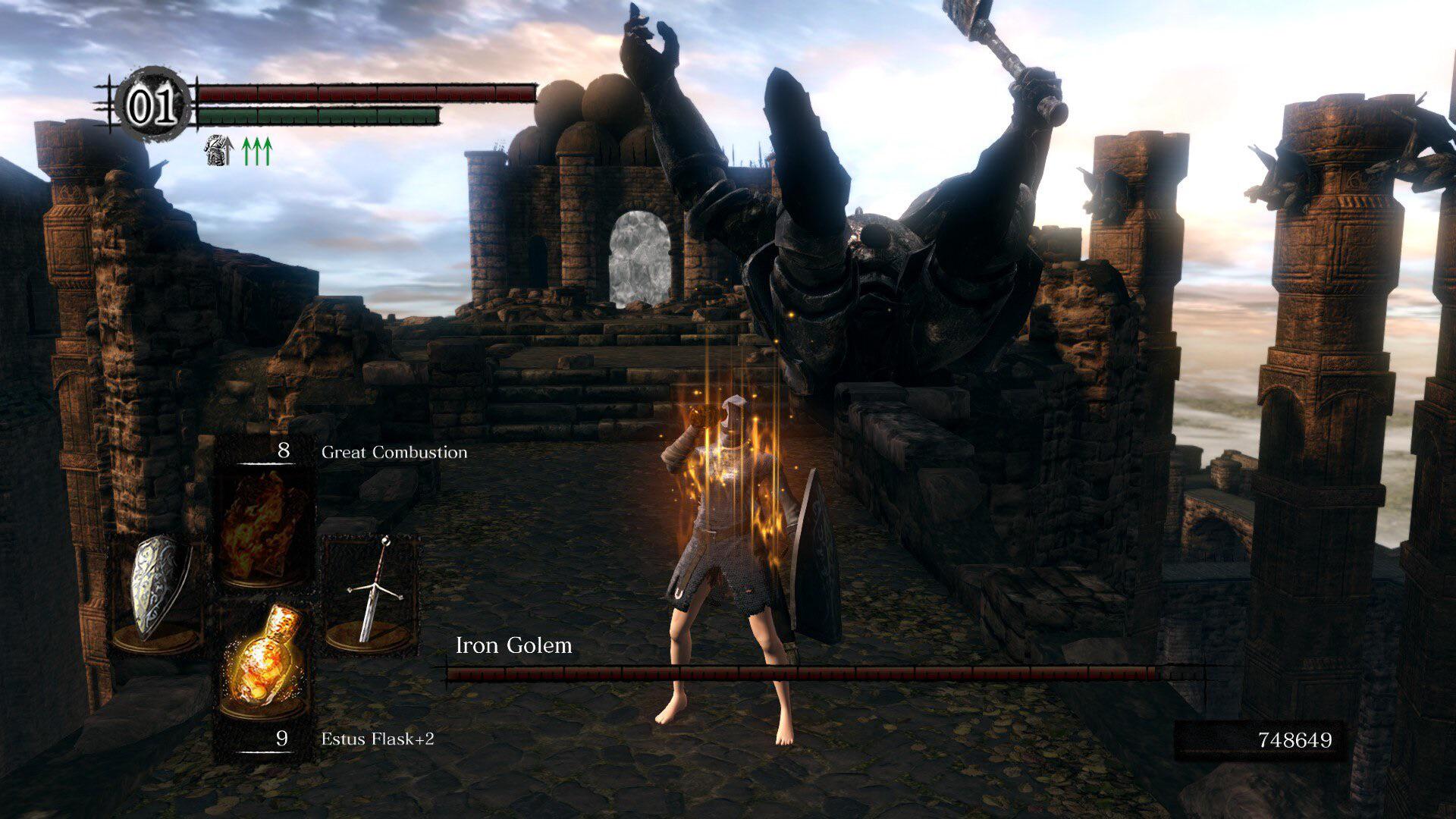
Dark Souls remains one of the most influential action RPGs ever made.
The interconnected world design in early/mid game is still elite, and its lore structure changed how players approach environmental storytelling in mainstream games.
Why it still lands:
Aging edges exist, but impact and craftsmanship keep it top-tier.
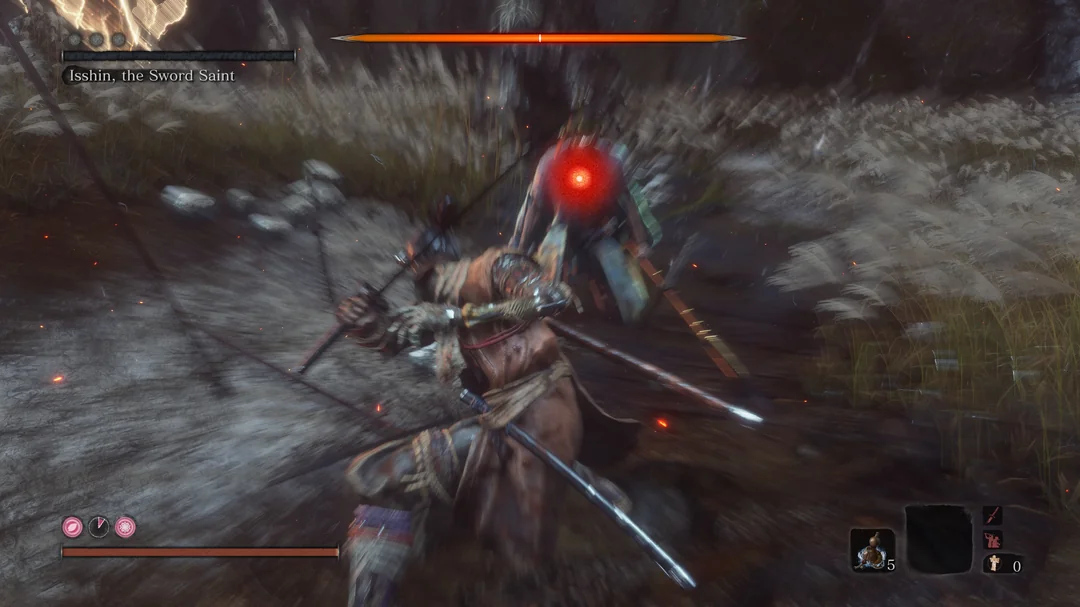
Sekiro is the most mechanically focused game in this group, and arguably the sharpest combat system FromSoftware has ever shipped.
Deflection, posture, and rhythm-based pressure create a skill curve that feels brutal but fair once it clicks. It also has the most direct narrative lead in Wolf.
Why it ranks this high:
Not as build-flexible as Souls titles, but incredible at what it does.
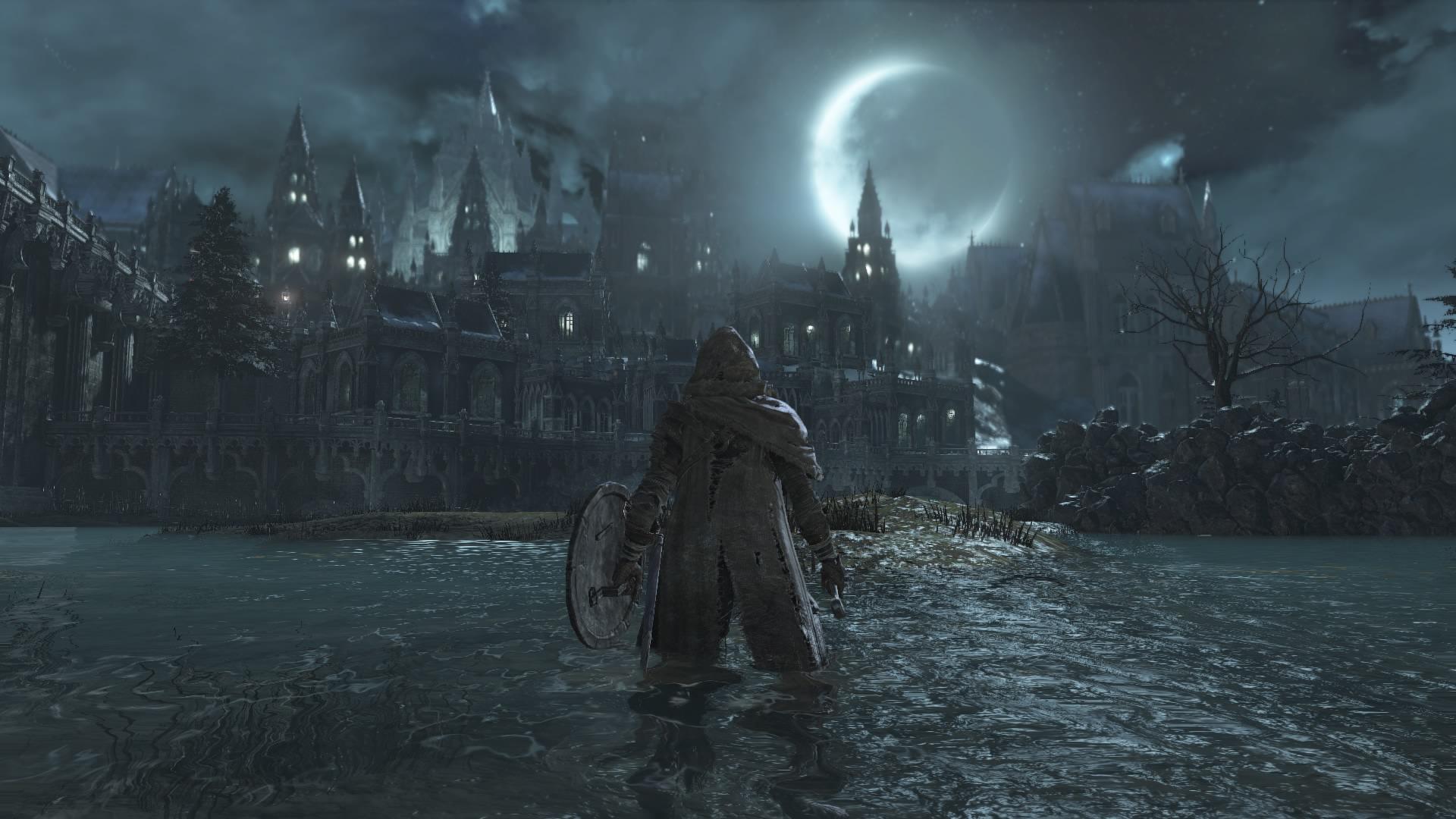
Dark Souls III is the most refined traditional Souls package.
It combines faster combat pacing with excellent encounter design and one of the strongest overall boss rosters in the series. As a conclusion to Dark Souls’ long-cycle arc, it lands thematically and mechanically.
Top strengths:
If DS1 is the blueprint, DS3 is the polished combat-era endpoint.
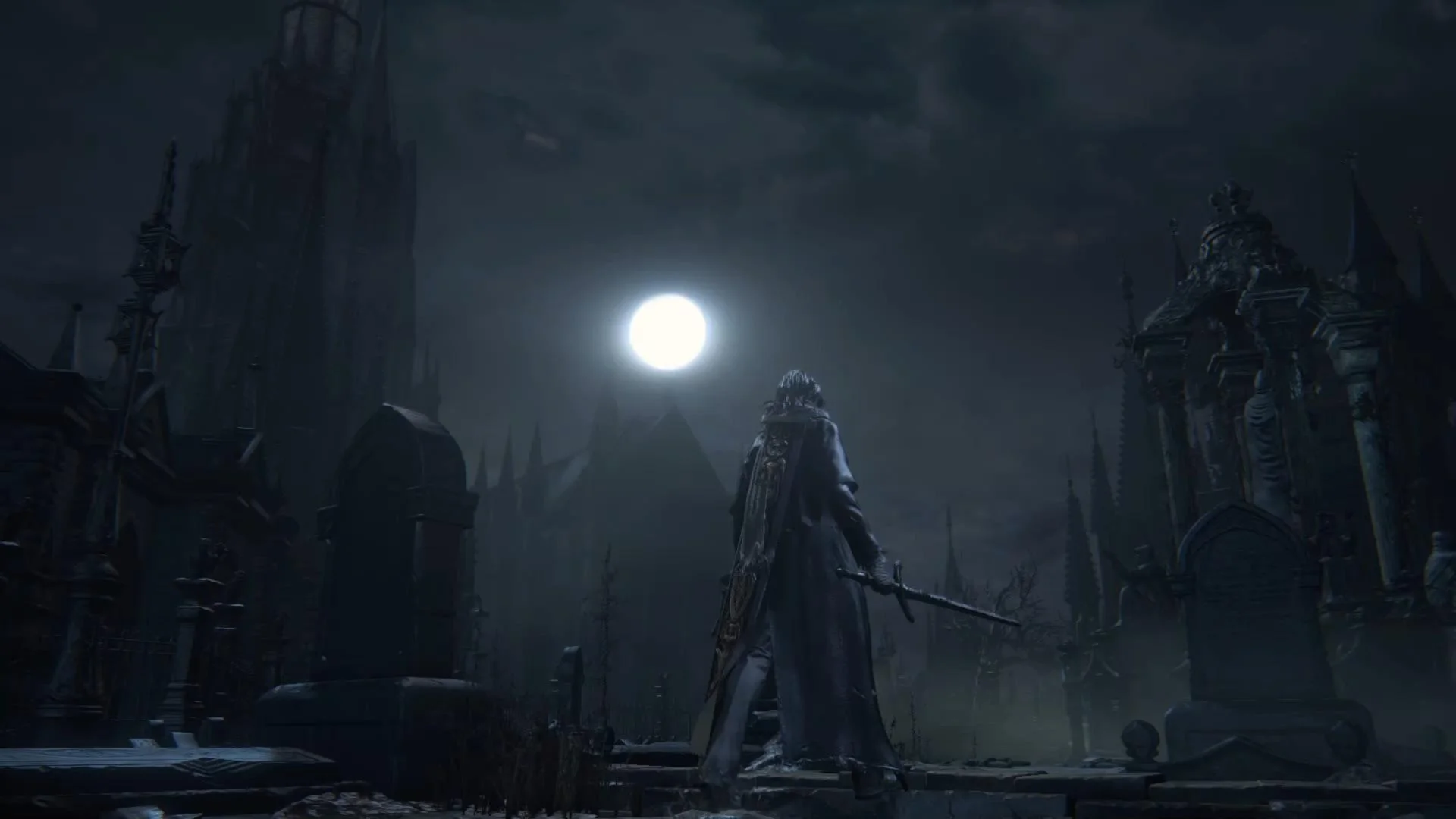
Bloodborne is still one of the most distinctive action games ever made.
The shift from defensive Souls tempo to aggressive risk-reward combat transformed how many players approached the genre. Add in Yharnam’s atmosphere and cosmic-horror escalation, and you get a near-perfect identity piece.
Why it sits near the top:
It remains locked to older hardware ecosystems, which is tragic, but the game itself is elite.
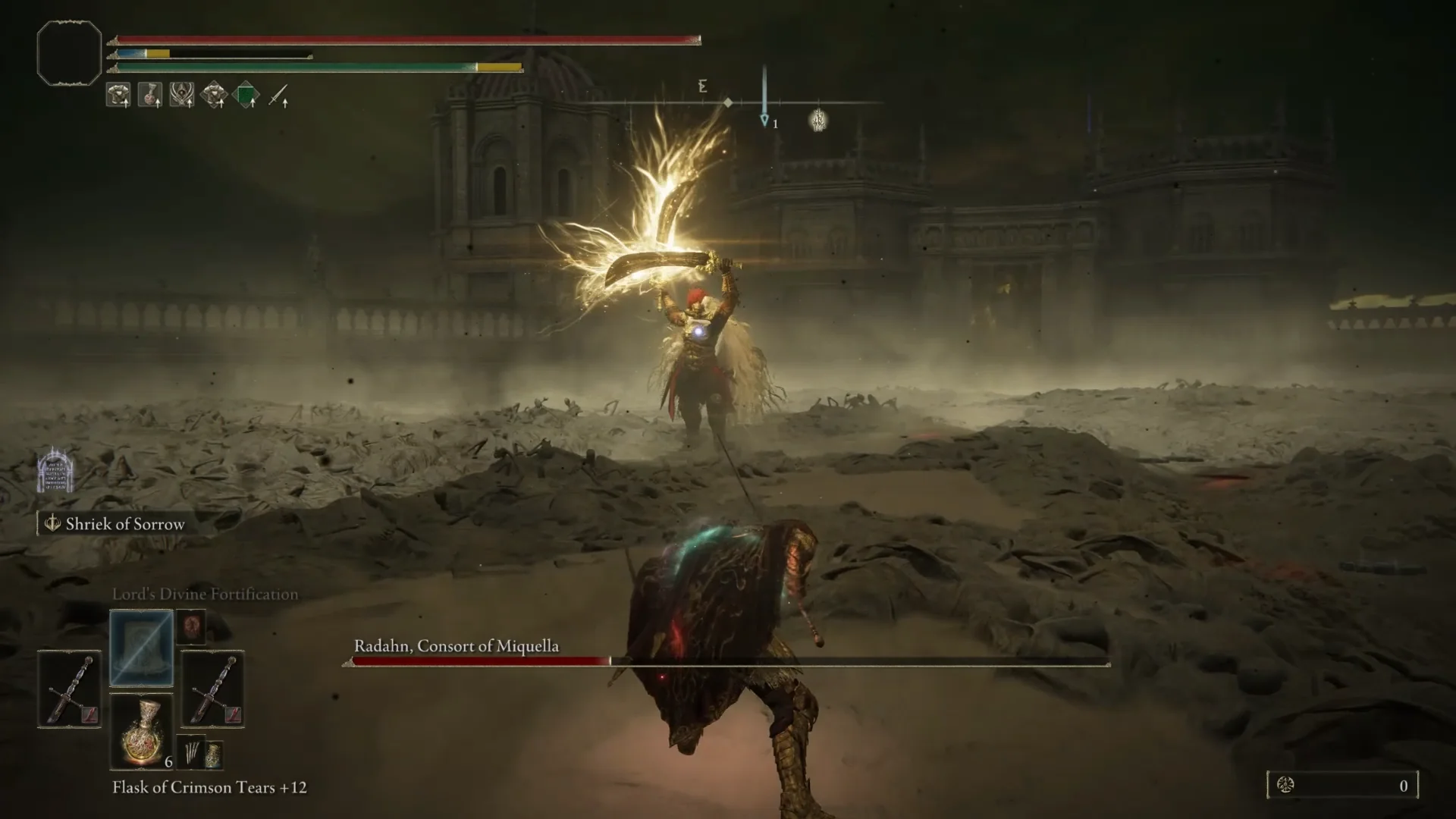
Elden Ring takes the core Soulsborne formula and scales it without breaking it.
It gives players freedom to route, build, and pace progression while still delivering the tension, mystery, and boss spectacle that define the genre. The Lands Between are massive, but still full of handcrafted weirdness and danger.
Why it takes number one:
It is not just a great Soulsborne game. It is the current benchmark.
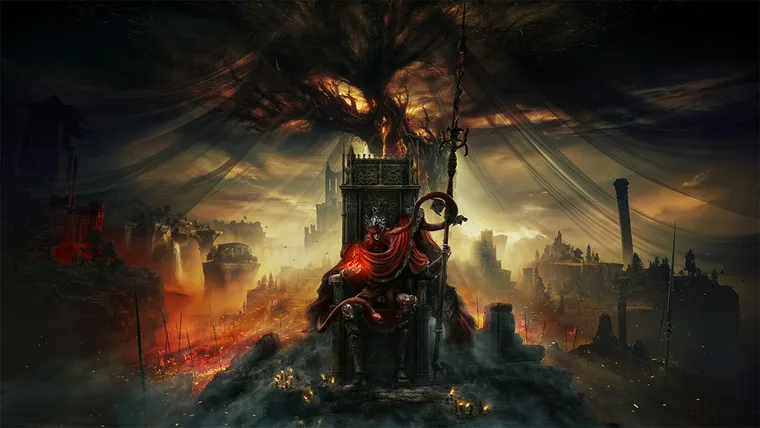
If you are new, use this quick filter:
No wrong starting point, but these are the cleanest on-ramps by taste.
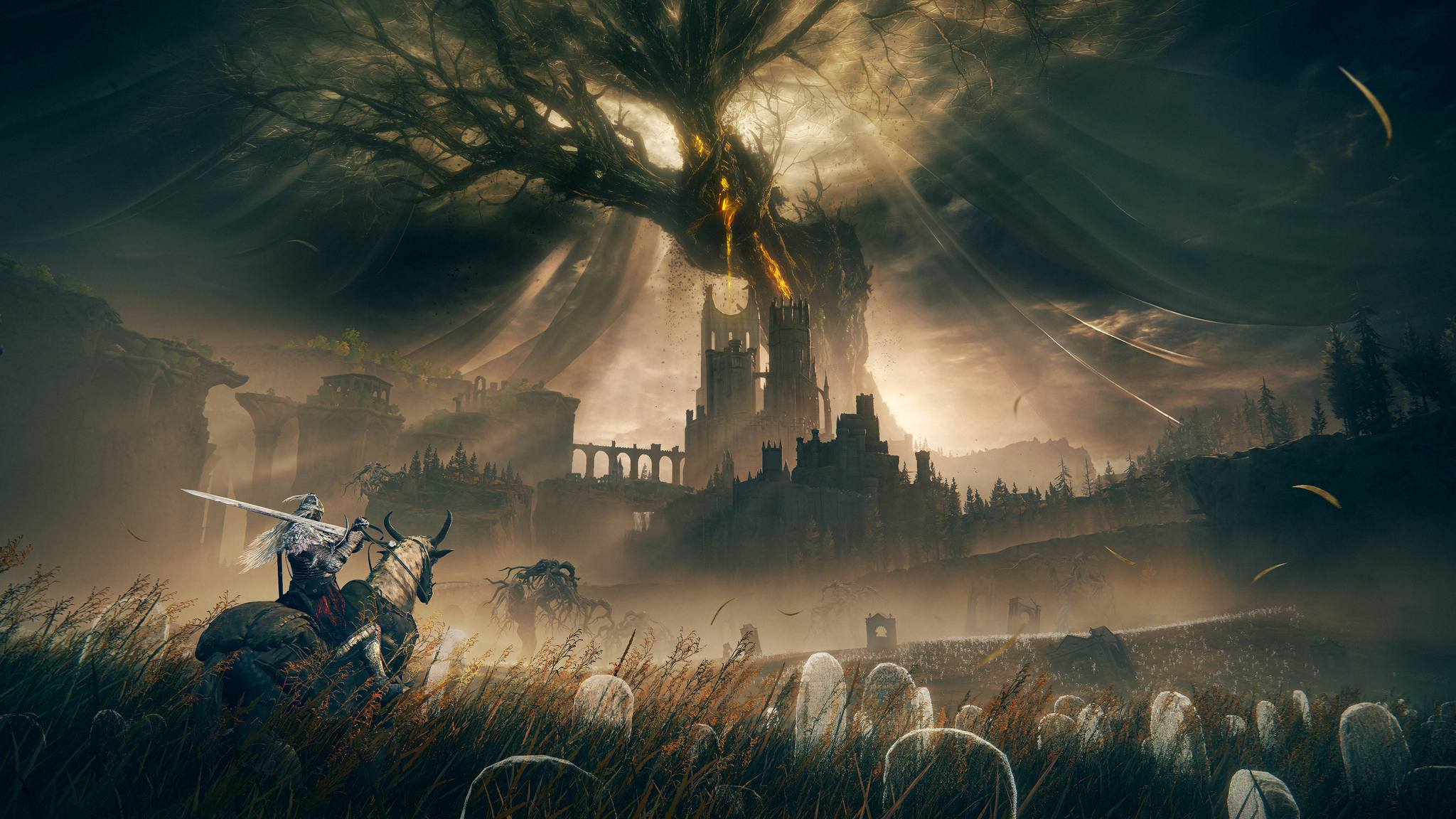
Soulsborne ranking arguments never end because the catalog is unusually strong.
Even the lowest-ranked entries here are still influential, memorable, and worth playing. The order changes based on what you value: world design, combat purity, lore density, or build freedom.
If this list made you disagree loudly, perfect.
That means the genre is still doing exactly what it should.
 AllNews
 AllGuide
 AllNews
 AllNews