
 PlayStationMar 05, 2026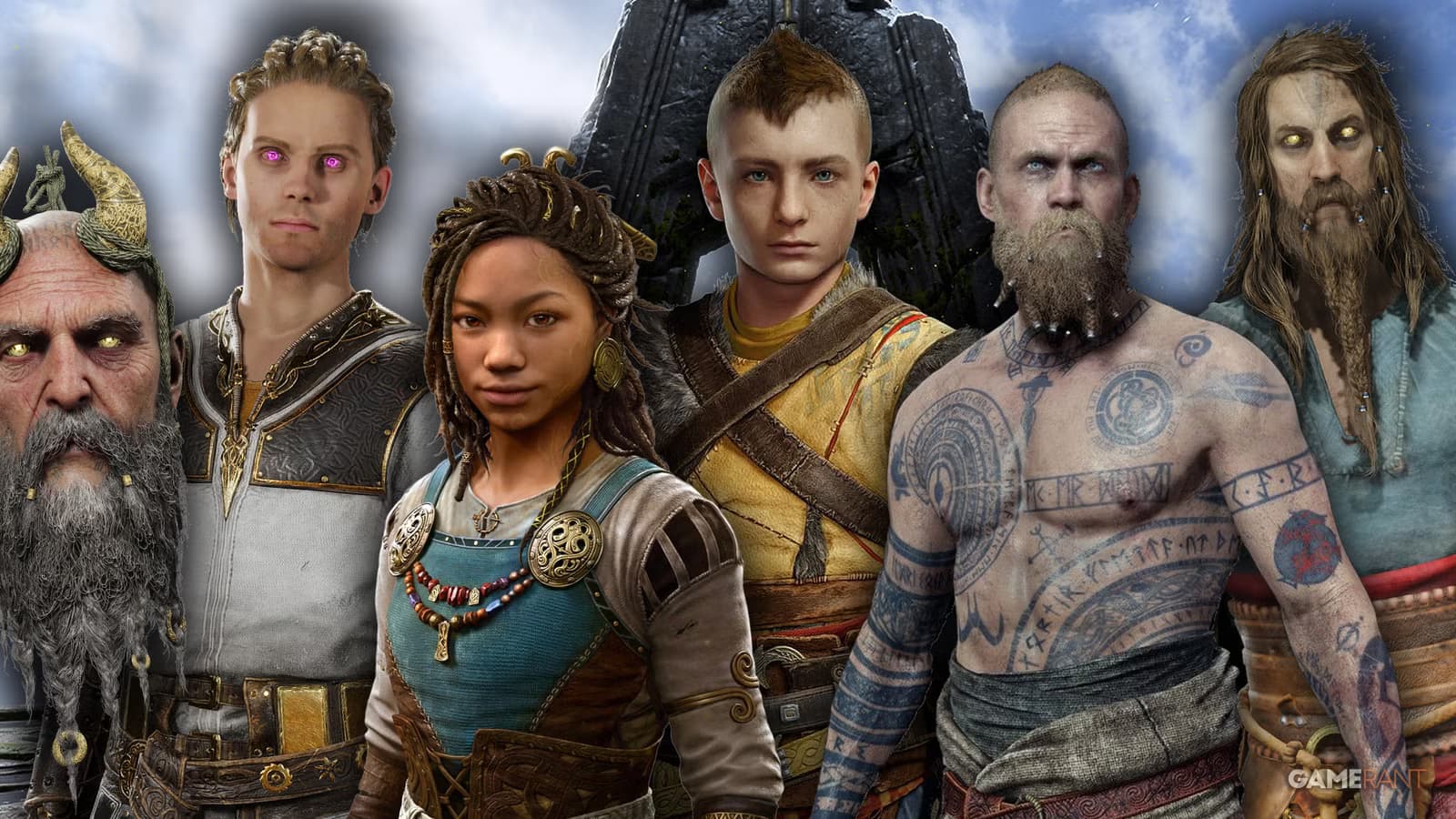
Best God Of War Characters Ranked from Kratos and Atreus to Freya, Mimir, Odin, and Thor, covering the Greek and Norse saga’s most important figures.
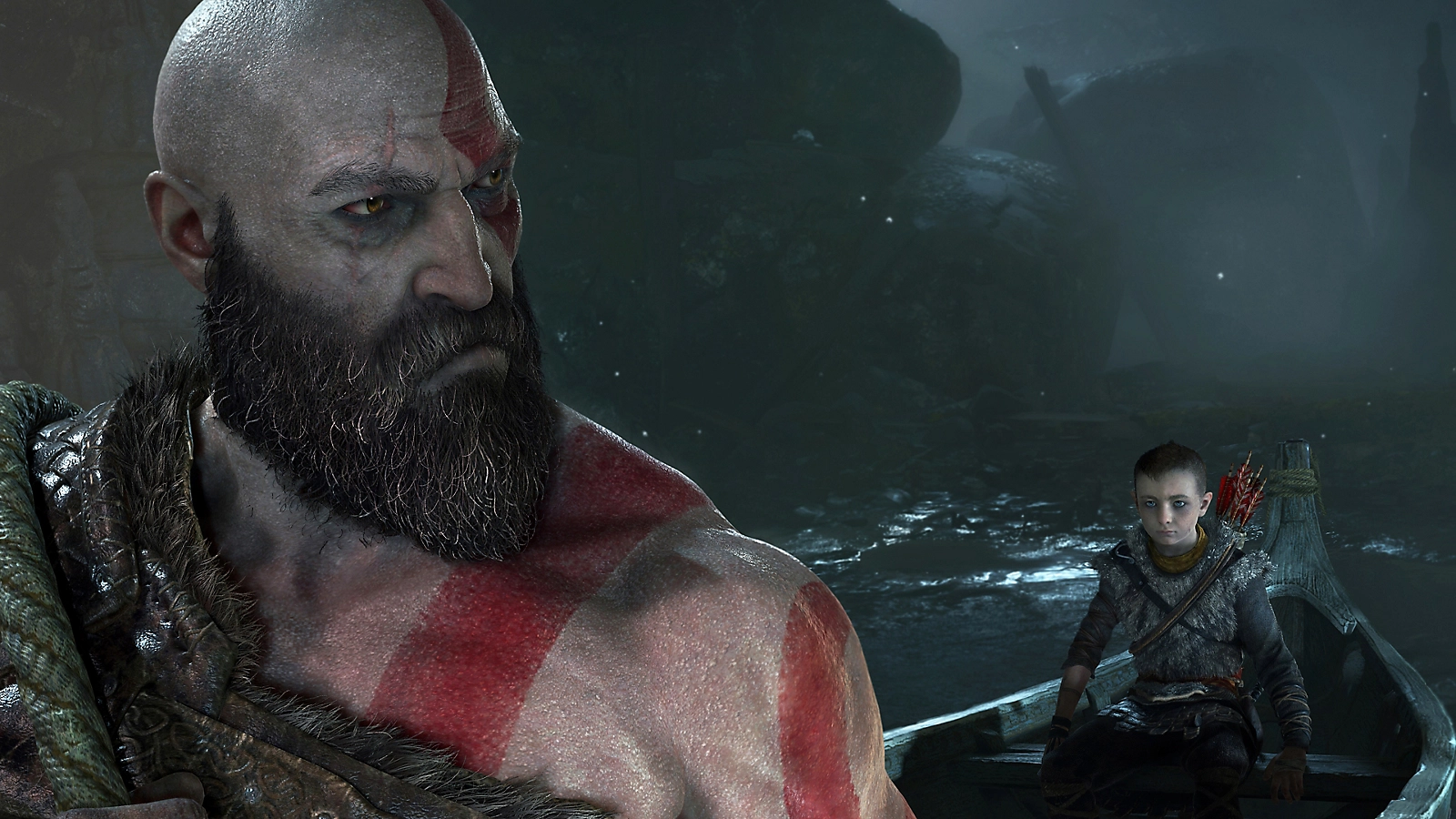
God of War is famous for boss fights, but characters are why the story actually hits.
Across the Greek and Norse eras, this franchise gave us warriors, gods, mentors, schemers, and emotionally damaged icons who made every major moment feel personal.
This ranking covers the best God Of War characters based on writing, development, impact, and pure screen presence.
Yes, this list is subjective. No, your favorite is not too low. It is just “strategically placed for discourse.”
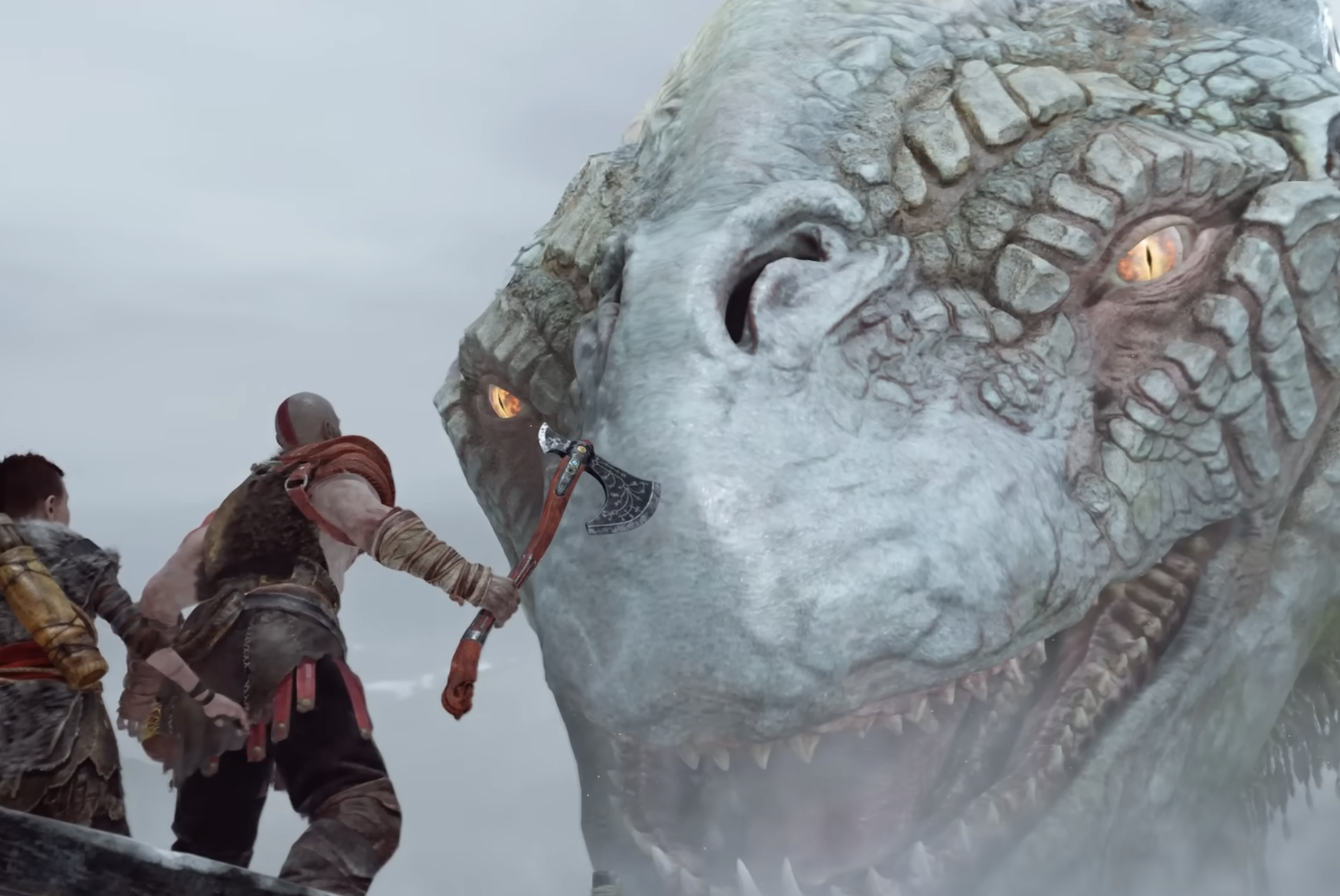
Jormungandr does not need long speeches to matter. One roar and the whole realm pays attention.
He is one of the coolest worldbuilding characters in the Norse arc: ancient, mysterious, and deeply tied to Atreus/Loki’s destiny. Every appearance adds scale and mythic weight.
Also, he helps in key moments without asking for applause, which already makes him more emotionally stable than half the cast.
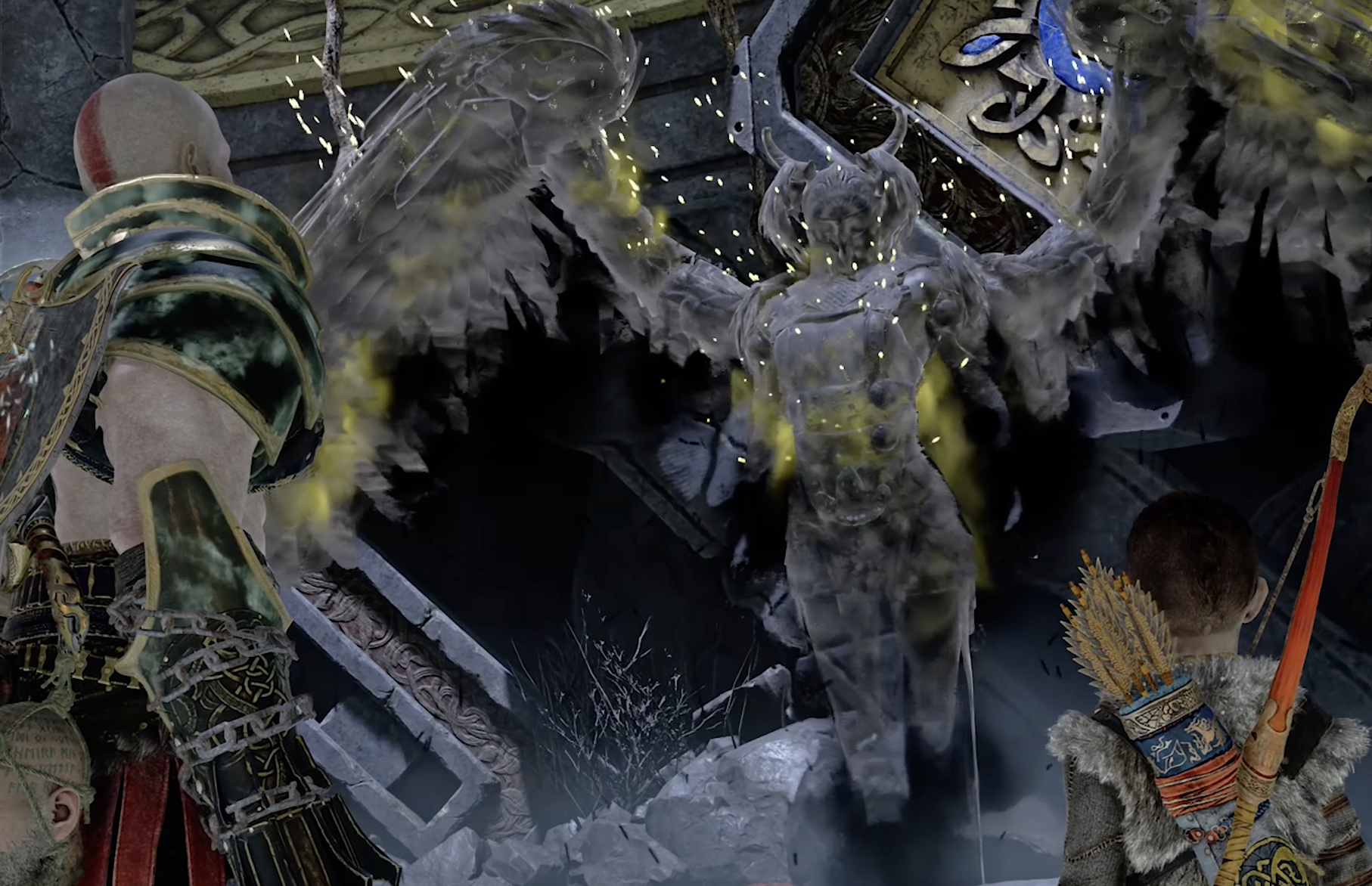
The Valkyries are more than optional boss pain generators.
Their story is tragic and important: corrupted protectors trapped by Odin’s system, each encounter revealing pieces of a bigger divine abuse structure. Mechanically they are brutal, narratively they are victims of control politics.
Few side arcs in modern action games blend challenge and lore this well.
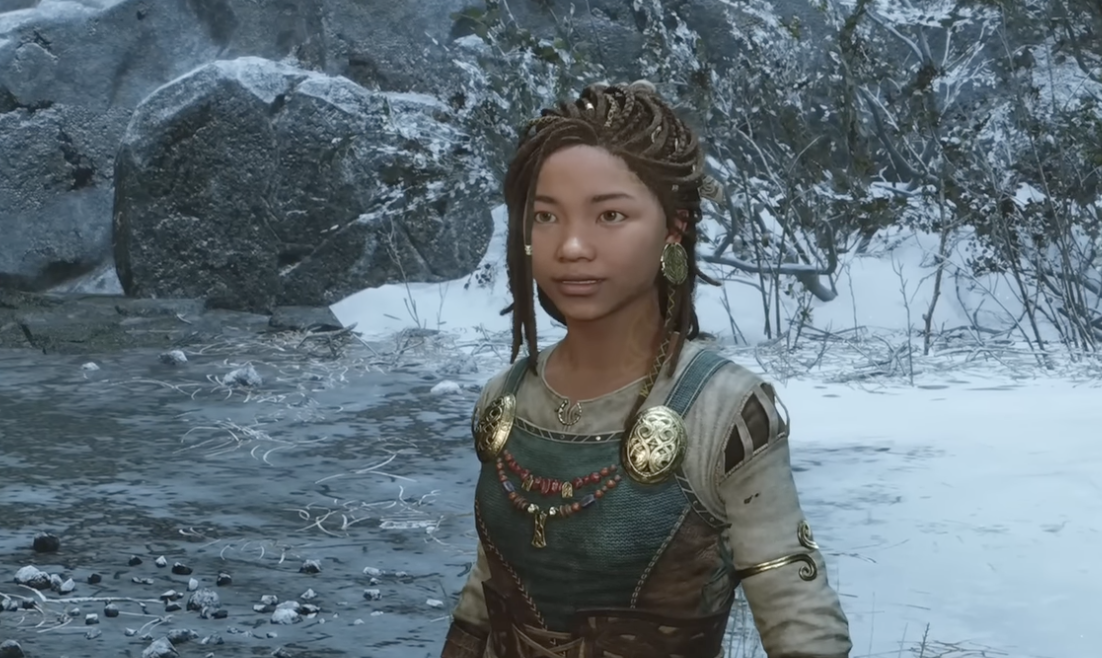
Angrboda brings grounded energy to a story full of fate panic.
She is thoughtful, independent, and one of the few characters who can challenge Atreus without turning every conversation into shouting and thunder effects. Her scenes give Ragnarök emotional breathing room while still pushing key giant lore forward.
She is not there to be a sidekick. She has agency, priorities, and excellent instincts about who is lying.
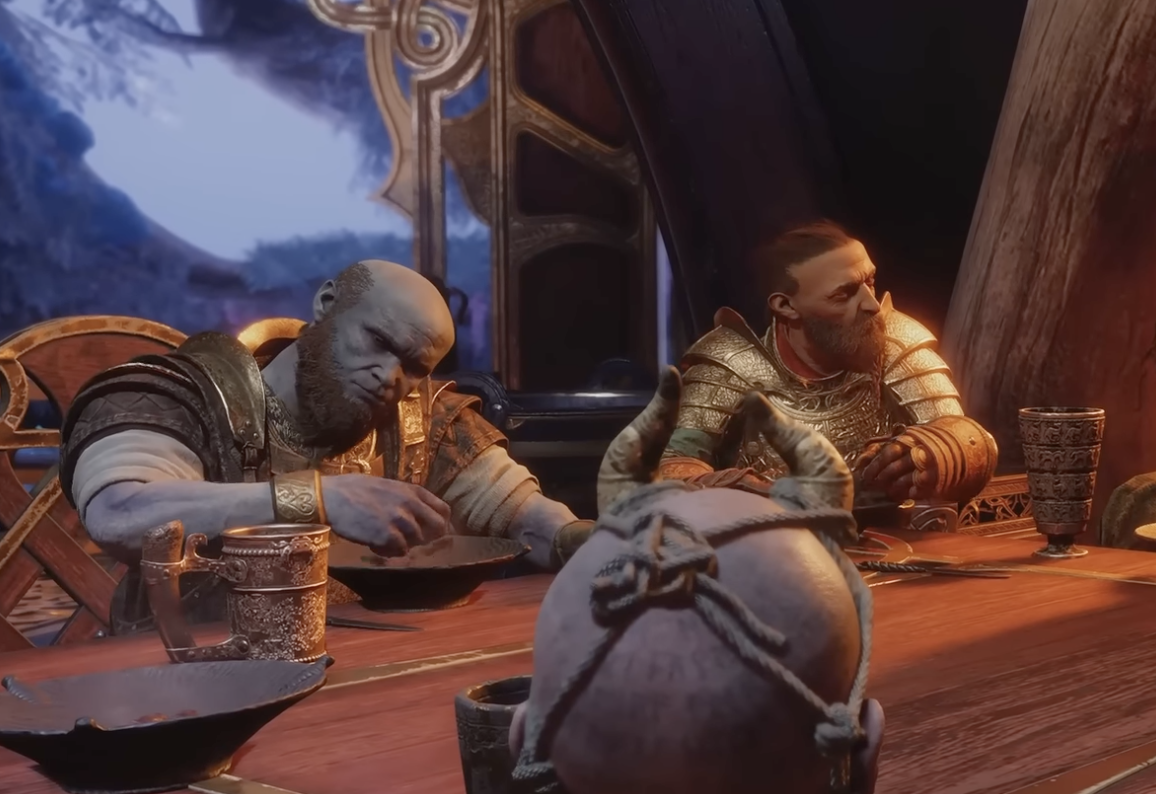
The Huldra Brothers start as comic relief blacksmiths and end as one of the most emotionally devastating arcs in the Norse games.
Their dynamic is funny, messy, and deeply human. Beneath the banter, you get grief, resentment, loyalty, and years of unresolved history. They are the franchise reminder that side characters can carry main-story emotional weight.
Brok and Sindri did not just upgrade your gear. They upgraded the writing.
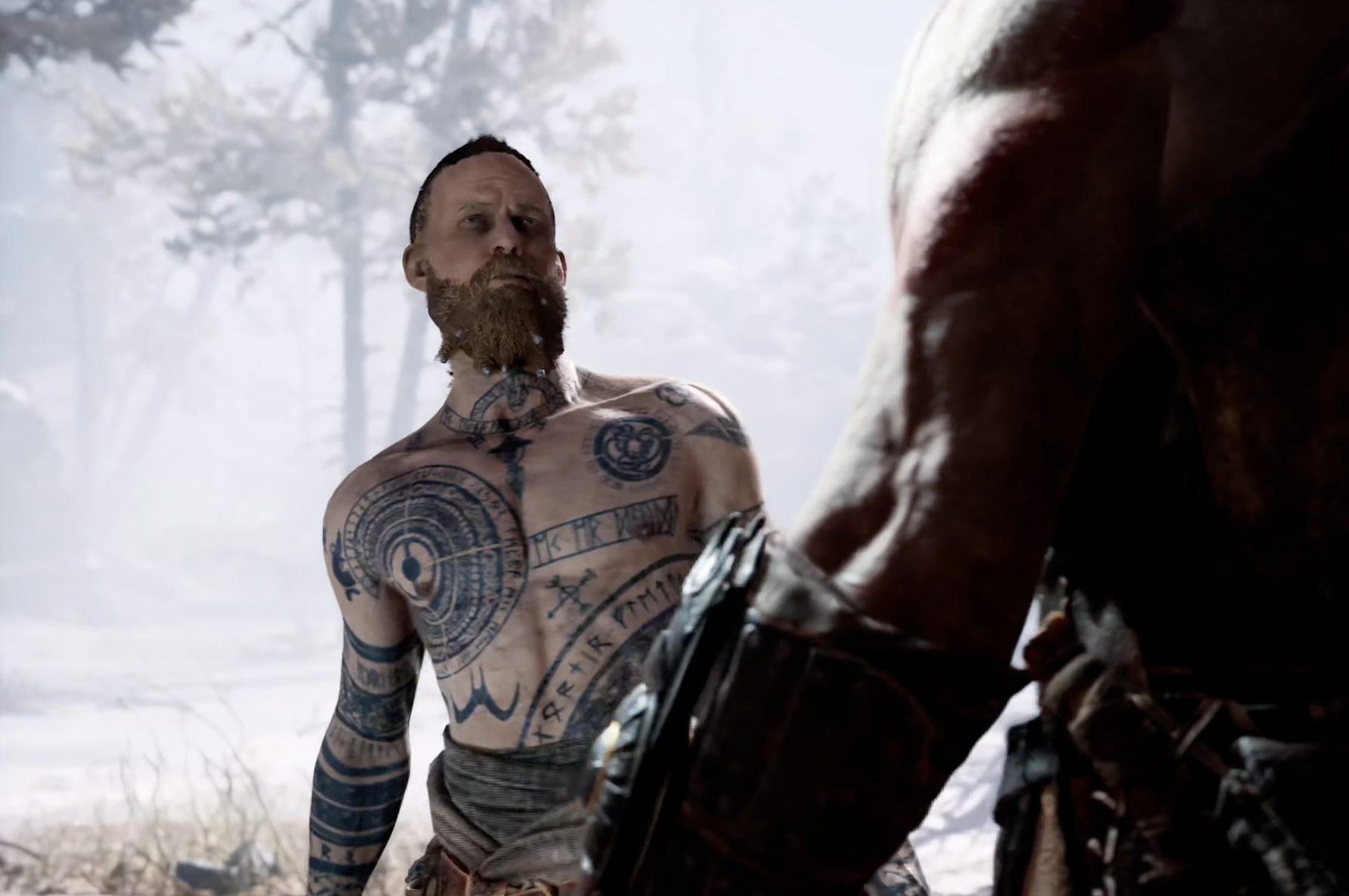
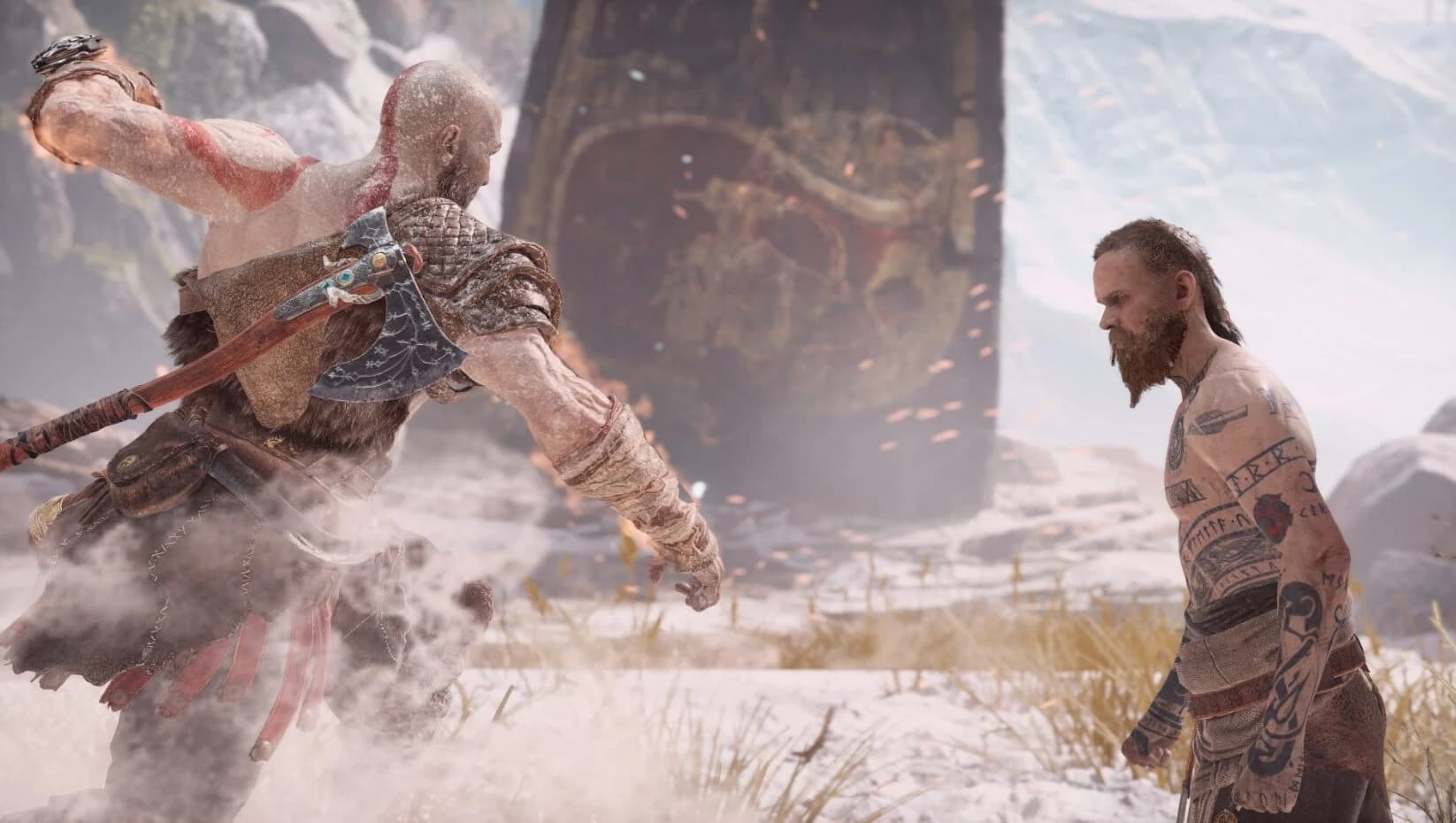
Baldur is one of the best-written antagonists in the franchise.
His invulnerability curse is not a power fantasy. It is existential torture, and his violence reflects years of emotional collapse under Freya and Odin’s damage cycle. He is scary, fast, and deeply broken.
The result is a villain you fear, pity, and absolutely do not want sprinting at you through a forest again.
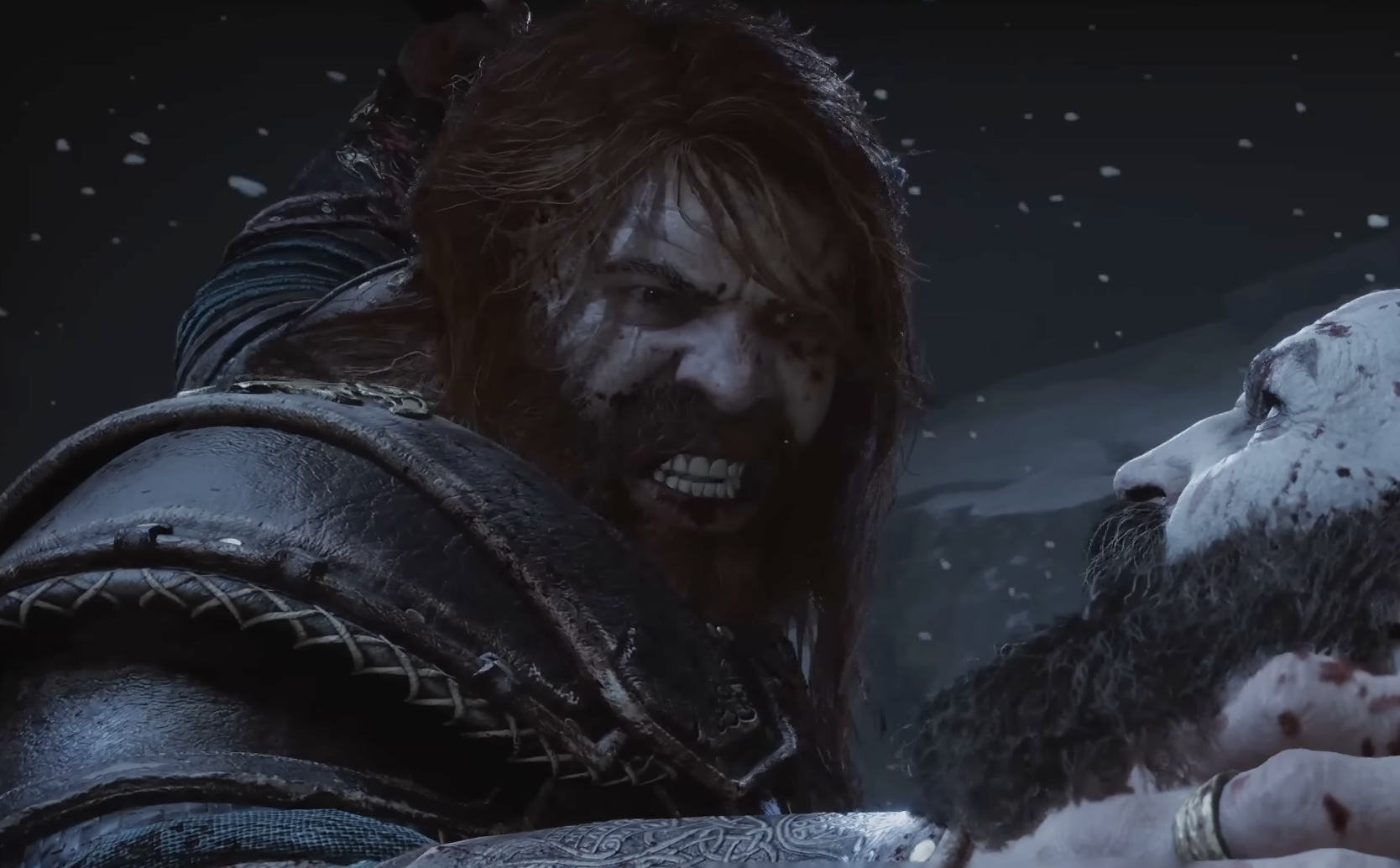
Thor in Ragnarök is far more than “big hammer guy.”
He is a brutal enforcer carrying enormous emotional damage, torn between his own family and Odin’s manipulative control. His scenes balance intimidation with sadness in a way that makes every confrontation feel loaded.
He is dangerous, tragic, and weirdly sympathetic, which is exactly why this version works so well.
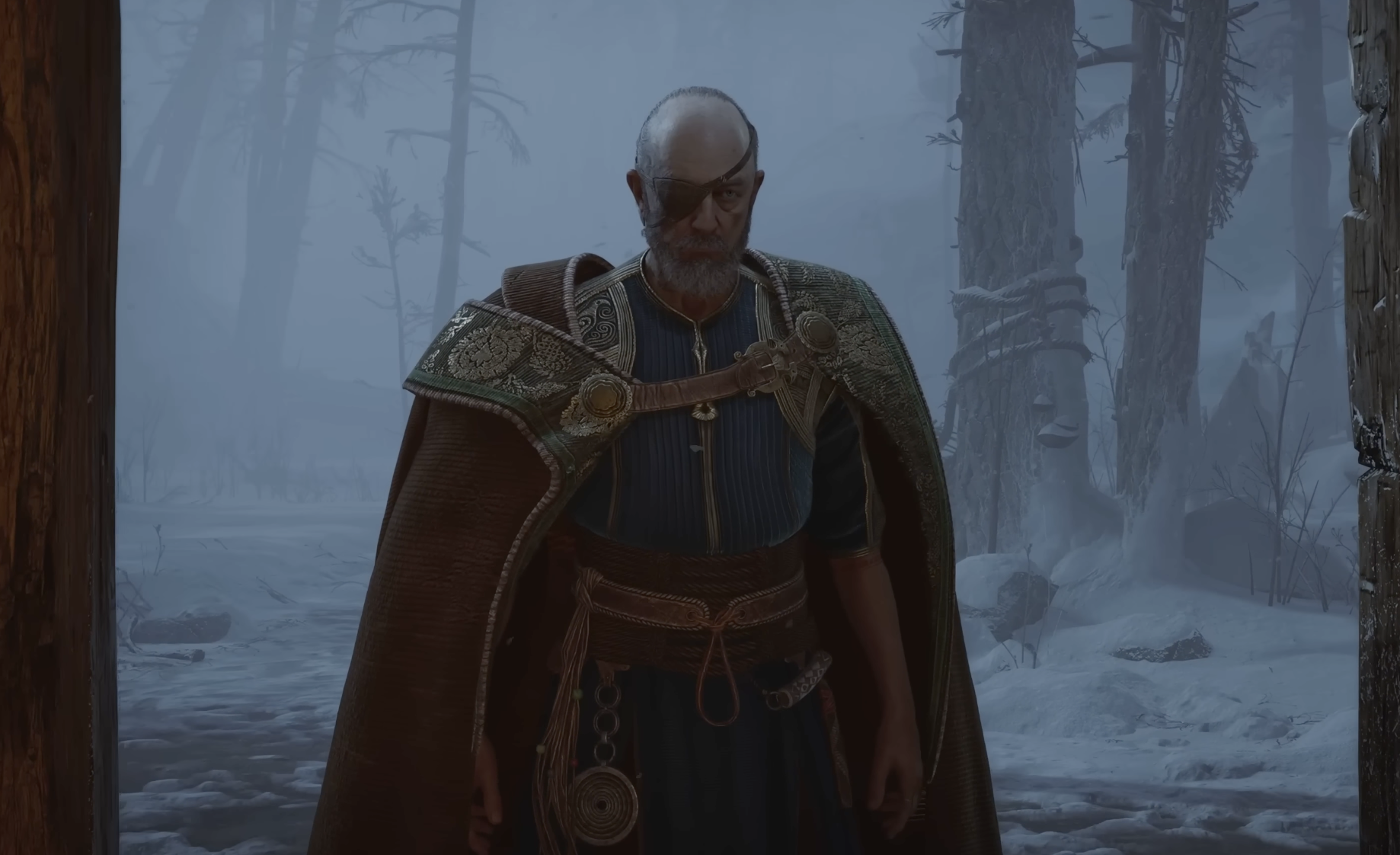
Odin is one of God of War’s smartest villains because he weaponizes trust, not just force.
He lies constantly, stays calm under pressure, and makes cruelty sound practical. His power comes from narrative control: if he can shape what everyone believes, he wins before the fight starts.
He is the franchise’s best example of soft-spoken menace with catastrophic consequences.
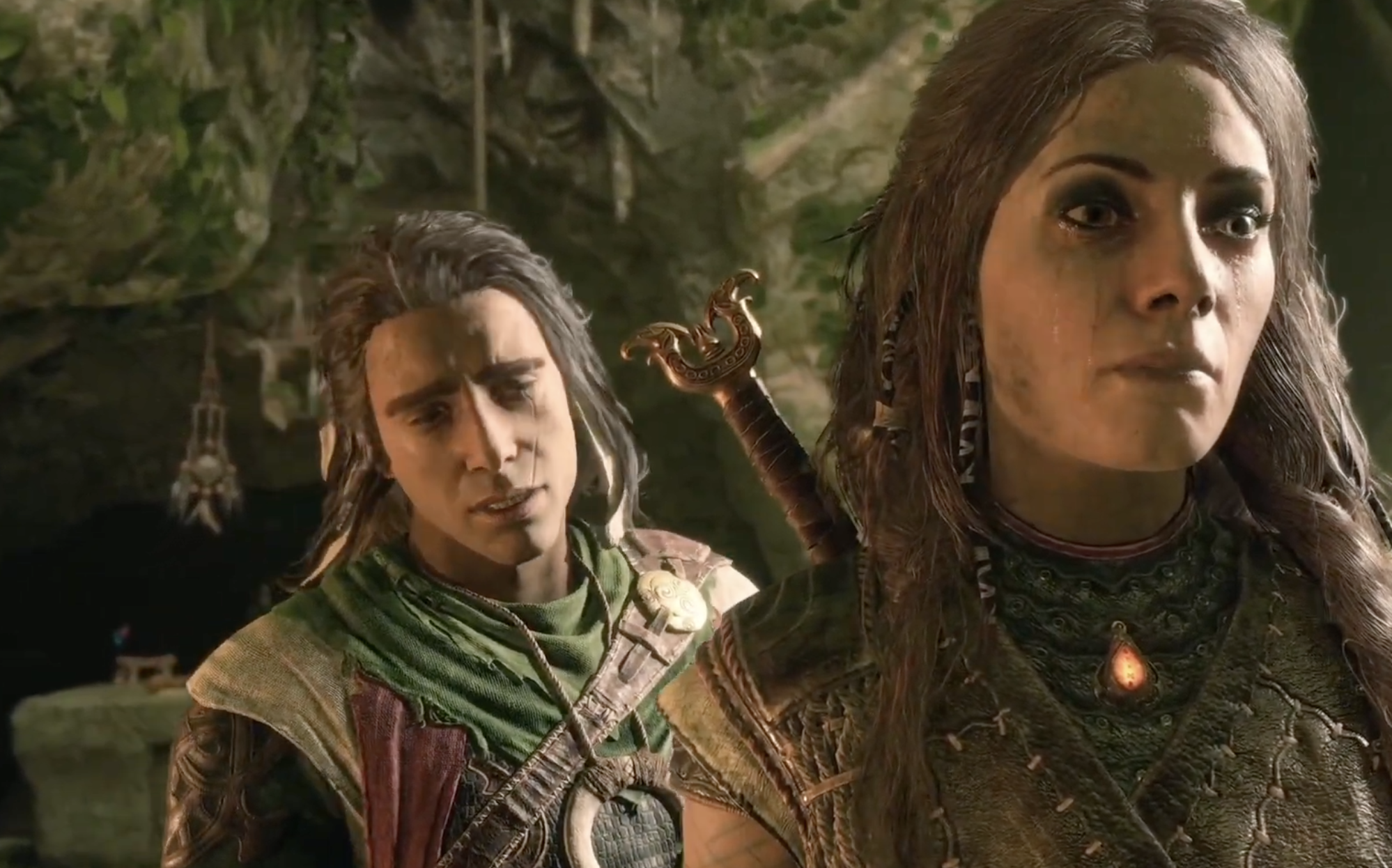
Freyr brings a different flavor to the cast: charismatic, rebellious, and unexpectedly selfless when it matters.
He could have been written as pure comic swagger, but Ragnarök gives him real depth through his history with Freya and his role in resisting Asgard’s control. He represents a version of leadership not built on domination.
In a franchise full of grim legends, Freyr feels refreshingly alive.
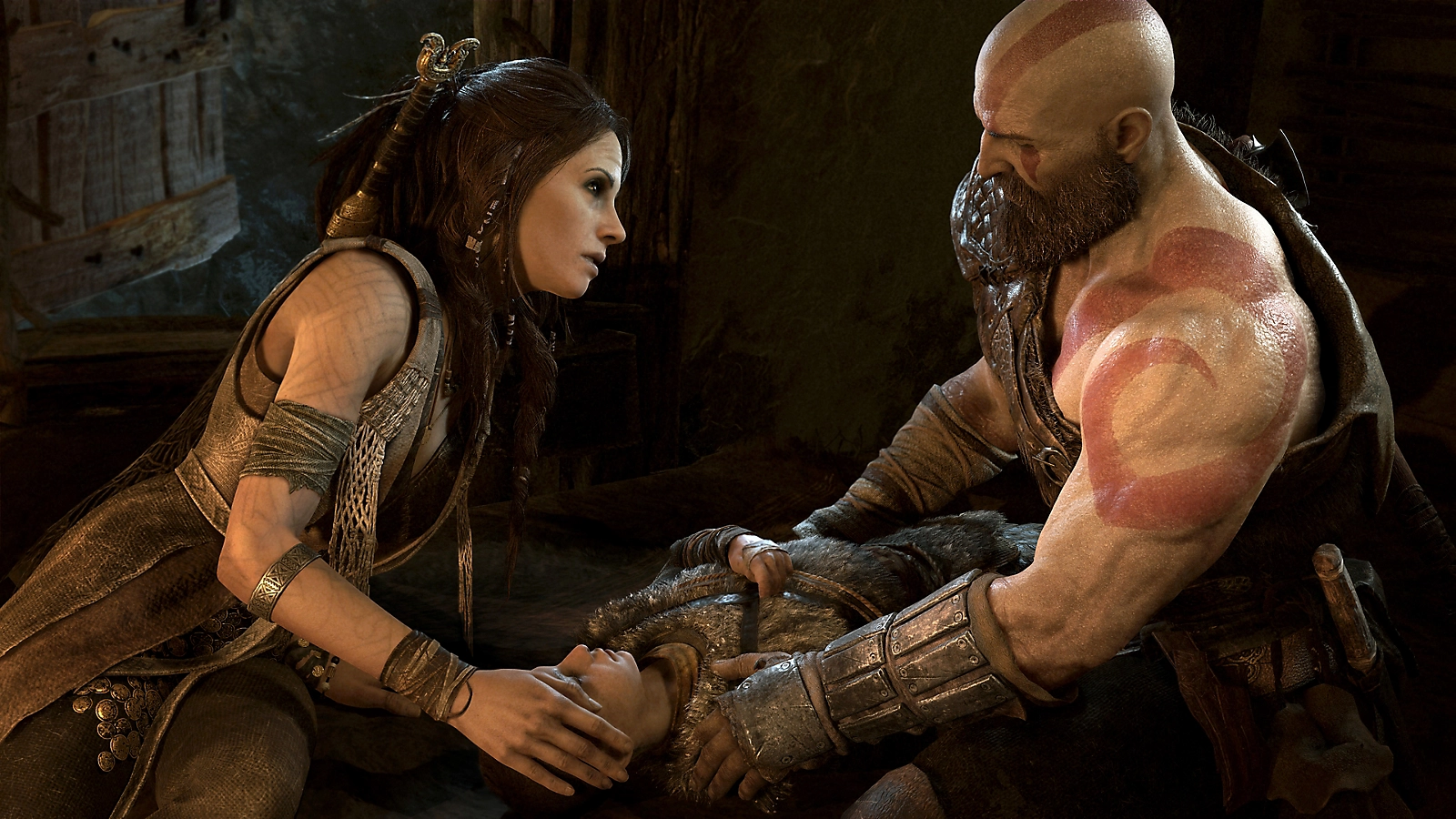
Freya has one of the best character evolutions in modern action games.
She moves from ally to enemy to uneasy partner with believable emotional logic the entire way. Her rage after Baldur’s death is painful and justified, and her gradual shift toward purpose over revenge feels earned, not rushed.
She is powerful, complicated, and consistently written with respect for her grief and agency.
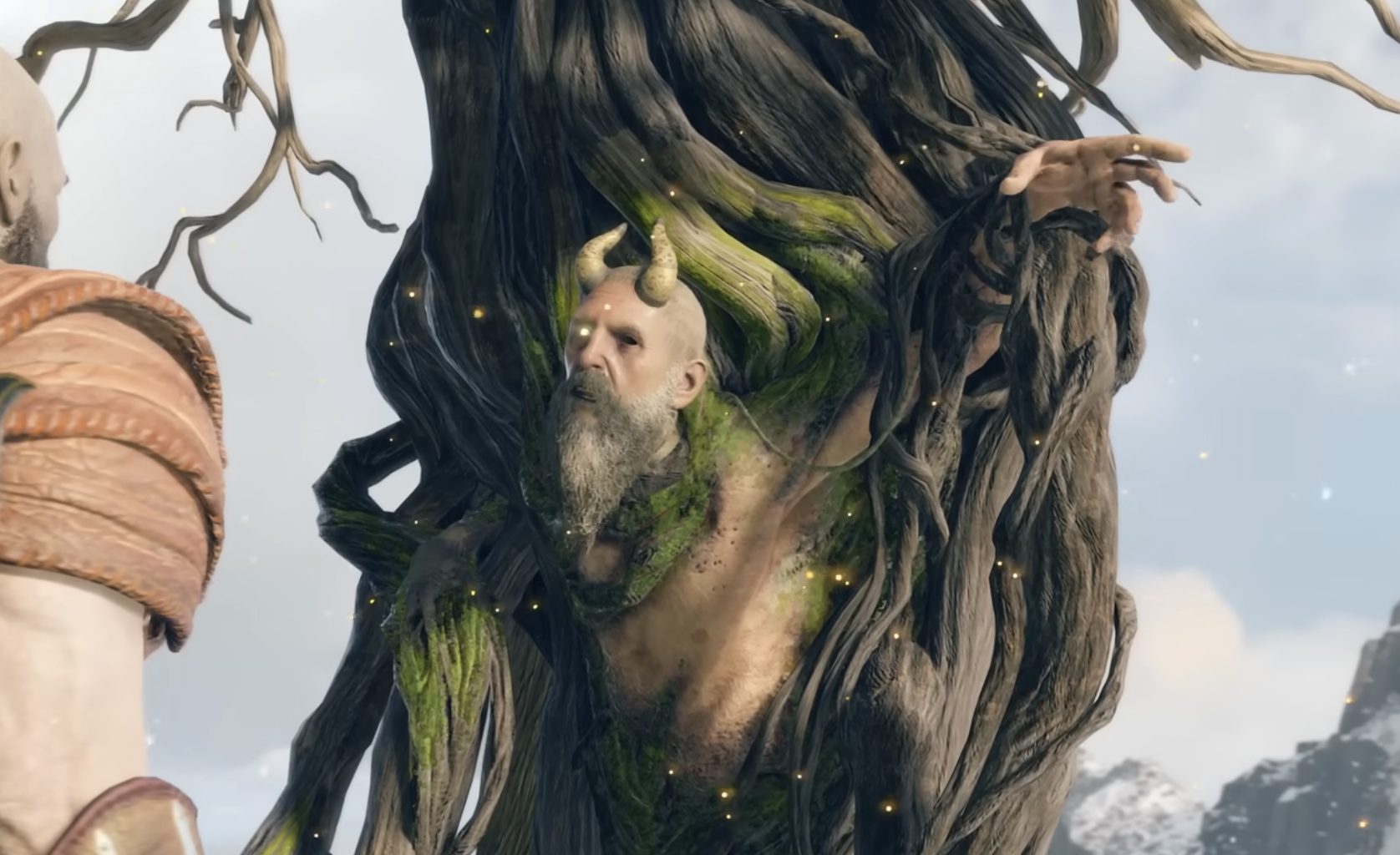
Mimir is the MVP of exposition delivery, and somehow never feels like exposition delivery.
He adds humor, lore, emotional perspective, and tactical insight without slowing pacing. His storytelling makes boat rides and side routes feel meaningful instead of filler.
Most importantly, he helps humanize Kratos and Atreus by being the bridge between silence and conversation. Every game wants a Mimir. Very few earn one.
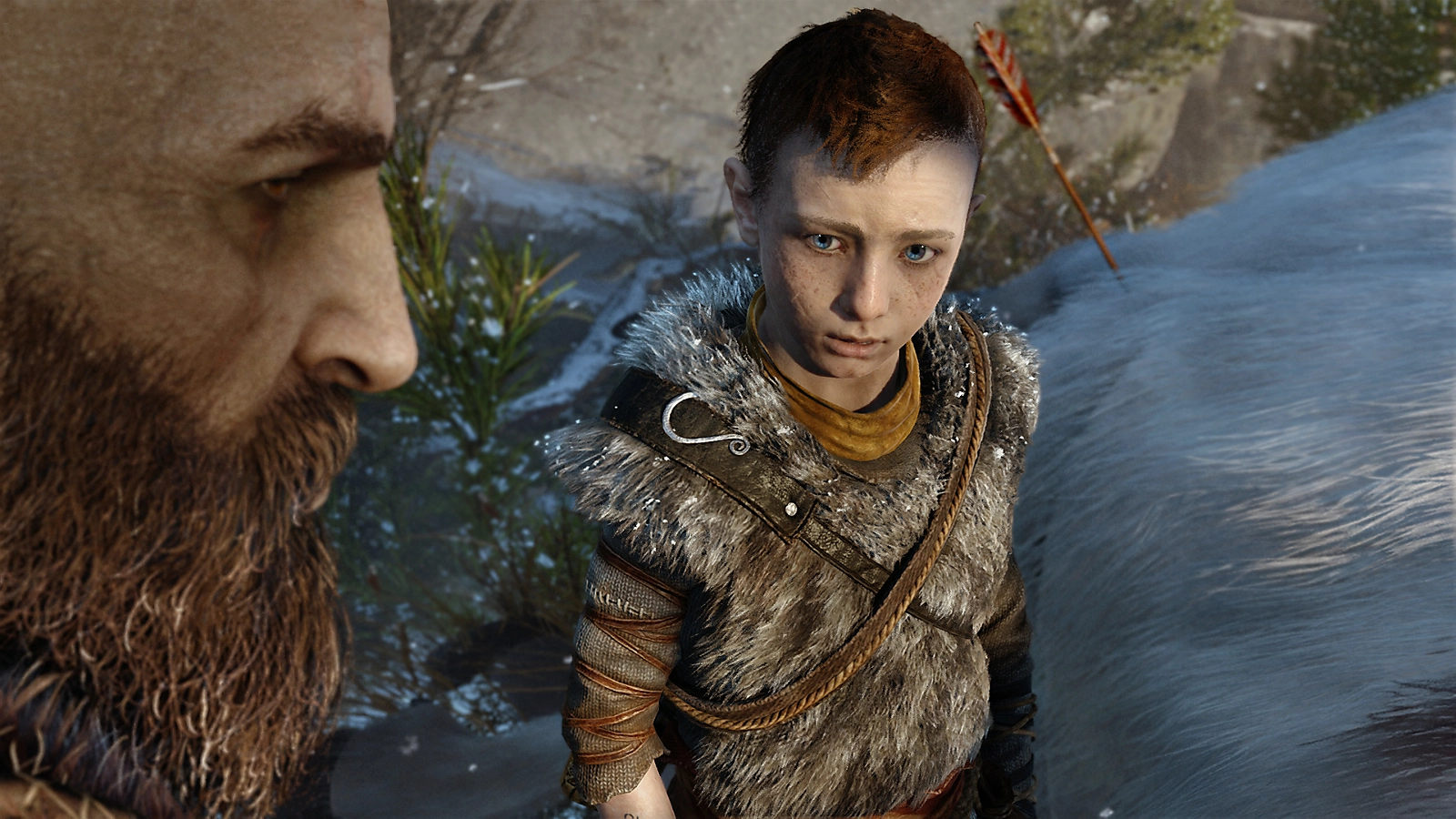
Atreus is the heart of the Norse saga.
His growth from impulsive child to layered young hero is one of the franchise’s strongest achievements. He struggles with legacy, identity, prophecy, and moral responsibility, and the writing lets him fail, learn, and push back.
He is not just “Kratos’ son.” He is a central protagonist with his own worldview, and the series is better for it.
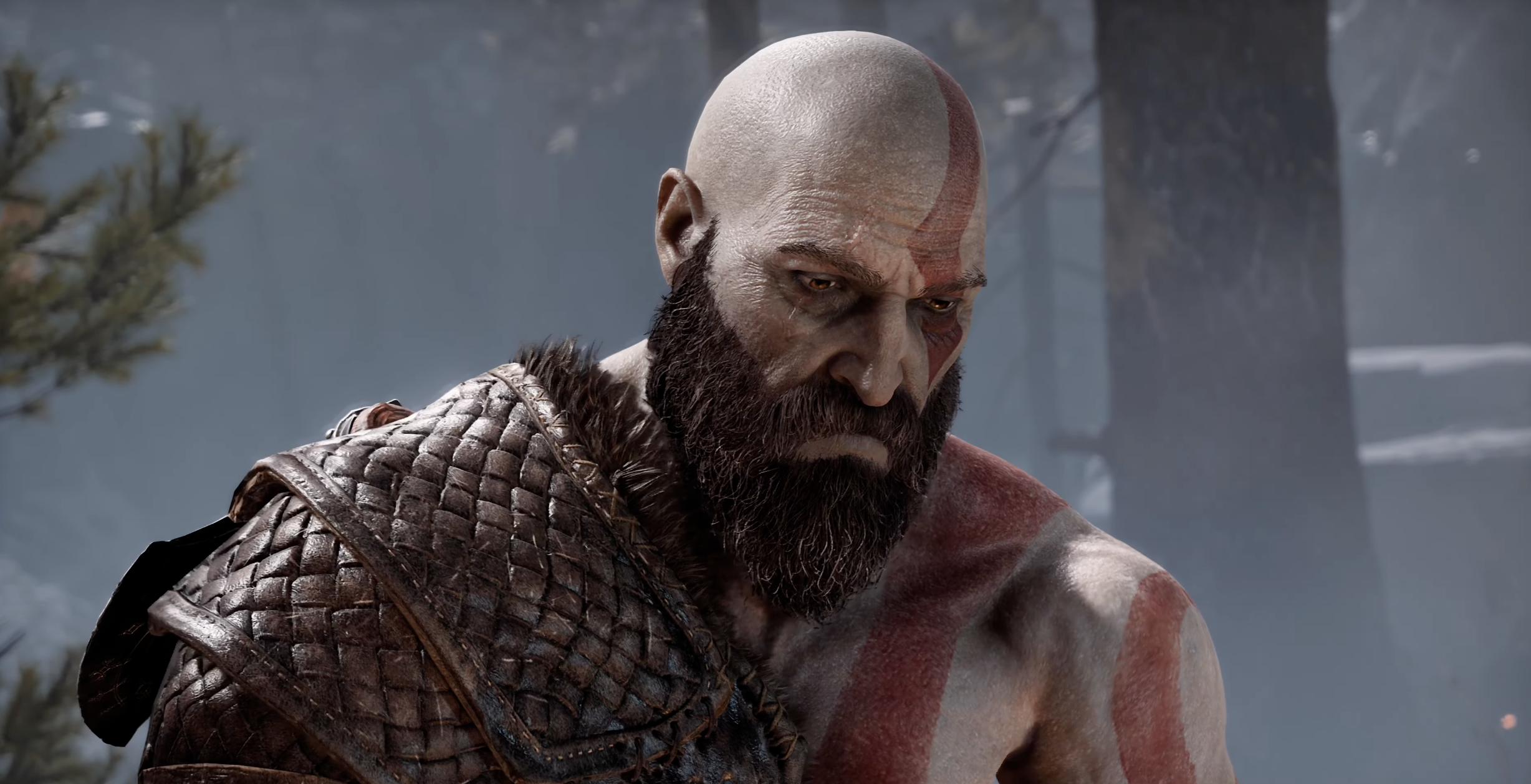
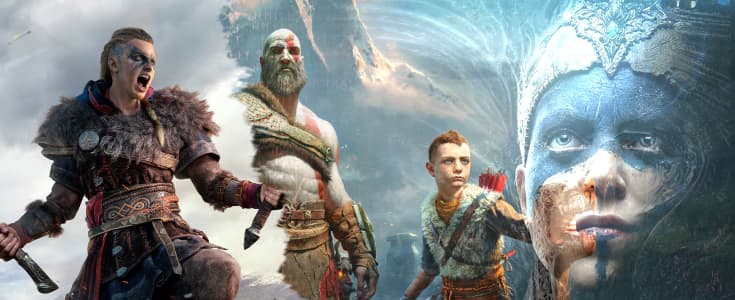
Kratos is still the best God of War character because no one else in the franchise has this level of arc range.
Greek era Kratos is rage, grief, and catastrophic vengeance. Norse era Kratos is restraint, accountability, and terrifying self-awareness. Both versions are compelling, and together they form one of gaming’s best long-form character evolutions.
He did not become “soft.” He became intentional. That is harder, and far more interesting.
Kratos started as a symbol of destruction. He became a symbol of change. That is top-rank character writing.
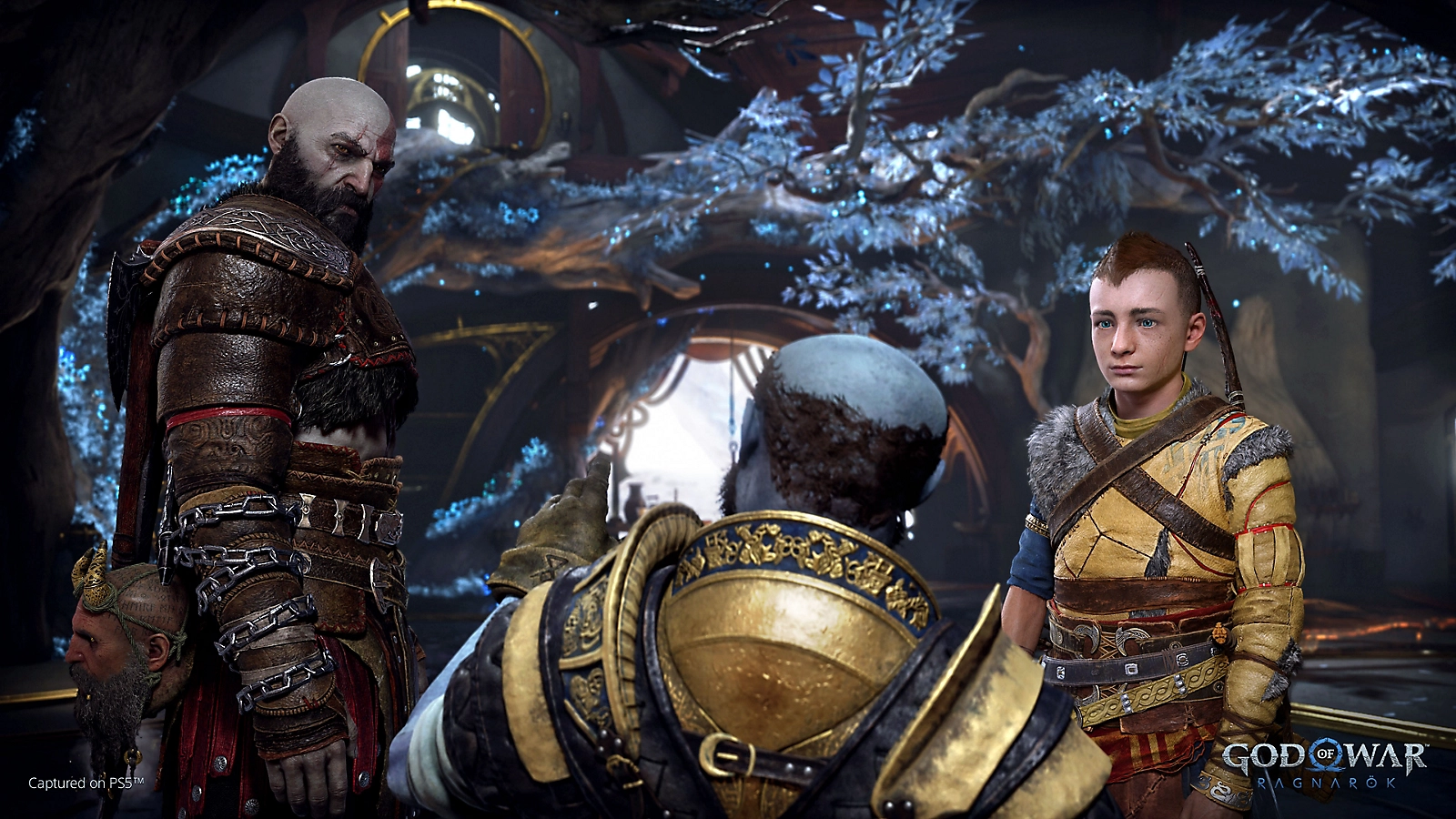
Great God of War characters are not static icons. They evolve under pressure.
They lose people, make bad calls, confront consequences, and choose who they want to be next. Even villains are usually driven by fear, grief, legacy, or control, not random evil for fun.
That emotional clarity is why the franchise still lands after two myth eras.
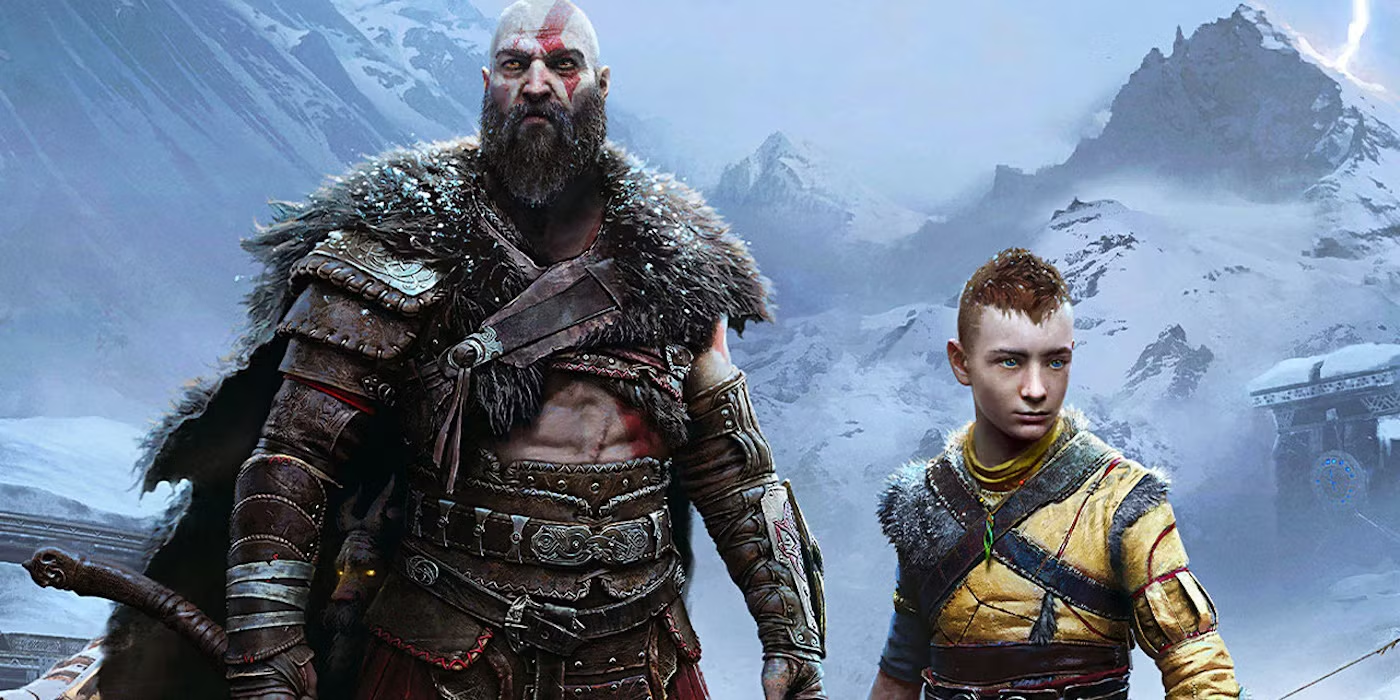
God of War characters endure because they are more than archetypes.
They are gods, yes, but they are also parents, children, manipulators, survivors, and people trying to break old cycles without breaking themselves.
If a character can make you laugh, stress, and rethink the whole story in one scene, they earned their place here.
 PlayStationNews
 PlayStationGuide
 PlayStationNews
 PlayStationGuide