
 PlayStationMar 05, 2026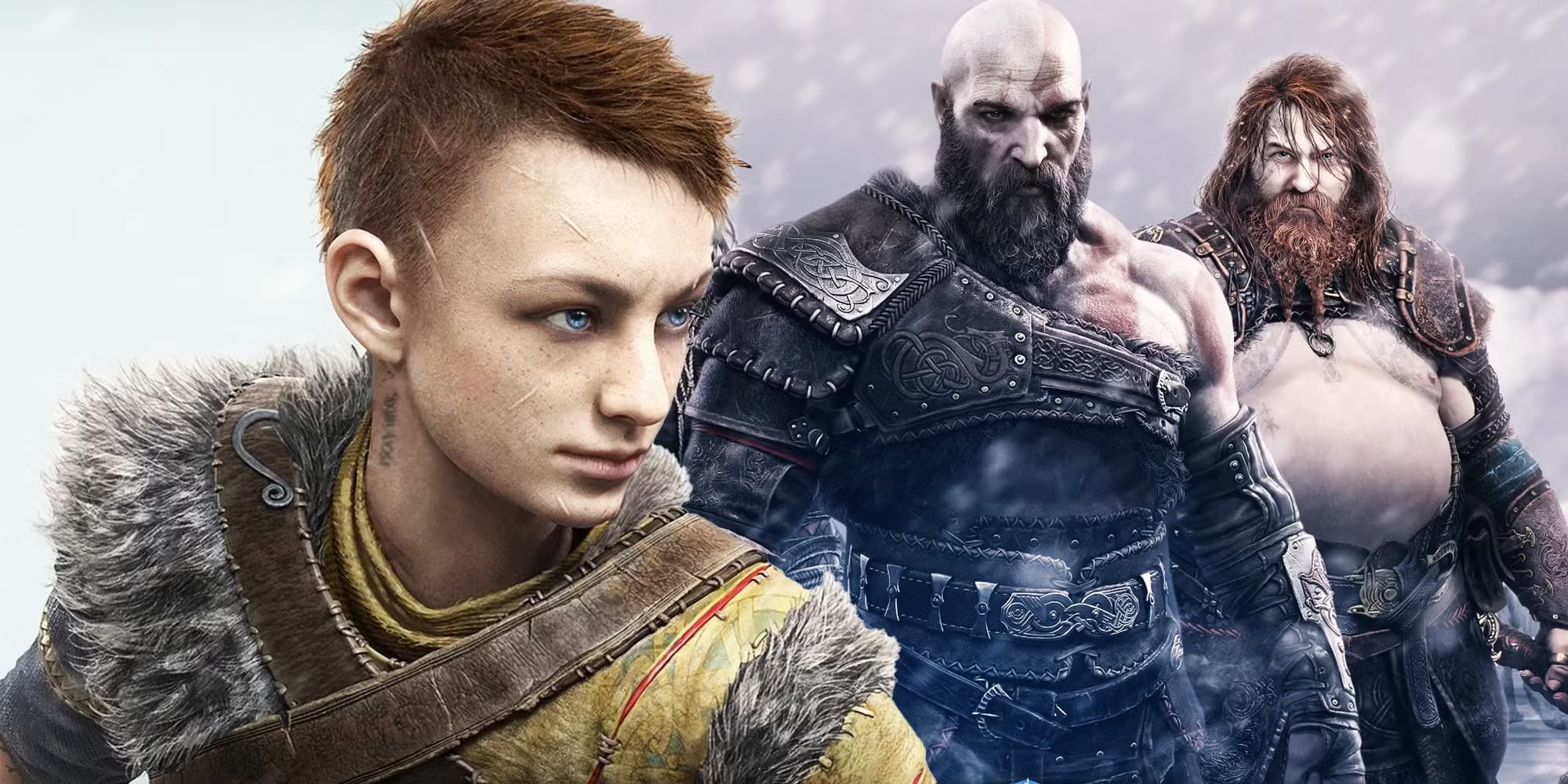
Meta God Of War Story Explained from Ares to Ragnarök: Kratos’ full Greek and Norse arc, major twists, and how the saga connects in one timeline.
If you ever played God of War and thought, “This man desperately needs therapy and maybe a nap,” you are absolutely reading the story correctly.
The full saga is not just about killing gods. It is about grief, guilt, fatherhood, fate, and what happens when someone tries to outrun consequences with two chained blades.
This is your God Of War Story Explained guide, from the Greek era to the Norse era, in one clean timeline.
Yes, it is one continuous Kratos storyline.
The Greek saga and Norse saga are not reboots of character continuity. God Of War (2018) is a soft reboot in gameplay and tone, but narratively it follows the same Kratos from the original games.
So the short version is:
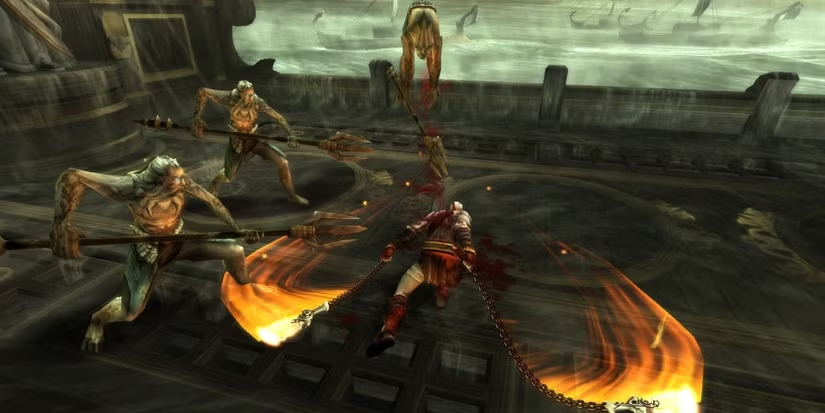
Kratos starts as a Spartan general who is losing a battle and prays to Ares for power. Ares answers, gives him the Blades of Chaos, and basically turns him into a mythological wrecking ball.
Then comes the defining tragedy: through manipulation, Kratos kills his own wife and daughter. Their ashes stain his skin, giving him the “Ghost of Sparta” identity.
From there, Kratos serves the gods for years, hoping for relief from nightmares. Instead, he gets used, betrayed, and emotionally demolished on schedule.
In God Of War (2005), he kills Ares and becomes the new God of War. This should have been a healing moment. It is not. It is the start of bigger disasters.
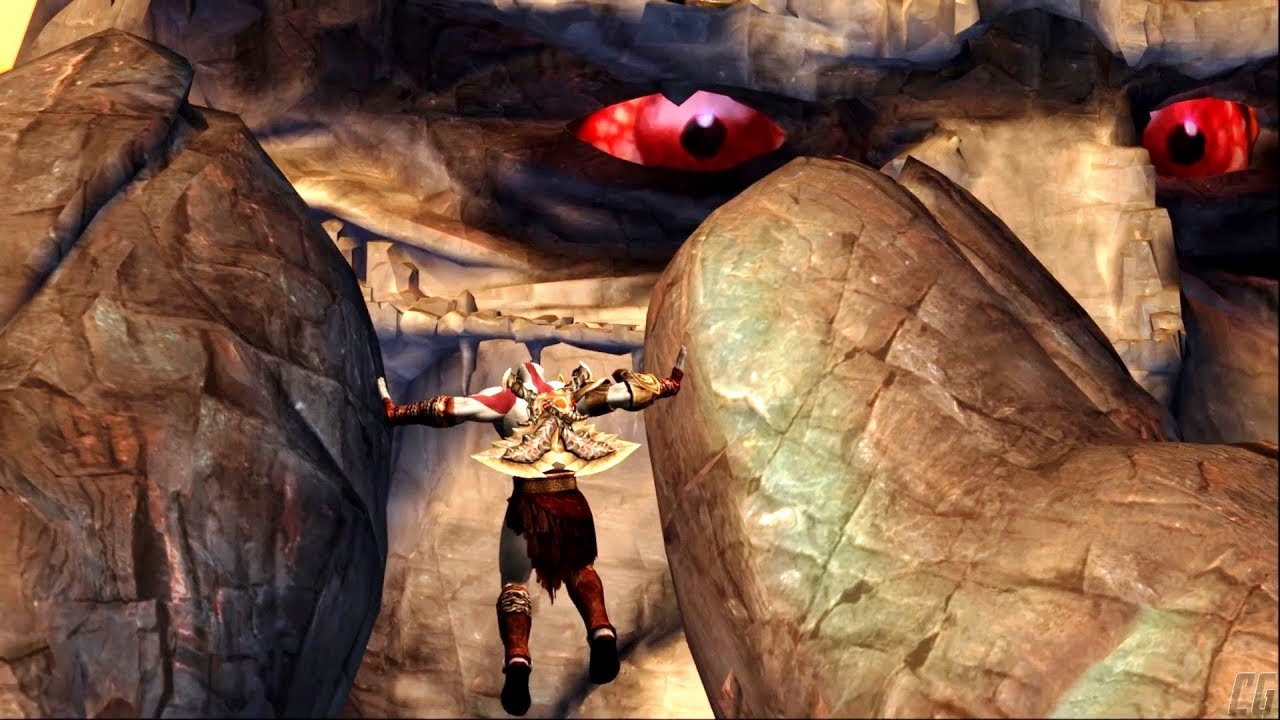
After becoming a god, Kratos keeps escalating war. Zeus fears him, betrays him, and kills him in God Of War II. Kratos climbs back from the Underworld (because of course he does), allies with Titans, and launches an all-out assault on Olympus.
In God Of War III, vengeance reaches maximum volume:
By the end, Zeus falls too. Kratos also confronts the darker truth: vengeance did not heal him, and the world paid the price for every step of that war.
Greek saga summary: Kratos wins every fight and still loses almost everything that mattered.
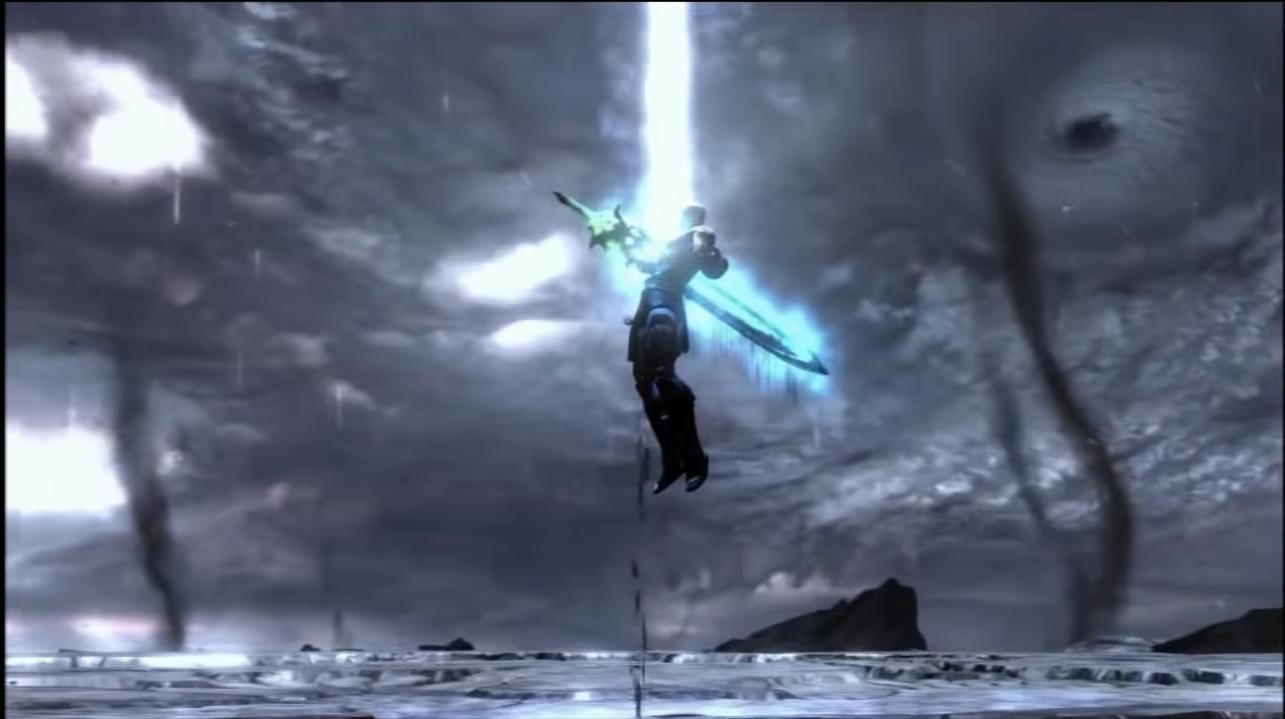
Kratos’ change is not sudden. It is accumulated damage.
By the end of Greece, he has learned the hardest lesson in the franchise: rage is powerful, but it is not a plan for living. He cannot undo what happened, and he cannot keep being only a weapon.
That emotional groundwork is why the Norse era works. Older Kratos is still dangerous, but now he fears becoming his old self more than he fears gods.
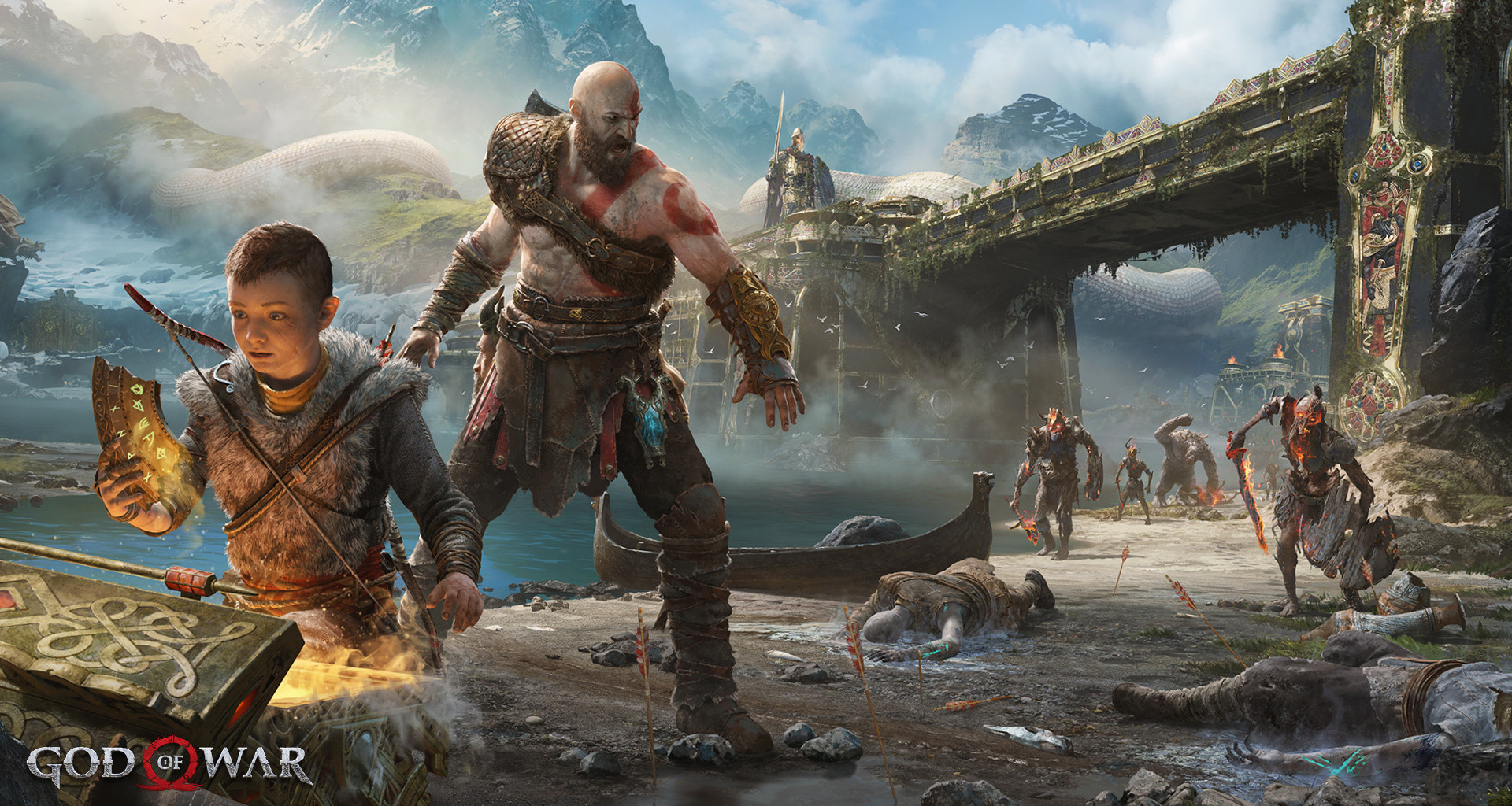
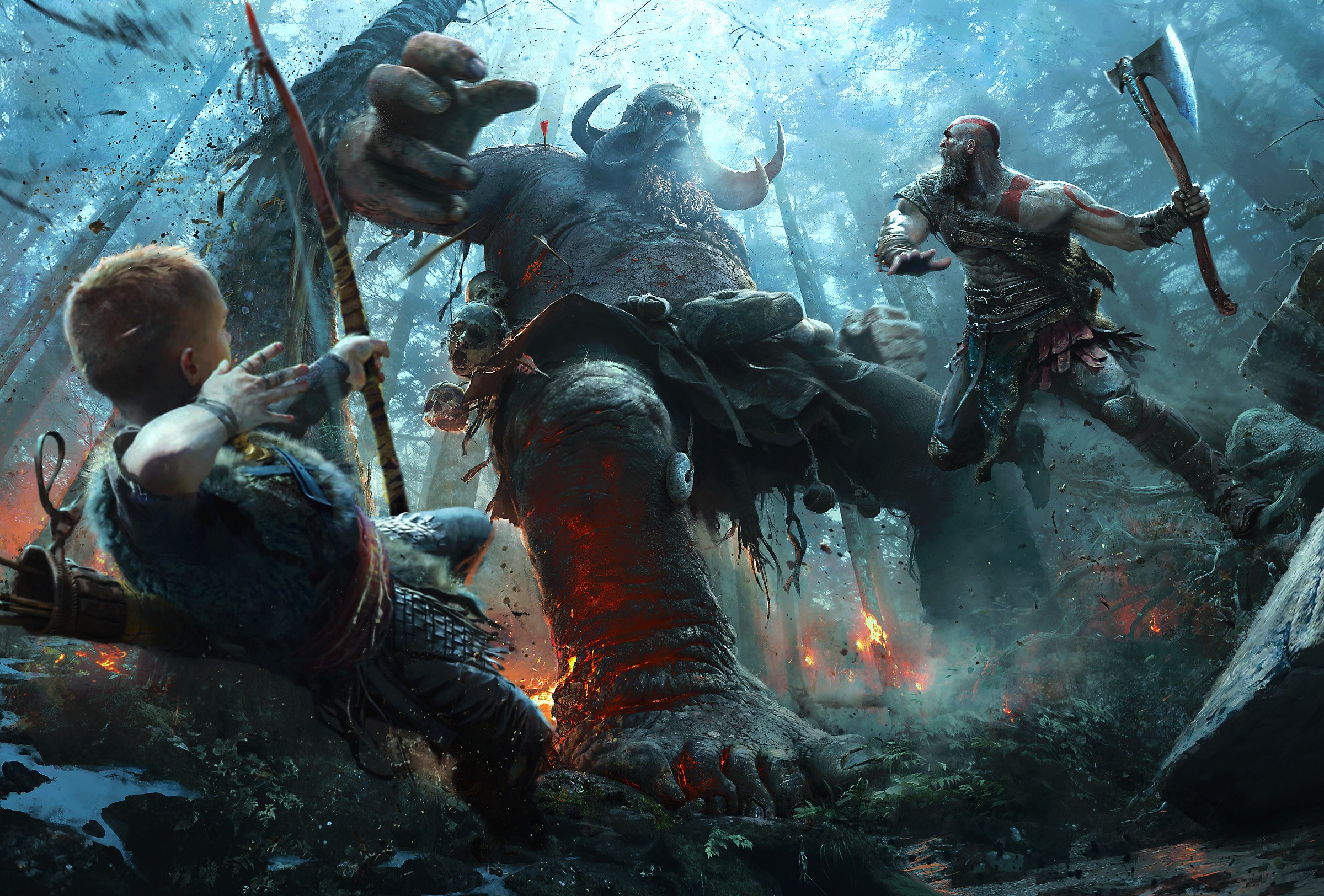
Kratos now lives in Midgard with his son Atreus. After Atreus’ mother Faye dies, the two begin a journey to spread her ashes from the highest peak.
Simple mission. Extremely not simple execution.
Along the way:
The core story is not “kill this boss, then next boss.” It is “can Kratos teach Atreus strength without passing down his own trauma?”
By the end, major reveals land:
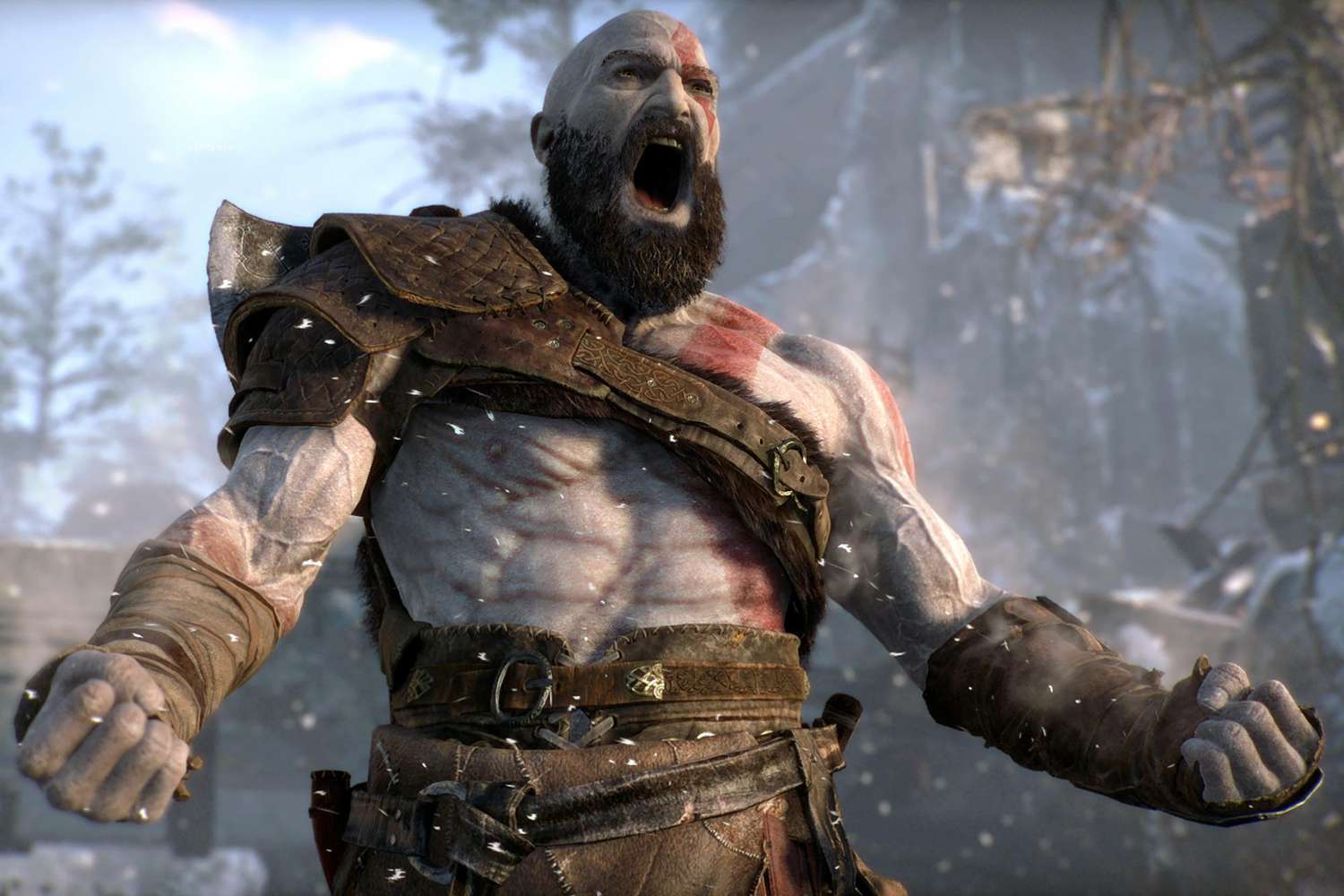
2018 is the emotional pivot of the franchise. Kratos stops trying to erase his past and starts trying to outgrow it.
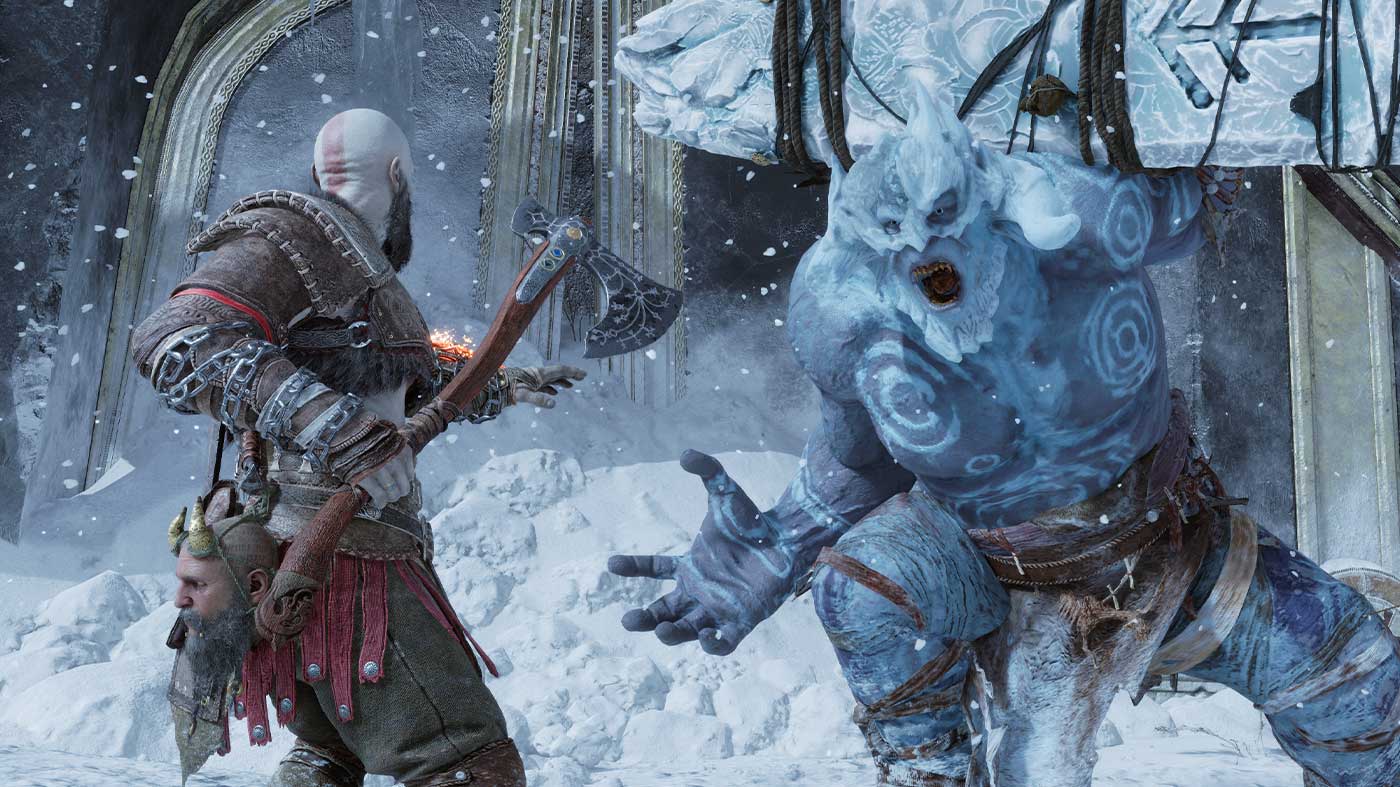
God Of War Ragnarök is about prophecy, control, and choice under pressure.
Everyone claims to know the future:
As the war escalates, the key theme becomes clear: knowing prophecy does not free you from responsibility. It just tempts you to justify worse decisions.
Major outcomes:
This is huge for the character. For the first time, Kratos’ story is not driven by revenge. It is driven by deliberate restraint and chosen purpose.
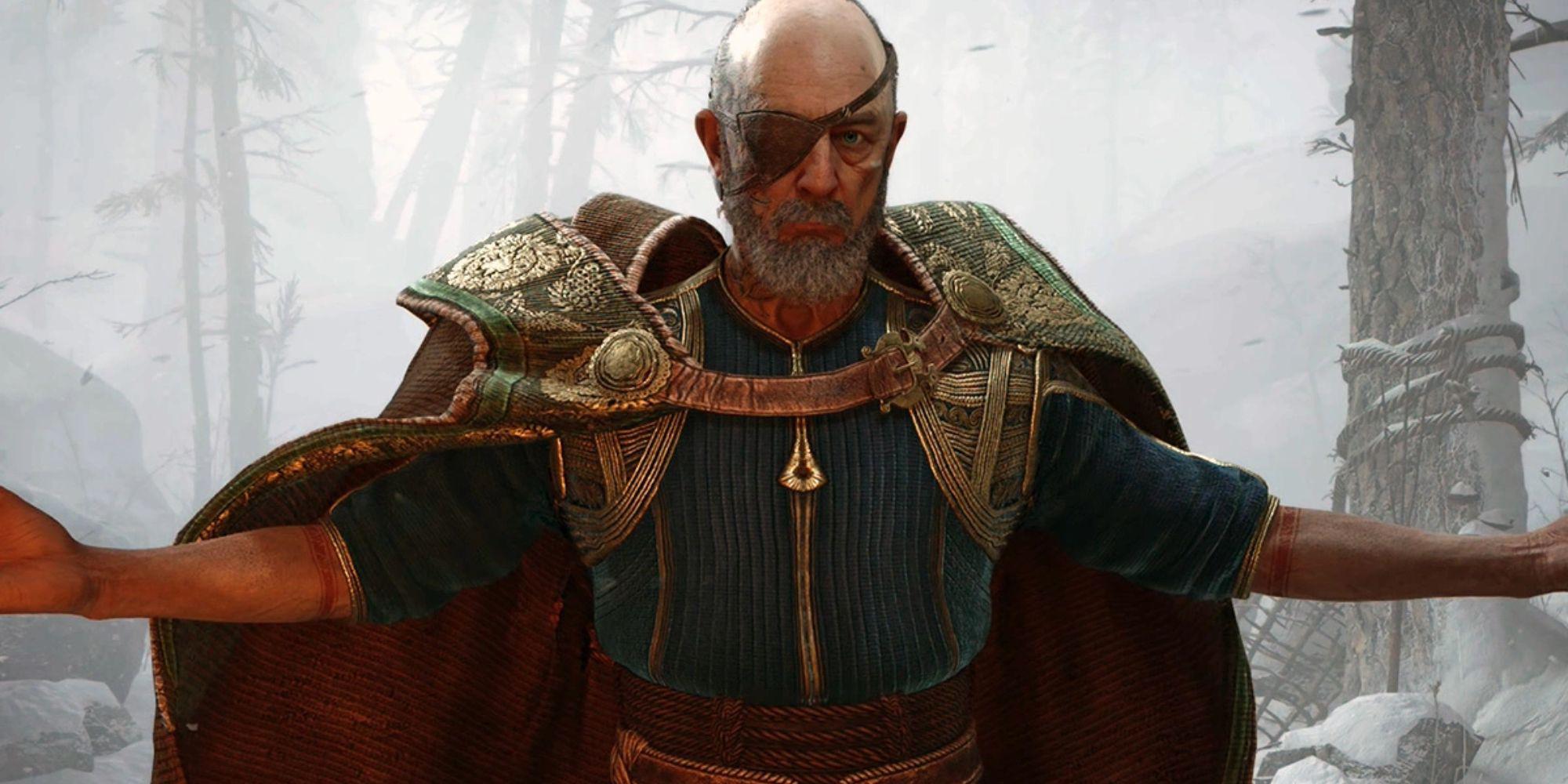
The Valhalla epilogue (Ragnarök DLC) functions as psychological closure.
It is less about external villains and more about Kratos confronting memory, guilt, and identity. Instead of asking “Can he win?”, it asks “Can he accept who he was and still become better?”
As of March 2026, this is the cleanest thematic endpoint for Kratos’ arc so far.
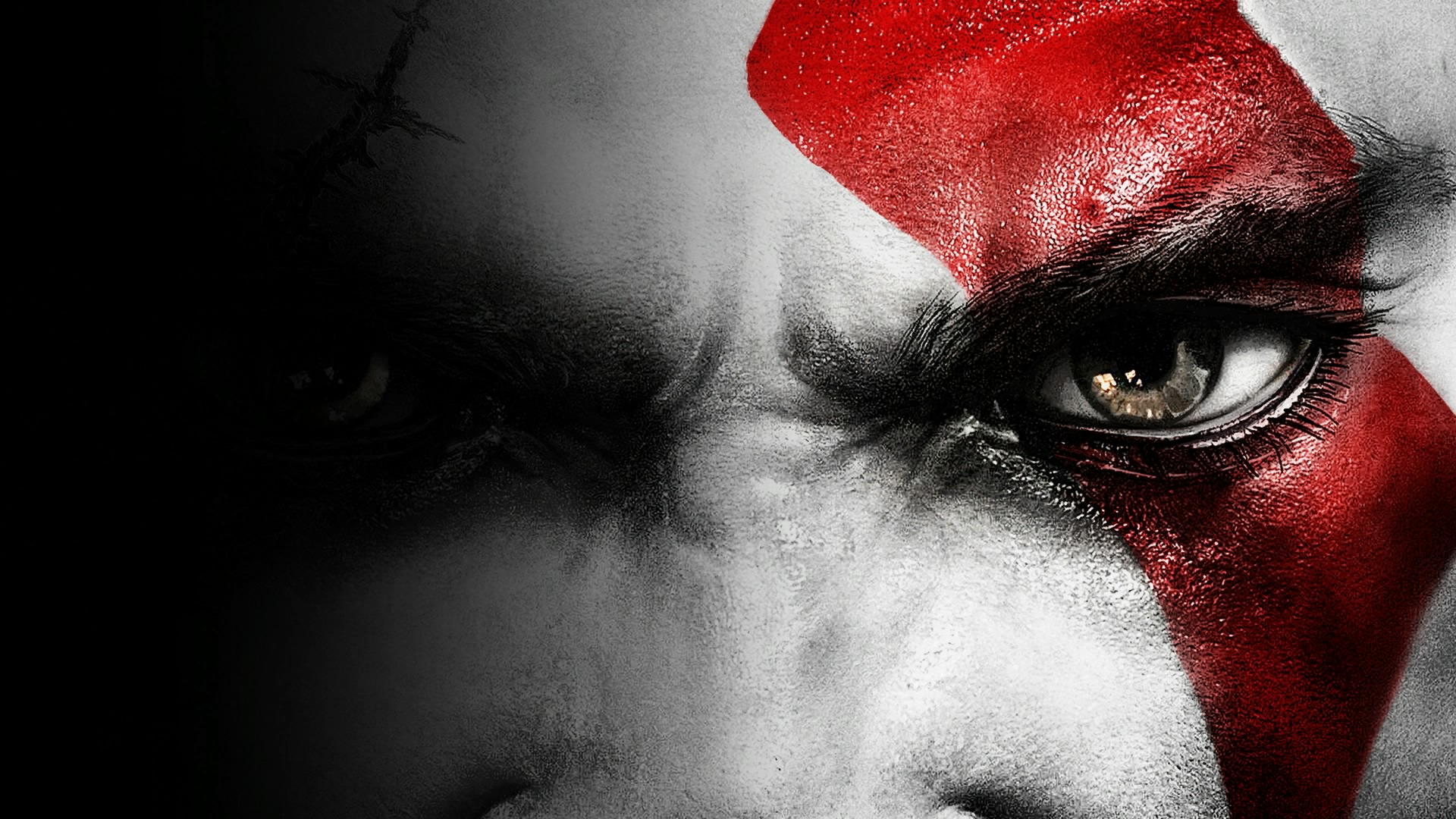
Greek era: A broken warrior uses revenge to fight betrayal and accidentally helps destroy the world.
Norse era: The same warrior tries to raise his son without passing down that destruction, and finally chooses responsibility over rage.
That is the whole saga: not “Kratos got softer,” but “Kratos got wiser, painfully.”
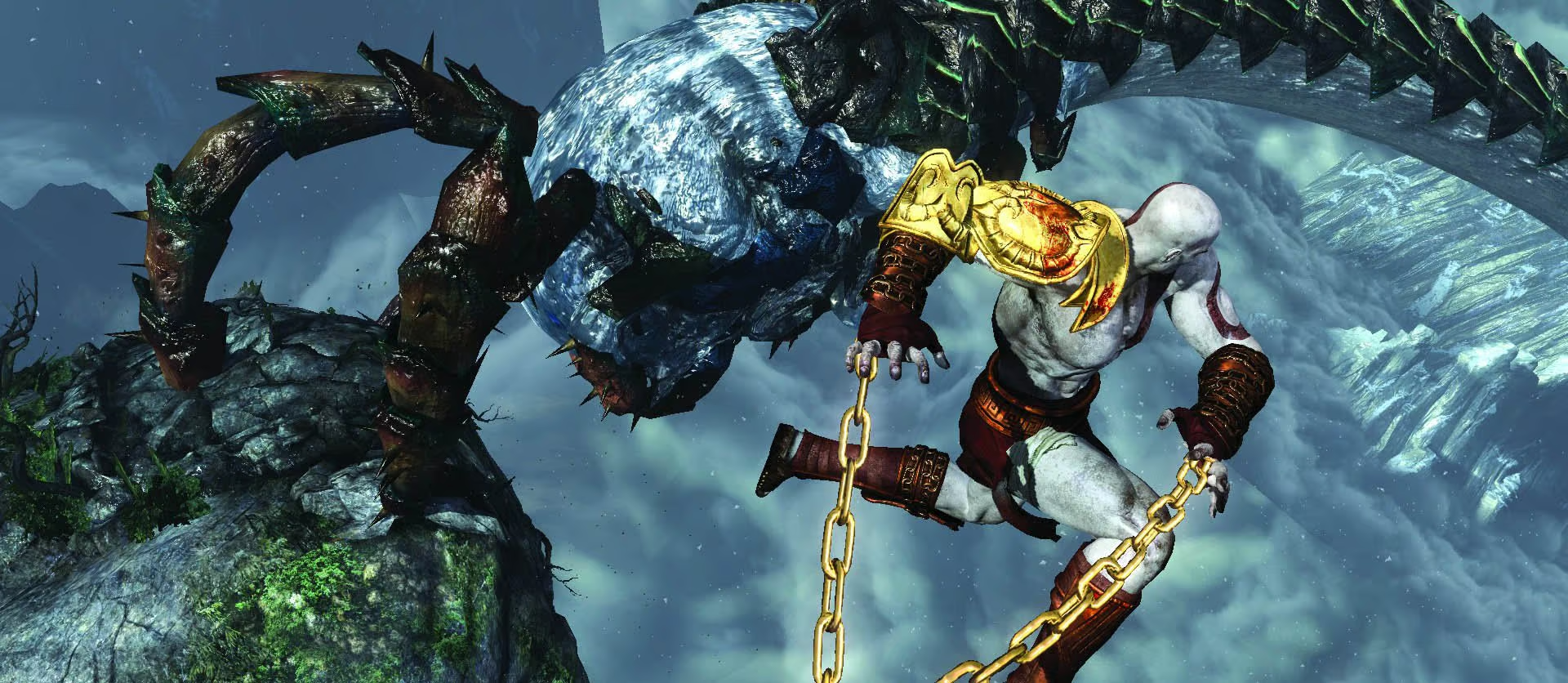
God of War works because it evolved without abandoning its core.
You still get legendary boss fights, huge mythology, and absurdly satisfying combat. But the story matured from pure rage fantasy into a long-form character study about grief, parenthood, and breaking inherited violence.
So if you ask what God of War is really about, the answer is simple:
A man who could kill gods learning that the hardest fight is choosing who he becomes after.
 PlayStationNews
 PlayStationGuide
 PlayStationNews
 PlayStationGuide