
 PlayStationMar 05, 2026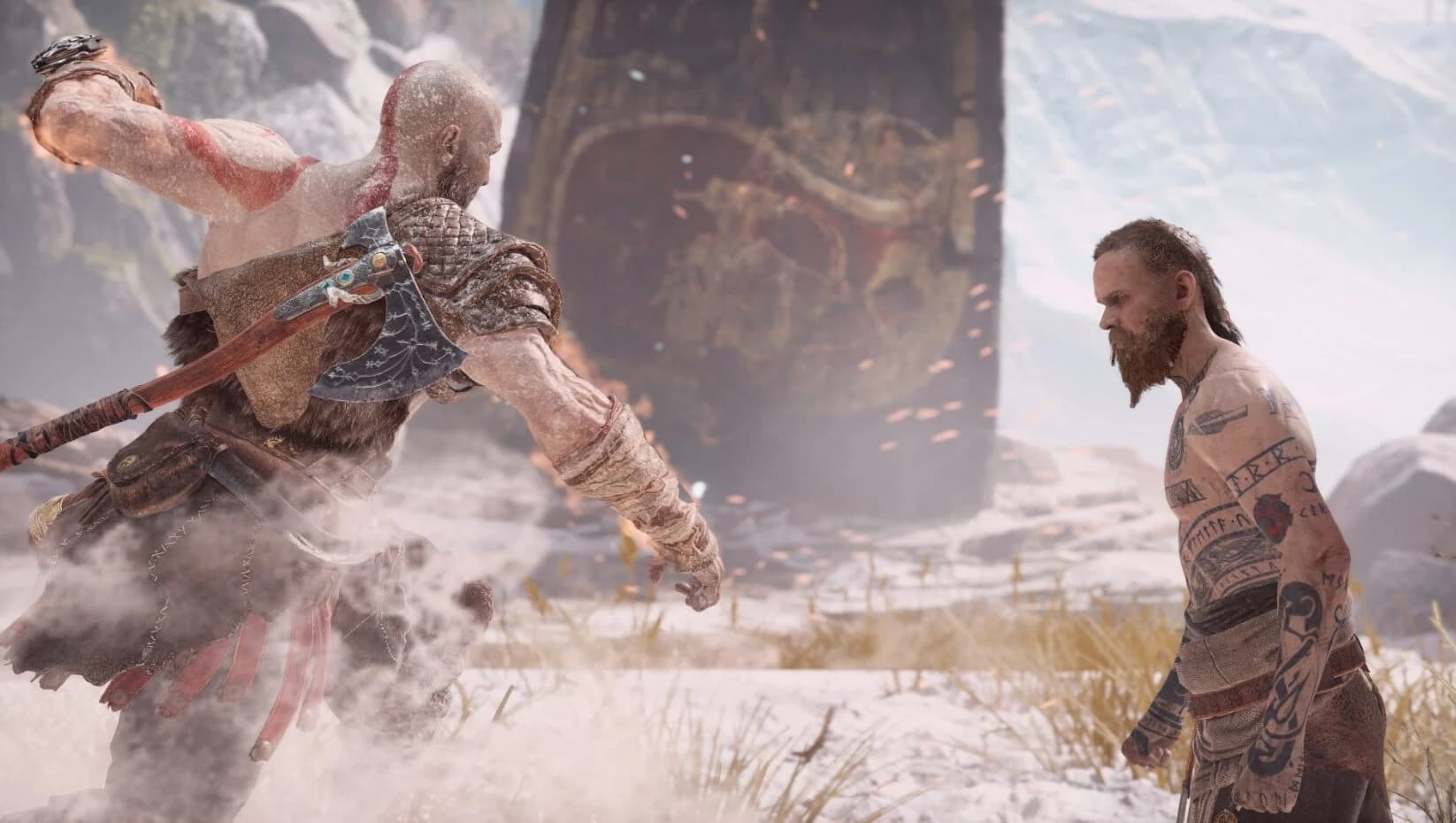
God Of War Character Guide covering the most important heroes and villains across the Greek and Norse eras, from Kratos and Atreus to Freya, Thor, and Odin.
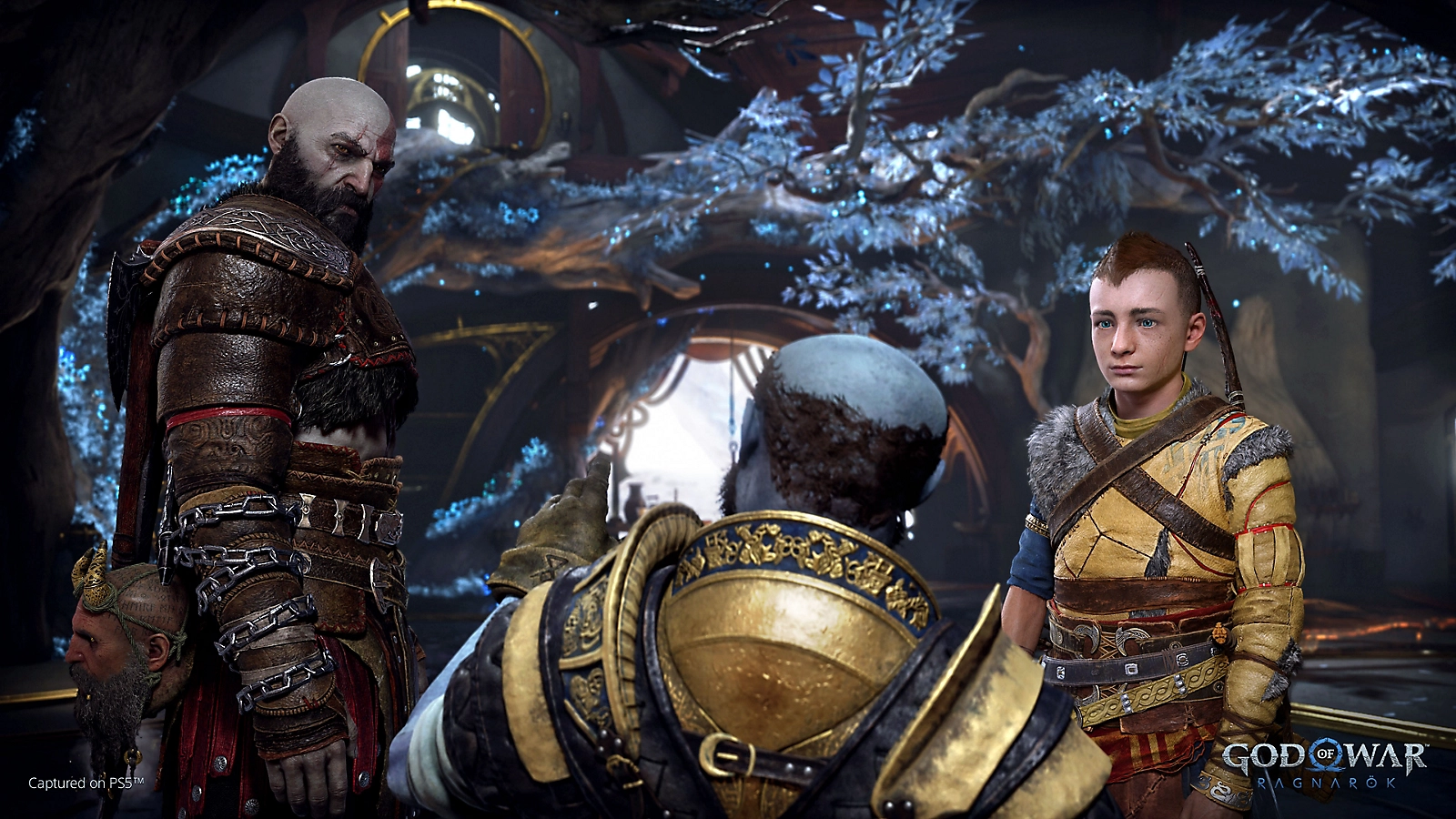
God of War has giants, gods, monsters, and enough unresolved family trauma to power three pantheons.
This guide breaks down the key characters across the Greek and Norse eras, what they want, why they matter, and how they shape Kratos’ story from vengeance icon to reluctant mentor.
If you ever asked “Who is this person and why are they emotionally devastating?”, this is for you.
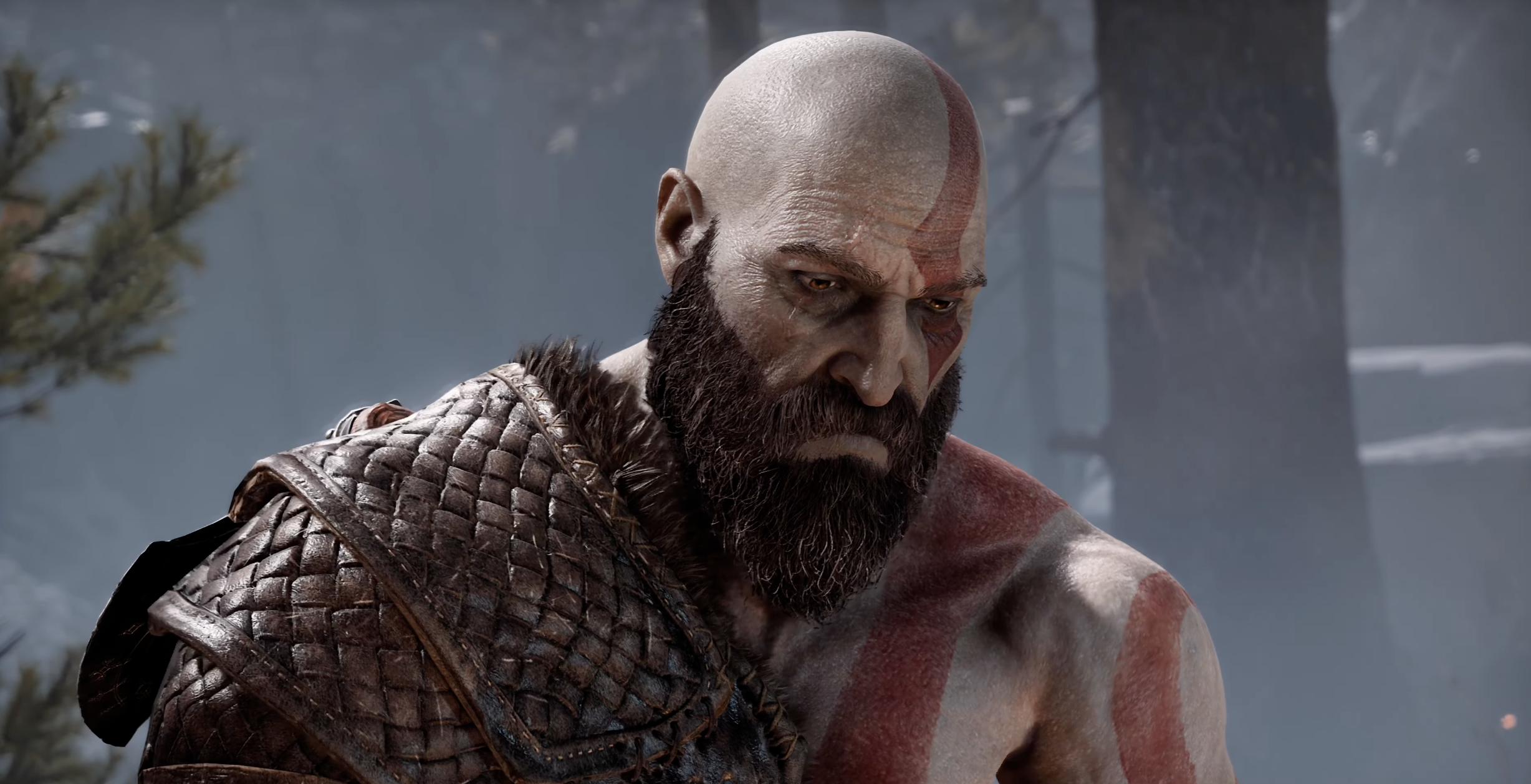
Kratos is the center of the franchise from 2005 through Ragnarök.
In the Greek era, he is pure vengeance: betrayed by gods, fueled by grief, and determined to tear Olympus down one divine mistake at a time. In the Norse era, he is older, quieter, and trying very hard not to repeat himself as a father.
The key to Kratos is this: he never stops being dangerous, he just starts being deliberate.
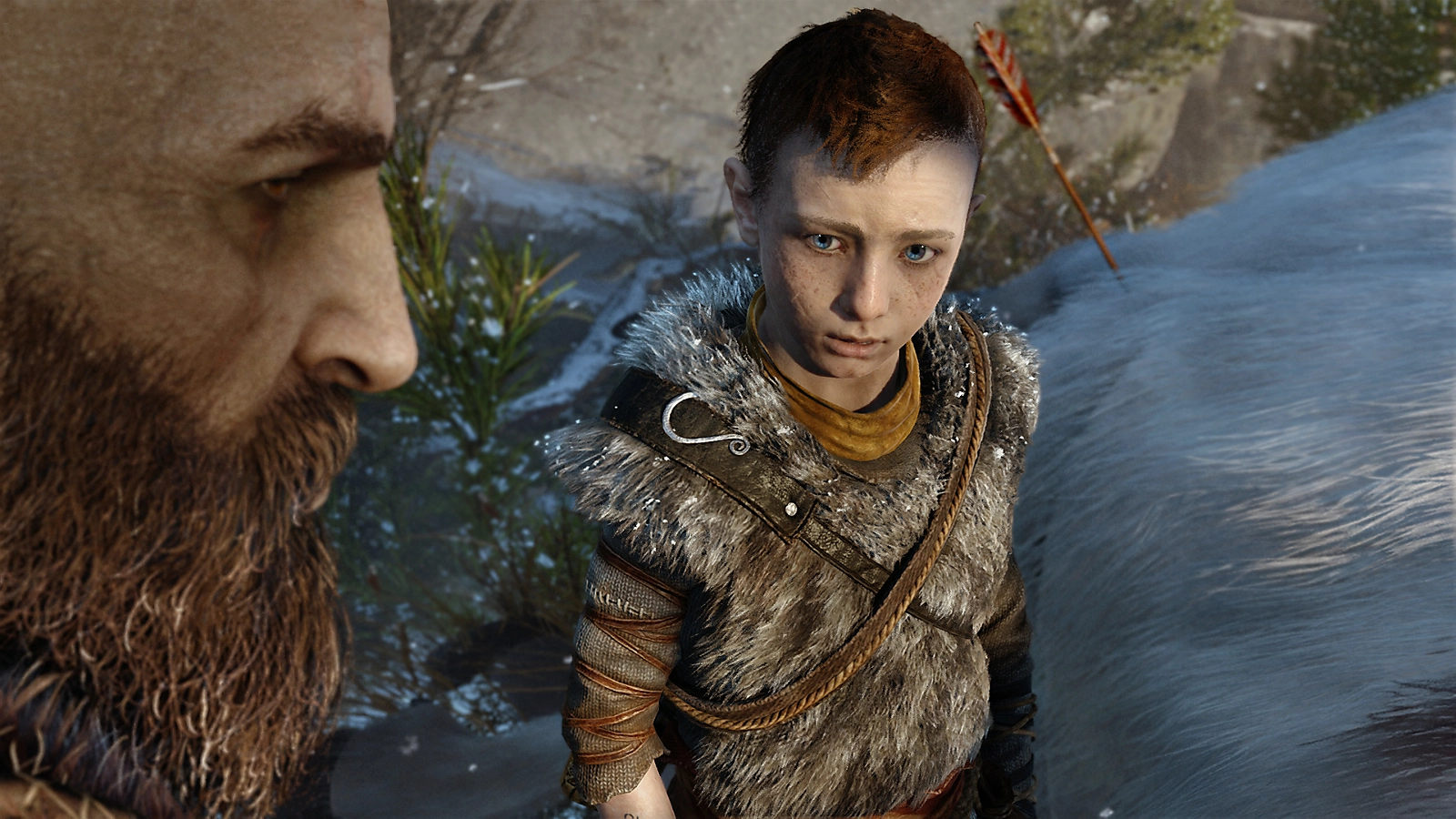
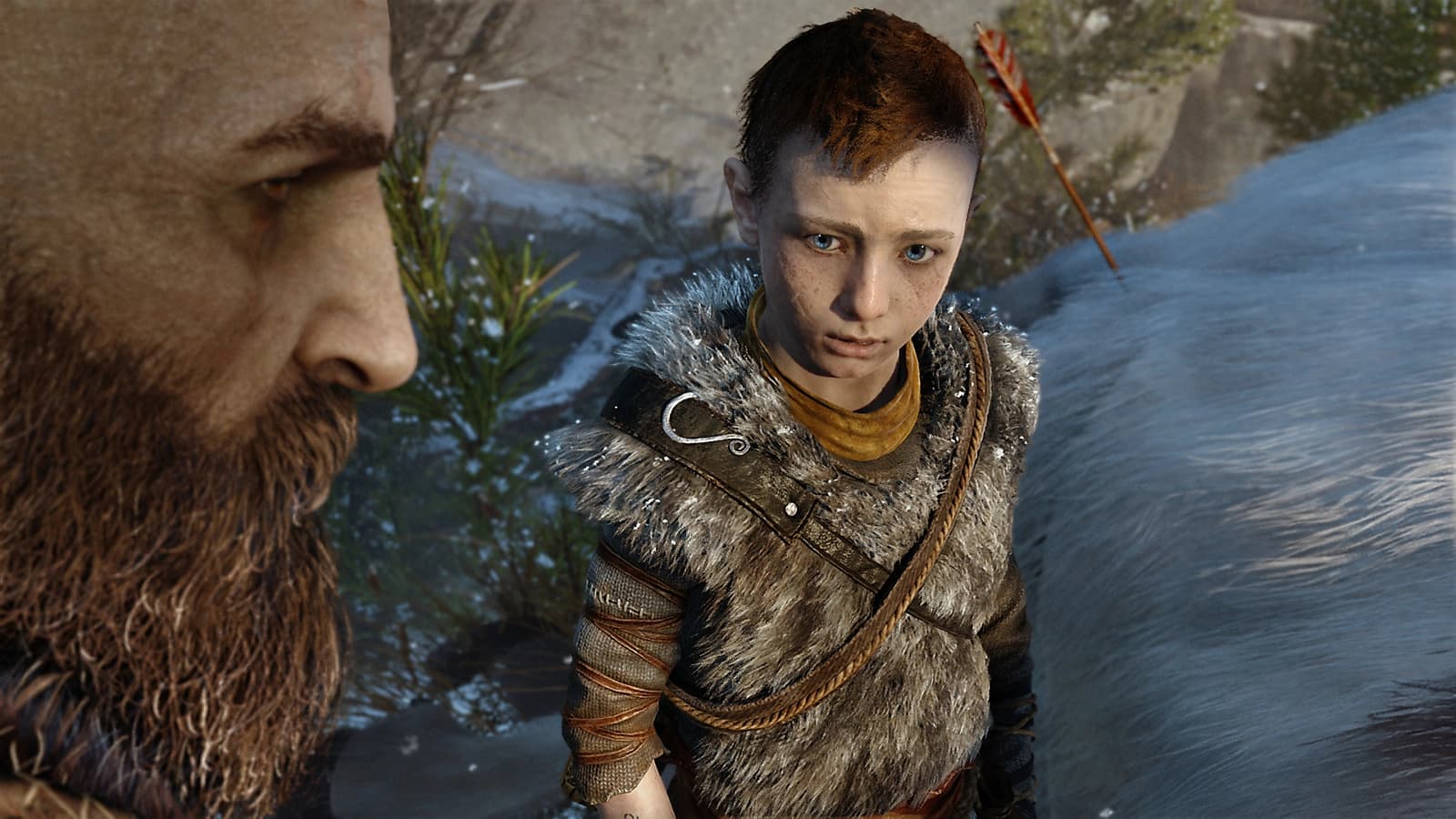
Atreus is introduced in God Of War (2018) as Kratos’ son and becomes a full second protagonist in Ragnarök.
He starts impulsive, smart, and eager to prove himself. Over time he grows into a complex lead dealing with prophecy, identity, and the fact that being Loki is not exactly a low-pressure career path.
Atreus is the emotional hinge of the Norse saga. Without him, Kratos does not evolve.
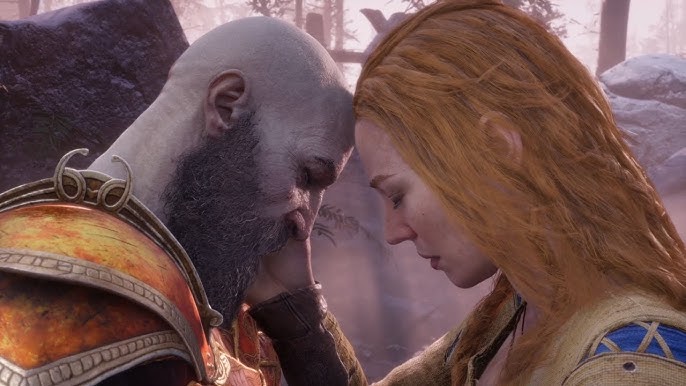
Faye dies before 2018 begins, but her influence drives everything.
She set the journey in motion, understood giant prophecy far better than Kratos or Atreus, and shaped the path that forces both of them to confront who they are. She is not just backstory. She is strategic narrative gravity.
Faye proves a God of War character can dominate the story even from memory.
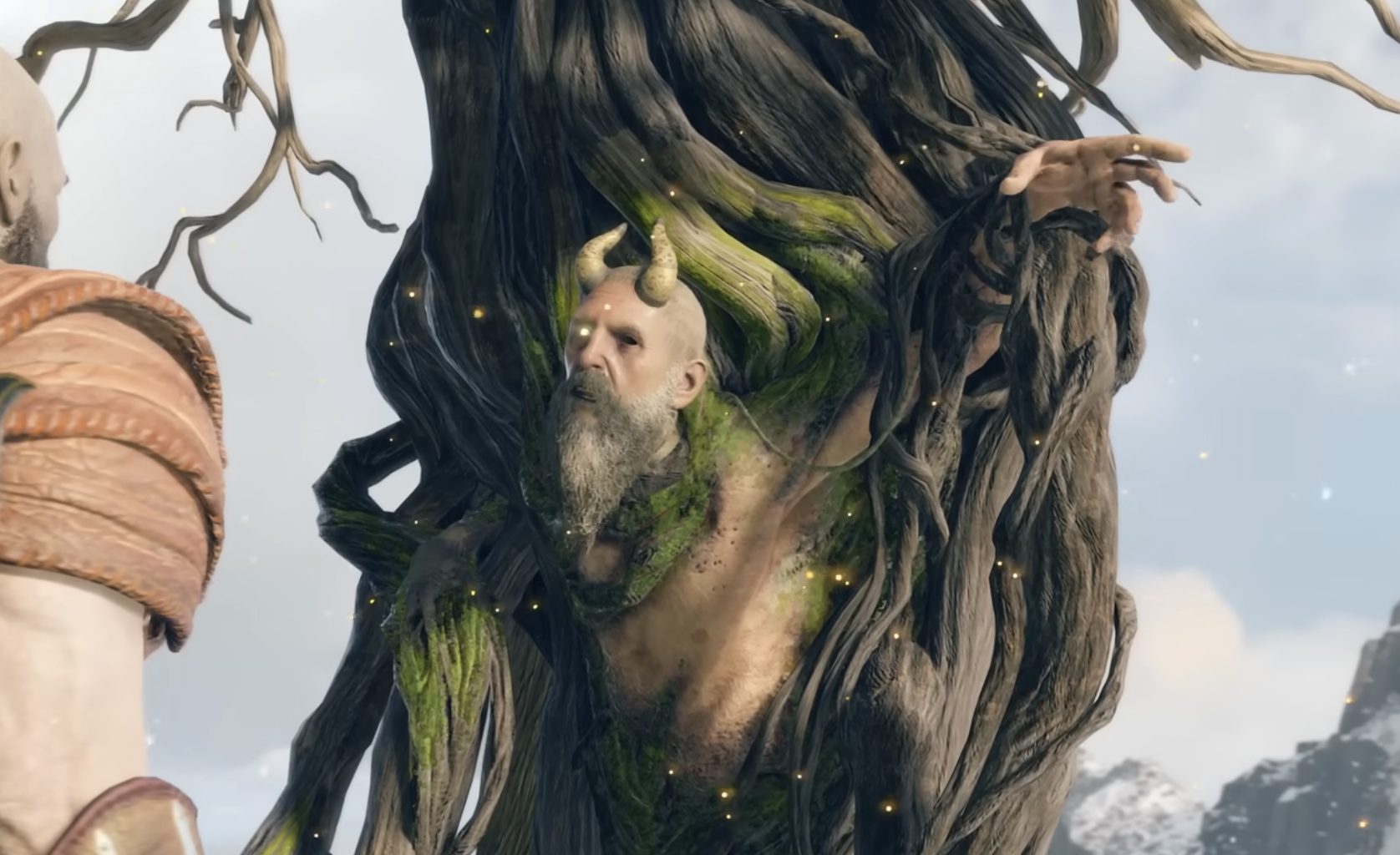
Mimir is the smartest head in the realms, literally.
He delivers lore, context, humor, and moral perspective without killing pacing. More importantly, he helps Kratos and Atreus communicate when both would otherwise just stare at the horizon in silence.
Mimir is what every franchise wishes it had: exposition that feels human instead of homework.
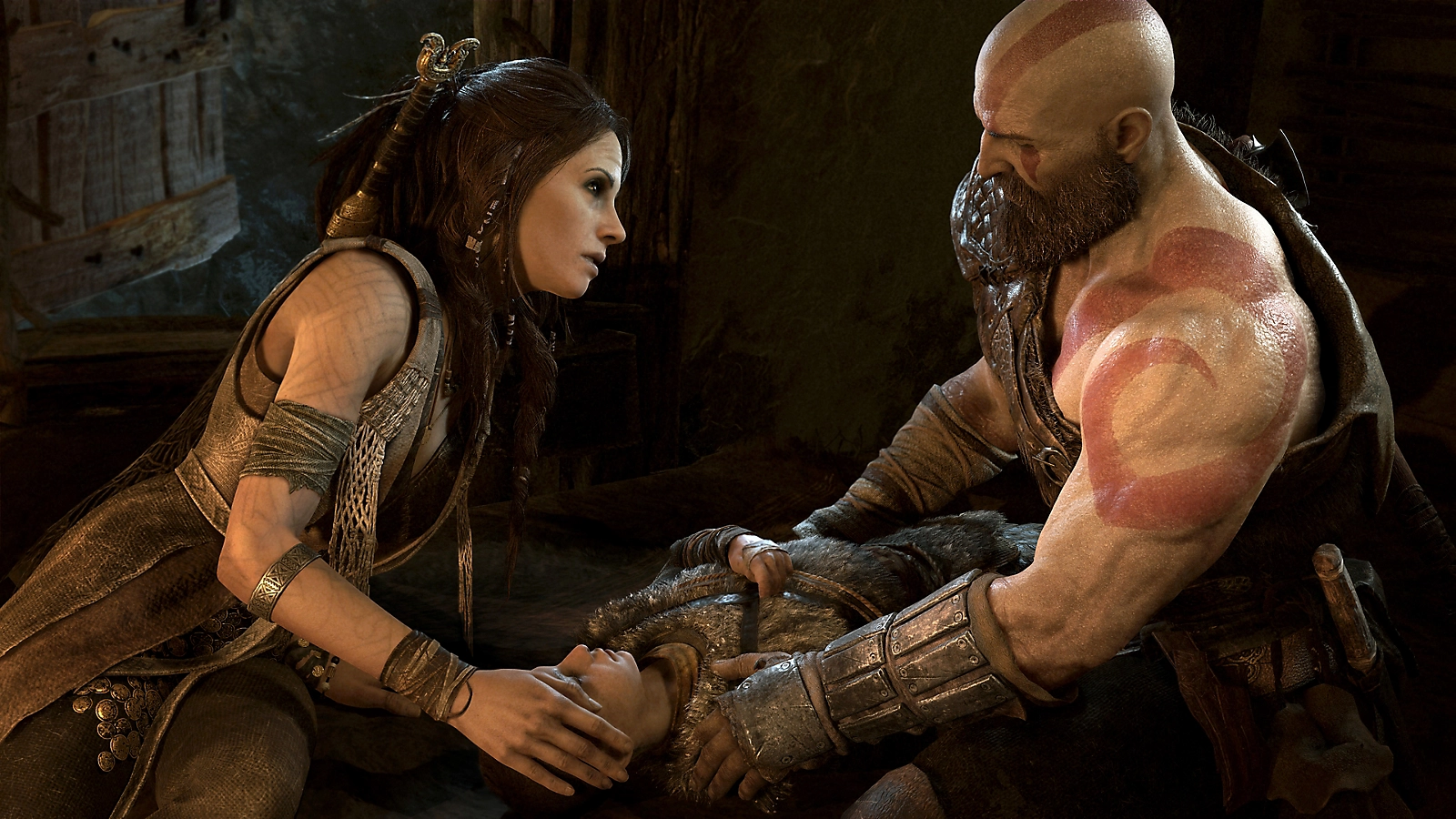
Freya goes from ally to enemy to hard-earned partner with incredible consistency.
Her grief over Baldur and rage at Kratos are fully justified, which makes her arc stronger than a basic redemption template. She is powerful, politically significant, and always treated as a character with agency, not just reaction.
Freya is one of the best-written figures in modern action games, full stop.
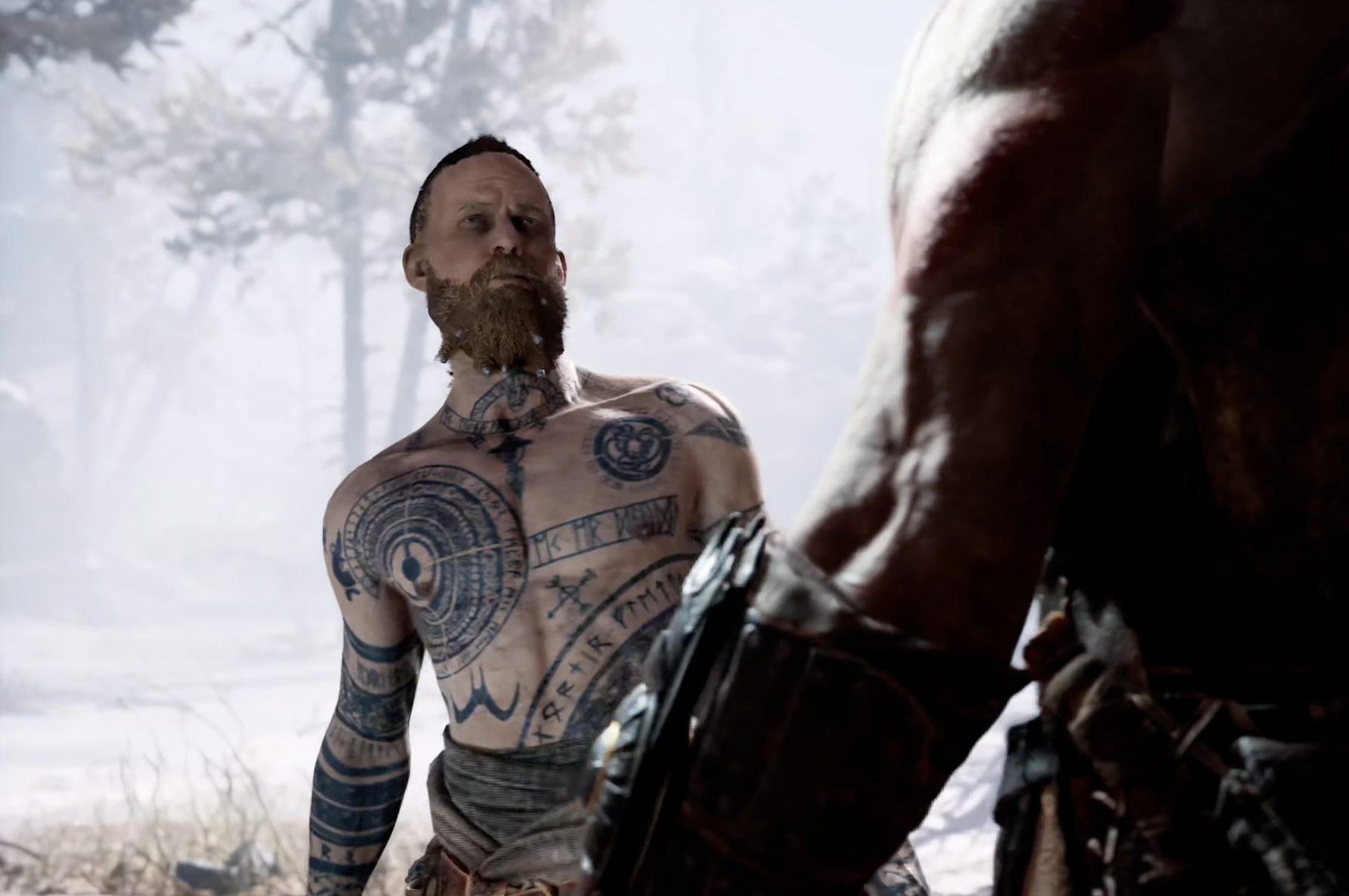
Baldur is one of the franchise’s strongest antagonists because his violence has emotional logic.
His curse removes sensation, turning existence into numb torment. That emptiness drives obsession, cruelty, and his collision with Kratos and Atreus.
He is terrifying, tragic, and central to 2018’s core theme: inherited damage keeps spreading unless someone breaks the cycle.
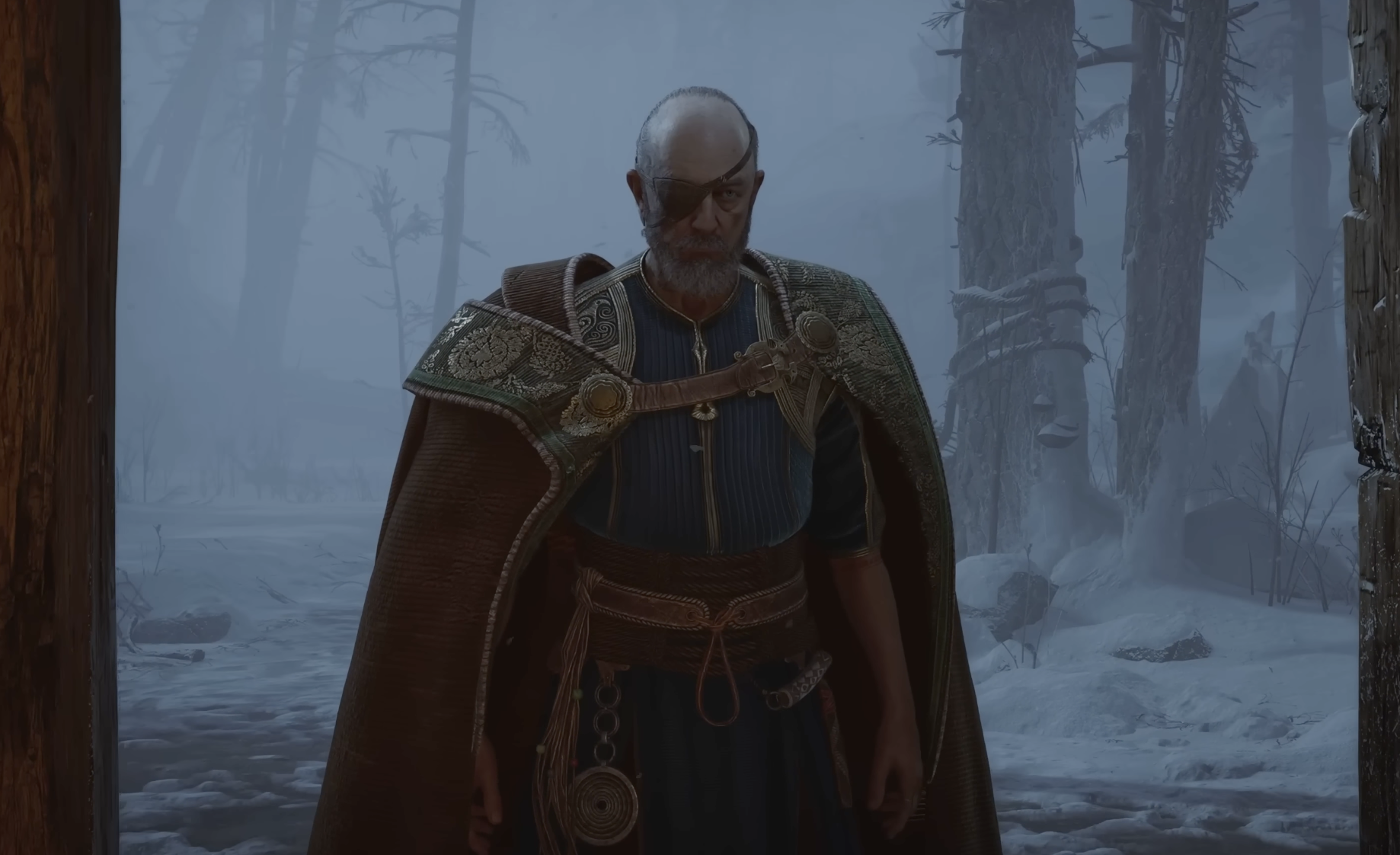
Odin is not scary because he is loud. He is scary because he is reasonable while doing terrible things.
He manipulates alliances, rewrites narratives, and controls through fear and information. In Ragnarök, he functions as the political brain of the conflict, always calculating, always reshaping the board.
If Zeus is explosive tyranny, Odin is controlled tyranny with better PR.
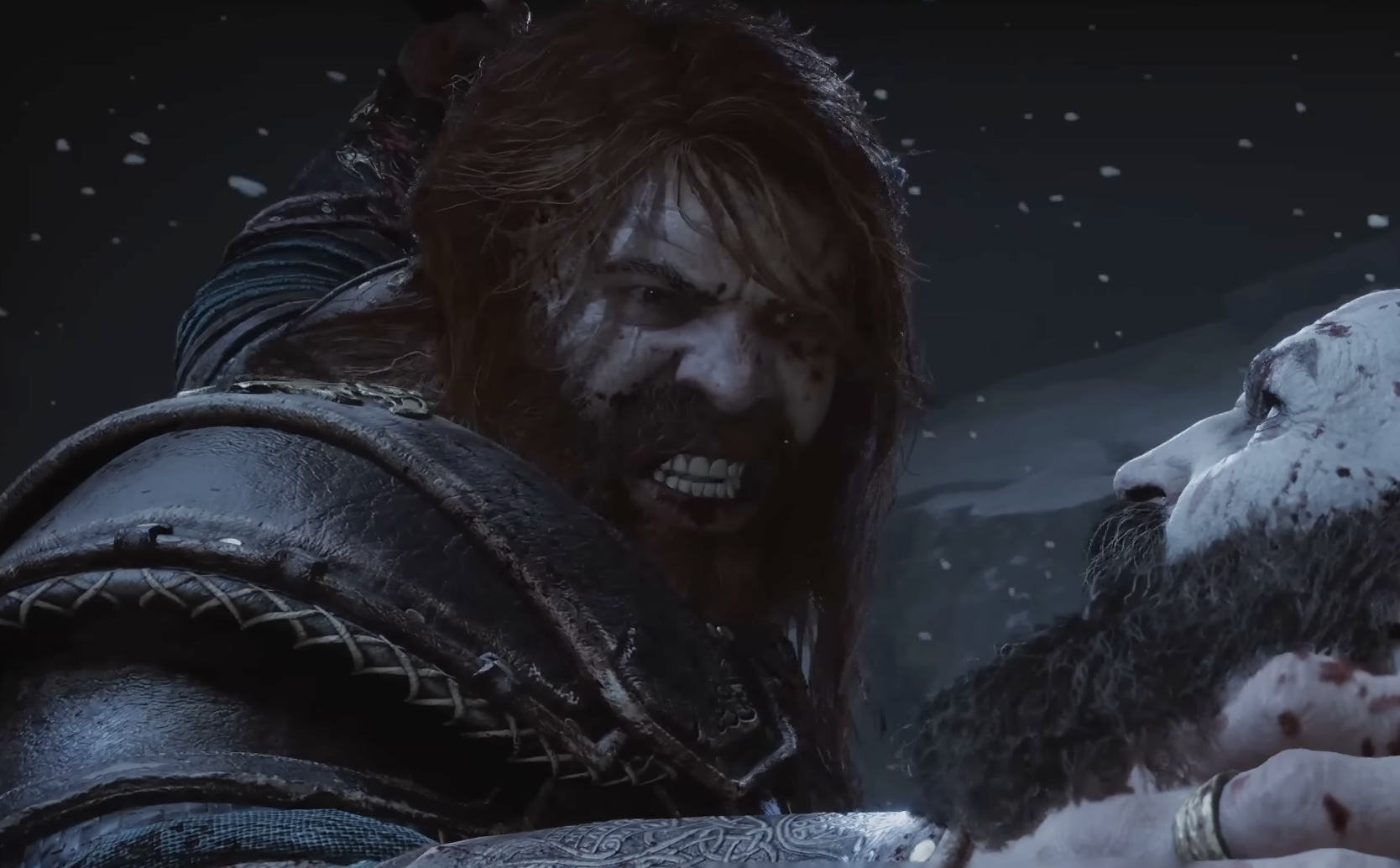
Thor is more layered here than most myth adaptations.
He is devastating in combat, yes, but also exhausted, manipulated, and trapped in a legacy he did not design. His dynamic with Odin and his family makes him one of the Norse era’s most tragic heavyweights.
Thor works because he is never just “boss fight guy with hammer.” He is a character already collapsing before the first swing.
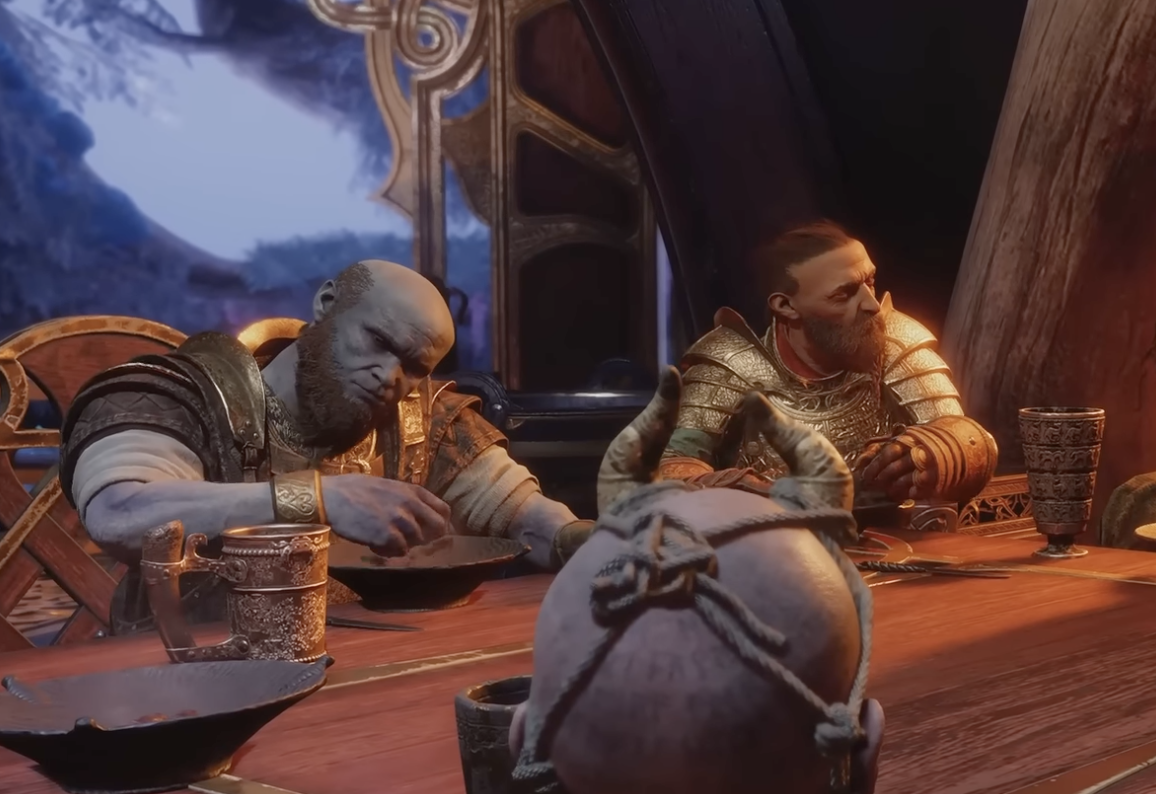
The Huldra Brothers are far more than upgrade vendors.
Brok is blunt and fearless. Sindri is careful and anxious. Together they balance humor and heartbreak in ways that make late-story turns hit even harder. Their shared history, grief, and loyalty add some of the saga’s most human moments.
They forge weapons, sure. They also forge trust when everyone else is lying.
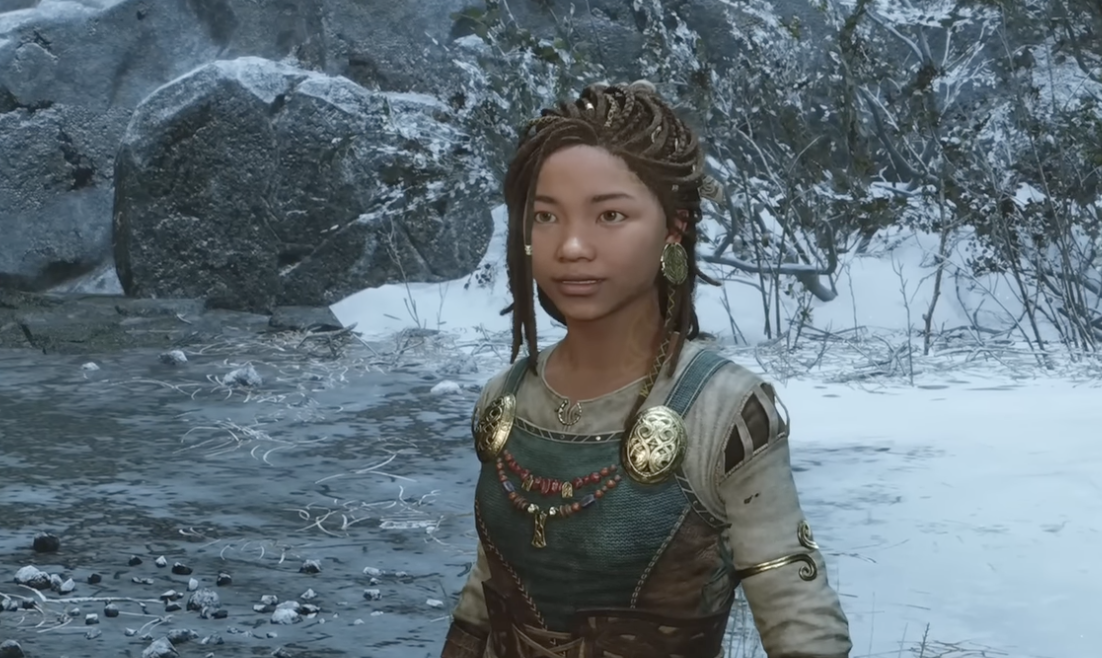
Angrboda gives the story breathing room and focus.
She challenges Atreus thoughtfully, adds critical giant context, and carries her own moral center without becoming a sidekick stereotype. Her scenes bring calm intelligence to a narrative full of gods making catastrophic emotional decisions.
She is one of the best newer additions to the franchise.
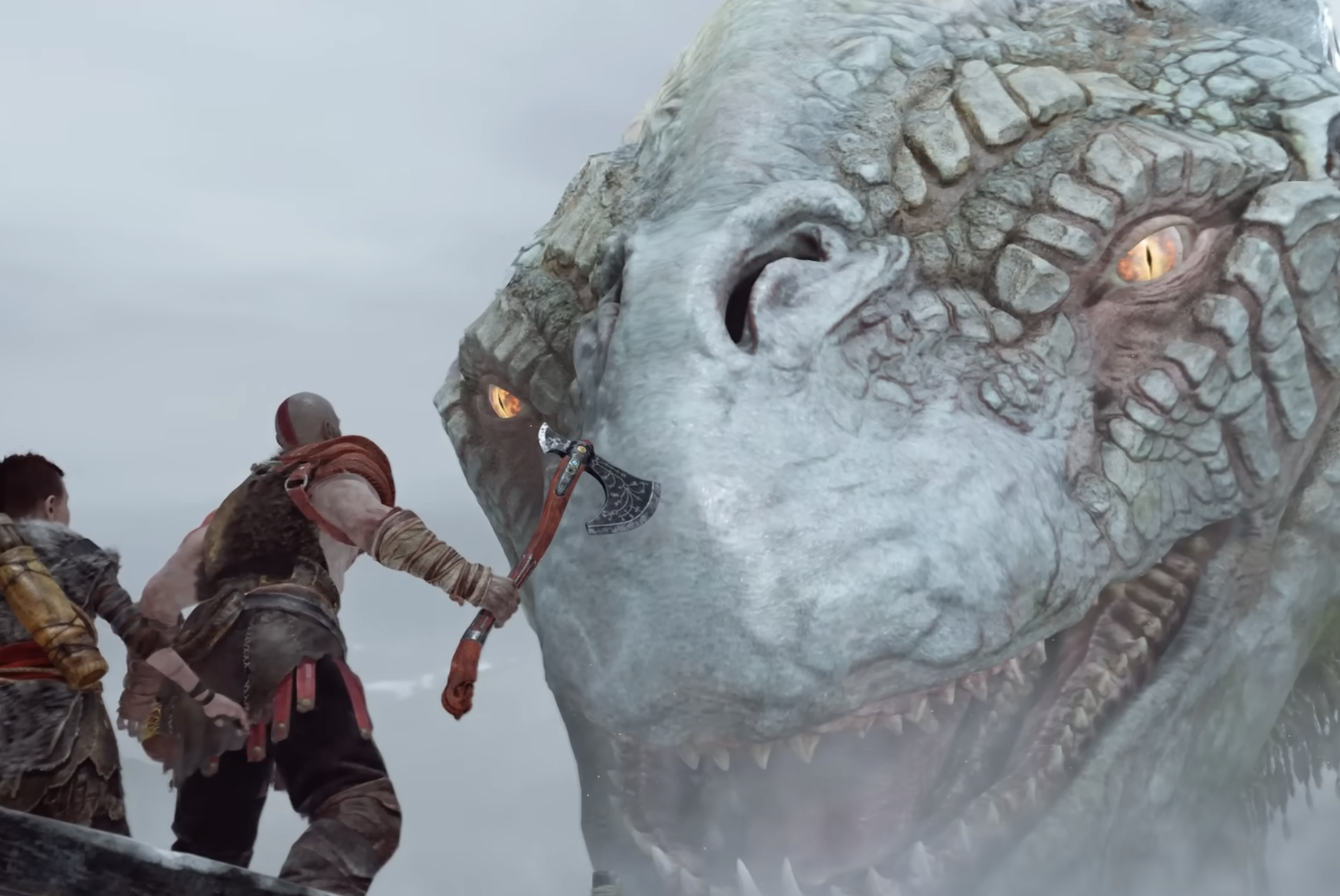
Jormungandr does not need speeches to be unforgettable.
He adds instant myth scale, deepens Loki/Atreus lore, and reinforces that the Norse saga is running on time-bending destiny math no one fully controls. Every appearance feels important, even when he only shows up to remind everyone how small they are.
Absolute legend. Very large. Very loud.
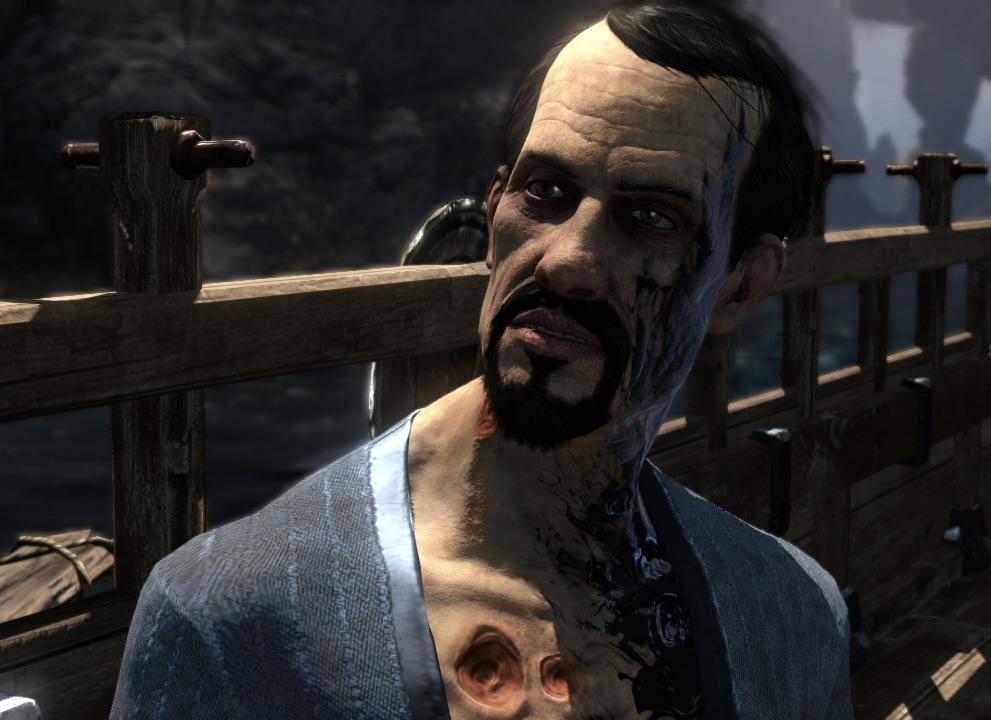
Orkos is a smaller name in franchise discussions, but crucial in Ascension.
As a playable character tied to oath-breaking and the Furies, he helps expose the systems controlling Kratos before the main trilogy explosions fully begin. His role is focused, tragic, and easy to overlook if you skip Ascension.
He is proof that even minor-screen-time characters can carry major thematic weight.
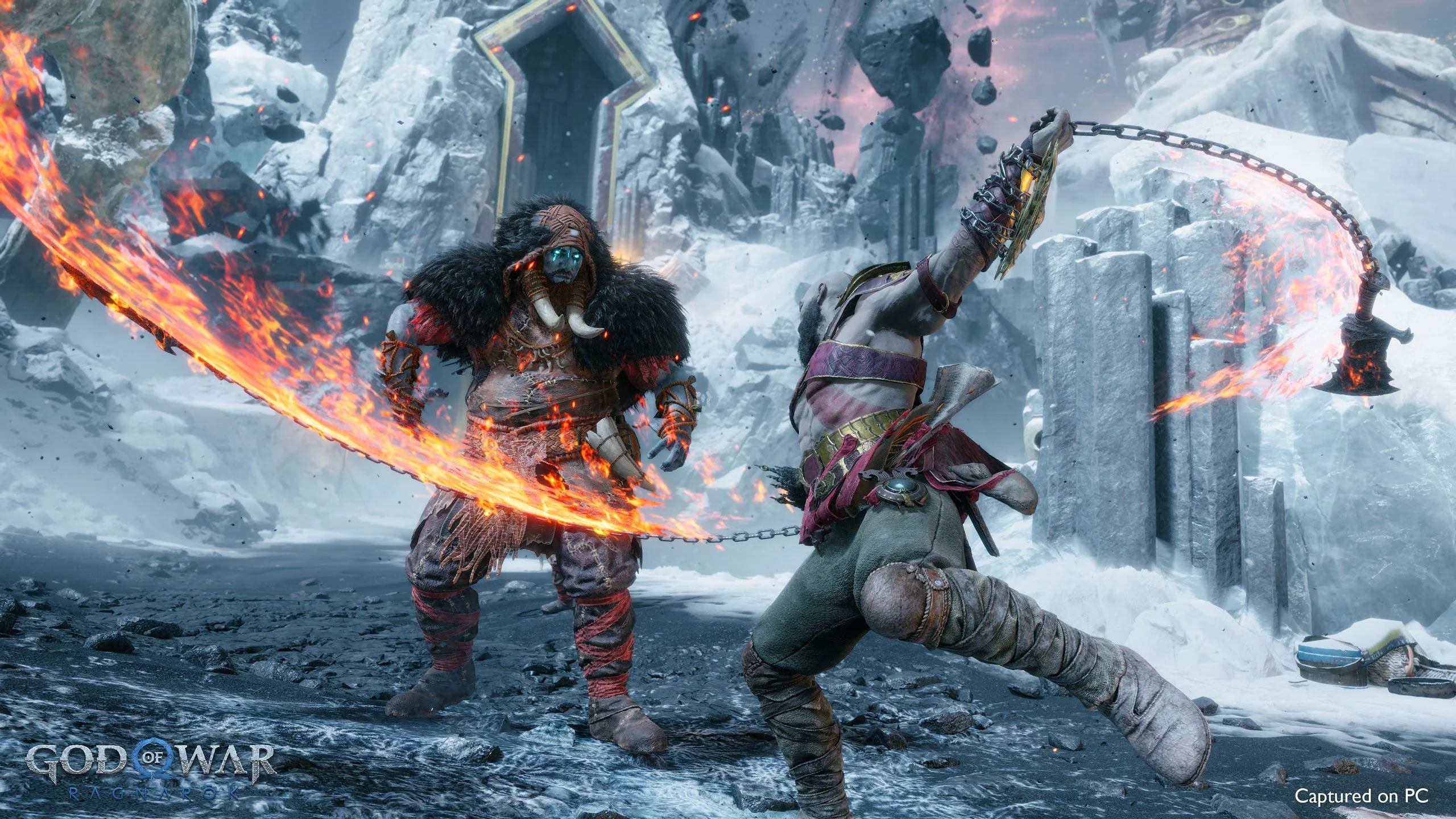
God of War characters work because they evolve.
They are not static archetypes. They grieve, break, adapt, forgive, relapse, and choose. That is why this franchise survived a full mythology shift and came out stronger.
The monsters are iconic.
The gods are chaotic.
But the character writing is why people keep coming back.
 PlayStationNews
 PlayStationGuide
 PlayStationNews
 PlayStationNews