
 AllMar 09, 2026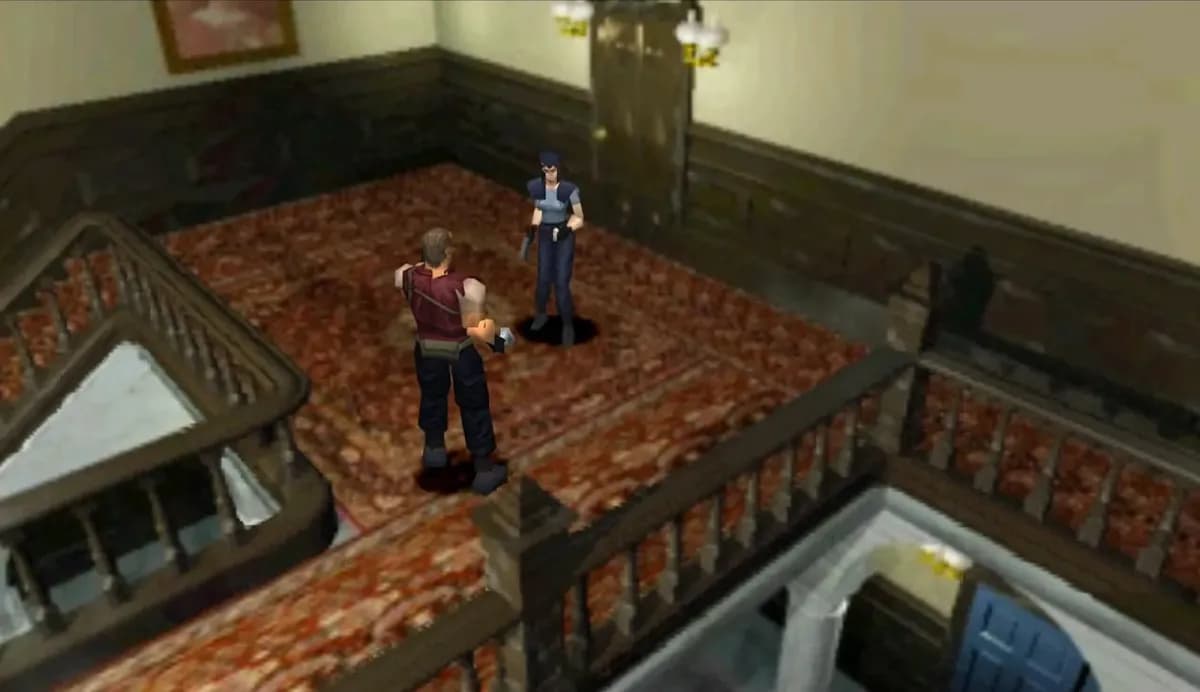
Resident Evil story explained in simple terms: Umbrella, Raccoon City, Las Plagas, Mold, and how the main canon connects from classic games to modern entries.
Resident Evil lore can look complicated at first glance, mostly because the franchise has been running for decades and keeps changing style while keeping the same core DNA.
But the big picture is actually simple:
Powerful groups create bio-weapons.
Everything goes wrong.
A handful of exhausted heroes clean up the mess.
This guide explains Resident Evil story canon in plain language, from Umbrella's early experiments to the modern era.
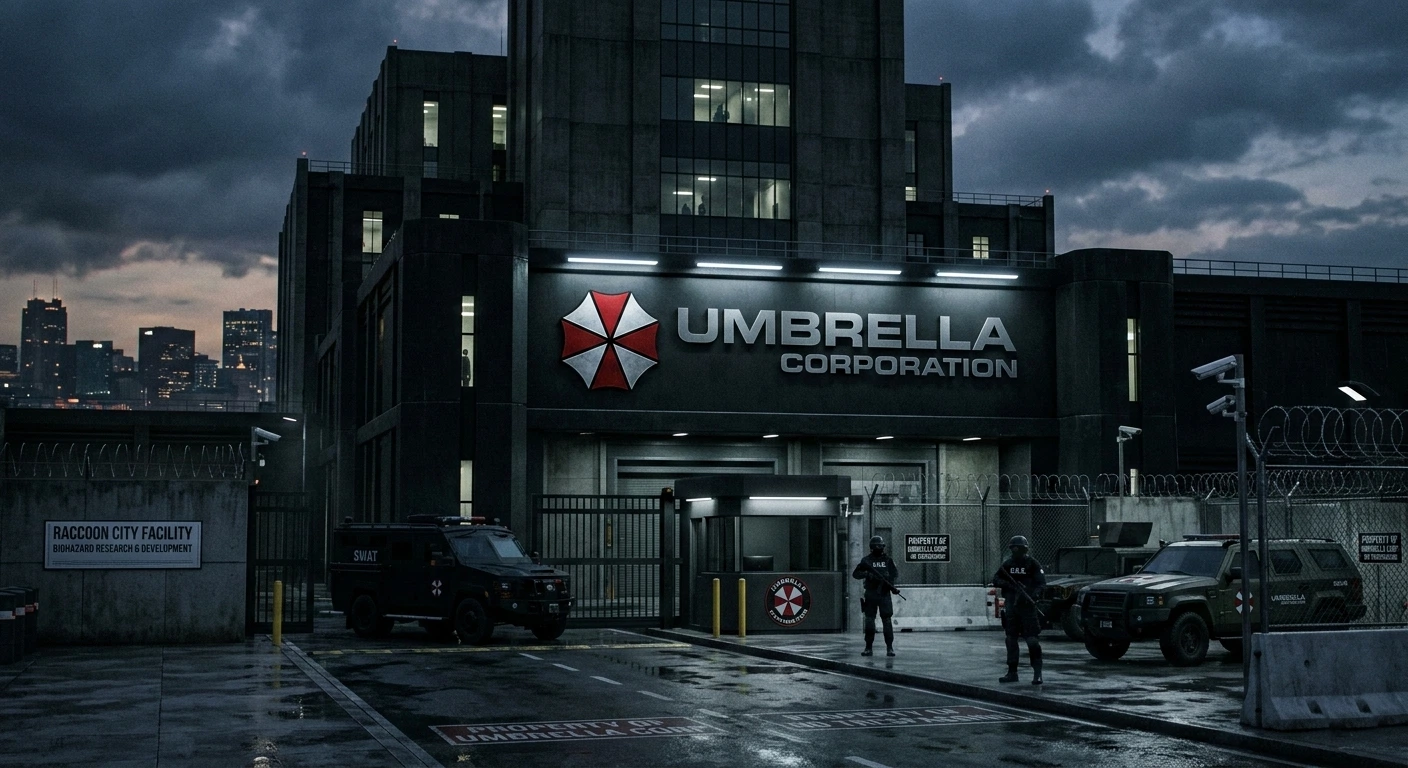
At its heart, Resident Evil is about biological weaponization and the people who profit from it.
The franchise repeatedly explores the same cycle:
So yes, zombies are part of it, but the real monster is usually "executive decision-making."
Before the mansion incident, the key foundation is the Progenitor research line that later leads to the T-Virus program.
Umbrella's founders and top researchers pursued human enhancement, weaponization, and control under the language of science and progress. That internal culture, secrecy plus no ethics plus unlimited funding, creates every major catastrophe that follows.
This is why Umbrella is more than a one-game villain. It is the origin engine of the whole franchise.
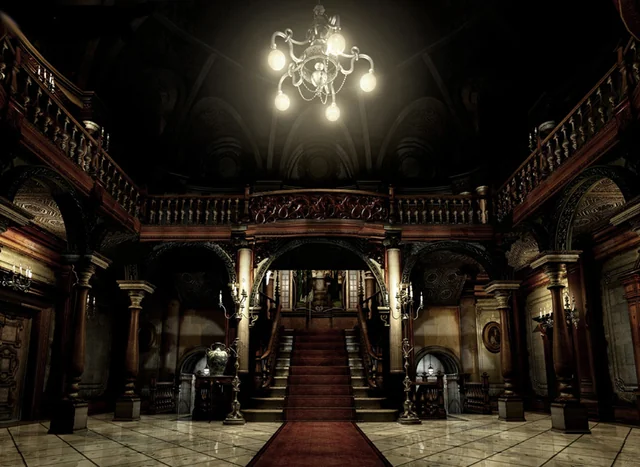
The mansion era introduces the central players and tone:
Narratively, this chapter does two important things. It establishes the corporate bioweapon theme and it introduces recurring heroes like Jill, Chris, and Rebecca who become the franchise backbone.
Everything after this is escalation.
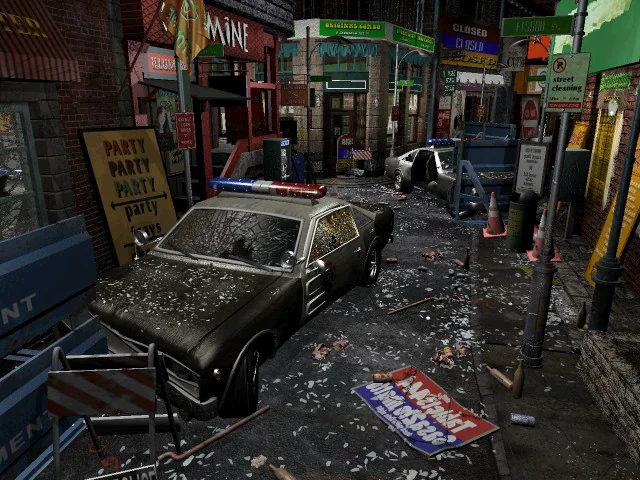
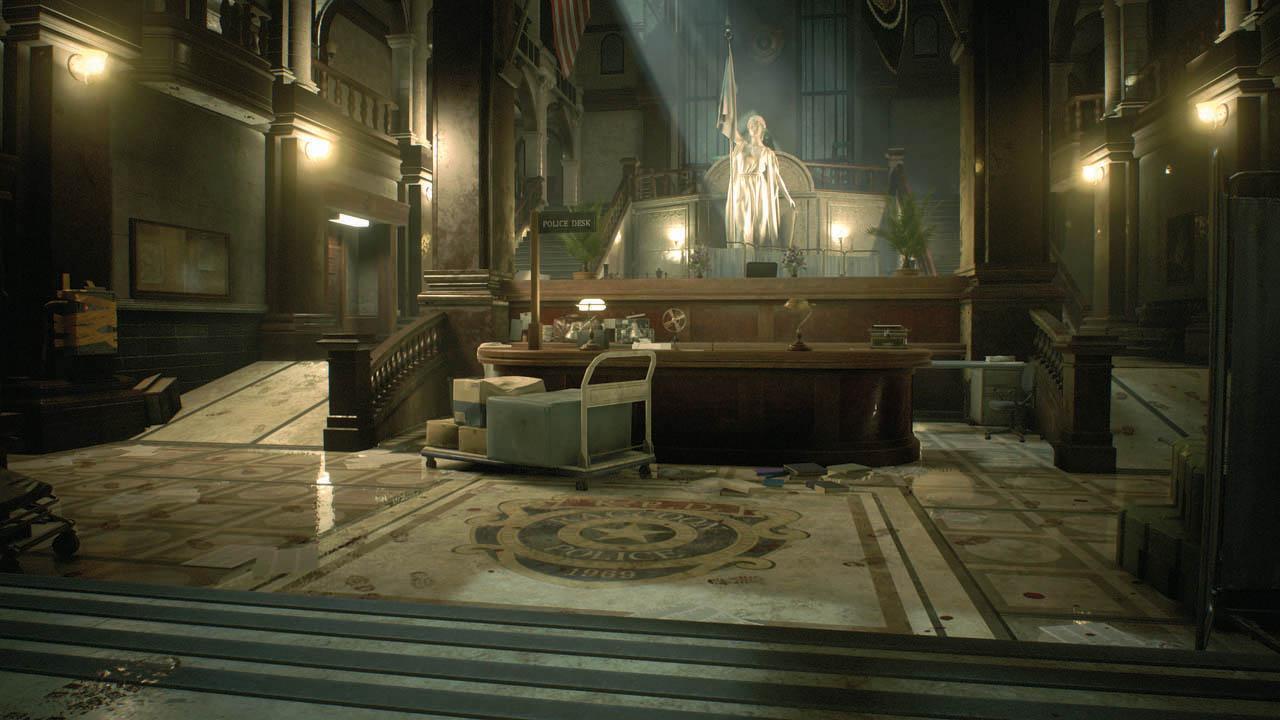
Raccoon City is where Resident Evil turns from "contained incident" into "global warning nobody learned from."
Umbrella's contamination reaches city scale, law enforcement collapses, and military containment fails catastrophically. Leon, Claire, and Jill survive the outbreak, but the event permanently changes the world and public trust.
Lore-wise, Raccoon City is the franchise's central historical trauma.
Gameplay-wise, it is where survival horror reached iconic status.
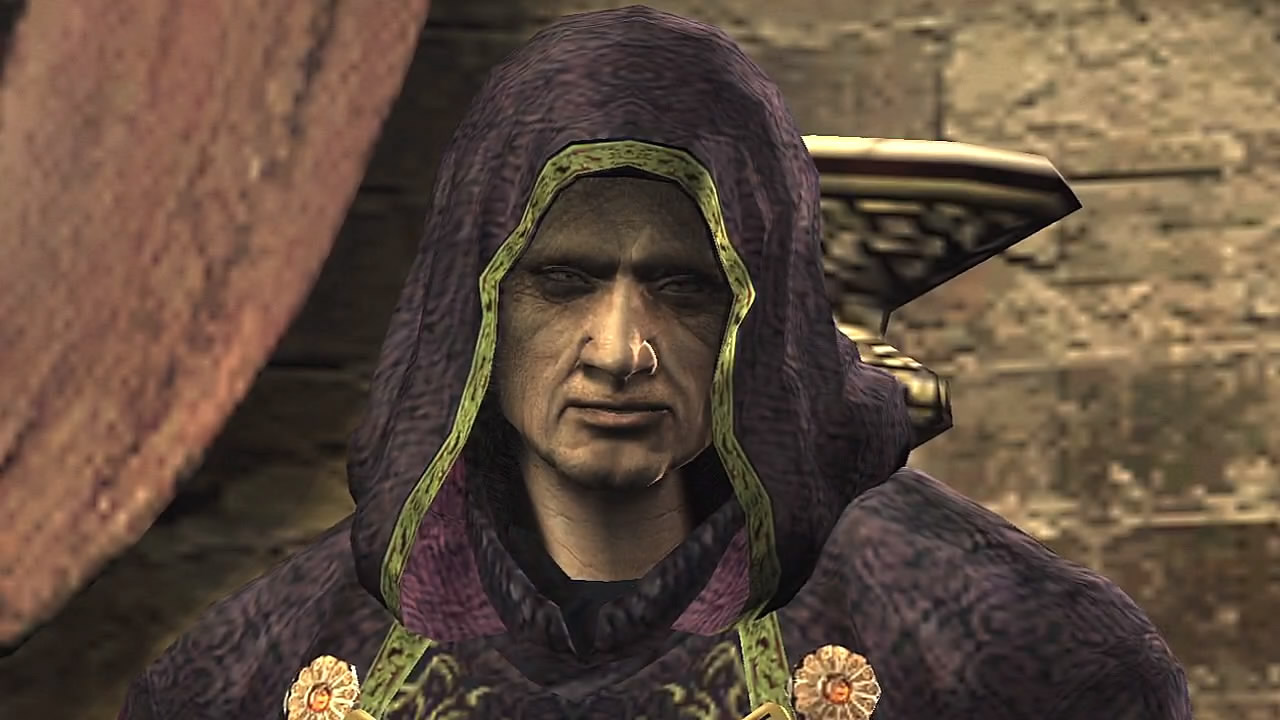
Even after Umbrella's fall, bio-terror does not stop. It just rebrands.
The franchise expands through:
This era is bigger, more international, and more action-heavy, but the story theme stays the same: weaponized biology plus power politics equals mass disaster.
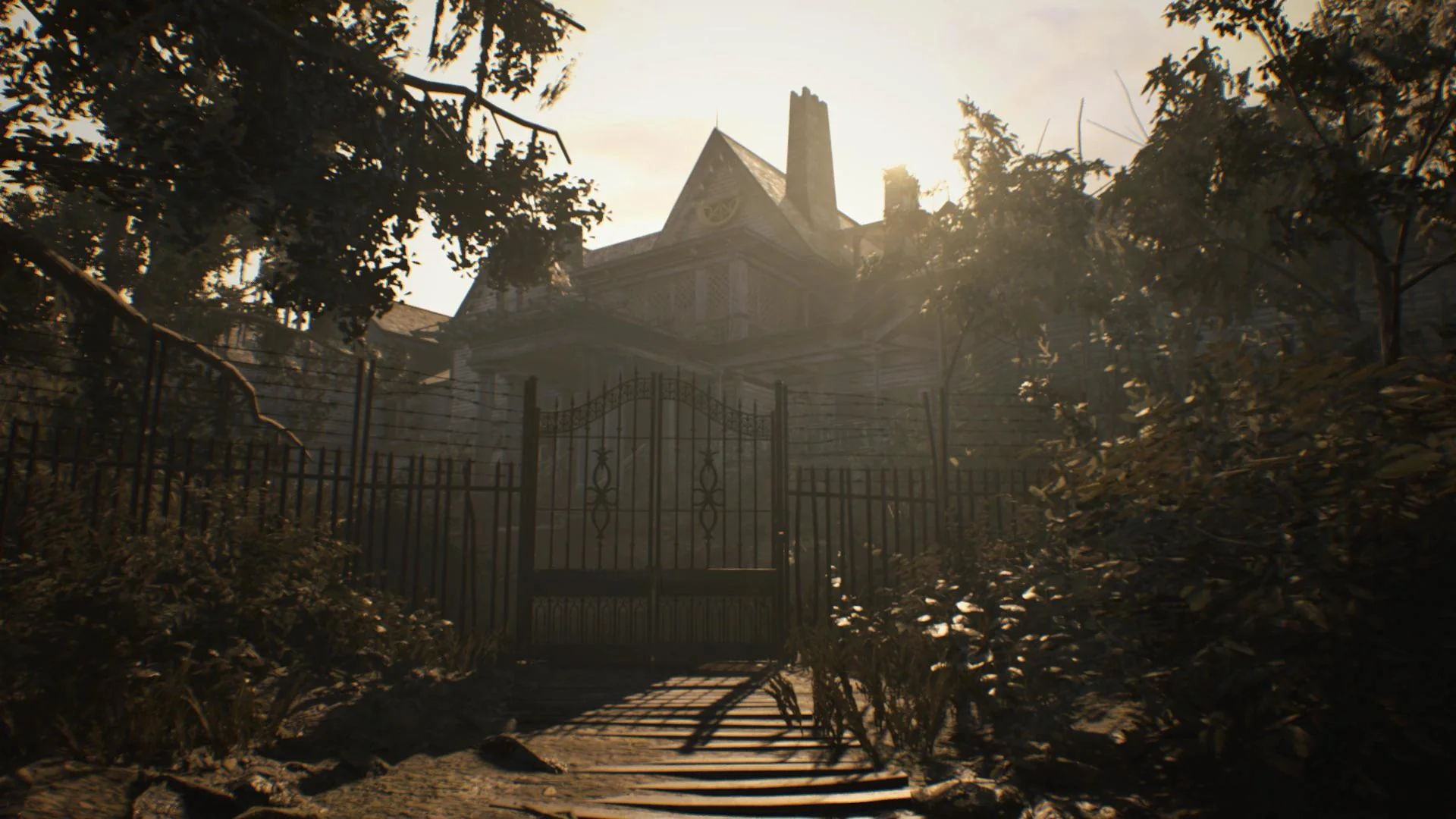
RE7 resets tone from global spectacle back to intimate dread.
The Mold/E-series storyline introduces a new biological framework with more body-horror psychology and family-centered stakes. Ethan Winters becomes the playable anchor for this modern chapter, and Village expands the mythology into larger regional and historical context.
This is the era that proved Resident Evil could reinvent presentation without losing identity.
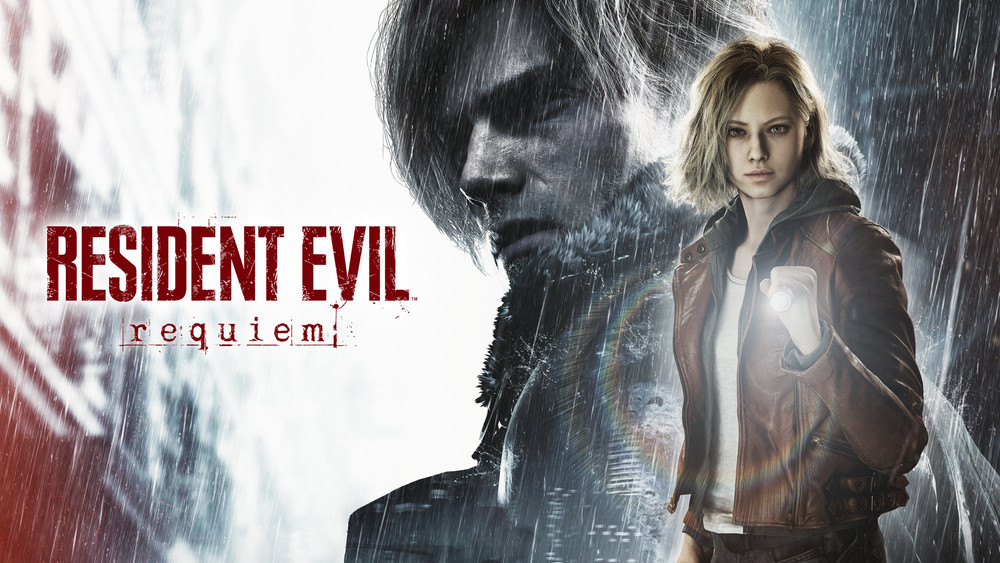
Resident Evil Requiem sits in the current modern continuity phase after the major Village-era transition.
Its full long-term place in canon will become clearer as Capcom expands this chapter, but its narrative role is already important: it signals that Resident Evil is still moving forward, not only revisiting legacy incidents.
For the timeline, think of Requiem as the next major node in the post-Ethan-era world.
If you want the clean version:
So no, you do not need every spin-off to understand the story.
You just need the mainline chain and a tolerance for suspicious laboratories.
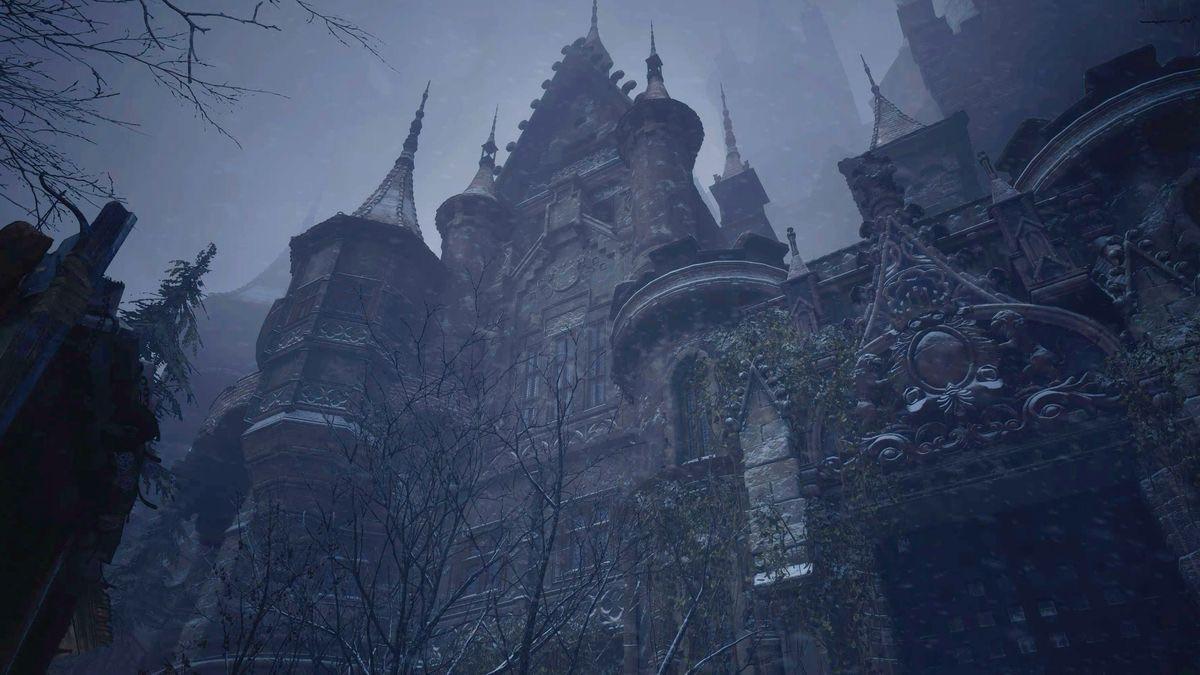
Resident Evil's story is a long-running chain of biohazard disasters connected by one recurring truth: humans keep trying to control forces they should never have engineered.
From Umbrella to Las Plagas to Mold-era horror, the cast changes and styles evolve, but the canon throughline is consistent:
ambition creates catastrophe, and survivors carry the cost.
That is why Resident Evil still works after all these years.
It is not just horror. It is consequences.
Staff Writer, Console Pulse
Images Credit
Official artwork, promotional assets, and in-game screenshots are credited to Capcom and associated Resident Evil rights holders. Images are used for editorial coverage.
 AllNews
 AllNews
 AllNews
 AllGuide