
 PlayStationMar 07, 2026
A Complete The Last Of Us Story Explained Guide Covering Part I, Part II, Joel’s Hospital Choice, Ellie’s Revenge Arc, Abby’s Perspective, And The Final Ending.
The Last of Us story looks simple on paper: survive the apocalypse, protect the kid, save the world, maybe.
In reality, it is a two-game emotional demolition project about love, loss, and what happens when grief gets handed a weapon.
If you finished both games and still feel conflicted, that means the writing worked. This guide breaks down the full story across Part I and Part II, explains both endings, and unpacks the core theme running through everything: violence keeps pretending to be justice, and people keep paying the bill.
Yes, full spoilers for The Last Of Us Part I and The Last Of Us Part II.
The outbreak destroys civilization, but the real story is smaller and crueler: how people hold onto each other when everything else is gone.
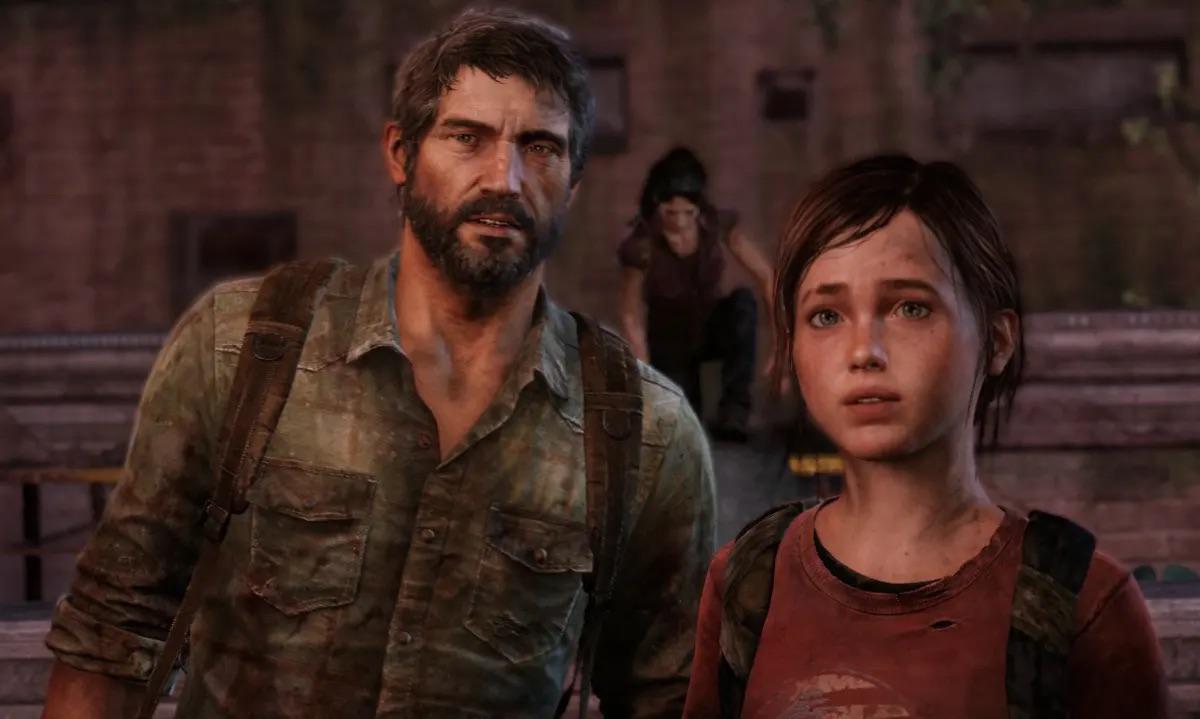
Joel loses his daughter Sarah on outbreak night. That trauma hardens him into a survival-first smuggler in the Boston Quarantine Zone. Years later, he is tasked with escorting Ellie, a teenage girl immune to the infection, to the Fireflies.
That “simple job” becomes a father-daughter bond neither of them planned for, and that bond becomes the moral explosion at the end of Part I.
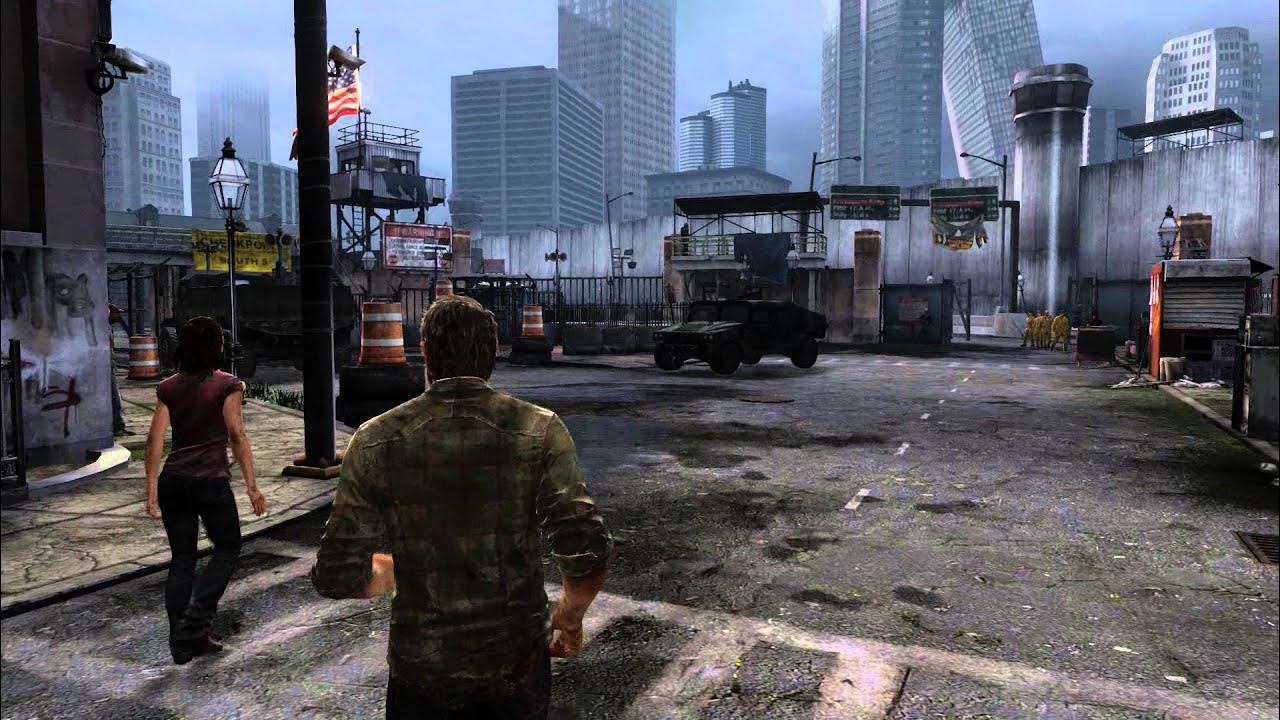
By the time we meet Joel, he is efficient, cynical, and emotionally shut down. He works with Tess, smuggles supplies, and avoids hope like it is another infection strain.
Then Ellie arrives.
She is immune, sarcastic, brave, and very much not “just cargo.” After Tess is bitten and dies buying them time, Joel continues the mission mostly out of obligation. Over time, obligation becomes attachment, and attachment becomes fear of losing one more daughter.
The Fireflies represent possible salvation for humanity, but the game quietly keeps asking: salvation for who, exactly, and at what cost?
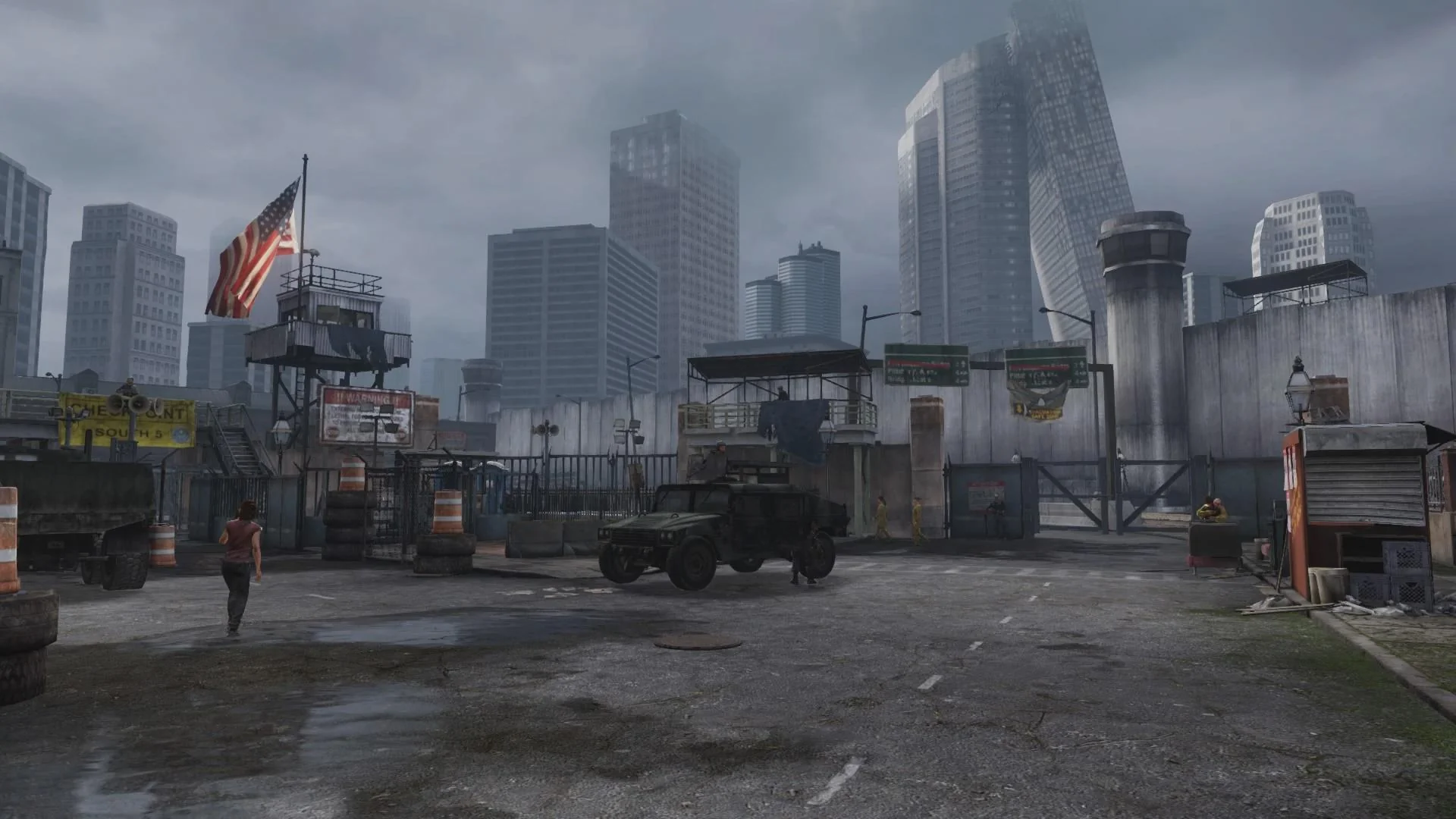
The road trip through infected zones and hostile factions builds Joel and Ellie’s relationship step by step. Key encounters with Bill, Henry and Sam, Tommy, and David show different versions of love under pressure: guarded love, desperate love, broken love, predatory fake love.
By winter, Ellie is no longer passive in the story. She is a survivor in her own right. Joel is no longer detached. He is emotionally invested whether he admits it or not.
This is the point where Part I stops being “deliver the cure” and becomes “what is Joel willing to do to avoid another Sarah-level loss?”
Answer: too much.
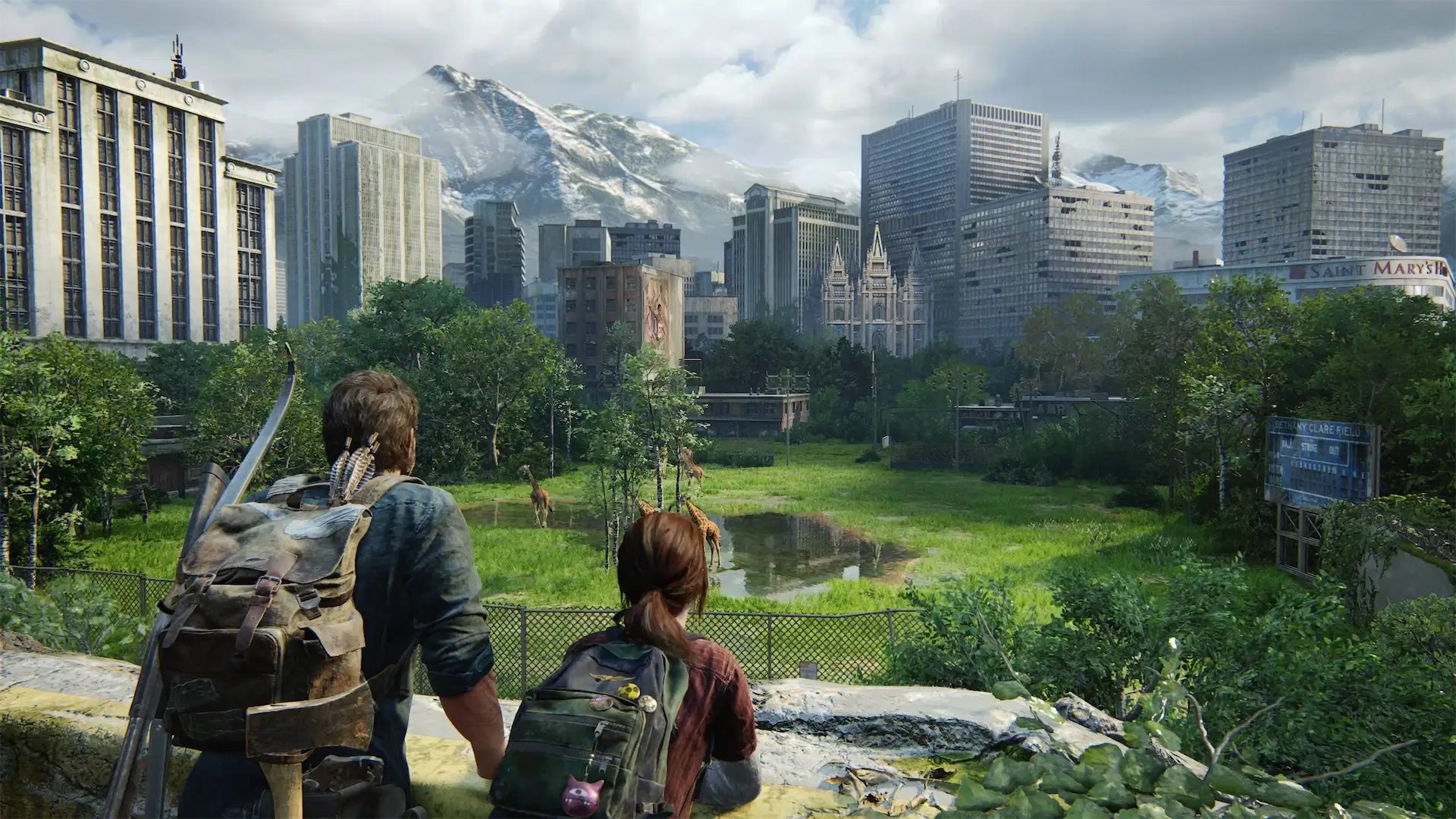
At St. Mary’s Hospital, Joel learns the Fireflies can potentially create a cure from Ellie’s immunity, but the surgery will kill her.
He does not ask Ellie what she wants.
He does not negotiate.
He kills the Fireflies in his way, including Abby’s father (the surgeon), rescues Ellie, and lies to her that there were many immune people and no cure.
Why this ending is legendary: it is both selfish and deeply human. Joel chooses Ellie over humanity. Players understand him, even when they cannot morally defend him.
Part I ends with Ellie asking Joel to swear he told the truth. He lies again. She says “Okay,” and that single word is basically a warning siren for Part II.
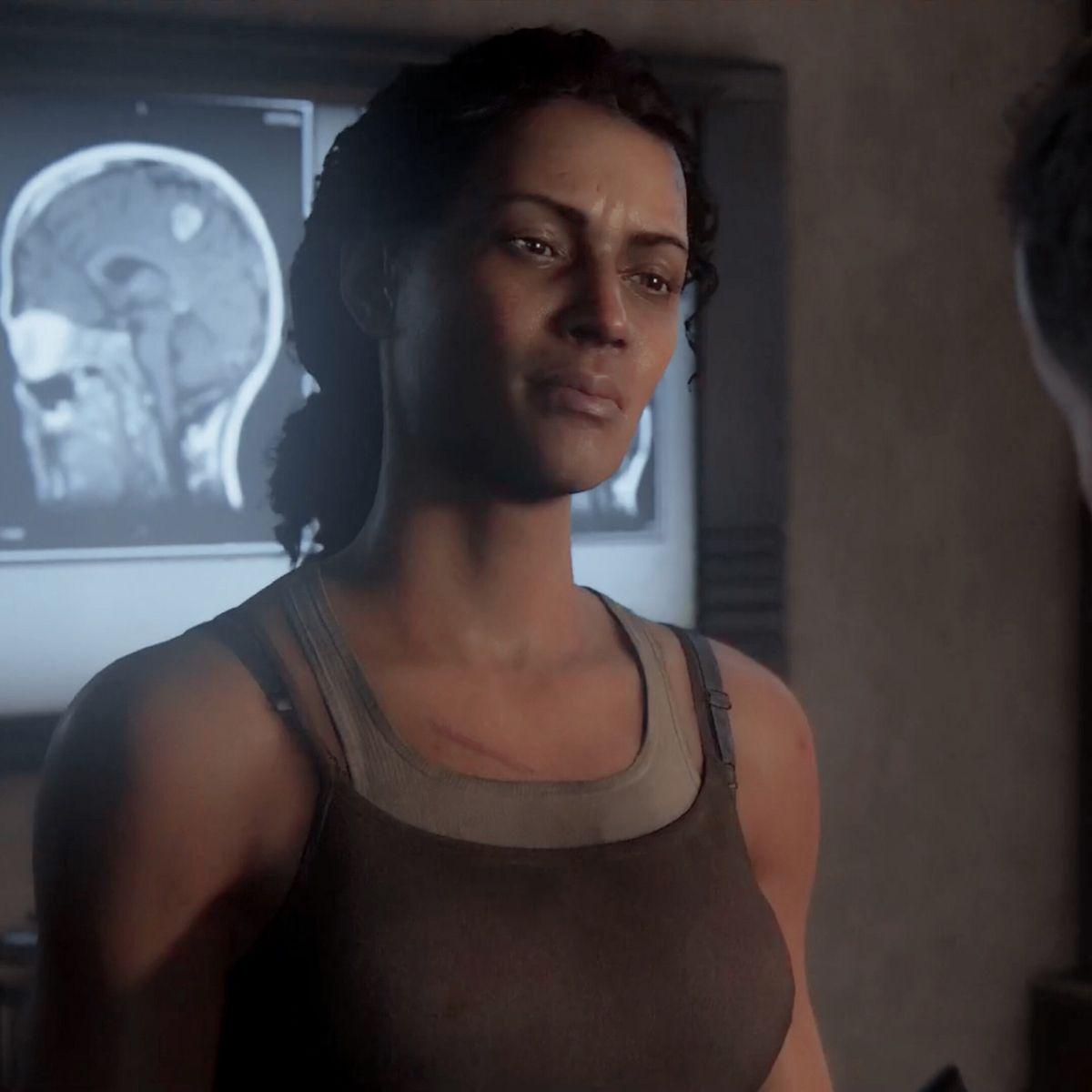
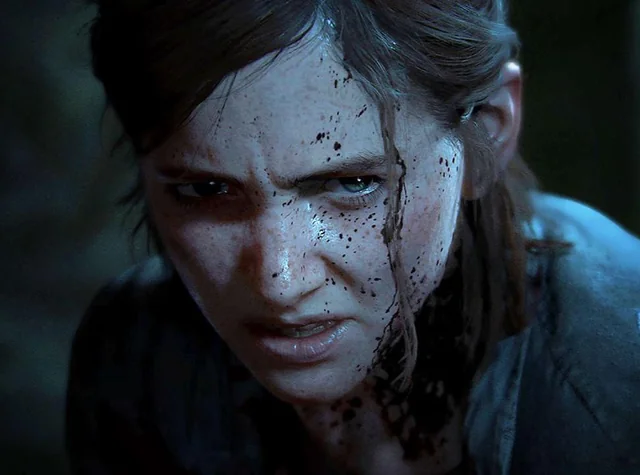
Part II begins years later in Jackson. Joel and Ellie are estranged because Ellie has learned the truth about the hospital. Before they can fully repair their relationship, Abby tracks Joel down and kills him in front of Ellie.
From there, Part II becomes a revenge story that keeps mutating into something harsher: a story about perspective, dehumanization, and the inability to let pain go.
Ellie goes to Seattle to kill Abby.
Abby’s side of the story reveals why she did what she did.
Both are understandable.
Neither is clean.
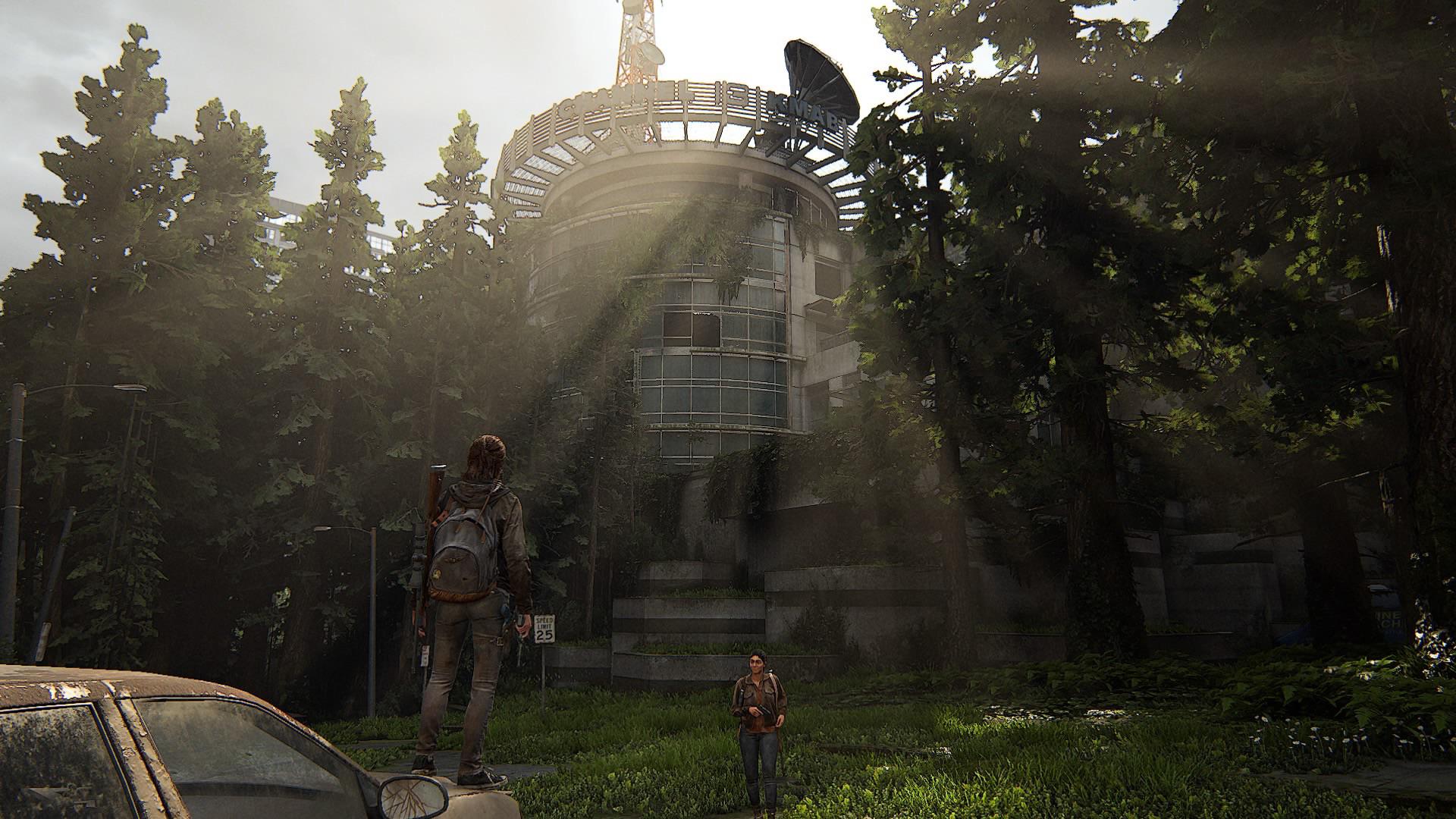
Part II splits Seattle into mirrored arcs.
Ellie’s three days are fueled by rage, trauma, and obsession. She hunts Abby’s allies, and each step forward costs more of her humanity.
Abby’s three days reframe those same events. We see the Washington Liberation Front, Isaac’s militarized leadership, the Seraphite conflict, and Abby’s relationship with Lev, which slowly pulls her out of pure revenge logic.
The point is not “Ellie bad, Abby good” or vice versa. The point is that every side can narrate itself as justified while still causing devastation.
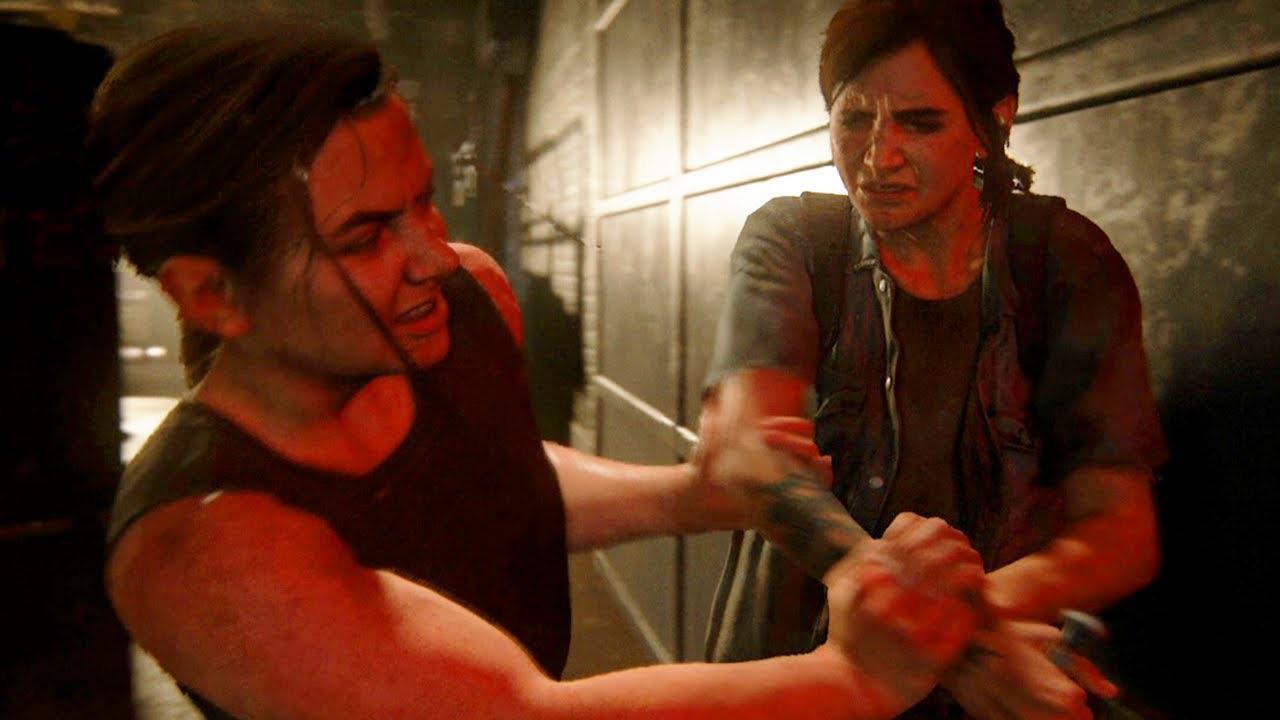
The theater showdown feels like the ending, but it is really the fracture point.
Abby spares Ellie and Dina after Lev intervenes. Ellie later tries to live peacefully on a farm with Dina, but PTSD and unresolved grief keep dragging her back toward revenge.
This section matters because it destroys the fantasy that vengeance brings closure. Ellie has a home and love, but she cannot hold onto either while chasing one more violent answer.
So she leaves.
Again.
Because pain is persuasive like that.
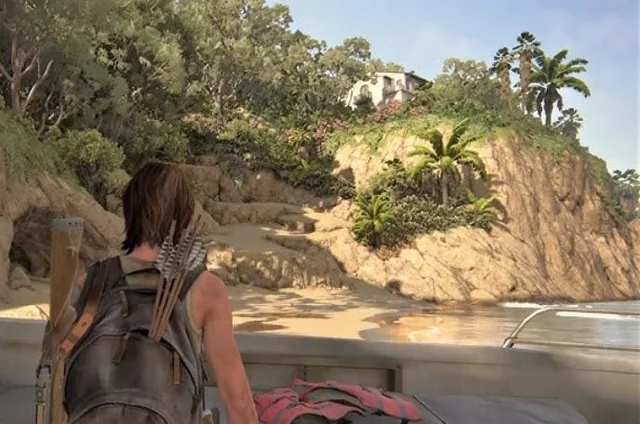
In Santa Barbara, Ellie finds Abby imprisoned and physically ruined by the Rattlers. She frees her, then forces one final fight on the beach.
Ellie is about to drown Abby but stops after a memory of Joel appears, specifically tied to forgiveness and the attempt to move forward.
She lets Abby and Lev leave.
It is not a happy ending. Ellie returns to the farm and finds Dina gone. She has lost fingers in the fight, and cannot play Joel’s guitar properly anymore. Symbolically, revenge cost her one of the last physical links to him.
But she does make one crucial move: she puts the guitar down and walks away.
Not healed.
Not redeemed.
But finally stepping off the cycle.
The big message is not “revenge bad,” full stop. It is more specific:
Joel saves Ellie and damns himself.
Abby avenges her father and loses almost everything.
Ellie avenges Joel and nearly erases herself.
Everyone gets what they wanted for five minutes.
Then reality sends the invoice.
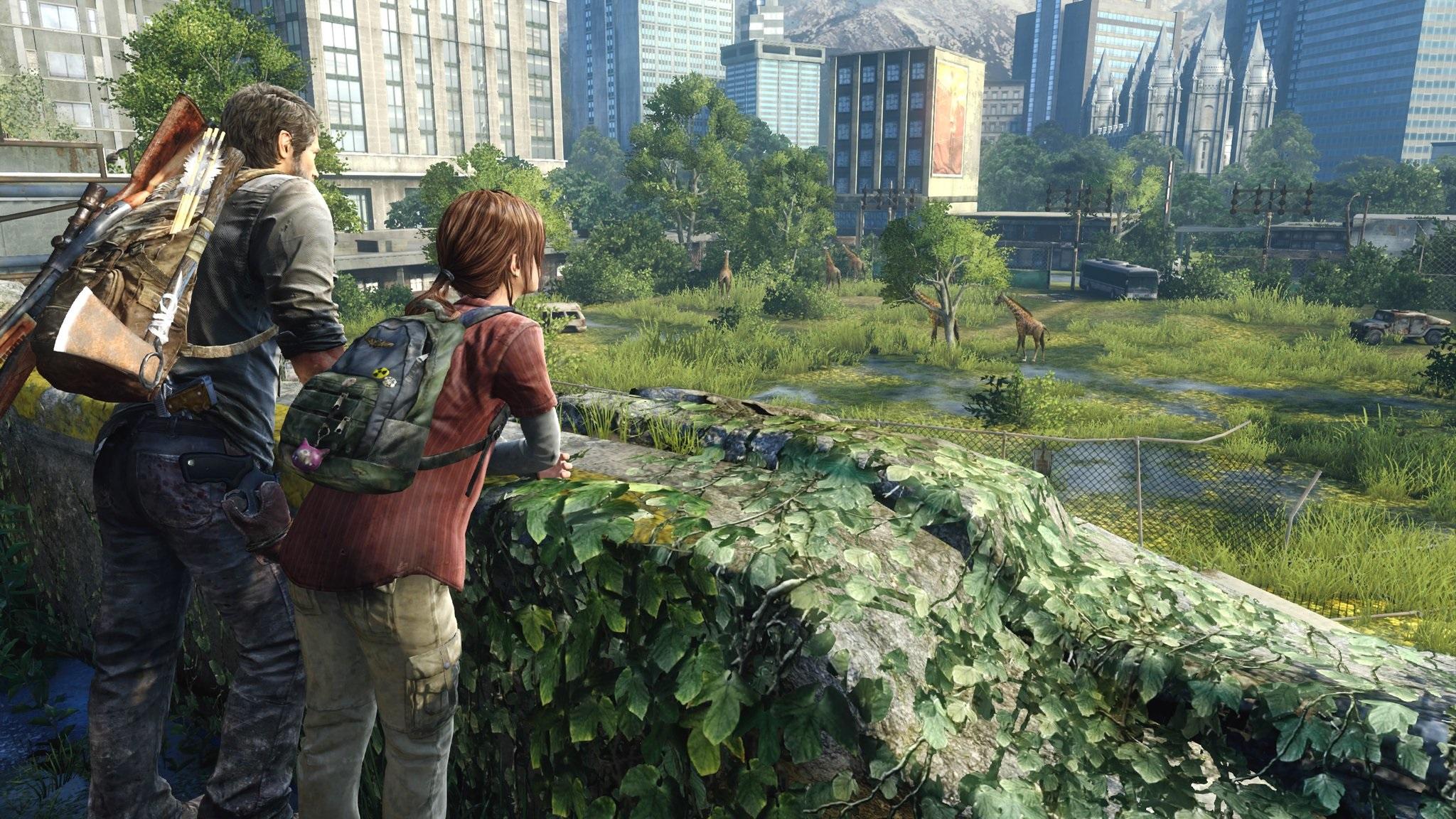
The Last of Us ends (so far) on an uncomfortable truth: survival is not the same as living, and justice is not the same as healing.
Joel’s lie created the wound.
Abby and Ellie widened it.
Ellie’s final choice is the first real attempt to stop bleeding, even if it comes painfully late.
That is why this story lasts. It does not offer easy heroes, clean morality, or neat closure.
It gives you people.
People who love hard, hurt hard, and keep trying anyway.
This article includes some images of my play-through and some from Playstation - The Last of Us Series.
By Aiden Nguyen
Senior Editor, Console Pulse
 PlayStationNews
 PlayStationNews
 PlayStationNews
 PlayStationGuide