
 PlayStationMar 09, 2026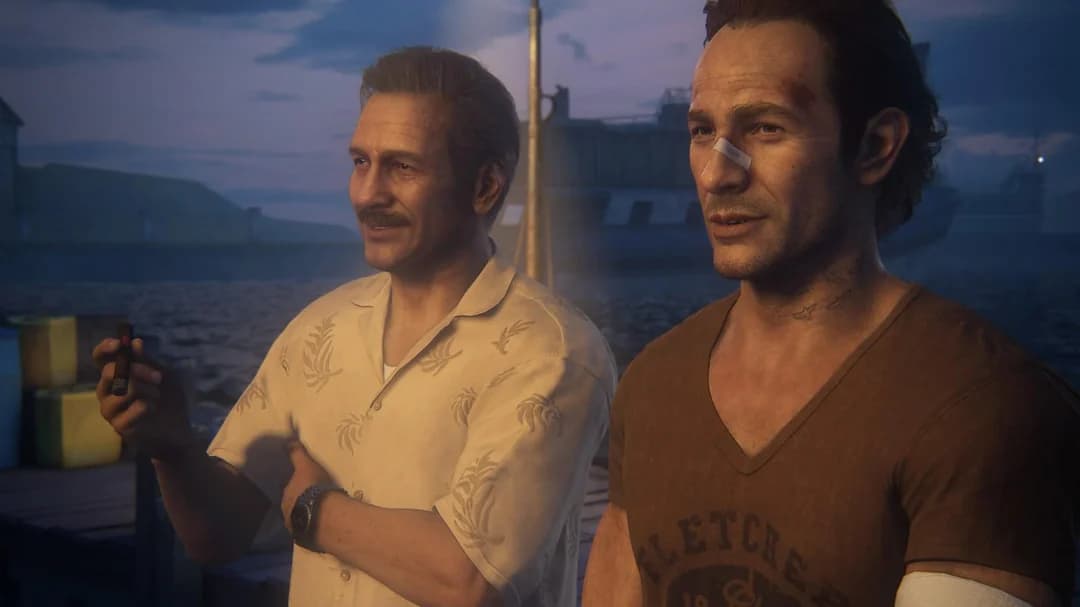
Uncharted story explained in simple terms, from Drake’s Fortune to The Lost Legacy, including key character arcs, villain motives, and canon timeline.

Uncharted lore looks easy at first: find artifact, punch mercenaries, jump off collapsing structure, repeat.
But the full story is actually about people, not treasure.
The treasure is just the very expensive way they reveal who they really are.
This guide explains Uncharted canon in plain language, from Nate’s early myth-chasing era to the post-Nate future.
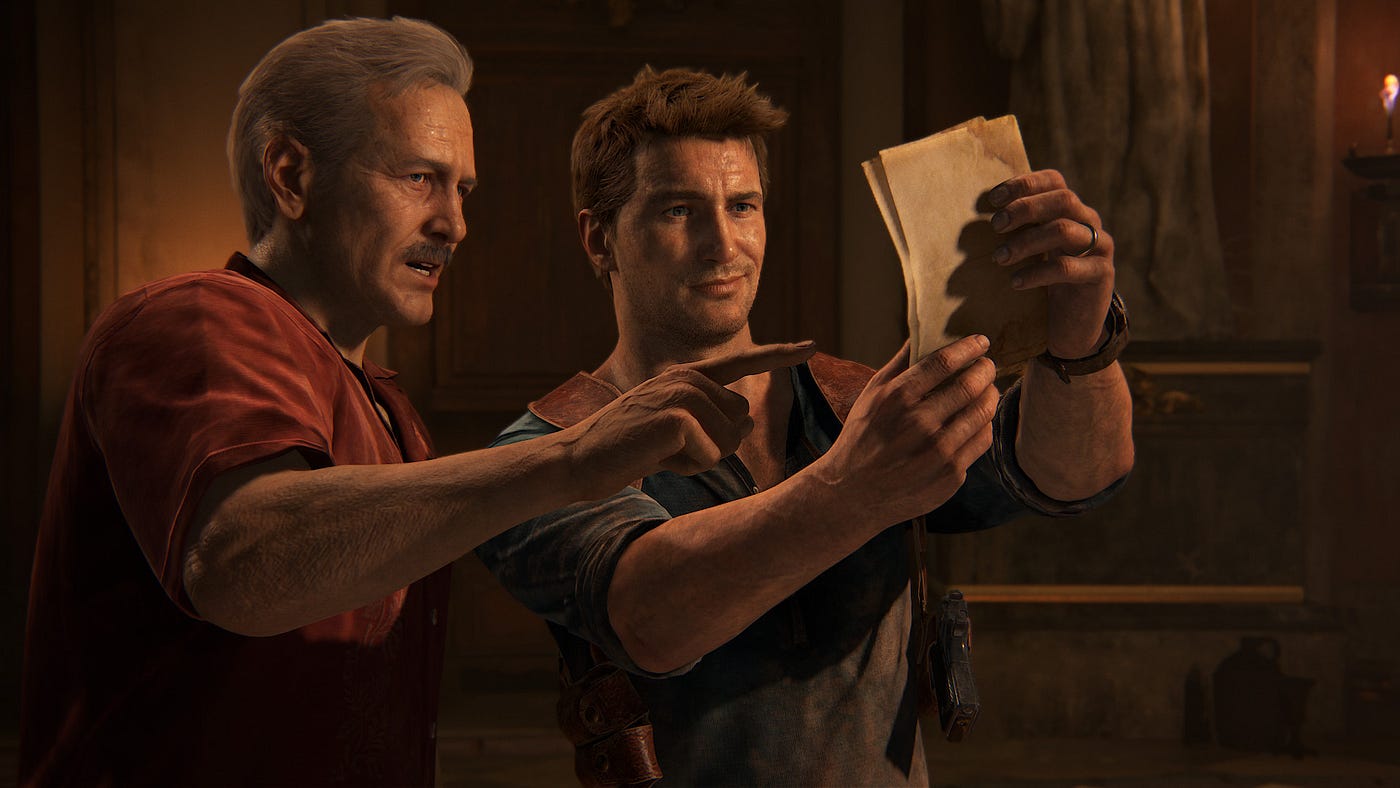
At heart, Uncharted runs on one repeating cycle:
So yes, it is cinematic adventure.
But it is also a relationship drama with explosions.
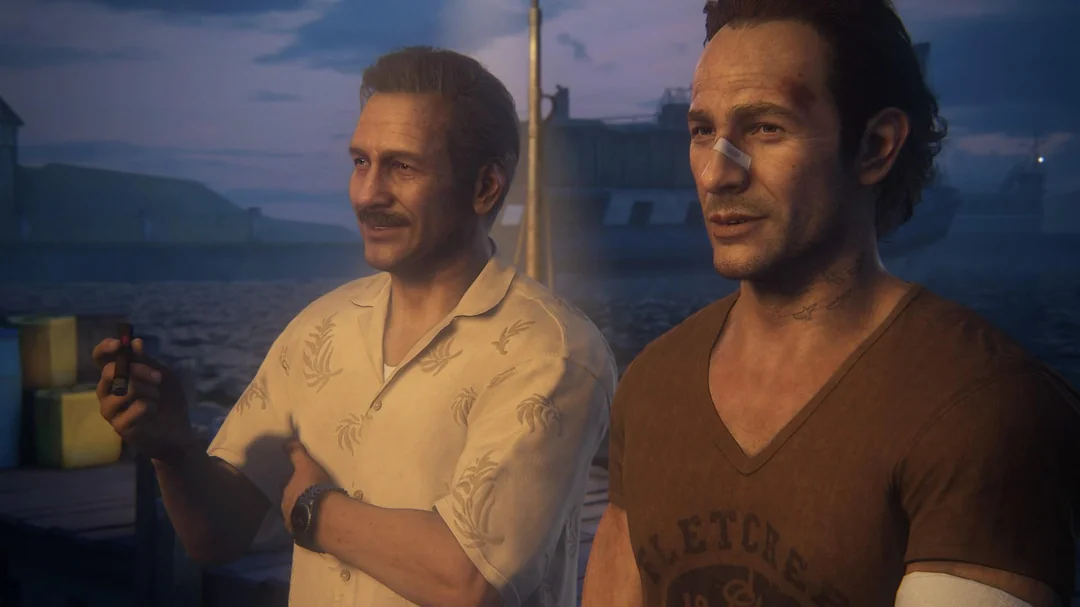
Flashbacks show that Nate’s adventure life did not come from nowhere.
His bond with Sam, his identity fixation, and meeting Sully create the emotional framework for everything later. These scenes are short, but massive for understanding why Nate keeps risking everything.
Drake’s Fortune starts the main saga: Nate, Elena, and Sully chasing El Dorado and immediately discovering that treasure hunting is mostly betrayal management.
Story-wise, this game establishes two permanent truths:
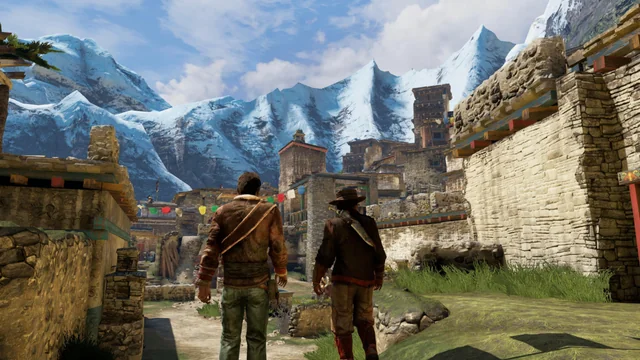
Among Thieves is where the franchise scales up hard.
Nate gets pulled into a larger conflict around Shambhala, Lazarević, and competing alliances. The action gets bigger, but the real upgrade is character tension, especially around trust, betrayal, and Nate’s relationship choices.
This is where Uncharted becomes iconic.
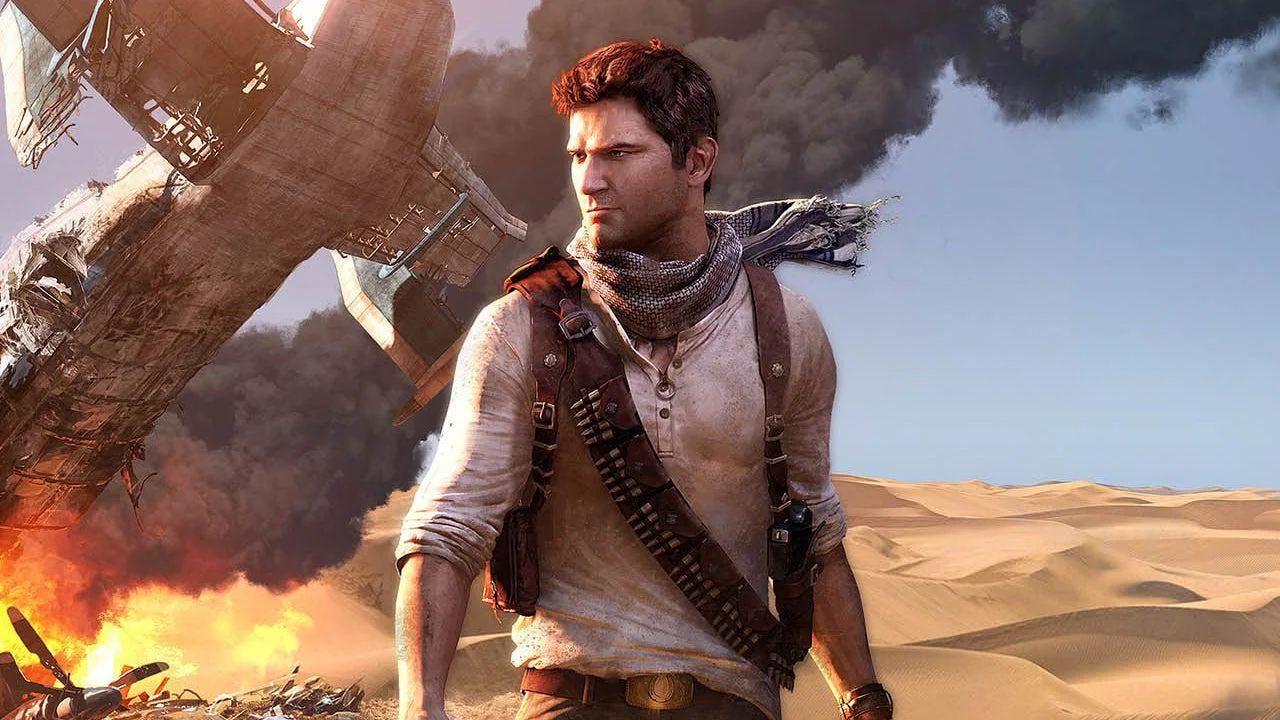
Drake’s Deception leans into manipulation, altered perception, and Nate’s own obsession with historical myths.
Talbot and Marlowe’s network weaponize that obsession, and the story pushes Nate toward a key realization: chasing legacy without limits destroys the people around you first.
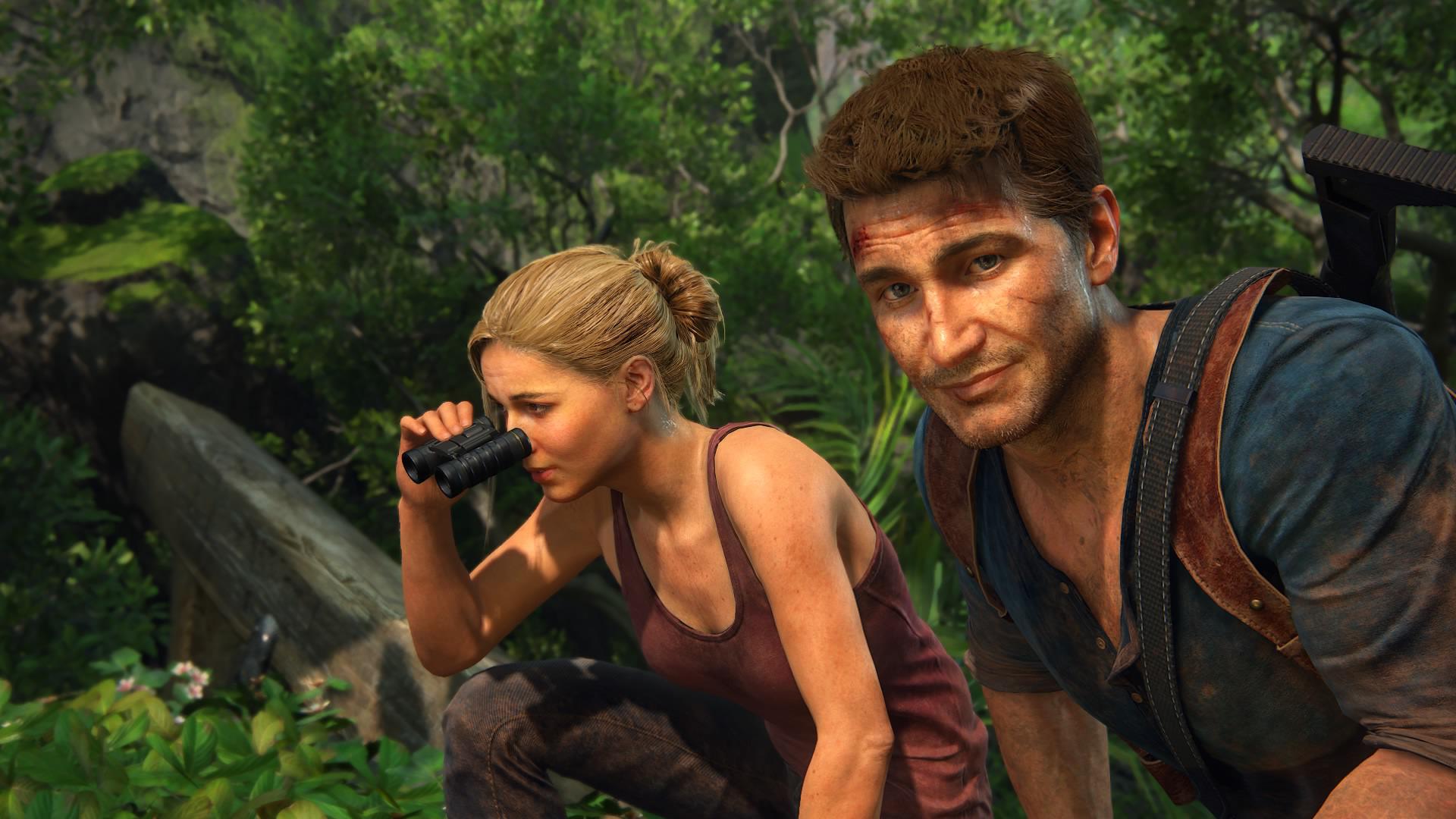
A Thief’s End is the emotional climax of Nate’s story.
Sam returns, old wounds reopen, and Nate gets dragged back into one last hunt that tests marriage, loyalty, and identity. Rafe works so well as a final rival because he represents unchecked ego, while Nate is trying to finally choose a different life.
The ending lands because it is not just "win fight, roll credits."
It is growth.
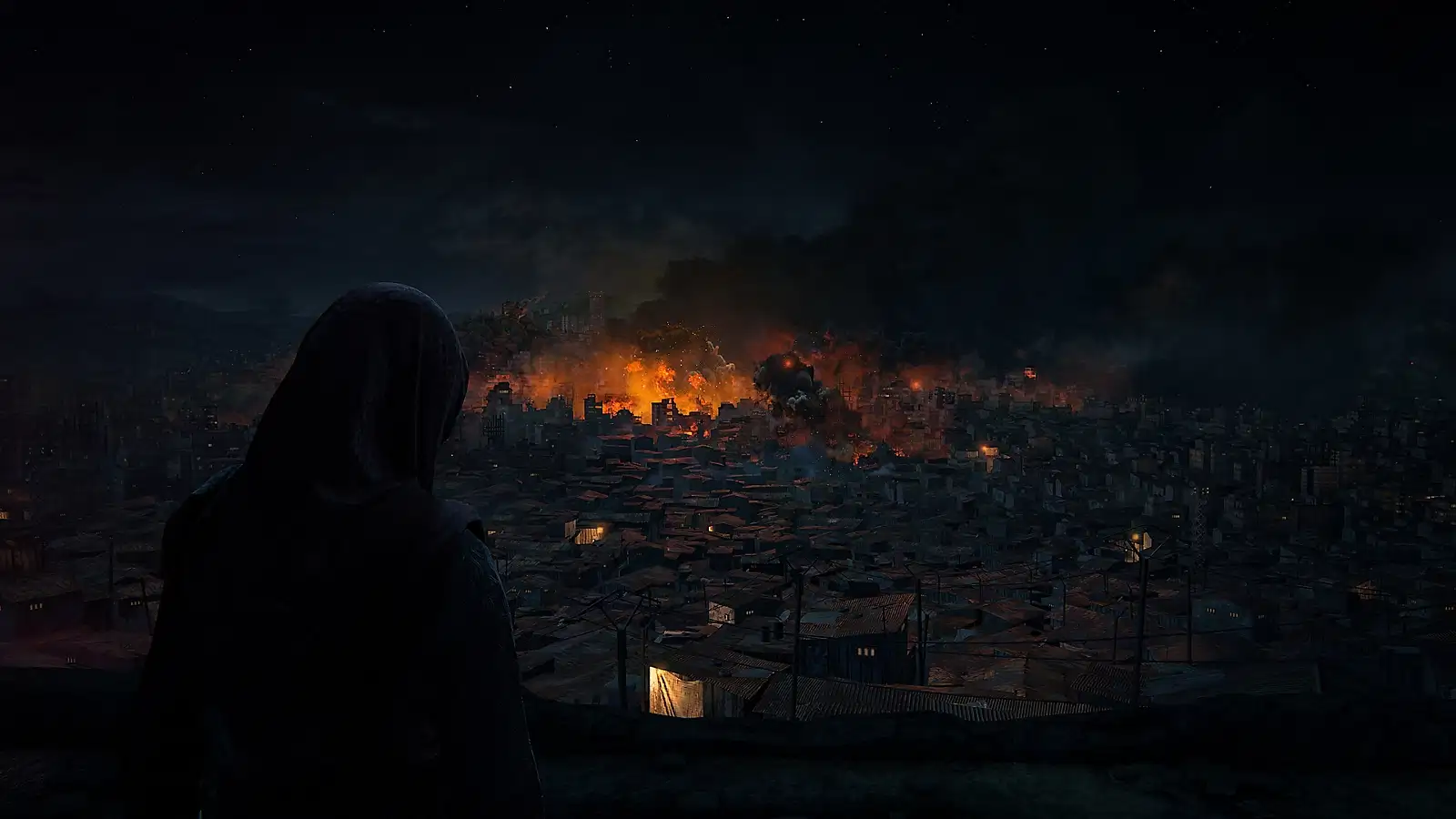
The Lost Legacy takes place after Uncharted 4 and shifts lead focus to Chloe Frazer and Nadine Ross.
Its story keeps core Uncharted DNA intact while proving the franchise can evolve beyond Nate. Chloe gets major growth, Nadine gets deeper character layers, and Asav adds a more ideological threat profile.
Shorter game, strong narrative relevance.
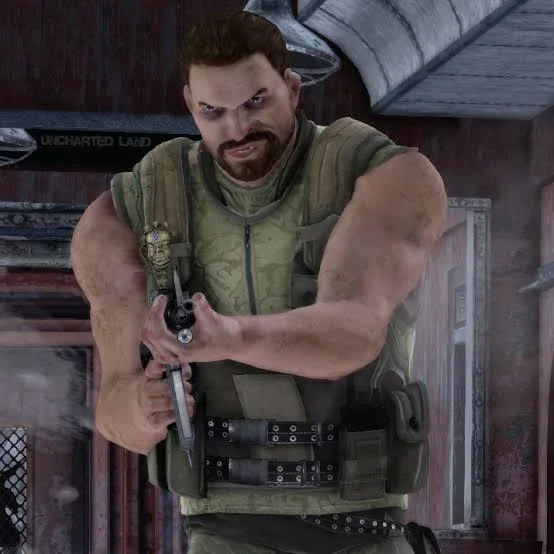
Uncharted villains are rarely random evil. They usually embody a specific obsession:
The pattern is consistent: villains treat history as a weapon, heroes survive by trusting each other.

If you want the clean canon spine:
You do not need every side detail to follow the story.
You need the mainline arc and the character relationships.
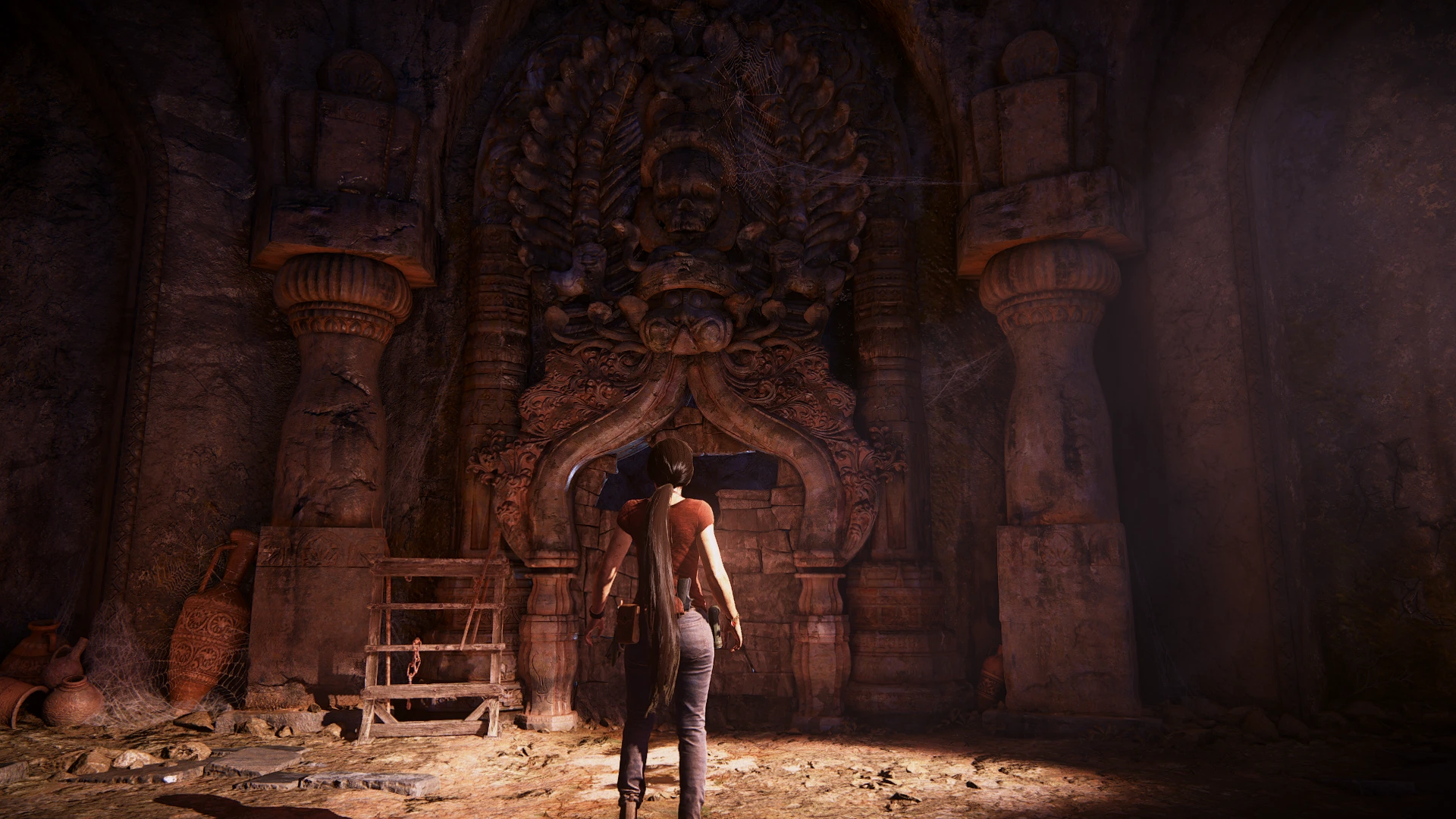
Uncharted’s full story is a long arc about learning the difference between adventure and obsession.
From El Dorado to Libertalia and beyond, the throughline stays clear:
history tempts people, obsession destroys them, and loyalty is what keeps the heroes human.
That is why Uncharted still works years later.
It is not just treasure hunting. It is consequences with better one-liners.
By Aiden Nguyen
Senior Editor, Console Pulse
Images Credit
Official artwork, promotional assets, and in-game screenshots are credited to Sony Interactive Entertainment, Naughty Dog, Bend Studio, and associated Uncharted rights holders. Images are used for editorial coverage.
 PlayStationNews
 PlayStationNews
 PlayStationGuide
 PlayStationNews