
 SwitchMar 05, 2026
The Legend Of Zelda Story Explained in plain English: the timeline split, recurring curse, and how Ocarina Of Time, BOTW, and TOTK connect.
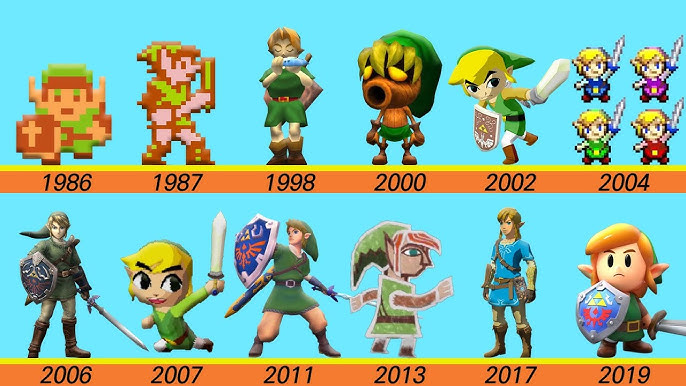
If Zelda lore ever made you say, “Wait... why are Link, Zelda, and this guy named Ganon doing this again?” you are not confused. You are just officially in the fandom.
This is your plain-English Zelda story guide: how the cycle starts, why the timeline splits, and where modern games like Breath of the Wild and Tears of the Kingdom fit.
Yes, it is complicated. No, you do not need a whiteboard for this version.
Short answer: yes and no.
Zelda is one mythic continuity with recurring forces, not one direct sequel chain where every game follows the previous weekend. Different eras feature different incarnations of Link and Zelda, and evil keeps returning in new forms.
Think of it like this:
Same world myth.
Different generations.
Same cosmic problem.
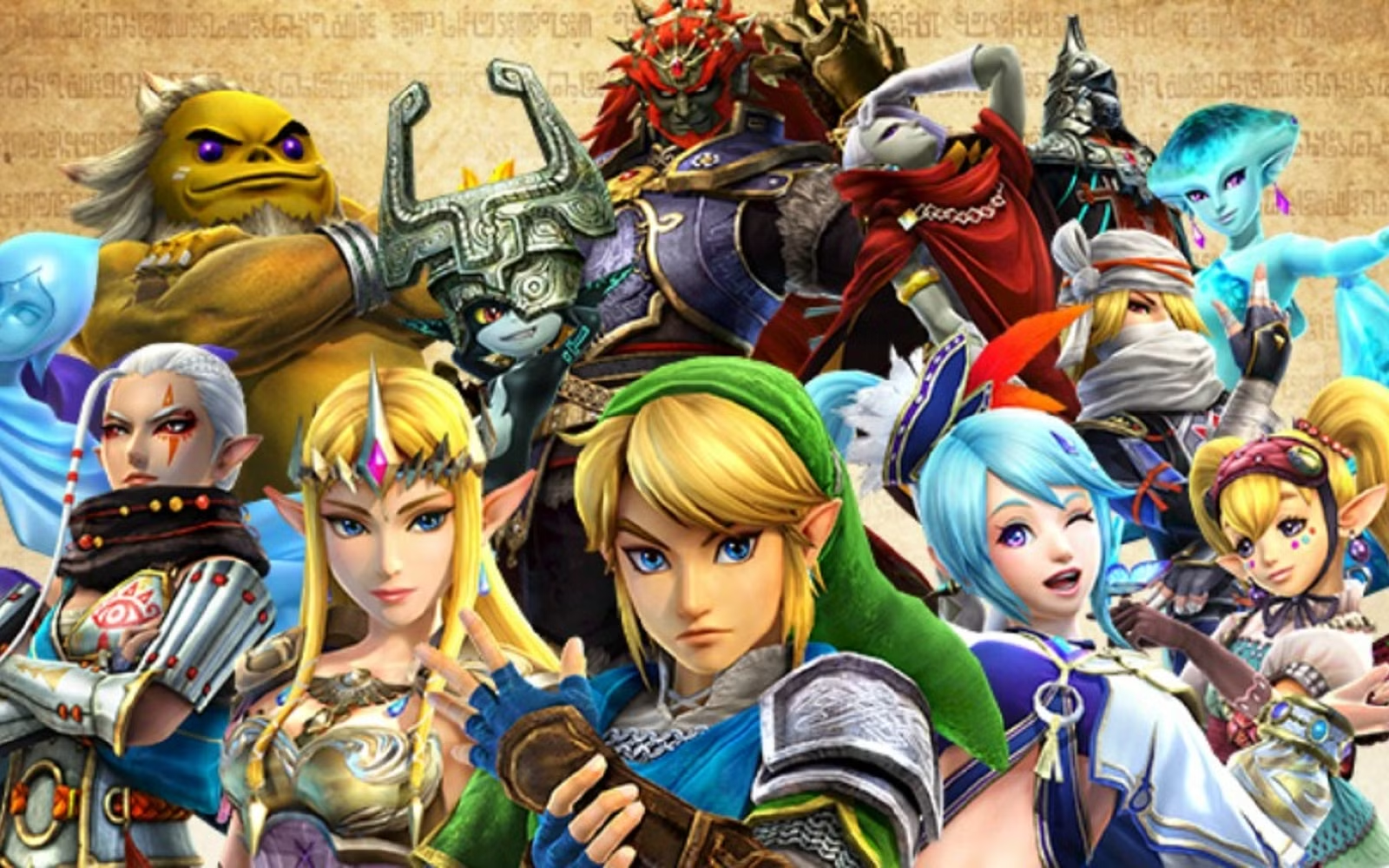
At the center of Zelda is a repeating triangle:
The franchise keeps remixing this conflict across centuries. Sometimes it is political. Sometimes it is magical apocalypse. Sometimes it is both before lunch.
That cycle is the real “main character” of the whole saga.
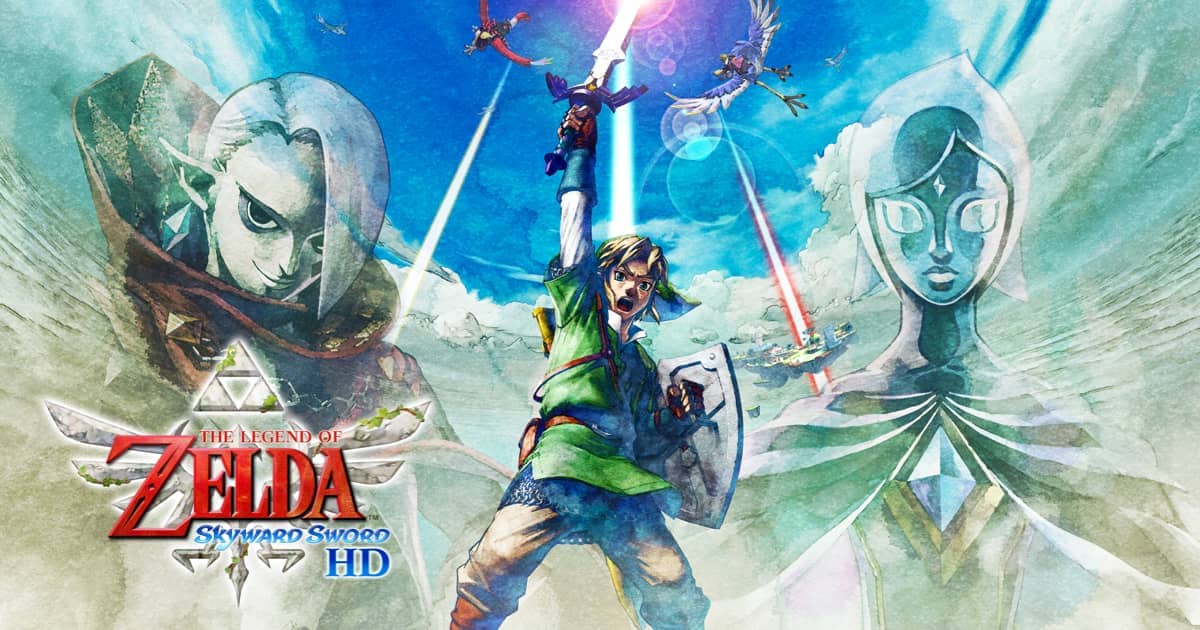
If you want the lore origin point, start with Skyward Sword.
This game establishes the early mythology behind the Master Sword, Hylia, and the foundational curse tied to Demise. That curse is why the conflict keeps returning across ages.
In simple terms:
Skyward Sword is the “why this keeps happening” chapter.
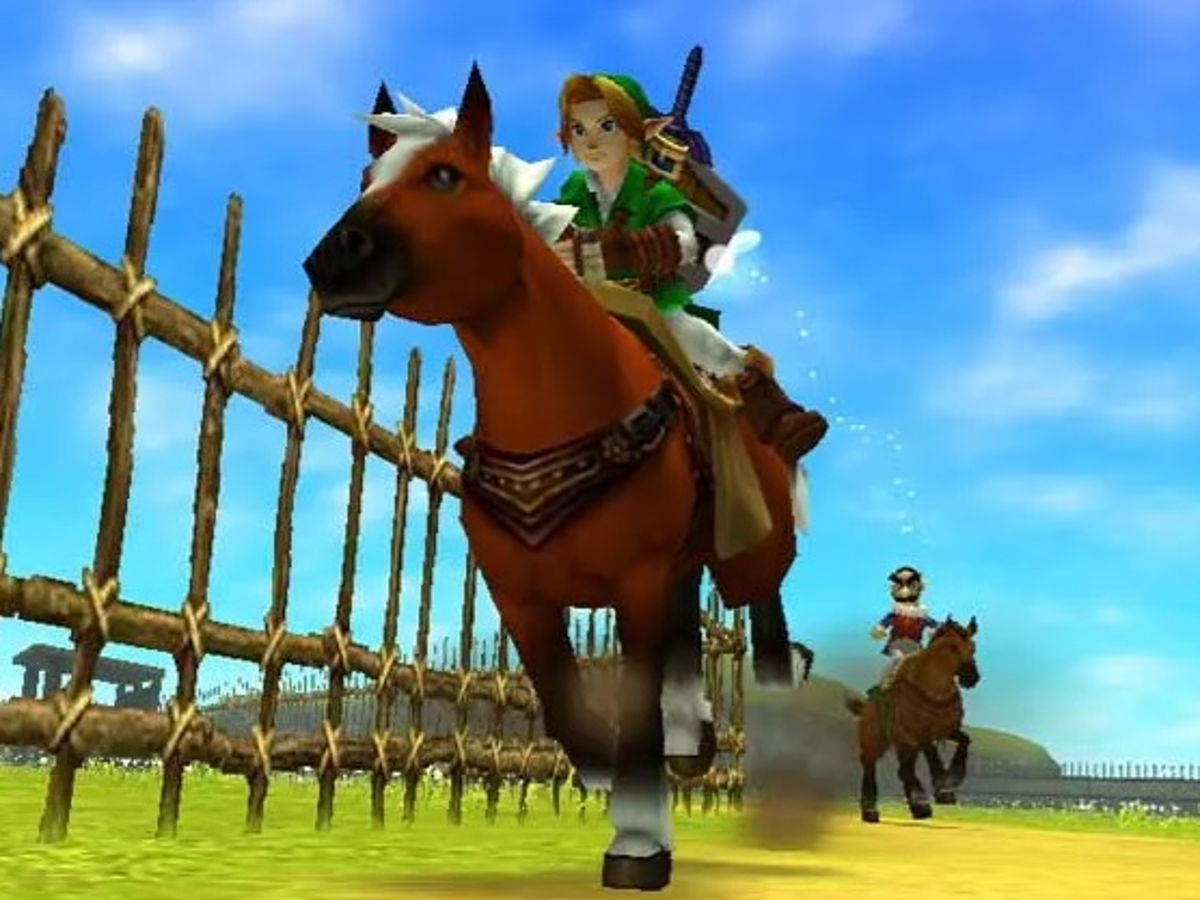
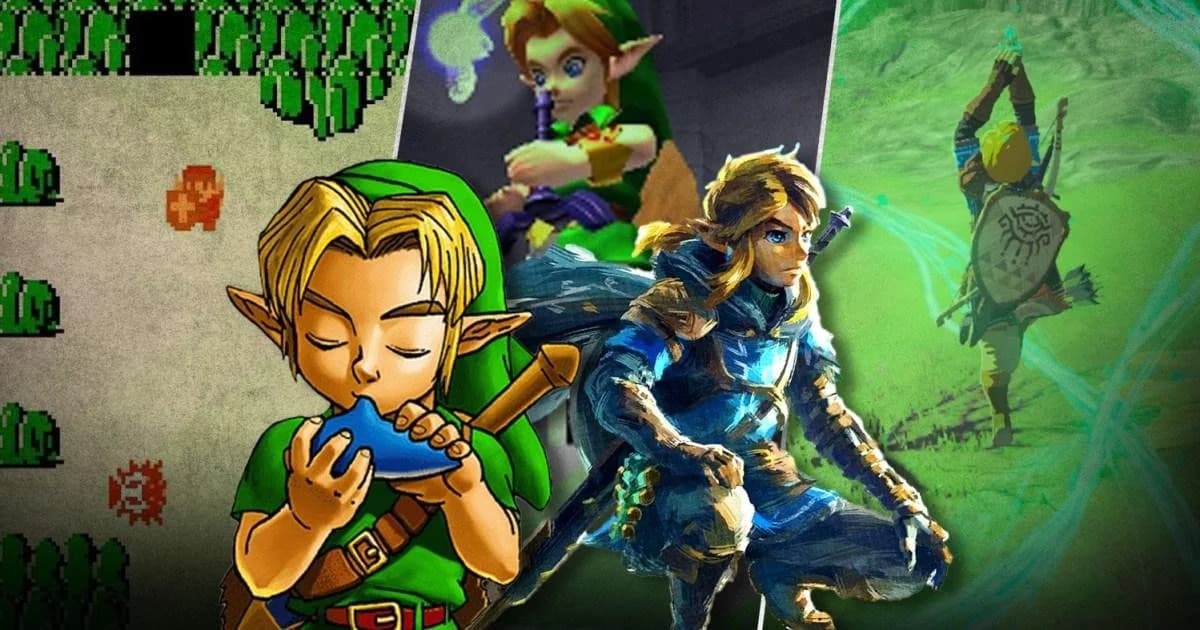
Ocarina Of Time is the timeline pivot that creates multiple branches.
By the end of the game, events produce different outcomes, and Nintendo’s official timeline separates into major paths instead of one straight line.
This is where Zelda lore goes from “classic fantasy saga” to “historical multiverse with swords.”
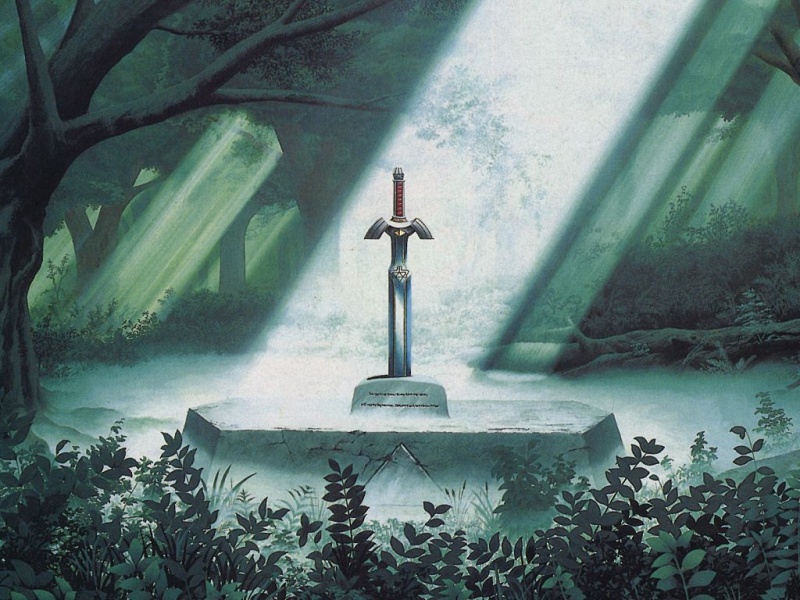
The Downfall branch explores outcomes where evil gains major ground and Hyrule enters darker eras of recovery and resistance.
Games in this legacy include classics like A Link to the Past and the original NES entries. The tone here is often “old legend, ancient ruins, and the kingdom hanging on by a thread.”
This path defines a lot of Zelda’s retro-era identity.
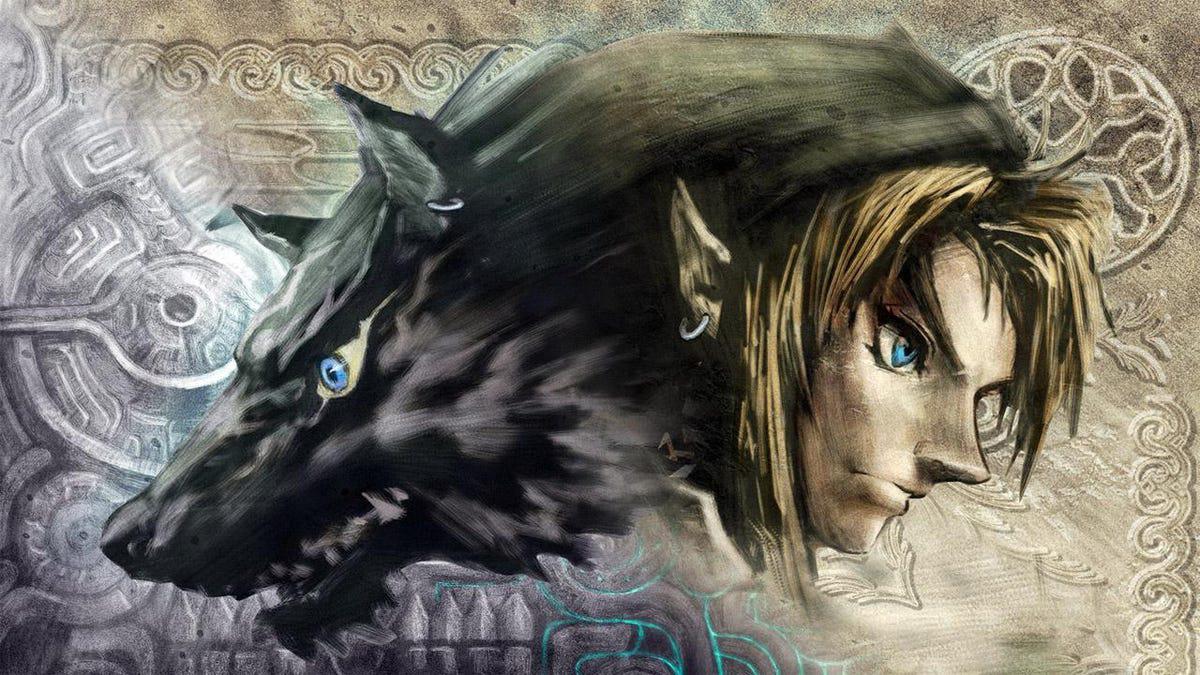
In this branch, Link returns and warns Zelda’s era, changing how events unfold.
This line includes major stories like Majora’s Mask and Twilight Princess, where the tone leans more personal, eerie, and politically tense. You still get classic heroism, but with heavier emotional undercurrents and “this kingdom has unresolved issues” energy.
Great games, surprisingly sad vibes.
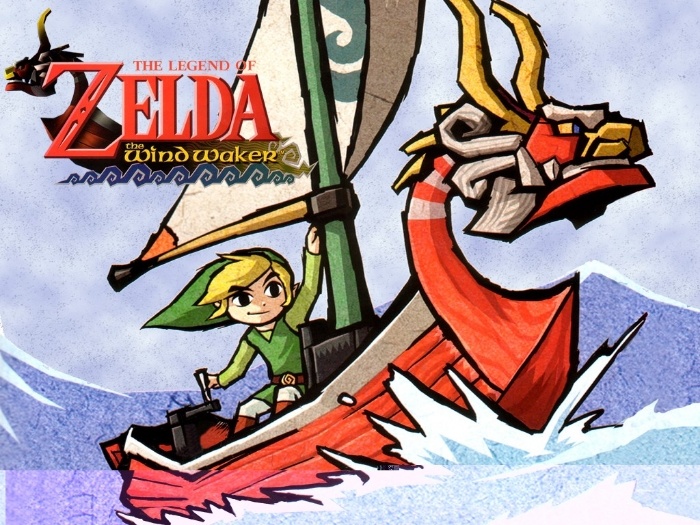
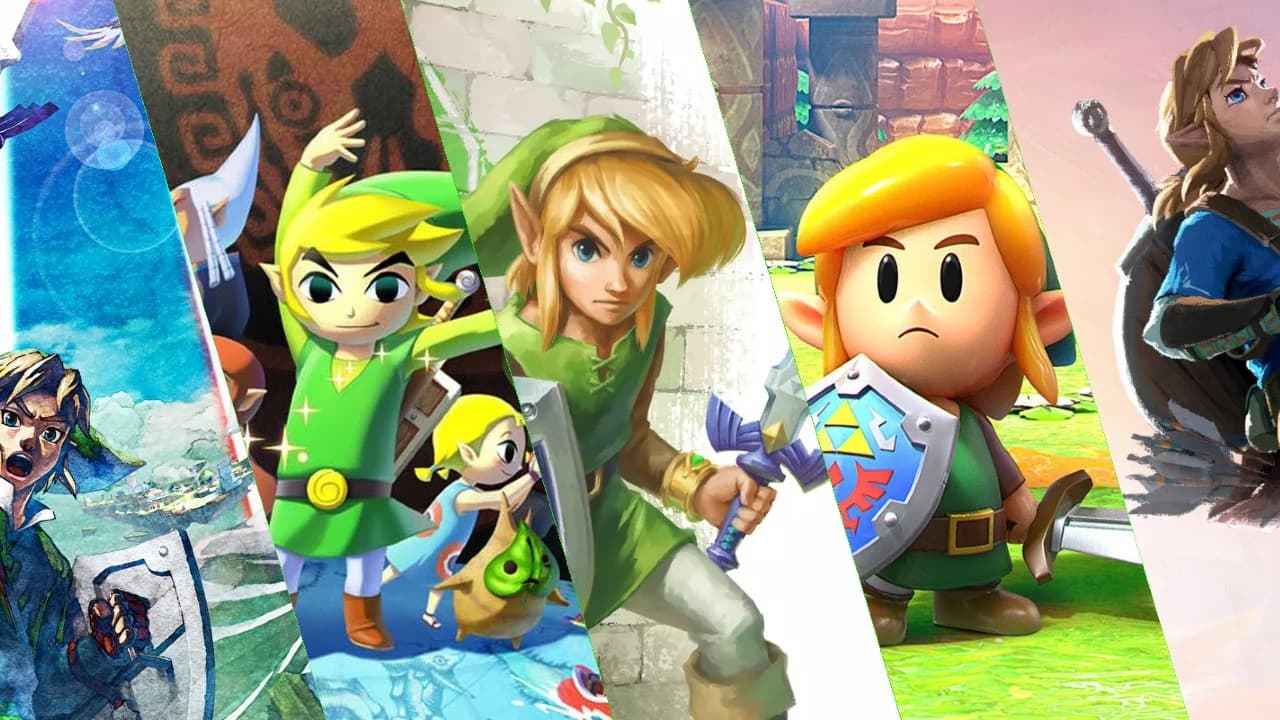
This branch explores a world that continues after the Hero of Time’s era, leading to settings like the flooded world of The Wind Waker.
It is one of Zelda’s most creative directions: bright style on the surface, deeply mythic melancholy underneath. History survives, but transformed. Kingdoms fall, legends persist, and new generations inherit old danger.
Basically: different ocean, same problems.
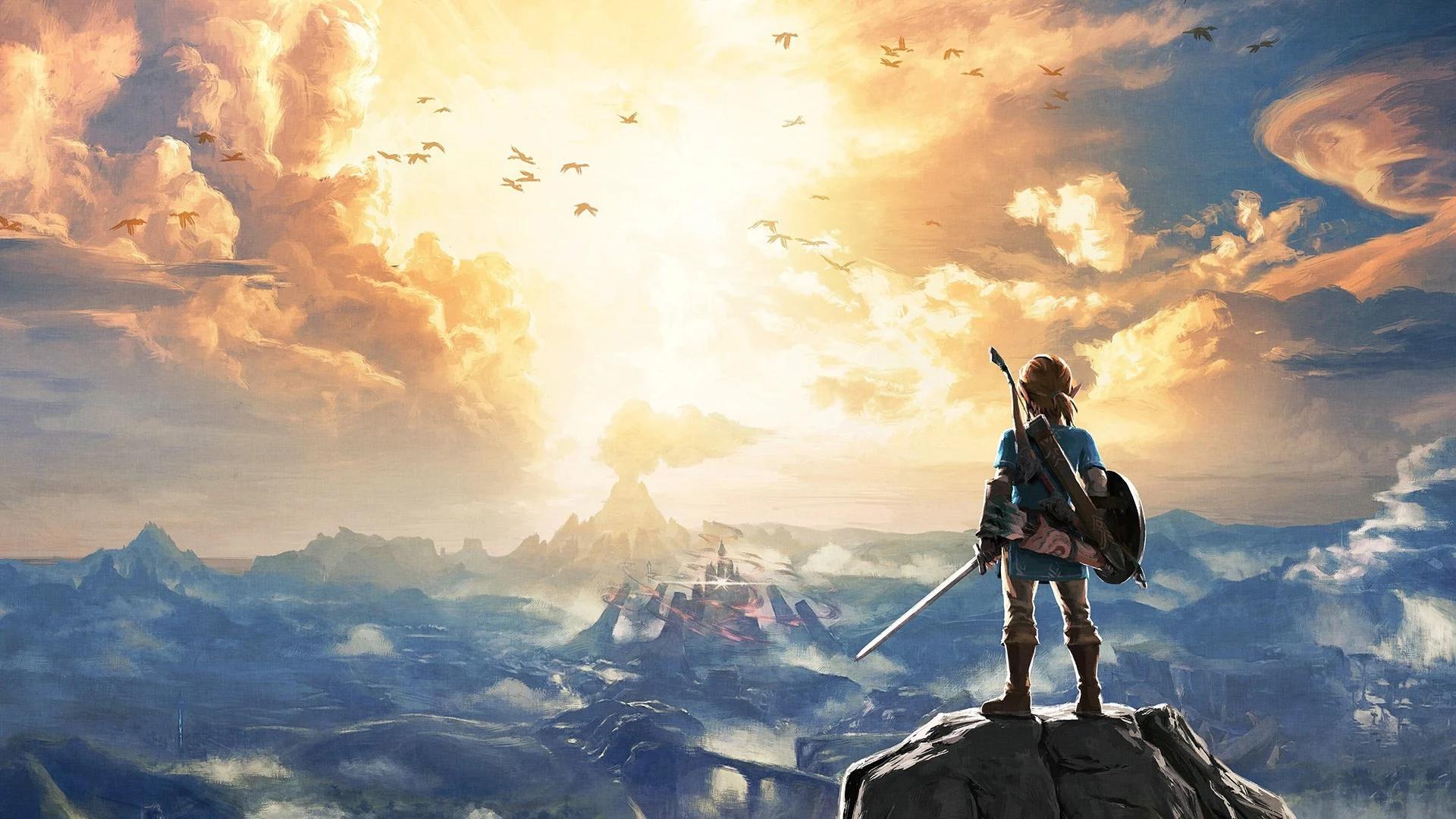
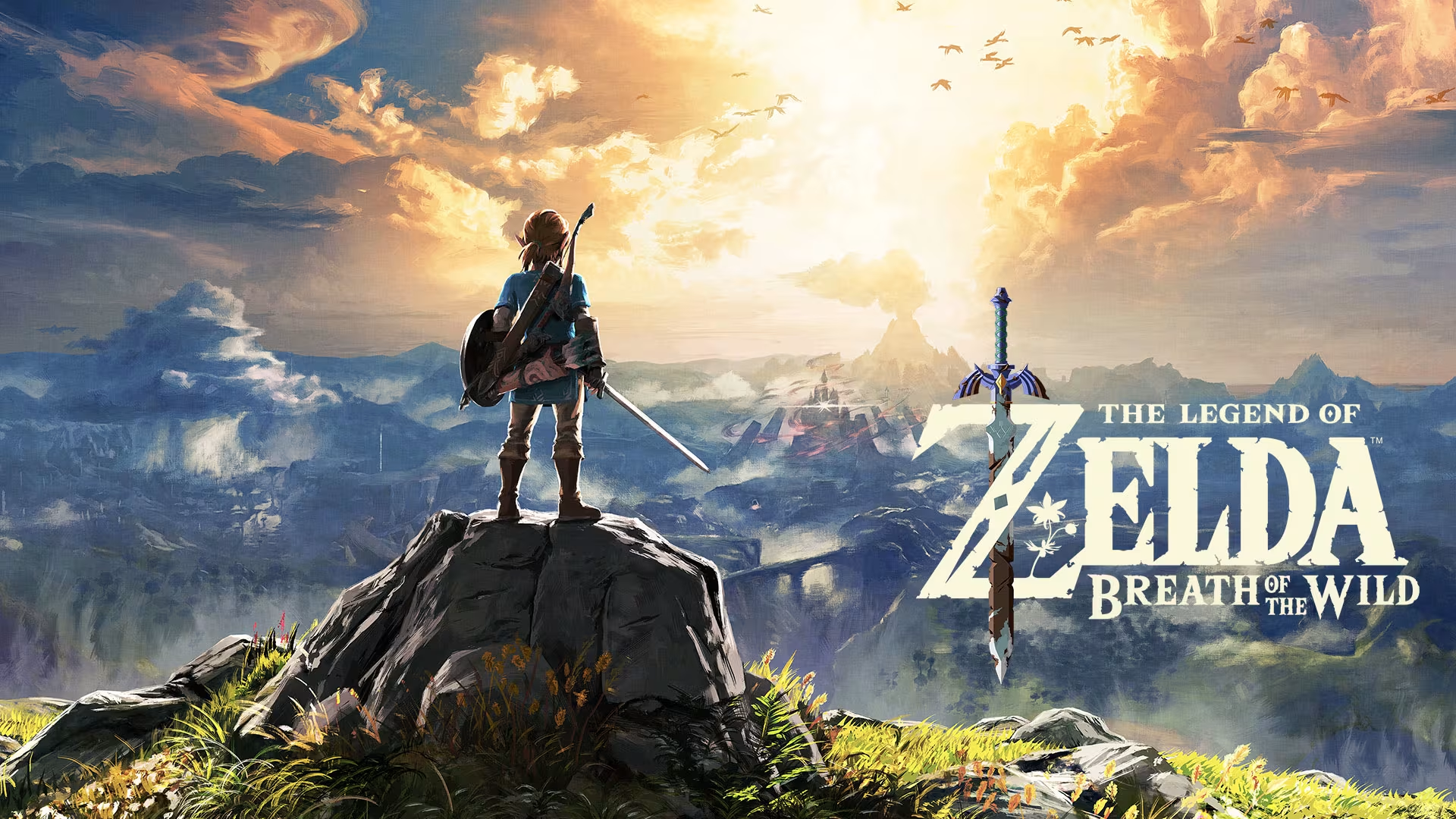
Breath of the Wild and Tears of the Kingdom are placed far in Hyrule’s distant future, after vast stretches of forgotten history.
Nintendo intentionally keeps exact branch placement less rigid here, which is honestly smart. These games treat older timelines as deep legend rather than strict checklist continuity.
So the practical reading is:
The real Zelda story is not “one linear family tree.”
It is a cyclical myth about three forces:
Hope, wisdom, and corruption.
Every era retells that struggle with new characters, new stakes, and new versions of Hyrule.
That is why the series can reinvent itself without breaking identity. It is always changing style, while keeping the same emotional core.
If you remember one thing, remember this:
Zelda is not messy because it is random.
It is layered because it is legendary.
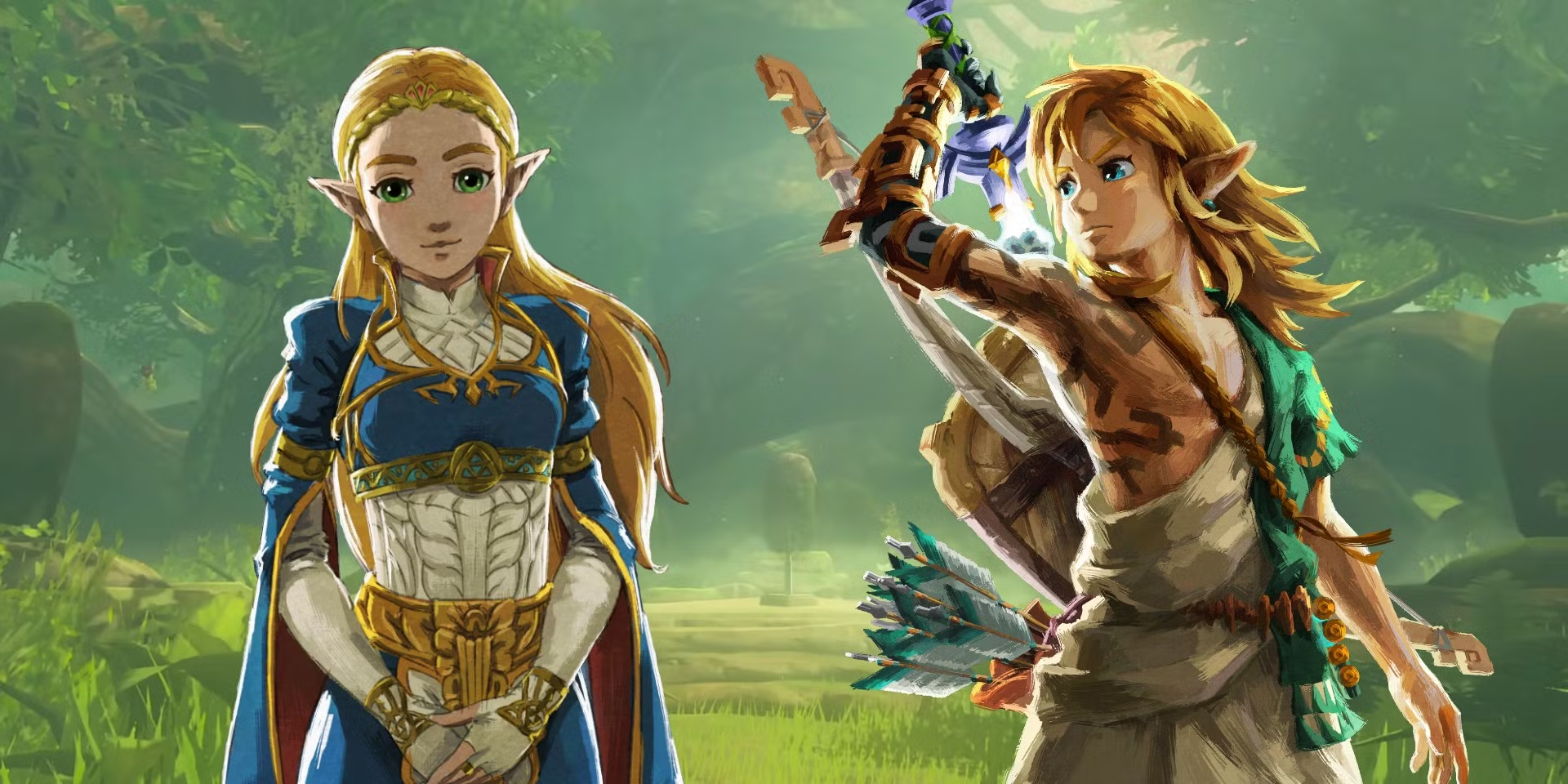
Different Links, different Zeldas, different ages, same central question:
Can courage and wisdom stop power from consuming the world again?
Sometimes yes.
Temporarily.
 SwitchNews
 SwitchNews
 SwitchNews
 SwitchGuide