
 AllMar 01, 2026
Resident Evil 9 review covering Requiem’s story, gameplay, Grace and Leon’s campaigns, survival horror mechanics and full verdict. No spoilers.
Resident Evil Requiem does something dangerous.
It lets you play both the most vulnerable version of survival horror in years and the most overpowered Leon we have ever controlled.
And somehow, it works.
After roughly 12 hours to complete the main story, plus hands-on impressions from early preview sessions in Japan, one thing is clear:
Requiem is not playing it safe.
Resident Evil Requiem splits its experience between Grace and Leon.
And the contrast is intentional.
Grace: Pure Survival Horror
Grace’s campaign feels like classic Resident Evil turned up to maximum tension.
Inventory space is limited.
Resources are scarce.
Every bullet matters.

Early previews suggested her sections were mostly about running from a mysterious creature. That is no longer the case. You gain access to handguns early on, but combat is punishing.
Zombies are durable. Clearing rooms is rarely efficient. You are constantly asking yourself:
Do I fight?
Do I sneak past?
Do I save resources for later?
That tension is the heart of Grace’s gameplay.
Requiem’s zombies feel disturbingly alive.
They repeat habits from their former lives:
They are not just slow-moving targets. They behave differently, attack differently, and react to the environment.
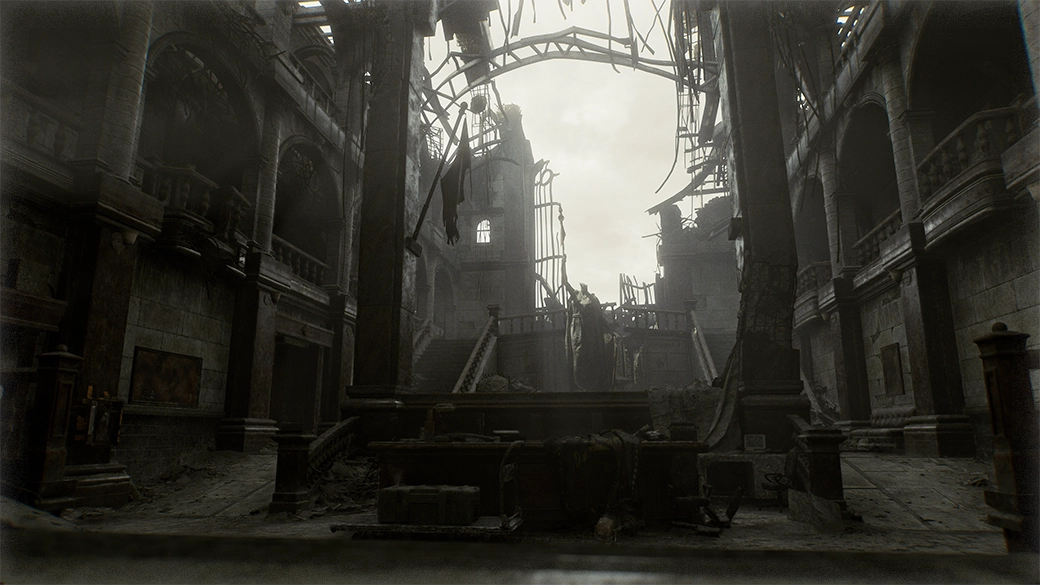
Some are distracted by blood.
Others react to light.
Some attack with wide-range shock-like bursts.
Learning their patterns is key.
And here is the twist.
Killed zombies can mutate and resurrect. Their heads burst open and they return stronger and faster.
Yes, it feels like Crimson Head energy. But even more relentless. You can prevent resurrection with a special crafting item called a blood ampoule. It triggers a violent explosion that permanently eliminates them.
It is effective.
It is brutal.
It is extremely limited.
Managing when to use it becomes a strategic decision. Grace’s campaign delivers some of the most intense resource management in the entire series.
Crafting plays a central role.
You can create various ammo types, healing items, blood ampoules, and even upgrades that increase maximum health.
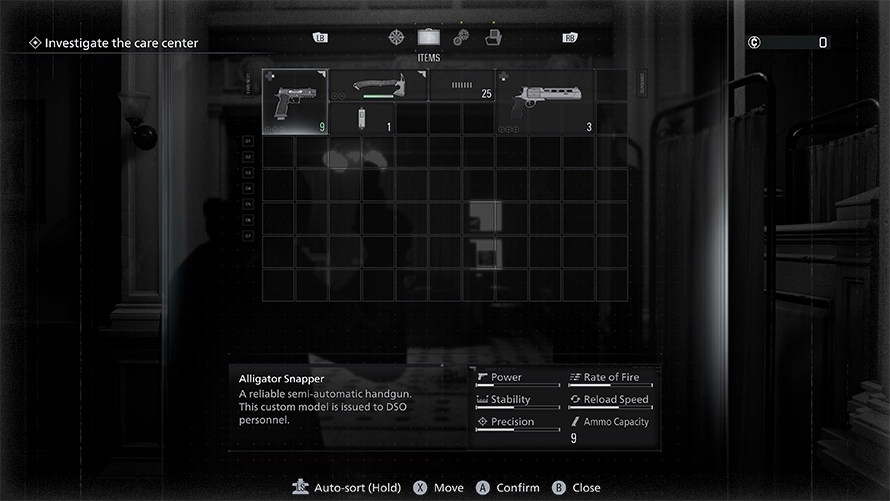
But nothing is abundant.
Inventory space starts small, similar to Resident Evil 2 Remake. Eight slots fill up fast. If you forget to use storage boxes wisely, you will be forced to leave valuable items behind.
Exploration matters. Finding expansion pouches early makes a significant difference.
Every decision has weight.
And everything changes.
If Grace represents classic survival horror, Leon represents controlled destruction.
Leon in Requiem feels like Resident Evil 4 Remake levels of power dropped into a Resident Evil 2-style world.
And he might be even stronger.

At 51 years old, Leon hits harder than he did at 27.
His melee system is expanded. His combat animations are brutal. His physical attacks deal massive damage.
He carries a tomahawk instead of a knife. It has durability, but can be sharpened to restore condition. It functions almost like an infinite-use survival tool.
It can:
Some finishers are devastating. Slam a zombie into a wall and it is done.
There are moments when Leon revisits areas previously explored by Grace.
Enemies that terrorised you earlier are still there.
But now, you have Leon.
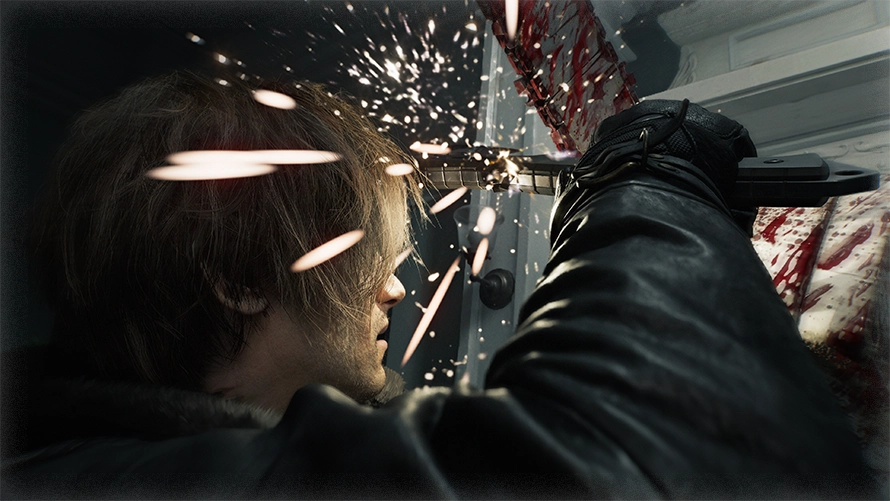
Cleaning up those encounters feels incredible. It captures that familiar Resident Evil satisfaction of returning stronger and more prepared.
Shotgun blast to the legs.
Tomahawk to the head.
Problem solved.
Still, not everything is easy. Stronger enemies remain dangerous. The game maintains balance by scaling threats appropriately.
It never becomes mindless.
Enemies can drop weapons.
Yes, including chainsaws.
If you rush to grab a running chainsaw carelessly, you will hurt yourself. Leon and zombies alike can get caught in chaotic crossfire.
Sometimes it turns into accidental zombie infighting. It is messy. It is loud. It is very Resident Evil.
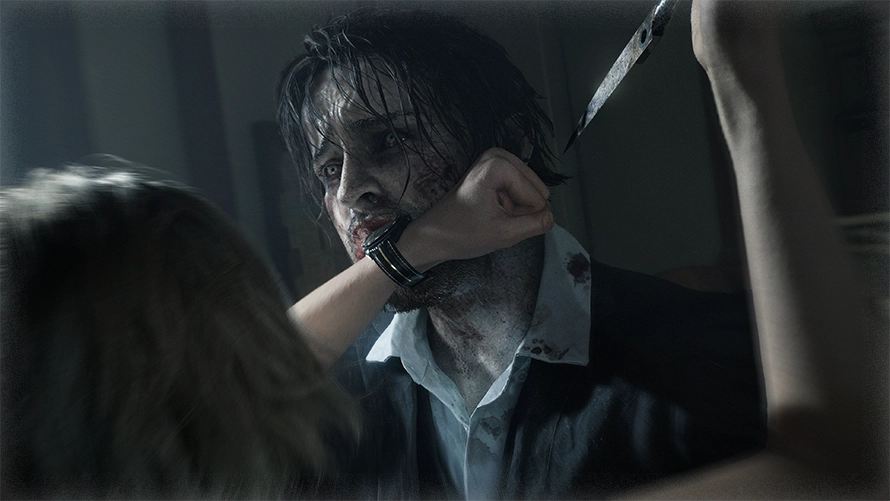
Without spoiling anything:
Requiem’s story is tightly connected to Resident Evil 2.
There are no awkward narrative gaps. No forced plot twists. Everything feels deliberately constructed.
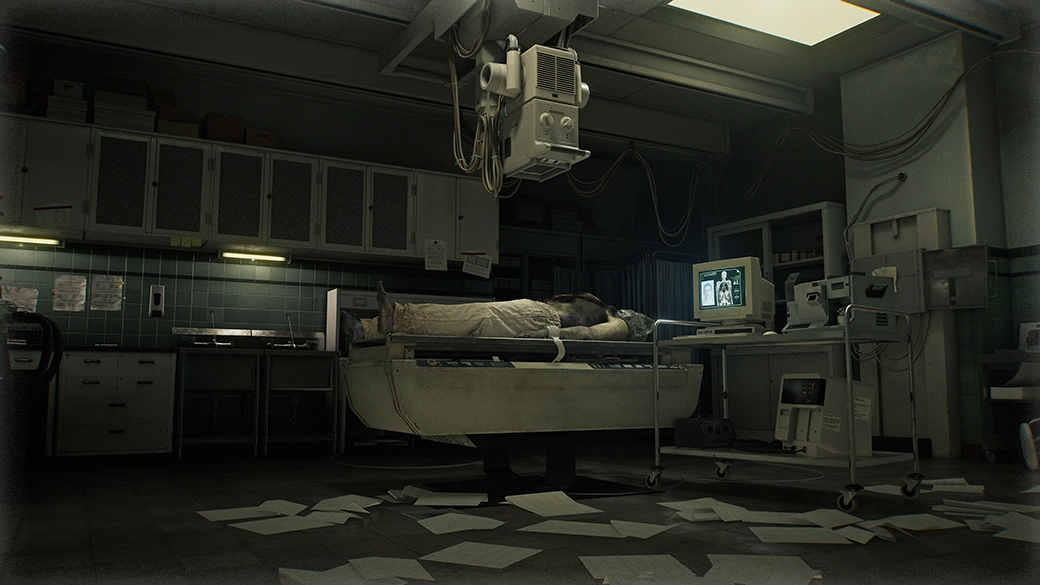
Grace is built well enough to carry future entries if Capcom chooses to continue her arc.
Leon remains Leon. Experienced. Hardened. Still capable of dominating a battlefield.
The cutscenes can feel slightly abrupt in transitions, but visually they are stunning.
Absolutely cinematic.
Almost every scene looks wallpaper worthy.
After the credits rolled, I sat there for a while.
This series means something to a lot of us.
Requiem understands that.
The first-person sections, particularly with Grace, can feel challenging for newcomers. Aiming does not always feel as punchy as Leon’s third-person combat.
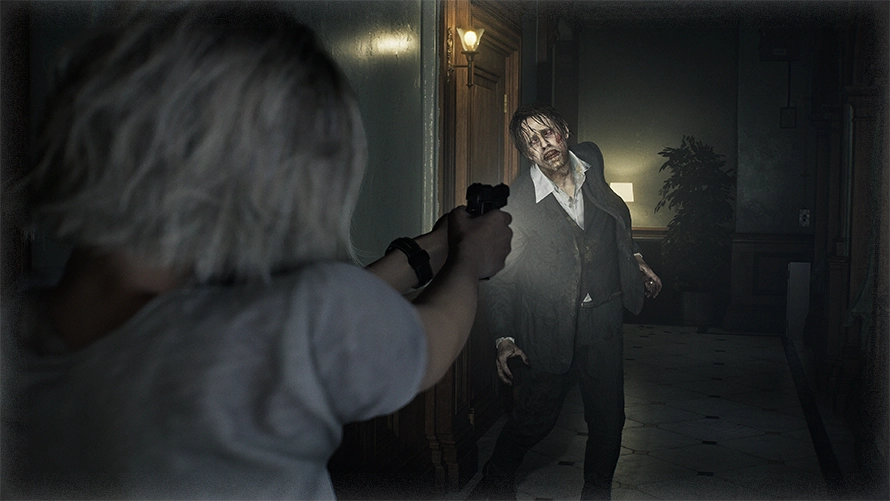
But the contrast is intentional.
Grace feels fragile.
Leon feels dominant.
The design choice works in service of tone.
Resident Evil Requiem manages to deliver two distinct identities:
Grace delivers classic survival tension.
Leon delivers high-level action mastery.
The pacing between the two keeps the experience fresh. Just as one side becomes overwhelming, the game shifts perspective.
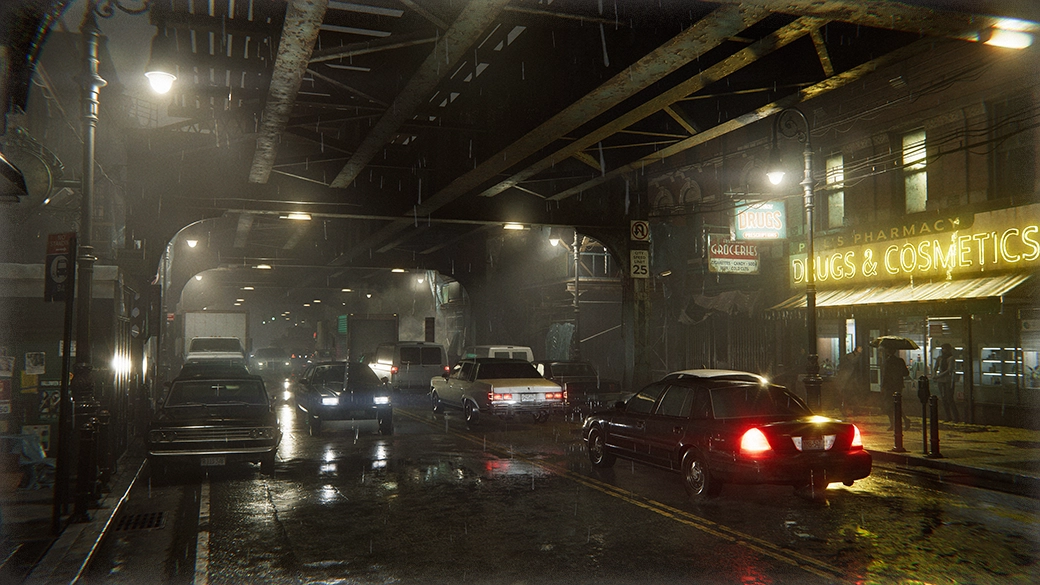
The result is a rhythm that constantly pushes and pulls the player.
Resident Evil Requiem feels like a peak moment for the franchise.
It respects the survival horror roots.
It embraces modern combat design.
It connects directly to Resident Evil 2 with confidence.
It is tense.
It is cinematic.
It is emotionally satisfying.

And if you love this series, there is a strong chance you will sit quietly after the credits, just letting it sink in.
No spoilers.
Just go play it.
Requiem balances classic survival horror with high-impact action, delivering one of the most engaging Resident Evil entries in recent years.
If you love the series, this is essential.
If you are new, it might test you.
Either way, it is absolutely worth playing.
Images Credit in this article: Capcom - Resident Evil
 AllNews
 AllGuide
 AllNews
 AllNews