
 AllFeb 28, 2026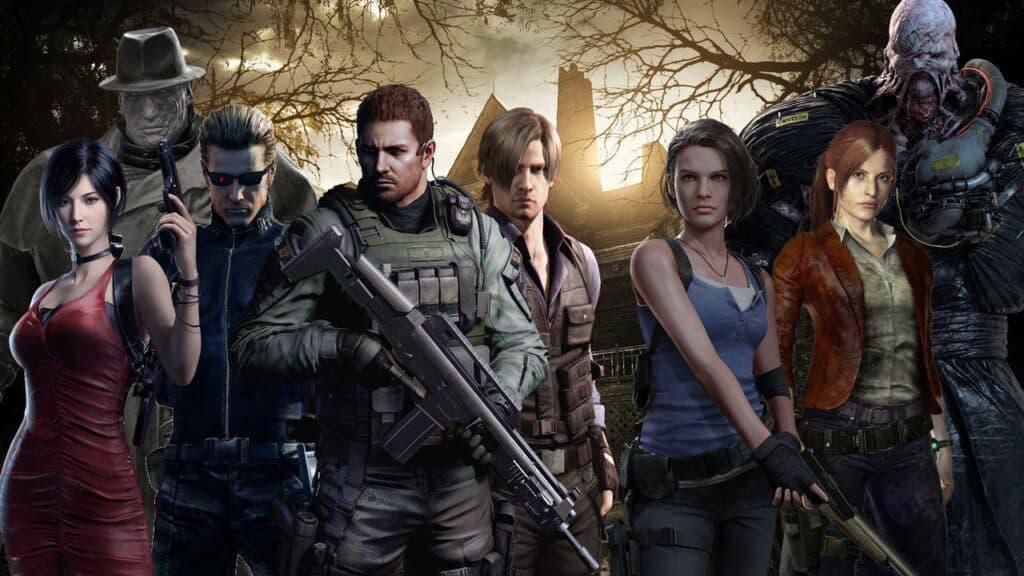
A clean timeline for the Resident Evil saga, from the Spencer Mansion to modern bioterror fallout.
Resident Evil is a long-running saga about viral outbreaks, secret labs, morally bankrupt corporations, and a company that somehow never learned the word “stop.”
If you have ever searched “Resident Evil timeline” and immediately regretted it, this guide is here to make things simple.

We will walk through the mainline story order, explain how the eras connect, and give you a clean play order if you just want the essentials.
No conspiracy board required.
Games:
This is where everything starts.
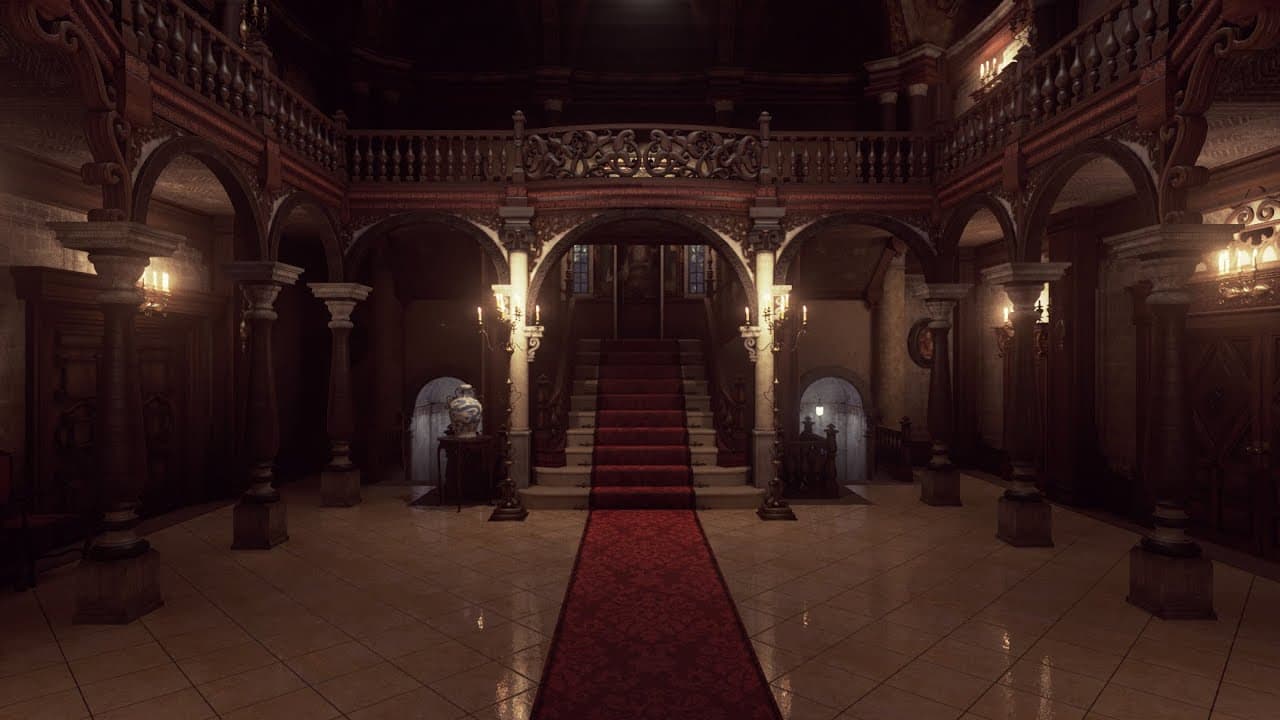
The original Resident Evil introduces the Umbrella Corporation, the T-virus, and the S.T.A.R.S. team. A mansion investigation turns into a viral nightmare. It establishes the tone: isolation, resource management, and slow-burn survival horror.
Resident Evil 2 and Resident Evil 3 escalate that outbreak into full urban collapse. Raccoon City becomes ground zero for corporate failure on a historic scale.
This era matters because:
If you only play one section of the Resident Evil timeline, this is the foundation.
Games:
After Raccoon City, the series shifts tone.
Resident Evil 4 moves the setting abroad and introduces new biological threats beyond traditional zombies. It also changes gameplay perspective and pushes the series toward a more action-forward design.
Resident Evil 5 expands the scale further, focusing on global anti-bioterror operations and bringing back legacy characters in a more militarized context.
Resident Evil 6 attempts to combine multiple storylines into one massive, globe-spanning narrative. It is ambitious. It is loud. It is divisive.
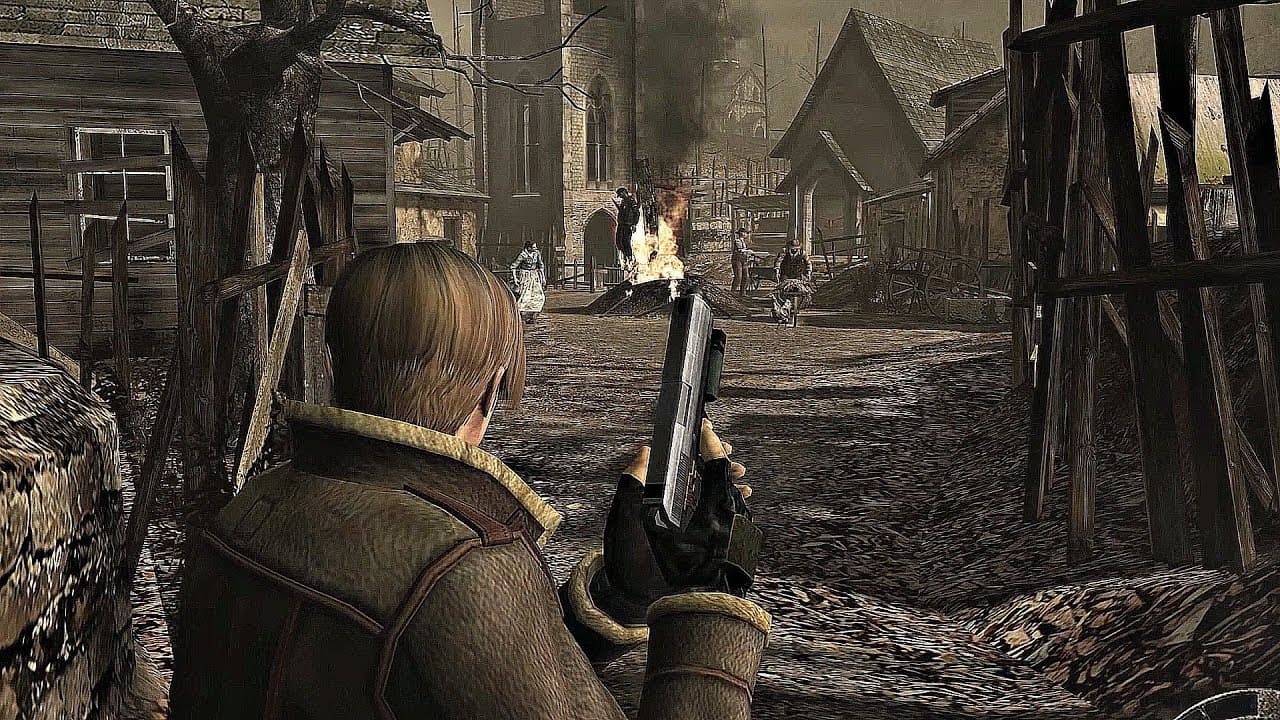
This era transforms Resident Evil from contained horror to international bio-weapon chaos.
The timeline during this phase becomes more complex as different organizations, viruses, and factions intersect. Umbrella may fall, but its legacy continues in new forms.
If the core outbreak era is intimate horror, this period is blockbuster escalation.
Games:
After the action-heavy stretch, Resident Evil pivots again.
Resident Evil 7 introduces a new protagonist and a more claustrophobic setting. The focus returns to slow pacing, atmosphere, and psychological tension. The camera shifts to first person, emphasizing immersion.
Resident Evil Village builds directly on RE7’s events while reintroducing more action elements. It balances spectacle with horror, connecting modern characters to legacy lore in subtle ways.
Resident Evil 9: Requiem continues the modern storyline and expands the series into its next chapter.
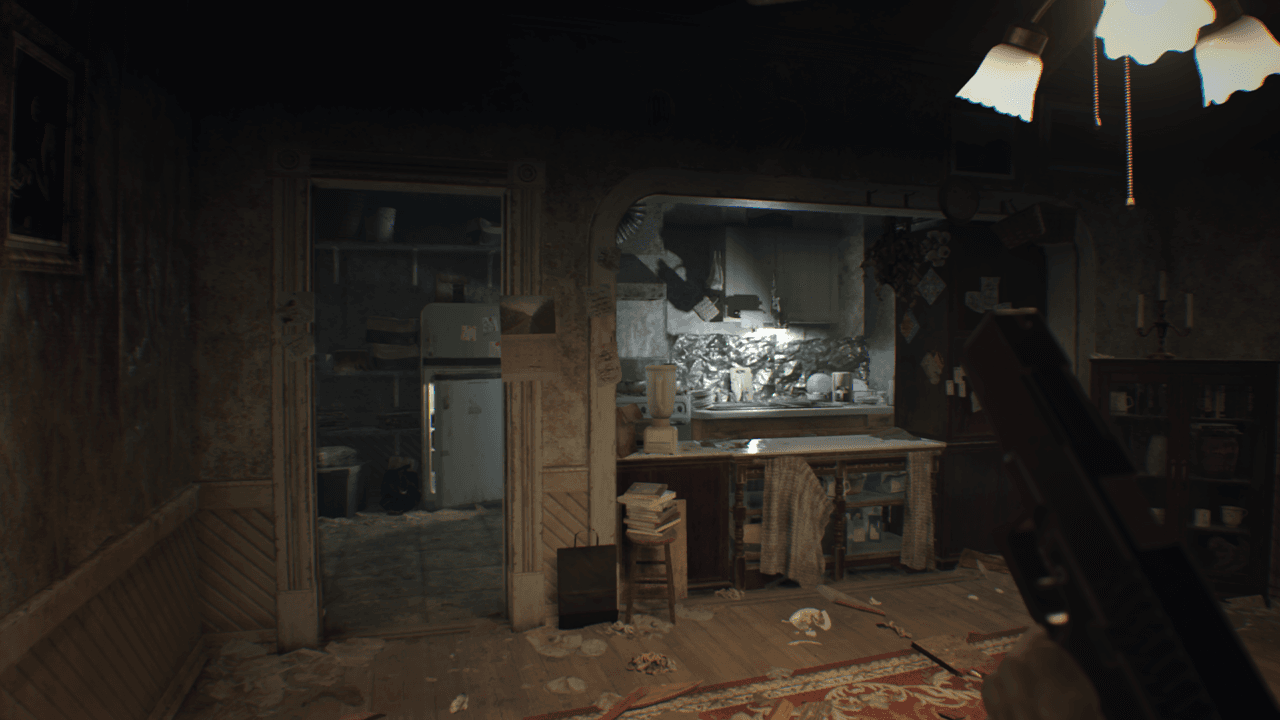
This era proves the franchise can evolve without abandoning its identity.
The modern timeline carries forward long-standing themes of bio-weapon experimentation and corporate secrecy while grounding them in more personal stakes.
At its core, the Resident Evil timeline revolves around three key threads:
1. The Umbrella legacy
2. The evolution of bio-weapons
3. Recurring characters dealing with the consequences
Umbrella’s collapse does not end the crisis. It simply decentralises it. Former researchers, splinter groups, and rival organisations continue experimenting with viruses.
Characters like Leon, Chris, Jill, and Claire serve as connective tissue across eras. Even when new protagonists appear, the past remains relevant.
The timeline is not strictly linear in tone, but it is consistent in theme.

Human greed. Corporate ambition. Biological escalation.
And someone inevitably trying to clean it up.
If you want the mainline story in chronological order:
Spin-offs and side stories expand the universe, but this list covers the primary narrative arc.
The remakes of Resident Evil, Resident Evil 2, and Resident Evil 3 retell the same events with updated gameplay and presentation.
For new players, the remakes are often the recommended way to experience the Raccoon City era. The timeline placement remains the same.
They are reinterpretations, not alternate timelines.
If you want the essential experience without committing to every title:
Play:
Then jump to:
This gives you:
It captures the franchise’s evolution without requiring every entry.
Resident Evil has reinvented itself multiple times without abandoning its core premise.
The series moves from mansion horror to city collapse, to global bio-terror, to intimate psychological survival. Yet the thread remains intact.
At its heart, Resident Evil is about consequences.
Consequences of unchecked experimentation.
Consequences of ambition.
Consequences that never quite stay buried.
If you are diving into the franchise, this timeline guide should keep you oriented without overwhelming you.
Umbrella may be gone.
The timeline, however, is very much alive.
 AllNews
 AllGuide
 AllNews
 AllNews