
 AllMar 05, 2026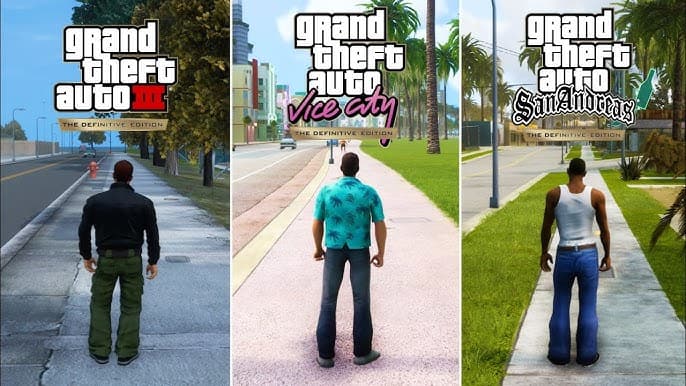
Confused by the GTA timeline? Here is the full Grand Theft Auto timeline guide with release order, story chronology, universe splits, and canon explained in plain English.
The Grand Theft Auto timeline looks simple until you spend five minutes on it.
Then suddenly you are asking:
“Wait, is CJ in the same universe as Franklin?”
And the answer is: Nope. Different GTA universe. Different continuity. Same chaos.
This guide breaks down GTA timeline canon in the cleanest way possible:
- release order
- story order
- universe splits
- where GTA Online fits
- where GTA VI lands
No conspiracy board required.
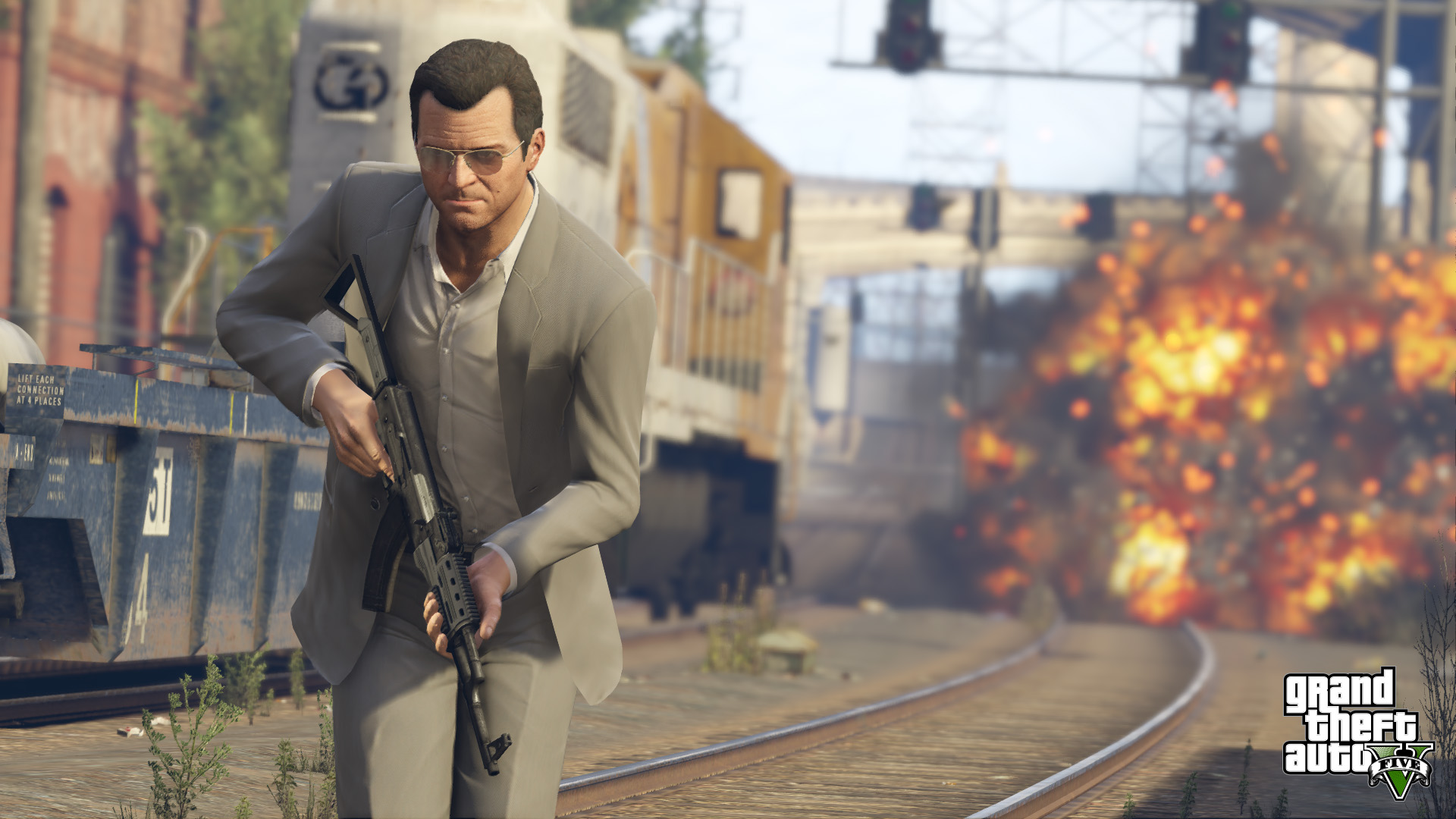
Rockstar splits GTA into three separate universes:
Important rule:
If two games are in different universes, their story continuity does not carry over directly.
So yes, you can stop trying to calculate Tommy Vercetti’s opinion on Trevor.
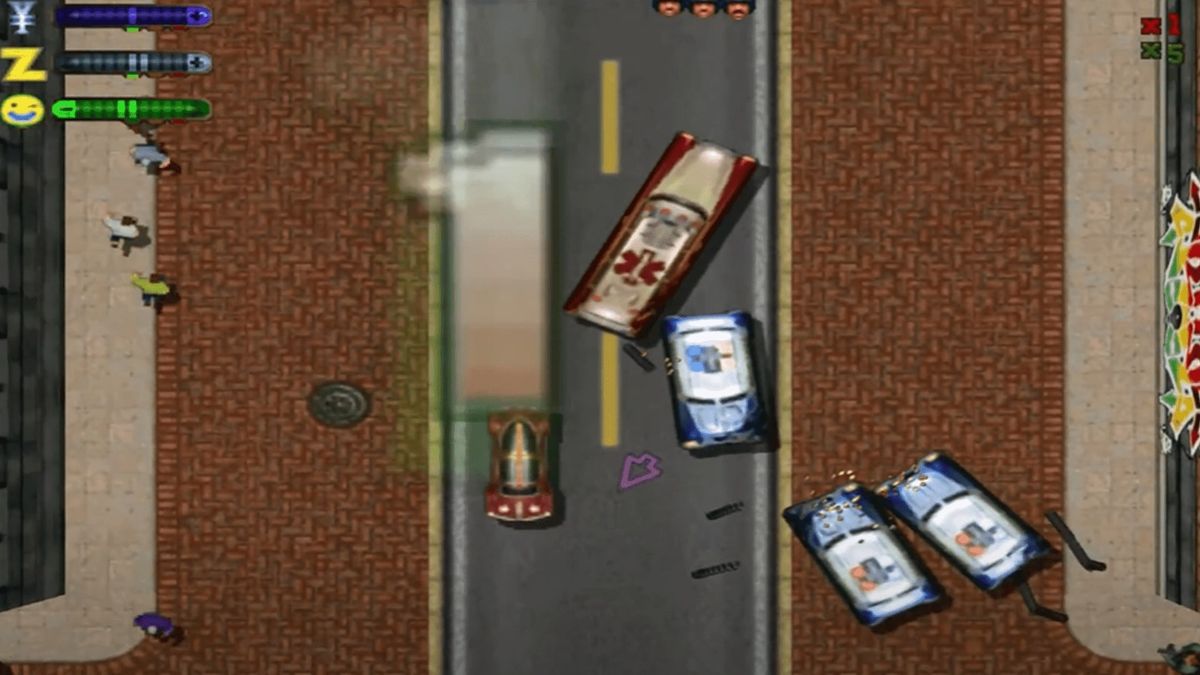
The 2D era is where GTA started as a top-down open-world crime sandbox.
Main games in this continuity:
- Grand Theft Auto (1997)
- Grand Theft Auto: London 1969 (1999)
- Grand Theft Auto: London 1961 (1999)
- Grand Theft Auto 2 (1999)
These games built the DNA: car theft, wanted levels, city freedom, and “do crimes, get paid.”
Story links exist, but canon was still loose compared to modern GTA narrative structure.
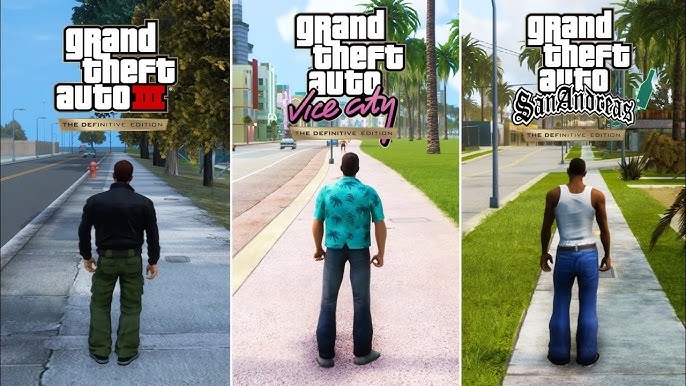
The 3D Universe is the era that turned GTA into a global monster.
Core games:
- Grand Theft Auto III (2001)
- Grand Theft Auto: Vice City (2002)
- Grand Theft Auto: San Andreas (2004)
- Grand Theft Auto Advance (2004)
- Grand Theft Auto: Liberty City Stories (2005)
- Grand Theft Auto: Vice City Stories (2006)
This universe shares recurring places, gangs, references, and characters across games.
If you think of “classic GTA nostalgia,” this is probably what your brain means.
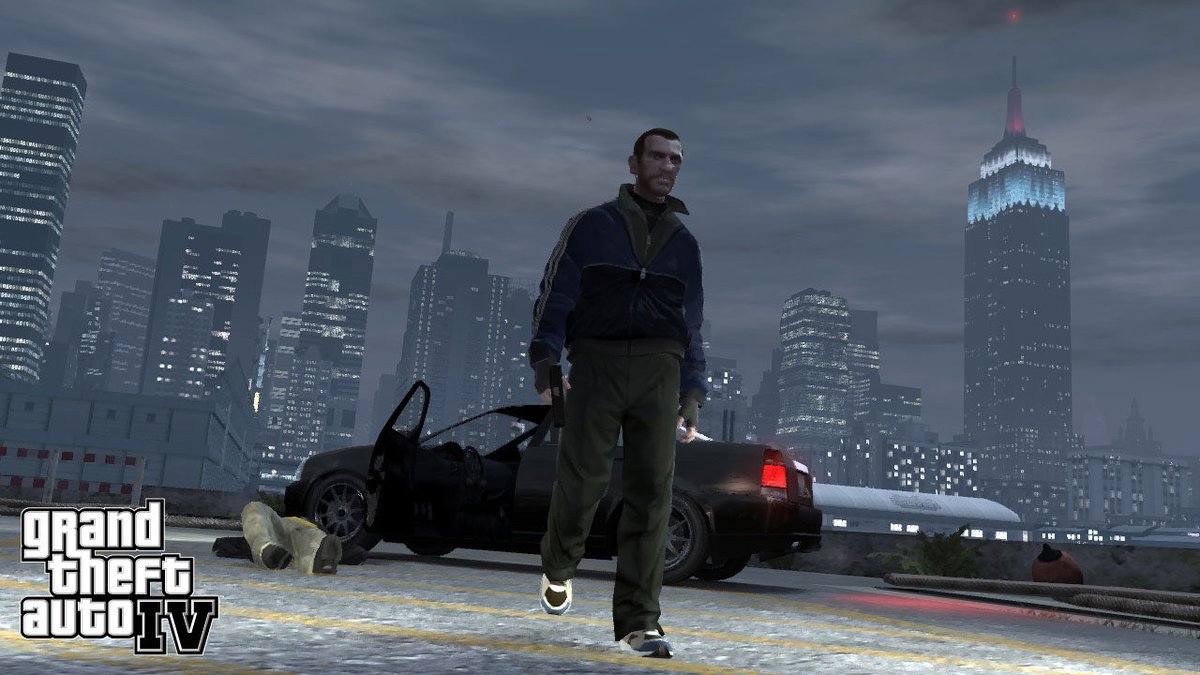
The HD Universe is Rockstar’s modern, current GTA canon.
Main entries:
- Grand Theft Auto IV (2008)
- The Lost and Damned (2009)
- The Ballad of Gay Tony (2009)
- Grand Theft Auto: Chinatown Wars (2009)
- Grand Theft Auto V (2013)
- Grand Theft Auto Online (2013–present)
- Grand Theft Auto VI (officially listed as coming May 26, 2026 on Rockstar’s GTA VI page)
This is the timeline you should care about most for current and future GTA story references.

If you want to play strictly by launch date, use this order:
This is the best route if you want to feel the franchise evolution step by step.
If your goal is timeline clarity instead of historical archaeology, use this:
3D Universe Story Sequence
HD Universe Story Sequence
This is the cleanest way to avoid universe confusion.
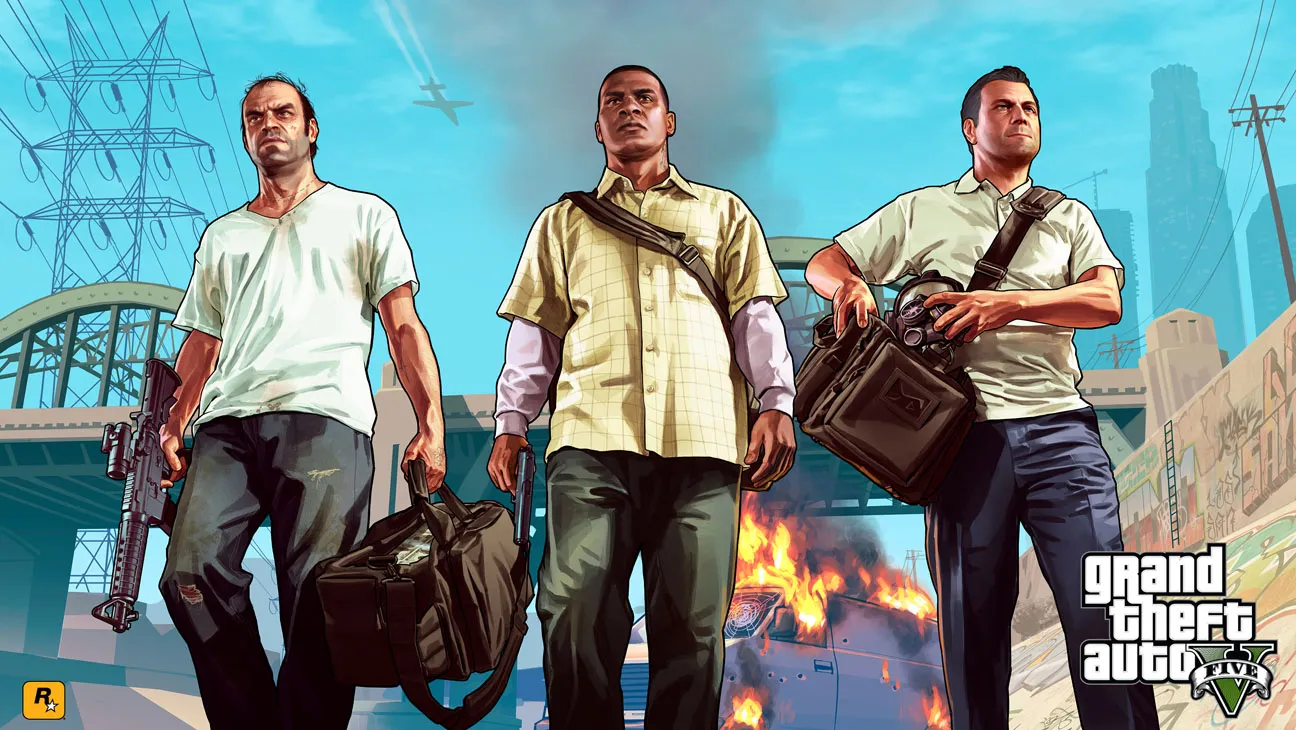
GTA Online exists in the HD universe and launched with GTA V.
Early content aligns closely with the GTA V era timeline. Over years of updates, Rockstar pushed Online forward with newer events, characters, businesses, and tech progression.
So if you ask, “Is GTA Online canon?” the answer is basically yes, within HD-universe context, even if some seasonal madness feels like Rockstar letting chaos cook.
Which is very on-brand.
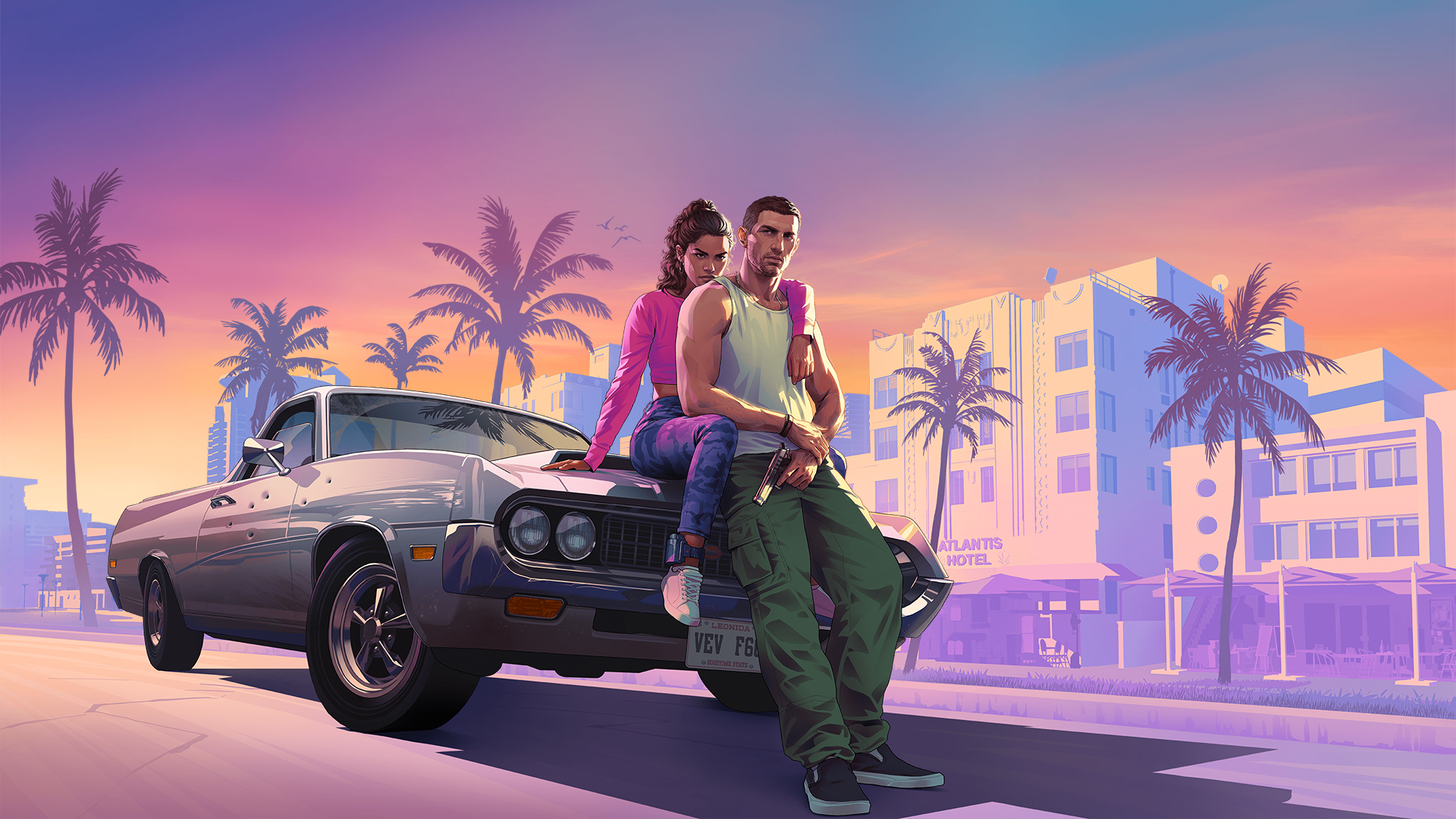
Yes. GTA VI is part of the HD Universe continuity, not the old 3D continuity.
That means:
- no direct canon carryover from the PS2-era protagonists
- modern timeline rules from GTA IV/V era apply
- references and themes can return, but universe continuity stays separate
So no, CJ is not secretly running a Leonida startup empire in official canon.
If you just want the most relevant timeline experience today:
If you want retro context, add 3D universe classics after that.
If you want everything, clear your calendar and maybe warn your loved ones.
The GTA timeline is not one giant straight line. It is three different continuity buckets.
That is why timeline arguments go off the rails fast:
people are mixing universes.
Remember this and you are instantly ahead of most internet comment sections:
- 2D = origin era
- 3D = PS2-era legend run
- HD = current canon (IV, V, Online, VI)
And now you can confidently explain GTA canon without sounding like you just invented a theory at 2 AM.
 AllNews
 AllGuide
 AllNews
 AllNews