
 AllMar 09, 2026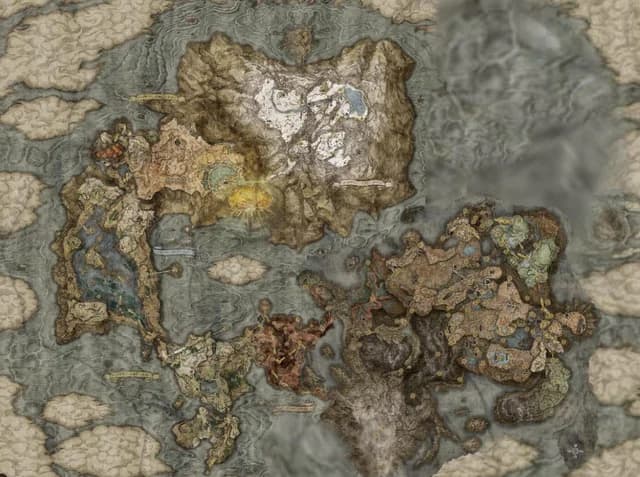
Elden Ring story explained in plain language: the Golden Order, the Shattering, the demigod war, major endings, and where Shadow of the Erdtree fits.
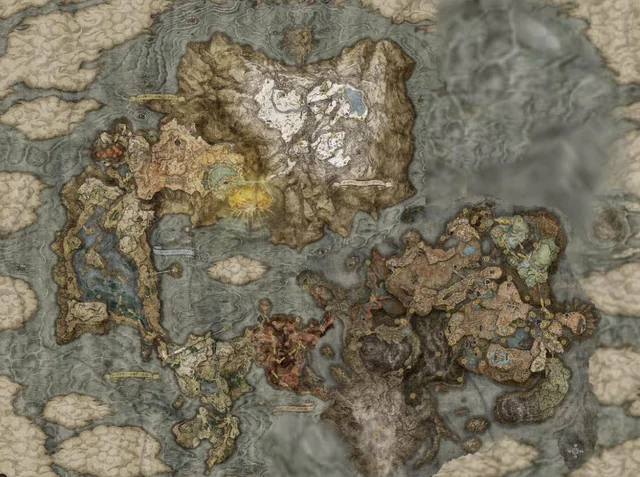
Elden Ring lore looks confusing at first because everyone speaks in prophecy, half the plot is in item descriptions, and no one in the Lands Between believes in clear communication.
But the big picture is simple:
Power breaks.
Families implode.
You show up late and fix history with violence.
This guide explains the full Elden Ring story in plain language, from the Golden Order to the endings and the Shadow of the Erdtree era.
At its core, Elden Ring is about who gets to define order when the old system fails.
The recurring cycle is:
So yes, there are dragons and magic swords, but the real plot is politics with boss fights.

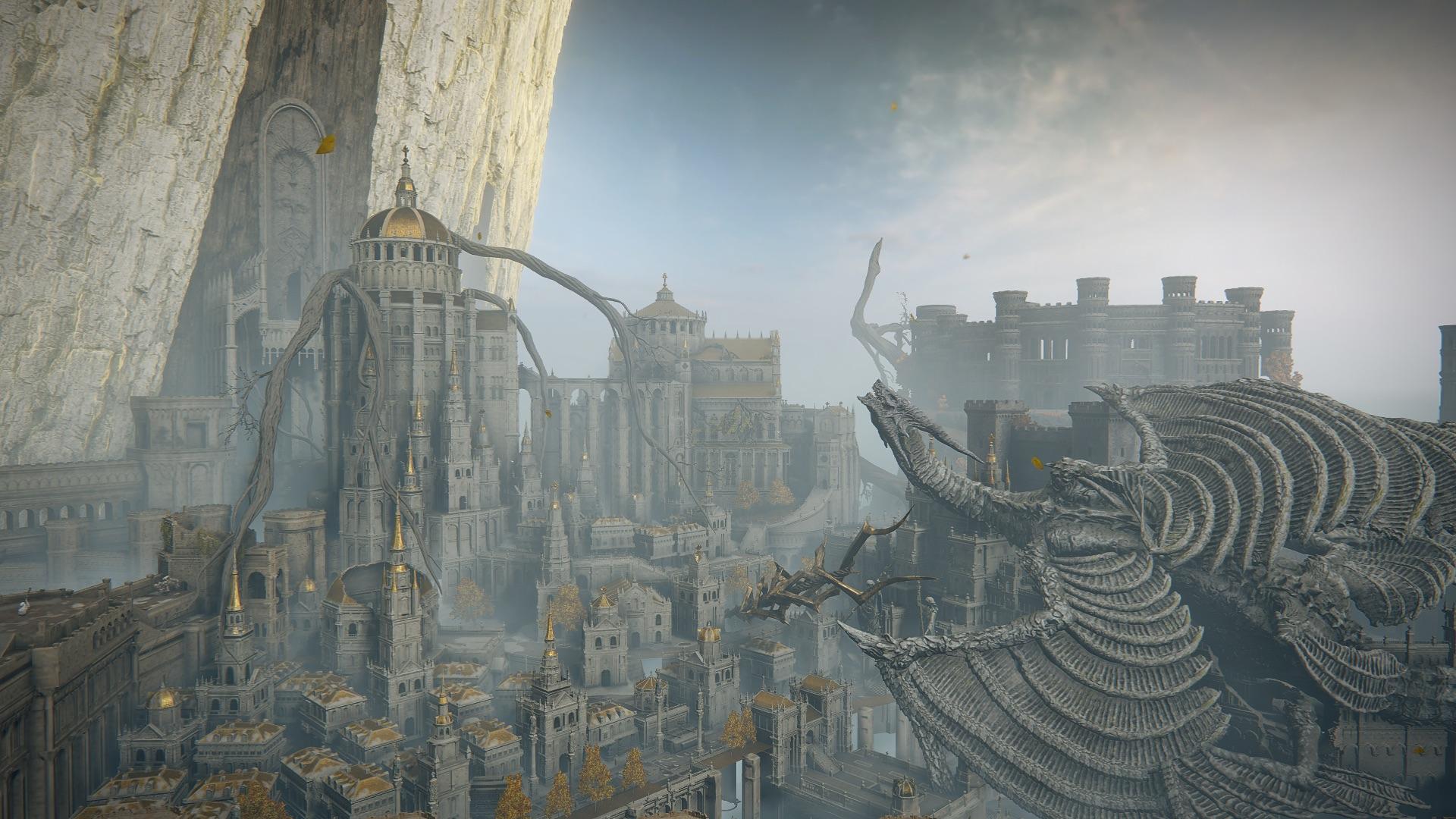
Before everything collapsed, the Lands Between were structured under the Golden Order, tied to the Erdtree and the influence of the Greater Will.
This system promised cosmic stability, but it was also hierarchical, rigid, and enforced through divine authority. In other words, it worked until it really, really did not.
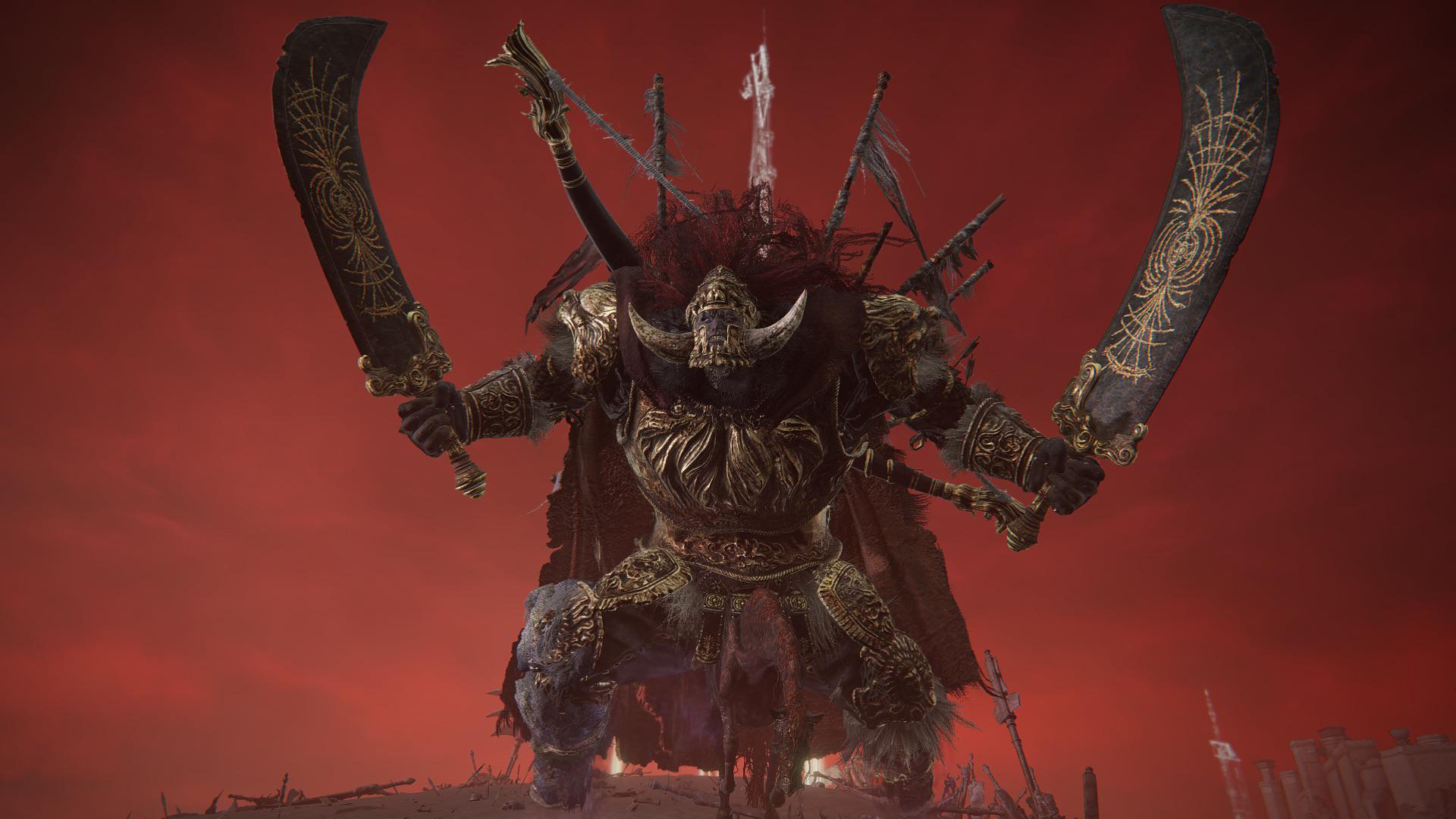
The key collapse starts with the Night of the Black Knives, an assassination event that destabilizes everything.
Then comes the Shattering: demigods claim Great Runes and wage war for dominance, but nobody truly wins. The world fractures into regions ruled by power-hungry survivors, zealots, and haunted legends.
This is Elden Ring's central historical trauma: everyone wants legitimacy, everyone brings armies.
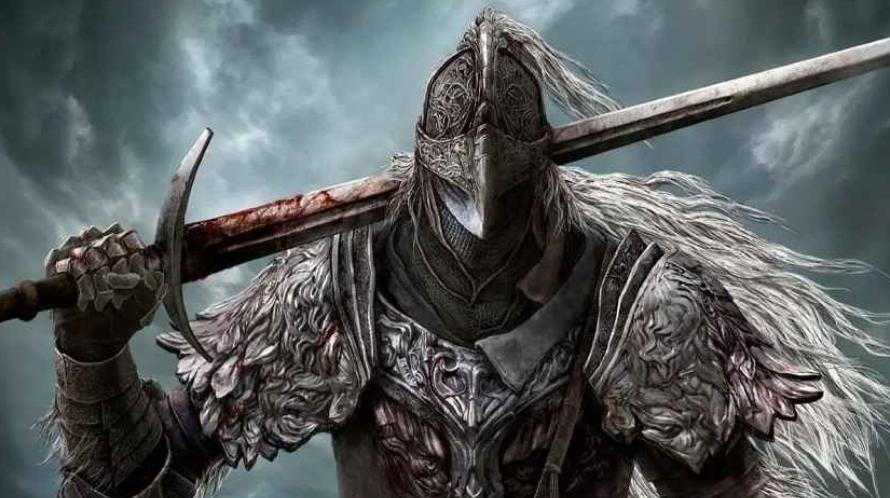
The Tarnished, once exiled, are called back by Grace after the old system fails to self-correct.
Your role is to gather Great Runes, confront the major powers, and reach the Erdtree. From there, the story becomes a choice: mend the existing order, reform it, or burn the whole model down.
So yes, you are a hero.
But you are also an uninvited auditor with a sword.
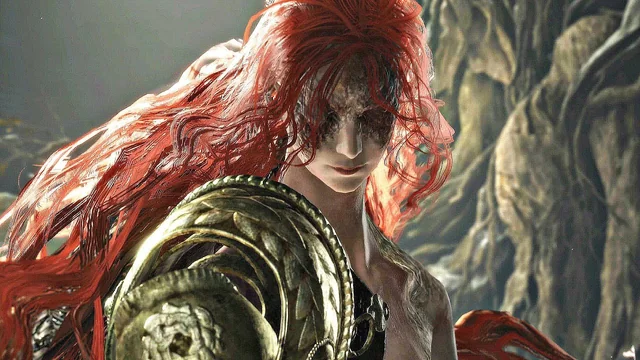
The major demigod figures represent different failed answers to power:
They are not random bosses. They are political ideologies with health bars.

Melina guides your journey and anchors the emotional stakes of sacrifice and purpose.
Ranni offers a separate route that rejects the existing order and pushes toward a different cosmic framework. Her ending path is one of the game's most important alternatives to simple restoration.
Together, they frame Elden Ring's biggest question: fix the system, replace it, or leave it behind?
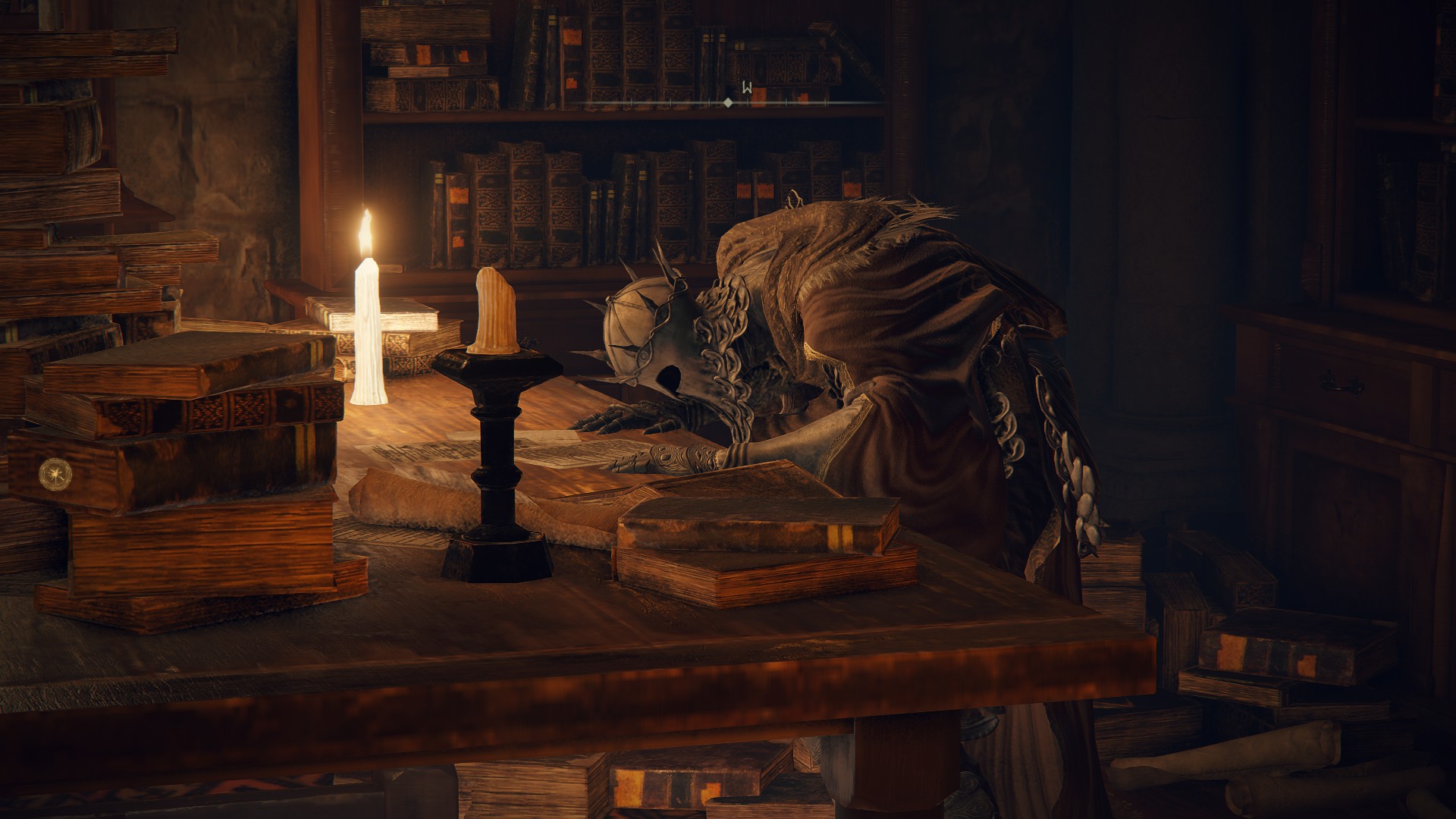
The ending you choose defines the post-war philosophy of the world:
None are framed as "perfect." Elden Ring prefers tradeoffs, not fairy tales.
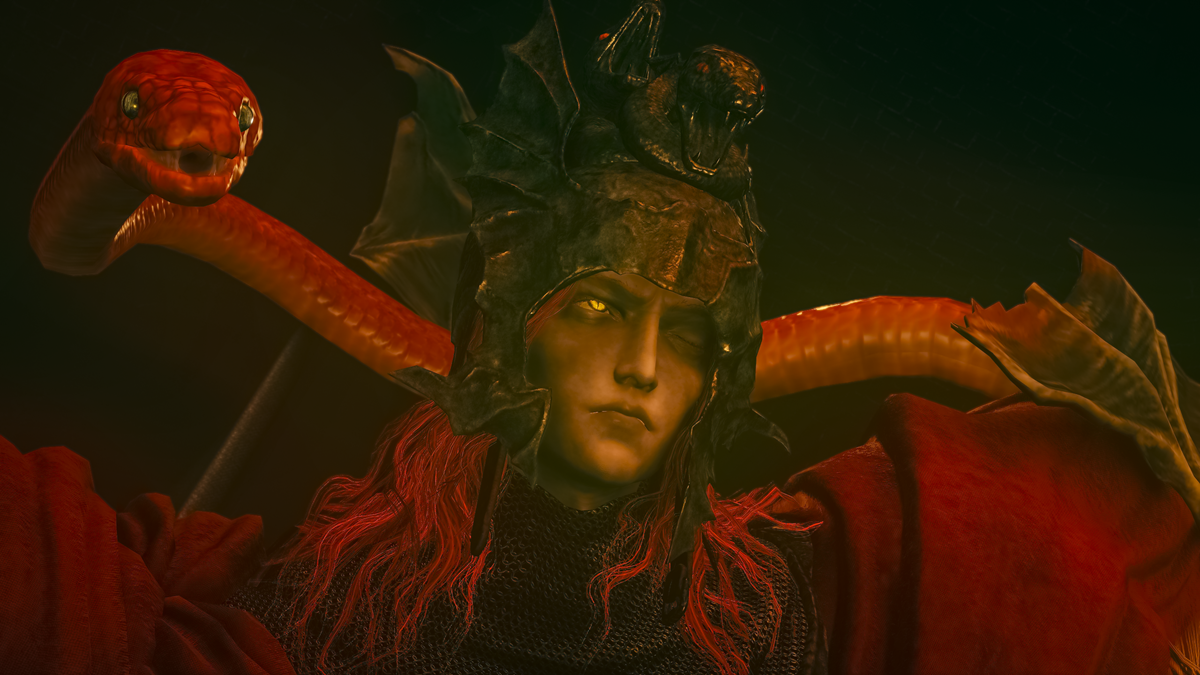
Shadow of the Erdtree deepens the base story by exposing buried histories, especially around conquest, legacy, and suppressed memory.
Messmer and the Shadow Realm context show that the current collapse did not appear overnight. It was built over generations of sanctioned violence and selective truth.
So the DLC is not a side story. It is additional evidence in the same case file.
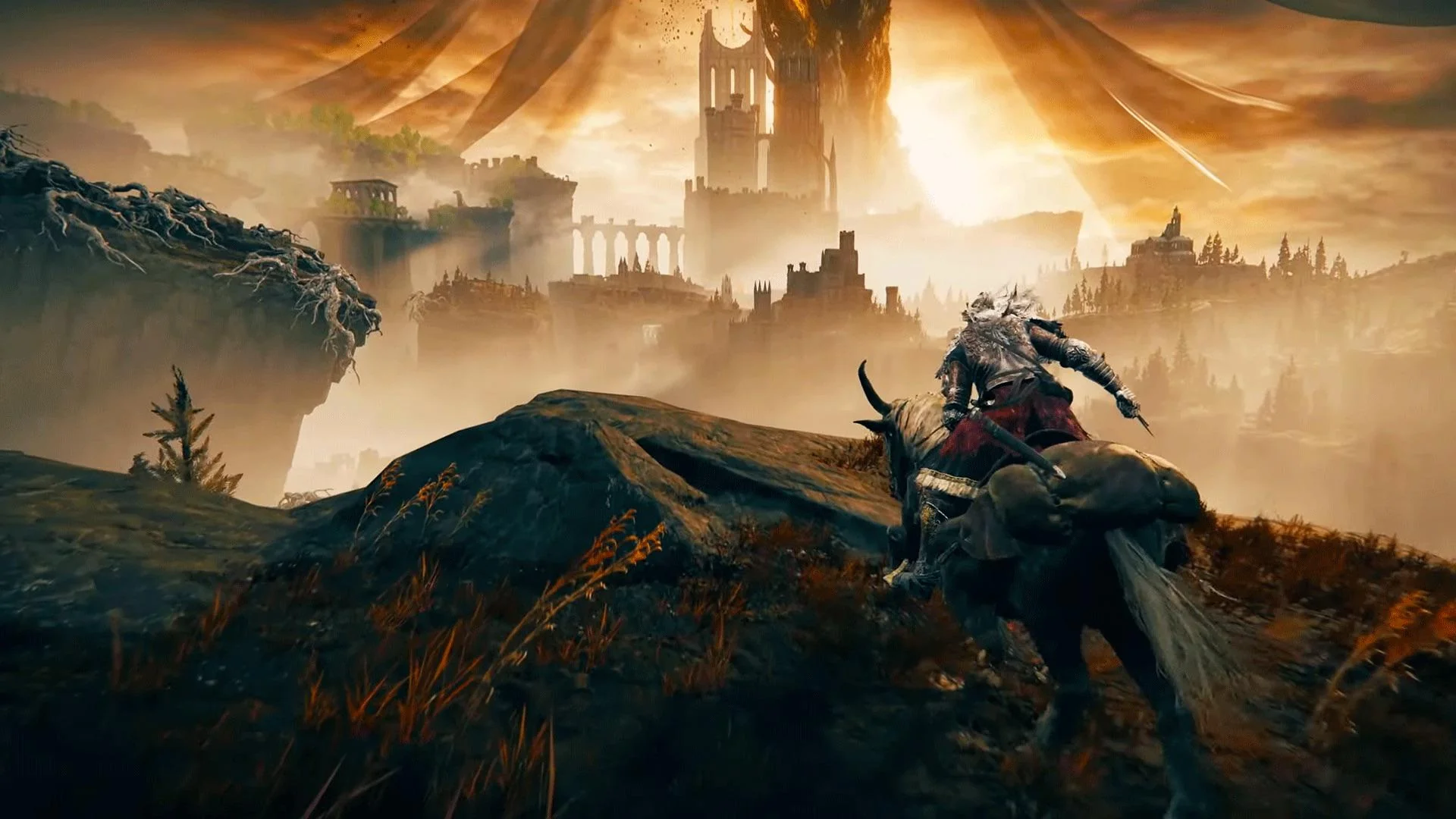
If you want the clean canon version:
You do not need every item description to understand the core story.
You need the main arc, major quests, and tolerance for tragic monarchies.

Elden Ring is a long-form story about what happens when divine authority loses legitimacy and nobody agrees on what comes next.
From the Shattering war to ending choices, the throughline stays consistent:
power creates order, order breeds abuse, collapse creates opportunity, and survivors pay the cost.
That is why Elden Ring still hits so hard.
It is not just dark fantasy. It is consequence management with legendary boss music.
Staff Writer, Console Pulse
Images Credit
Official artwork, promotional assets, and in-game screenshots are credited to Bandai Namco Entertainment Inc., FromSoftware, Inc., and associated Elden Ring rights holders. Images are used for editorial coverage.
 AllNews
 AllNews
 AllGuide
 AllGuide