
 AllMar 05, 2026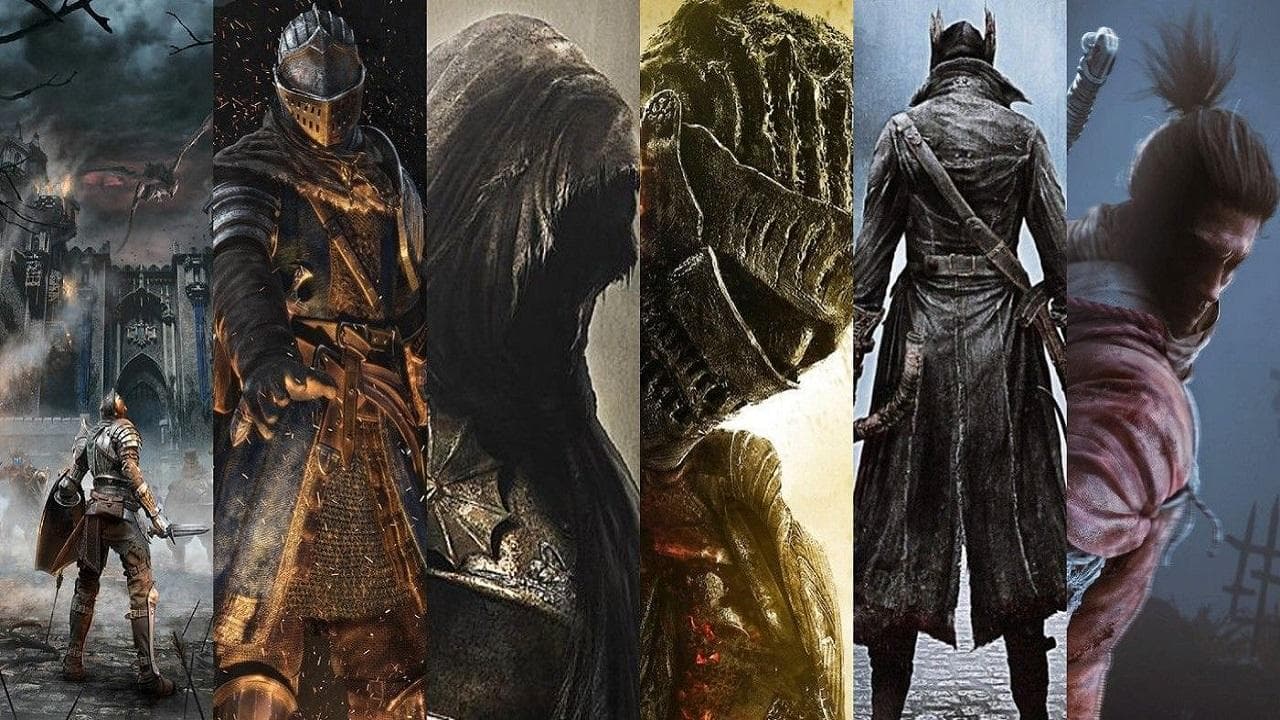
Soulsborne Story Explained in plain English: the cycles, gods, curses, and collapse behind Dark Souls, Bloodborne, Sekiro, and Elden Ring.
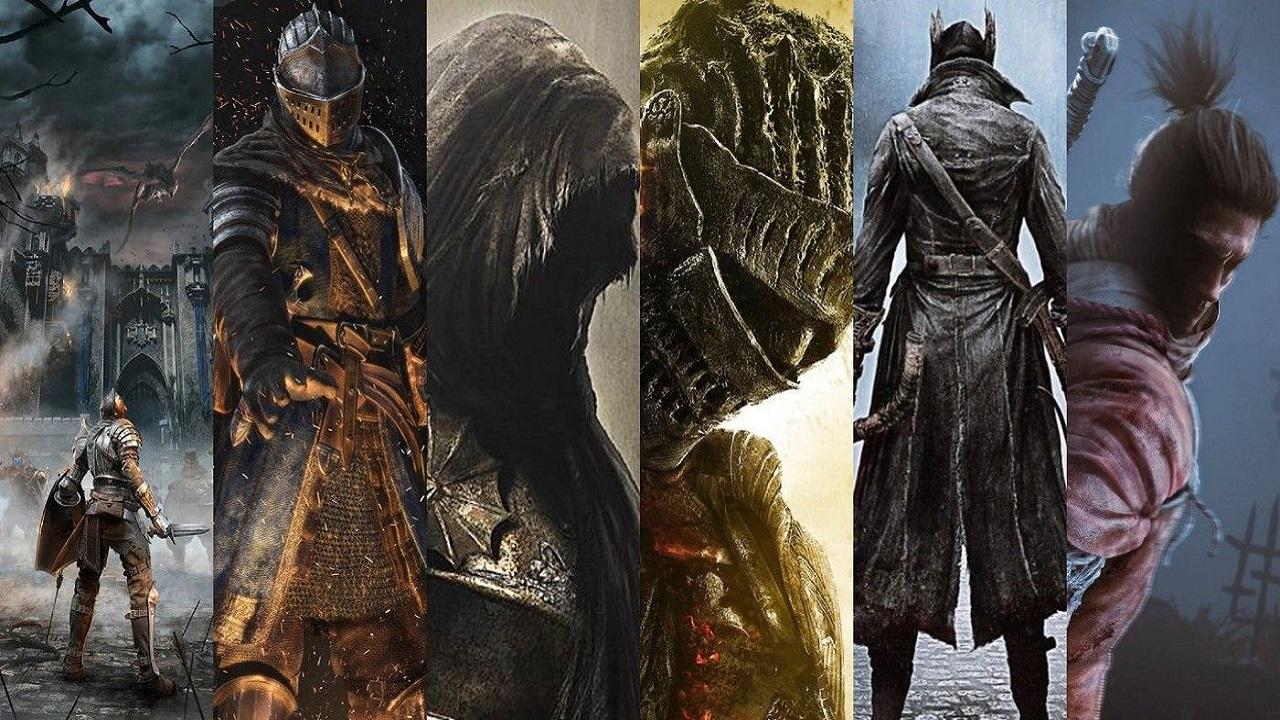
If you have ever finished a Soulsborne game and thought, “I won, but somehow everything still feels cursed,” congratulations, you understood the assignment.
FromSoftware stories are not clean hero tales. They are myths about power, fear, and people refusing to let go when an age is clearly over.
This is your Soulsborne Story Explained guide for Dark Souls, Bloodborne, Sekiro, and Elden Ring, with spoilers and minimal emotional safety rails.
Short answer: thematically yes, literally not always.
Dark Souls, Bloodborne, Sekiro, and Elden Ring are mostly separate worlds. You are not meant to build one giant canon timeline where every boss is cousins with every other boss.
What connects them is the formula:
A broken order.
A fading age.
A powerful elite making terrible choices.
A player character forced to clean up cosmic-level mess.
So think “shared storytelling DNA,” not “one Marvel-style timeline.”
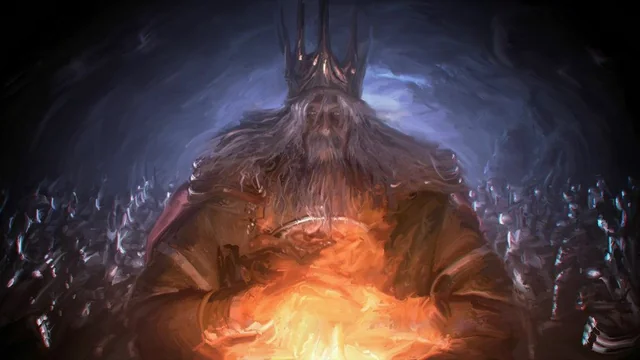
Dark Souls begins after the Age of Ancients, when beings like Gwyn, the Witch of Izalith, and Nito claim great power through the First Flame.
The First Flame creates disparity: life and death, light and dark, heat and cold. Translation: history starts, conflict starts, and people immediately handle it badly.
When the flame fades, Gwyn fears the coming Age of Dark, so he links the fire by sacrificing himself. That choice defines the series: instead of letting nature take its course, rulers keep forcing the same cycle.
By Dark Souls 1, 2, and 3, kingdoms rise and fall around this one obsession. Undead are branded with the curse, societies crumble, and heroes are manipulated into either linking the fire again or letting it finally die.
The tragedy is simple and brutal: most of the suffering is avoidable, but pride keeps pressing the reset button.
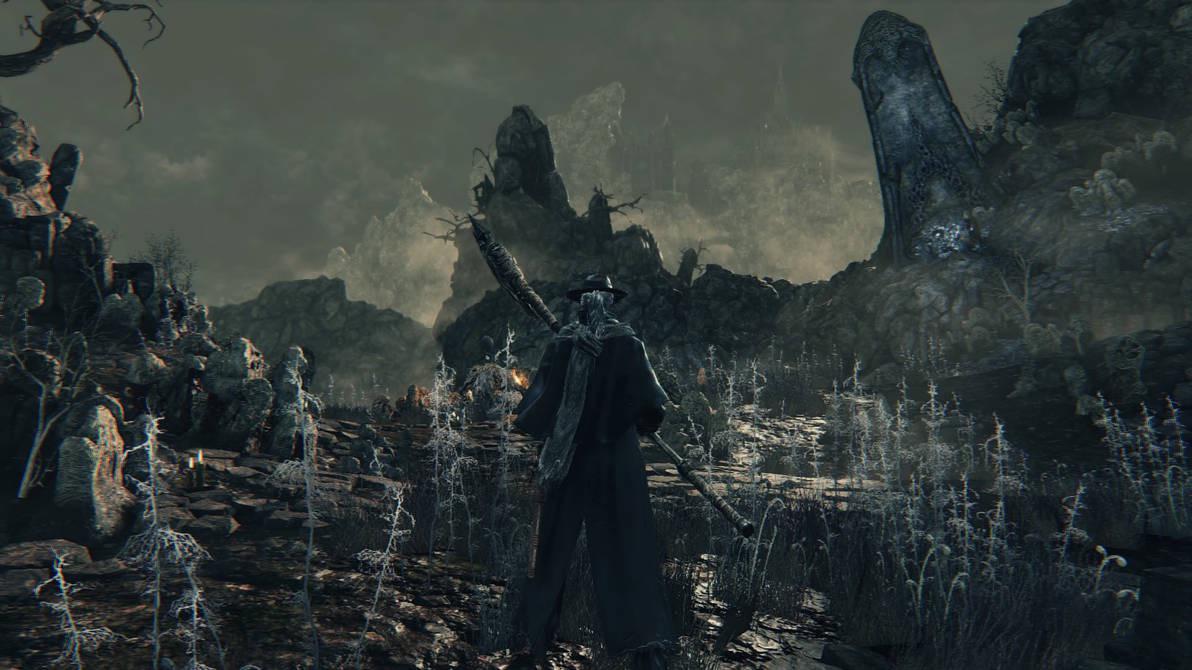
Bloodborne swaps medieval fire mythology for gothic cosmic terror.
In Yharnam, blood healing becomes a miracle industry run by the Healing Church. Naturally, “miracle blood” turns into plague, mutation, and beast outbreaks.
Behind that is the real problem: humans trying to contact Great Ones, higher cosmic beings far beyond human understanding. Scholars and church leaders chase “insight,” thinking knowledge will elevate humanity.
Instead, reality breaks.
The Hunt is not just pest control. It is a repeating crisis created by human ambition and cosmic forces colliding. By the end, you discover that beasts are only surface-level horror. The deeper horror is what people did willingly in the name of progress.
Bloodborne’s thesis: if your enlightenment project involves secret labs and ritual blood, maybe pause.
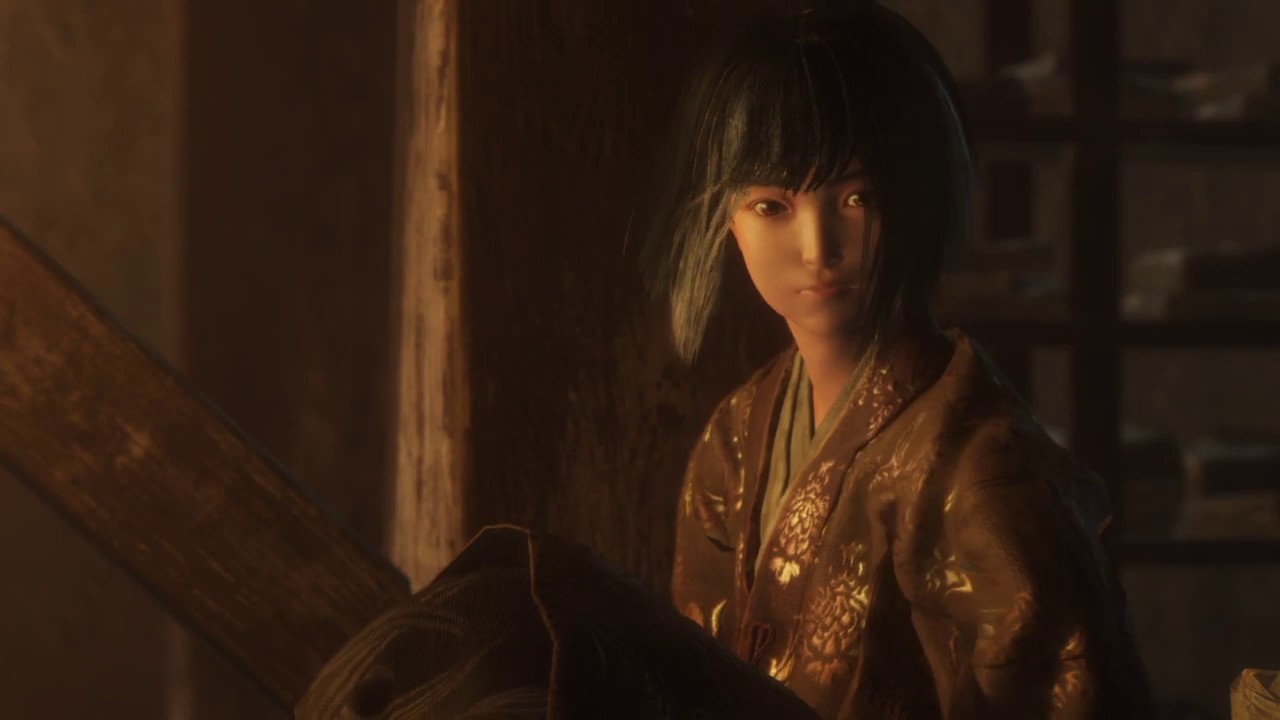
Sekiro is tighter and more personal than other Soulsborne stories, but the same core theme survives: power corrupts when people treat life as property.
You play Wolf, a shinobi bound to Kuro, the Divine Heir. Kuro’s blood grants immortality, which instantly attracts warlords, clans, and opportunists who see eternal life as a military resource.
Genichiro wants immortality to save Ashina.
Owl wants it for control.
Others want it because humans are humans and “infinite power” is irresistible.
Kuro, ironically the youngest major figure, has the most mature plan: end the cycle so immortality stops ruining everyone around it.
Sekiro’s story is about loyalty versus exploitation. Every faction claims noble motives. Most of them still choose violence first and ethics never.
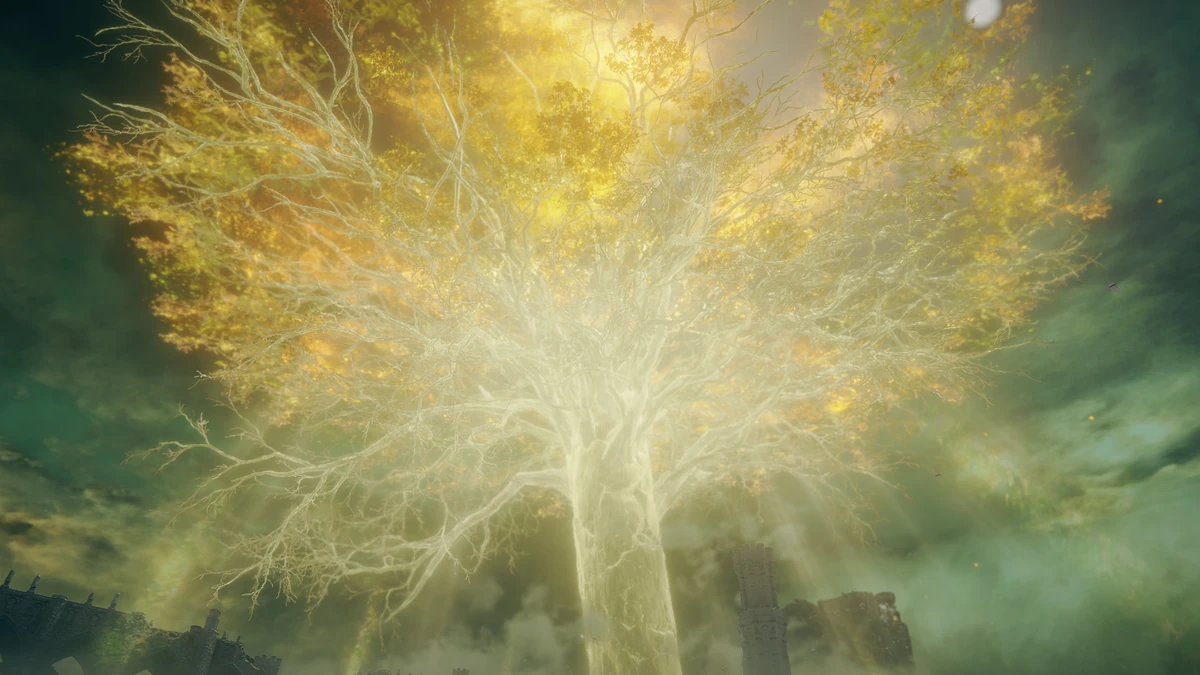
Elden Ring takes Soulsborne themes and scales them to full mythic geopolitics.
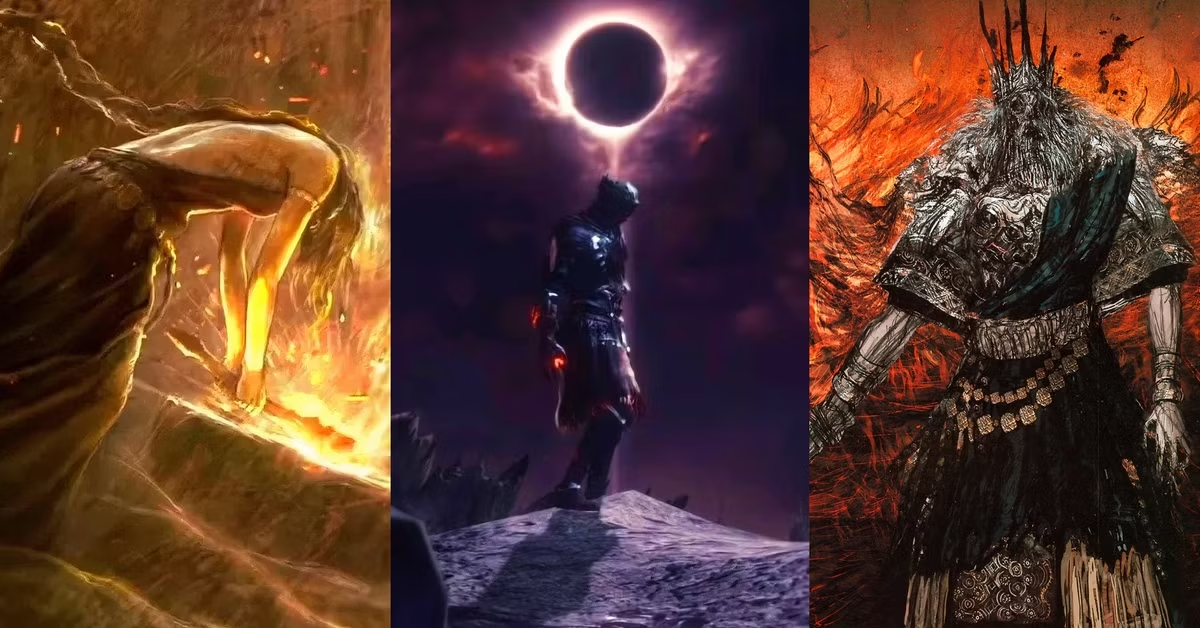
The Greater Will establishes order through the Elden Ring and the Erdtree. Queen Marika becomes the vessel of that order. Then the system fractures: the Rune of Death is stolen, Godwyn dies in soul but not body, and the Shattering begins.
Marika breaks the Elden Ring. Demigods grab Great Runes. The Lands Between becomes a giant battlefield where every ruler has a philosophy and a war crime portfolio.
You, a Tarnished, return to decide what comes next:
Restore order as-is.
Reform it.
Corrupt it.
Burn it down.
Or reject it entirely.
Elden Ring’s genius is that every ending asks a political question:
Is stability worth oppression?
Is freedom worth chaos?
Can power ever stay clean?
There are no perfect answers, only different flavors of consequence.
Across all four games, the same pattern keeps showing up:
An age is ending.
Powerful people panic.
They force unnatural solutions.
Those solutions create monsters.
A lone fighter arrives to choose the next disaster, or the least bad future.
This is why Soulsborne lore feels heavy but addictive. The bosses are not random villains. They are failed leaders, failed parents, failed scholars, and failed gods.
You are not just killing enemies. You are walking through the ruins of ideology.
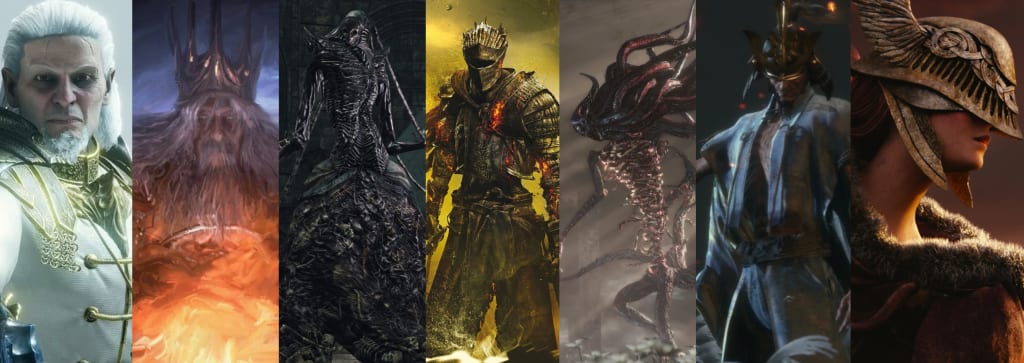
Dark Souls: Fear of change turns a natural cycle into endless decay.
Bloodborne: The hunt exists because humans tried to speedrun cosmic evolution.
Sekiro: Immortality turns loyalty into manipulation and war.
Elden Ring: Divine order collapses, and every heir proves power without wisdom is just organized ruin.
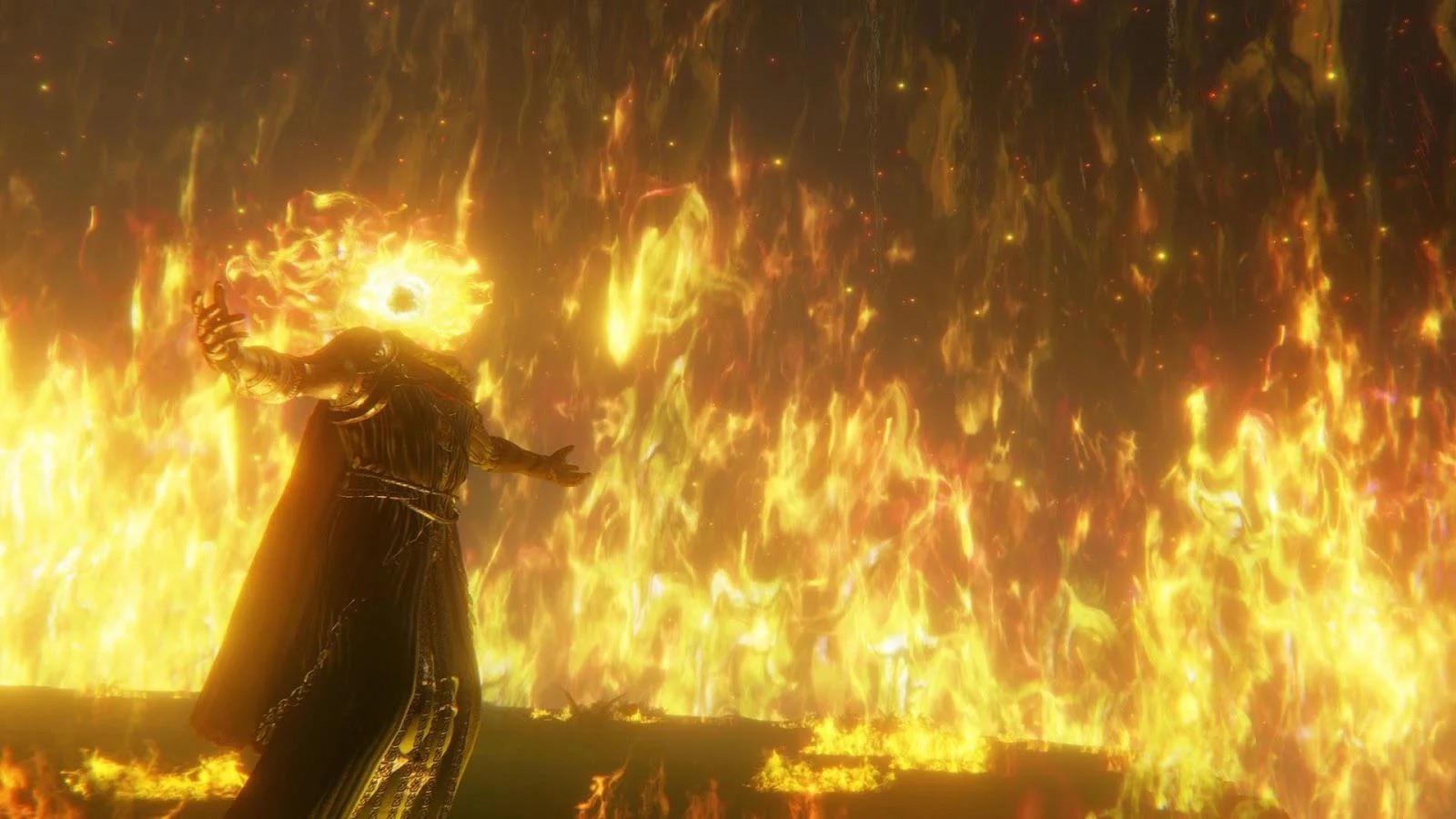
Soulsborne stories are not confusing because they are random. They are layered on purpose, with item descriptions, NPC quests, and environmental clues revealing the same warning over and over:
When people fear endings, they create worse beginnings.
That is the real throughline from Lordran to Yharnam to Ashina to the Lands Between. Different worlds, same flaw, same fallout, same question for the player:
Do you preserve a broken system, or risk everything for a new one?
 AllNews
 AllGuide
 AllNews
 AllNews