
 PlayStationMar 06, 2026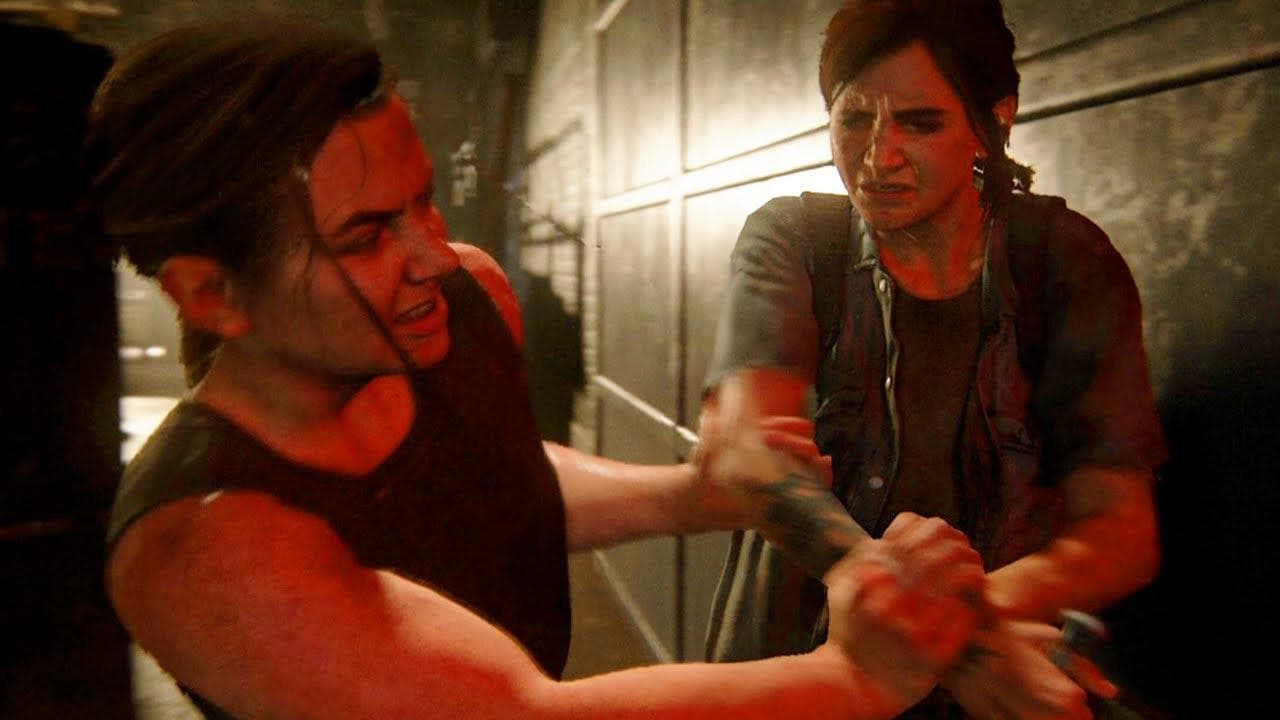
From David and the Rat King to Ellie vs Abby, these are the best The Last Of Us boss encounters ranked by tension, design, and pure trauma per minute.
The Last Of Us is not a traditional boss-rush franchise. It does not throw giant health bars on screen and call it a day.
Instead, it gives you encounters that feel personal, desperate, and wildly unfair in the exact way this world should feel. Sometimes you fight infected tanks. Sometimes you fight people. Sometimes you fight your own bad decisions from ten hours ago.
These are the best boss-style encounters across Part I and Part II, ranked by intensity, design, and how long they live in your head after the credits.
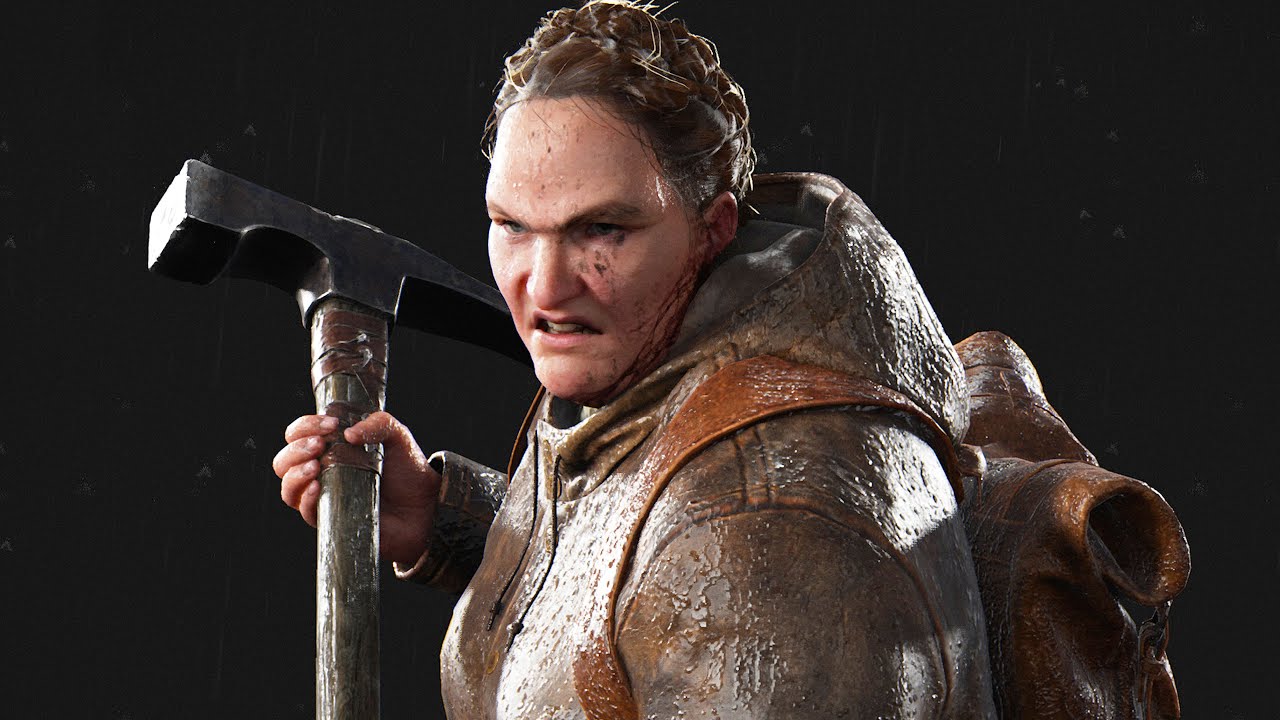
The Seraphite Brutes are not cinematic “final bosses,” but they absolutely feel like mini nightmares whenever they show up.
They hit hard, absorb punishment, and force you out of lazy stealth habits. If your strategy is usually “craft quietly and move on,” Brutes are the game saying, “that was cute.”
They are great because they raise the tension immediately and make every close-quarters mistake expensive.
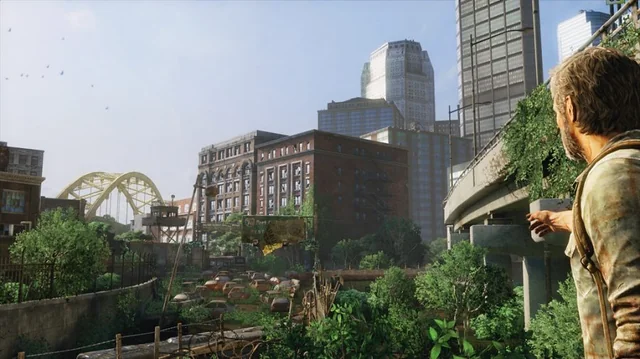
This is less a single person boss duel and more a full pressure-cooker encounter.
You push through hostile streets while a sniper pins your movement, then the fight escalates into infected chaos once control changes hands. It is one of Part I's best examples of layered combat design where environment, enemies, and pacing all collide perfectly.
Not the hardest encounter in the series, but one of the smartest.
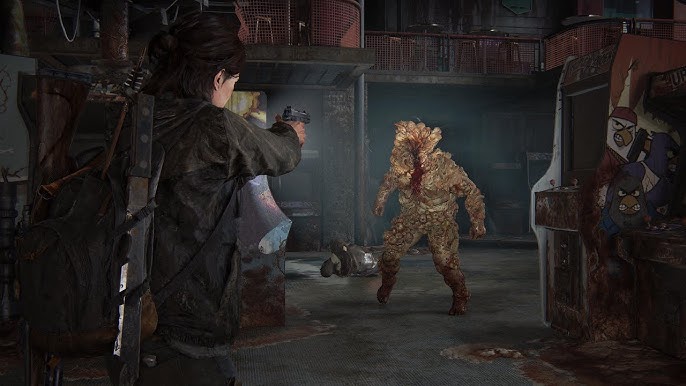
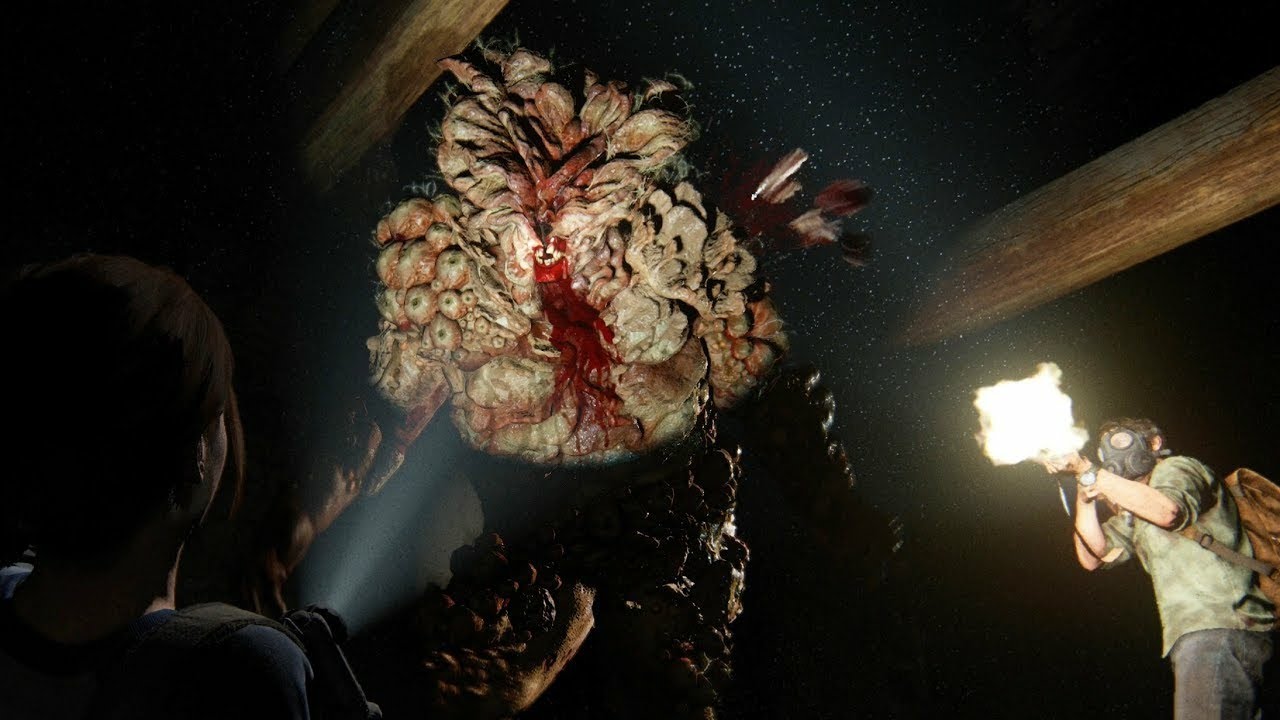
The arcade Bloater fight is a pure stress test.
Limited room, high pressure, and relentless aggression make this encounter feel like being locked in a bad idea. It is not the most mechanically complex fight in Part II, but the atmosphere and panic factor are elite.
When this thing starts charging, every player suddenly remembers they were “saving ammo for later.”
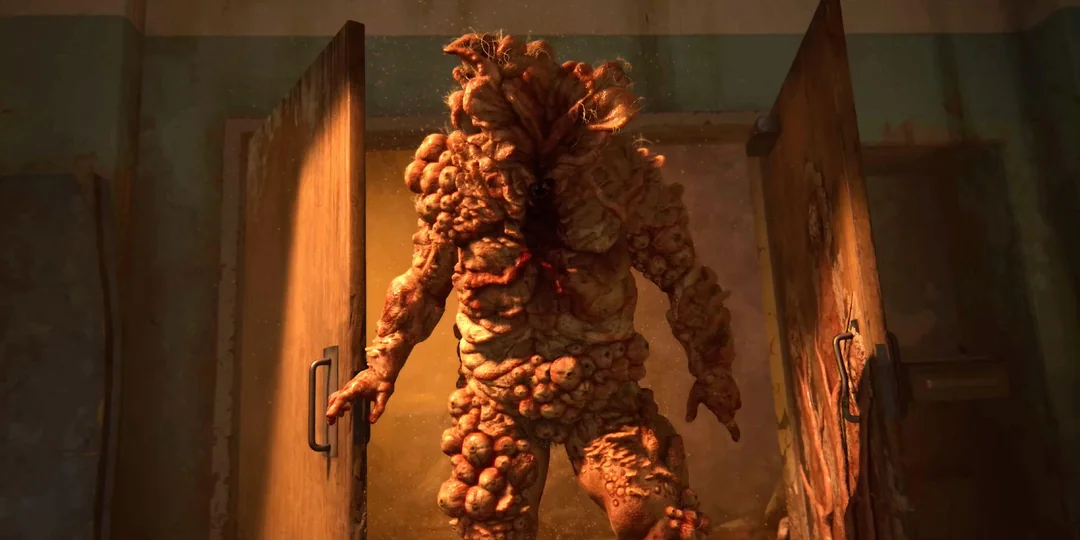
For many players, this is the first real “boss” moment in The Last Of Us.
You are trapped, under-equipped, and introduced to a Bloater that treats your current confidence level as a joke. It is a fantastic difficulty spike because it teaches core survival habits without feeling like a cheap gimmick.
This fight does not just challenge you. It recalibrates how you think about infected threats for the rest of the game.
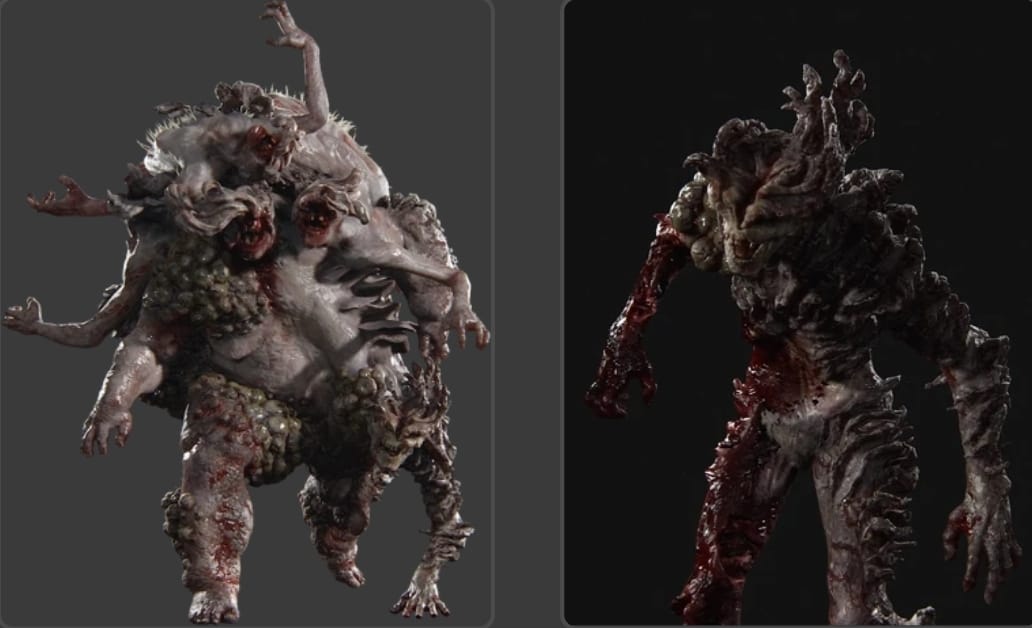
Just when you think the Rat King sequence is over, the game says absolutely not.
The split-off Stalker phase is fast, aggressive, and mentally exhausting because you are already drained from the previous encounter. It is a great design choice: same setpiece, new tempo, new panic pattern.
This phase gets less hype than the main Rat King, but it deserves respect. It is one of Part II's nastiest follow-up punches.
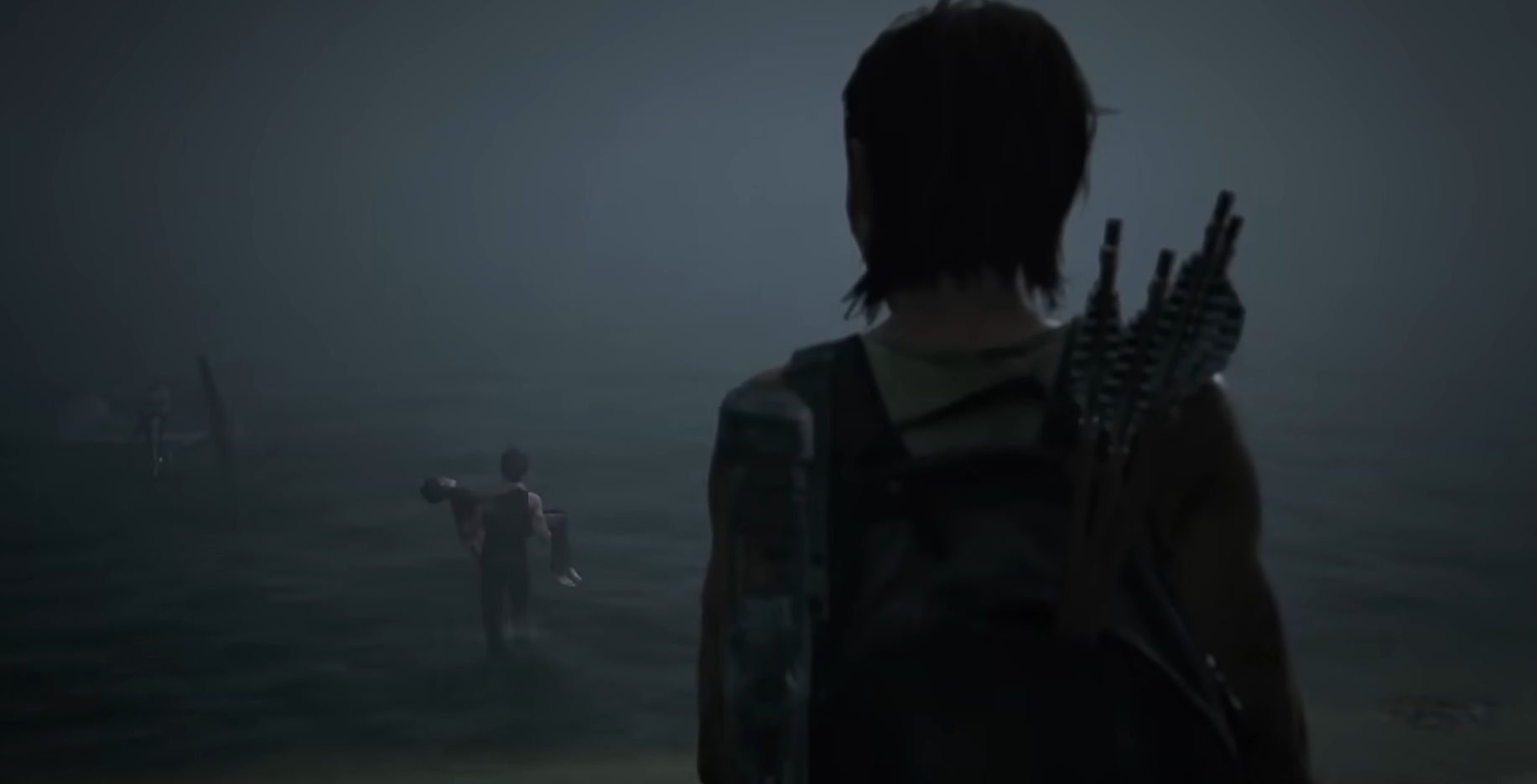
Mechanically, this is not the hardest fight on the list. Emotionally, it is brutal.
By this point, both characters are broken, and the fight plays like a collapse instead of a power fantasy. Every hit feels ugly, every second feels wrong, and that is exactly why it works.
It is one of gaming's best examples of a final confrontation designed to make the player uncomfortable on purpose.
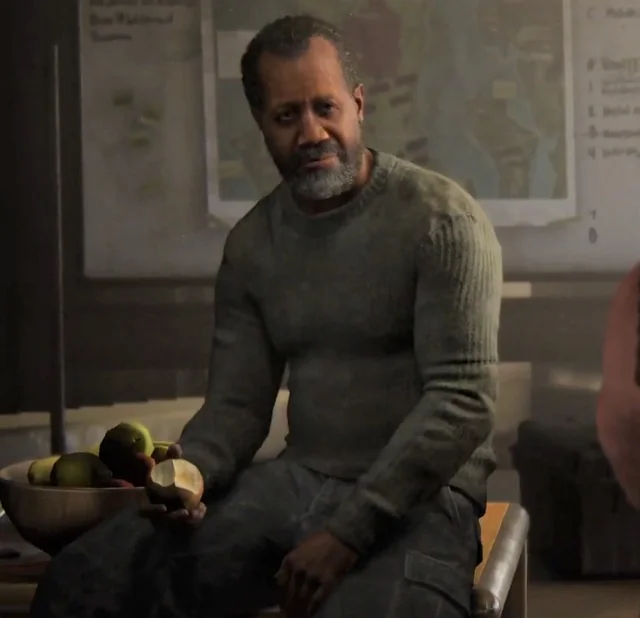
Isaac is not fought in a classic one-on-one boss arena, but his presence drives some of Part II's most intense combat stretches.
WLF aggression, Seraphite conflict, and escalating battlefield chaos turn these sequences into leadership-by-proxy boss design: you feel the consequences of his decisions in every firefight.
It is a different kind of “boss,” but in The Last Of Us, systemic threat is often scarier than one big enemy model.
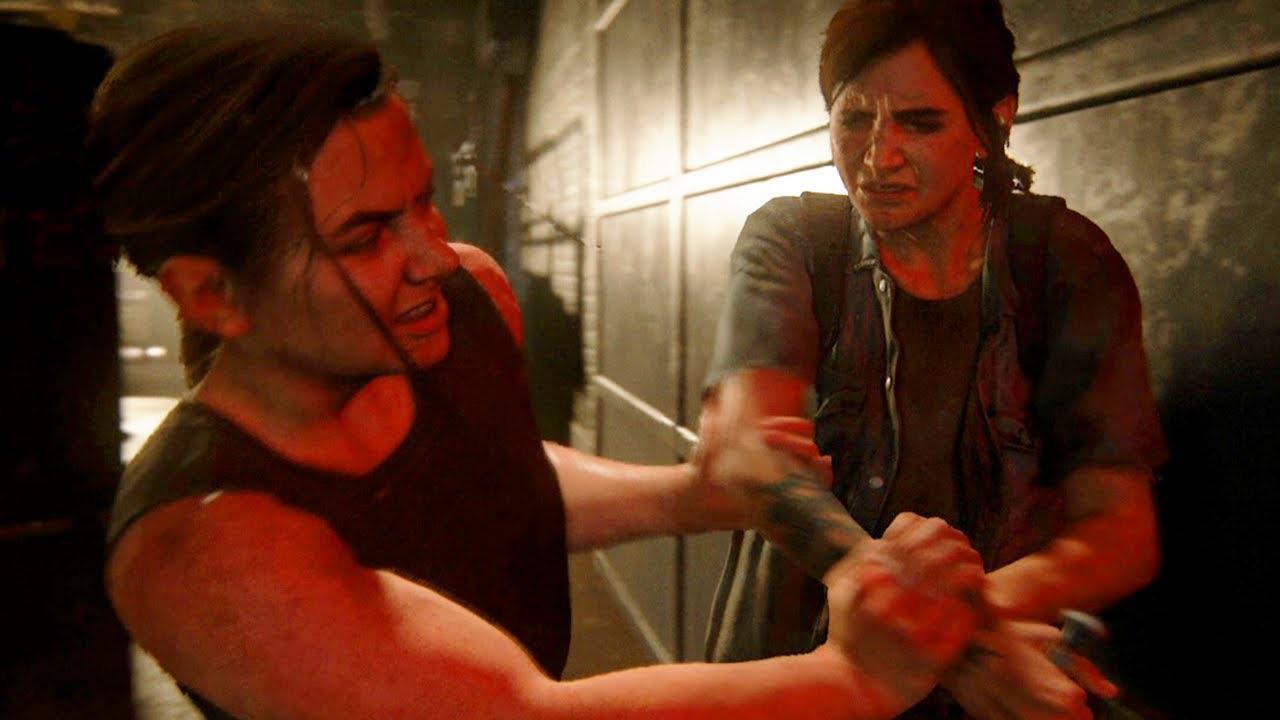
This is one of the boldest perspective shifts in modern games.
You control Abby while being hunted by Ellie, and the entire encounter weaponizes your prior player knowledge against you. Ellie feels terrifying because you know exactly what she can do, and now it is being used on you.
As encounter design and narrative risk-taking, this fight is top-tier.
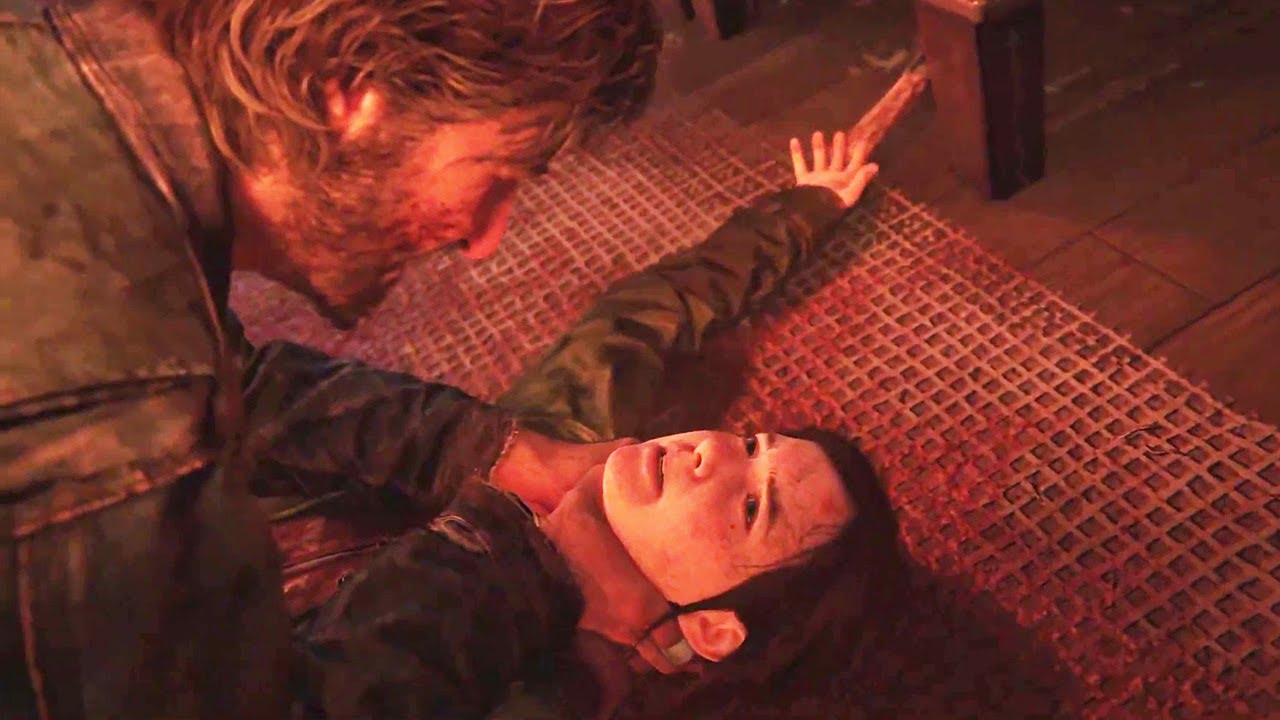
David is still one of the most disturbing boss encounters in the franchise.
The fight is not about flashy mechanics. It is about fear, stealth pressure, and psychological threat in a claustrophobic space that gets worse every minute. The burning restaurant setting pushes intensity through the roof without ever feeling gimmicky.
This confrontation is unforgettable because it is personal, predatory, and deeply unsettling from start to finish.
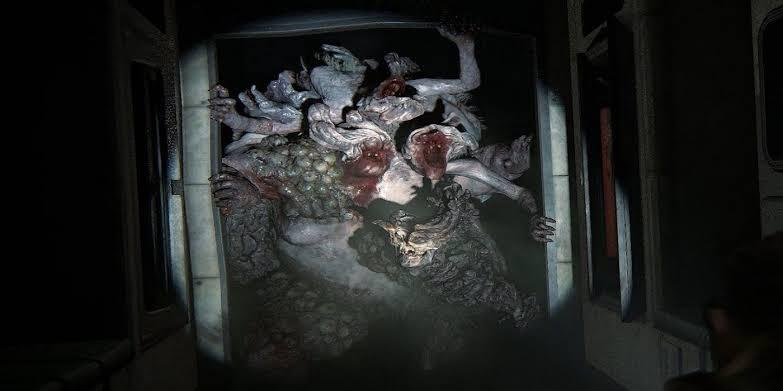
The Rat King is the franchise's signature boss nightmare.
Everything about this sequence works: buildup, sound design, movement pressure, resource panic, environmental horror, and pacing. It feels like the game's infected design philosophy pushed to its absolute limit.
It is hard, memorable, and perfectly aligned with Part II's tone of relentless dread.
If The Last Of Us has one universally recognized “boss fight,” this is the one.
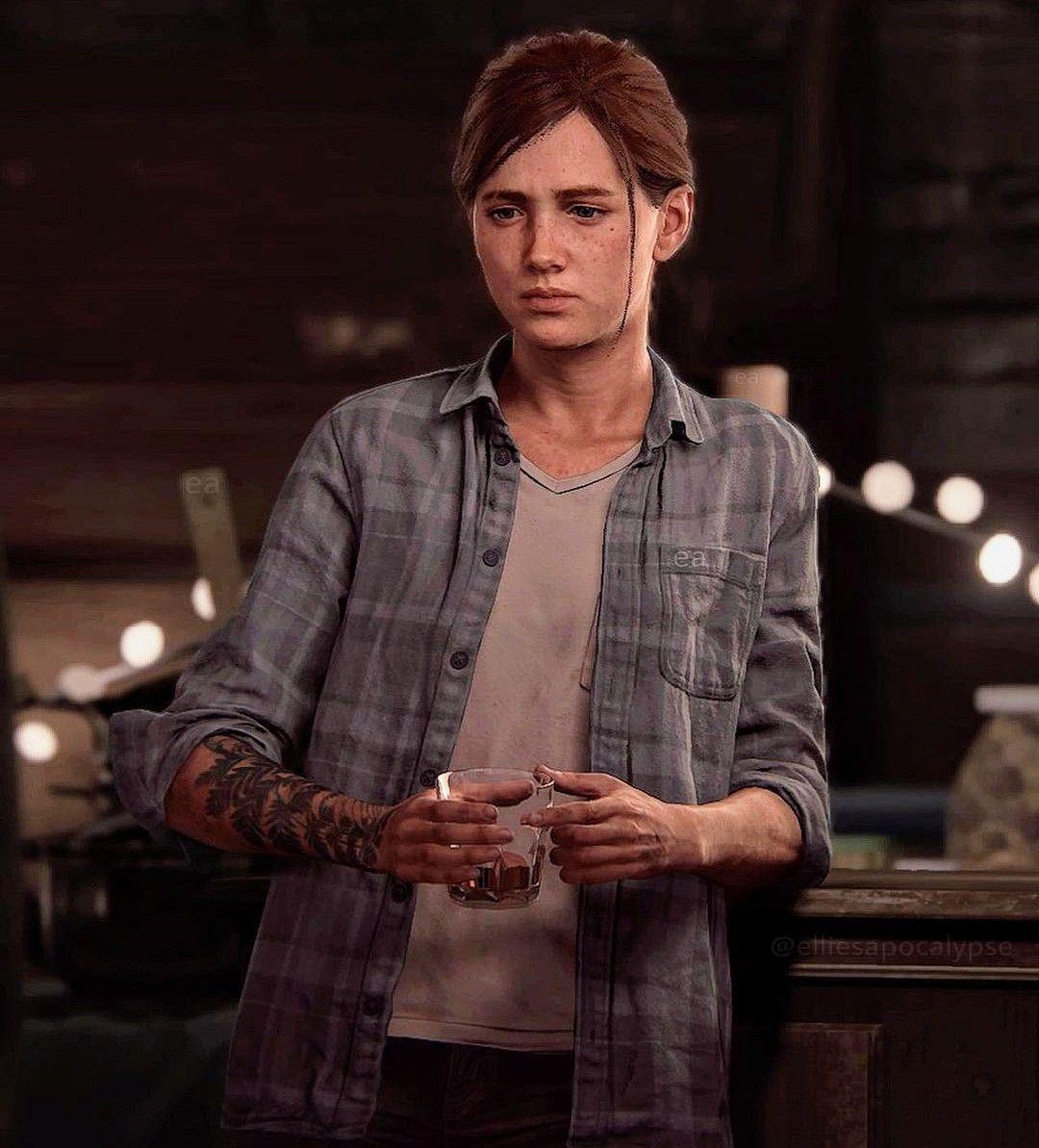
If you want pure survival-horror pressure, Rat King is still number one.
If you want psychological terror, David remains unmatched.
If you want story-driven confrontation design at its boldest, Abby Vs Ellie and Ellie Vs Abby are elite.
The Last Of Us does not care about clean victories. Its best bosses are the ones you survive, then think about for weeks.
 PlayStationGuide
 PlayStationNews
 PlayStationGuide
 PlayStationNews