
 PlayStationMar 06, 2026
From David and Isaac to FEDRA and the Rattlers, this The Last Of Us Villains Guide ranks the franchise’s most dangerous antagonists and moral threats.
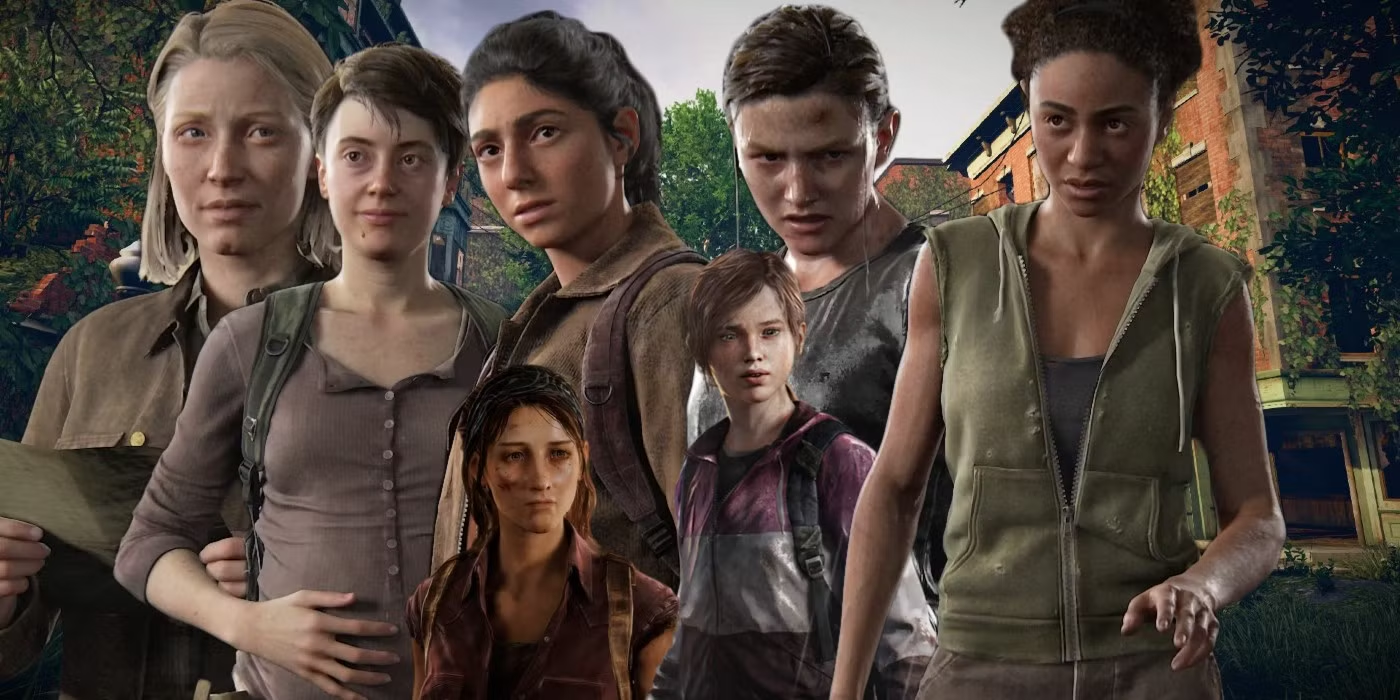
The Last of Us does not do cartoon evil.
Its villains are predators, ideologues, broken survivors, and power structures that look “necessary” right up until they crush everyone underneath them. That is why these antagonists hit harder than a standard final boss.
This guide ranks the most important villains and villain-forces across the franchise based on danger, writing impact, and how badly they wrecked people's lives.
Yes, spoilers ahead for The Last Of Us Part I and Part II.
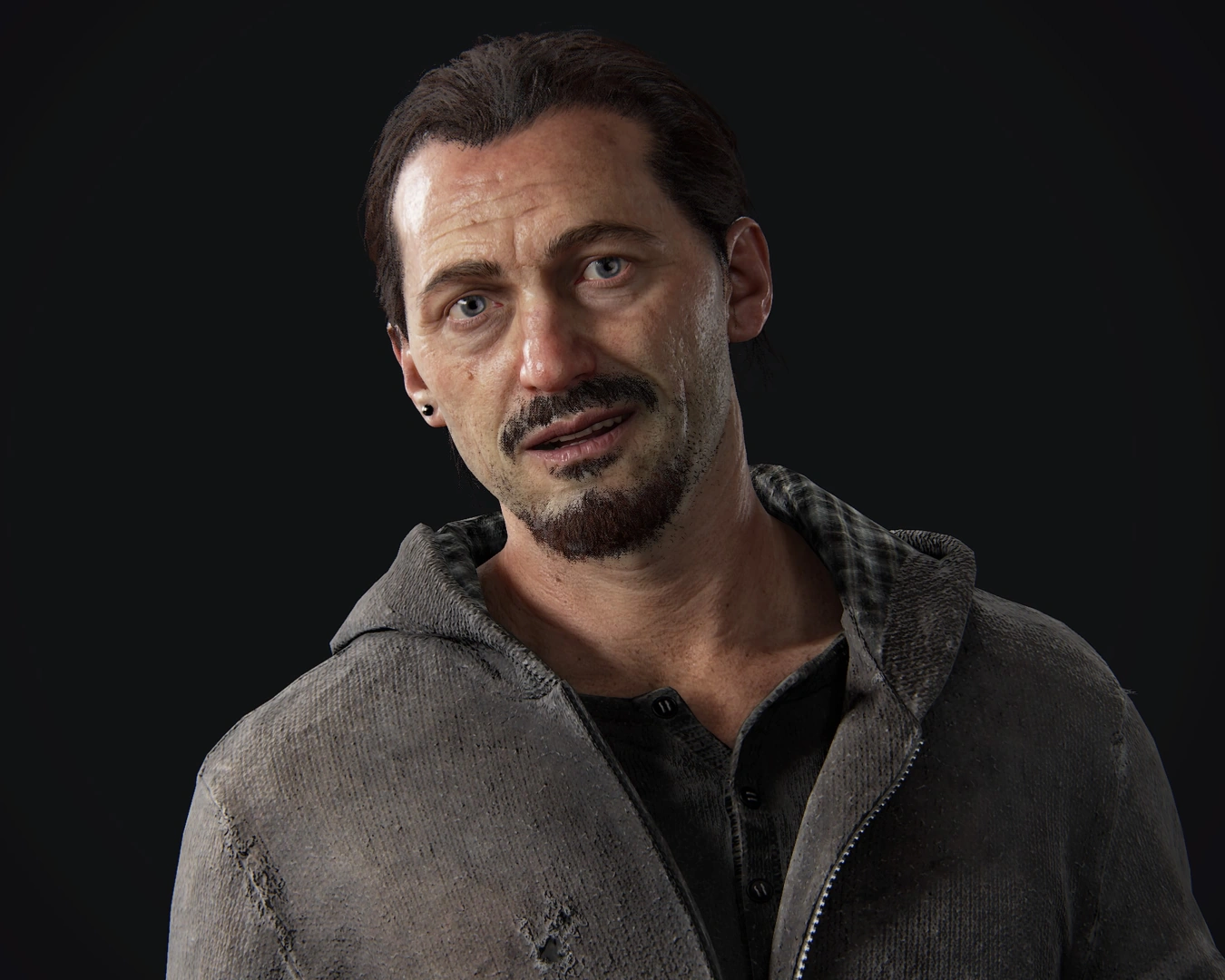
Robert is a low-level villain, but his betrayal kicks off the whole mess.
He scams Joel and Tess, triggers violent retaliation, and reminds you early that trust in the quarantine zone is basically a myth. He is not a mastermind. He is just another opportunist trying to survive by burning whoever is closest.
In The Last of Us, that is enough to get people killed fast.
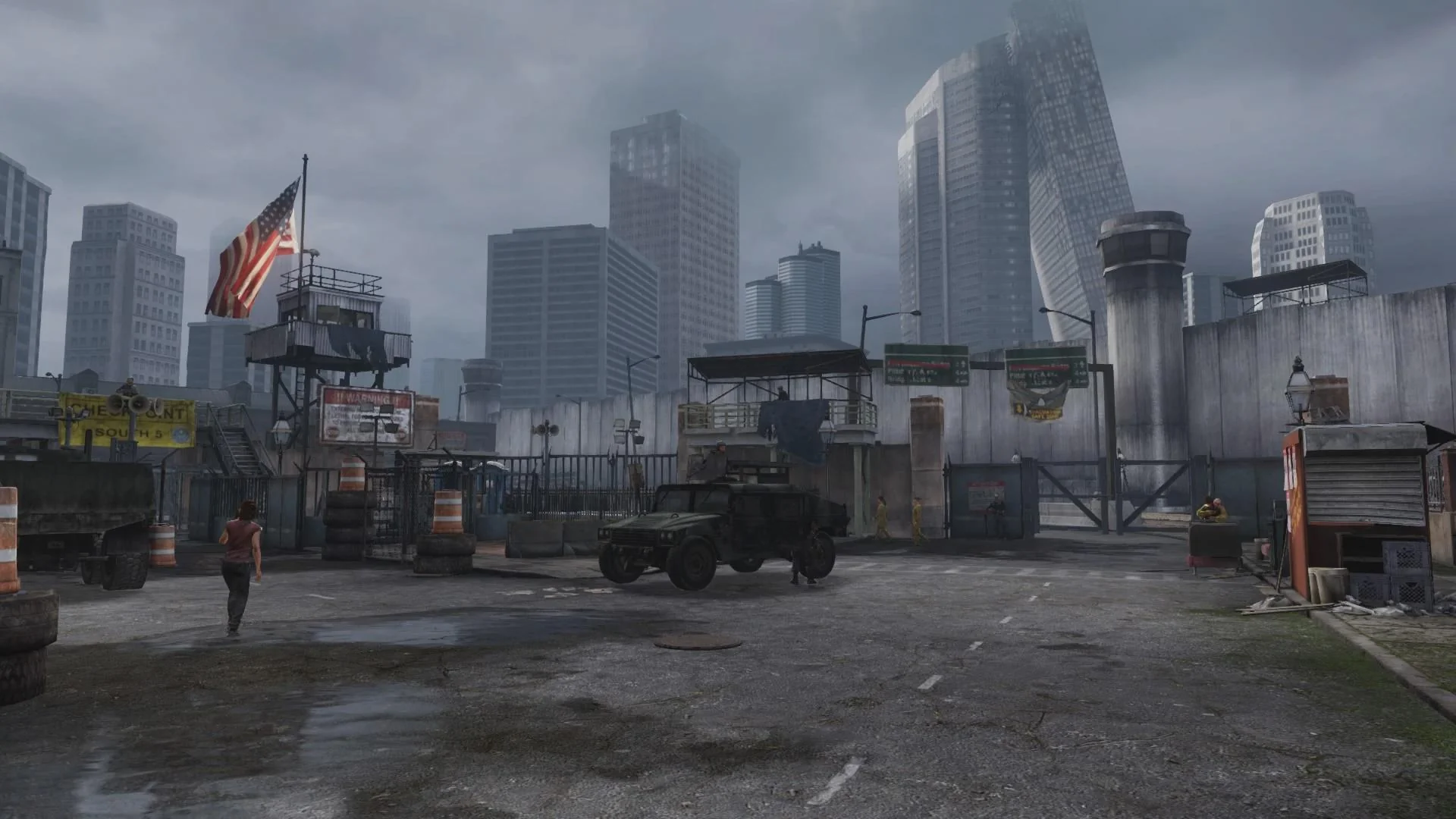
FEDRA is the franchise's first major systemic villain.
It keeps “order” through executions, ration control, surveillance, and military force. The game never paints them as mustache-twirling villains, which is exactly why they are effective. They are an institution that normalized cruelty and called it stability.
They prove one of The Last of Us's core themes early:
systems can become monstrous even when they claim to protect people.
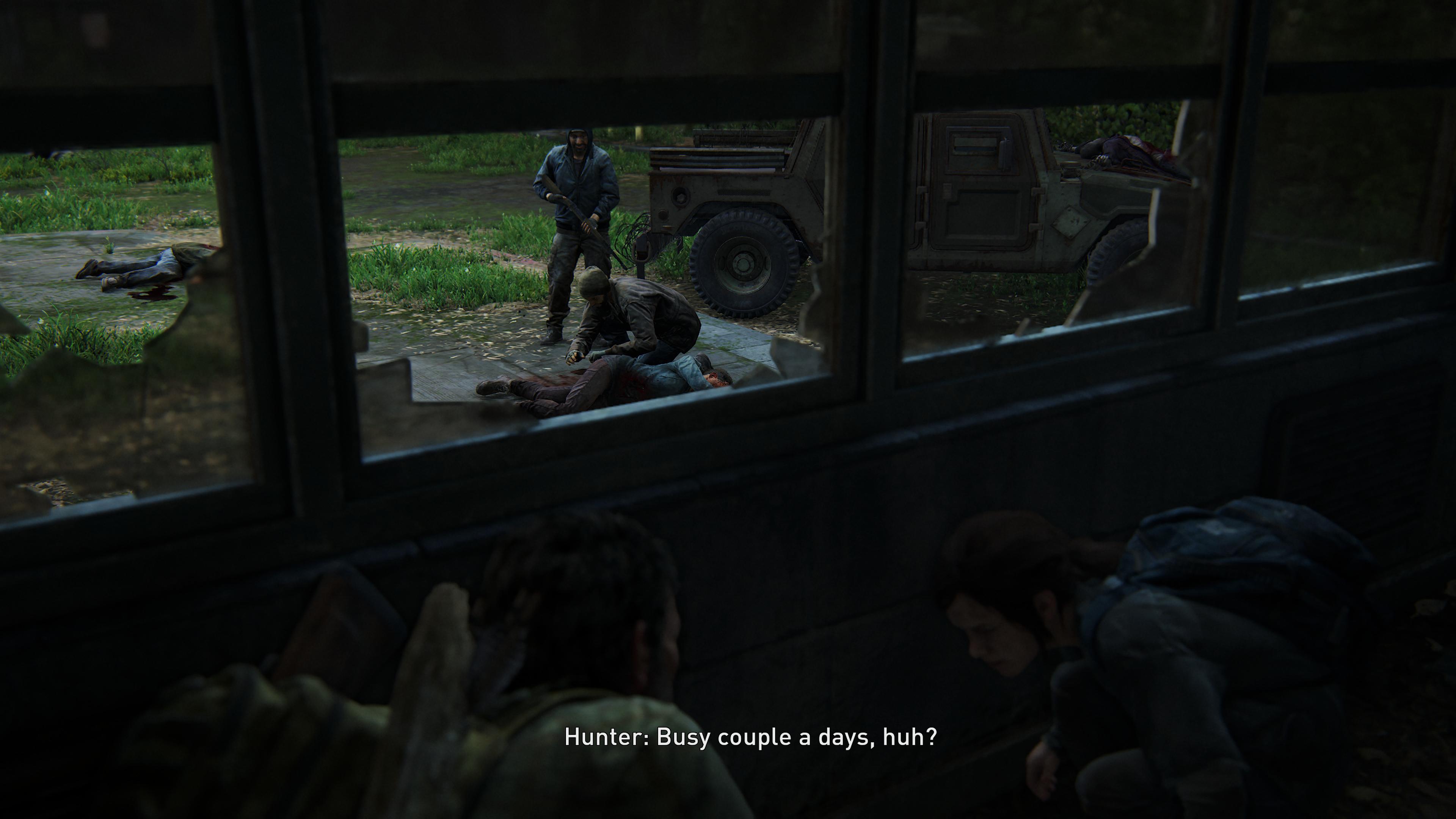
The Hunters are pure ambush capitalism.
They lure survivors, kill them, take everything, repeat. No ideology. No bigger mission. Just violence as routine logistics. Their section is one of the clearest moments where the game says infected are dangerous, but humans are often worse because they choose this.
They are scary because they are practical. They turned cruelty into process.
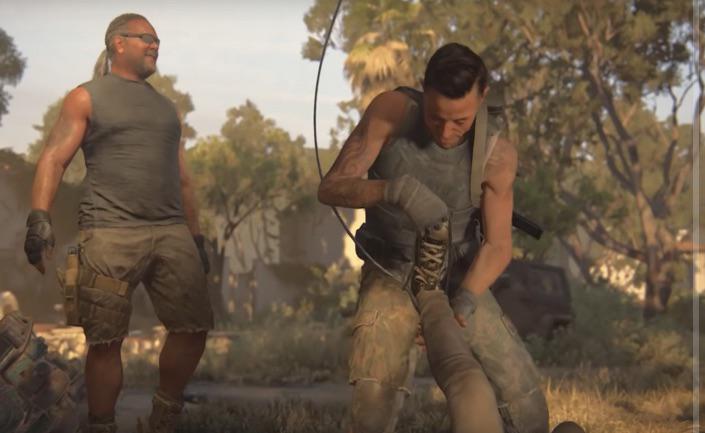
The Rattlers are among the ugliest groups in the franchise.
They run a slaving operation, chain prisoners, weaponize infected, and reduce people to property in one of Part II's bleakest stretches. They are not nuanced, and honestly they do not need to be. Their function is to show the bottom of the moral barrel.
If you needed one final reminder that this world rewards monsters, the Rattlers delivered it loudly.
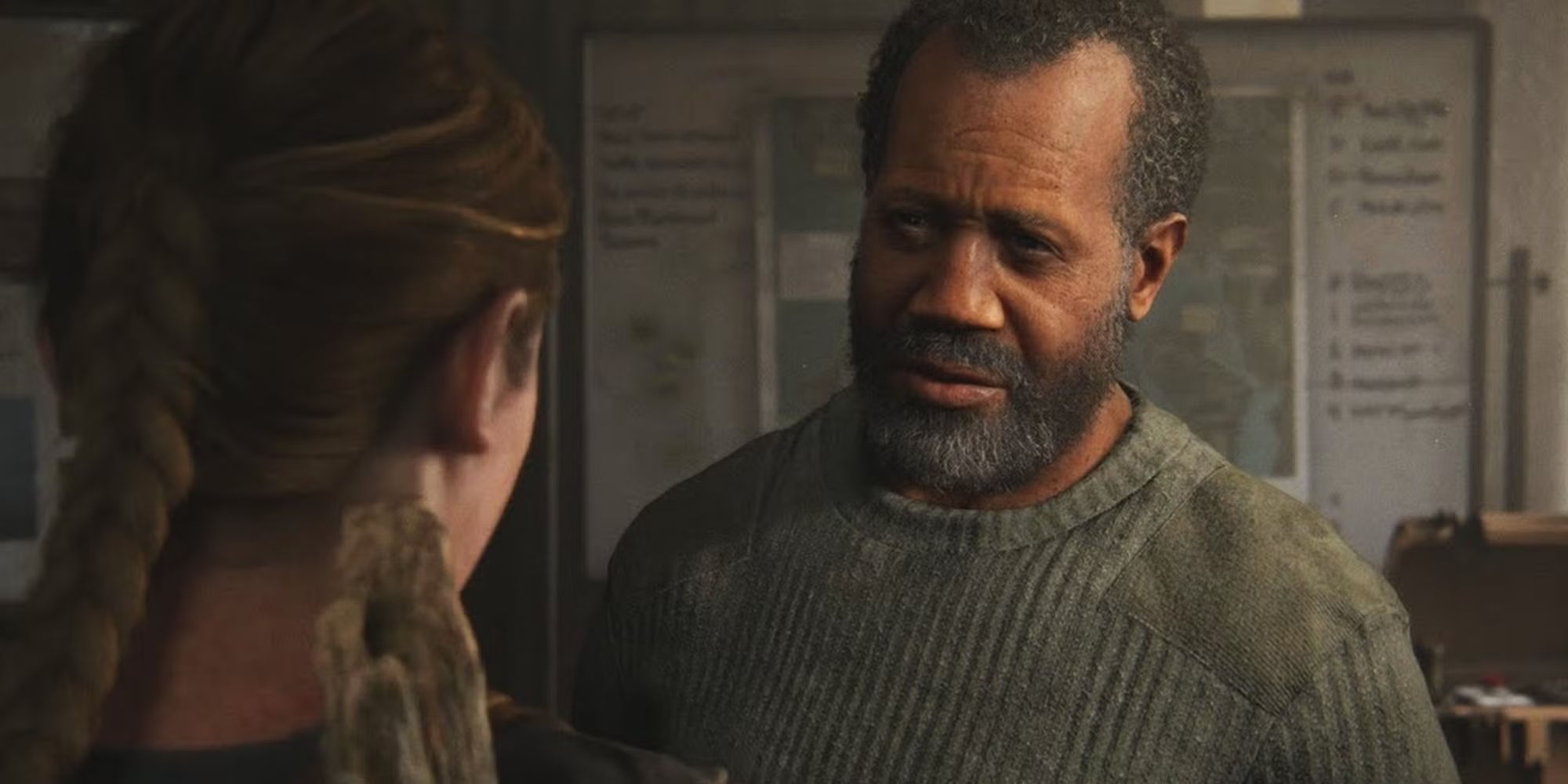
Isaac is cold command power personified.
As WLF leadership, he drives a military machine built on fear, retaliation, and ideological tunnel vision. He is disciplined, ruthless, and convinced escalation is always justified. The result is endless bloodshed with no real path out.
Isaac works because he is believable: the kind of leader who mistakes control for morality and calls total war “necessary.”
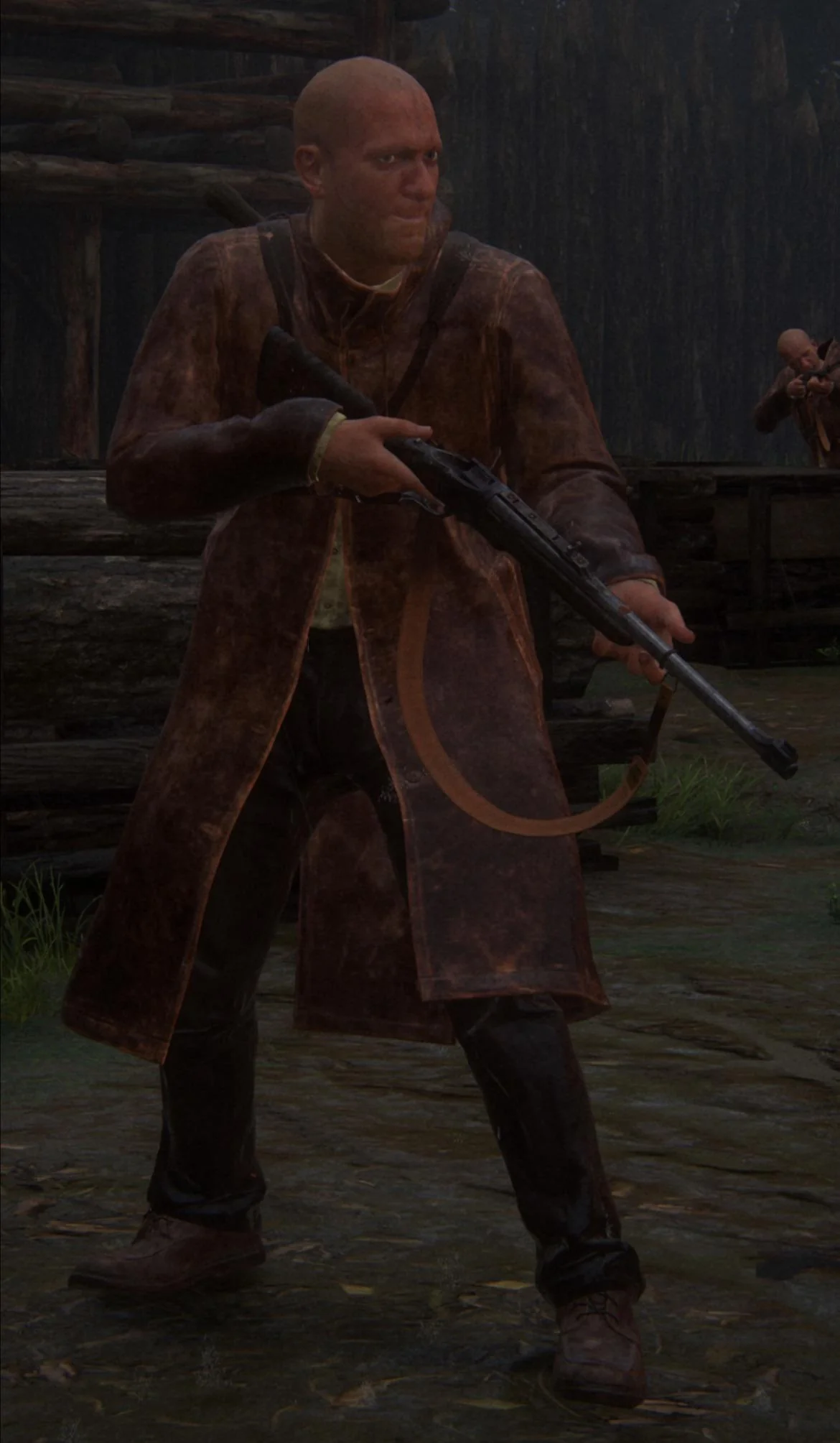
The Seraphite rank-and-file are complex, but their leadership structure is terrifying.
Dogma is used to police behavior, punish dissent, and justify brutality in the name of purity. By the time you fully see their systems, it is clear this is not faith as comfort. It is faith as enforcement mechanism.
Like many Last of Us villains, this is less about one face and more about what institutions become when fear and absolutism take over.
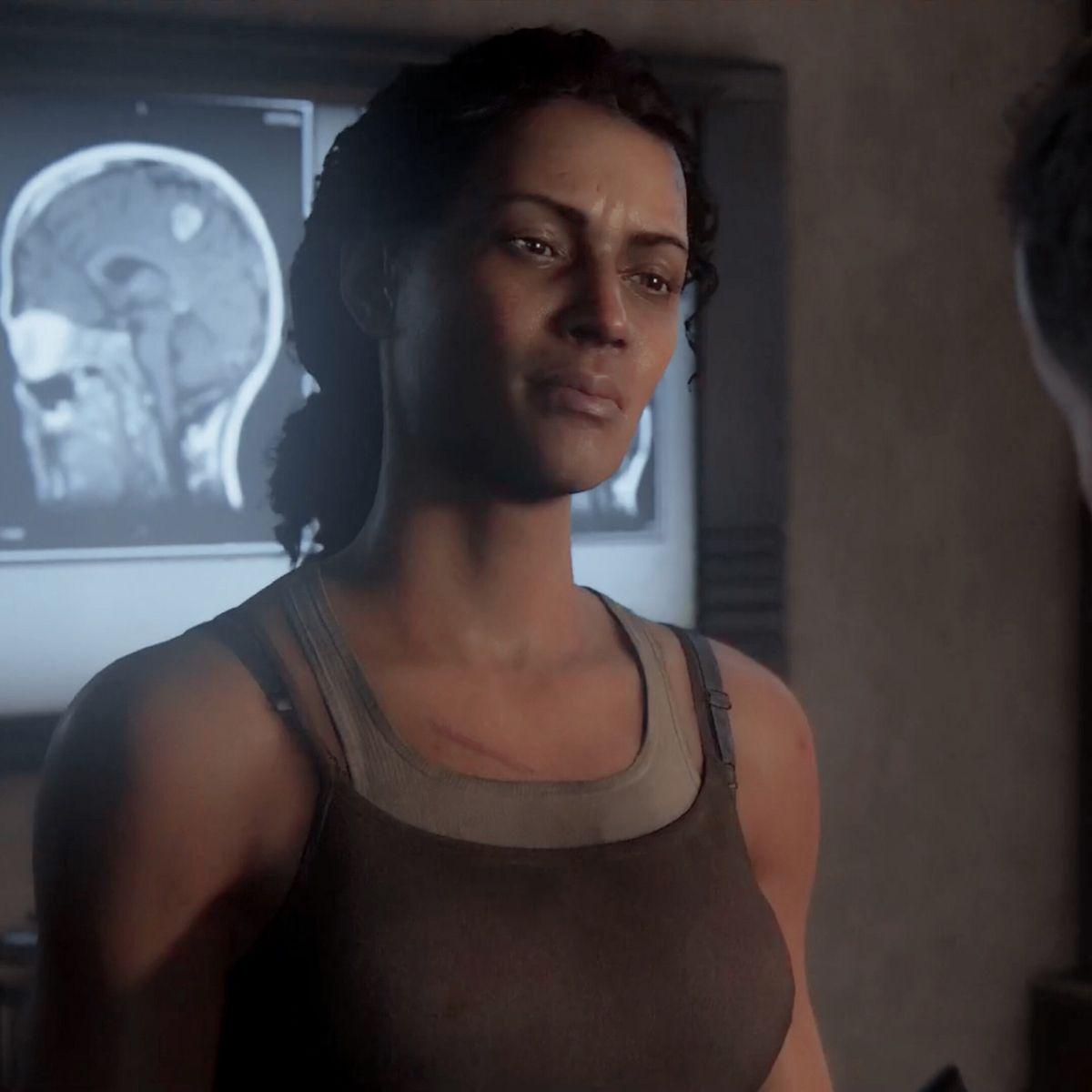
The Fireflies are not framed as pure villains, but their hospital decision is one of the franchise's darkest moral pivots.
They are willing to sacrifice Ellie without her informed consent for a potential cure. That “greater good” logic is exactly what makes them dangerous: the cause is noble, the method is terrifying.
This choice detonates everything that follows. In Last of Us terms, intention does not erase harm.
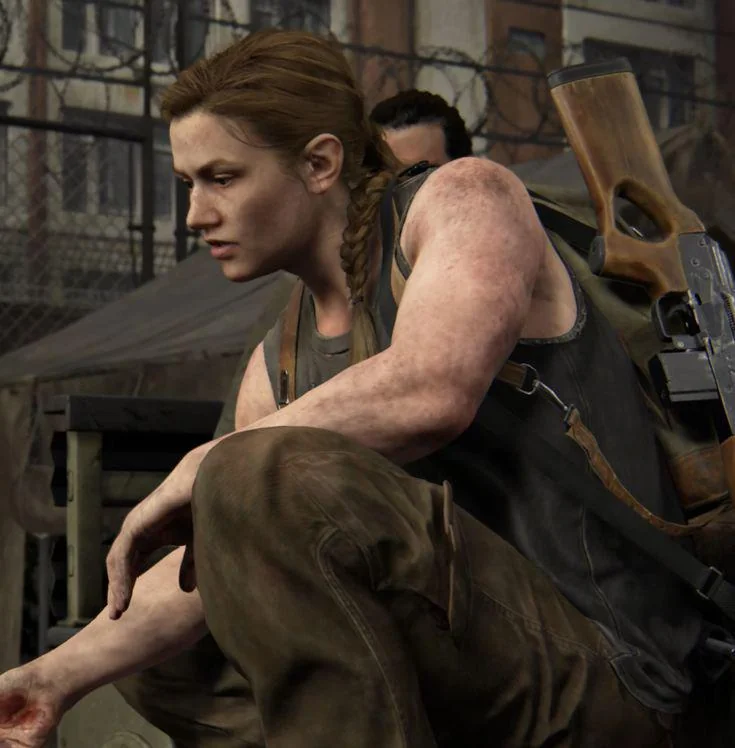
Abby is one of gaming's boldest antagonist/protagonist pivots.
From Ellie's side, Abby is the villain who shatters everything. From Abby's side, she is a person trapped in the same revenge machine as everyone else. That dual framing is the point. The game forces you to confront how quickly “justice” becomes “mirrored cruelty.”
She is not evil in a simple sense. She is devastating in a very human one.
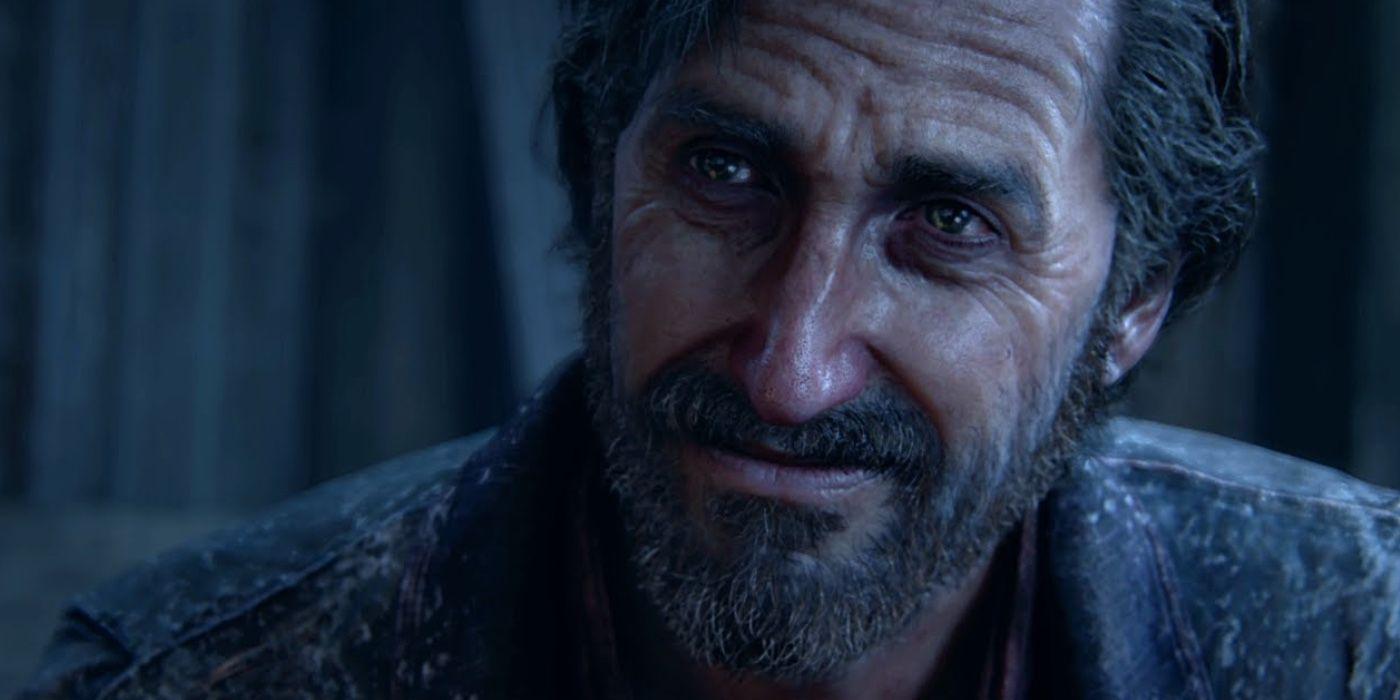
David is the franchise's most immediately disturbing human villain.
He is manipulative, predatory, and terrifyingly calm while trying to control Ellie. His section works because it strips away ambiguity: this is exploitation, domination, and violence in the rawest form. No ideology. No grand cause. Just predation.
David is the moment many players realized The Last of Us was willing to go much darker than standard survival stories.
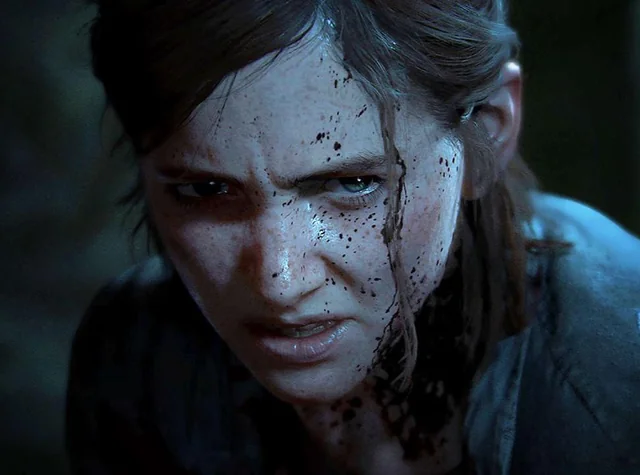
The biggest villain in The Last of Us is the revenge cycle itself.
Every major conflict reinforces it: loss leads to retaliation, retaliation creates new loss, and everyone calls their turn “necessary.” Joel, Abby, Ellie, the factions, the institutions, all feed the same machine at different scales.
That is why the story hurts so much. There is no clean win screen. Only cost.
And that is exactly why this is one of the strongest villain frameworks in modern games.
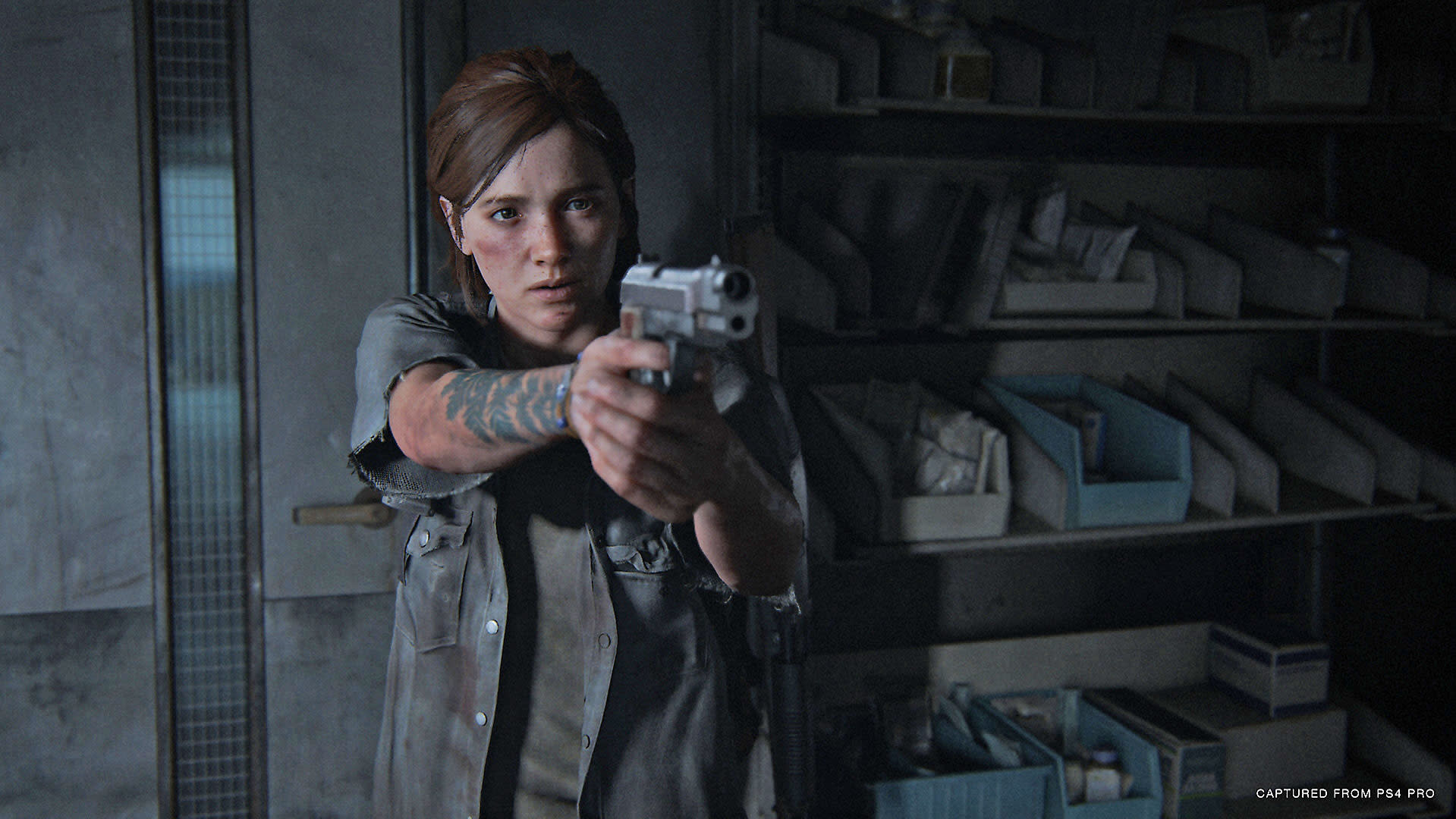
If you want the purest “human monster” antagonist, David is still the most frightening.
If you want systemic villainy, FEDRA, Isaac, and faction leadership structures are the real long-game threats.
If you want the franchise's central truth in one line:
the cycle of violence is the final boss nobody can brute-force.
 PlayStationNews
 PlayStationNews
 PlayStationGuide
 PlayStationNews