
 PlayStationMar 07, 2026
From Sarah’s heartbreaking opening to Ellie and Abby’s brutal dual arc, here are The Last Of Us protagonists ranked by impact, writing, and emotional damage.
In The Last of Us, “protagonist” does not mean “hero.” It usually means “person currently making a terrible decision for understandable reasons.”
That is exactly why this series works.
Instead of perfect saviors, Naughty Dog gives us playable leads who are grieving, stubborn, violent, loving, and emotionally very unwell. You do not just watch their stories. You carry them, one stealth section and one panic reload at a time.
For this ranking, we are keeping it strict: playable protagonists only across the main games.

Sarah appears briefly, but her impact is franchise-defining.
You control her in the opening sequence of The Last of Us, and in those minutes the game does something brilliant: it builds normal life first, then destroys it in front of you before you even understand the rules of this world. That playable perspective matters. If the opening were a cutscene, it would still be sad. Because you play it, it becomes personal.
Sarah is ranked fourth only because her screen time is short, not because her writing is weak. She is warm, funny, and instantly believable. More importantly, she becomes the emotional fault line that explains Joel for the rest of the series.
Her role is basically this: one chapter, permanent scar tissue.
And yes, the intro still ruins people over a decade later.

Abby is one of the most controversial playable protagonists in modern gaming, and that is precisely the point.
Part II asks you to begin with rage, then spend hours inside the perspective of the person you blamed. That structural gamble could have failed badly. Instead, it became one of the most discussed narrative swings in the medium.
As a playable lead, Abby is excellent. Her combat style feels heavier and more aggressive than Ellie’s, which reinforces her identity through gameplay, not just dialogue. Her character arc is not about becoming innocent. It is about clawing back humanity after revenge has hollowed her out.
Her relationship with Lev is the key that unlocks her character. Without that dynamic, Abby is just anger with muscles. With it, she becomes a layered portrait of guilt, loyalty, and survival.
She ranks third because her arc is intentionally divisive, but divisive does not mean weak. It means the game trusted players to sit in discomfort instead of feeding them easy catharsis.
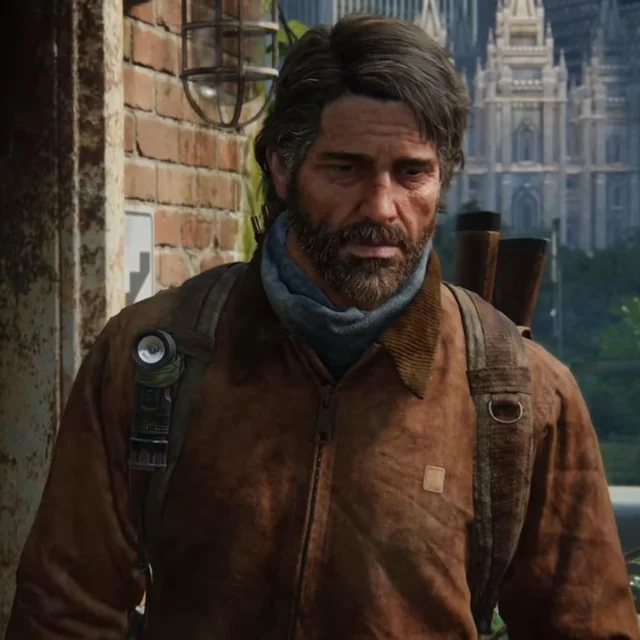
Joel is one of gaming’s most iconic protagonists because he is written as a contradiction that never fully resolves.
He is protective and selfish.
Tender and terrifying.
Funny and emotionally locked down.
Across The Last of Us Part I, Joel’s arc with Ellie is a masterclass in gradual trust. The game does not rush him into softness. It drags him there, kicking and muttering, through loss after loss. By the time he chooses Ellie over the world, the player understands why, even if they cannot fully defend it.
That is what makes Joel elite as a protagonist: he forces moral conflict instead of moral comfort.
Even in Part II, where his direct playable time is limited, his choices drive nearly every major event. The story keeps asking whether love can justify violence, and Joel is the loudest possible “depends who you ask.”
He lands at number two because only one character in this series has broader range and longer playable evolution.
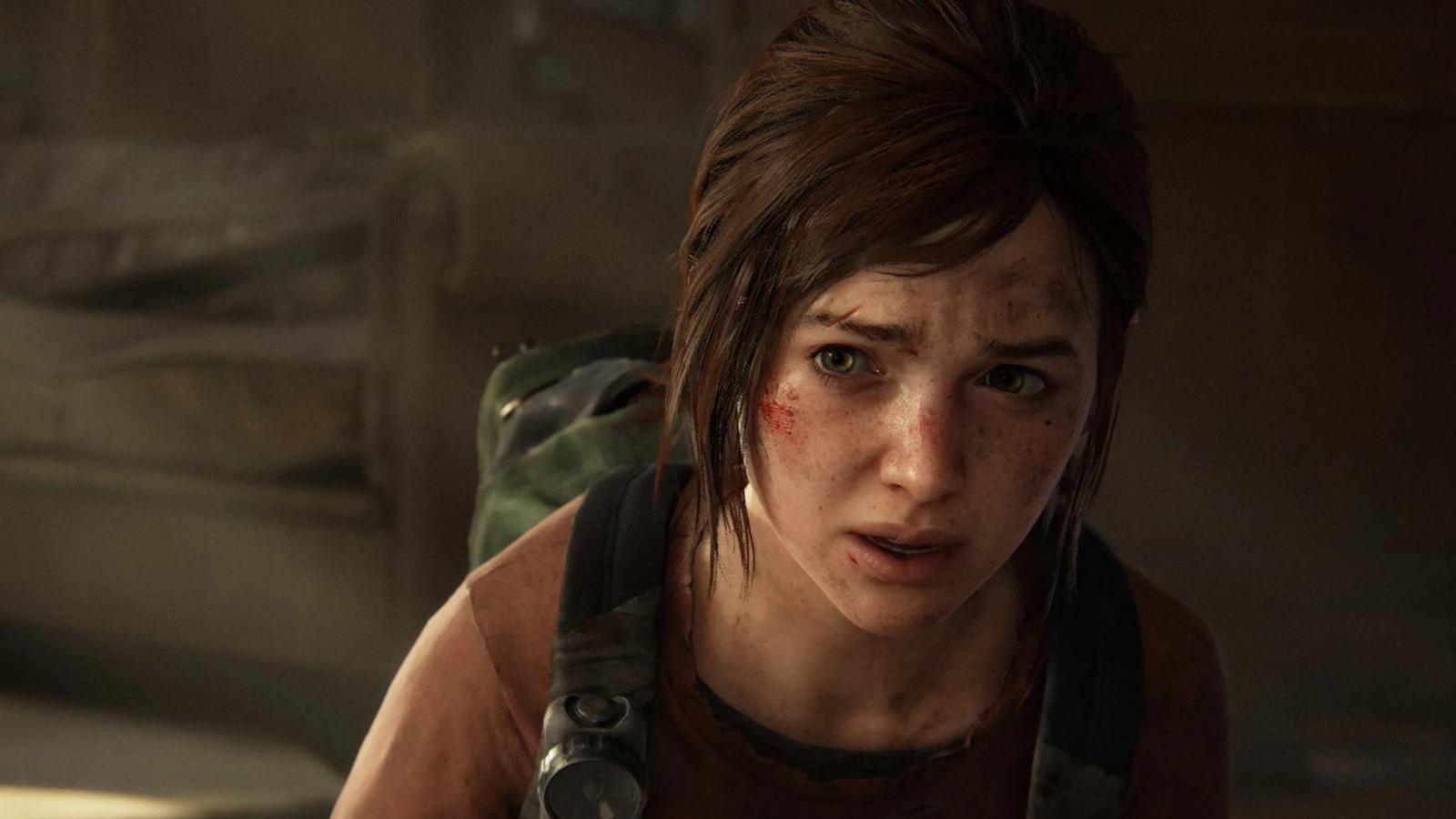
Ellie is the best playable protagonist in The Last of Us because she carries the franchise at every emotional setting: wonder, humor, grief, fury, and regret.
In Part I, she is the spark that rehumanizes Joel and the player at the same time. Her curiosity, sarcasm, and vulnerability make the post-apocalypse feel like more than gray rubble and moral lectures.
In Part II, she becomes something even harder to write: a protagonist in decline. Ellie’s campaign is a study in obsession, and the game is brave enough to show how vengeance erodes identity mission by mission. You do not level up into a hero. You descend into someone harder, colder, and less recognizable.
Gameplay reinforces that arc brilliantly. Ellie feels fast, improvisational, and desperate. Her encounters are tense not because she is weak, but because you can feel the emotional cost behind every confrontation.
By the end, Ellie is not “fixed.” She is simply aware of what revenge took from her, and that restraint in the final act is one of the strongest character beats in the series.
If Joel is the foundation, Ellie is the soul.
If Abby is the challenge, Ellie is the consequence.
If The Last of Us has a center, it is her.

The Last of Us proves you do not need a perfect hero to tell a great story.
You need playable protagonists who feel human enough to love, broken enough to fear, and complicated enough to argue about for years.
Ranking them is brutal.
Playing them is worse.
Remembering them is the easy part.
By Console Pulse Editorial Team
Editorial Team, Console Pulse
 PlayStationNews
 PlayStationNews
 PlayStationNews
 PlayStationGuide