
 PlayStationMar 07, 2026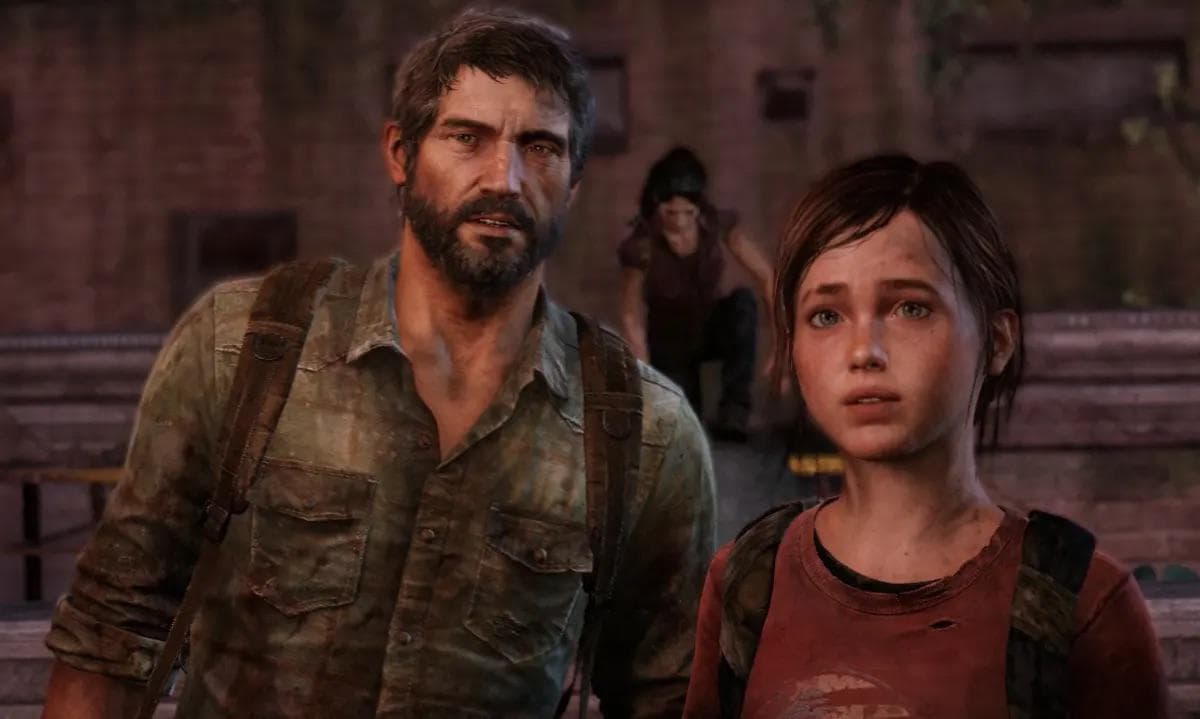
Ranking The Best The Last Of Us Characters, From Bill To Ellie, With Story Impact, Emotional Weight, And Why This Cast Still Hits Hard In 2026.
The Last of Us is not built on plot twists, infected types, or crafting one more Molotov out of panic and glue.
It is built on people.
Messy people. Violent people. Loyal people. People who make one terrible choice, then spend years bleeding for it.
This is our ranked list of the best The Last of Us characters, based on writing quality, emotional impact, and how hard they carry the story when everything goes fully off the rails.
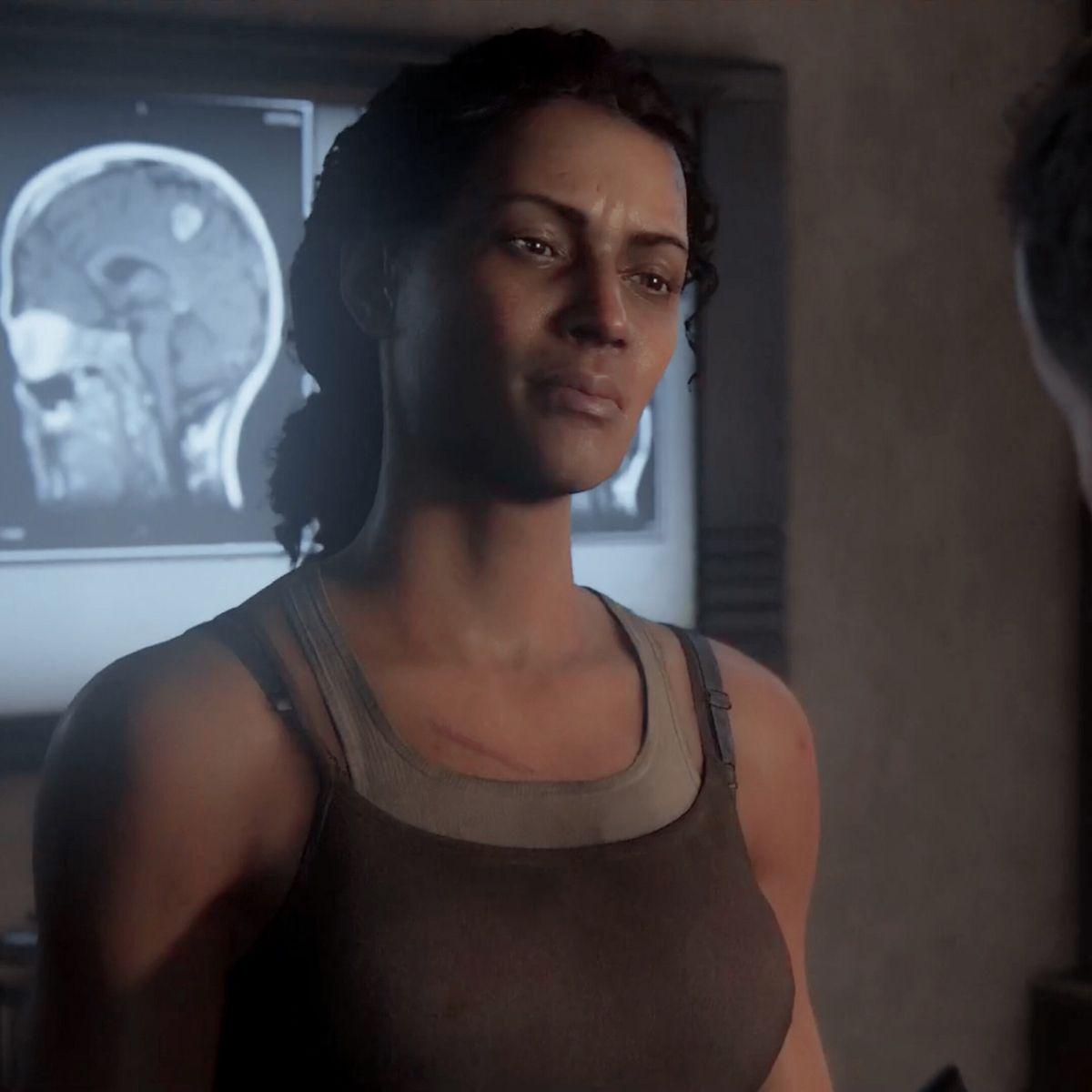
Marlene is one of the franchise's most important moral pressure points.
She is not written as a cartoon villain or saint. She is a leader trying to make catastrophic decisions inside catastrophic conditions. Her choices drive the core conflict of the entire series.
What makes her strong as a character is ambiguity. You can disagree with her and still understand her.
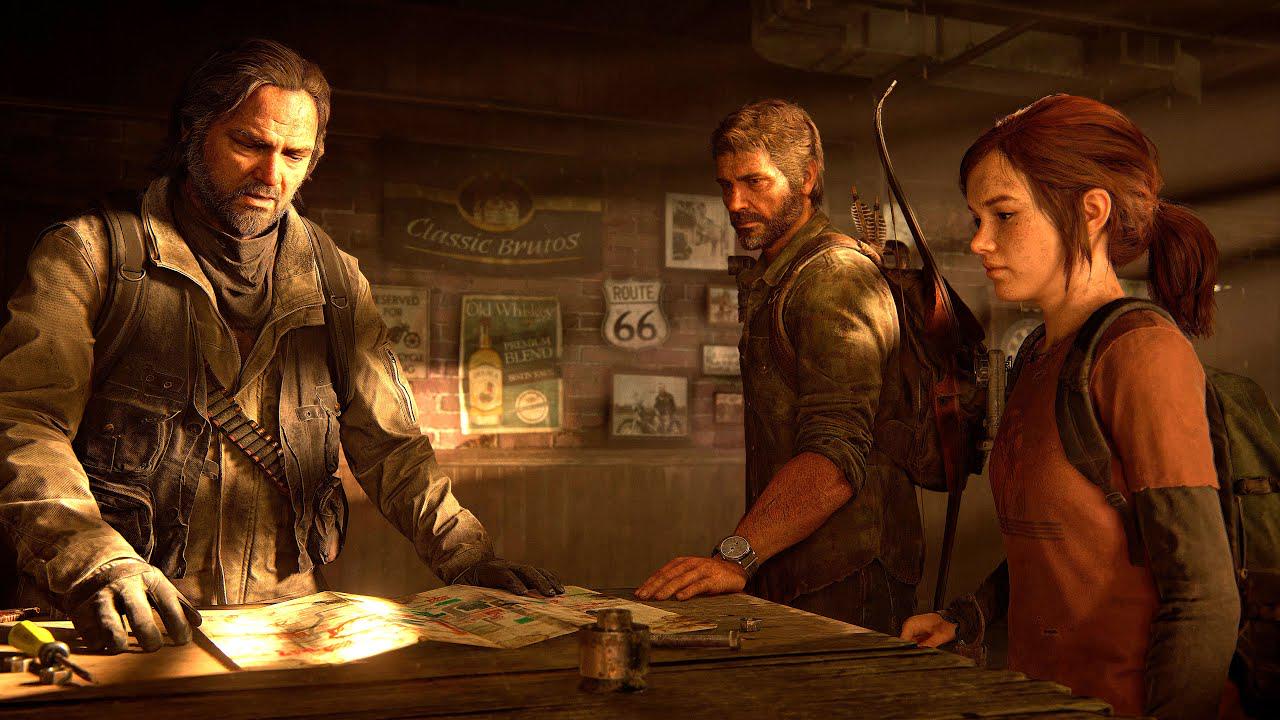
Bill is what happens when survival becomes your entire personality.
He is rude, bitter, and emotionally locked behind seven layers of traps and sarcasm. But that is exactly why he works. Bill represents the part of this world that says, “Trust nobody, need nobody, feel nothing,” and then quietly proves that is impossible.
Even in limited screen time, he lands hard. His section mixes dark humor, dread, and grief without forcing any of it. You laugh at him one minute, then sit there in silence the next.
Bill is not here to be likable. He is here to show what isolation costs.
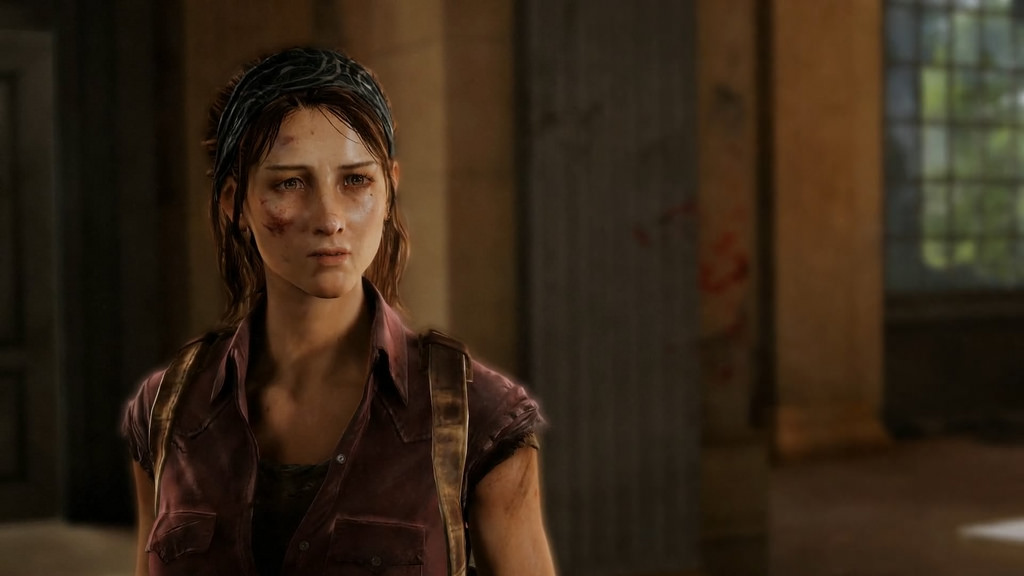
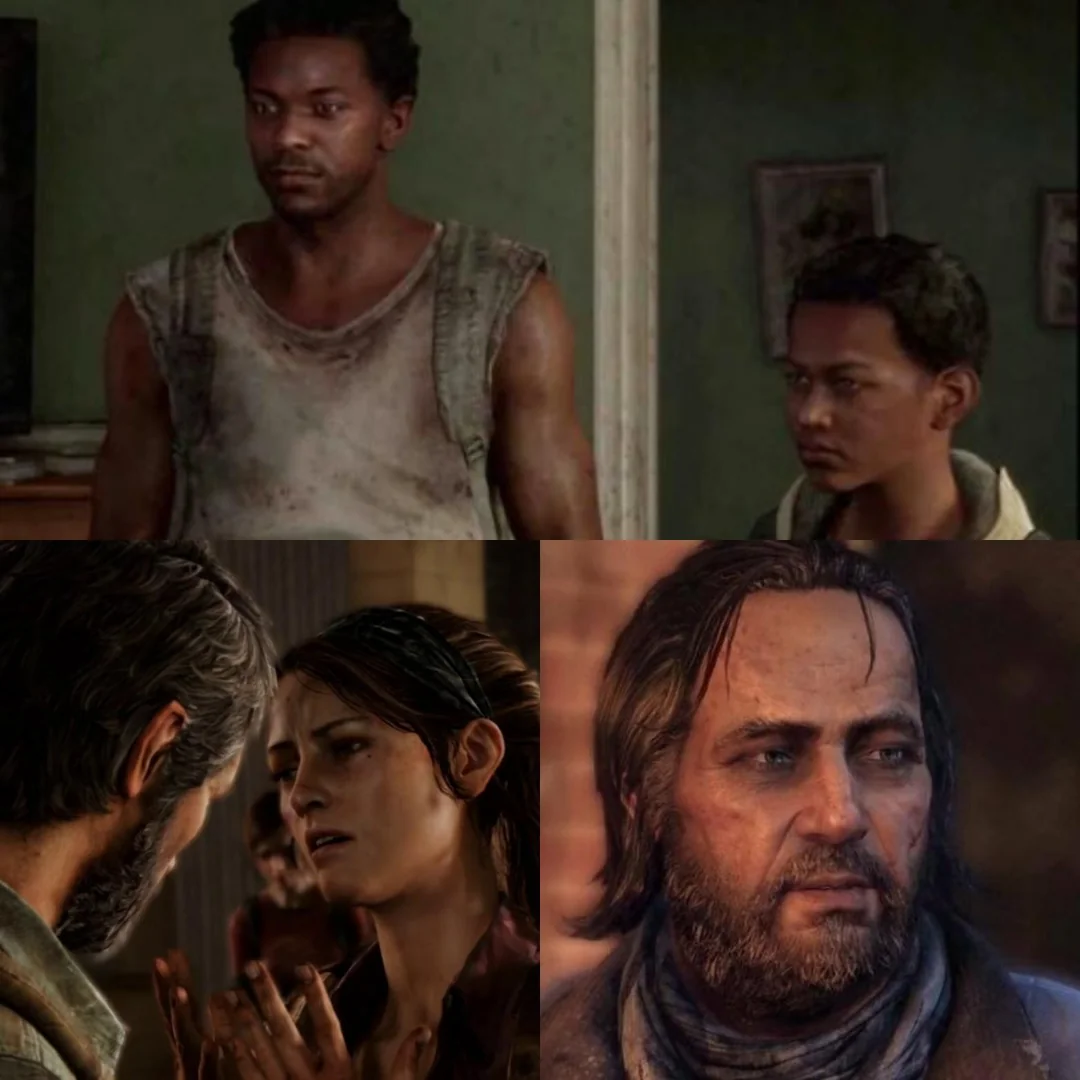
Tess does not get enough credit for kicking off the entire emotional engine of the first game.
She is sharp, practical, and fully aware that good outcomes are rare in this world. That is what makes her final stand so powerful. Tess is not naive. She is not chasing hero points. She just chooses meaning over fear in the one moment that counts.
Her writing is tight, efficient, and devastating. She anchors Joel before Ellie can, and her absence haunts the journey long after she is gone.
Short role. Massive impact. Classic Last of Us math.
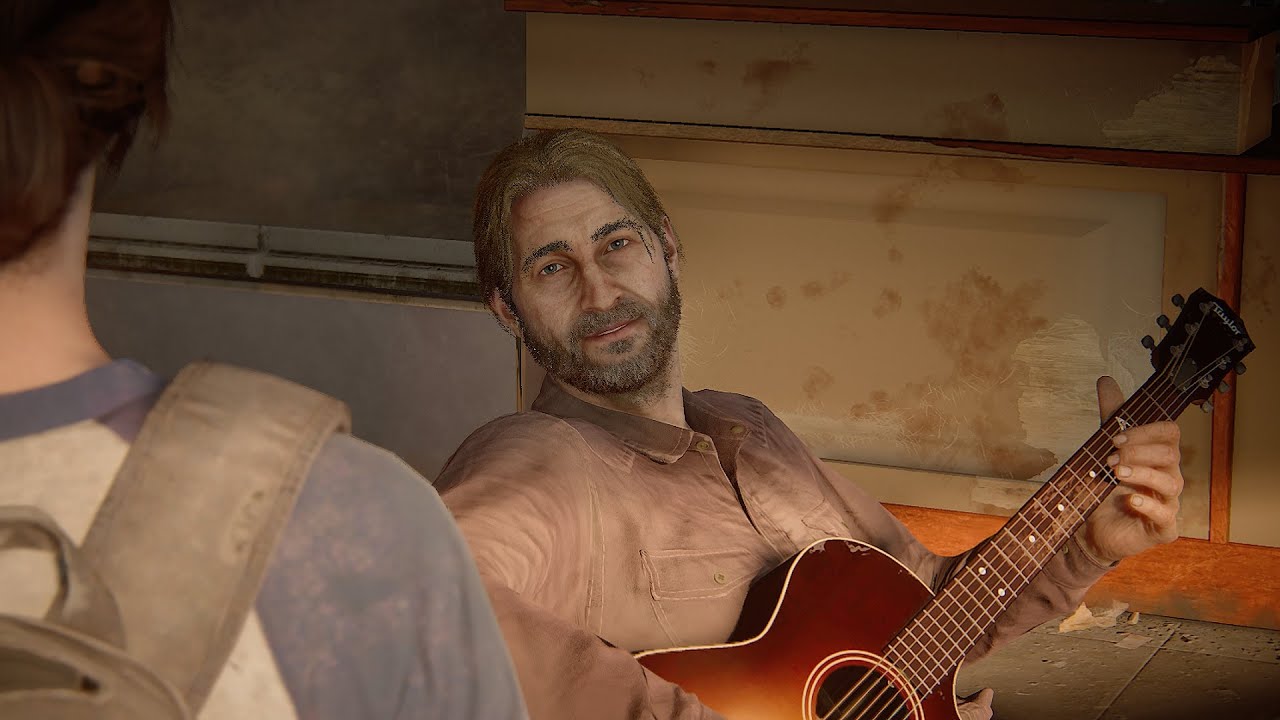
Tommy is one of the most underrated characters in the franchise because he feels so believable it almost hurts.
He is not a mythic hero. He is a man pulled between family, duty, and revenge, and every choice he makes leaves damage behind. His arc across both games shows how violence does not just kill people, it mutates everyone around it.
Tommy also gives us one of the most grounded views of Joel. Through him, we see who Joel was, who he became, and who he maybe could have been.
In a series full of extreme personalities, Tommy feels terrifyingly real.
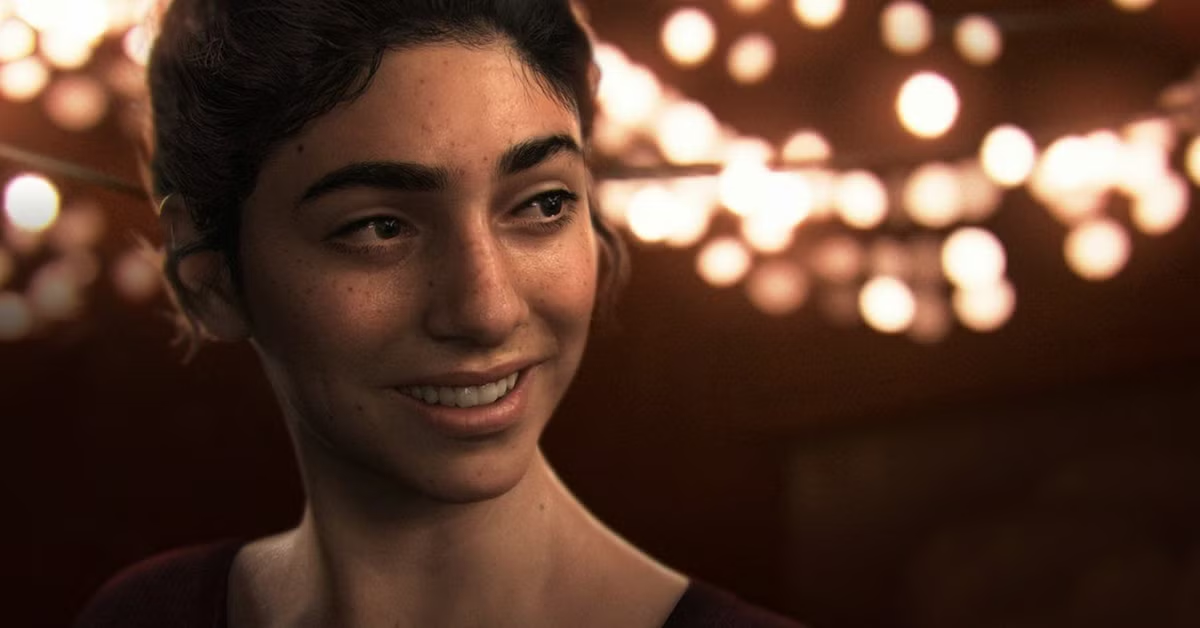
Dina brings warmth to Part II without feeling like a “nice character” template.
She is funny, direct, and emotionally intelligent enough to call out self-destruction when she sees it. Dina is not weak because she chooses life over obsession. She is strong because she sets a boundary in a world where boundaries barely exist.
Her relationship with Ellie gives the story breathing room, then makes the collapse hit harder. She represents the future Ellie could have chosen, which is exactly why losing that future stings so much.
Dina is not just support. She is the emotional control group for the entire revenge experiment.
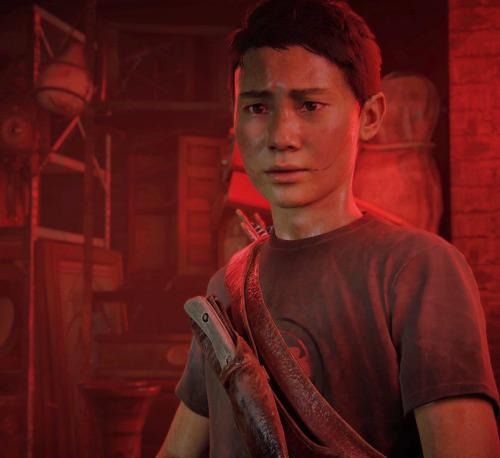
Lev is one of Part II’s best writing decisions, period.
He could have been treated as a plot device for Abby’s redemption arc. Instead, he is a full character with agency, fear, humor, and conviction. Lev challenges Abby, changes Abby, and forces the player to reframe who this story is even about.
His quiet strength is the key. Lev does not dominate scenes with speeches. He changes them by existing in them honestly. He is proof that kindness in The Last of Us is not naive, it is radical.
And yes, protecting Lev becomes your full-time emotional job immediately.

Abby is one of the boldest protagonist-level swings in modern game storytelling.
The game asks players to hate her, then humanize her, then sit with that discomfort for hours. Whether you loved that structure or argued with your screen, it worked. Abby forces you to confront how perspective manipulates morality.
She is physically intimidating, emotionally shut down, and deeply wounded. Her arc is not about becoming “good.” It is about stepping off the revenge treadmill before it grinds everyone down completely.
Abby is controversial because she is meant to be. That is exactly why she belongs this high.
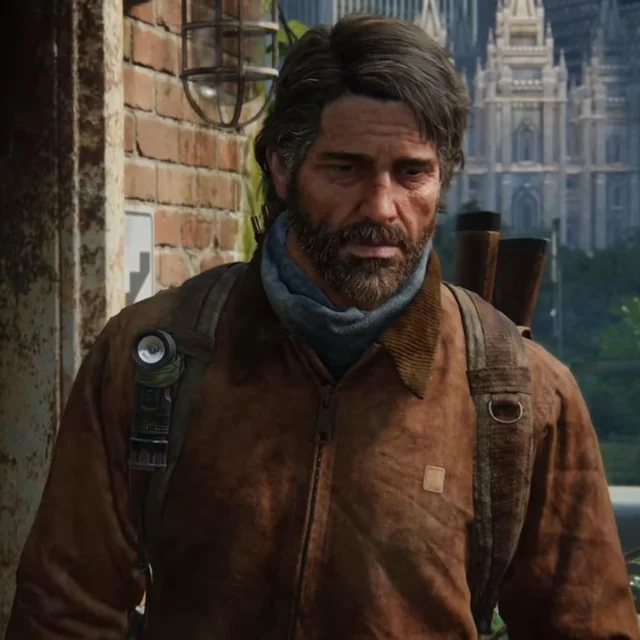
Joel is one of gaming’s all-time great character studies in love, grief, and moral collapse.
He is charismatic, funny, brutal, and deeply selfish when it matters most. The brilliance of Joel is that the series never lets you simplify him. He is not a villain, not a saint, and definitely not emotionally well. He is a father-shaped force of nature making impossible choices and calling it survival.
His decision at the end of Part I remains the franchise’s defining moral fault line. Every major event after that carries his fingerprints.
Joel makes you understand him, then dares you to defend him. Elite writing.
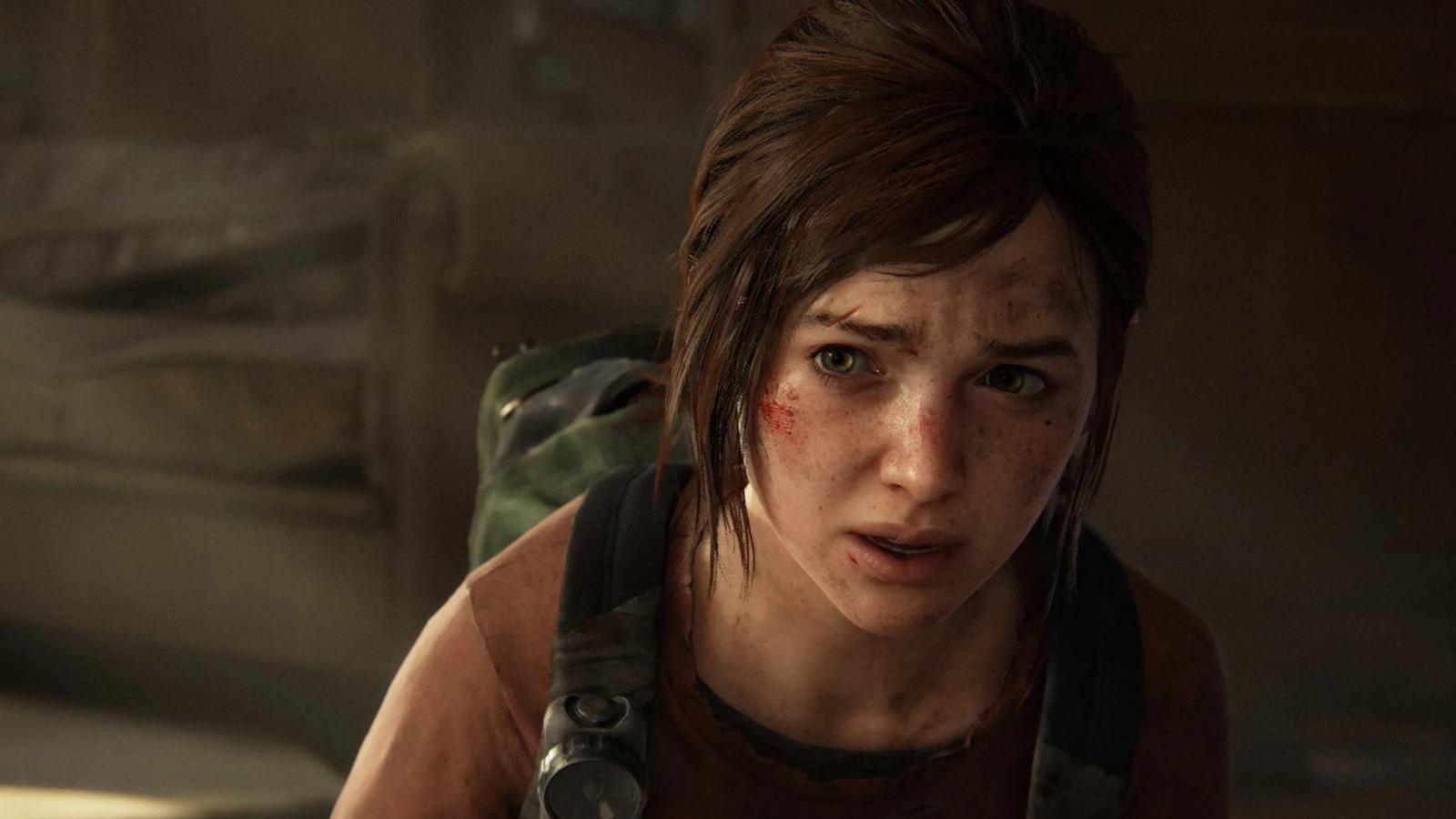
Ellie is the heart of The Last of Us, and also the knife.
Across both games, she evolves from sharp, funny, curious kid into a traumatized adult trying to survive her own grief. Her story is not linear growth. It is loss, rage, denial, love, relapse, and tiny, painful steps toward self-awareness.
What makes Ellie number one is range. She carries humor, tenderness, horror, and pure menace without ever feeling inconsistent. She is both victim and aggressor, both deeply empathetic and dangerously consumed.
Most importantly, Ellie embodies the core theme of the franchise: love can save you, and love can ruin you, sometimes in the same decision.
That complexity is why she stands at the top.
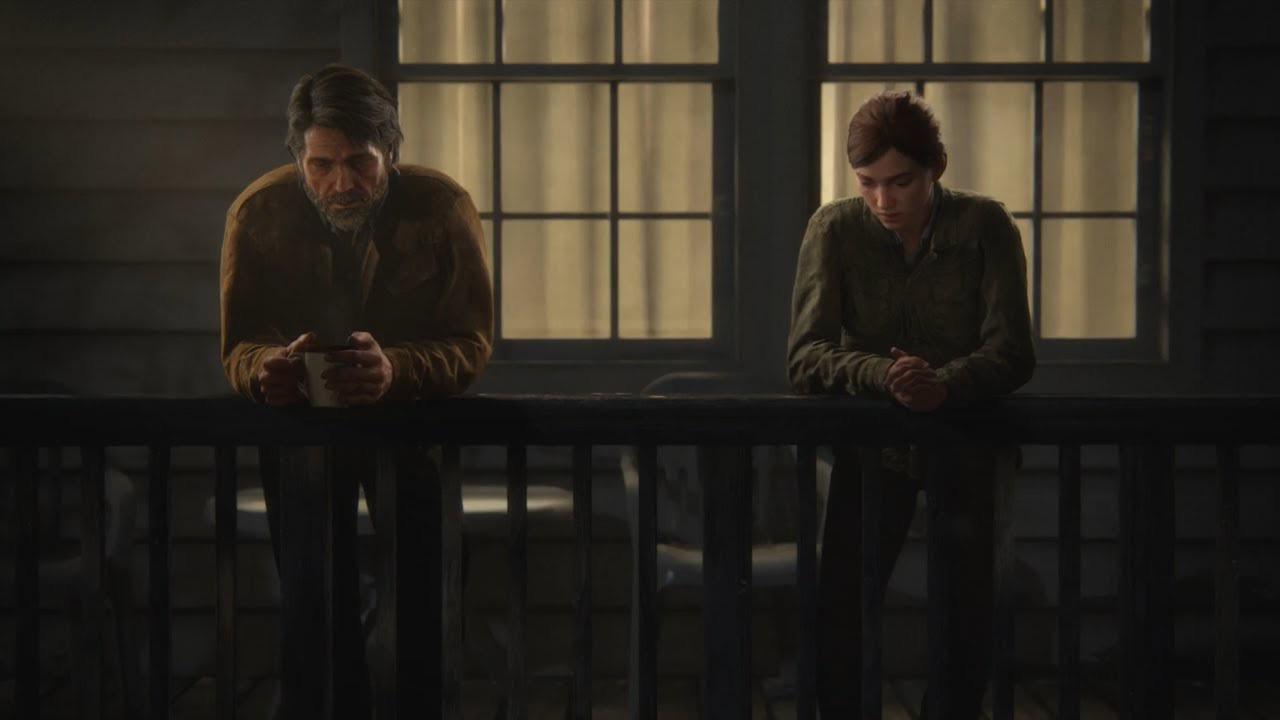
If The Last of Us still dominates gaming conversations years later, this is why.
Not because of clickers.
Not because of graphics.
Not even because of shock moments.
Because this cast feels painfully human.
They lie, love, fail, forgive, and break in ways that feel uncomfortably close to real life. And somehow, through all the chaos, the series keeps asking one question:
How much of yourself are you willing to lose to protect the people you love?
By Console Pulse Editorial Team
Editorial Team, Console Pulse
 PlayStationNews
 PlayStationNews
 PlayStationNews
 PlayStationGuide