
 SwitchMar 08, 2026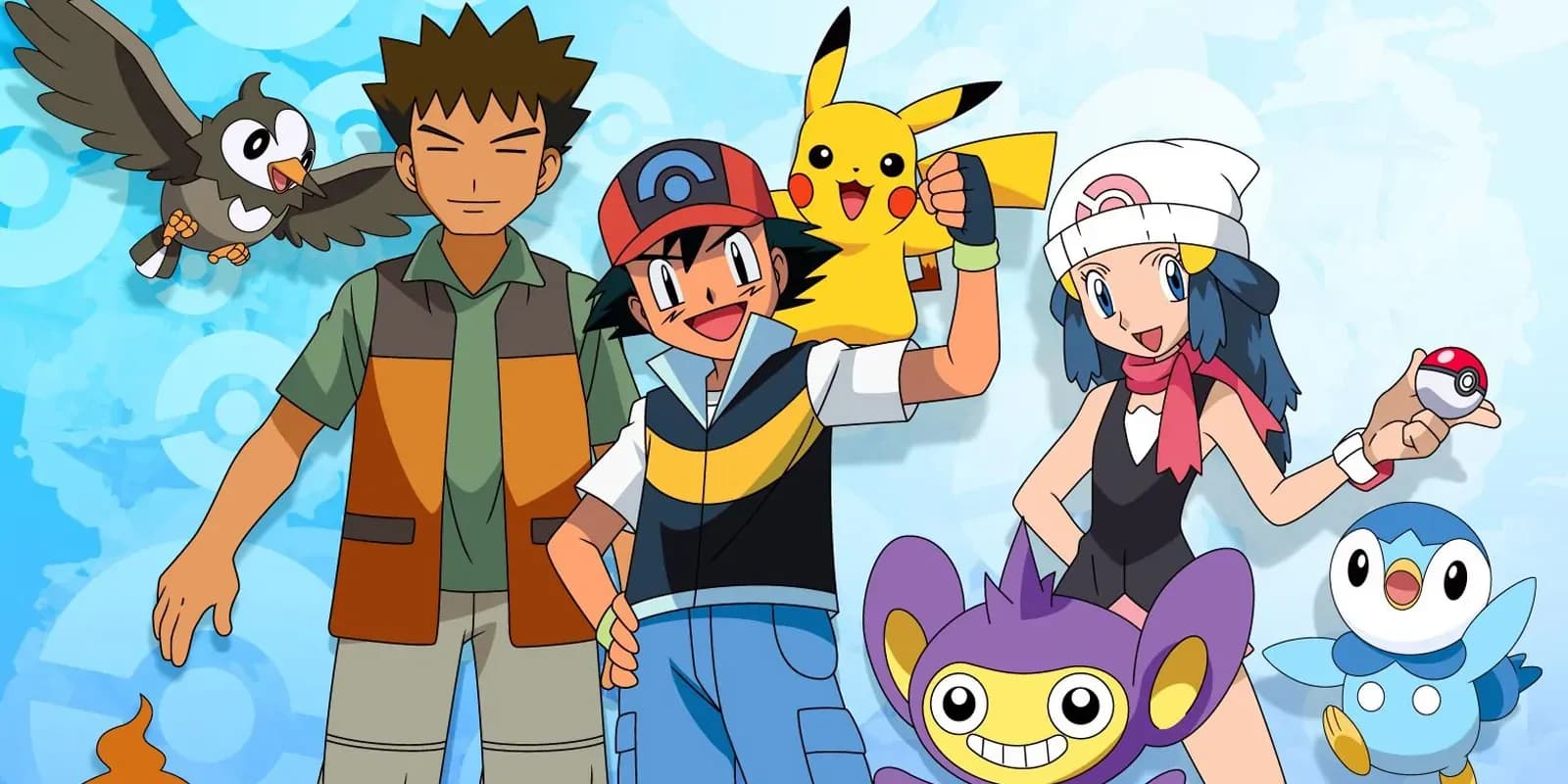
From Red and Ethan to Gloria and Florian, here are the best Pokemon protagonists ranked by impact, personality framing, and franchise legacy.
Pokemon protagonists are usually silent, customizable, and built as player stand-ins.
But over time, some leads became more than avatars. Through design, legacy, animations, regional identity, and how the games frame their journey, certain protagonists left a bigger mark than others.
This ranking covers playable mainline protagonists only and compares them by cultural impact, era significance, and long-term franchise memory.
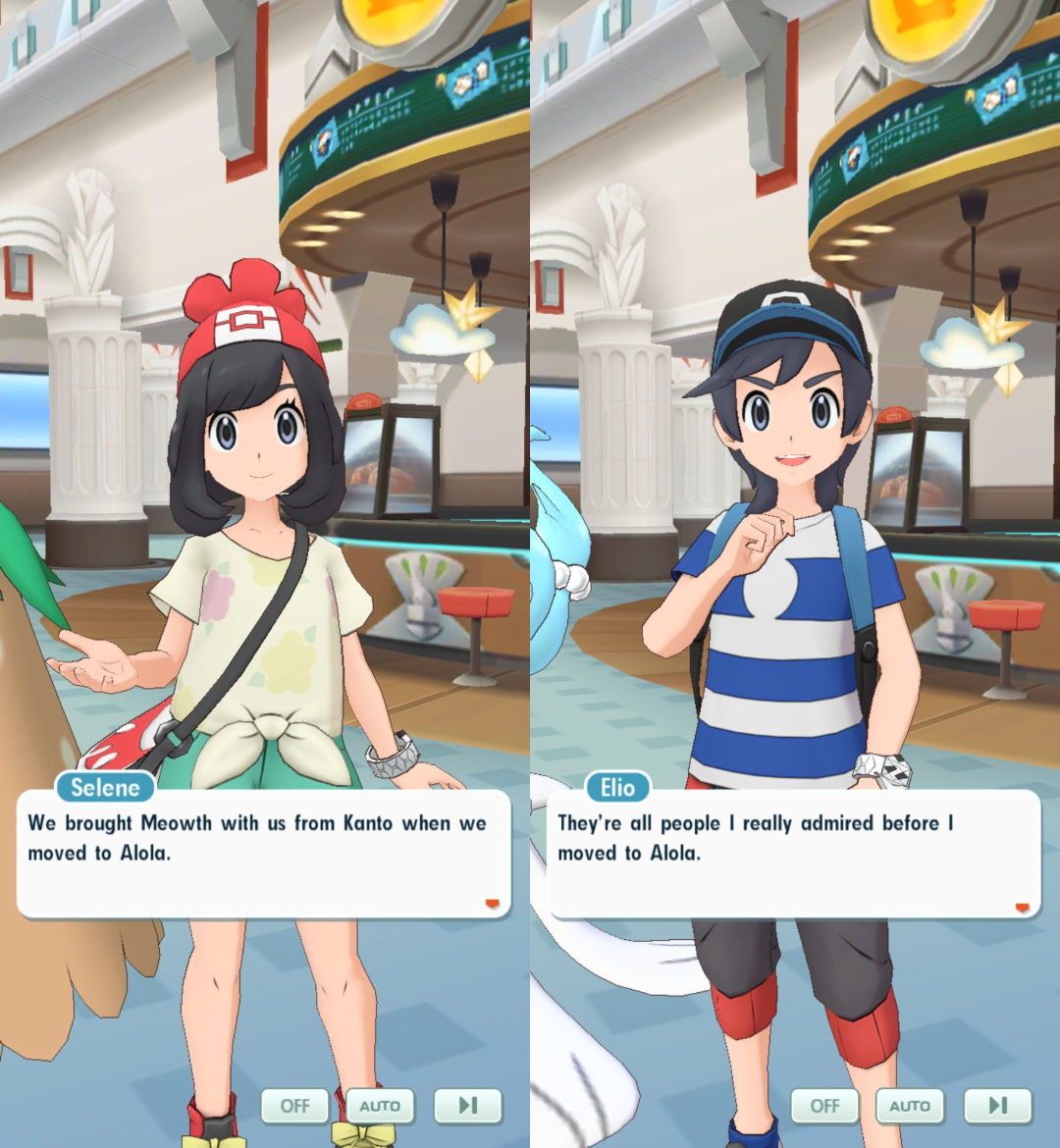
Alola’s protagonists brought a more relaxed but expressive tone to Pokemon’s hero design.
Their visual identity fits the island setting perfectly, and Sun/Moon’s stronger narrative focus helped these avatars feel more embedded in the world than some earlier generations.
They rank lower only because their long-term icon status is more niche compared with franchise giants from Kanto, Johto, and Sinnoh.
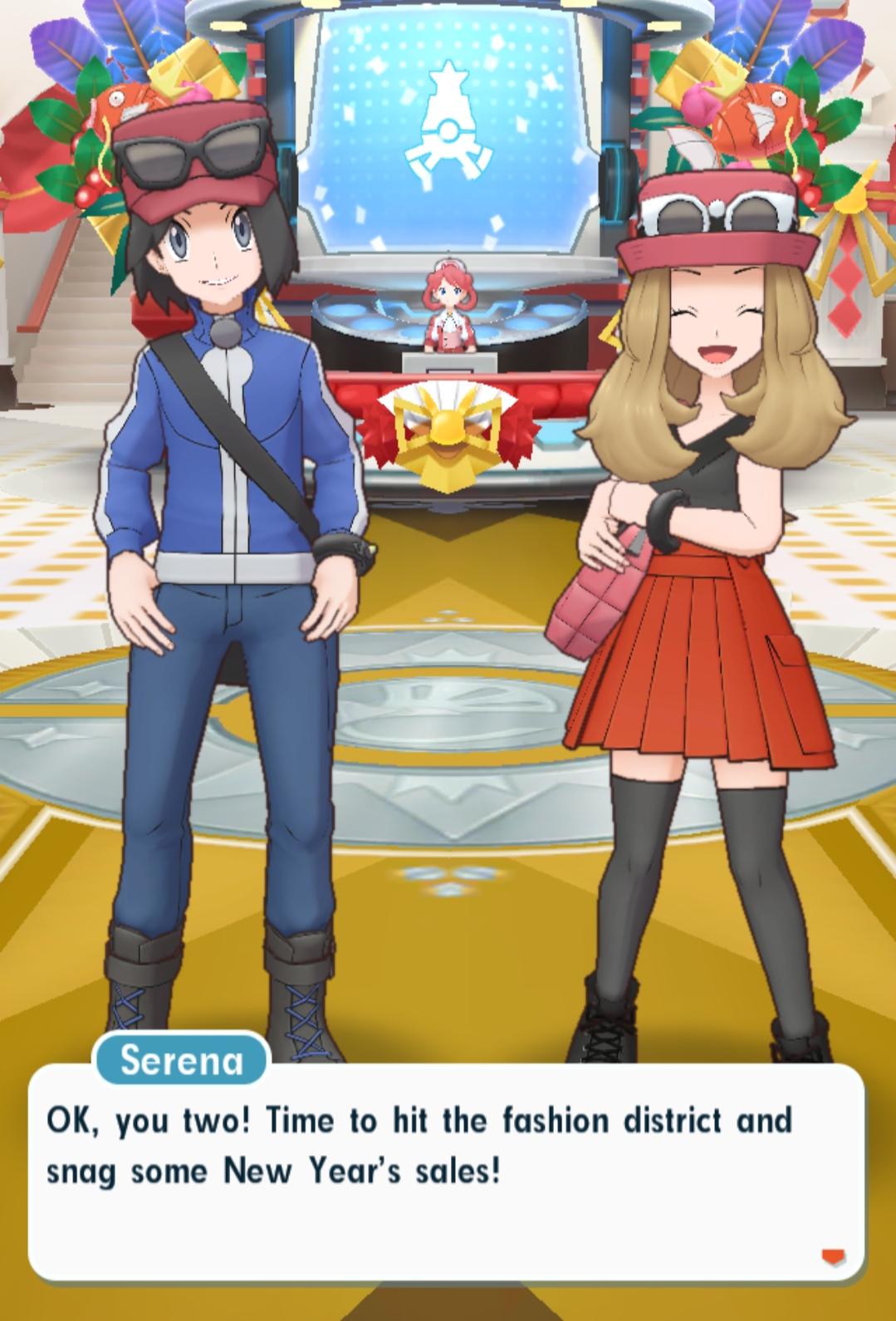
Calem and Serena matter for what they represent: the transition to Pokemon’s fully 3D mainline future.
Kalos pushed customization, style expression, and presentation upgrades, and these protagonists are tied directly to that modernization moment.
They are historically important even if Gen VI’s story framing did not give them the same mythic aura as top-ranked entries.
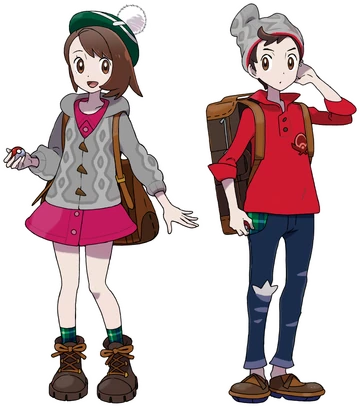
Victor and Gloria led Pokemon’s first brand-new mainline generation on Switch, which makes them era-defining by default.
Their trainer designs are clean and recognizable, and Galar’s stadium battle atmosphere gave their journey a distinct sports-anime intensity.
They do not carry the same nostalgia gravity as older icons yet, but they are central to Pokemon’s modern platform shift.
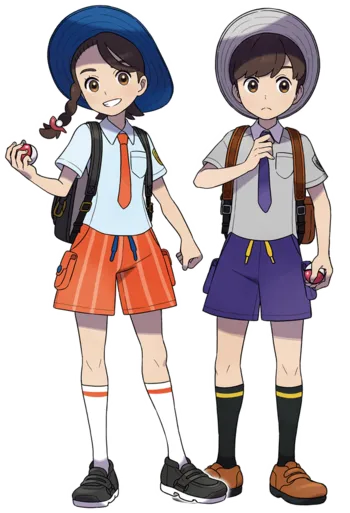
Florian and Juliana front Pokemon’s open-world pivot in Paldea.
Because Scarlet/Violet lets players approach paths more freely, these protagonists feel tied to player agency in a way older linear entries could not always support. They are the faces of modern “choose your route” Pokemon structure.
Their ranking reflects recency and importance: still fresh, but already significant to franchise evolution.
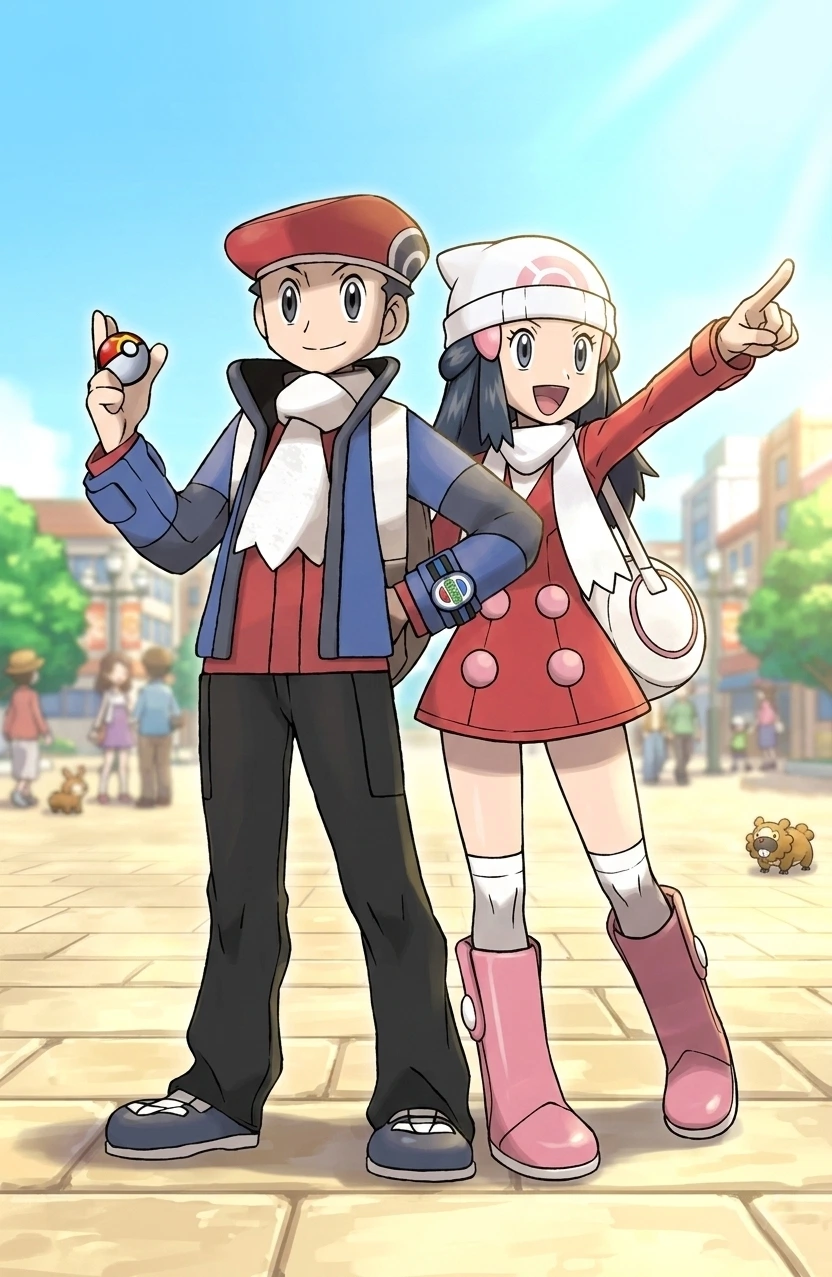
Lucas and Dawn are attached to one of Pokemon’s strongest worldbuilding generations.
Sinnoh’s mythology, legendary arc weight, and Champion Cynthia era all elevate how memorable these protagonists feel in hindsight. Dawn in particular also gained extra cultural boost through anime visibility.
They are not number one in raw icon power, but they are absolutely upper tier in franchise legacy.
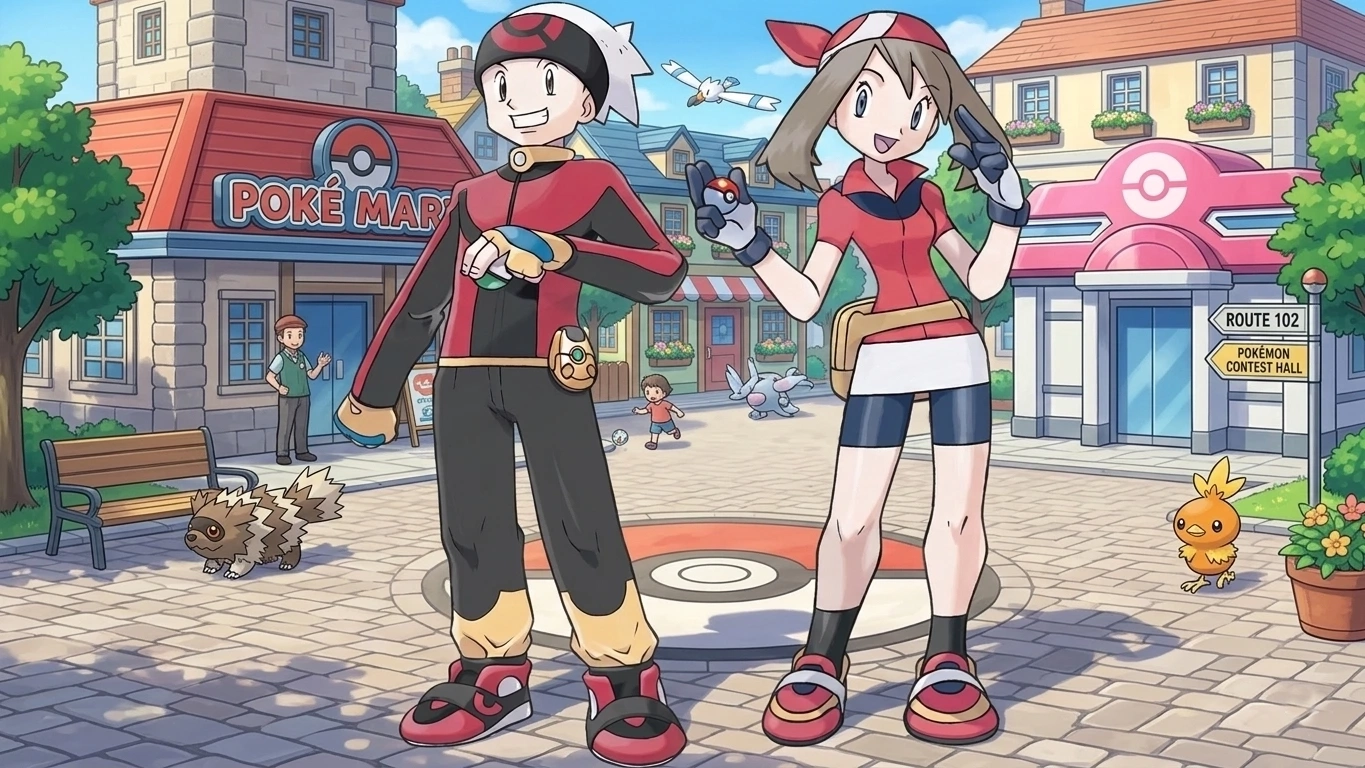
Brendan and May helped define the GBA era and Hoenn’s adventurous tone.
Gen III was a major expansion phase for Pokemon systems, map design, and regional flavor. These protagonists are strongly associated with that growth and remain fan favorites in long-term rankings.
May’s broader recognition in anime and media also boosts the duo’s staying power.
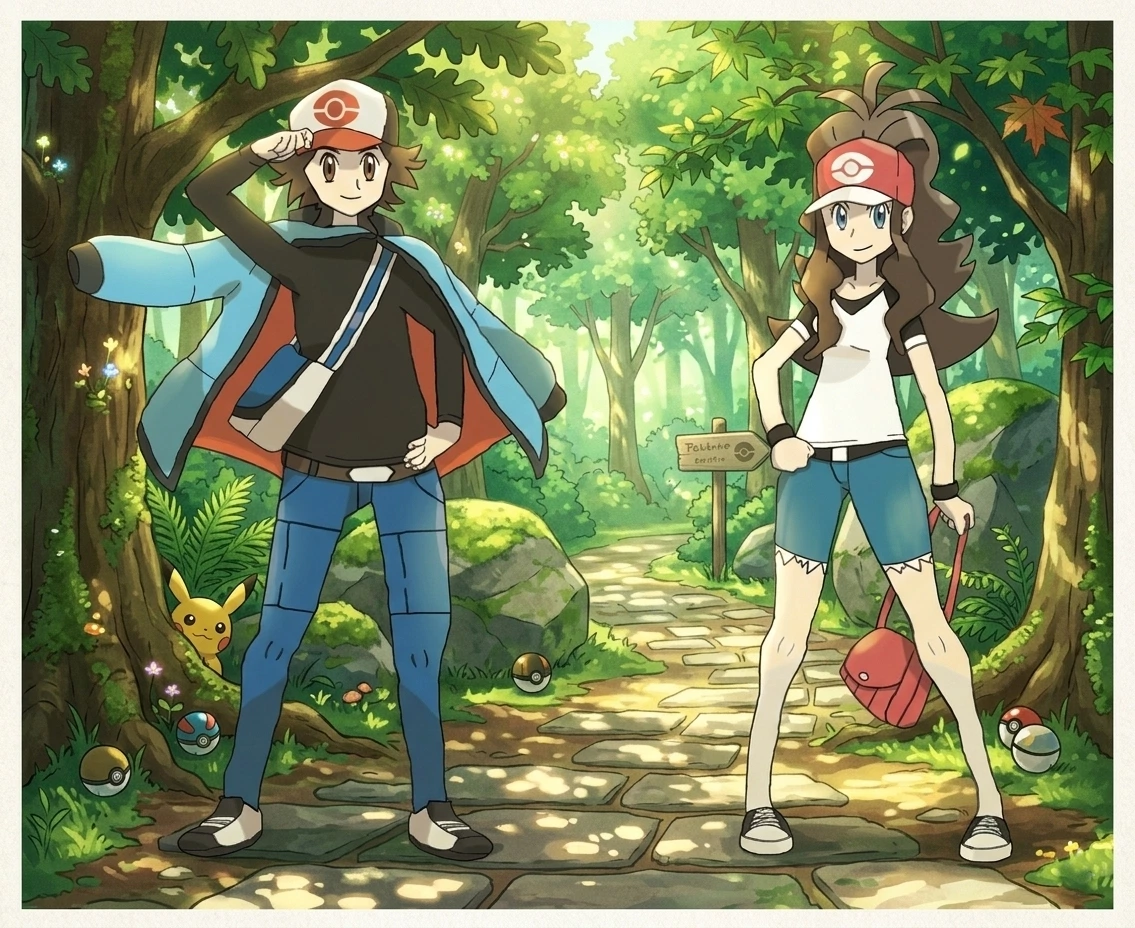
Hilbert and Hilda benefit from Gen V’s narrative reputation.
Black/White pushed character conflict, ideological framing, and story ambition harder than most Pokemon entries, and these protagonists sit at the center of that shift. Even as silent leads, they feel tied to a more dramatic era.
Hilda especially became a standout fan icon thanks to strong design and competitive-era popularity.
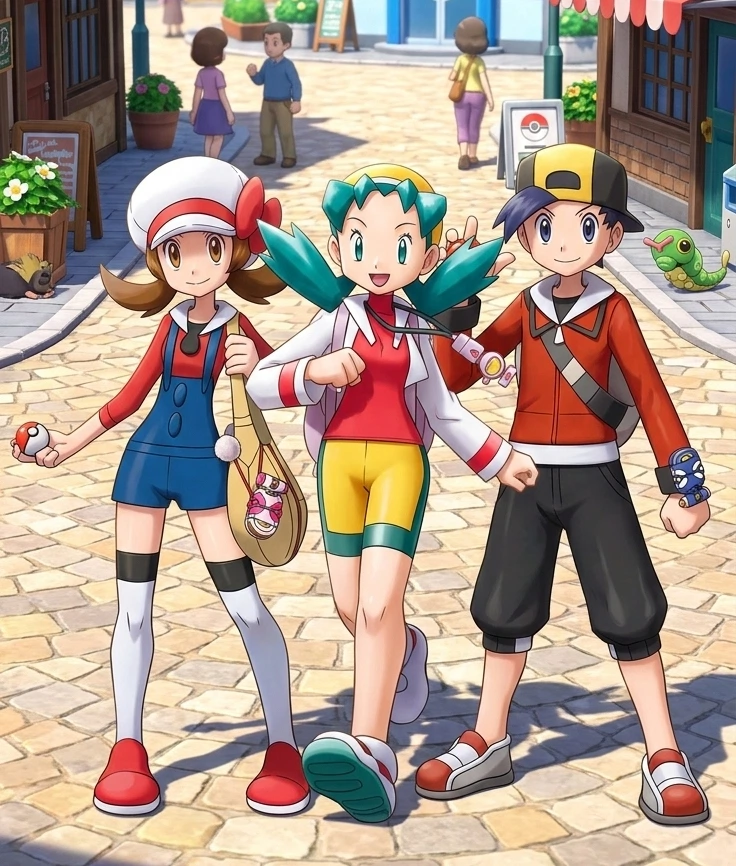
Johto protagonists rank this high for one simple reason: legacy density.
Their games expanded Kanto’s foundation, introduced day-night cycles and breeding, and delivered one of the most iconic postgame moments in the series. These heroes are linked to Pokemon’s “classic sequel done right” era.
Whether players prefer Ethan, Kris, or Lyra, Johto’s protagonist lineup remains elite in historical weight.

Akari and Rei represent one of Pokemon’s boldest gameplay reinventions.
Legends Arceus changed how players move, catch, and interact with the world, and these protagonists are inseparable from that modern action-forward shift. Their role in a dangerous, early-era Sinnoh also gives them stronger narrative atmosphere than typical player avatars.
They are recent, yes, but massively influential.

Red is the blueprint and the benchmark.
As the original protagonist, he set the model every later Pokemon lead follows. Then later appearances transformed him from player avatar into in-universe legend, which almost never happens this effectively in long-running franchises.
If this is a ranking of playable protagonist impact, Red is still number one. No debate required.

Pokemon protagonists are designed to be “you,” but the best ones still build distinct legacy over time.
From Red’s foundational status to Legends Arceus’ modern reinvention, these playable heroes map the evolution of the entire franchise.
Different generation, different jacket, same mission: become champion, save the region, and accidentally prevent another world-ending incident before dinner.
By Console Pulse Editorial Team
Editorial Team, Console Pulse
Images Credit
Official images and screenshots from Nintendo, The Pokemon Company, and Game Freak. All game-related visual assets belong to their respective copyright holders.
 SwitchNews
 SwitchGuide
 SwitchNews
 SwitchNews