
 PlayStationMar 07, 2026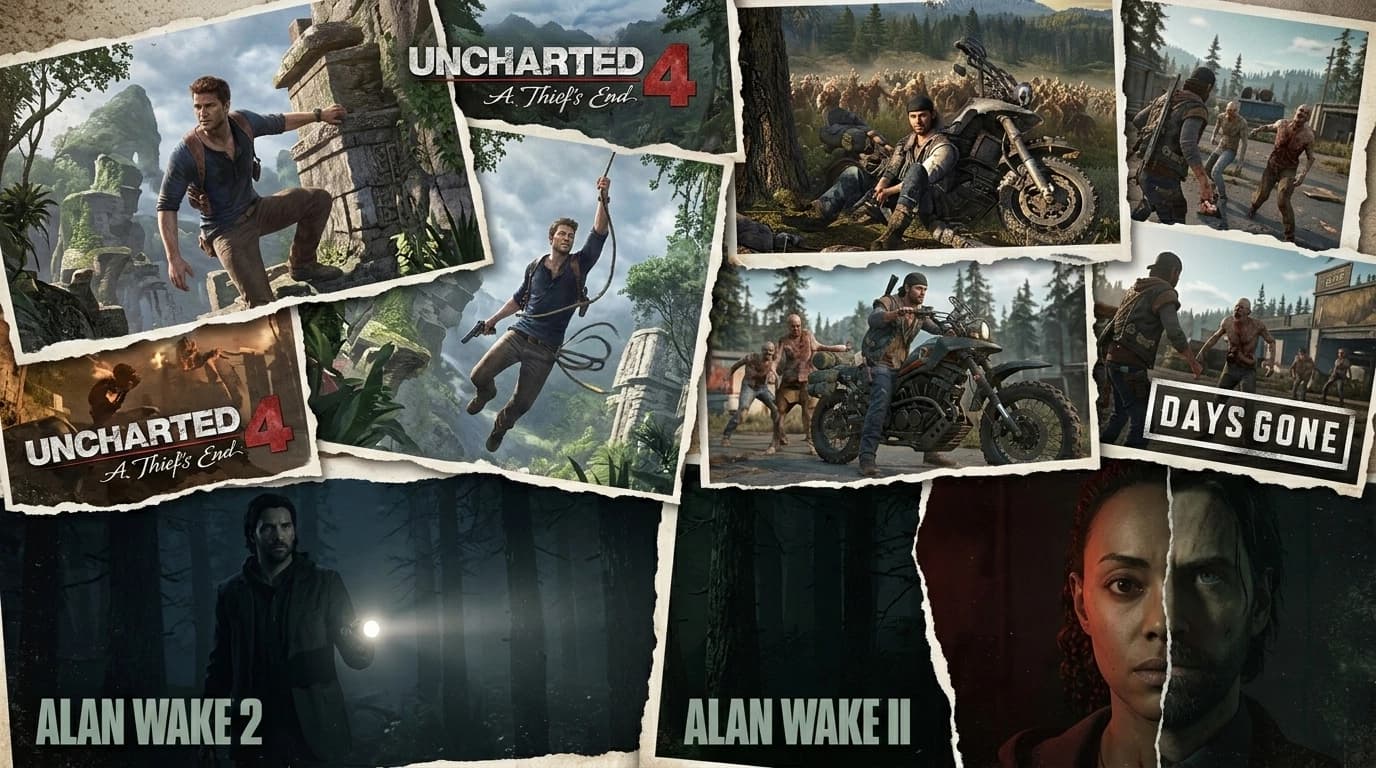
Looking For Games Like The Last Of Us? Here Are 10 Excellent Alternatives With Survival Tension, Strong Characters, Stealth Combat, And Enough Trauma To Feel Familiar.
Finished The Last of Us and now every other game feels emotionally undercooked?
Same.
If you are chasing that mix of tense combat, grounded characters, and “this scene will live in my head forever” storytelling, these are the best games to play next. Not all of them are zombie-apocalypse clones, but each one hits at least one core Last of Us strength: narrative weight, survival pressure, stealth danger, or painful human choices.
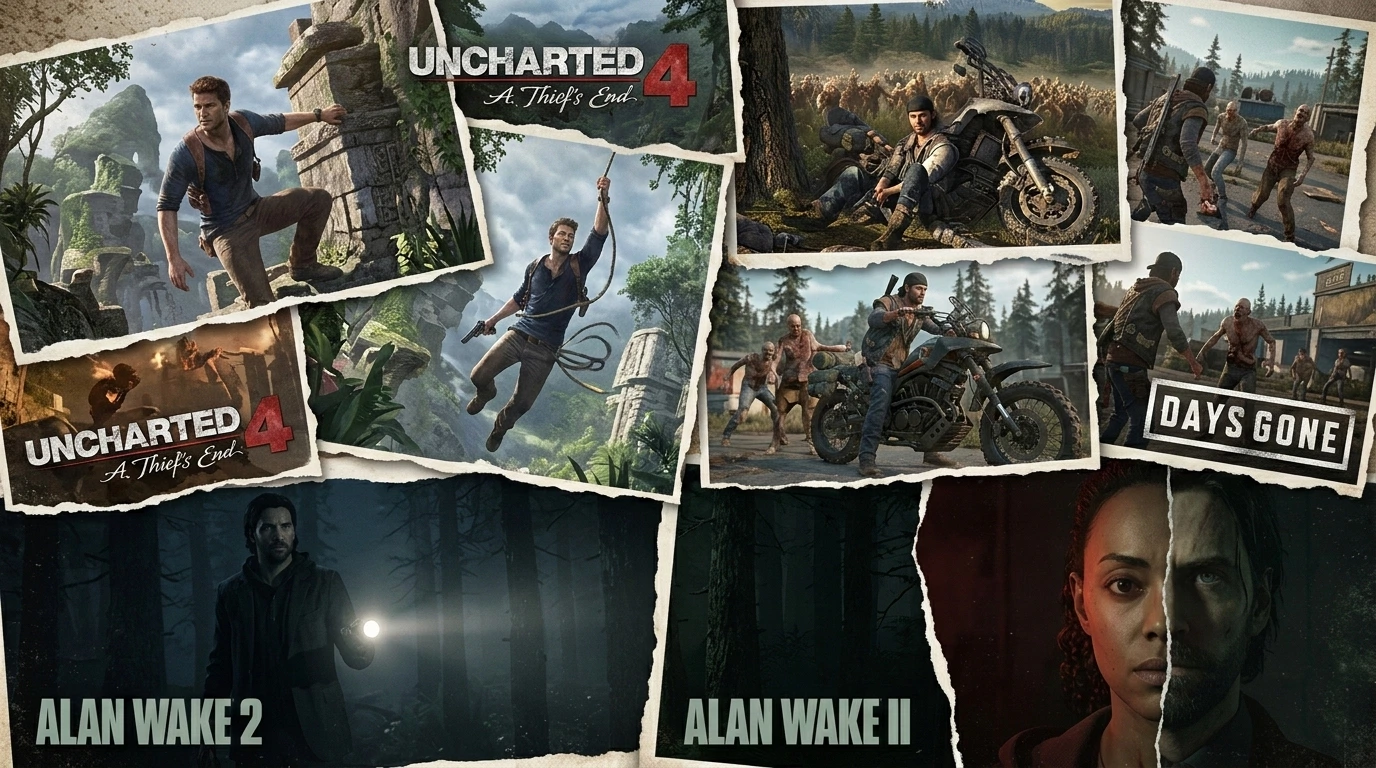
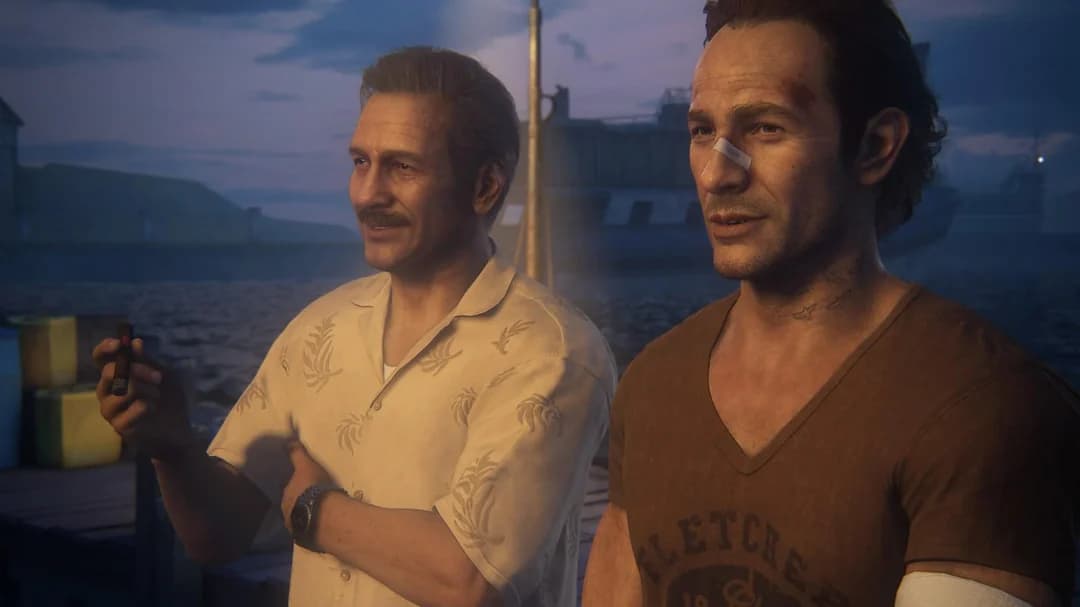
If you want more Naughty Dog craftsmanship, Uncharted 4 is the obvious first stop.
It is brighter, funnier, and less bleak than The Last of Us, but the performance capture, dialogue pacing, and relationship writing are top tier. Nathan Drake and his family drama feel more adventure-pulp than apocalypse tragedy, but the emotional maturity is surprisingly close.
Think of it as your recovery game after TLOU: still premium writing, just fewer mushrooms and slightly better vacation energy.
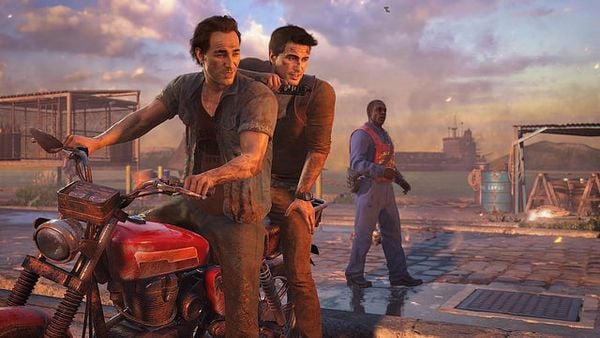
Days Gone is rougher around the edges, but it absolutely nails post-collapse tension.
Deacon’s story starts messy and grows stronger as the game opens up. The best part is survival pacing: fuel, ammo, crafting scraps, and giant Freaker hordes keep you under pressure in a way TLOU fans will recognize immediately.
It is more open-world and systemic than The Last of Us, so expect longer travel loops and sandbox chaos. But if you want desperation, danger, and emotional fallout in a ruined America, it delivers.
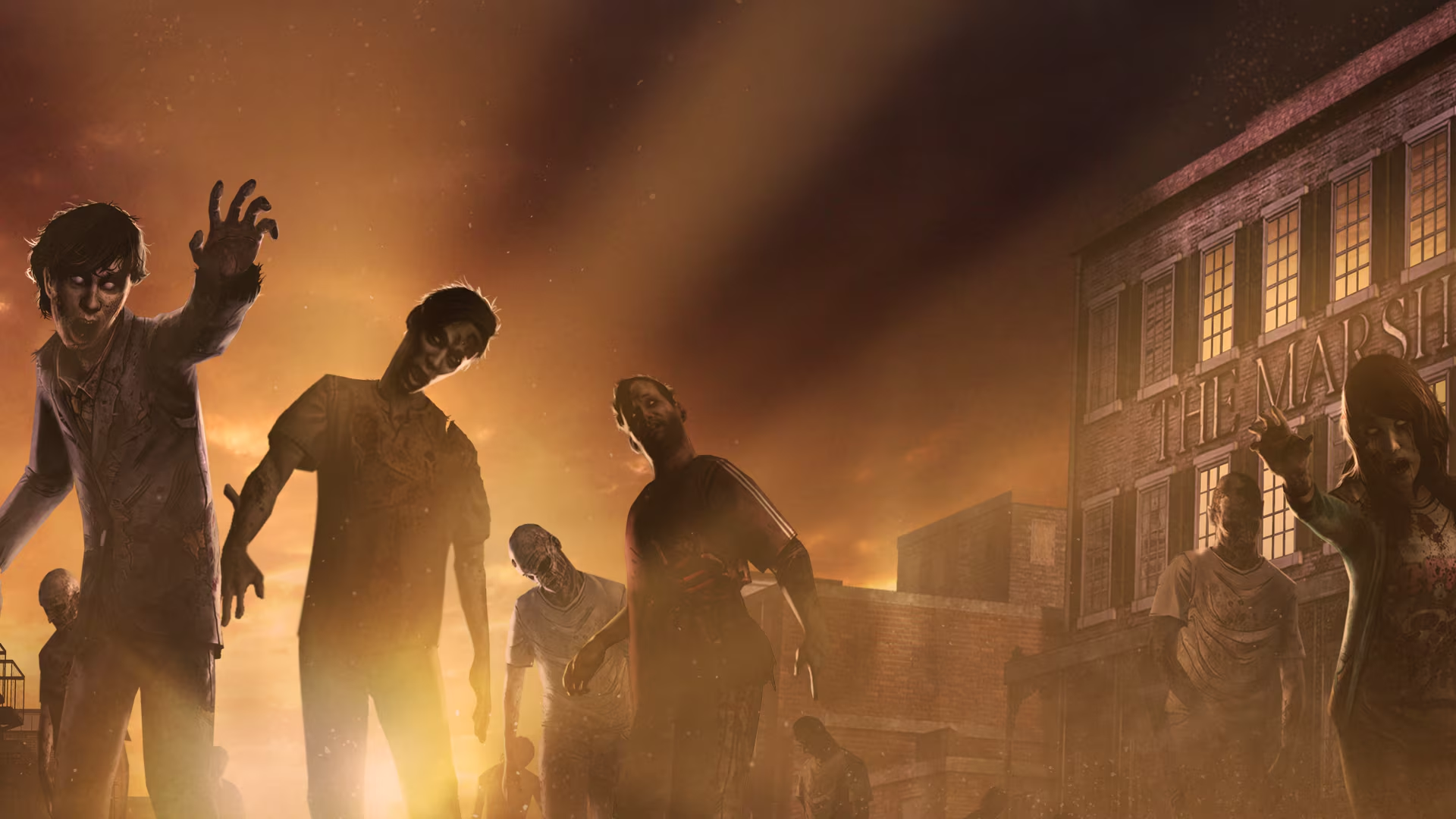
Want the “protector and child” dynamic dialed to maximum emotional damage? Play this.
Lee and Clementine form one of gaming’s greatest duos, and the game’s episodic structure keeps moral choices front and center. Combat is lighter than The Last of Us, but story consequences hit just as hard, sometimes harder.
If TLOU Part I broke you, this one will politely wait until you feel stable, then break you again with dialogue choices.
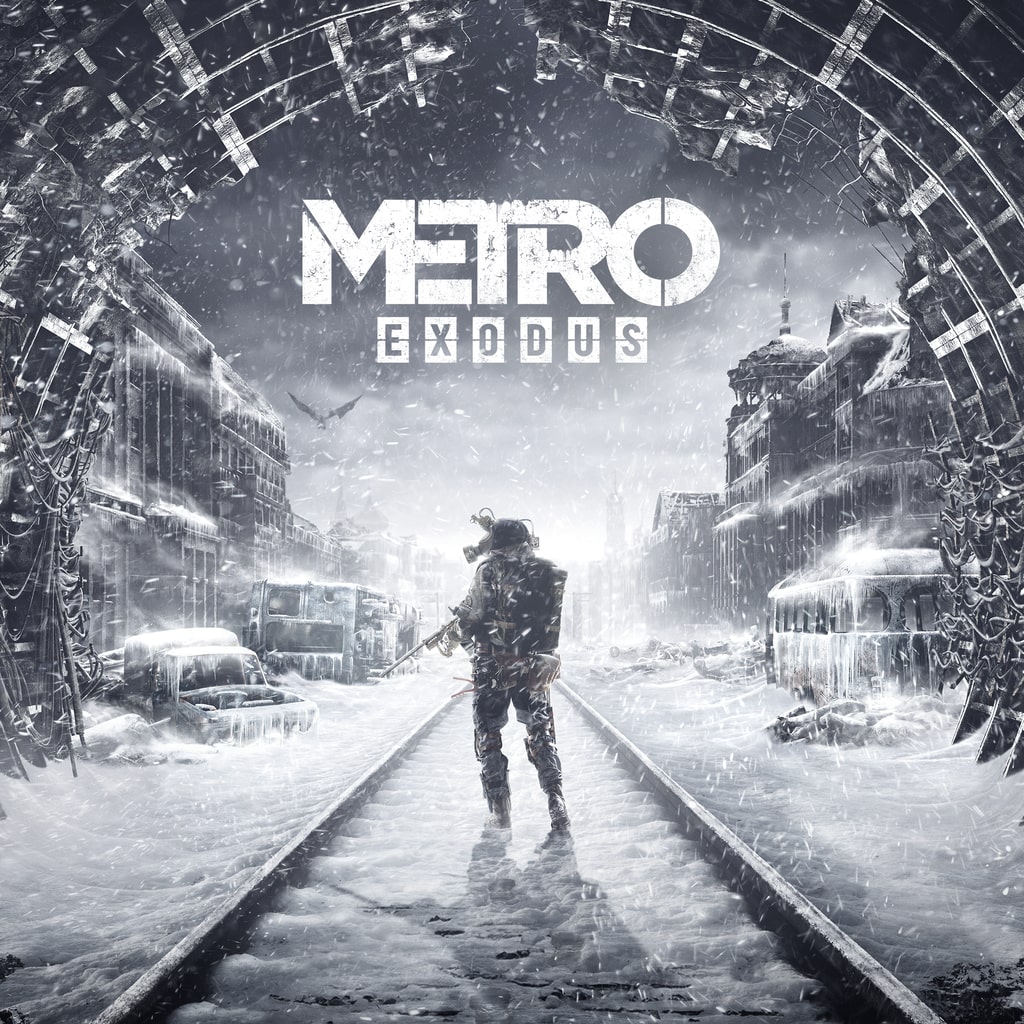
Metro Exodus captures the same “every bullet matters” anxiety that makes The Last of Us combat so tense.
Its world is colder, weirder, and more atmospheric, with semi-open zones that reward caution and exploration. Stealth, scavenging, and environmental storytelling all feel deliberate, and the pacing balances quiet travel with sudden violence.
It is less cinematic in delivery, but the mood is elite. If you like survival systems that punish sloppy play while still telling a human story, Exodus is a strong match.
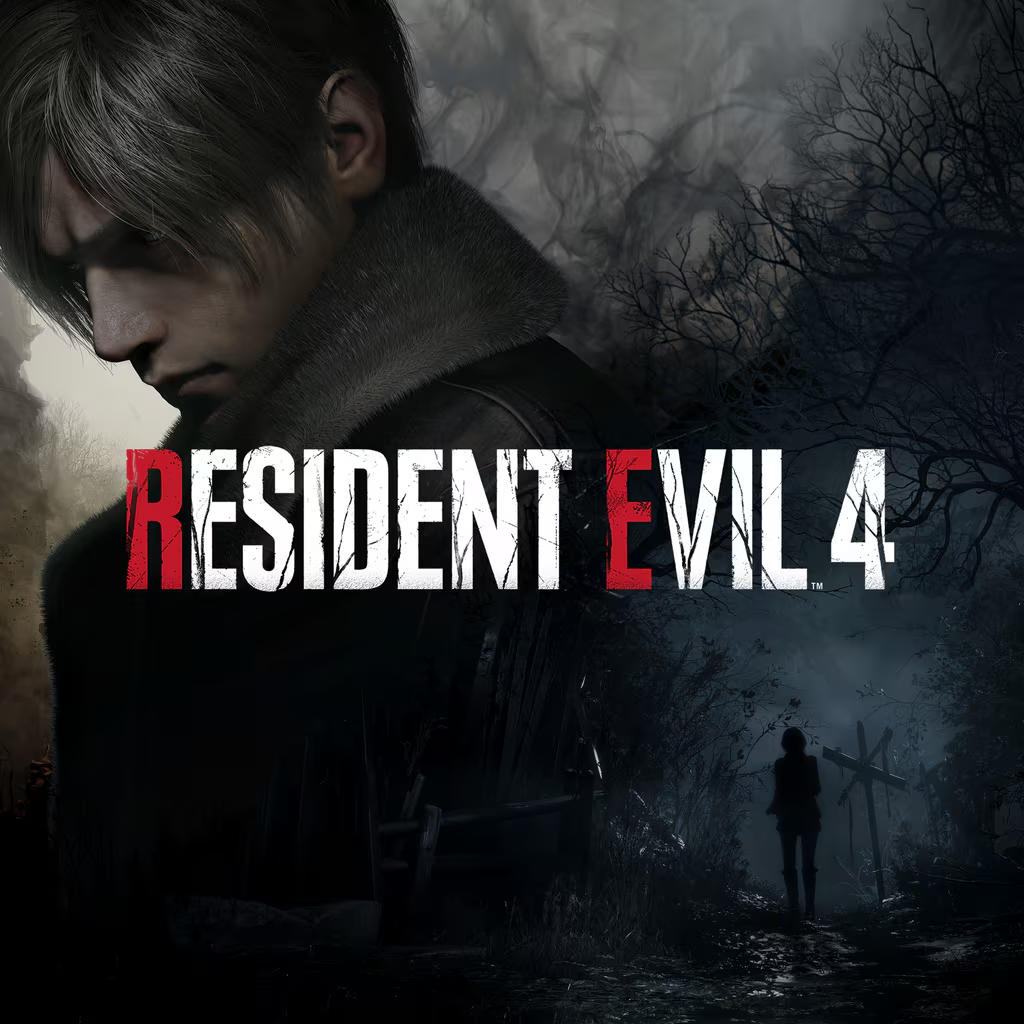
Resident Evil 4 Remake is more stylized than TLOU, but the combat stress level is very familiar.
Inventory management, crowd control, and smart positioning create constant survival tension. You are always one bad reload away from panic, which is basically The Last of Us fan cardio.
Narratively it is campier and less grounded, so do not expect the same intimate grief study. Do expect one of the best action-horror gameplay loops in modern gaming.
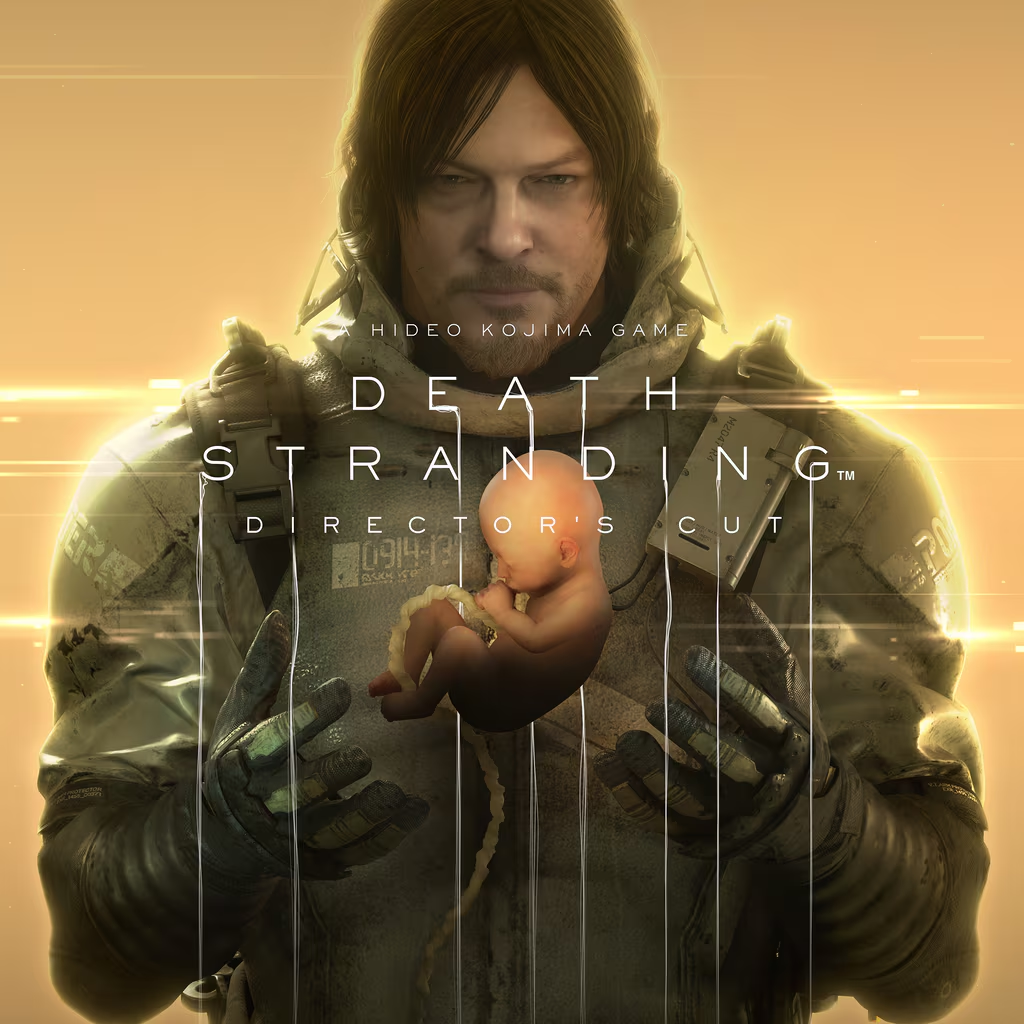
Death Stranding is the weird pick that still works for Last of Us fans.
At first glance, it is slower and stranger. Underneath, it is deeply aligned with TLOU’s emotional core: grief, connection, and carrying impossible burdens through a broken world. The traversal systems create tension differently, but the atmosphere and character focus are consistently strong.
If you loved The Last of Us for mood and theme more than pure stealth combat, this game is a surprisingly perfect follow-up.

Alan Wake 2 is one of the best recent examples of prestige narrative-horror design.
Combat is methodical and resource-tight, exploration is tense, and the storytelling is cinematic without feeling shallow. The dual-protagonist structure gives it strong momentum, and the writing takes real swings while staying emotionally grounded.
It is more psychological and surreal than The Last of Us, but if you want heavy atmosphere, high production value, and story-first design, this is top-tier.
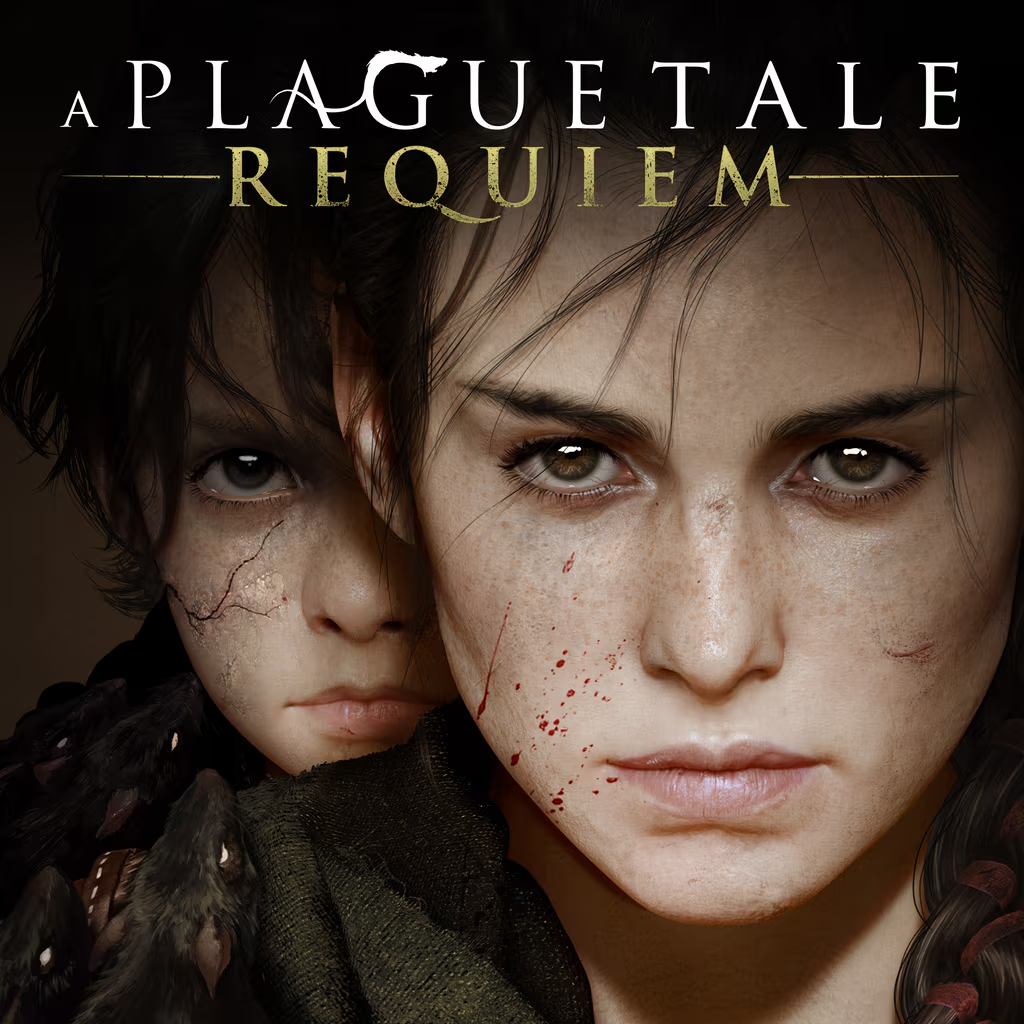
A Plague Tale: Requiem might be the closest tonal cousin to The Last of Us on this list.
It is brutally character-focused, stealth-heavy, and built around protecting someone vulnerable while the world keeps escalating. Amicia and Hugo’s relationship carries the whole experience, and the game is not afraid of tragedy.
Combat is simpler than TLOU’s sandbox encounters, but the emotional pacing and moral weight are excellent. If you want a story that hurts for the right reasons, Requiem absolutely understands the assignment.
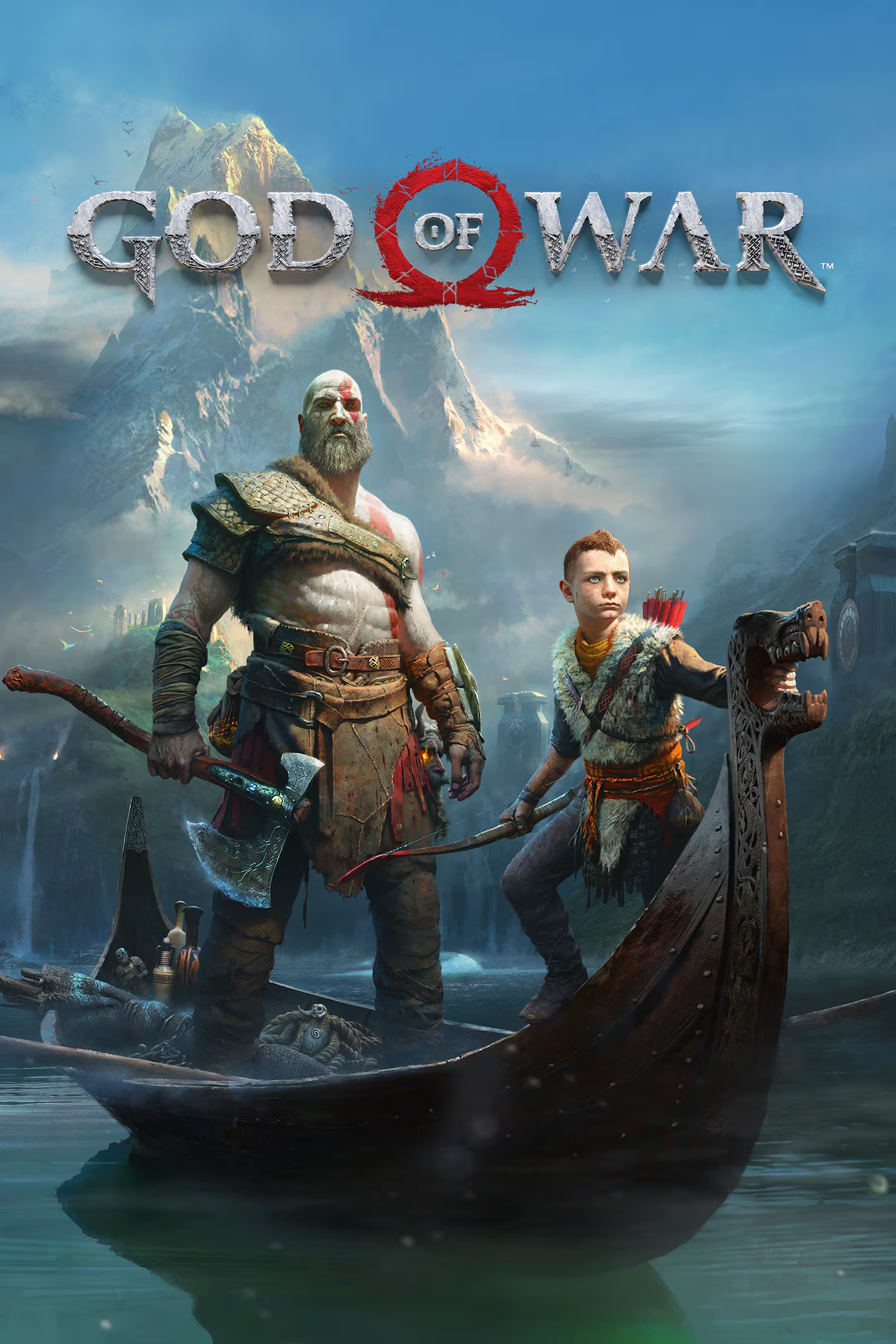
Different mythology, same emotional truth: damaged parent, complicated kid, violent world, difficult healing.
God of War (2018) and Ragnarök deliver some of the best character writing in modern action games. The combat is punchier and more ability-driven than TLOU, but the narrative structure, performances, and relationship arc scratch a very similar itch.
If what you loved most in The Last of Us was character evolution under pressure, this duology is mandatory.
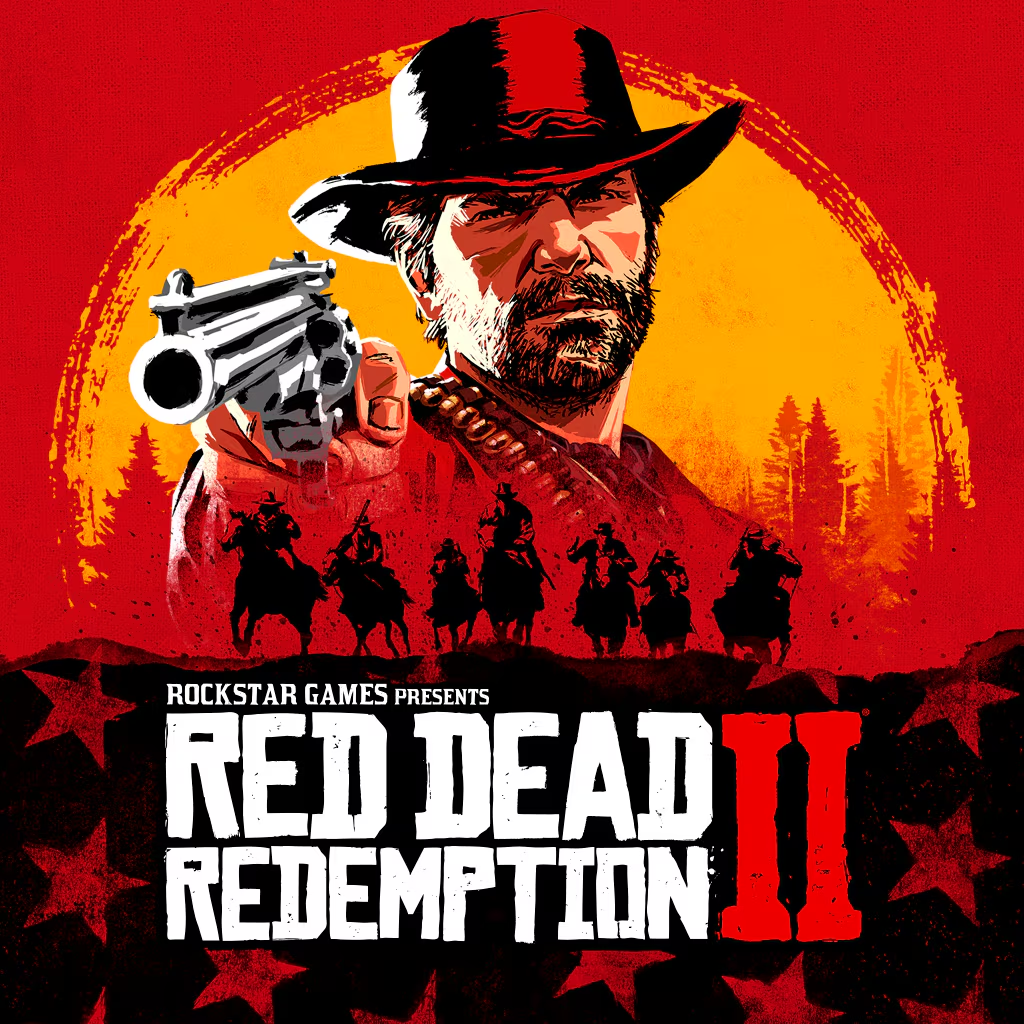
Red Dead Redemption 2 is not post-apocalyptic, but it might be the best “what if you liked TLOU’s writing” recommendation in gaming.
Arthur Morgan’s arc is patient, devastating, and deeply human. The world feels alive, the side characters are memorable, and the story explores loyalty, regret, and identity with rare confidence. It is slower than The Last of Us, but that slower burn makes the payoff enormous.
If you want another masterpiece about broken people trying to become better before time runs out, this is the one.
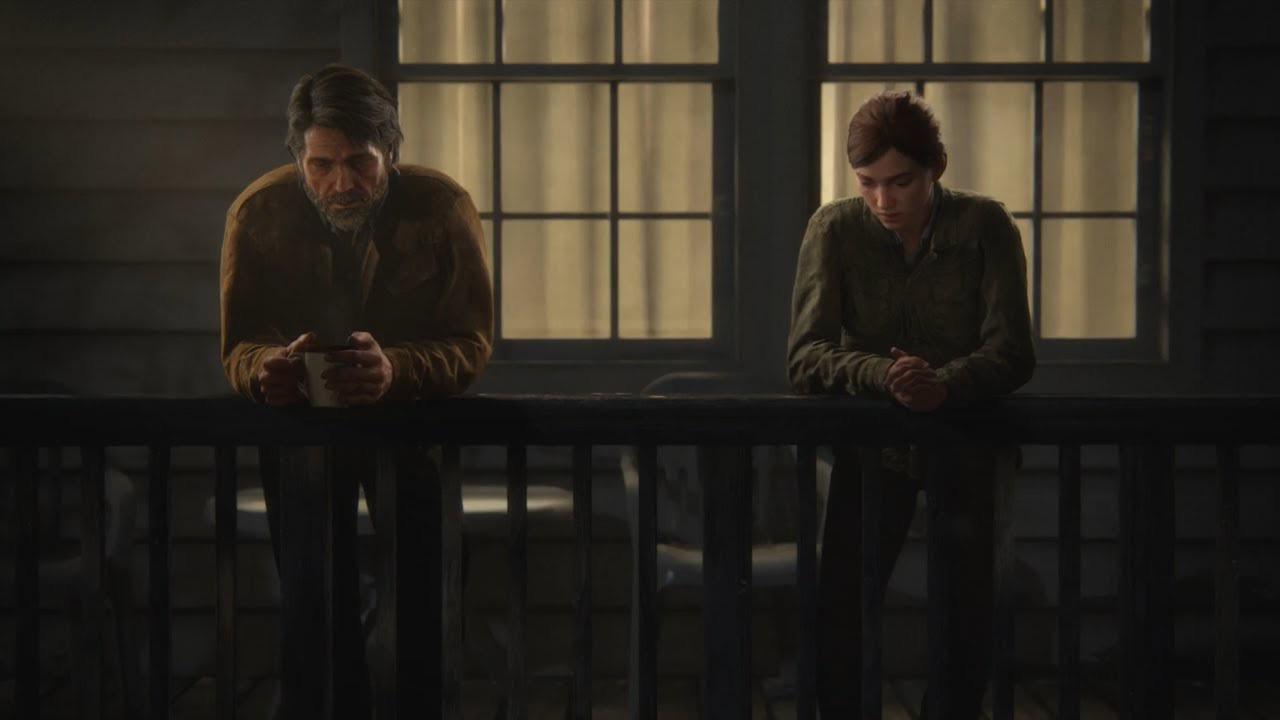
If you want pure gameplay tension, start with Resident Evil 4 Remake or Metro Exodus.
If you want character-first pain with prestige production, start with A Plague Tale: Requiem or Red Dead Redemption 2.
If you want the closest overall emotional profile to The Last of Us, go with A Plague Tale: Requiem first.
And maybe keep a “totally fine, not crying” playlist ready.
Images Credit: Playstation
By Console Pulse Editorial Team
Editorial Team, Console Pulse
 PlayStationNews
 PlayStationNews
 PlayStationNews
 PlayStationGuide