
 SwitchMar 05, 2026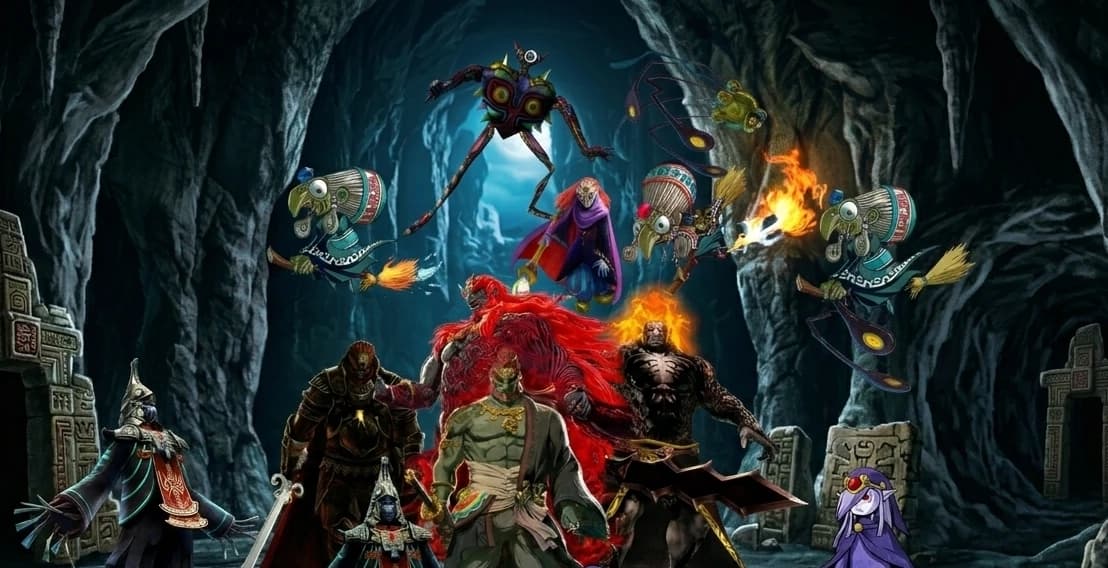
The Legend Of Zelda Villains Guide ranking the most iconic enemies, from Ganondorf and Ganon to Majora, Demise, Vaati, and more across the timeline.
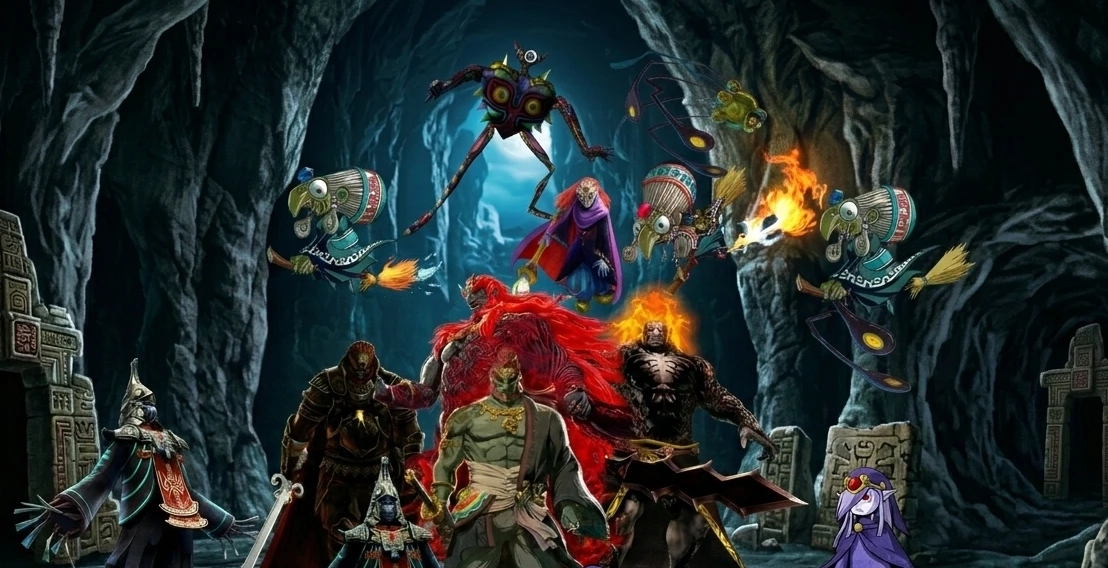
Hyrule has a repeating cycle: peace, prophecy, chaos, monster invasion, and one teenager with a sword cleaning it all up.
This guide covers the biggest Zelda villains across different eras and timelines, from tyrants and demon kings to cursed masks and reality-warping sorcerers.
Spoilers ahead. Also, absolutely none of these villains ever considered therapy.
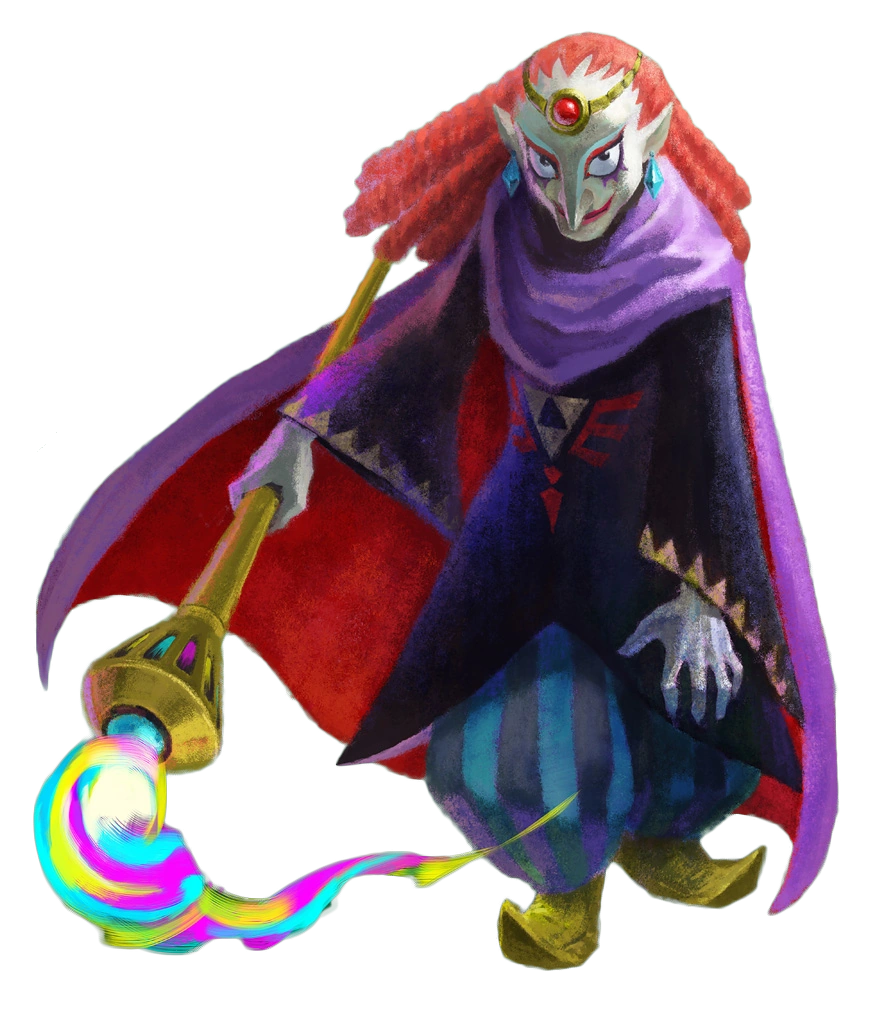
Yuga is theatrical, weird, and way more dangerous than his smug attitude first suggests.
He manipulates both worlds, abuses art-magic to trap people, and eventually fuses with Ganon-level power. He is a great “modern handheld-era” villain because he mixes personality with real threat.
If Ganondorf is blunt-force conquest, Yuga is magical fraud plus ambition.
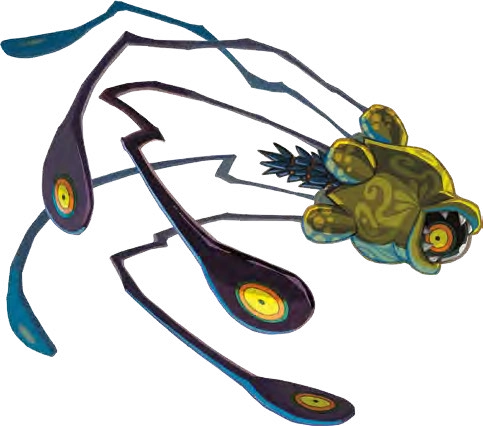
Bellum is pure predatory menace.
He drains life, corrupts environments, and turns the ocean journey into a survival horror detour with Zelda colors. He is less charismatic than other villains, but the atmosphere he creates is excellent.
Bellum works because he feels invasive, like a living curse spreading through everything.
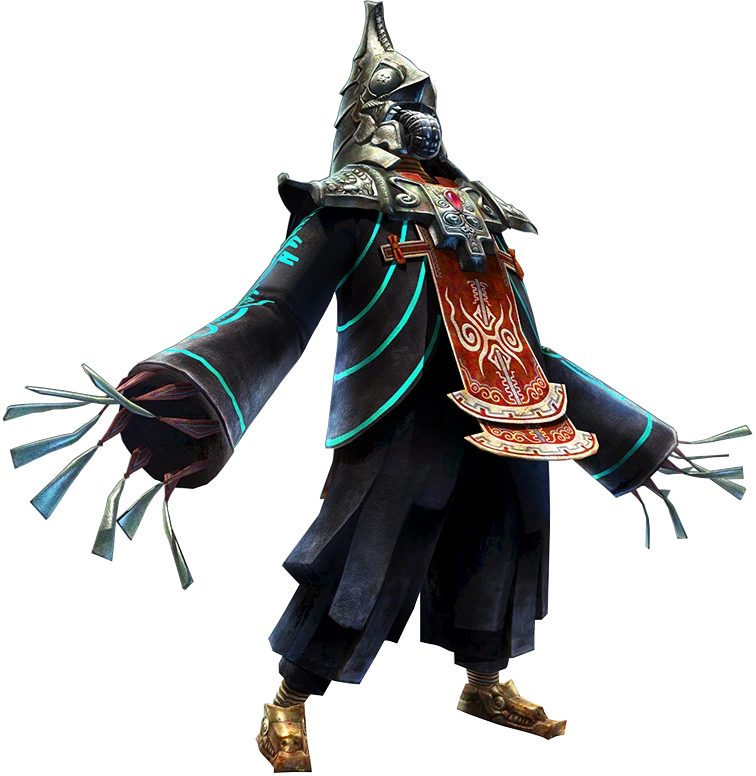
Zant starts as cold, mysterious ruler energy and ends in full chaotic breakdown mode.
That shift makes him memorable. Under the armor and ritual theatrics is someone desperate for legitimacy, easily manipulated by bigger evil, and increasingly unhinged when control slips.
He is one of Zelda’s best examples of villain-as-fragile-ego.
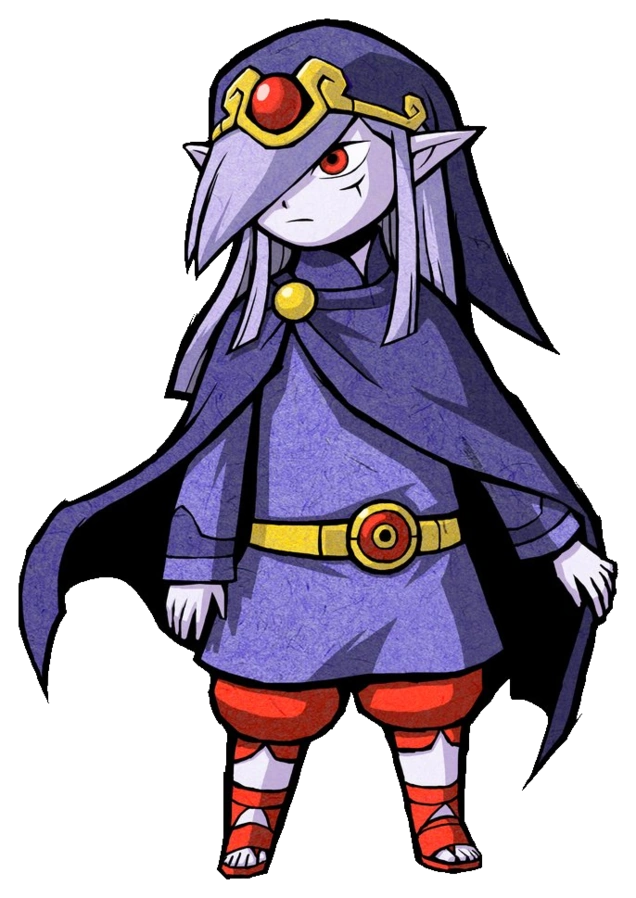
Vaati is one of the franchise’s most underrated recurring villains.
He begins as a gifted mage and escalates into a destructive force driven by obsession and vanity. His designs are iconic, and his games give him a distinct identity separate from Ganondorf’s shadow.
Vaati proves Zelda can build compelling major villains outside the main Triforce cycle.
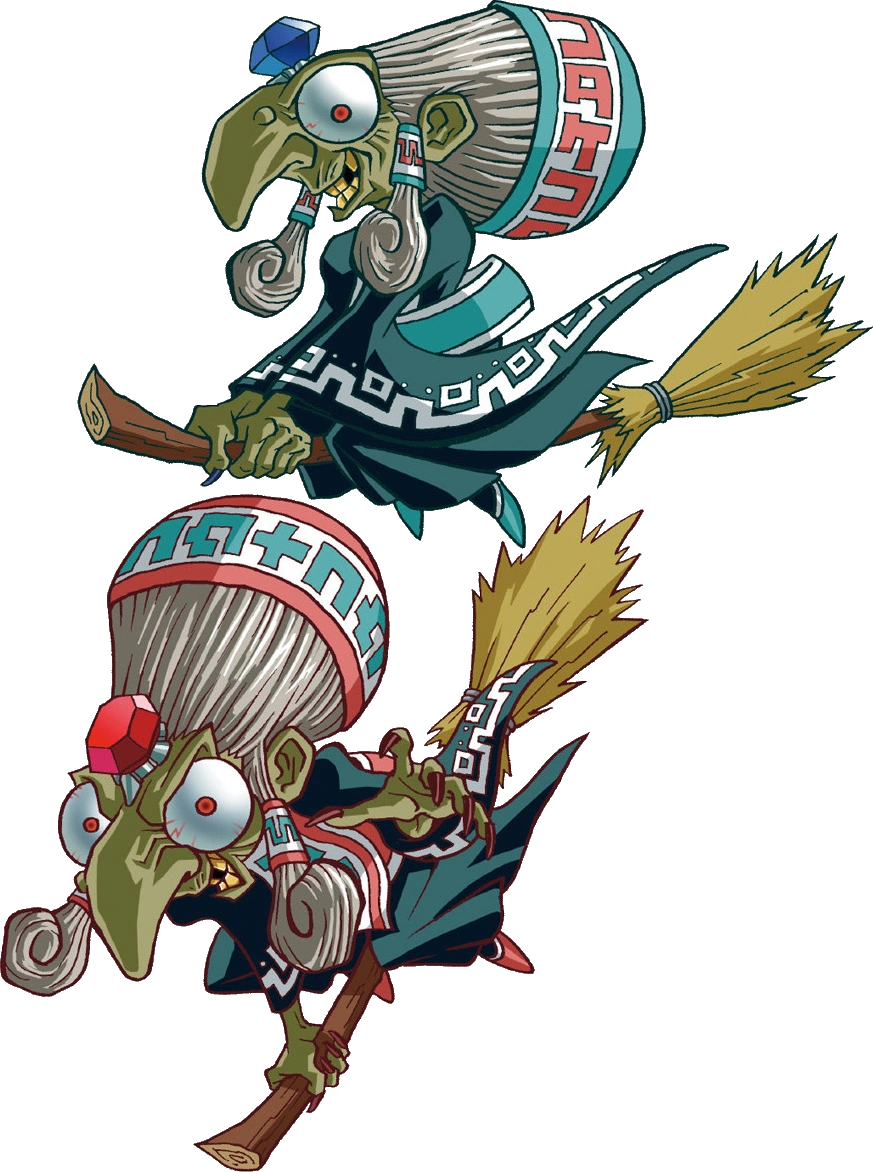
Twinrova bring personality and menace in equal measure.
They are theatrical, cruel, and deeply tied to Ganondorf’s rise, making them lore-important beyond their boss fight. Their combined form battle is still one of Ocarina’s most memorable encounters.
They feel like old-school dark magic villainy done exactly right.
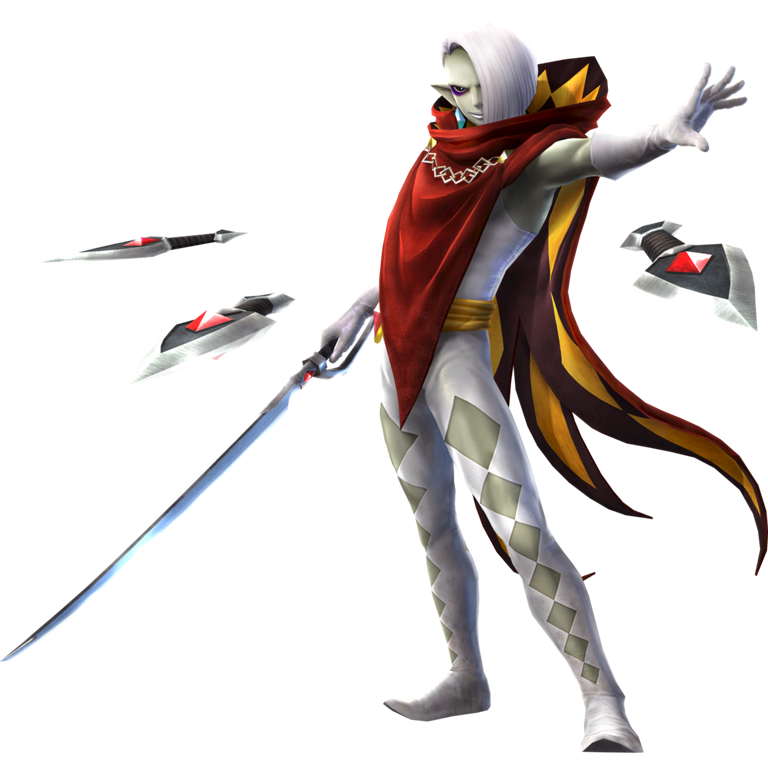
Ghirahim is flamboyant, terrifying, and surprisingly effective.
He taunts, stalks, and escalates with real menace while keeping one of the series’ most distinct personalities. His duel sequences are sharp, and his true role in the larger demon cycle gives him lasting narrative value.
He is the rare Zelda villain who feels both theatrical and genuinely dangerous in every appearance.
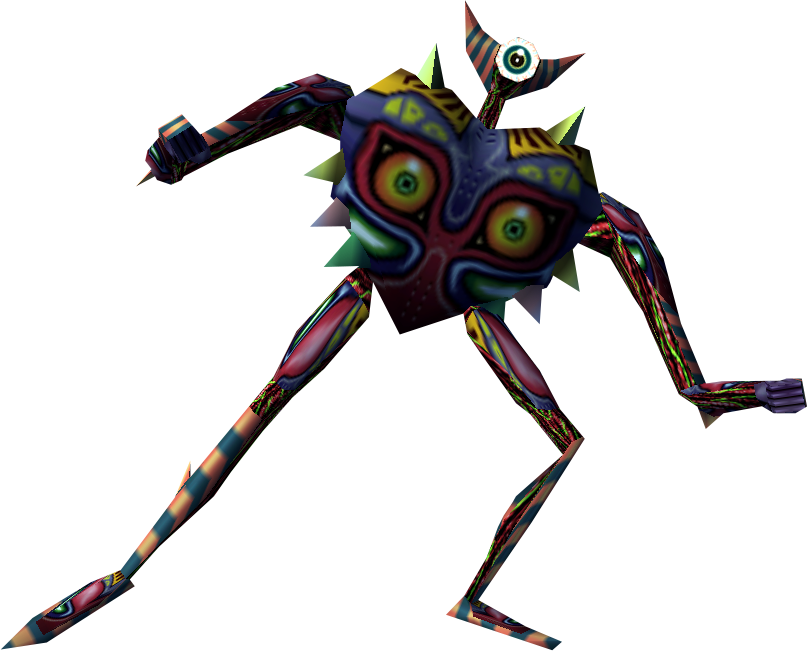
Majora is not a standard conqueror villain. It is chaos as a force.
Through possession and manipulation, Majora weaponizes trauma across Termina and pushes the world toward apocalypse on a countdown timer. The tone is surreal, unsettling, and emotionally heavy in ways no other Zelda entry quite matches.
Majora is iconic because it attacks the world’s psychology, not just its castle.
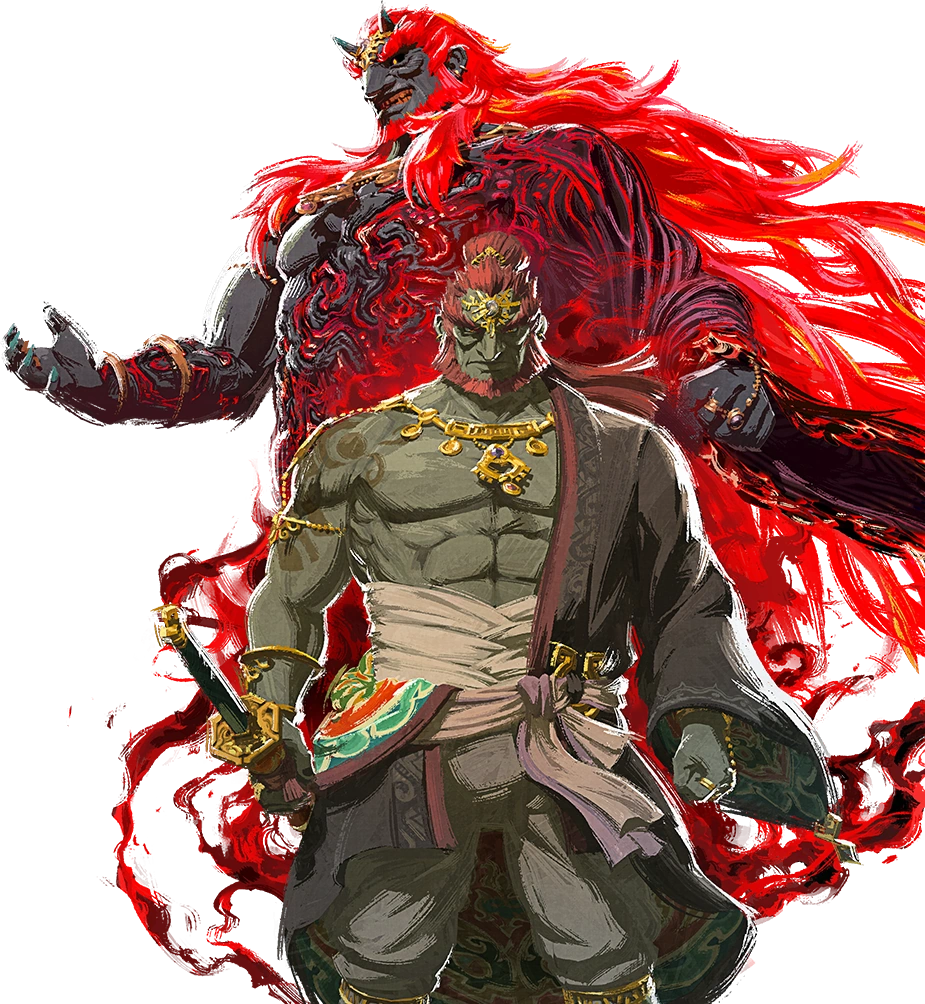
Calamity Ganon is less a person and more a catastrophic event.
It corrupts Guardians, destroys Hyrule’s systems, and defines the post-apocalypse atmosphere of Breath of the Wild. This version of evil feels inevitable, like a disaster cycle that keeps returning no matter how much history learns.
That scale is what makes it work: you are not stopping one bad ruler, you are pushing back against recurring ruin itself.
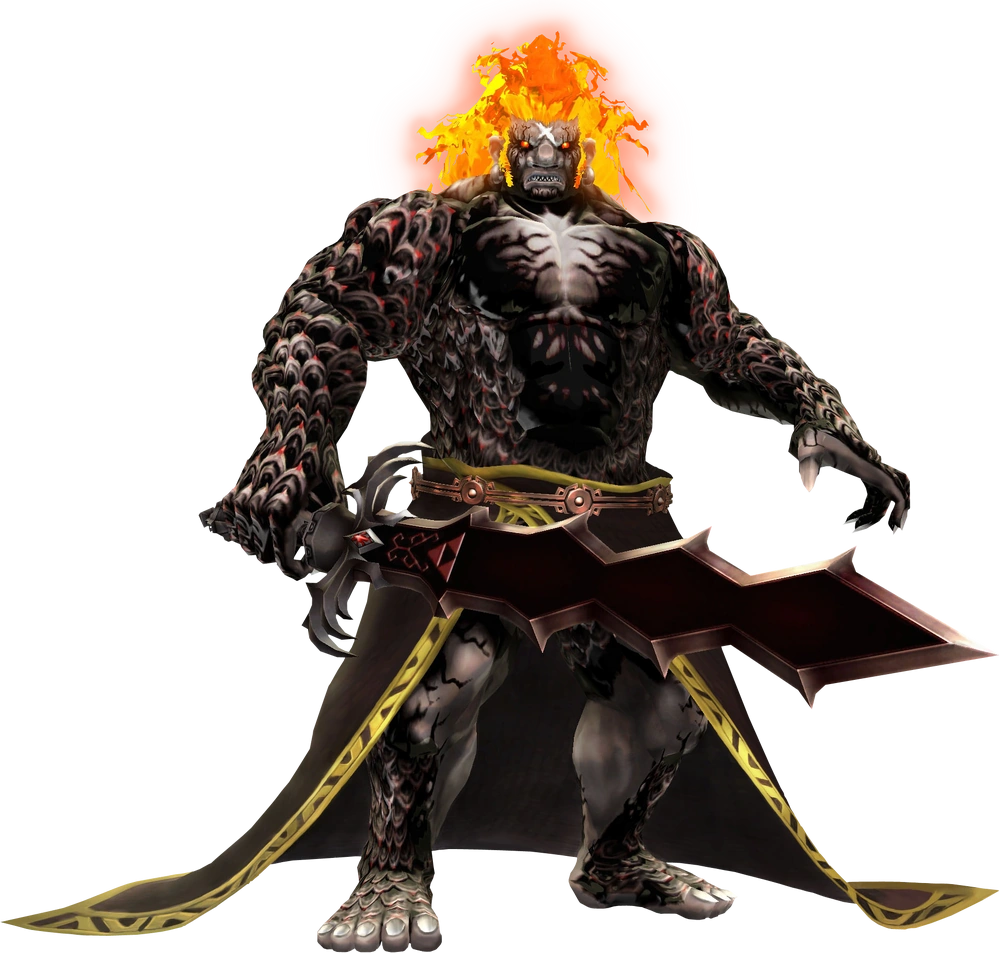
Demise is foundational villain lore.
He is the primal source of the recurring hatred that fuels later conflicts, including Ganondorf’s legacy. His presence reframes the entire series as an ongoing cycle of courage, wisdom, and malice locked in repetition.
He may not appear as often as others, but his narrative footprint is enormous.
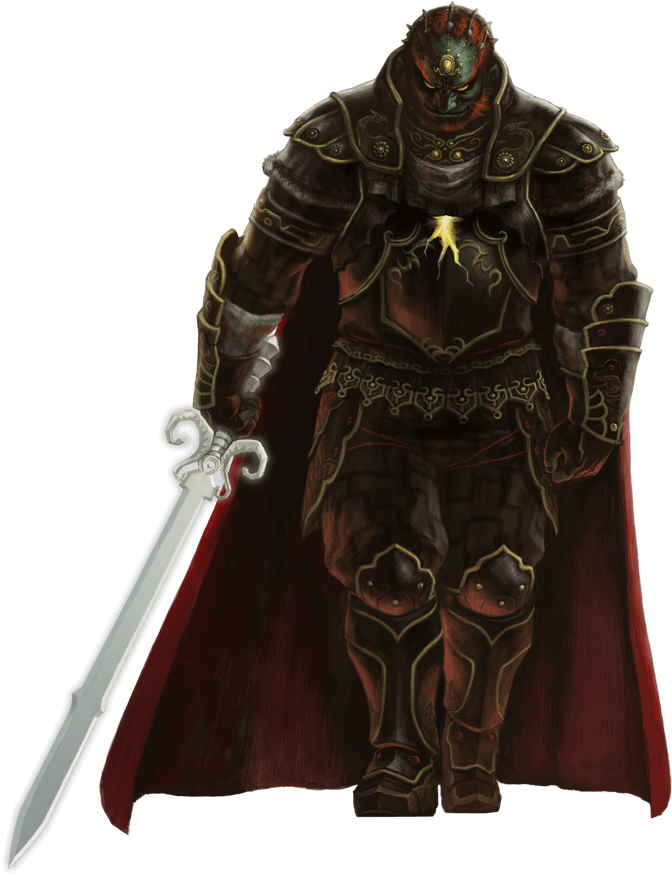
Ganondorf is still the definitive Zelda villain.
He combines political ambition, magical power, and sheer presence better than anyone else in the franchise. Different games reinterpret him, but he always lands as a world-level threat with personal stakes for Link and Zelda.
He is not just final boss energy. He is the villainous spine of the entire saga.
When he appears, the cycle is active, and Hyrule knows exactly what time it is.
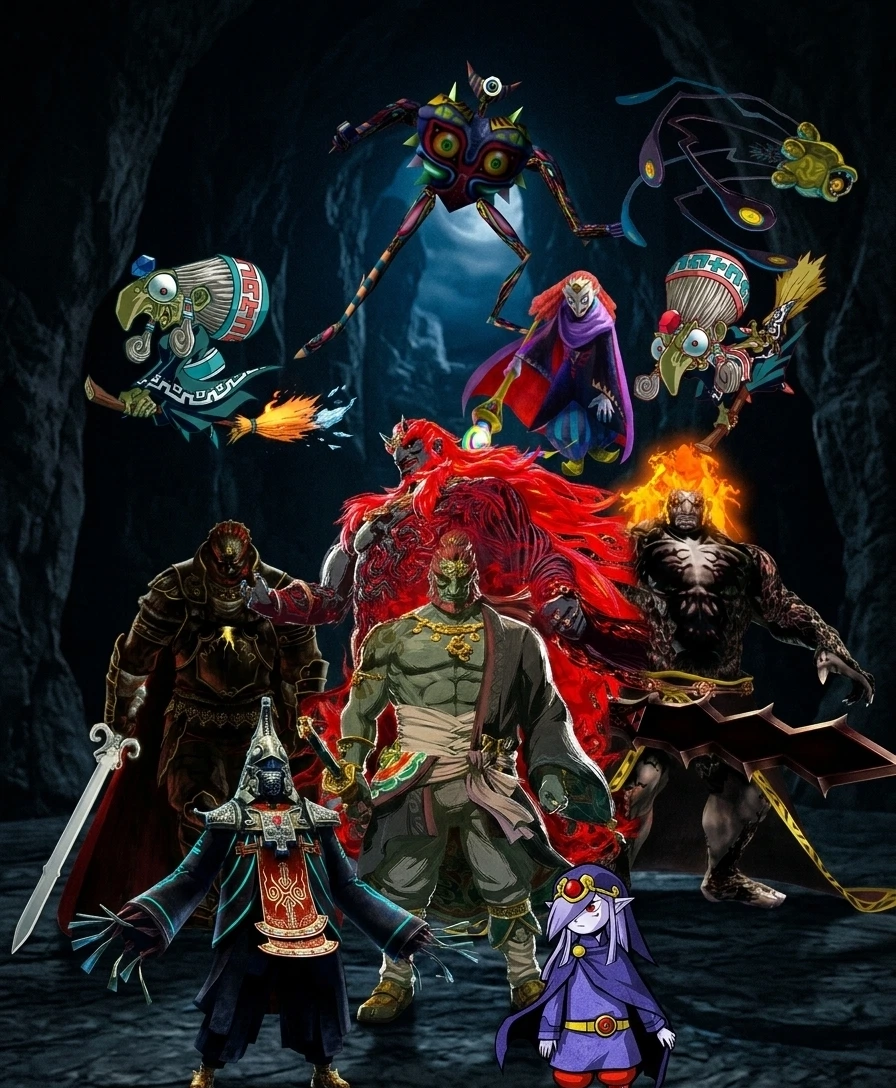
The best Zelda villains are not random evil for evil’s sake.
They represent recurring fears: corrupted power, loss of identity, apocalyptic inevitability, and the cost of repeating old mistakes. Some are rulers, some are monsters, some are curses, but all of them pressure the same question:
Can Hyrule break the cycle, or just survive it again?
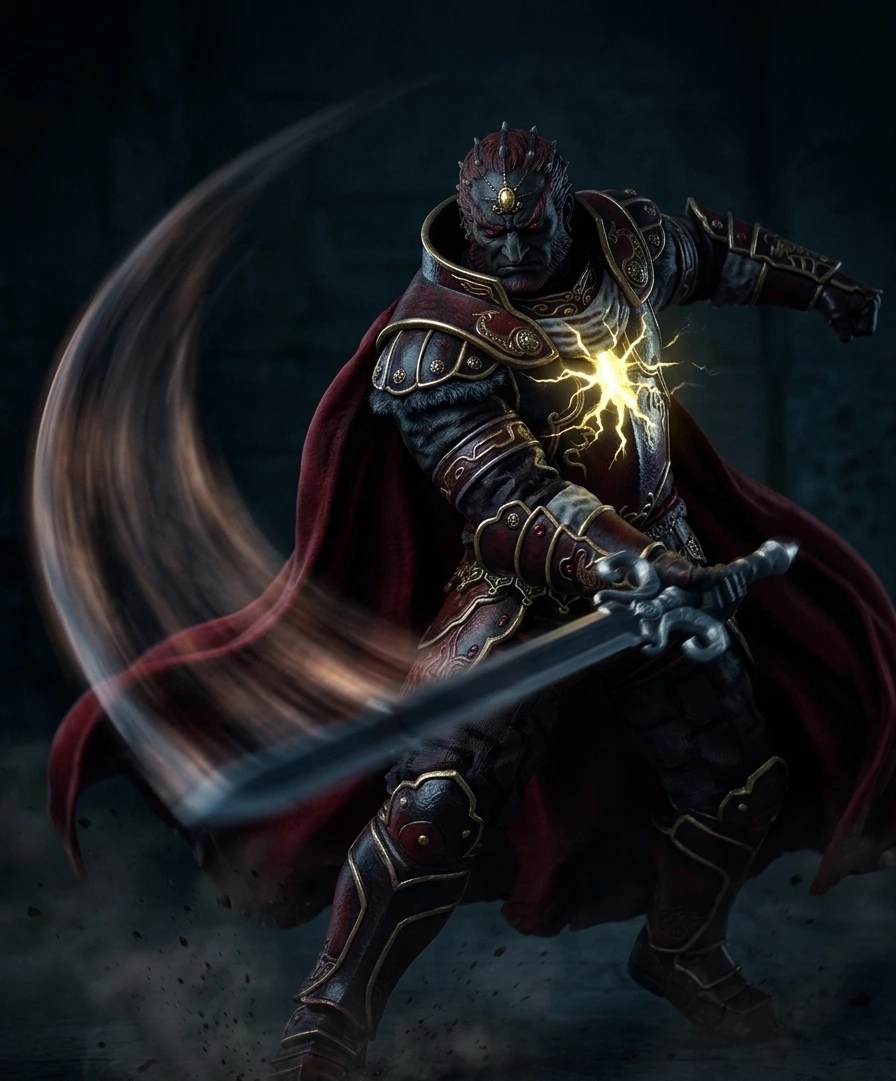
Zelda villains endure because they evolve with each generation while keeping the same core tension: power versus responsibility.
From Ganondorf and Ganon to Majora and Demise, the series keeps finding new ways to make evil feel personal, mythic, and one bad day away from total collapse.
If Hyrule looks peaceful, just wait. The next villain is already loading.
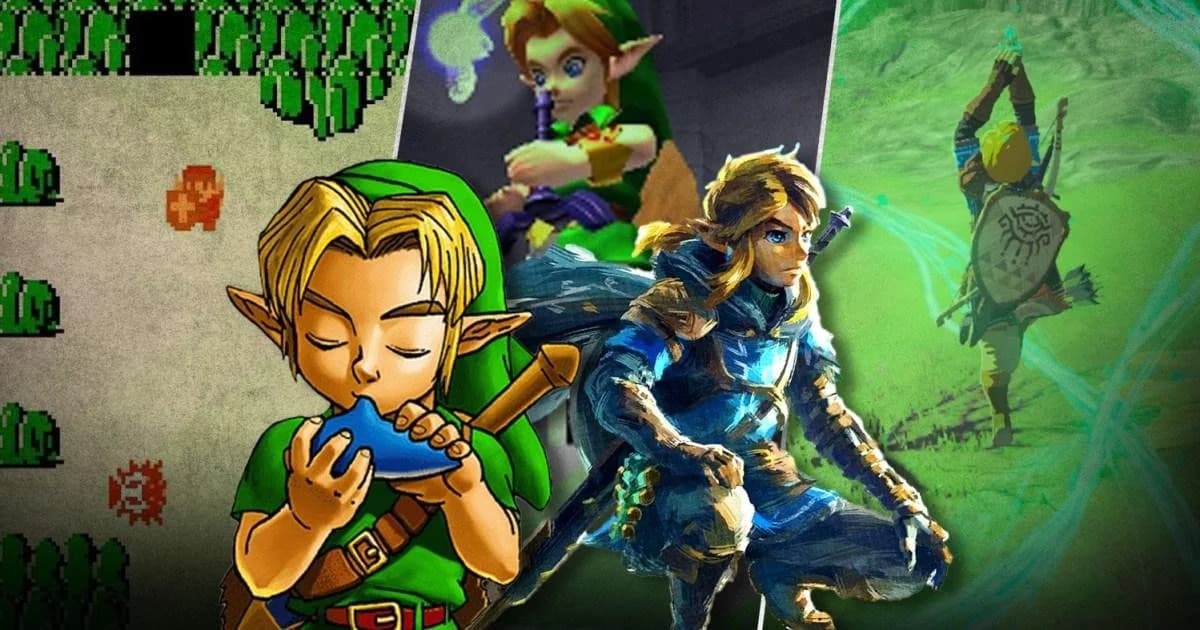
Images Credit: Nintendo - The Legend of Zelda Series
 SwitchNews
 SwitchNews
 SwitchNews
 SwitchGuide