
 SwitchMar 05, 2026
The Legend Of Zelda Locations Guide covering the most important places in Hyrule, from Hyrule Castle and Temple Of Time to BOTW and TOTK’s modern regions.
Zelda locations are never just maps with enemies and loot.
They are story machines: kingdoms in decline, temples built around old gods, cursed zones full of history, and peaceful villages one cutscene away from panic mode.
This guide breaks down the most important Zelda locations, why they matter, and what each one adds to Hyrule’s larger myth cycle.
Yes, there are spoilers. Yes, every door probably hides a puzzle.
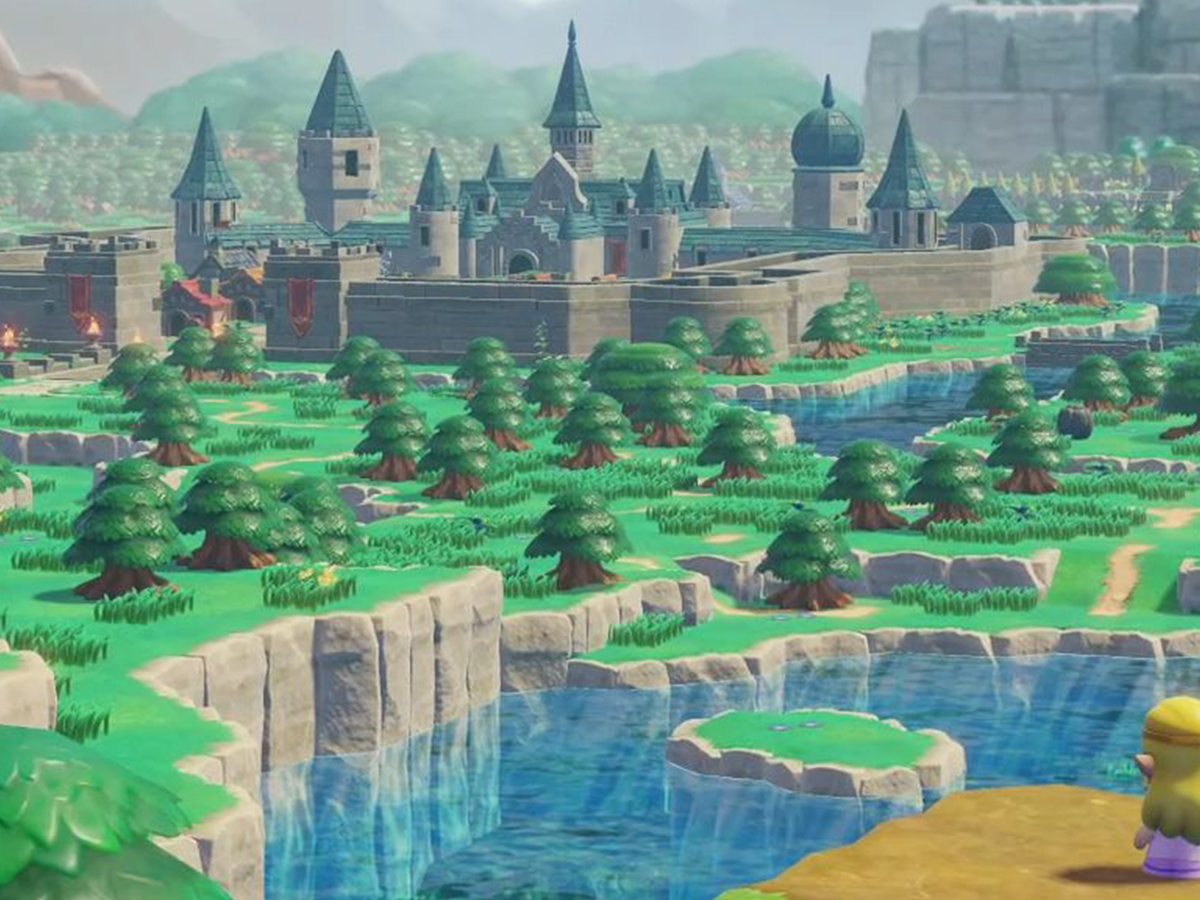
Hyrule Castle is the franchise’s political and symbolic center.
Depending on the era, it is a thriving royal seat, a corrupted war zone, or a floating disaster monument held together by malice and bad vibes. In every version, it signals high stakes and endgame momentum.
If Zelda had one permanent “this is serious now” location, this is it.
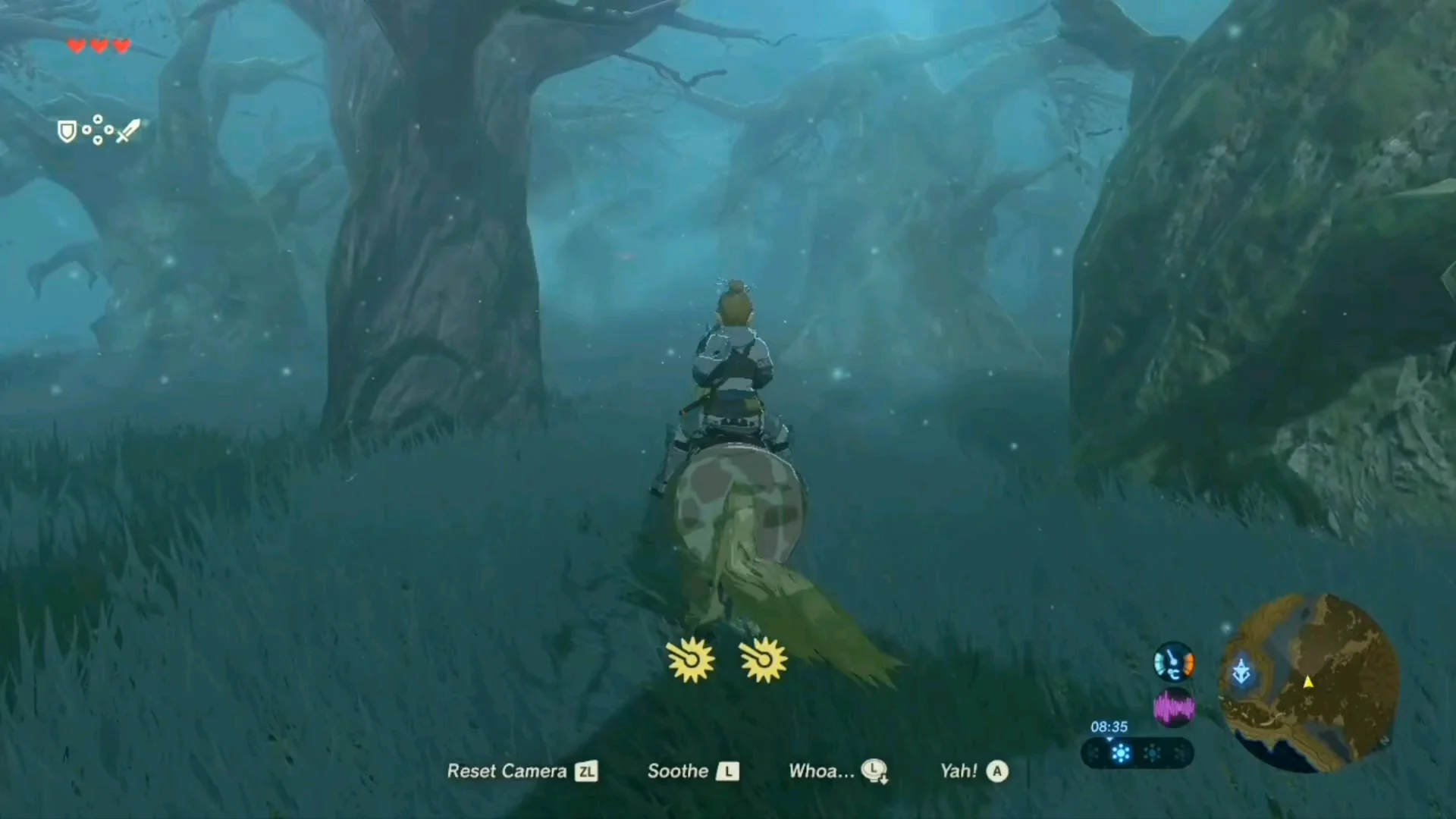
Lost Woods represents Zelda mystery design at its best.
It is atmospheric, disorienting, and tied to some of the series’ most iconic lore beats. Mechanically, it teaches observation and pattern recognition. Thematically, it reinforces that Hyrule is ancient, magical, and very much not built for straightforward commuting.
If a forest has background music this memorable, it is probably dangerous.
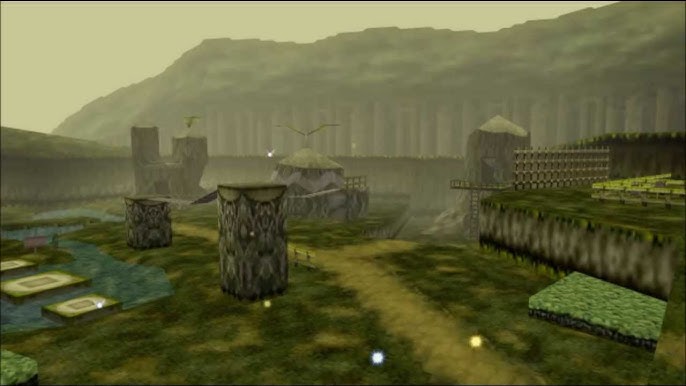
Kokiri Forest is one of the strongest “beginning of the legend” locations in the franchise.
It starts peaceful and small, then gains emotional weight as Ocarina of Time expands Link’s identity and role in the wider world. The place becomes a memory point for innocence before timeline-level consequences kick in.
A classic intro zone done right.
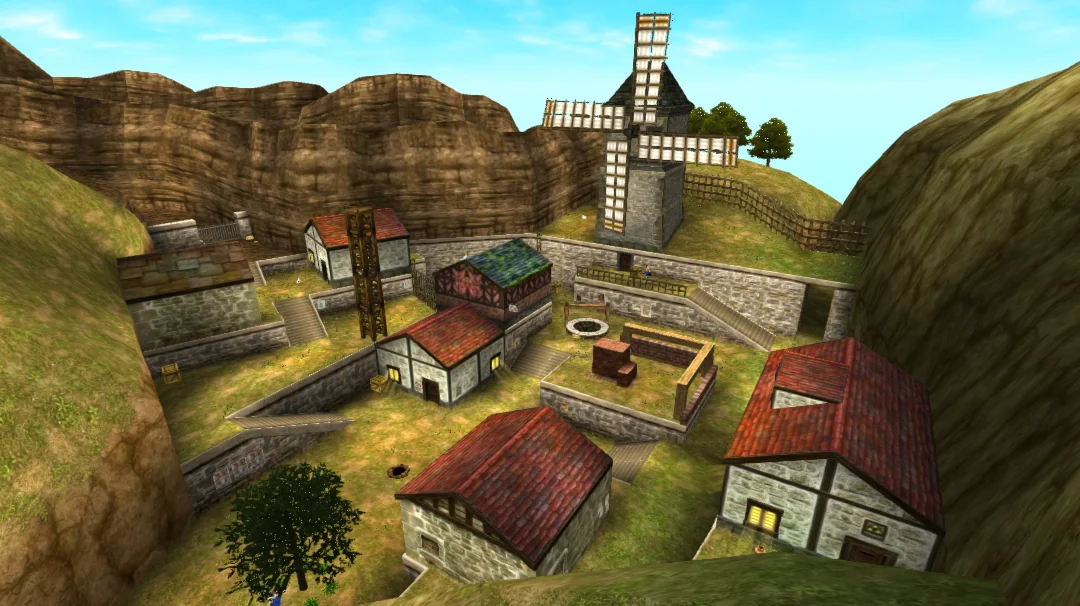
Kakariko is Zelda’s recurring “home base with hidden lore” location.
Across games, it functions as a community anchor, side-quest center, and Sheikah-adjacent mystery hub. It often feels calm at first glance, then quietly reveals political tension, family histories, or ancient tech threads.
If a Zelda town feels too cozy, Kakariko usually proves there is more going on.
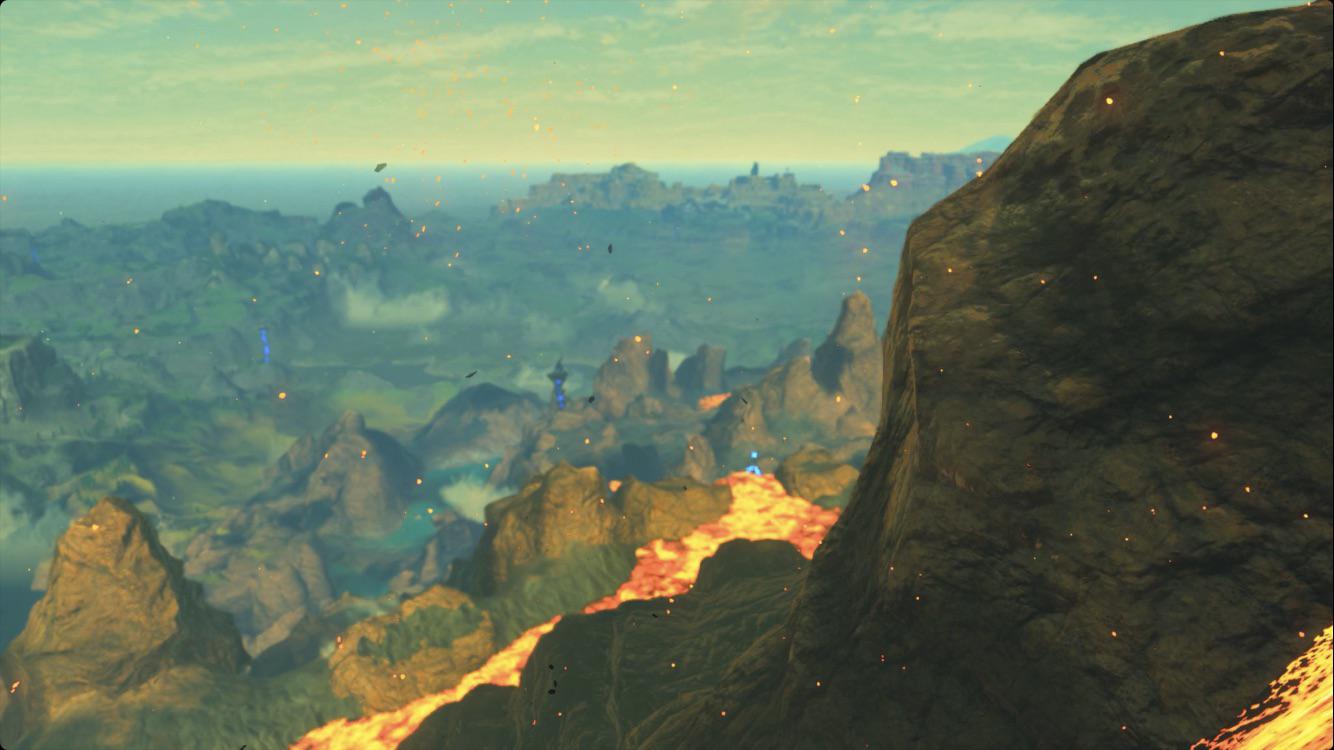
Death Mountain is a staple because it combines environmental challenge with strong cultural identity.
It is harsh, vertical, and tied to Goron lore in ways that make it feel alive beyond combat spaces. Climbing it always feels like progression, both mechanically and narratively.
Also, if a place is called Death Mountain, expectations are clear.
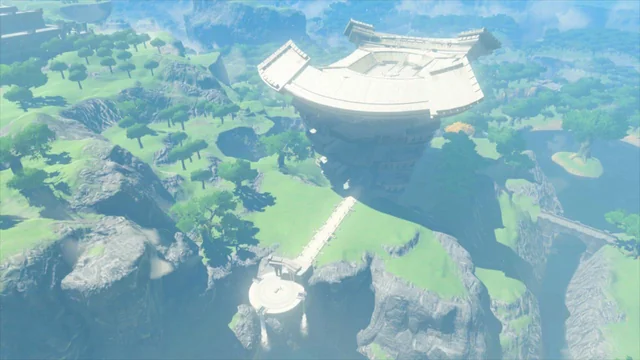
Temple of Time is one of the most important locations in Zelda continuity.
It is tied to sacred relics, timeline shifts, and major destiny pivots, especially in Ocarina of Time and beyond. Few locations carry this much narrative gravity while still functioning as an explorable space.
When this place becomes active in the plot, history usually changes.
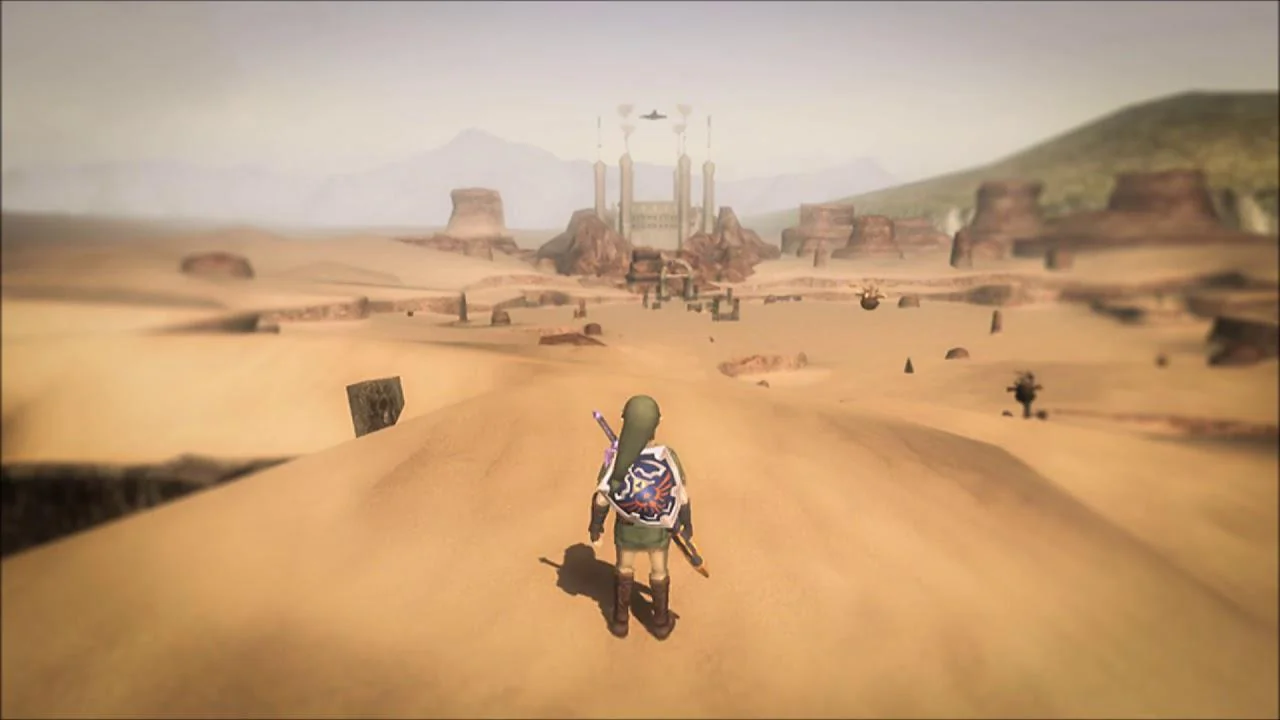
Gerudo Desert adds cultural depth and environmental contrast to Hyrule’s world map.
It is dangerous, expansive, and deeply linked to Ganondorf and Gerudo history, making it relevant in both gameplay and lore terms. The desert setting consistently delivers strong traversal and memorable regional identity.
A top-tier “hostile zone with important answers” location.
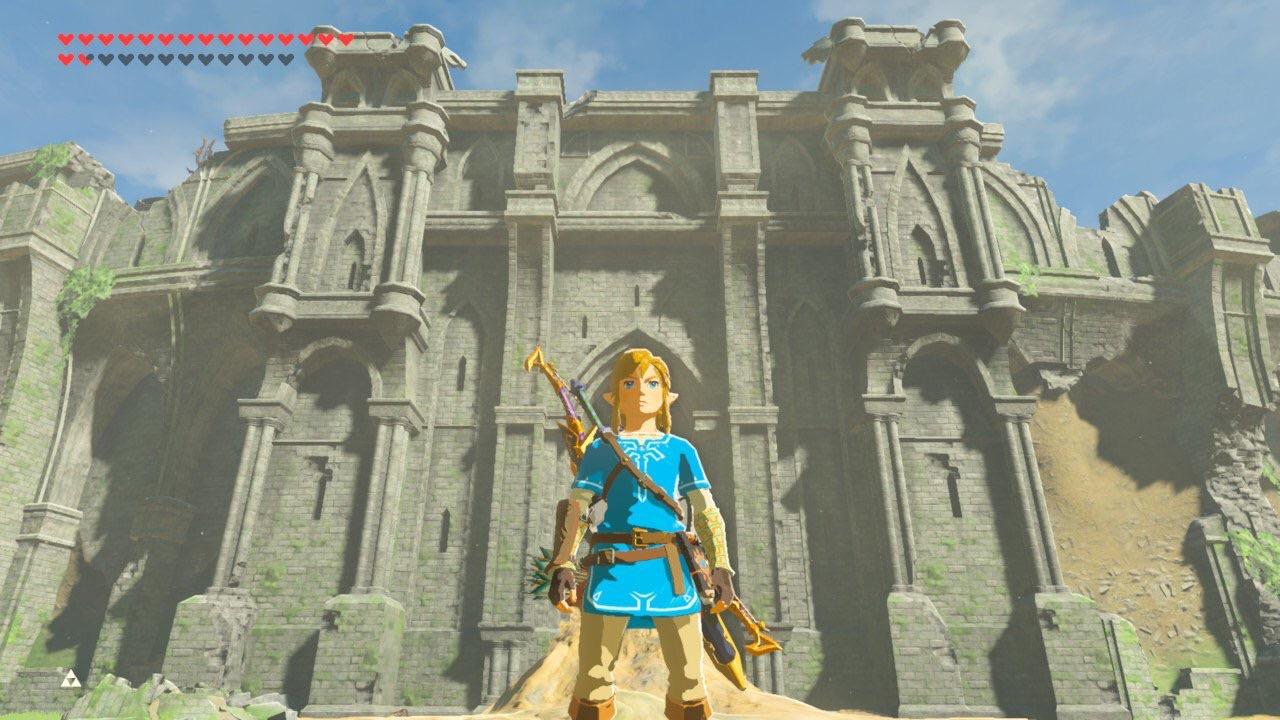
Great Plateau is arguably the best tutorial area Nintendo has ever built.
It teaches survival, physics, combat, weather, and exploration logic without feeling like a tutorial prison. By the time you leave, you understand BOTW’s design philosophy and trust your own curiosity.
As an opening location, it is masterclass-level onboarding.
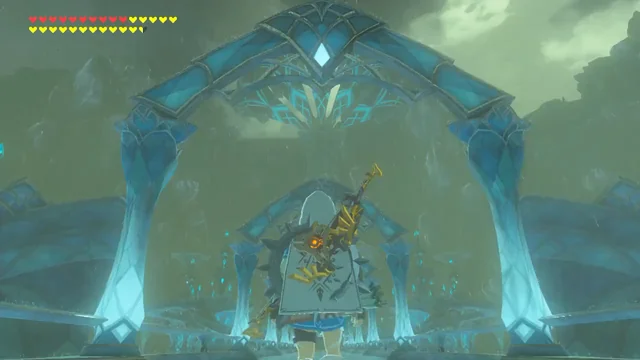
Zora’s Domain is one of Zelda’s most consistently beautiful and emotionally effective regions.
It blends vertical architecture, water-driven pathways, and character-rich story moments, especially in modern entries where the area ties strongly to legacy and loss. It feels distinct in every era while staying recognizably Zora.
Few recurring regions age this well.
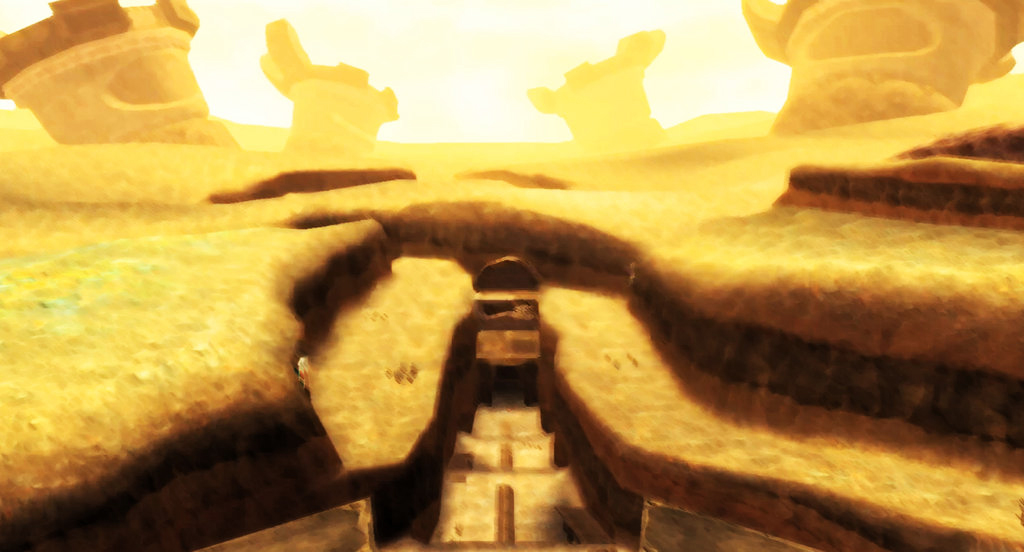
Lanayru is fascinating because it changes dramatically across games and timelines.
It appears as desert, sacred region, or aquatic-adjacent territory depending on era, making it a strong example of Zelda’s long-term environmental storytelling. Same myth space, different historical state.
It quietly reinforces one of Zelda’s core ideas: worlds evolve, legends remain.
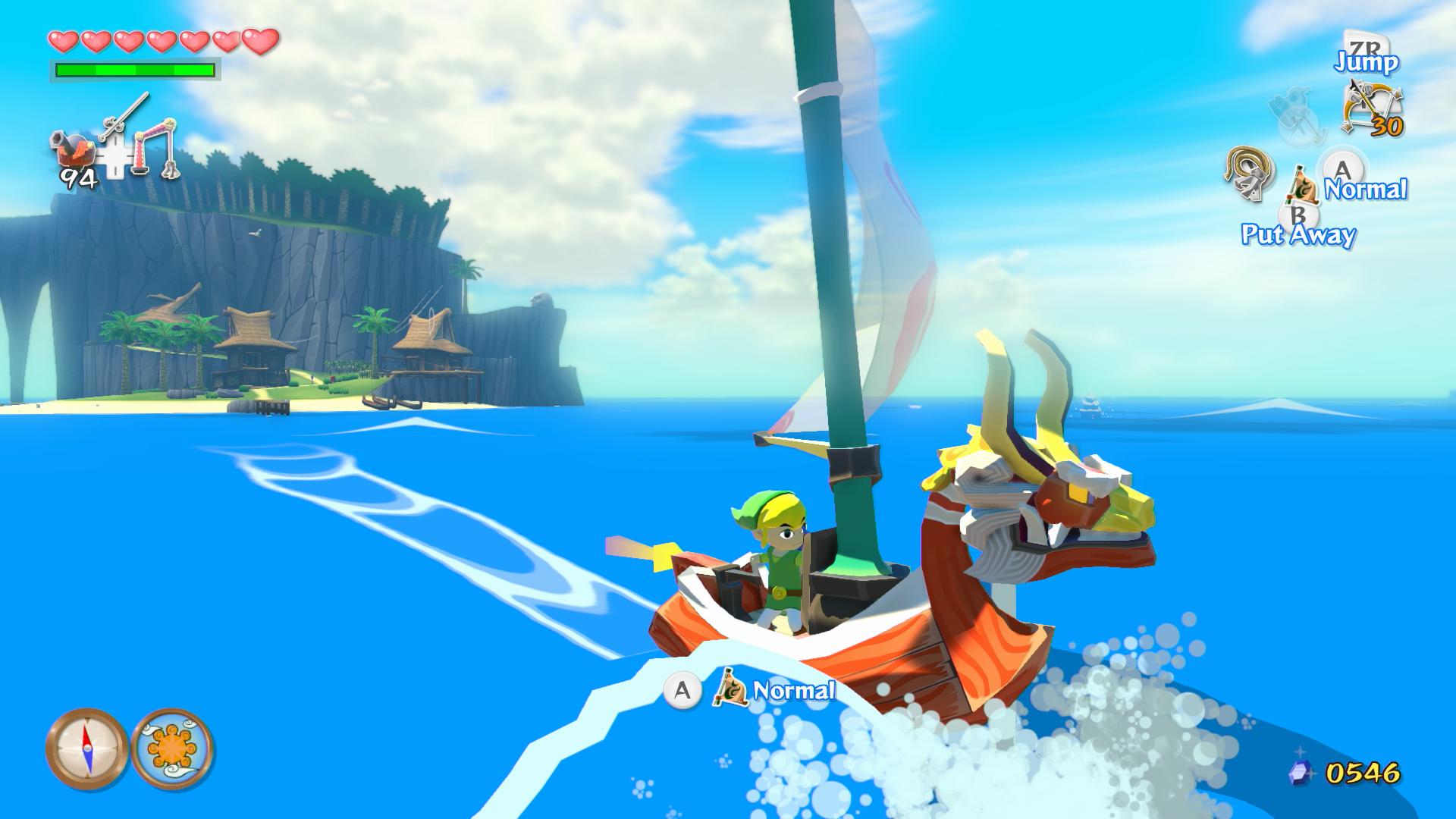
The Great Sea is one of Zelda’s boldest setting shifts.
By flooding old Hyrule, Wind Waker transforms exploration into maritime adventure while preserving deep mythic continuity under the surface. It is bright, open, and quietly melancholic.
This location proves Zelda can reinvent structure without losing soul.
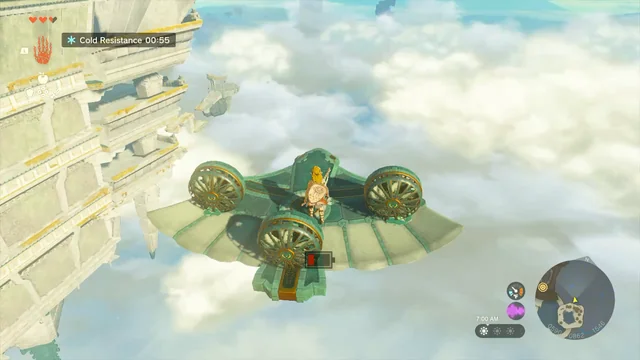
TOTK’s sky-and-depths structure is one of modern Zelda’s biggest location achievements.
The Sky Islands add layered vertical discovery and puzzle traversal. The Depths add dread, contrast, and long-form exploration pressure. Together, they turn familiar Hyrule into a three-layered world with new mystery density.
It is the clearest example of Zelda reusing a map without feeling repetitive.
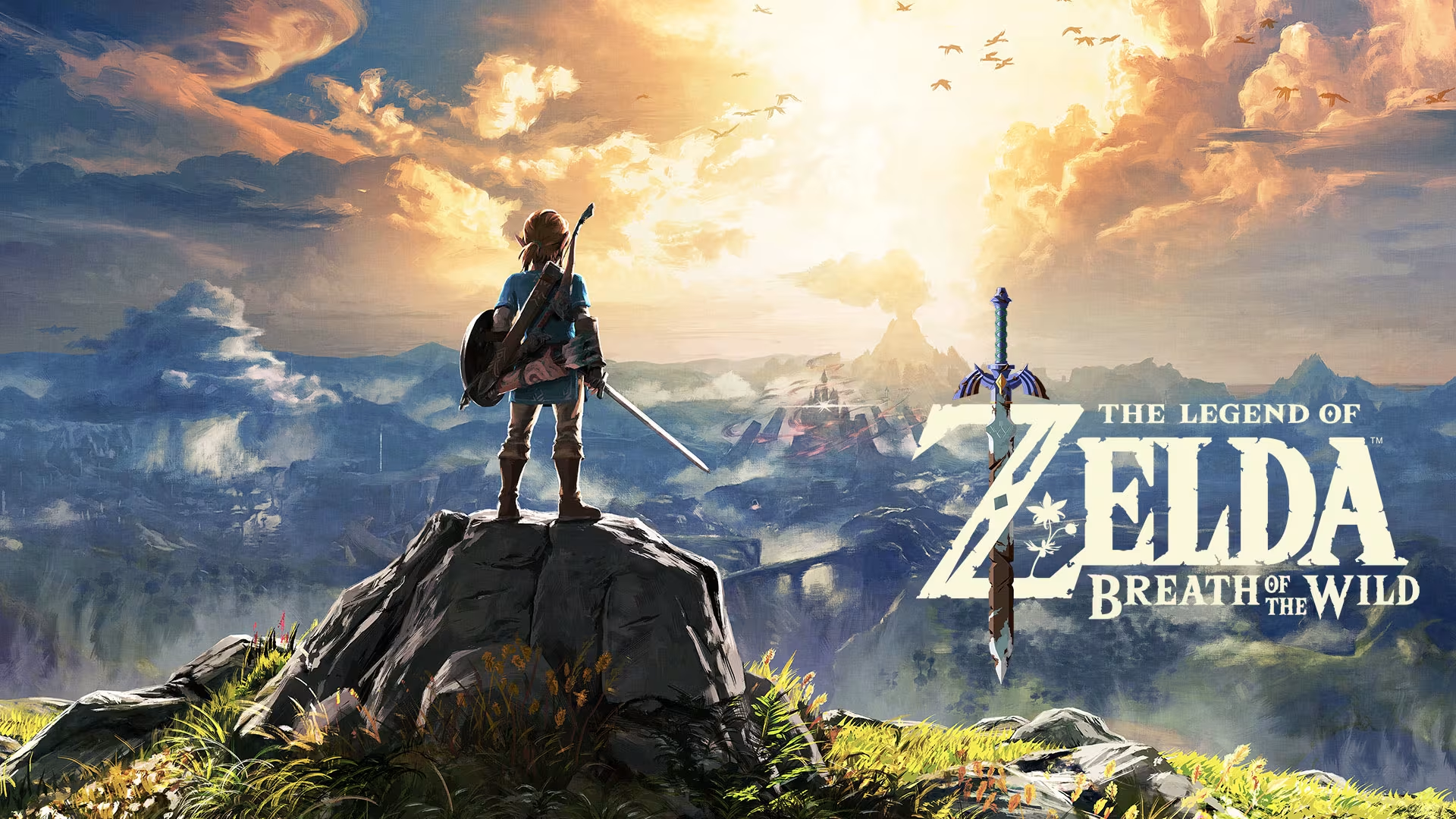
Great Zelda locations do three things at once:
That mix is why players remember places, not just bosses. A strong Zelda area feels like a character in the story, not background art.
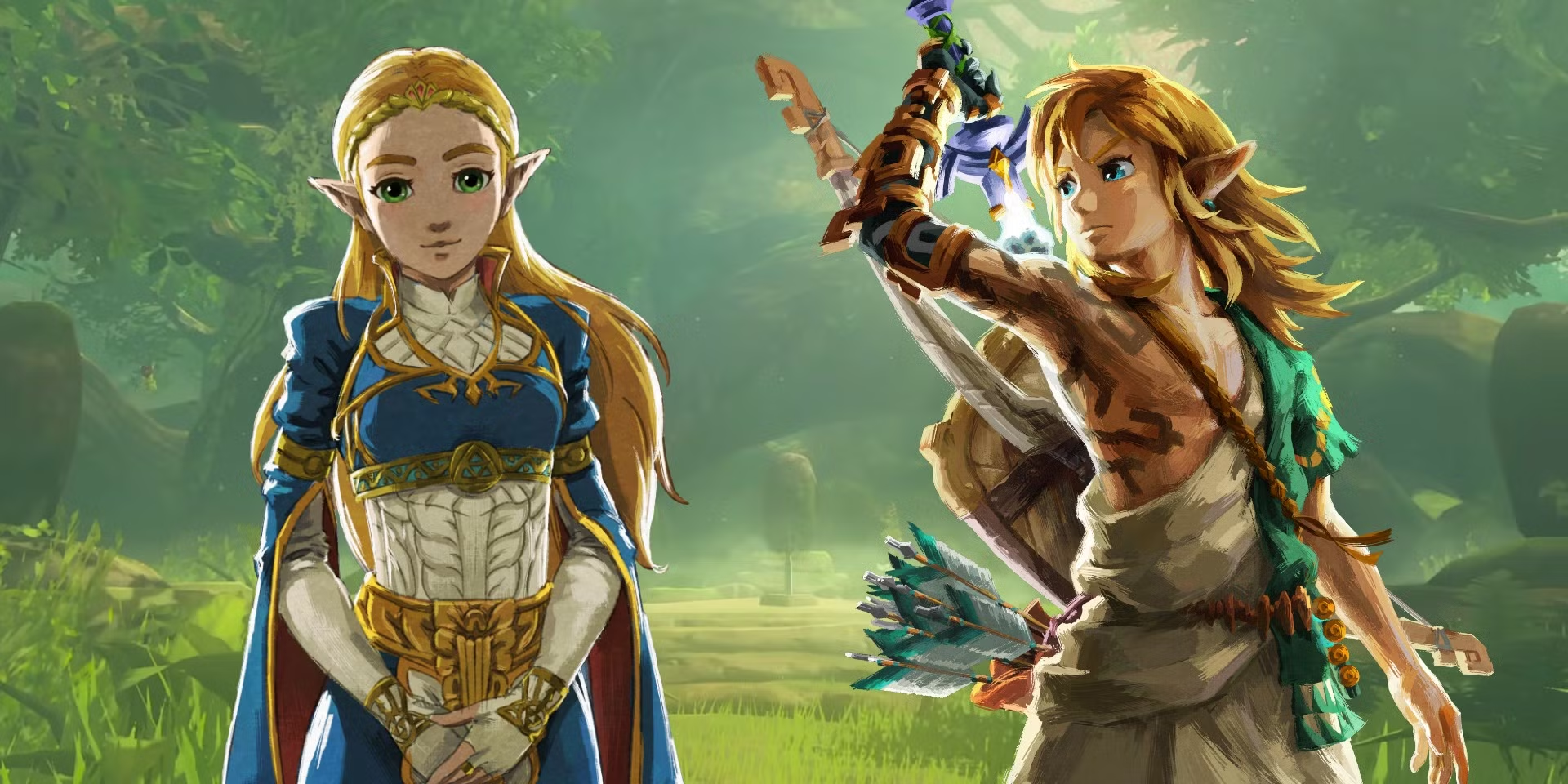
The Legend of Zelda locations endure because they evolve with each era while staying tied to the same mythic core.
From Temple of Time to the Great Sea to the Sky Islands, the best areas reward curiosity and make the world feel ancient, dangerous, and worth saving.
If a location makes you explore first and ask questions later, Zelda did its job.
 SwitchNews
 SwitchNews
 SwitchNews
 SwitchNews