
 SwitchMar 05, 2026
.jpg&w=3840&q=75)
The Legend Of Zelda Character Guide covering Link, Zelda, Ganondorf, Midna, Impa, and other major characters across Hyrule’s timeline.
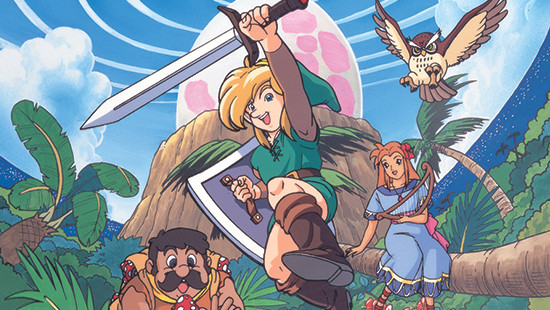
The Legend of Zelda may be famous for dungeons and puzzles, but the characters are why the series keeps hitting across generations.
Every era gives us a new Link and Zelda, a familiar evil in a new form, and a supporting cast that ranges from wise mentors to “please stop talking and let me open this chest.”
This guide covers the most important Zelda characters, what role they play, and why fans keep coming back to them game after game.
Yes, there are spoilers. Yes, we are ranking emotional stability at zero.
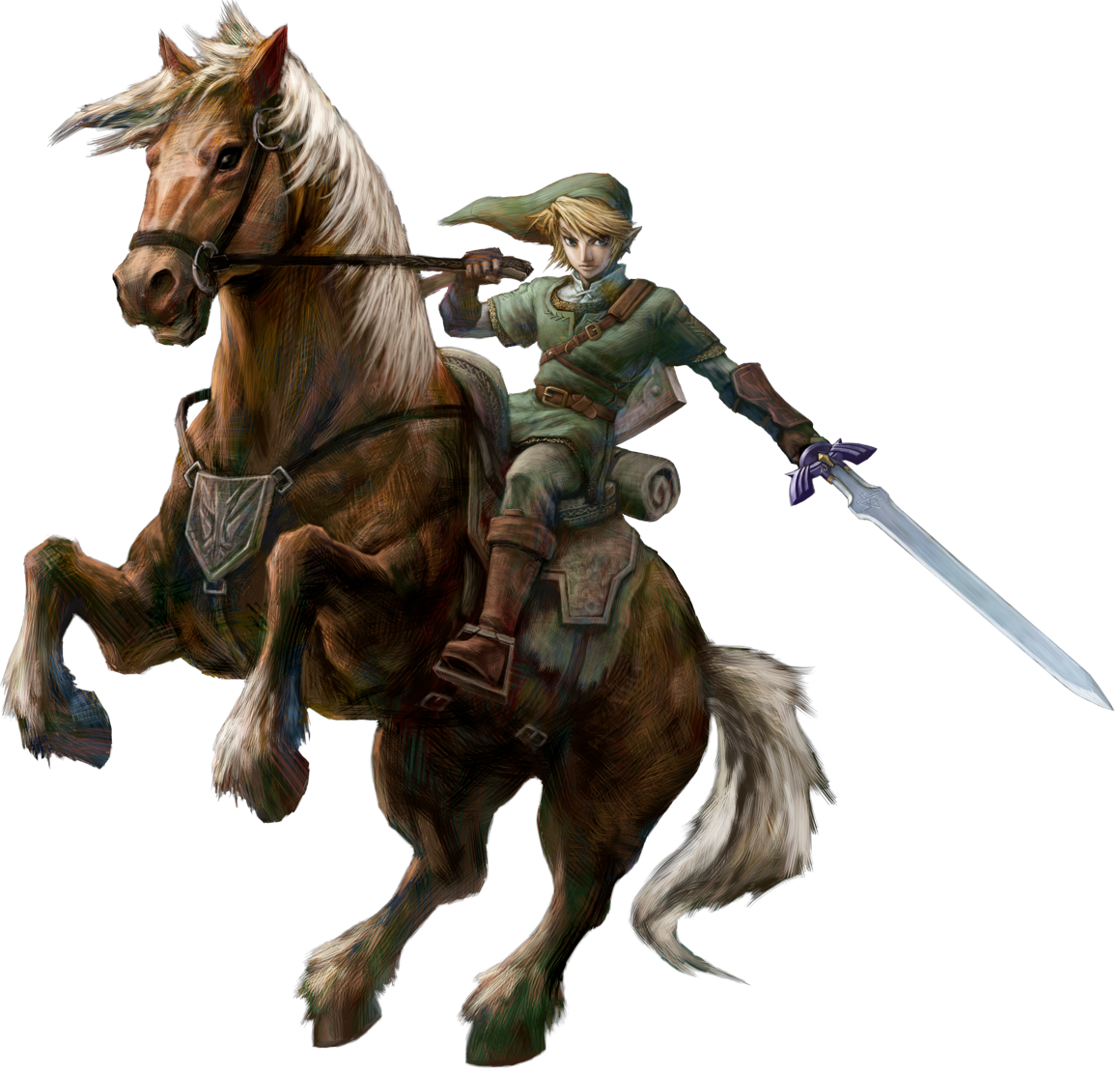
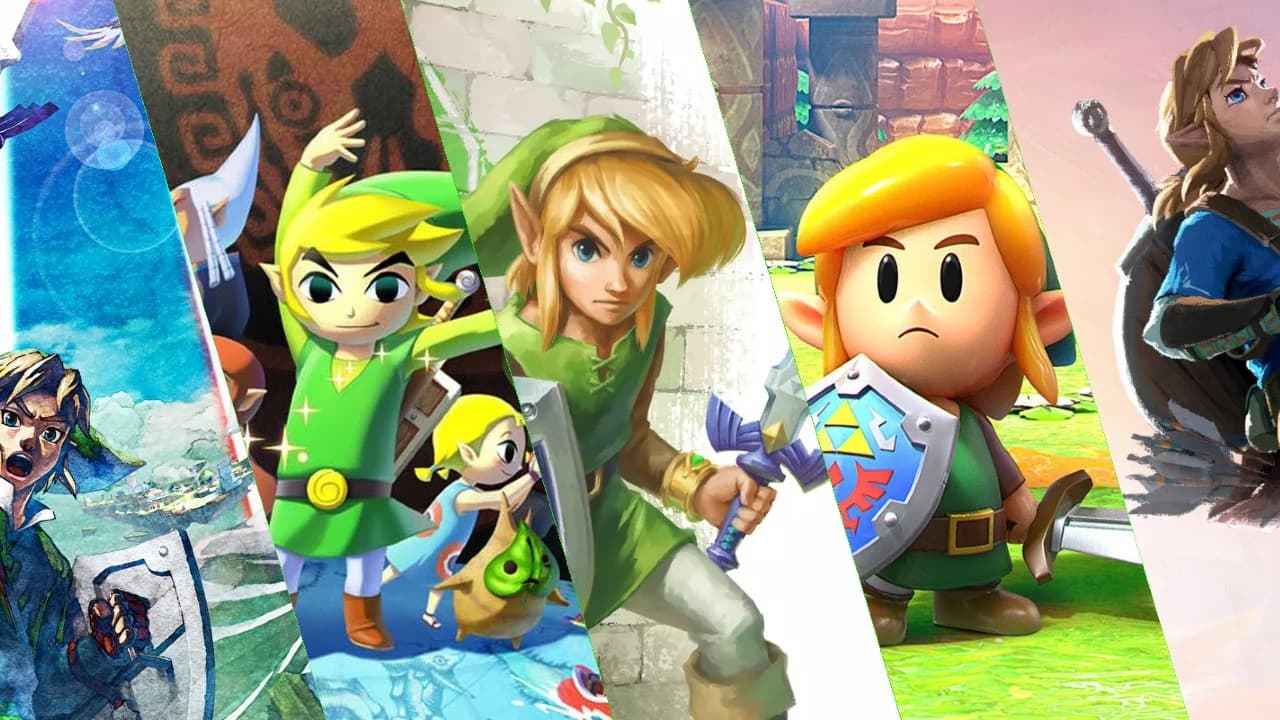
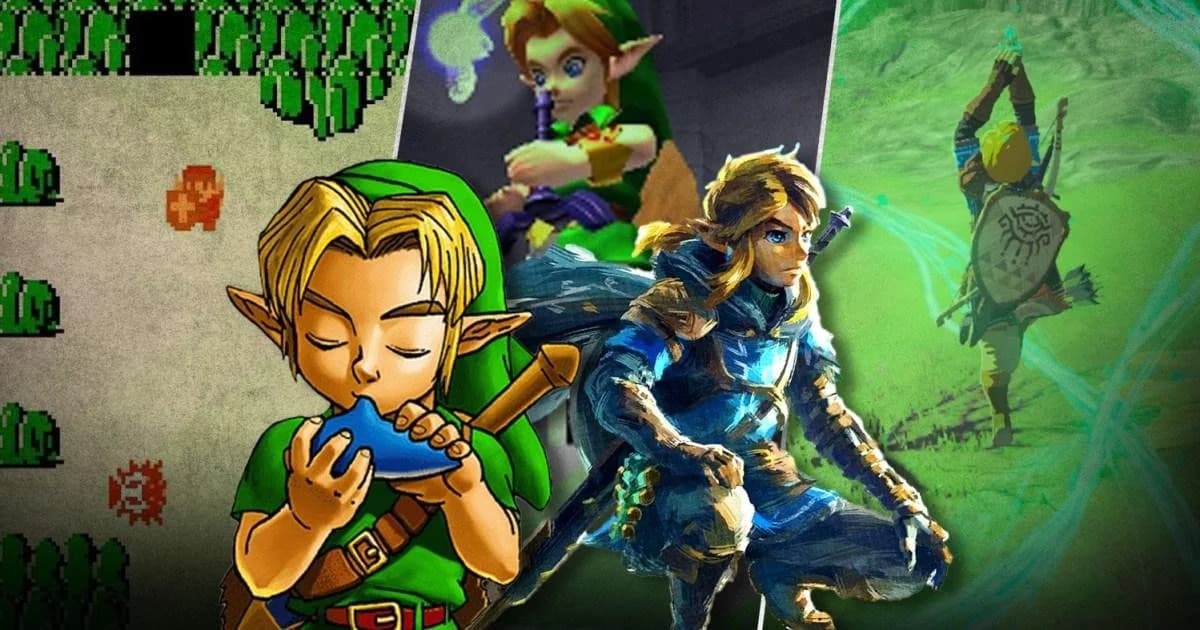
Link is the core hero of the franchise, reborn across eras whenever Hyrule needs someone brave enough to fight impossible odds.
He is usually a quiet protagonist, but his personality still comes through in animations, choices, and relationships. Whether he is a knight, a traveler, or a literal child with a sword too big for him, Link always represents courage.
He is not “the chosen one because destiny says so.” He is the one who keeps showing up when everyone else is already giving up.
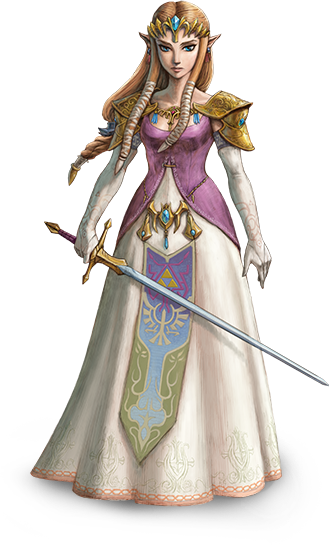
Zelda is far more than a damsel trope, especially in modern entries.
Across the timeline she appears as a ruler, researcher, mage, tactician, and spiritual anchor. In games like Breath of the Wild and Tears of the Kingdom, she is central to the story’s emotional and political stakes, not just a goal marker.
If Link is courage, Zelda is wisdom under pressure. She carries Hyrule’s burden with far less credit than she deserves.
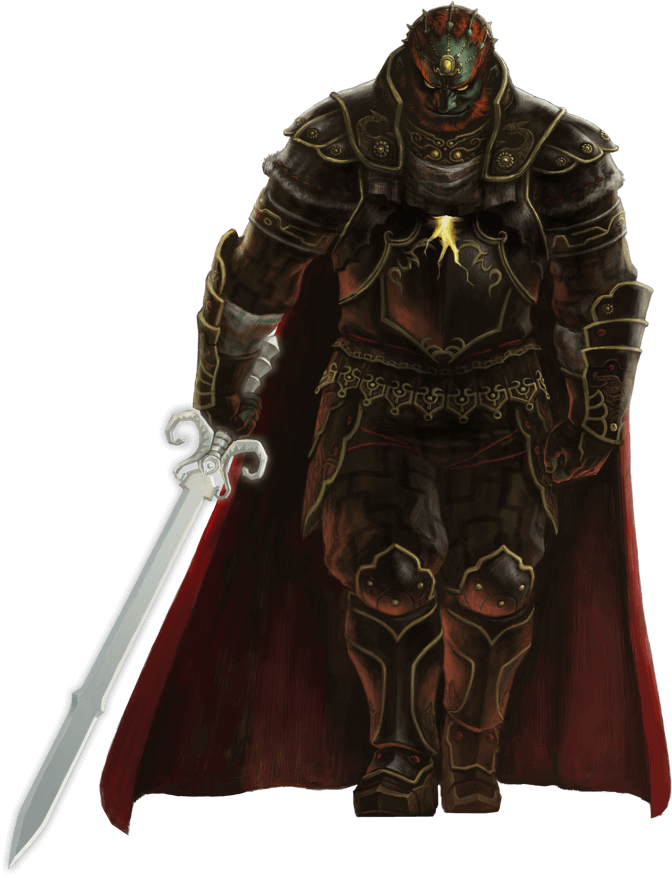
Ganondorf is one of gaming’s best recurring villains because he evolves without losing identity.
He is ambitious, intelligent, ruthless, and always tied to themes of domination and corruption. Different games reinterpret him, but the core remains the same: he wants control of Hyrule, the Triforce, and history itself.
When Ganondorf appears, the story instantly feels heavier. Hyrule is no longer “in danger.” It is in an era-defining crisis.
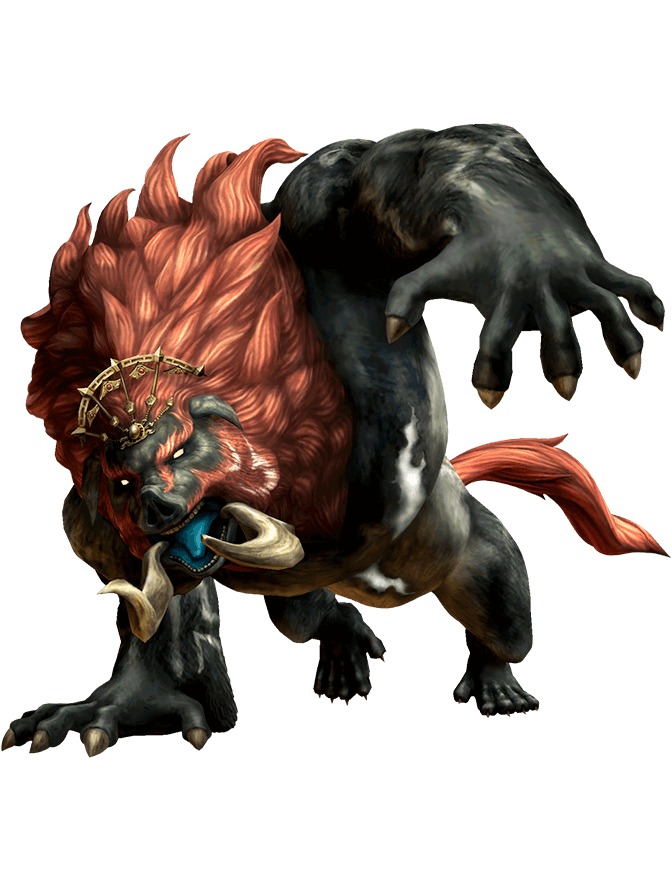
Ganon is often the monstrous form or manifestation of Ganondorf’s power and hatred.
Where Ganondorf is strategic menace, Ganon is raw destructive force. This form emphasizes Zelda’s recurring warning: unchecked power eventually turns the ruler into the beast.
Whether final boss or looming myth, Ganon symbolizes recurring evil in Hyrule’s cycle, and why victory in Zelda is often temporary, not permanent.
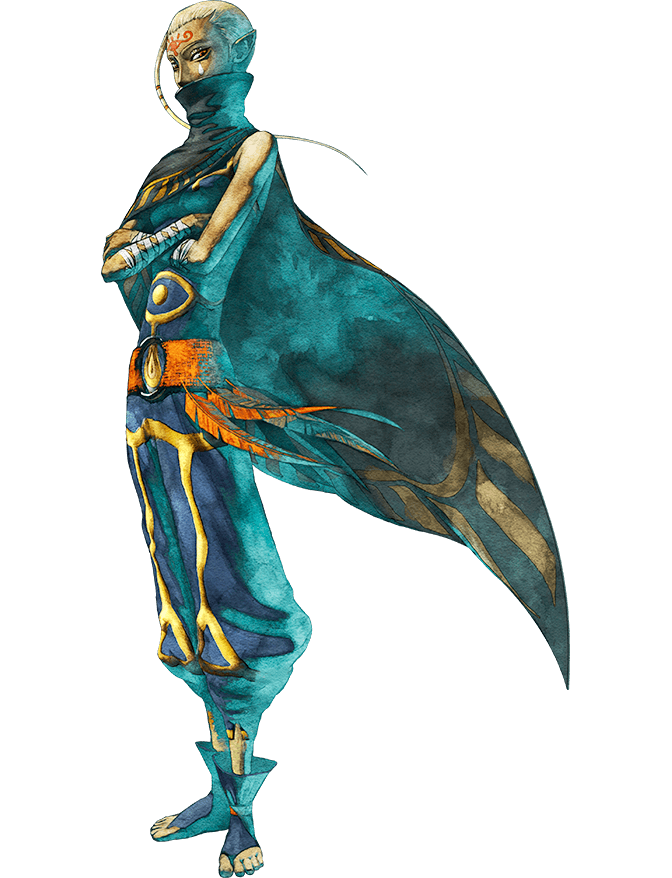
Impa is one of the franchise’s most consistent and underrated pillars.
She serves the royal family across many eras, often as protector, advisor, and combat expert. Different games reinterpret her age and role, but her core traits are loyalty, discipline, and competence under chaos.
In short, if Hyrule had an emergency contact list, Impa would be first every time.
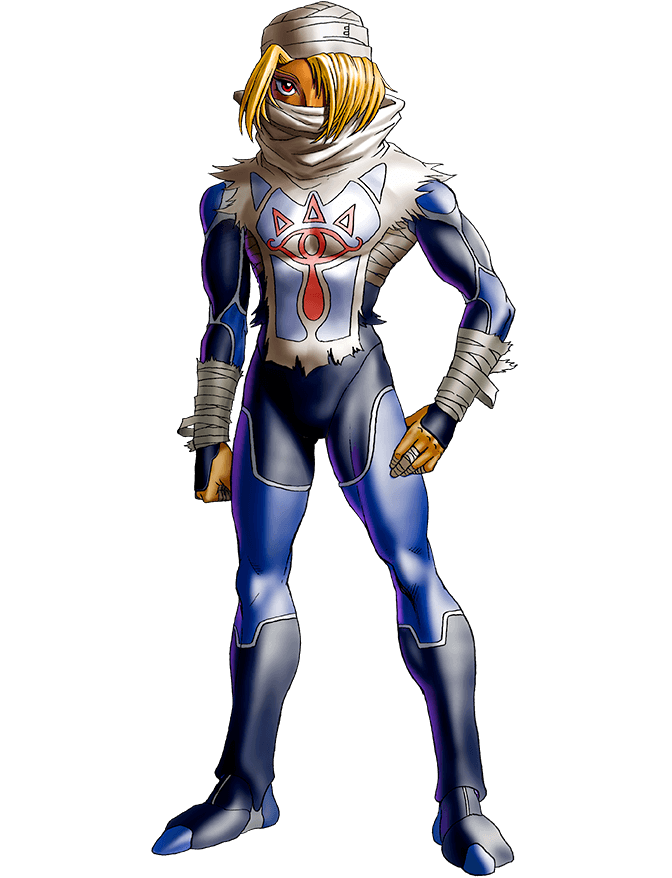
Sheik is one of the most famous Zelda reveals ever.
In Ocarina of Time, this identity lets Zelda move through a hostile world while guiding Link from the shadows. Beyond the twist itself, Sheik represents adaptation: wisdom that knows when to lead publicly and when to survive quietly.
Even decades later, Sheik remains one of the series’ coolest character concepts.
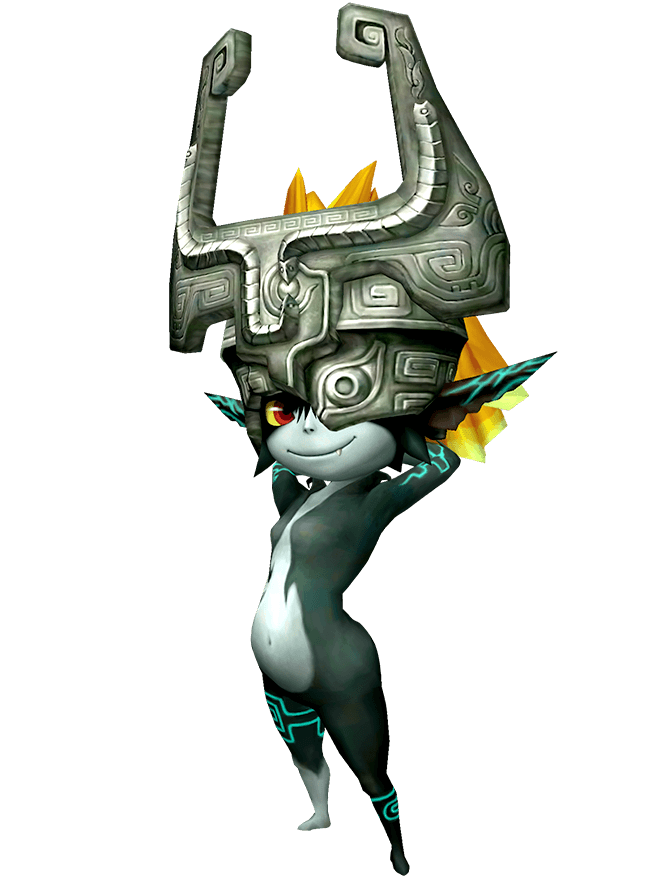
Midna starts as a chaotic gremlin energy sidekick and ends as one of the strongest companion arcs in the franchise.
Her relationship with Link evolves from transactional to deeply loyal, and her own leadership journey drives Twilight Princess far beyond “save kingdom” basics. She is funny, manipulative, vulnerable, and genuinely heroic by the end.
Midna is proof Zelda companions can have full character arcs, not just tutorial dialogue.

Navi is probably the most famous fairy in gaming history.
Yes, the voice cues became memes. Yes, players still hear them in their sleep. But Navi’s role in Ocarina of Time is important: she bridges player guidance and story presence at a time when 3D adventure design was still being defined.
Under the jokes, she is an iconic part of Zelda’s transition into modern game structure.
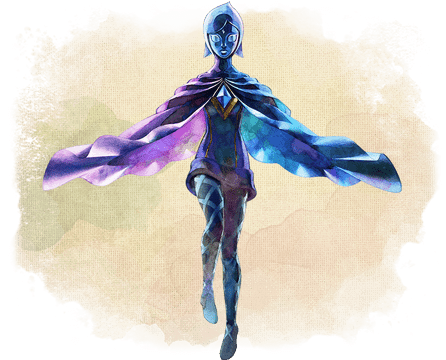
Fi is divisive, but crucial in Zelda lore.
As the spirit of the Master Sword in Skyward Sword, she anchors major mythology around the blade, destiny, and the origin of Hyrule’s recurring conflict. Her analytical style is intentionally robotic, which makes her emotional moments hit harder later.
You may argue with her interruptions. You cannot deny her narrative importance.
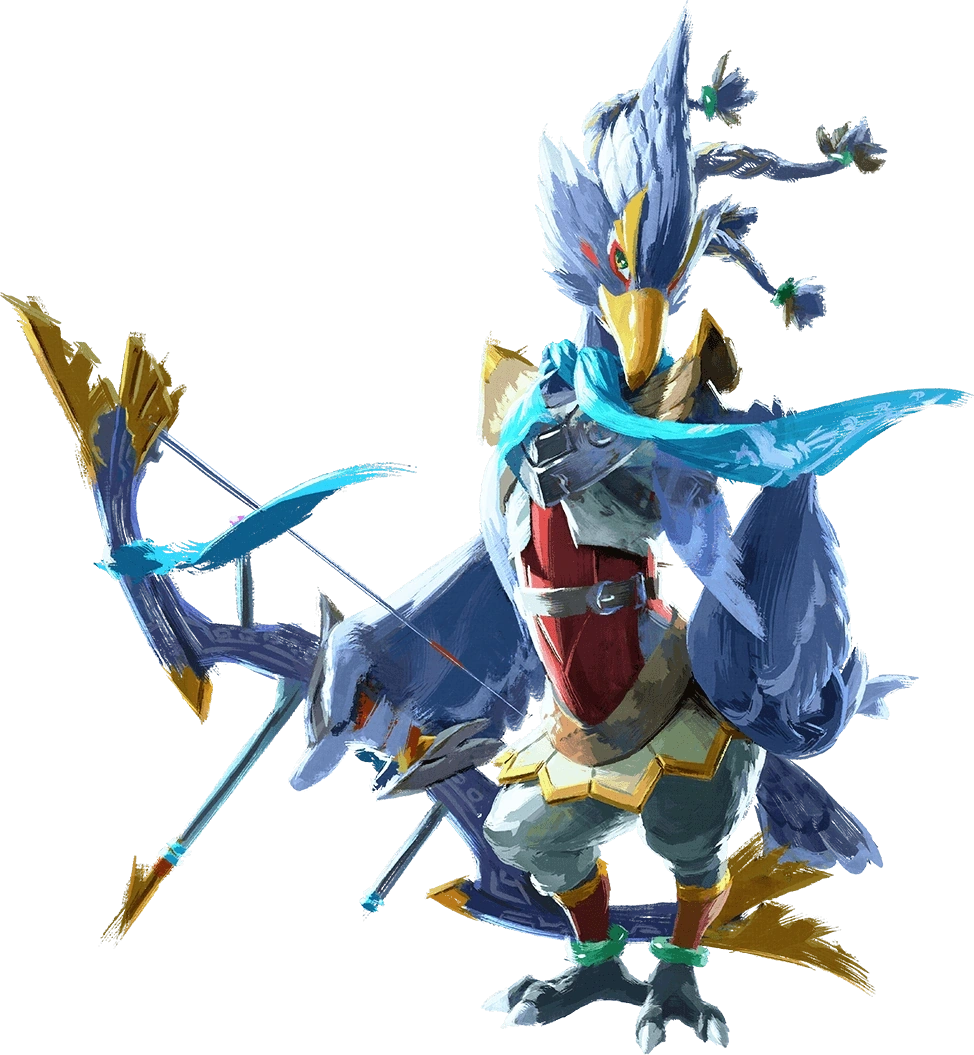
Revali works because he is not instantly likable.
He is gifted, proud, and threatened by Link’s role, which gives Breath of the Wild a character dynamic more interesting than pure team harmony. Under the arrogance is insecurity and pressure, making him more layered than “rude bird man.”
He adds tension to the Champions arc, and that tension makes the group feel more real.
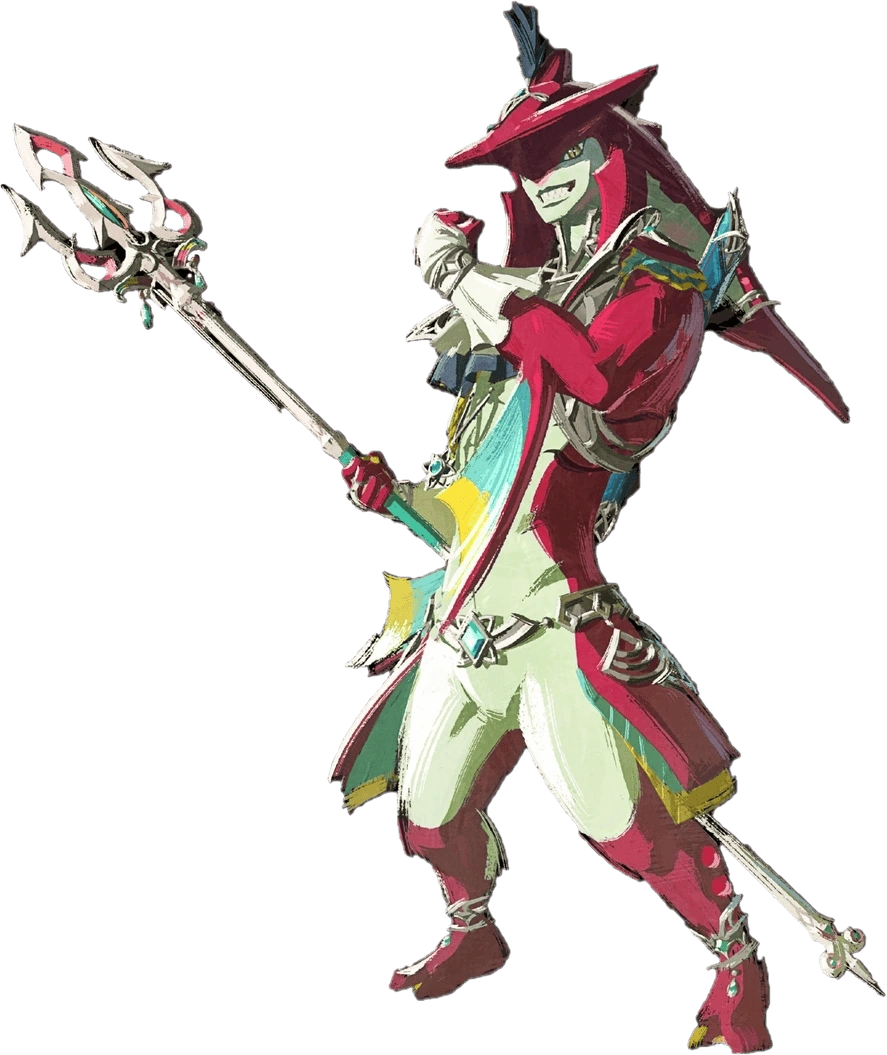
Sidon is the opposite energy of Revali, and fans love him for it.
He is charismatic, optimistic, and unwavering in both leadership and friendship. In games where kingdoms are collapsing every ten minutes, Sidon brings confidence without arrogance.
He is not comic relief. He is emotional momentum, and one of modern Zelda’s best supporting characters.
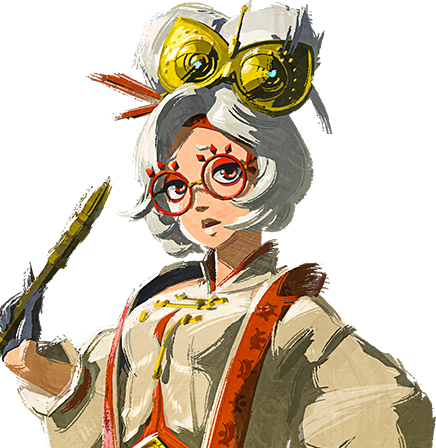
Purah became a standout in the modern era because she balances brains, style, and personality.
As a Sheikah researcher, she drives major tech and investigation threads while still feeling fun and distinct. She embodies Breath of the Wild and Tears of the Kingdom’s blend of ancient mystery plus practical innovation.
If Zelda is wisdom and Link is courage, Purah is “let me build something dangerous for the greater good.”
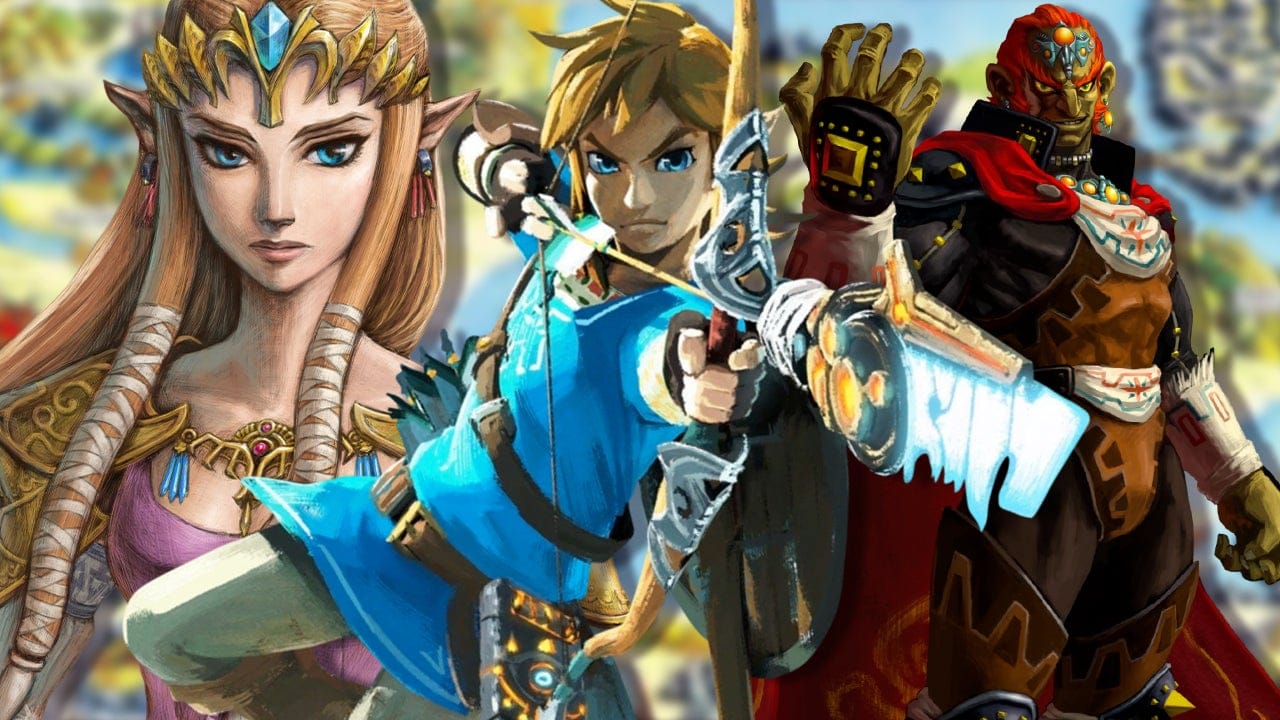
Zelda characters last because the series keeps reinventing archetypes instead of repeating them blindly.
Link changes tone by era. Zelda gains more agency over time. Ganondorf shifts between tyrant, demon, and mythic inevitability. Companions evolve from helpers into full narrative drivers.
That balance of tradition and reinvention is why the cast still feels fresh decades later.
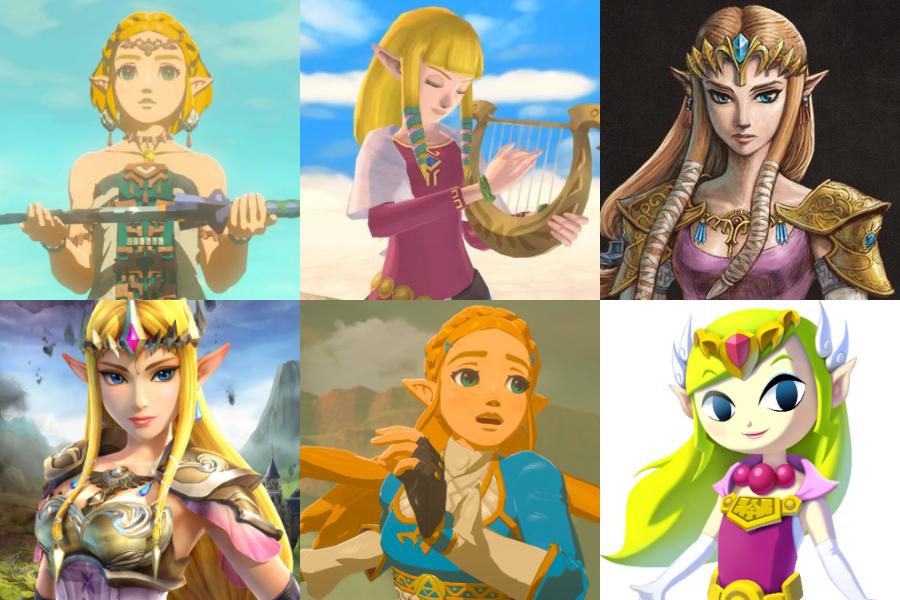
The Legend of Zelda is not just about dungeons and bosses. It is about people carrying impossible roles across repeating cycles of loss and renewal.
From Link and Zelda to Midna, Ganondorf, and Sidon, the best characters are the ones who make Hyrule feel alive between every sword swing.
If you come for the puzzles but stay for the cast, congratulations, you are playing Zelda correctly.
Images Credit: Nintendo - The Legend of Zelda Series
 SwitchNews
 SwitchNews
 SwitchNews
 SwitchGuide