
 SwitchMar 05, 2026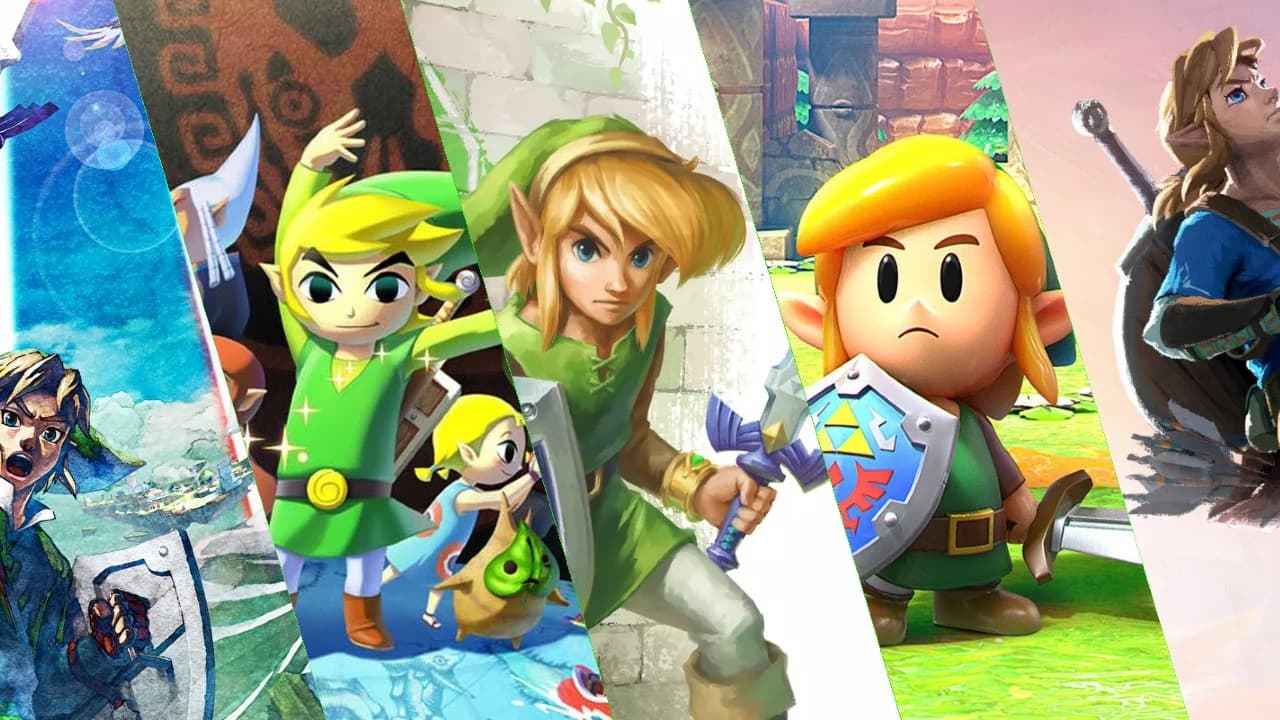
The Legend Of Zelda Games Ranked for 2026, from NES classics to BOTW and TOTK, with mainline entries scored by design, legacy, and replay value.
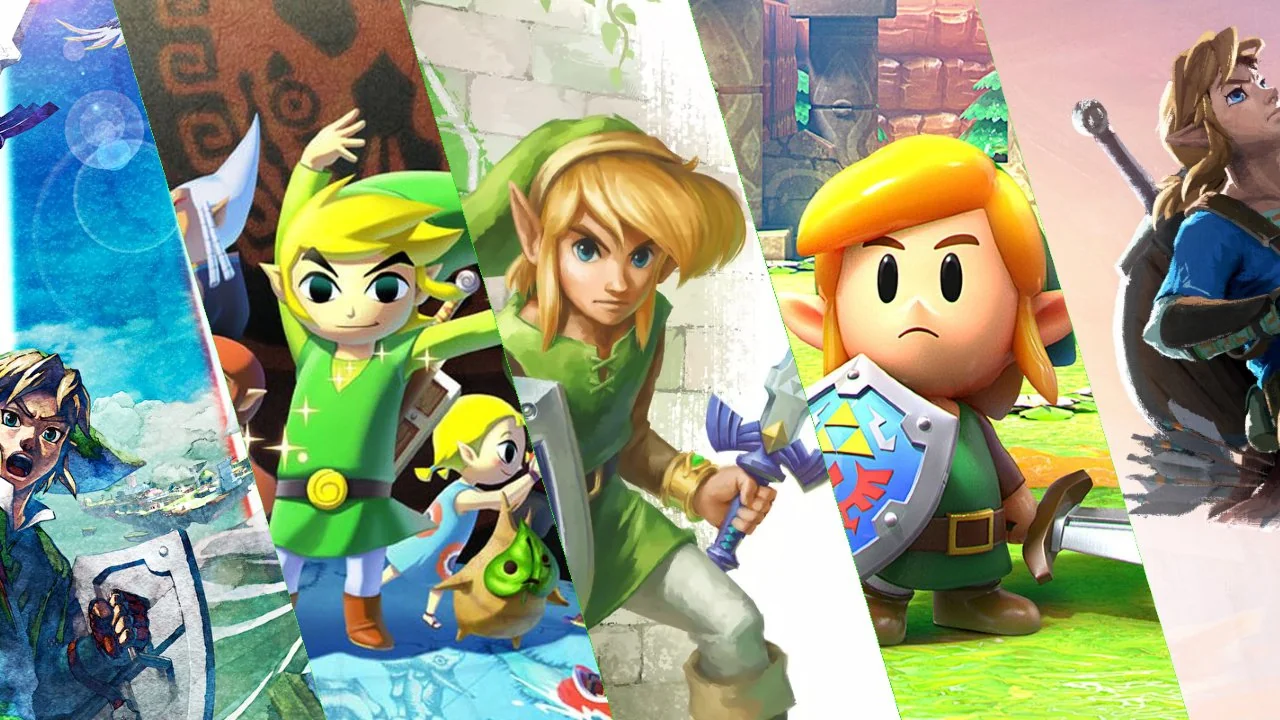
Ranking Zelda games is a dangerous hobby.
No matter what order you choose, someone will appear from a forest temple and explain why you are objectively wrong.
This list ranks the most important mainline-style Zelda experiences by design quality, replay value, long-term impact, and how well they still hold up today.
Yes, this is subjective. No, I will not apologize to the Water Temple defense squad.
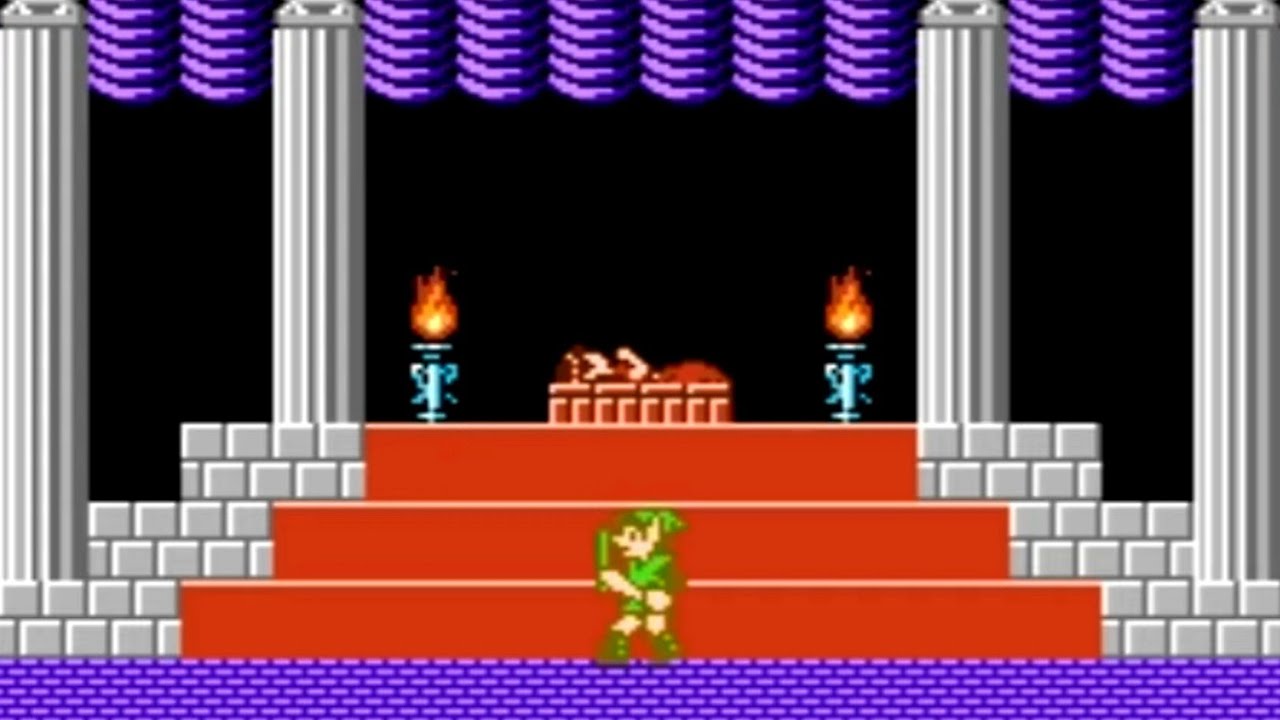
Zelda II is the franchise’s weird child, side-scrolling combat, RPG stats, and a difficulty curve that feels personally offended by your confidence.
It deserves respect for experimenting early, but as a full-package Zelda game it is less timeless than other entries. Great ideas, rough execution, and zero chill.
Important historically, painful recreationally.
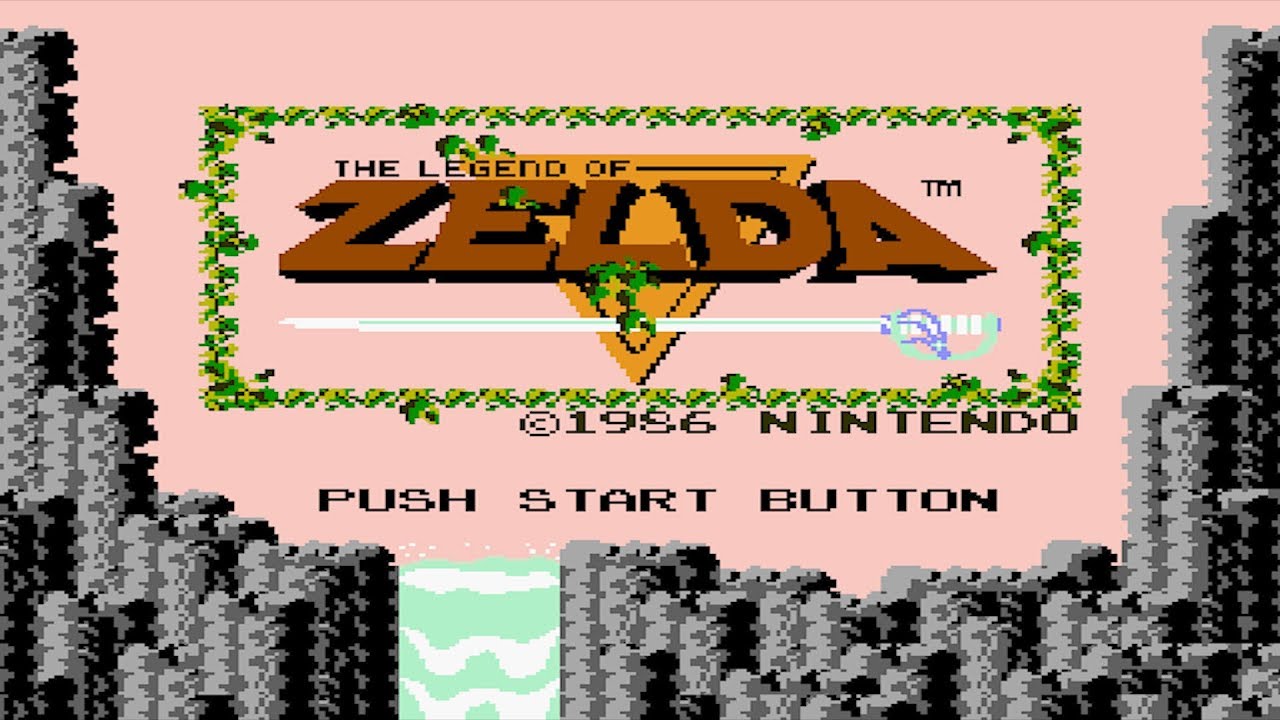
The one that built the foundation still has real magic.
The original Zelda nailed exploration freedom, dungeon discovery, and the feeling that the world does not care if you are ready. It is lean, influential, and still surprisingly playable.
It ranks lower only because later games refined the formula dramatically. As a blueprint, though, this is sacred ground.
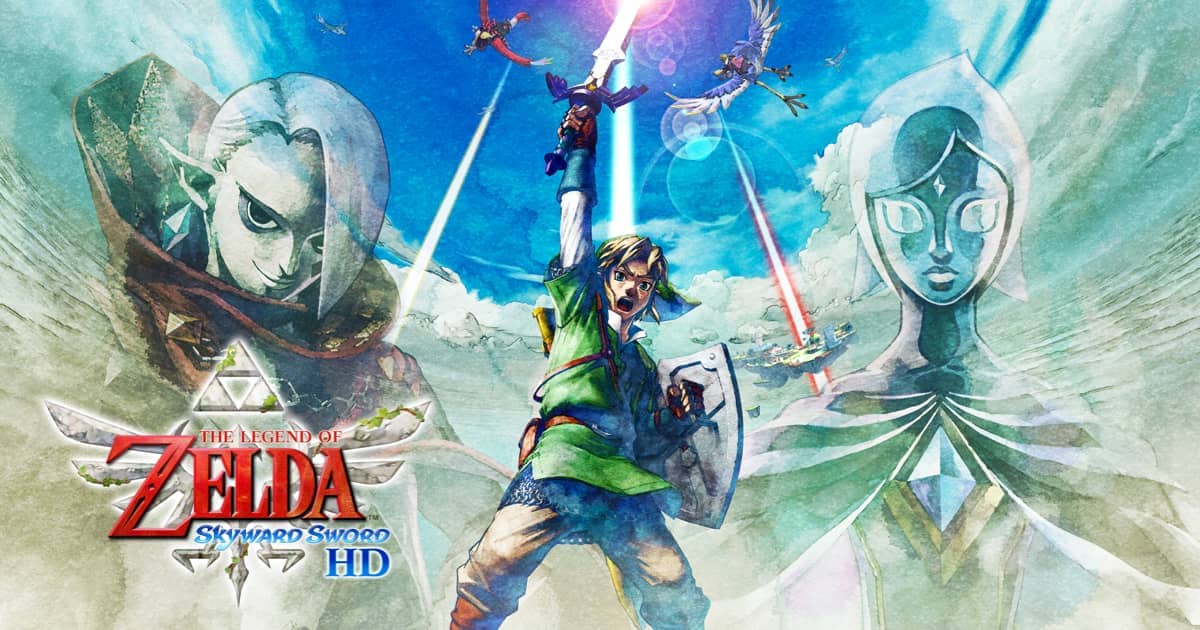
Skyward Sword has excellent dungeons, strong lore importance, and one of the best final confrontations in the series.
It also has pacing friction and design choices that split players hard. The HD release improves a lot, but it still feels more structured and segmented than the open-world era that followed.
Great highs, uneven flow.
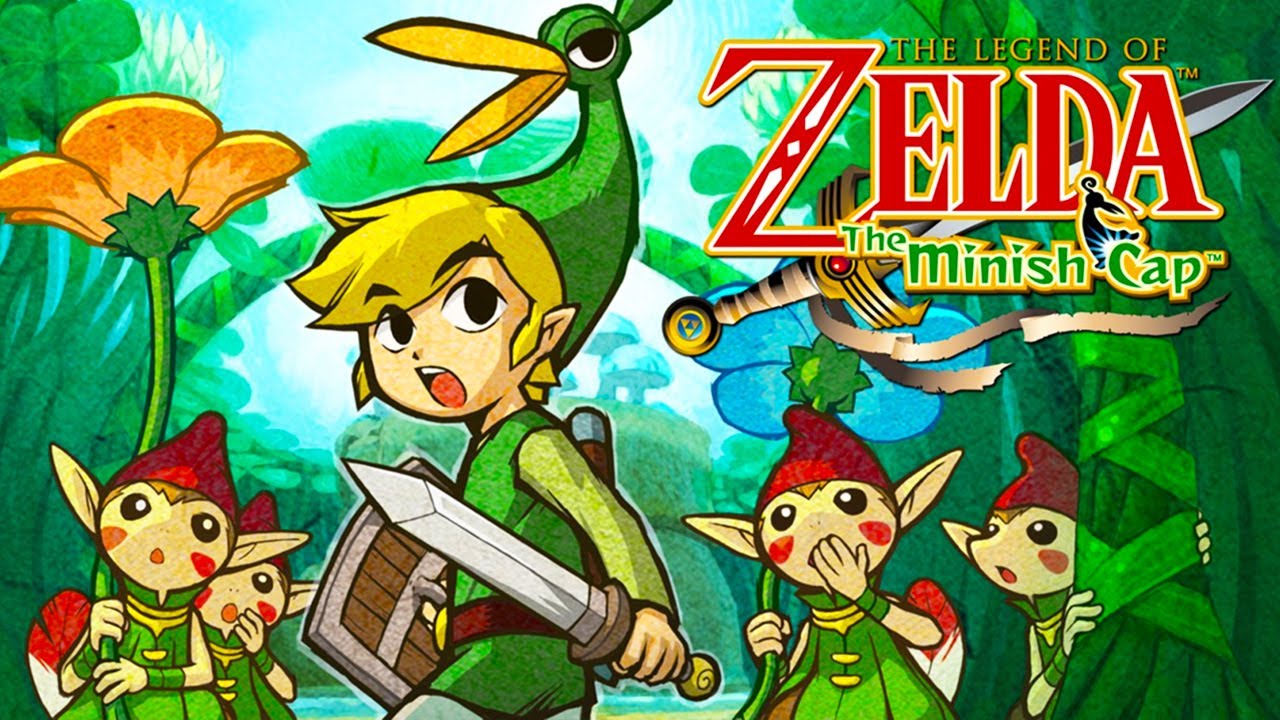
Minish Cap is one of Zelda’s most underrated entries.
It keeps classic top-down rhythm, adds clever shrinking mechanics, and delivers vibrant world design with strong dungeon pacing. It is compact, polished, and packed with personality.
Not as culturally massive as the top-tier giants, but as a pure adventure game it is excellent.
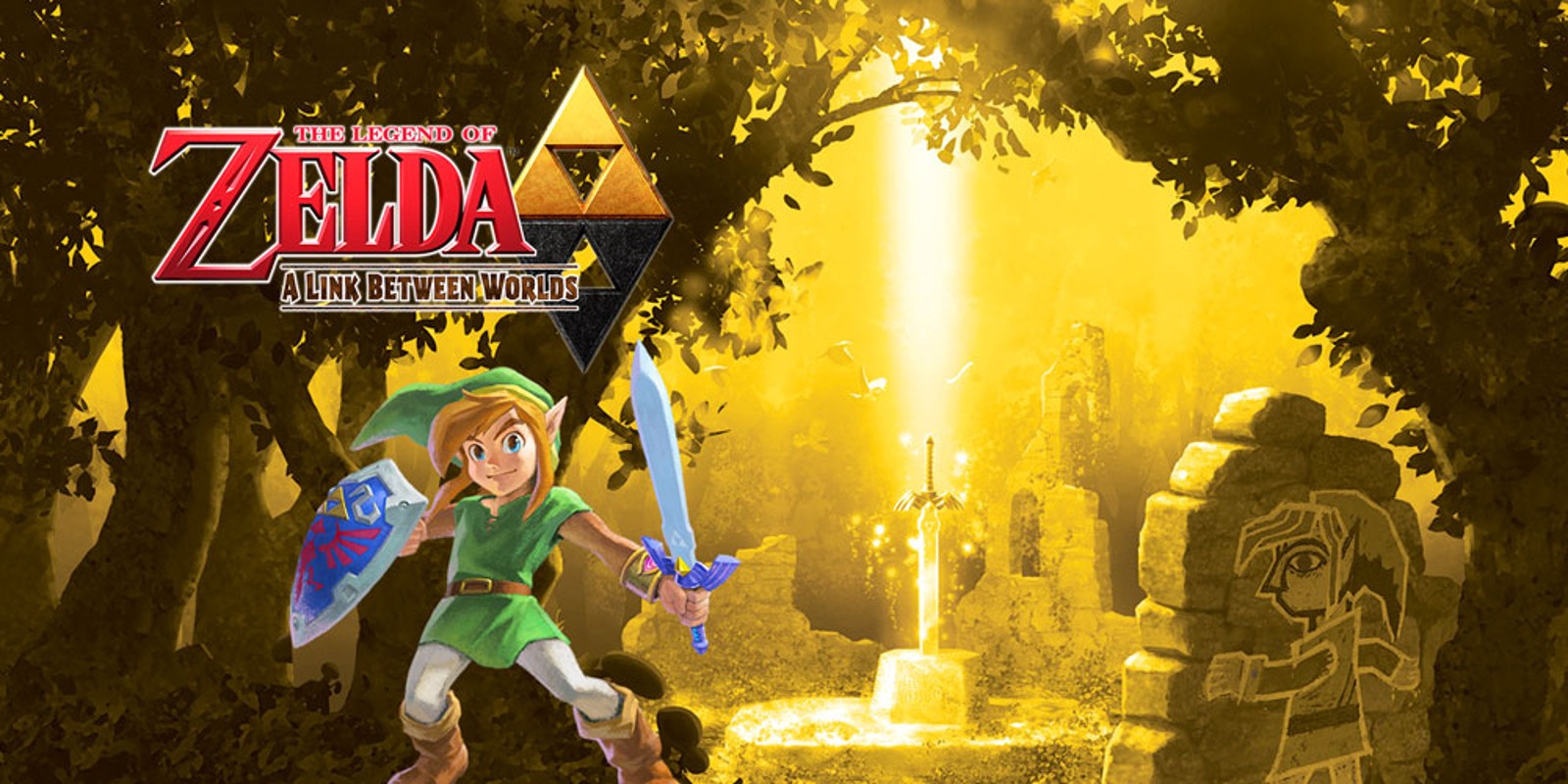
A Link Between Worlds is what happens when Nintendo remixes a classic formula with modern flexibility.
The wall-merge mechanic is brilliant, dungeon order freedom works, and pacing stays sharp the whole way. It respects A Link to the Past legacy without feeling like a museum piece.
If you love 2D Zelda, this is elite modern craftsmanship.
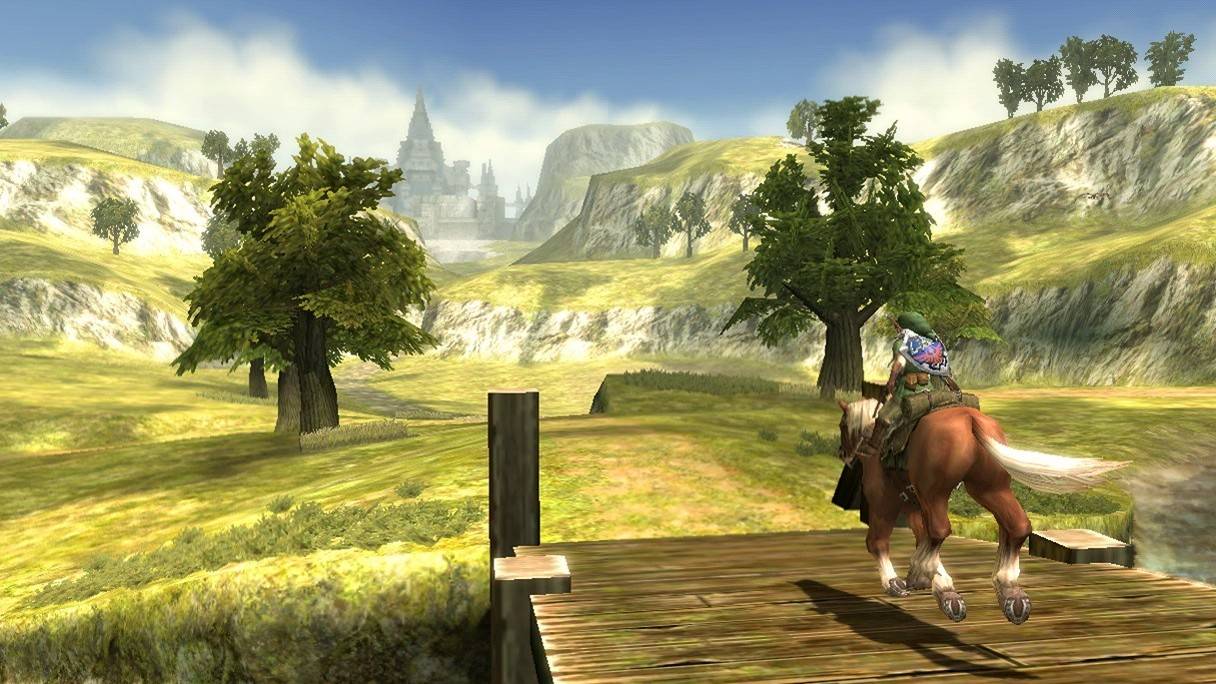
Twilight Princess leans darker, heavier, and more cinematic, and mostly nails it.
It has strong dungeon design, great atmosphere, and one of the best companion arcs in the franchise thanks to Midna. The opening stretch is slow, but the payoff arc is worth it.
For players who want dramatic Zelda with sword-heavy momentum, this is top-tier.
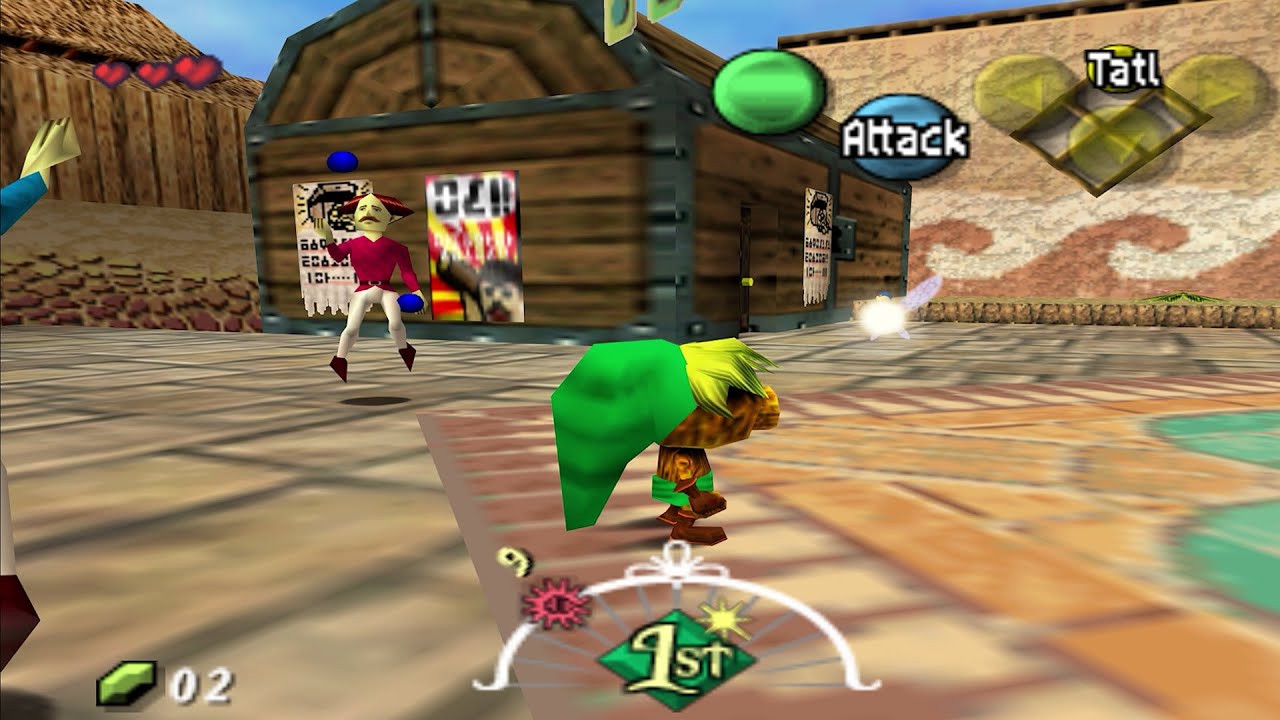
Majora’s Mask is one of Zelda’s boldest and most emotionally complex games.
The three-day loop, mask system, and side-quest storytelling create a world that feels alive and haunted at the same time. It is brilliant, stressful, and absolutely not designed for autopilot play.
Not always the easiest to recommend, but always unforgettable.
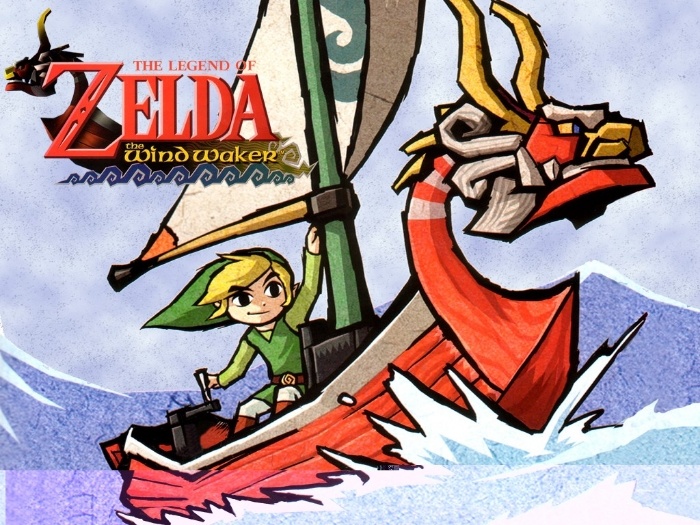
Wind Waker aged like royalty.
Its art direction remains beautiful, exploration feels adventurous, and its version of Ganondorf adds rare emotional weight. The HD version especially smooths pacing where needed.
It starts light, ends mythic, and remains one of the franchise’s most complete identities.
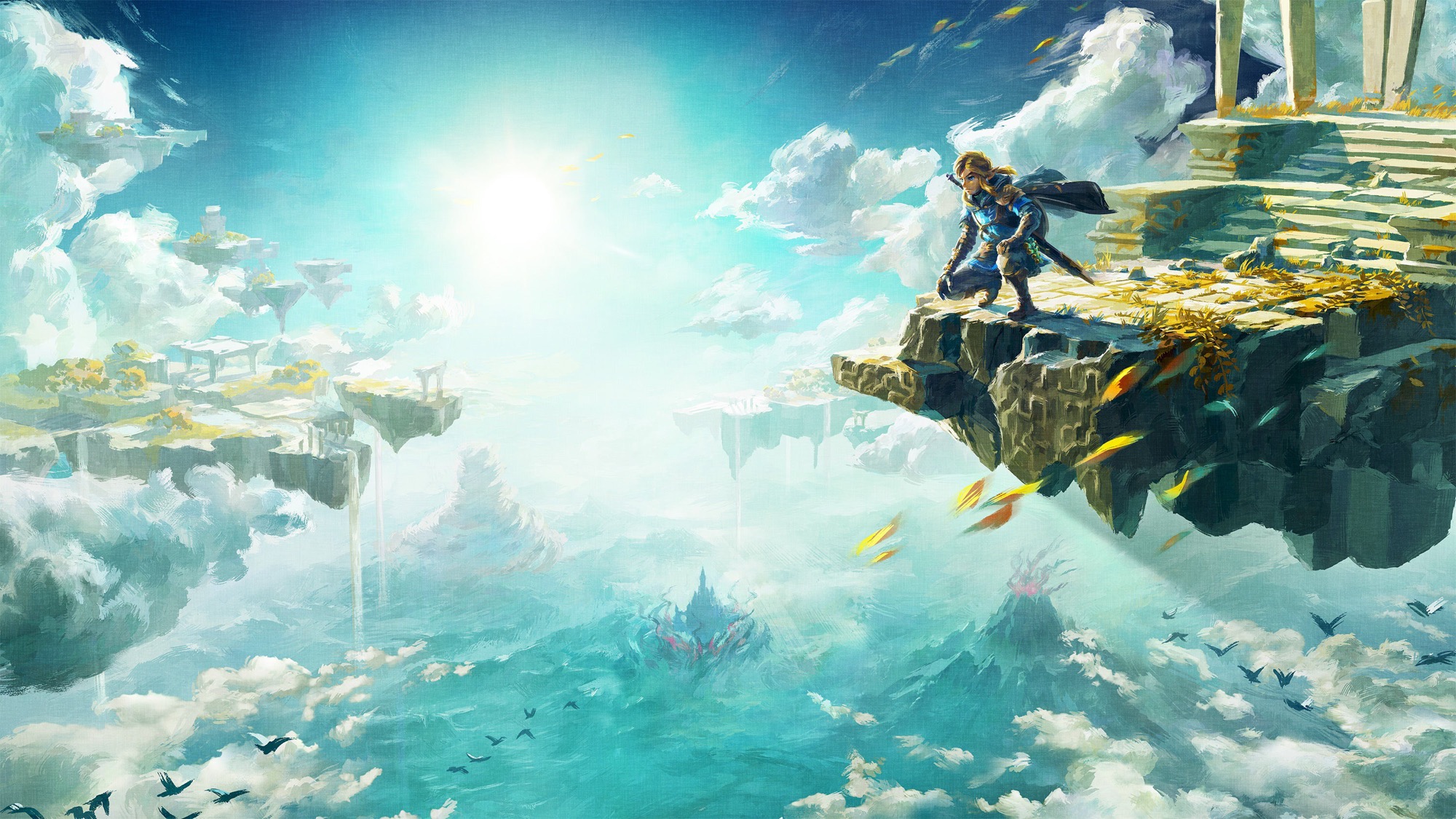
TOTK takes BOTW’s foundation and adds engineering chaos, vertical world layers, and bigger narrative stakes.
The sky and depths structure is outstanding, and the building systems create constant “I cannot believe this worked” moments. Some repetition exists because of shared geography, but the mechanical freedom is elite.
As a sequel, it is ambitious and legitimately impressive.
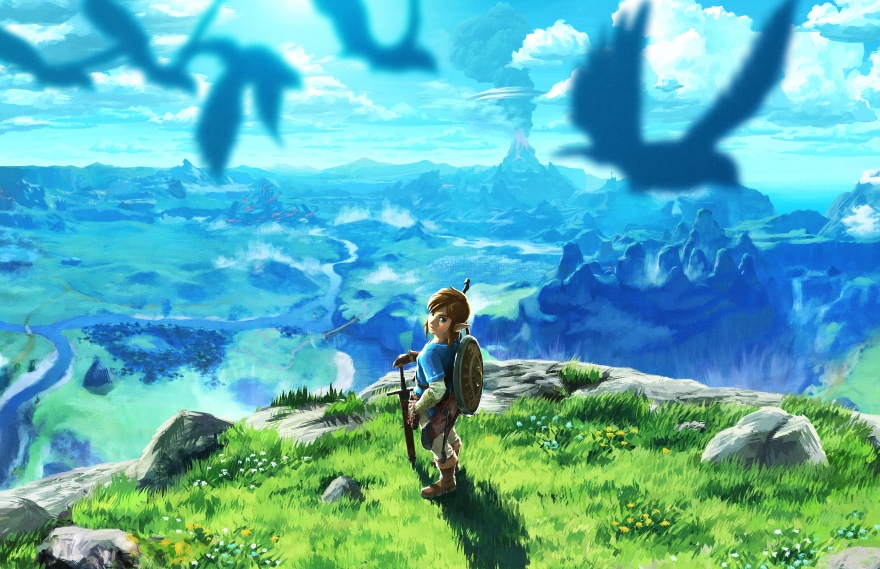
Breath of the Wild reinvented Zelda without losing its soul.
It turned exploration into pure player-driven discovery and made physics, weather, and terrain part of the puzzle language. The sense of wonder was unmatched at launch and still lands today.
A generational game, even if its dungeon structure is lighter than older entries.
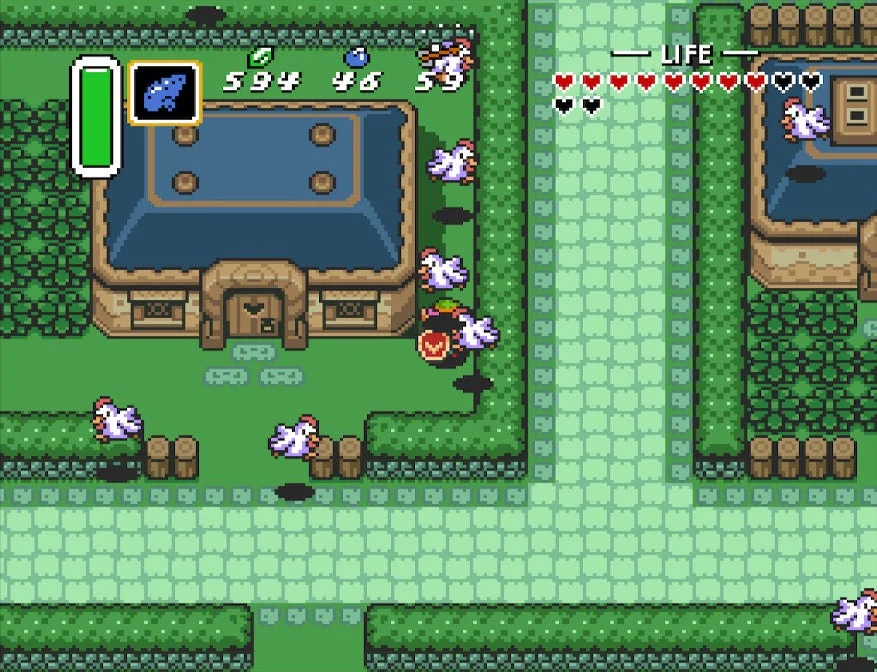
A Link to the Past is the core Zelda template done almost perfectly.
Overworld flow, dungeon pacing, item progression, and world duality design are all exceptional. It is elegant, readable, and still incredibly fun.
If you want to understand why Zelda works at a structural level, start here.
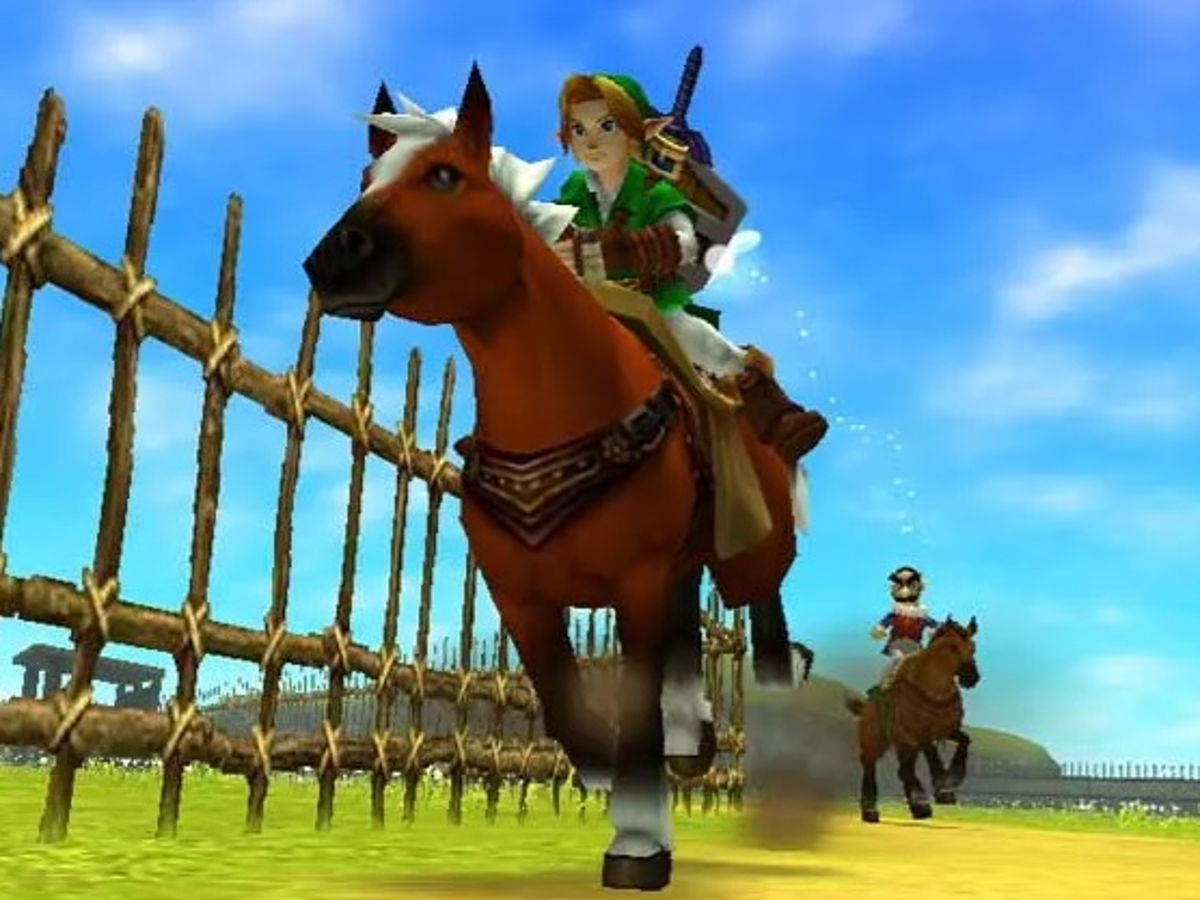
Ocarina of Time remains number one for total legacy and execution.
It translated Zelda to 3D with design confidence, introduced systems that influenced the industry, and delivered iconic dungeons, music, and character moments that still hold up. It also sits at the center of the timeline split, giving it huge lore weight.
Even in 2026, this is still the benchmark.
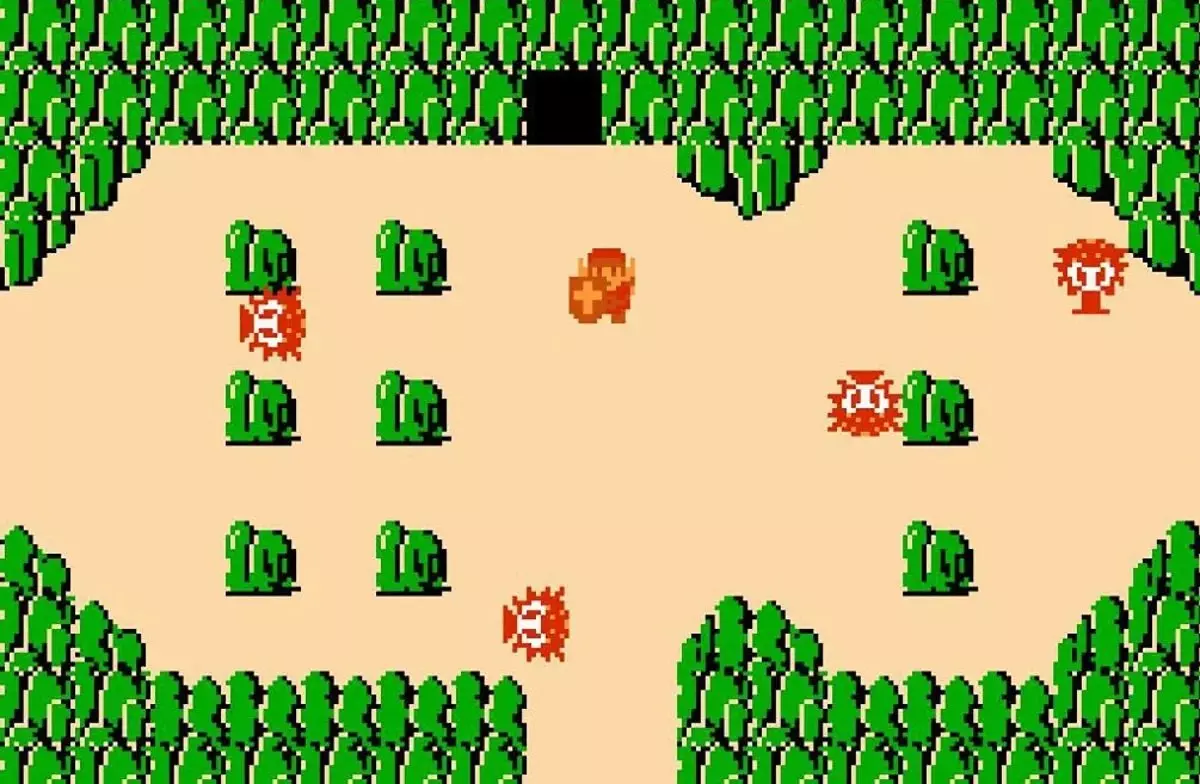
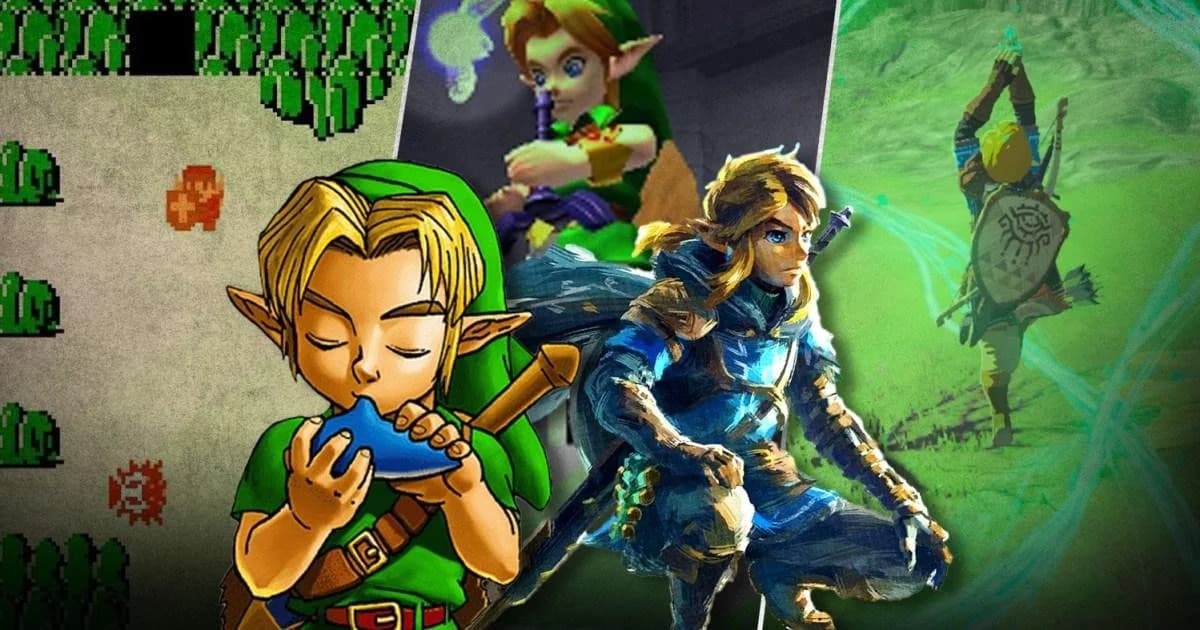
Zelda has three elite eras:
The highest-ranked games either defined one era or bridged eras without losing identity. That is why this list mixes old and new at the top.
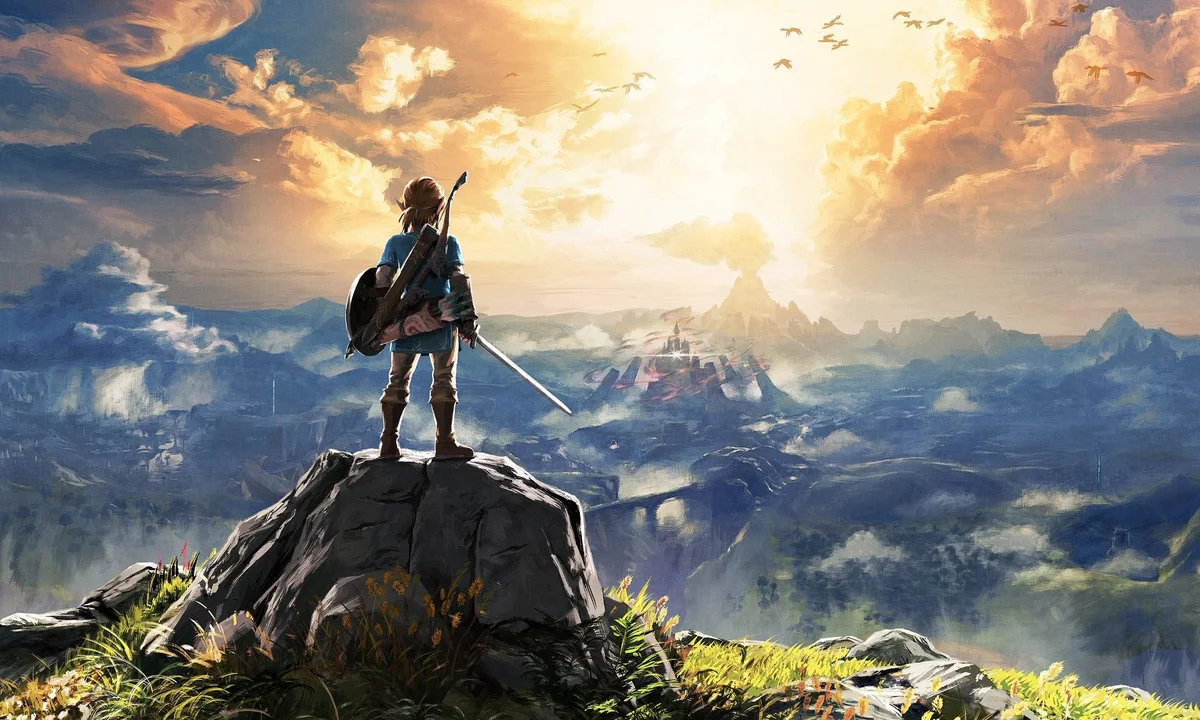
Zelda rarely misses because it keeps evolving while protecting its core: exploration, puzzle logic, atmosphere, and mythic payoff.
If your ranking is different, that is normal. This franchise has too many classics for one “correct” list.
That is a good problem for a series to have.
Images Credit: Images Credit: Nintendo - The Legend of Zelda Series
 SwitchNews
 SwitchNews
 SwitchGuide
 SwitchNews