
 SwitchMar 05, 2026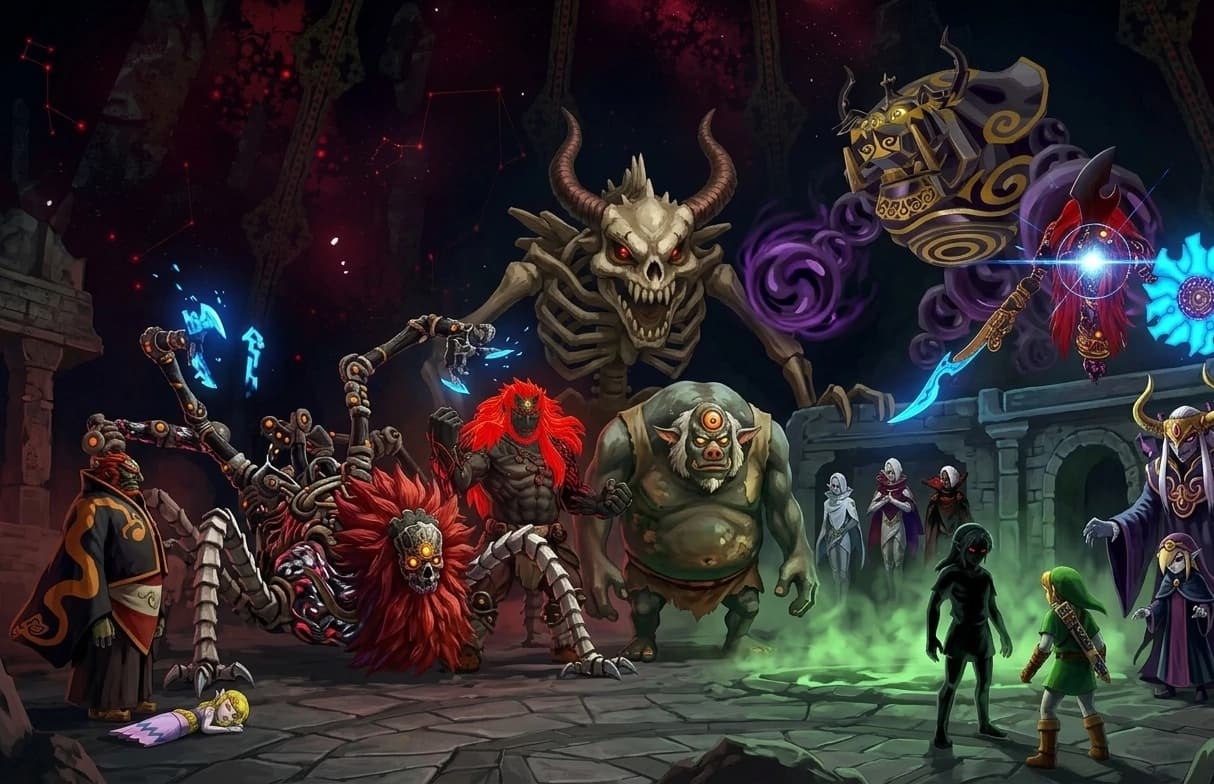
Best The Legend Of Zelda Bosses Ranked across classic, 3D, and modern eras, from Gohma and Dark Link to Calamity Ganon and TOTK’s Ganondorf.
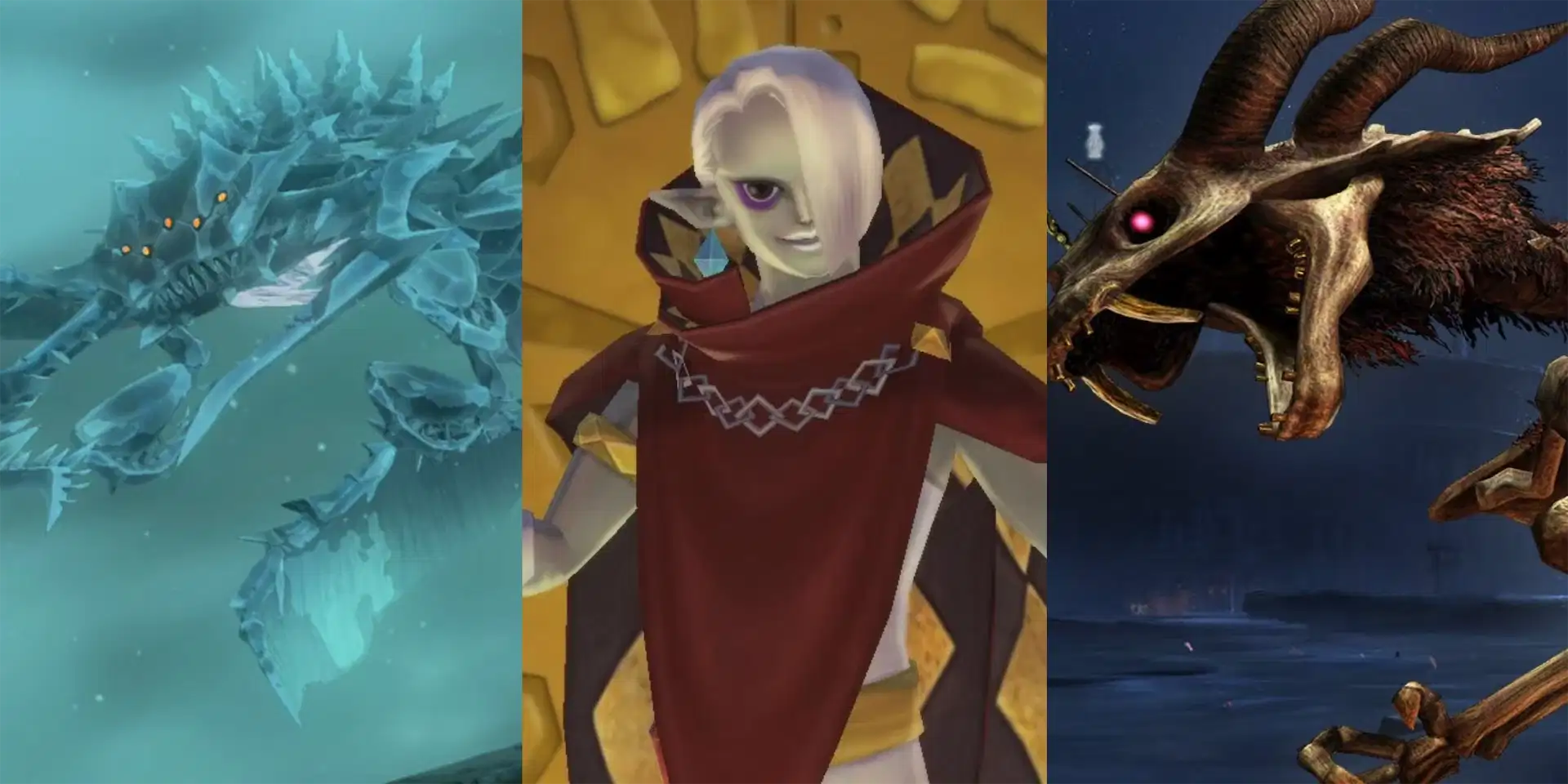
Zelda bosses are not just health bars with dramatic music.
At their best, they test your puzzle-solving, your item mastery, your timing, and your ability to panic calmly when the floor is on fire and a giant eye monster is judging you.
This ranking covers the best Zelda bosses across classic, 3D, and open-air eras based on design, challenge, story payoff, and long-term legacy.
Yes, your favorite may be too low. No, we are not fighting in a temple over it.
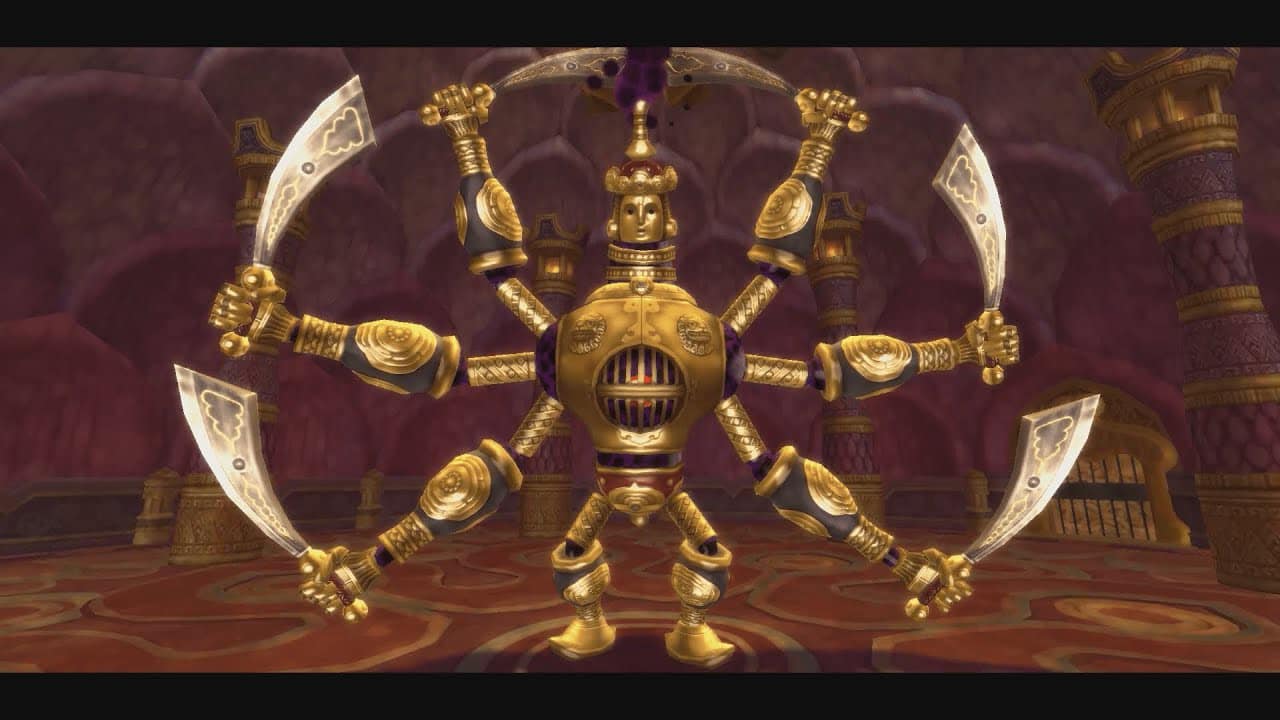
Koloktos starts as a controlled ancient guardian fight and then goes fully unchained nightmare mode.
The encounter shines because of escalation. First you survive precision attacks, then you rip off giant swords and return the violence with style. It feels inventive, readable, and satisfyingly dramatic without being cheap.
A perfect mid-to-late-game reminder that Zelda bosses can still surprise you decades in.
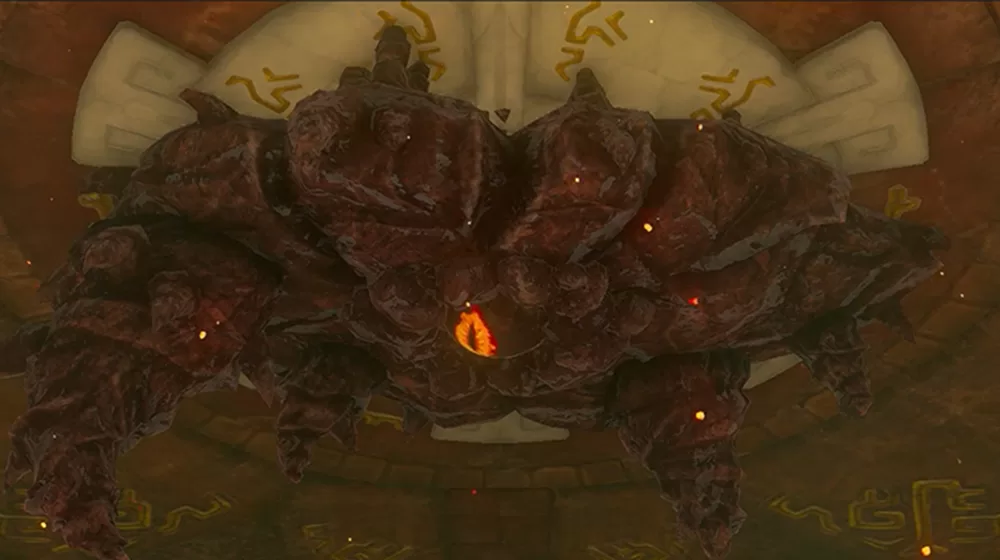
Gohma is here for legacy value and design clarity.
As Ocarina’s first dungeon boss, it teaches core 3D Zelda language: observe patterns, use the right item, punish openings. It is not the hardest fight by modern standards, but it is one of the most important in franchise history.
This battle showed an entire generation how Zelda boss logic would work in 3D.
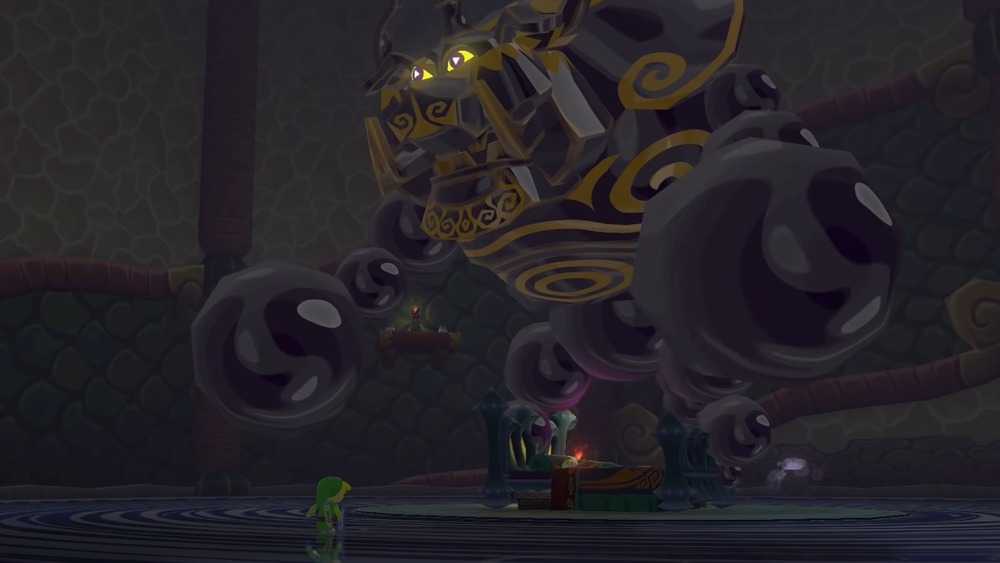
Puppet Ganon is peak Wind Waker energy: bizarre, memorable, and secretly intense.
Its changing forms force fast adaptation, and the visual style makes every phase feel like a cursed carnival act. It balances creativity and mechanical pressure better than many larger final encounters.
Also, giant puppet nightmare clown energy was a bold choice and it worked.
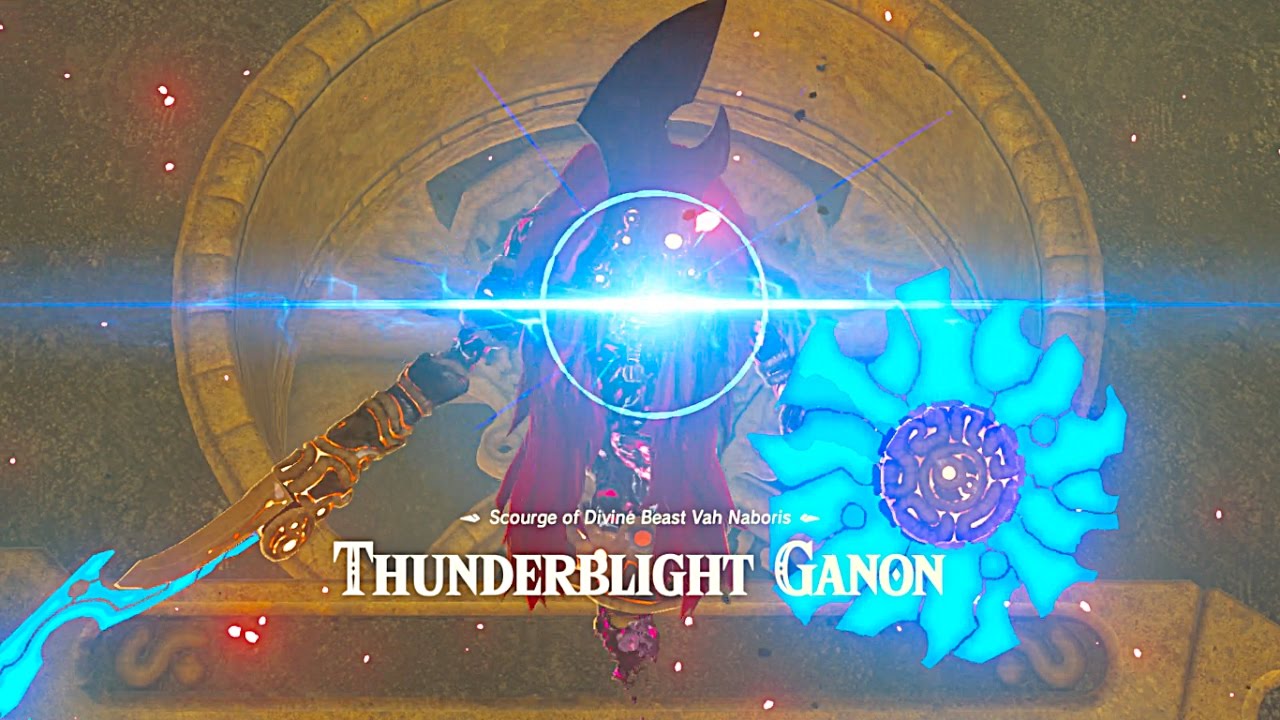
Thunderblight is the boss that humbled thousands of “I got this” players.
Fast movement, aggressive combo pressure, and precise counter windows make it one of Breath of the Wild’s toughest Divine Beast fights. It punishes hesitation and autopilot harder than the others.
If this fight wrecked your confidence for a few sessions, congratulations, you experienced it correctly.
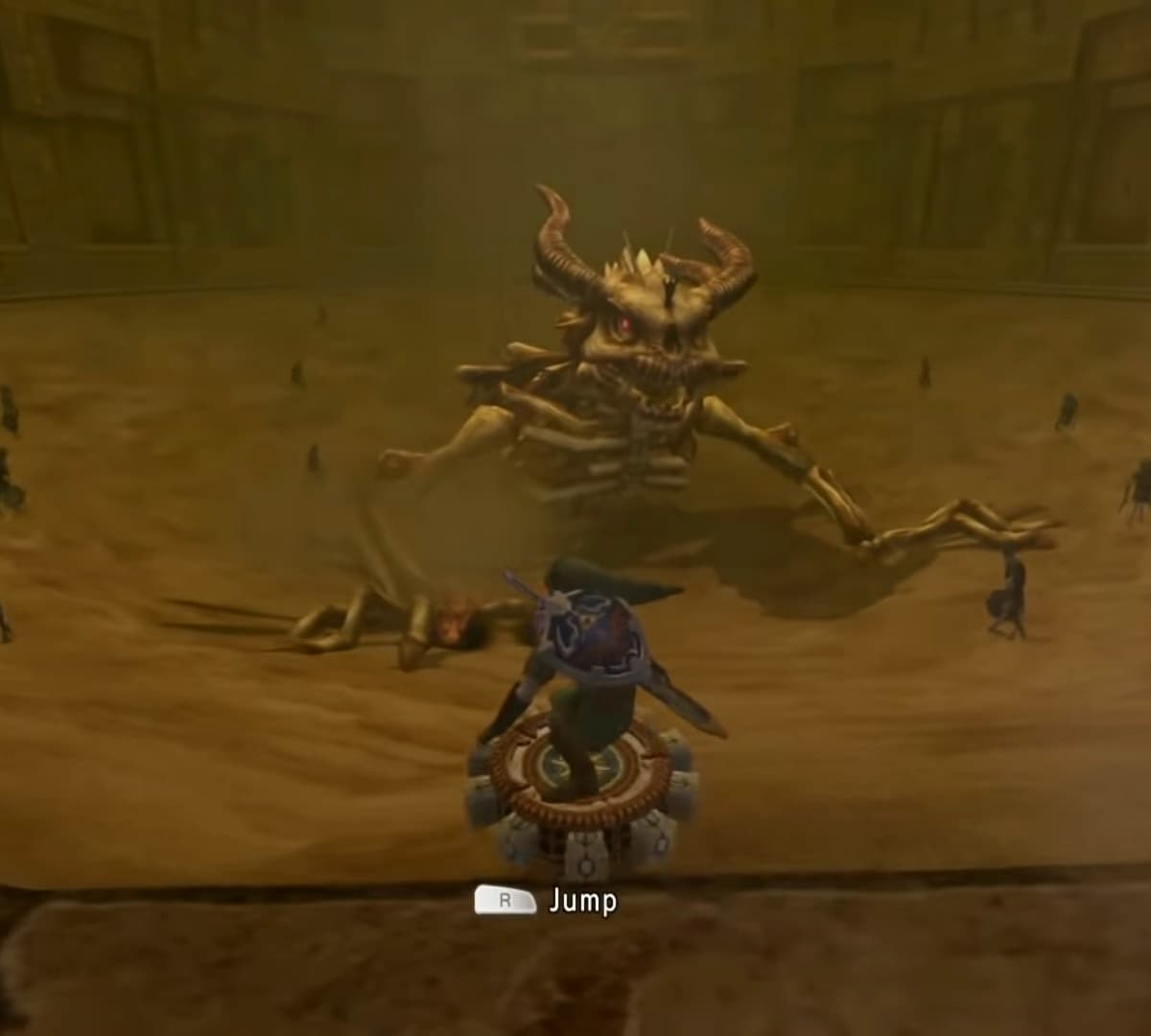
Stallord is one of Zelda’s best spectacle bosses because the gimmick is actually fun.
The Spinner mechanics are integrated directly into both phases, creating momentum-heavy combat that feels like a high-speed dungeon payoff instead of a detached mini-game.
It is stylish, memorable, and one of Twilight Princess’s strongest “this is why this item exists” moments.
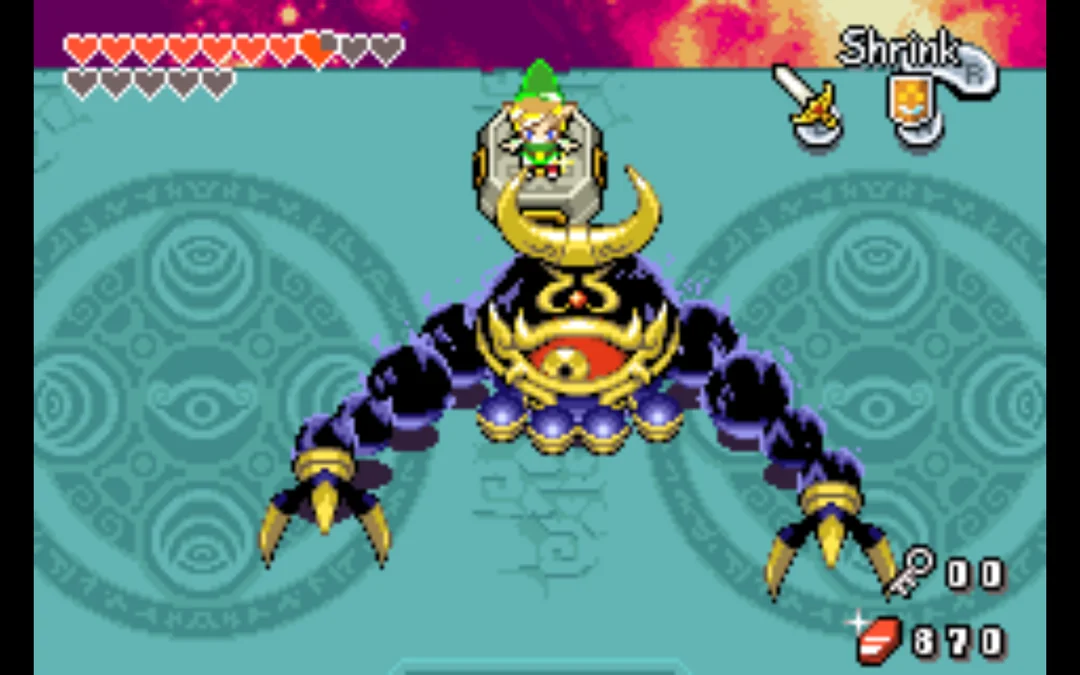
Vaati’s final sequence is one of the best handheld-era boss conclusions in the franchise.
Multiple forms, shifting mechanics, and tight windows give the fight serious weight without feeling unfair. It also lands narratively, because Vaati is not random evil, he is the game’s full arc payoff.
For a smaller-screen entry, this is elite final-boss craftsmanship.
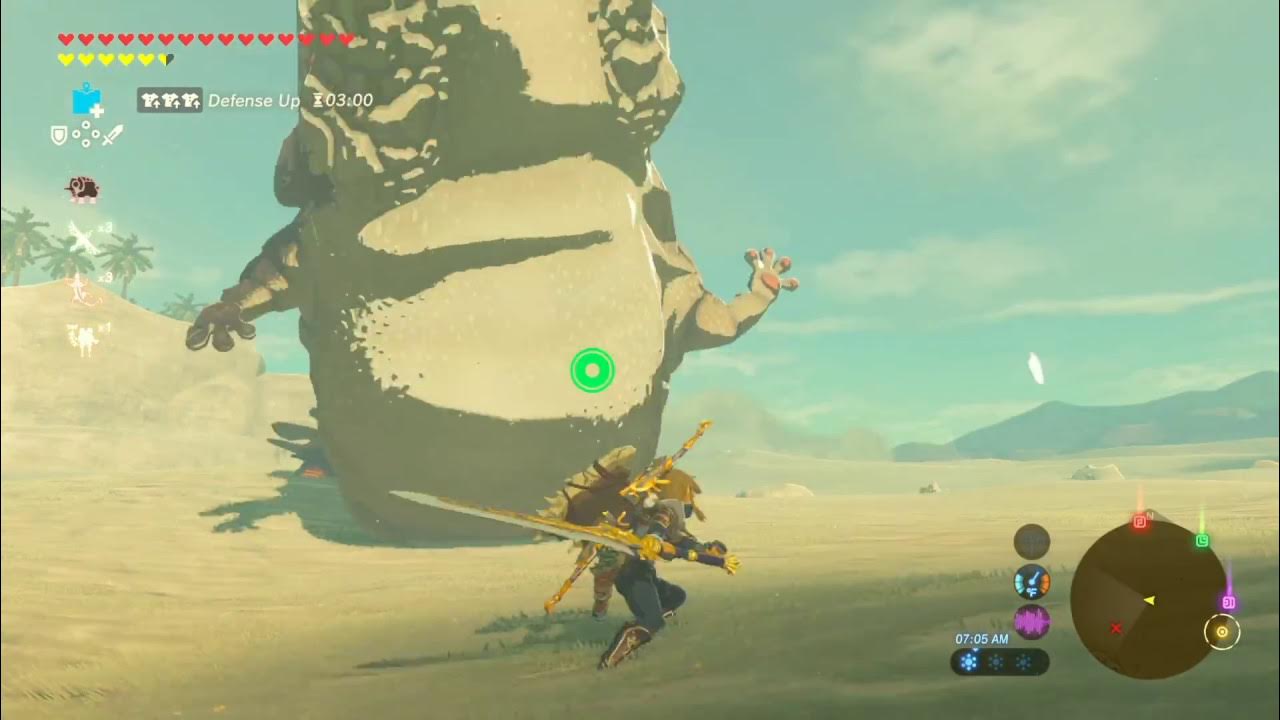
Molduga is a standout open-world boss because it turns the whole arena into the puzzle.
You bait movement, exploit sound cues, and create openings with tools rather than brute-force button mashing. It captures modern Zelda design perfectly: systems interaction first, flashy finish second.
Simple concept, excellent execution, very fun chaos.
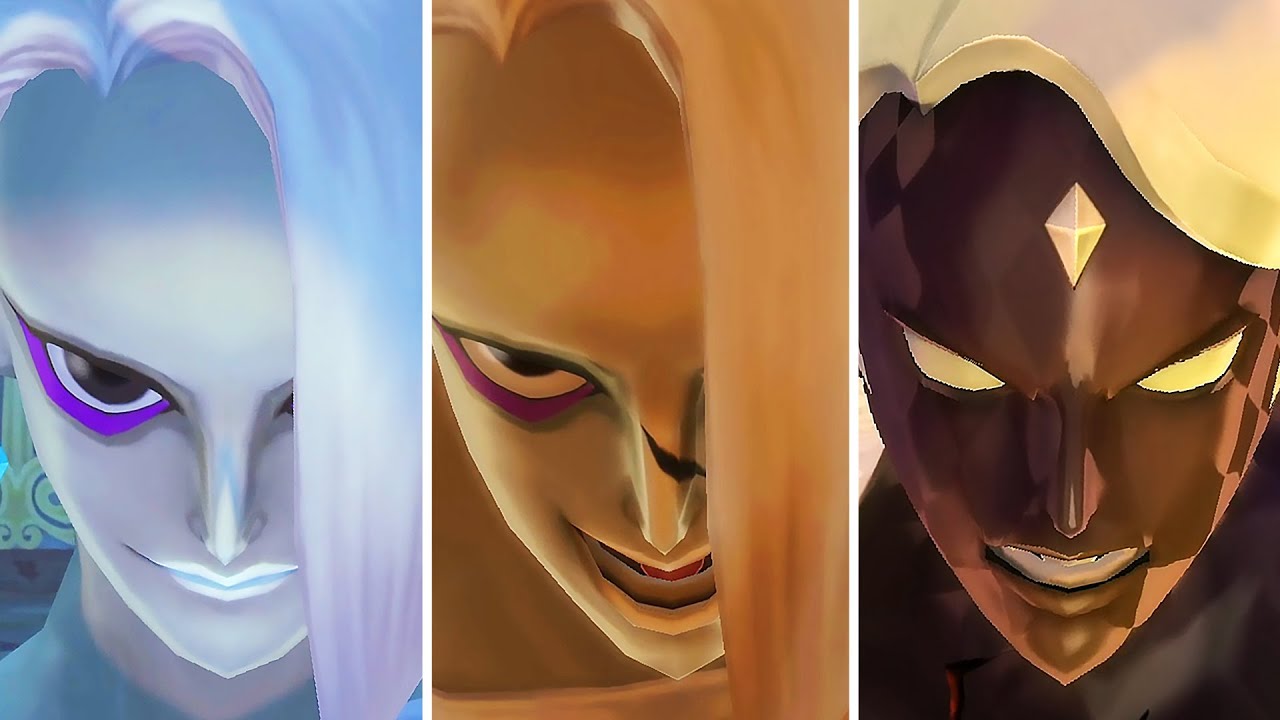
Ghirahim fights are excellent because they feel personal.
He reacts to your sword angles, punishes sloppy swings, and evolves across repeat encounters in ways that mirror his character: dramatic, dangerous, and annoyingly stylish.
He is one of Zelda’s best recurring rival-style bosses, where every rematch feels like unfinished business.
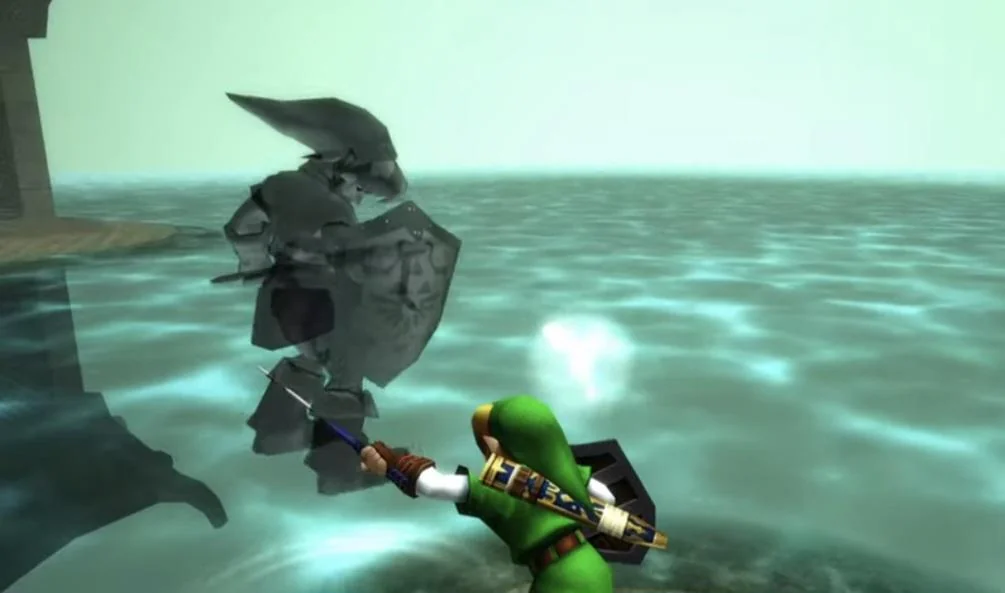
Dark Link is proof you do not need giant explosions to make an unforgettable boss.
The setup is simple, almost eerie: a quiet room, shallow water, and a mirrored version of your own hero fighting with your moves. It is more atmosphere duel than spectacle set piece, and that is exactly why it lasts in memory.
Few Zelda bosses feel this symbolic with this little noise.
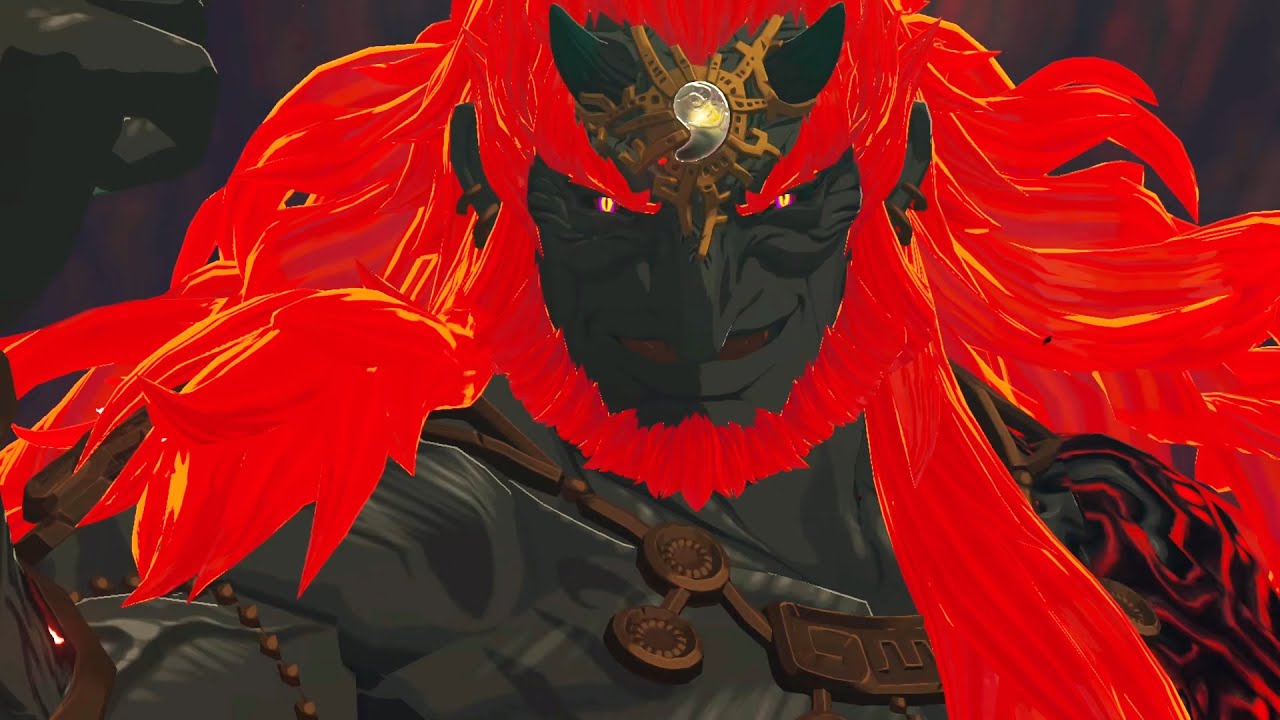
TOTK’s Ganondorf finale delivers both mechanical pressure and narrative payoff.
The duel phase is sharp and aggressive, then the encounter escalates into full myth spectacle without losing emotional weight. It feels like the climax of an era, not just the end of a quest log.
This fight is a major reason Tears of the Kingdom lands as a true sequel payoff instead of more BOTW.
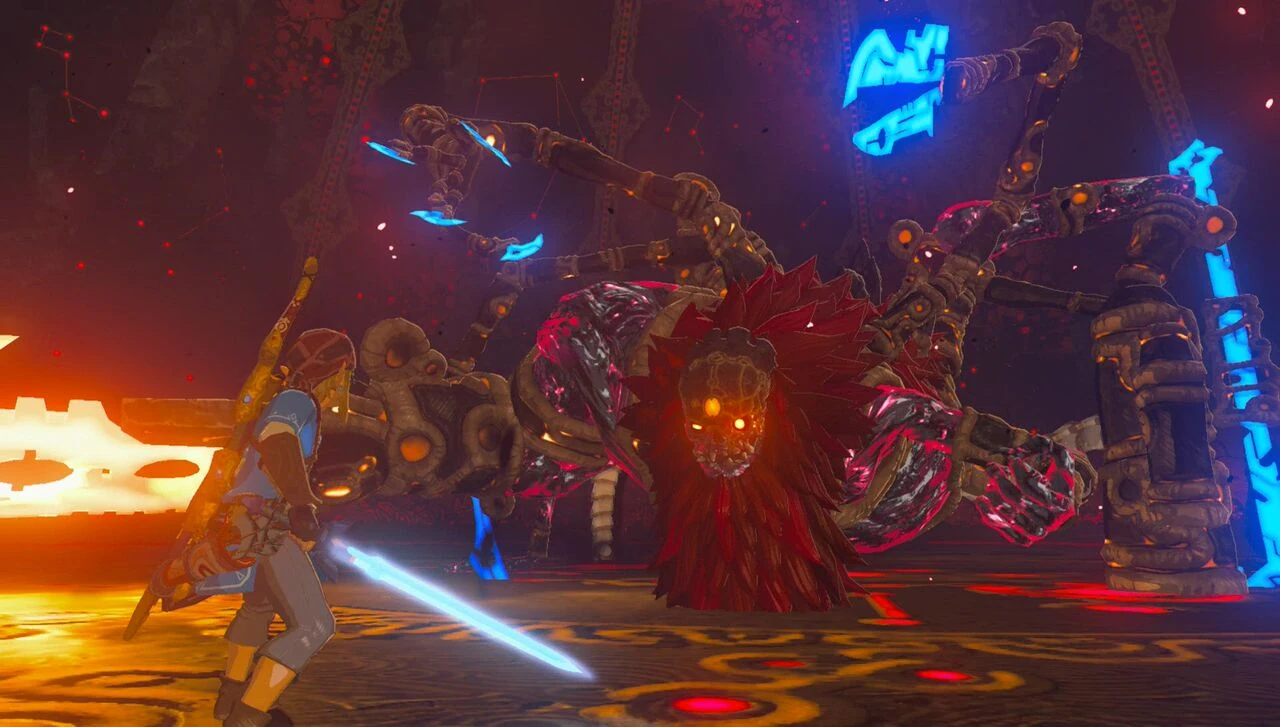
Calamity Ganon matters because of what it represents.
As a fight, it is solid. As a narrative confrontation, it is huge. You are not just beating a boss, you are pushing back against the catastrophe that shattered Hyrule and defined the entire game world.
The atmosphere, stakes, and symbolic victory over recurring ruin make this one of modern Zelda’s most important finales.
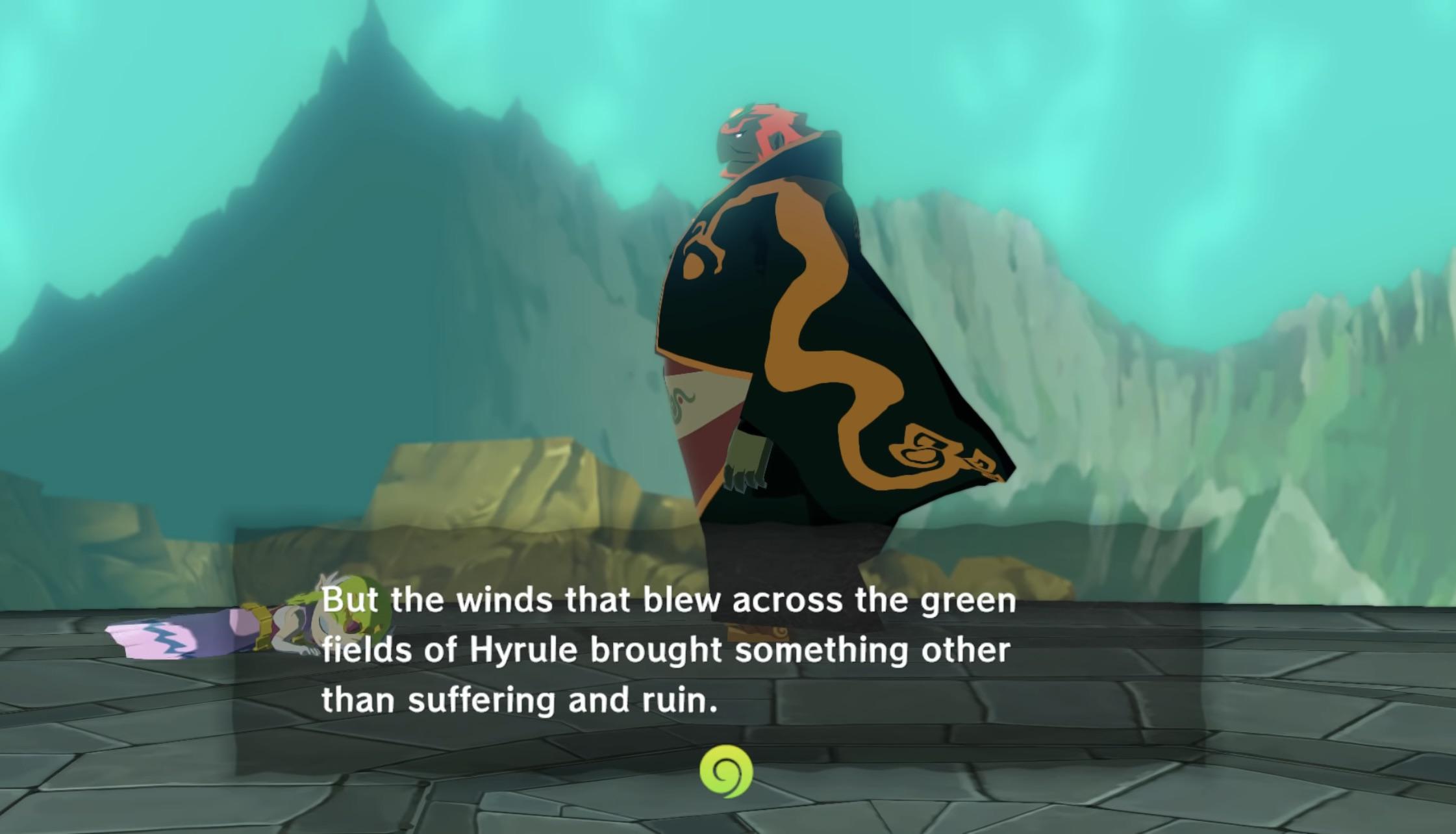
Wind Waker Ganondorf remains the best Zelda boss fight for one reason: perfect emotional framing.
The duel is tense, readable, and cinematic without overcomplicating the mechanics. More importantly, it is character-rich. This Ganondorf is reflective, bitter, and fully aware of lost worlds and failed ambitions.
When the final blow lands, it feels like the end of a myth, not just a fight. That is top-tier Zelda boss design.
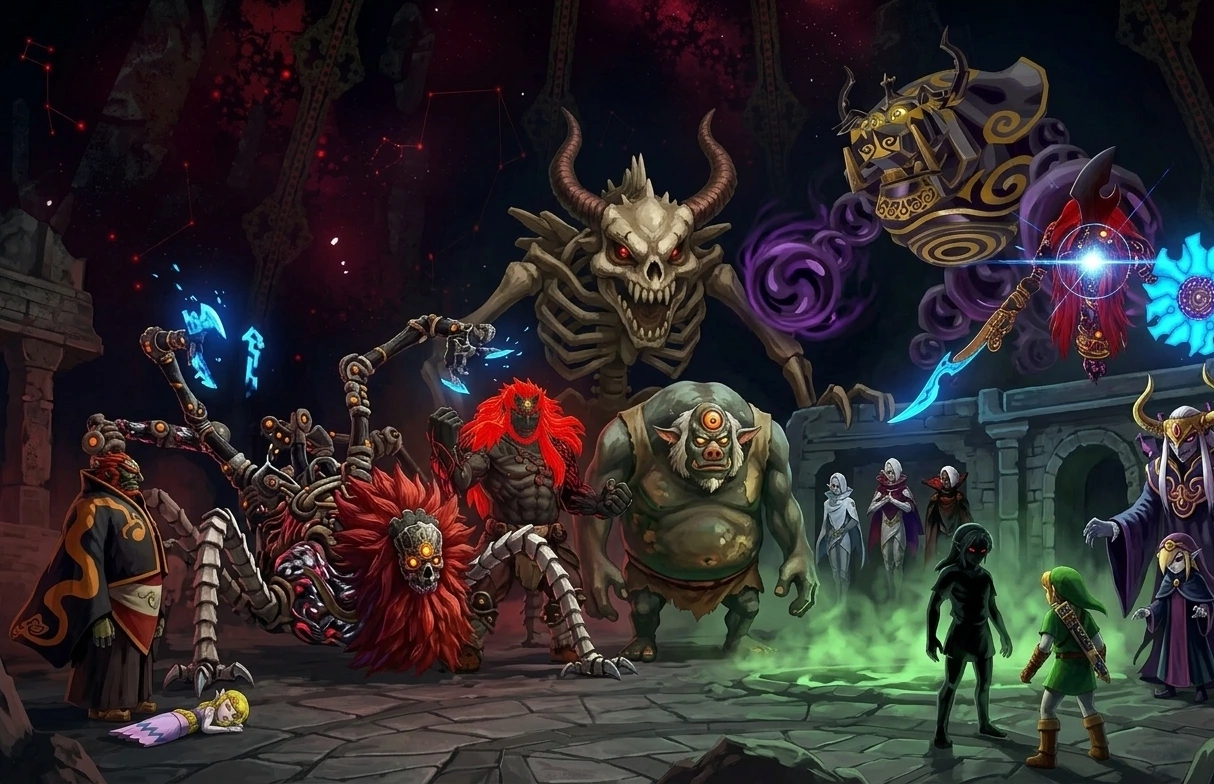
The best Zelda bosses are memorable because they combine three layers:
That formula is why Zelda bosses remain iconic across completely different gameplay eras.
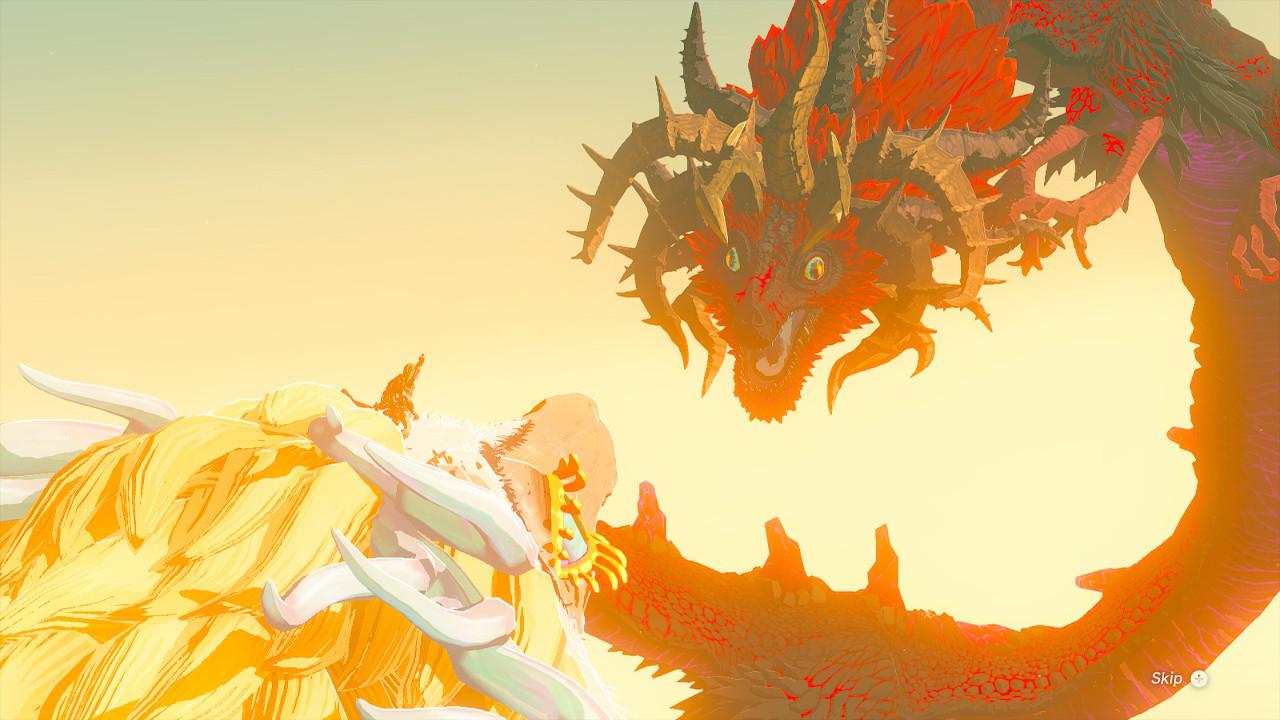
From classic temple monsters to modern demon kings, Zelda’s best bosses reward observation, creativity, and composure under pressure.
Some are puzzle legends. Some are duel masterpieces. Some are pure spectacle with lore weight attached.
All of them remind you of one rule in Hyrule:
If a door looks important, something terrifying is probably behind it.
 SwitchNews
 SwitchNews
 SwitchNews
 SwitchGuide