
 AllMar 05, 2026
Best Soulsborne Characters ranked across Dark Souls, Bloodborne, Sekiro, and Elden Ring, from Solaire and Ranni to Isshin and Gael.
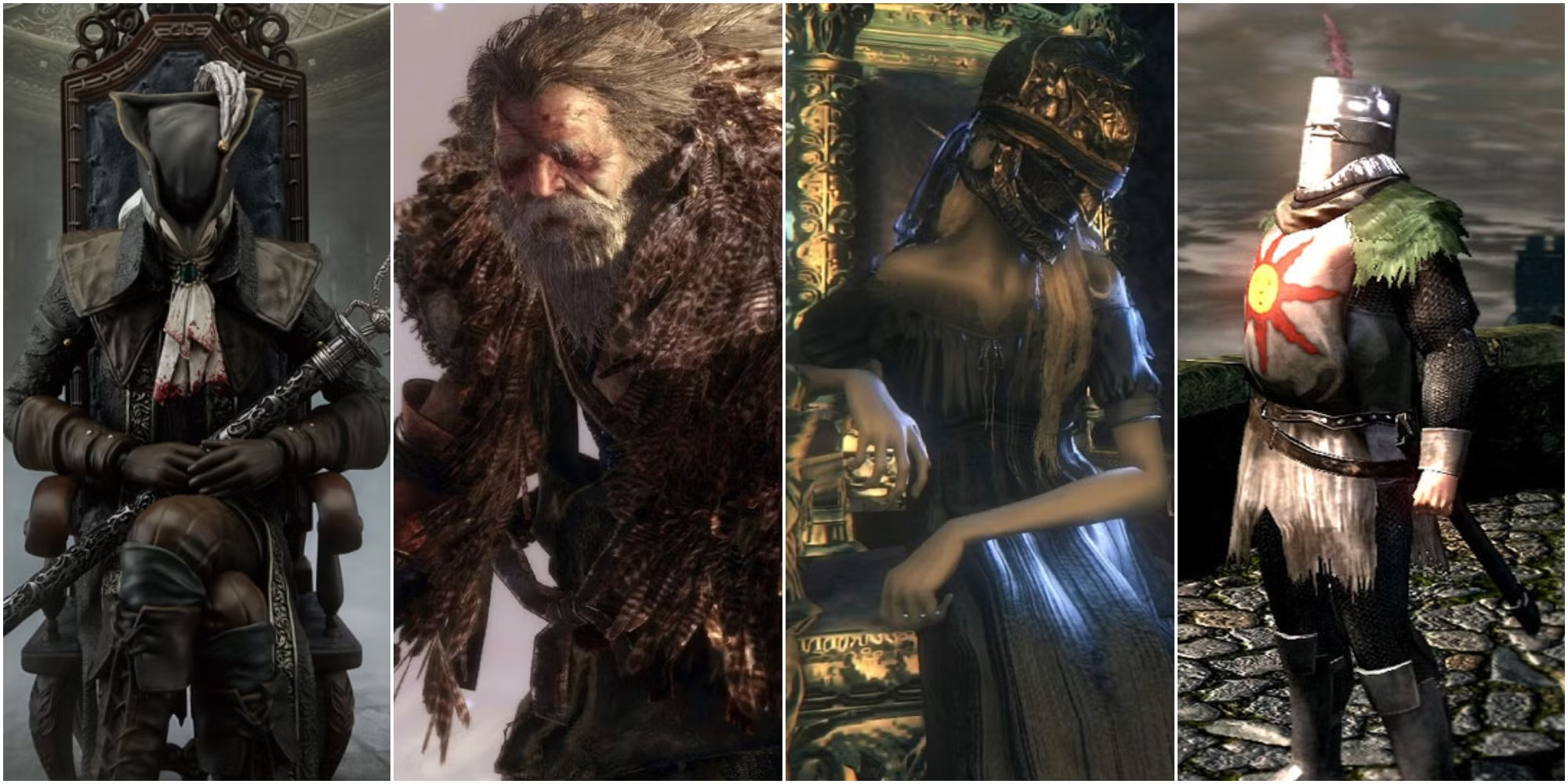
Soulsborne games are famous for punishing combat, but the reason people stay obsessed is the characters.
These are not generic NPCs handing out fetch quests and optimism. They are knights, gods, mentors, liars, prophets, and deeply tired weirdos trying to survive worlds that are already halfway dead.
This ranking covers the best Soulsborne characters from Dark Souls, Bloodborne, Sekiro, and Elden Ring based on writing, lore impact, emotional payoff, and straight-up screen presence.
Yes, this is subjective. Yes, your favorite probably deserved top five. No, I will not apologize to your build.
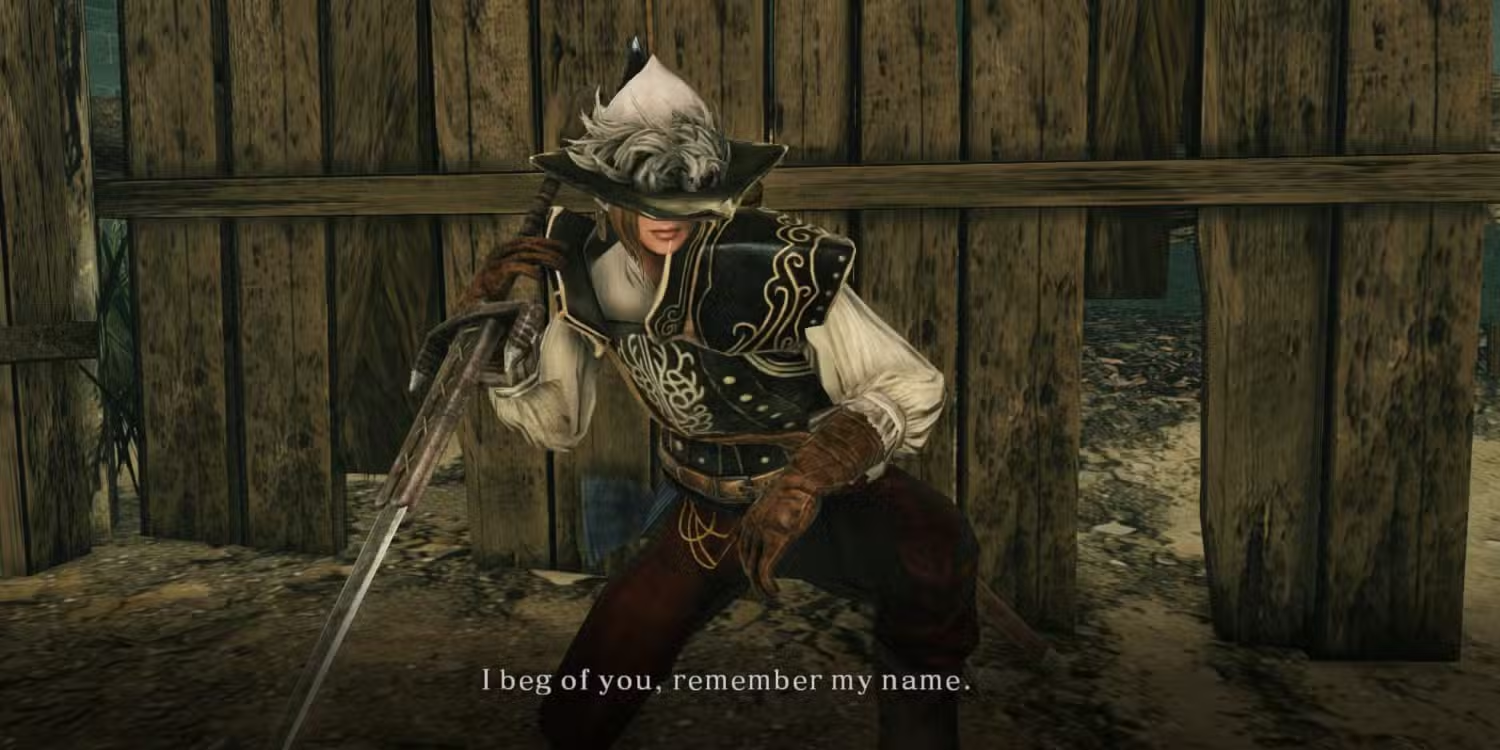
Lucatiel is one of Souls’ most human stories: a skilled fighter watching identity slip away under the Undead curse.
Her questline is not flashy. That is exactly why it works. She keeps moving forward anyway, clinging to her name while the world around her collapses and memory starts to fade.
In a series full of gods and cosmic disasters, Lucatiel hits hardest because her fear is painfully relatable: being forgotten.
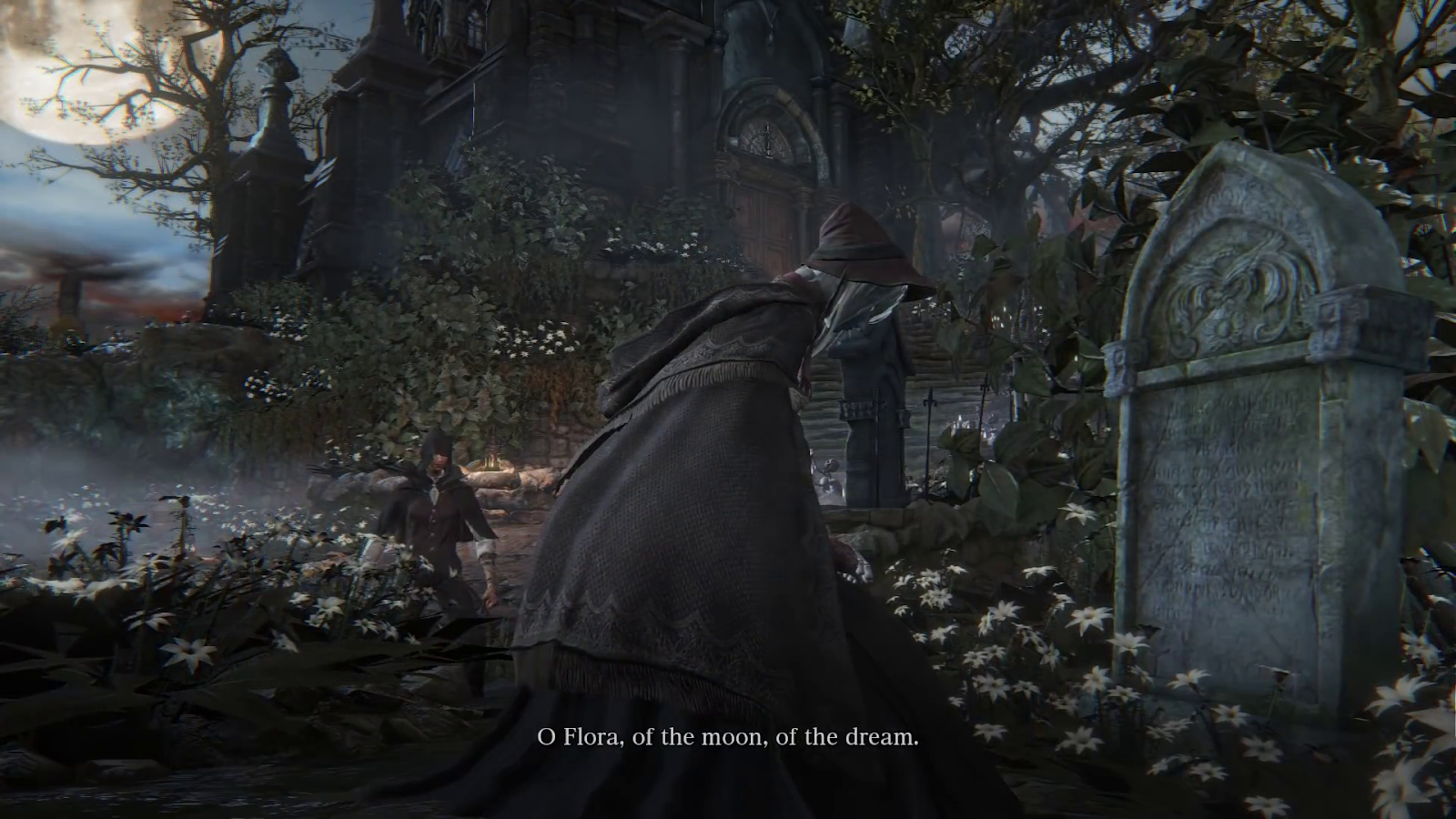
The Doll could have been simple hub flavor. Instead, she becomes the emotional center of Bloodborne’s chaos.
While everyone else is screaming, mutating, or summoning eldritch problems, she is gentle, patient, and quietly tragic. Her dialogue sounds comforting, but always with that unsettling FromSoftware undertone of “this is probably not normal.”
She gives Bloodborne something rare: softness in a world built on blood and bad decisions.
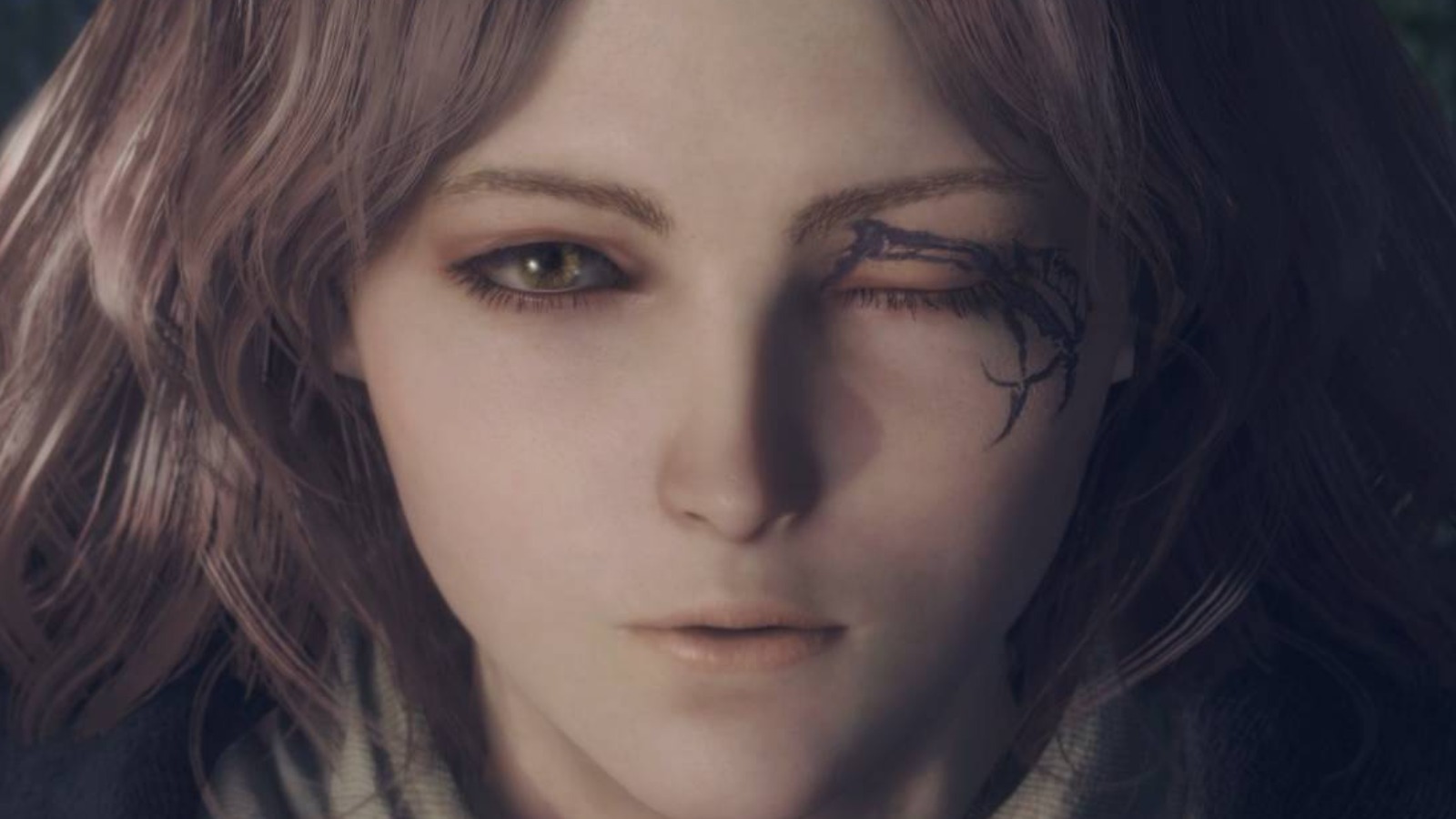
Melina starts as your level-up companion and ends as one of Elden Ring’s most debated characters.
She is reserved, strategic, and always operating on more information than she shares. That ambiguity makes her compelling: ally, agent, daughter, executioner, maybe all four.
Her arc turns from helpful guidance to moral confrontation fast, and by the late game she forces the player to face what “saving the world” actually costs.
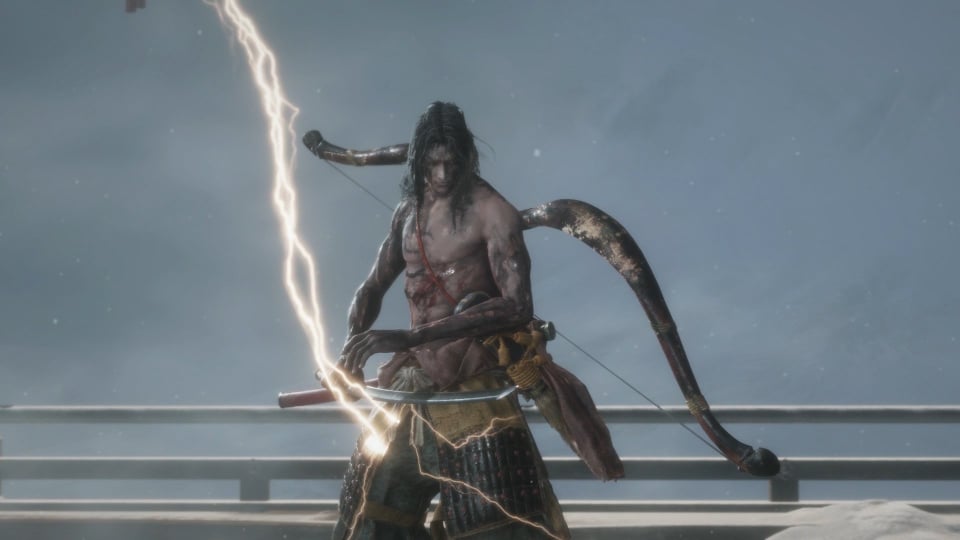
Genichiro is the rare antagonist you can completely disagree with and still respect.
He is not evil for fun. He is desperate to save Ashina by any means, even if those means involve cursed power, endless violence, and ignoring every healthy boundary known to man.
As a character, he is Sekiro’s thesis in one person: noble intention plus obsession equals catastrophe.
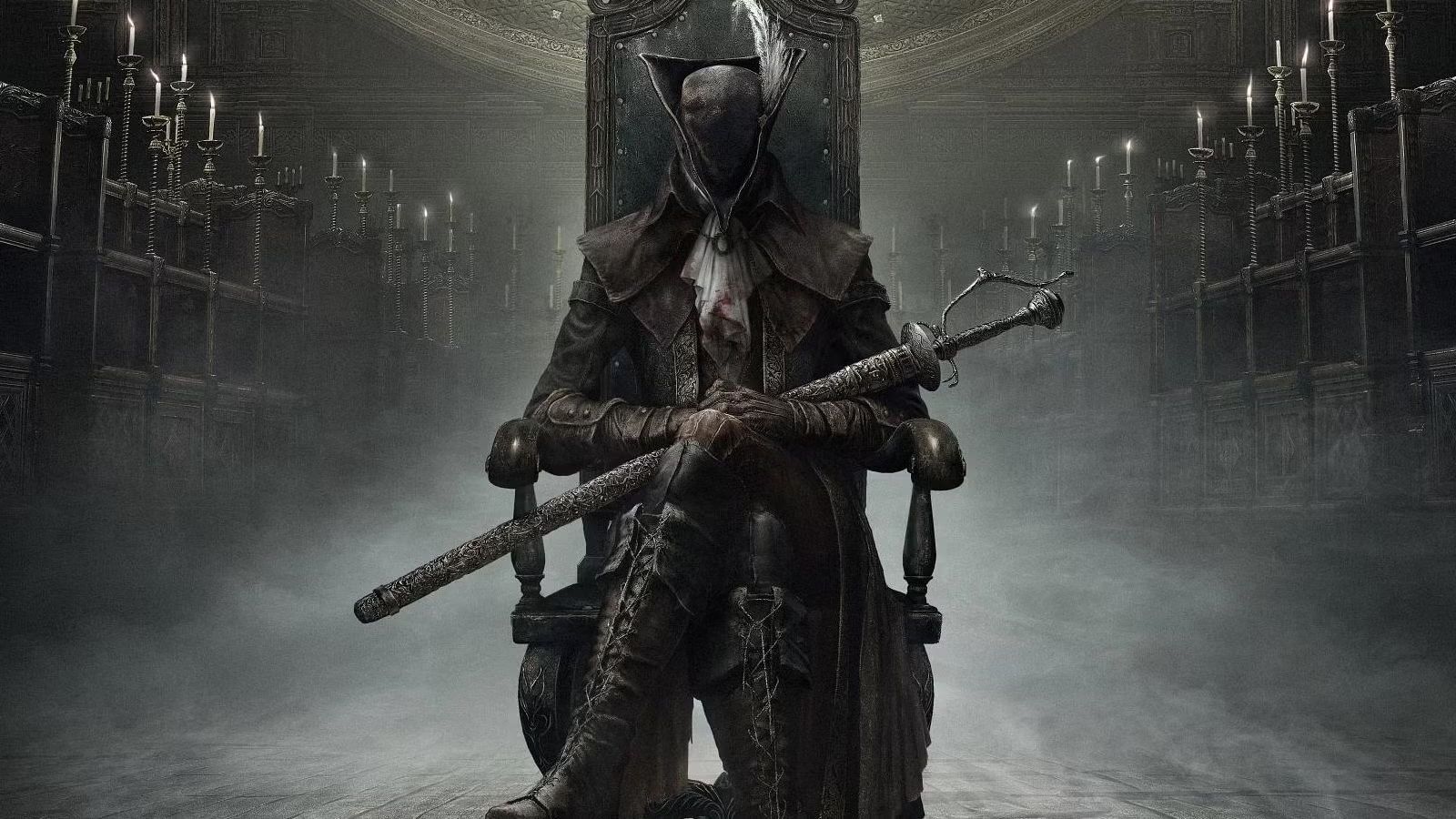
Lady Maria works because Bloodborne lets her remain both legendary and broken.
She is elegant, disciplined, and clearly haunted by what happened at the Fishing Hamlet. Her entire presence screams restraint, as if she already knows violence solves nothing but cannot escape it either.
Her fight is iconic, but her character is why it matters: honor after irreversible damage.
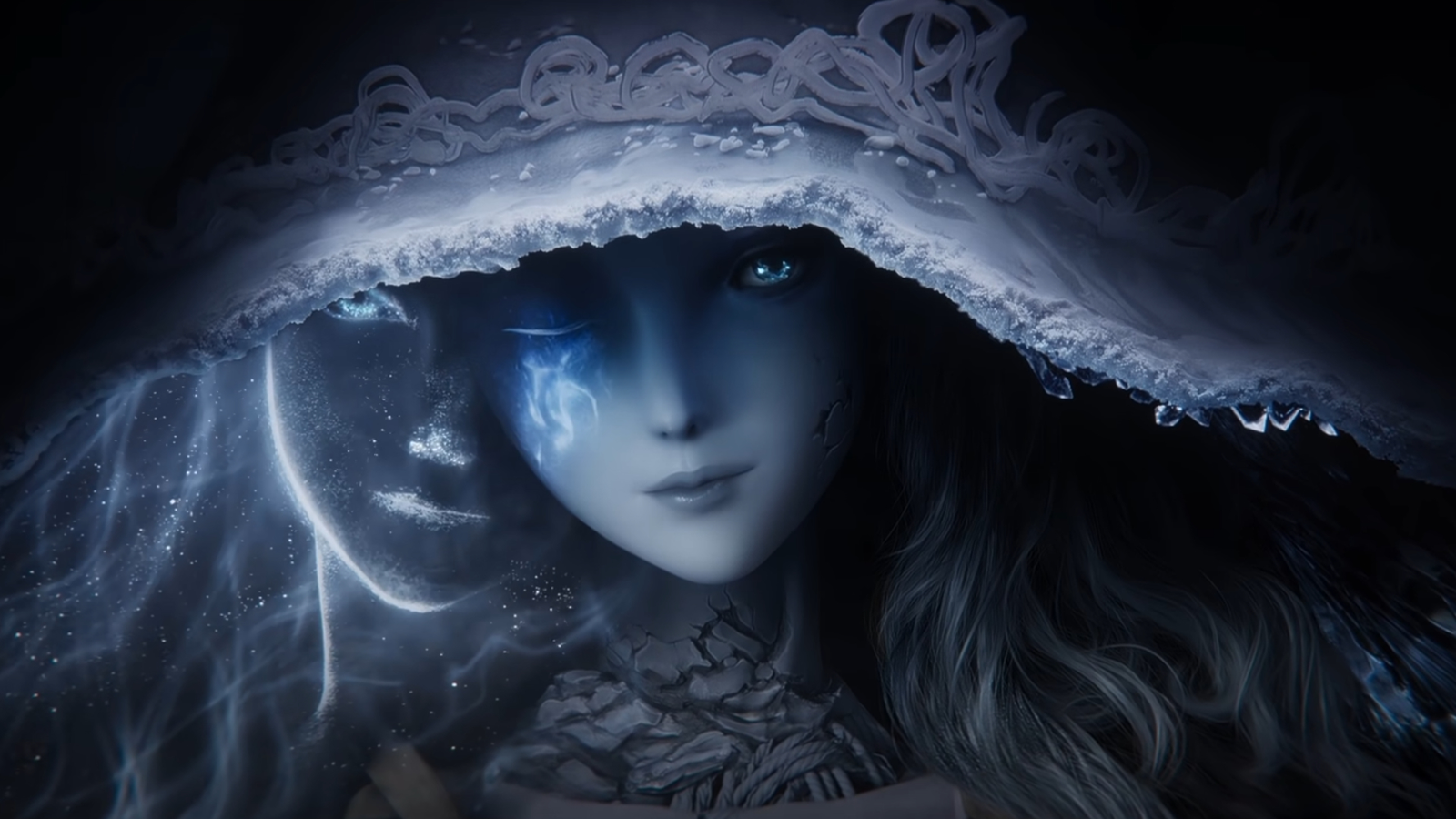
Ranni is one of FromSoftware’s best political characters.
She is intelligent, manipulative, and willing to challenge cosmic authority without pretending the process will be clean. Her questline feels like uncovering a conspiracy and joining it at the same time.
Players love her because she has agency. She is not waiting to be rescued, chosen, or explained. She has a plan, and if you are useful, congratulations, you are hired.
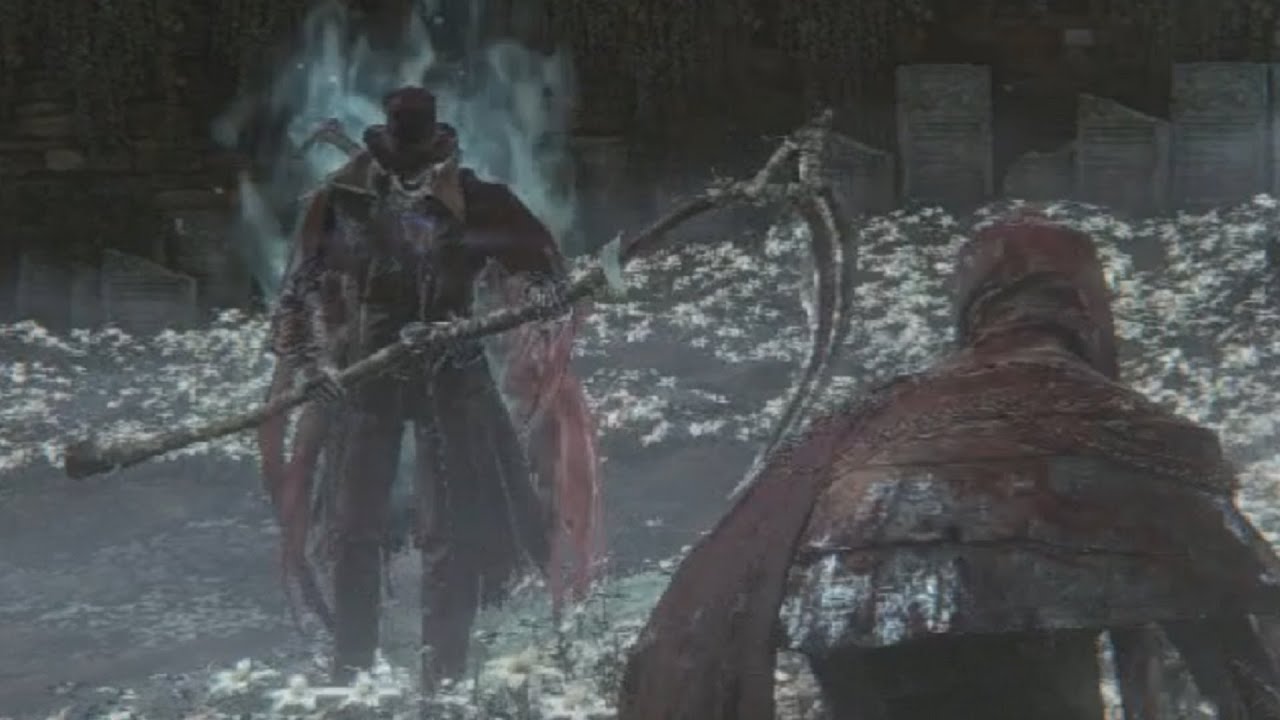
Gehrman is one of FromSoftware’s strongest mentor characters because he is not wise, stable, or free. He is exhausted.
He represents the old Hunt system: necessary, brutal, and spiritually bankrupt. By the end, your relationship with him becomes a collision between mercy, duty, and release.
When his story resolves, it feels less like beating a boss and more like ending a long, painful sentence.
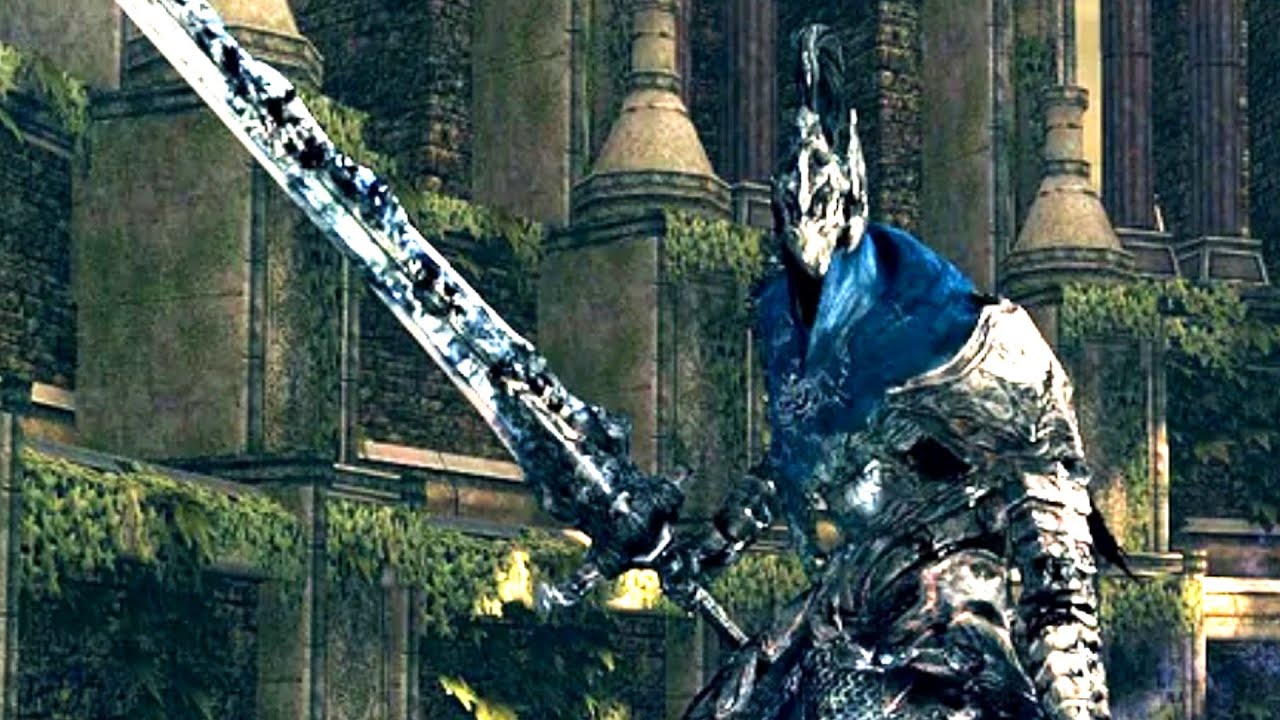
Artorias is proof that reputation and reality can both be true and tragic.
The legend says he was unbeatable, noble, and pure. The truth is messier: he fell, was consumed, and still fought to protect what he could. That contrast turns him from “cool knight” into one of Souls’ best-written myths.
His character defines a recurring Souls idea: heroes are still human, and humanity eventually bleeds.
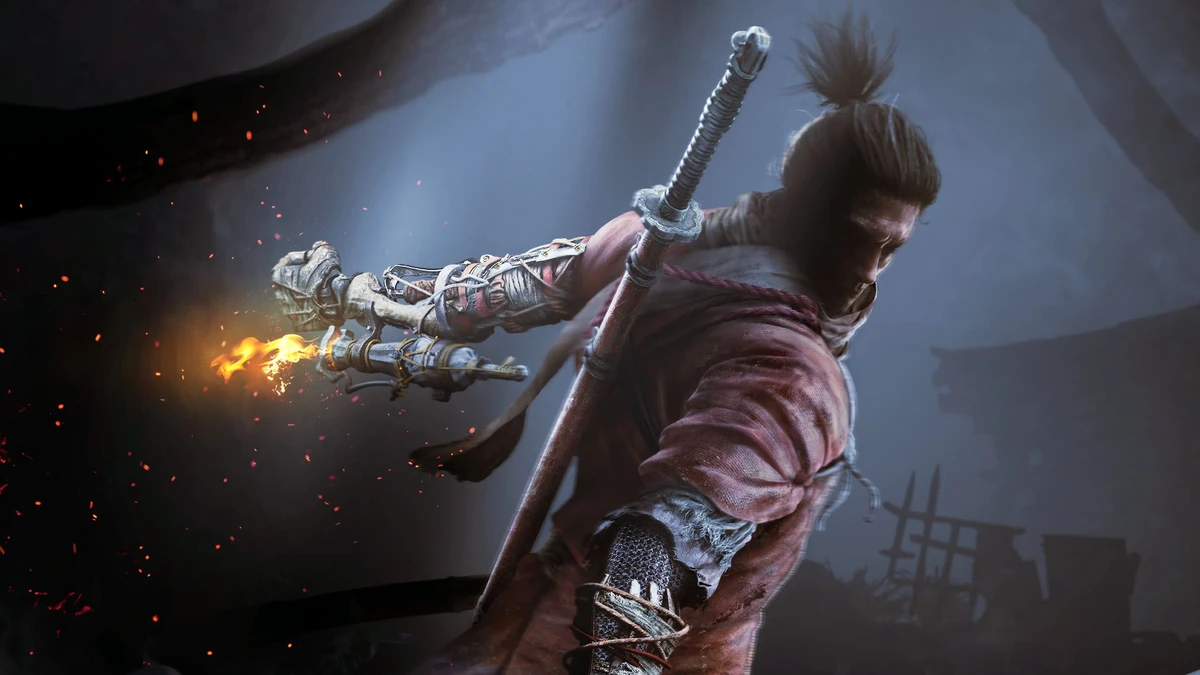
Wolf is a different kind of Soulsborne protagonist: not a blank vessel, but a real character with loyalty, conflict, and growth.
He starts emotionally closed-off and purpose-built for obedience. Through the story, he becomes someone who chooses, not just follows.
That matters. In a franchise full of “chosen undead/tarnished/hunter” archetypes, Wolf feels personal. His arc is about reclaiming identity from duty, and Sekiro’s endings hit harder because of it.
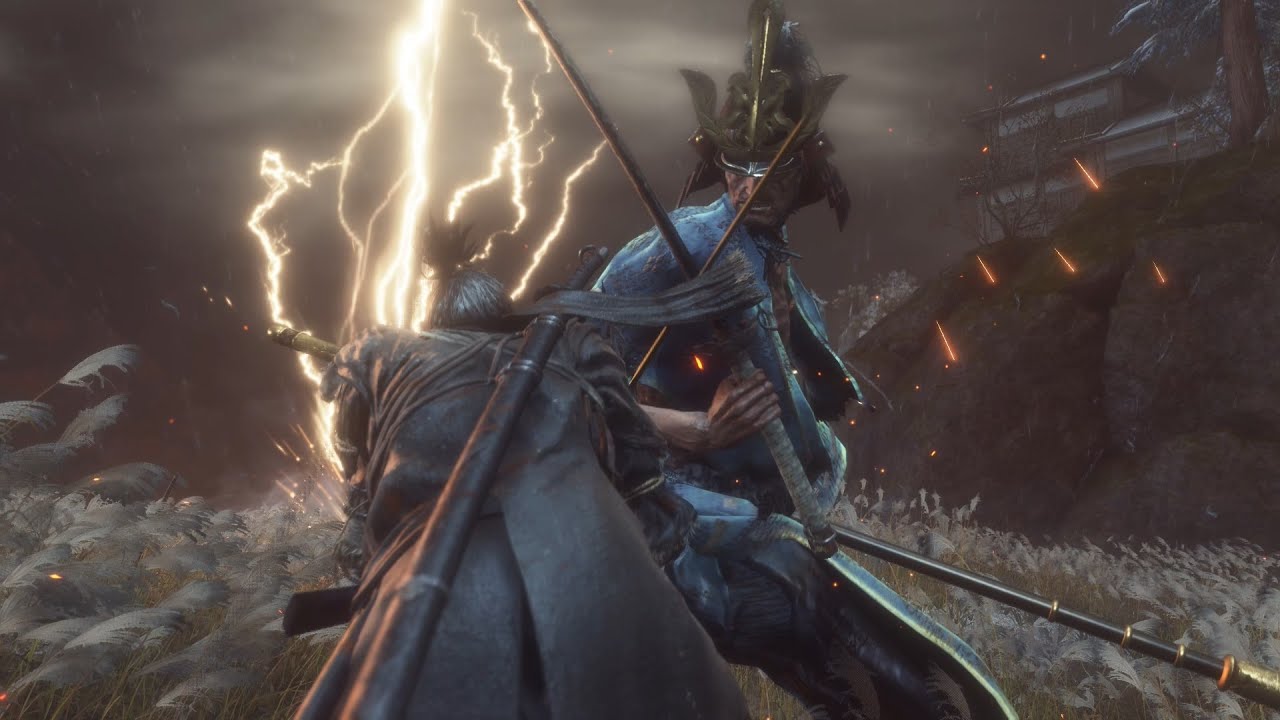
Isshin is what happens when a game combines mechanical perfection with narrative authority.
He is charismatic, terrifying, and oddly honorable, even while trying to delete your entire health bar in under thirty seconds. Every line and movement reinforces who he is: a man who respects strength and lives by the blade to the absolute end.
As both a character and a final exam, Isshin is elite-tier FromSoftware.
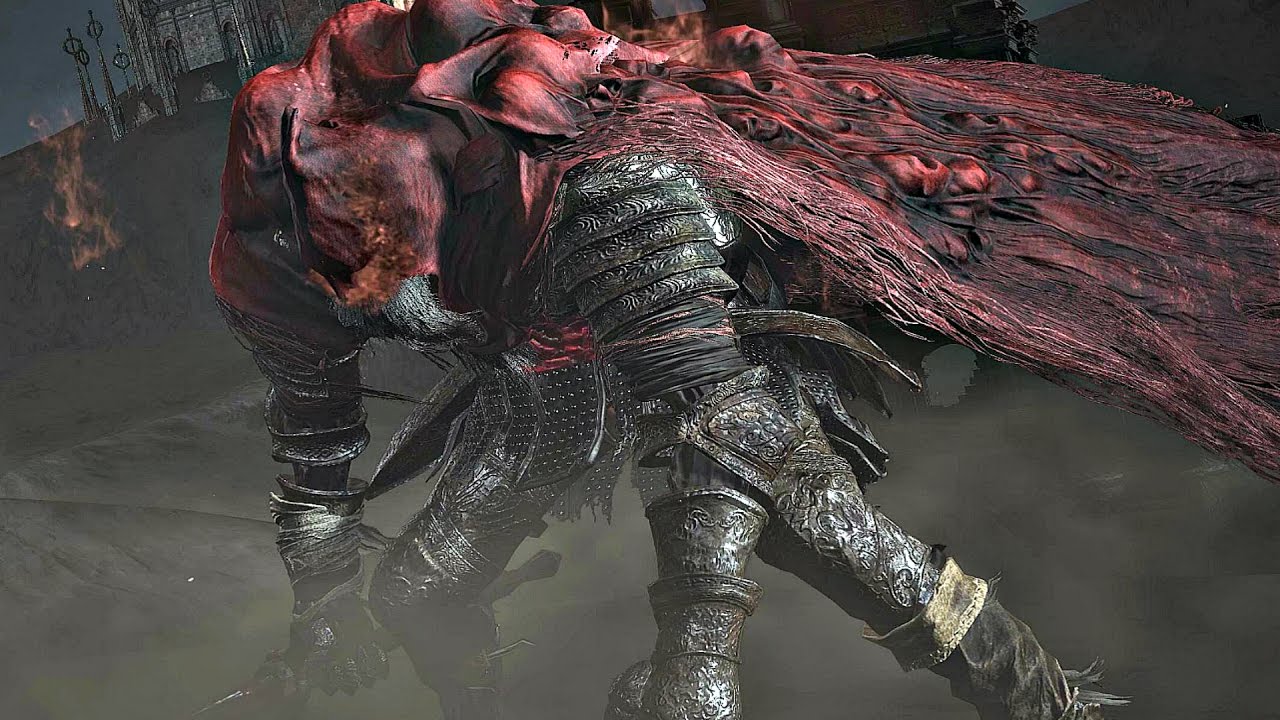
Gael starts as a quiet helper and ends as the final, desperate survivor of a dying universe.
His story is simple on paper and devastating in execution: endure everything, collect the Dark Soul, fulfill a promise, pay any cost. By the time you meet him at the end, he is both enemy and tragic culmination of Dark Souls itself.
Gael lands so hard because he is not chasing glory. He is chasing completion in a world that ran out of time.
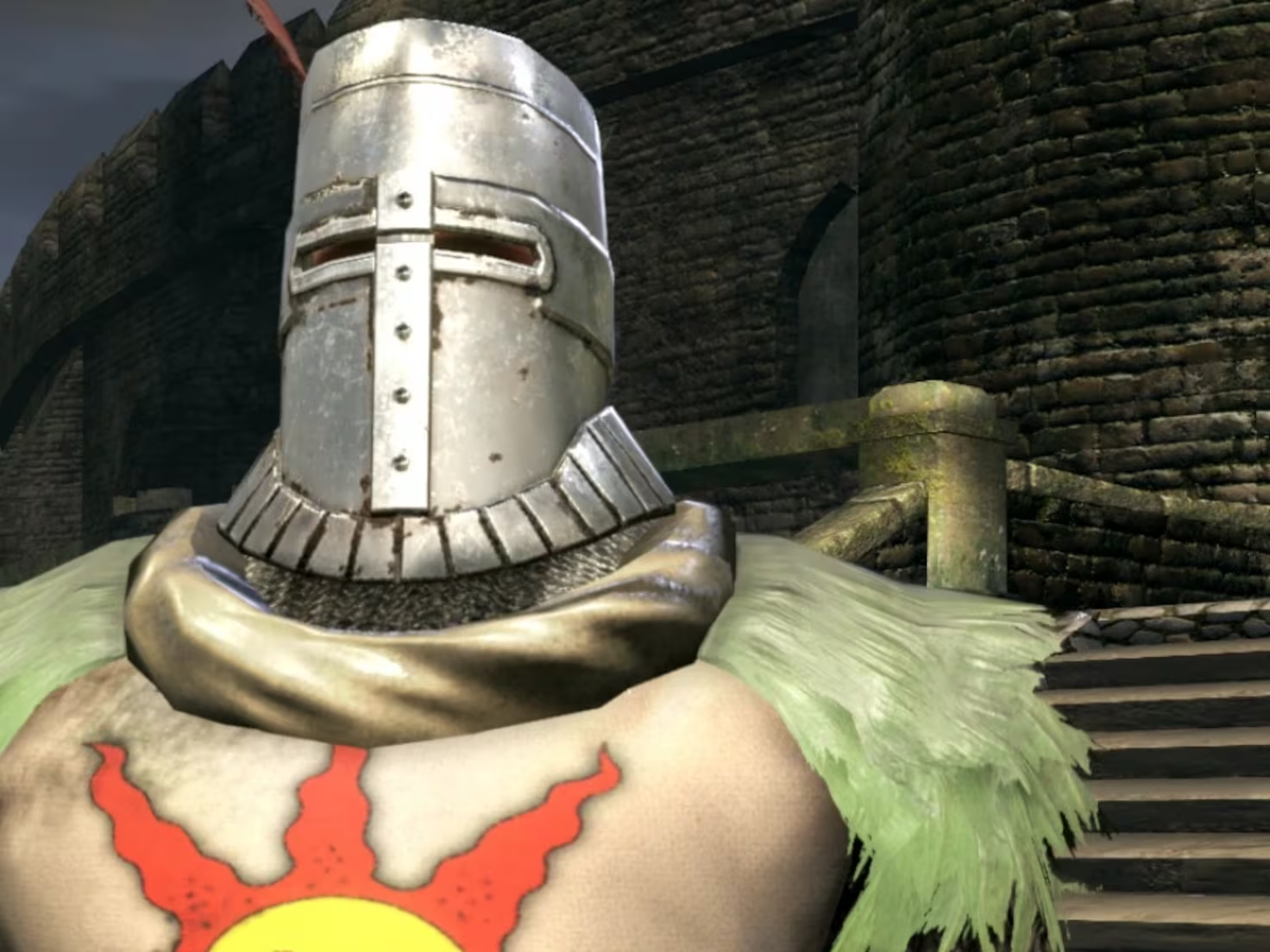
Solaire is still the most iconic Soulsborne character for one reason: he brings light to a series built on ruin.
He is charming without being shallow, funny without becoming a joke, and sincere in a world where sincerity usually gets punished immediately. His “jolly cooperation” energy became franchise culture for a reason.
Behind the memes is a genuinely great character arc about hope, obsession, and searching for meaning in darkness. Whether he rises, falls, or is saved depends on you, and that emotional flexibility keeps him timeless.
Solaire is not just a fan favorite. He is the Soulsborne vibe in character form.
The best Soulsborne characters are never “good” or “evil” in simple ways.
They are people under pressure: rulers scared of decline, mentors trapped by old systems, warriors trying to keep one promise alive in impossible conditions. Their choices feel dramatic, but never random.
That is why these stories stick. The armor is fantasy. The fear is real.
Soulsborne may be famous for boss difficulty, but characters are the real endgame.
They turn item descriptions into heartbreak, side quests into philosophy, and boss fights into emotional closure with a side of panic rolling.
If a character can make you laugh, wreck you emotionally, and then body you in phase two, they earned their place on this list.
 AllNews
 AllGuide
 AllNews
 AllNews