
 AllMar 06, 2026
From Midgar and Zanarkand to Eorzea and Valisthea, this Final Fantasy Locations Guide ranks the most iconic worlds and regions across the series.
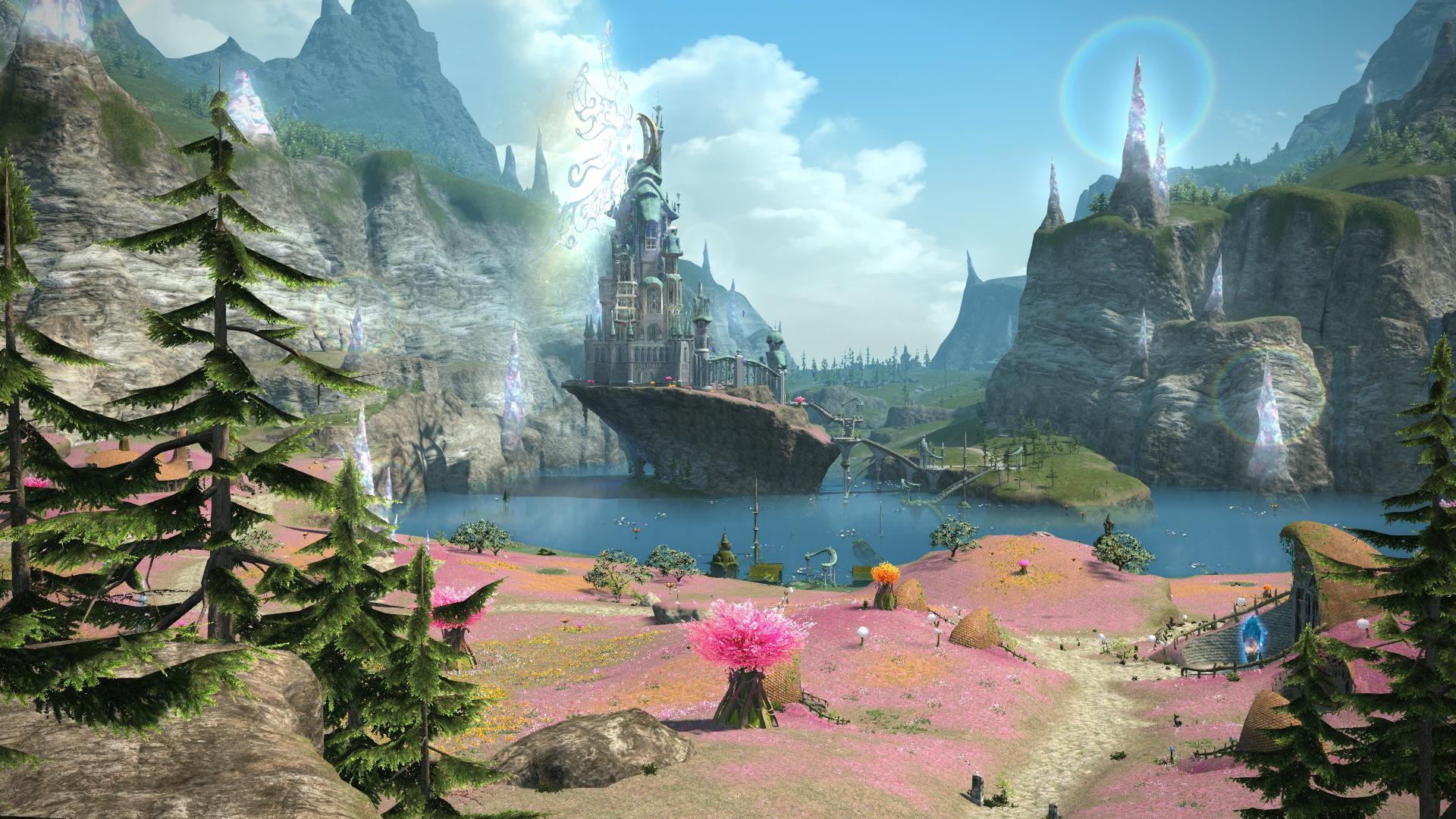
Final Fantasy does not reuse one map. It builds a new world, breaks it in fascinating ways, then asks you to save it while emotionally processing everyone's trauma.
The best locations in the series are not just pretty backgrounds. They shape tone, gameplay, and story themes from start to finish.
This guide ranks the most iconic Final Fantasy locations by atmosphere, narrative relevance, and long-term franchise impact.
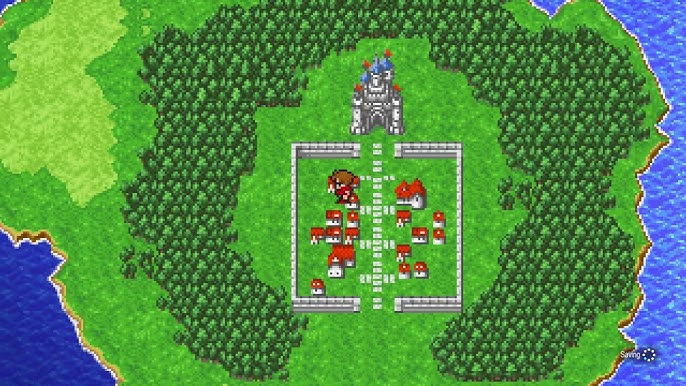
Cornelia is simple, but historically massive.
It is one of the first places where players learned the basic Final Fantasy rhythm: town, quest hook, crystals, escalating stakes. By modern standards, it is minimalistic. For 1987, it was foundational JRPG world onboarding.
Cornelia matters less for complexity and more for legacy. It is the opening chapter of a franchise that would spend decades reinventing fantasy geography.
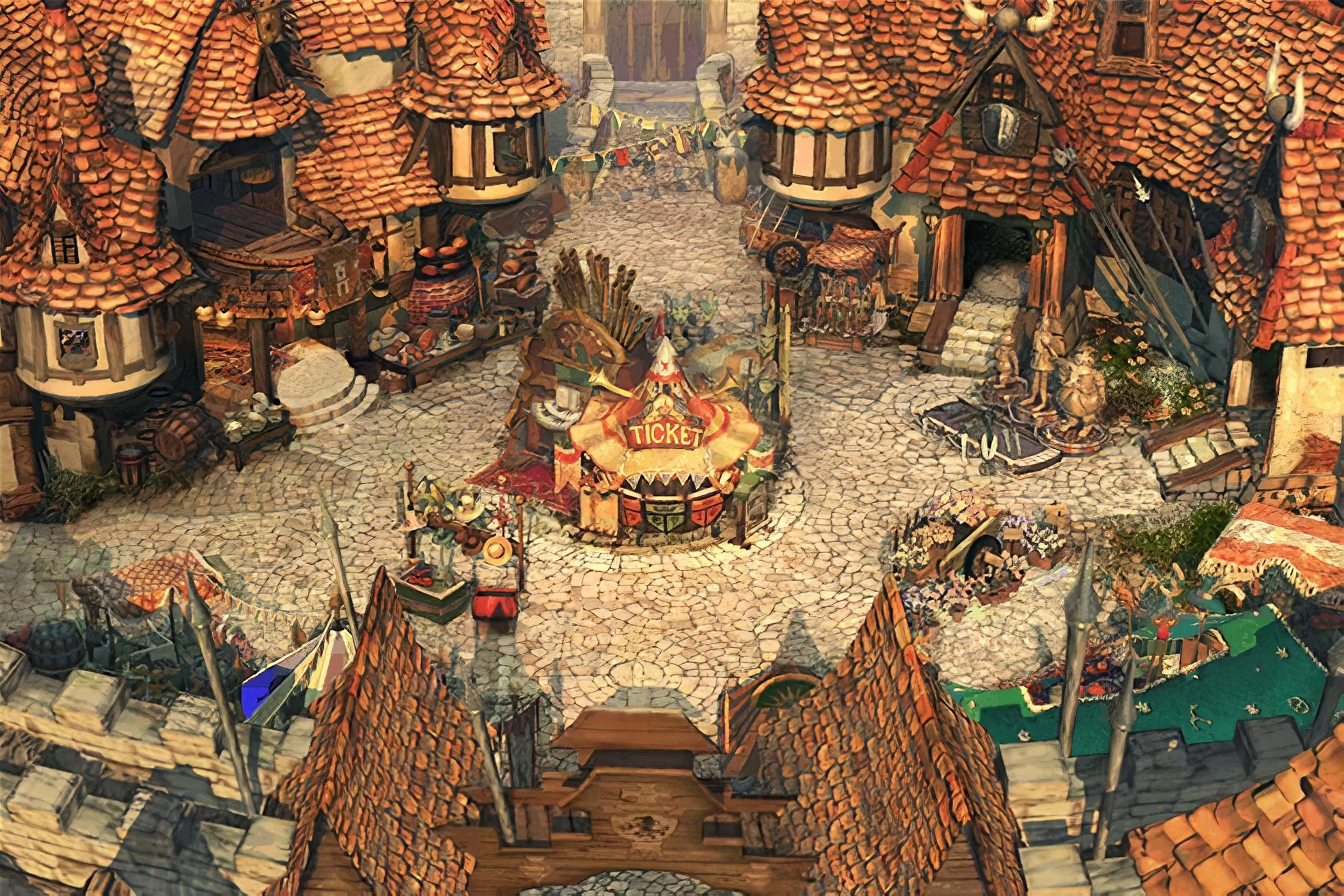
Alexandria captures FFIX's tone perfectly: whimsical on the surface, emotionally heavy underneath.
It introduces key characters, establishes world stakes, and anchors one of the franchise's strongest "classic fantasy with modern emotional writing" entries. The city feels theatrical and alive, which fits IX's identity from the first minutes.
As an opening location with long-term relevance, Alexandria is one of the best in the series.
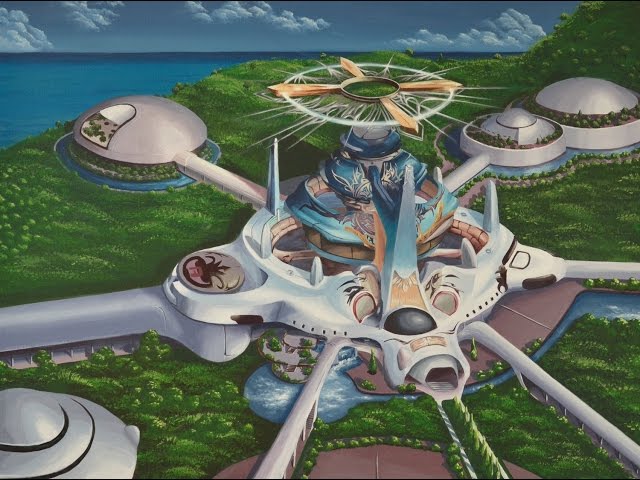
Balamb Garden is one of the most distinctive "home base" locations in Final Fantasy.
Part military academy, part floating mega-structure, part emotional pressure cooker, it defines VIII's identity immediately. It is where character dynamics form and where the game's school-to-war escalation starts feeling real.
Very few FF locations are this mechanically and narratively central for so long.
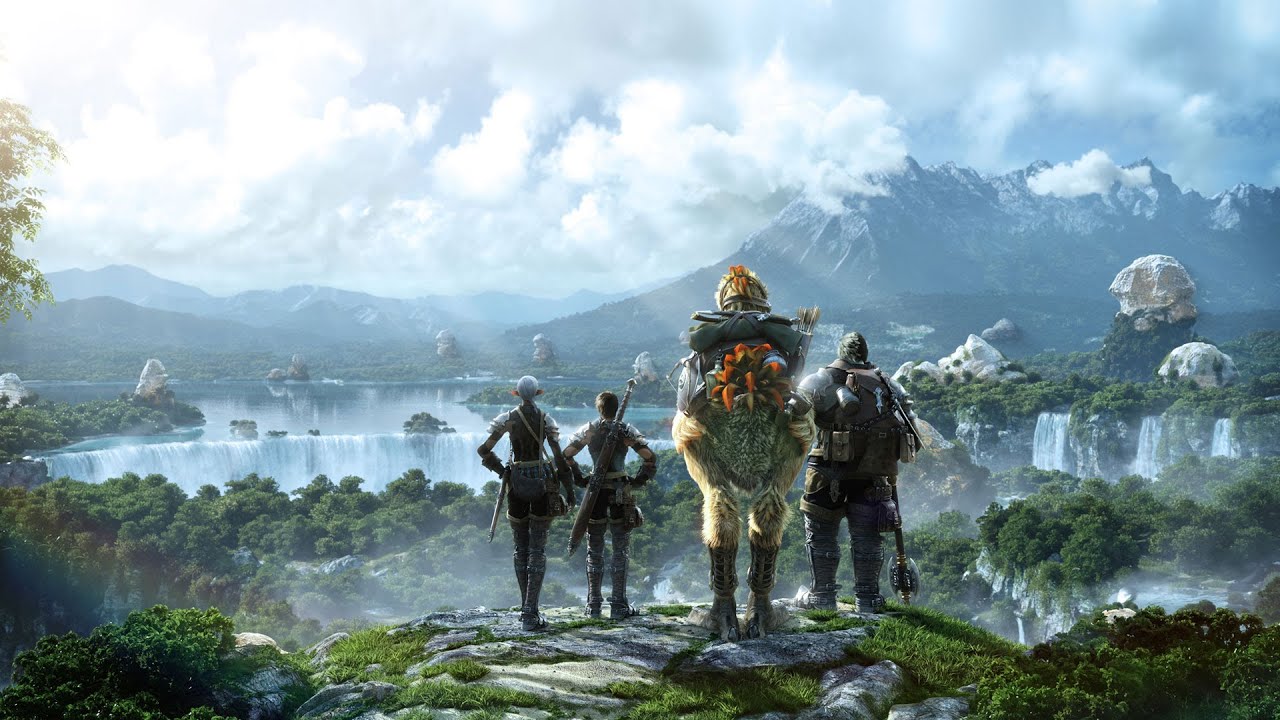
Eorzea is not one city. It is a long-form worldbuilding achievement.
Because XIV evolves over expansions, Eorzea gets rare depth: cultures, politics, history, religions, and conflicts all grow over time instead of being fixed at launch. Few locations in the franchise feel this lived-in.
It is also proof that MMO storytelling can deliver real emotional and geopolitical payoff when writing stays consistent.
Eorzea earns its place through scale and durability.
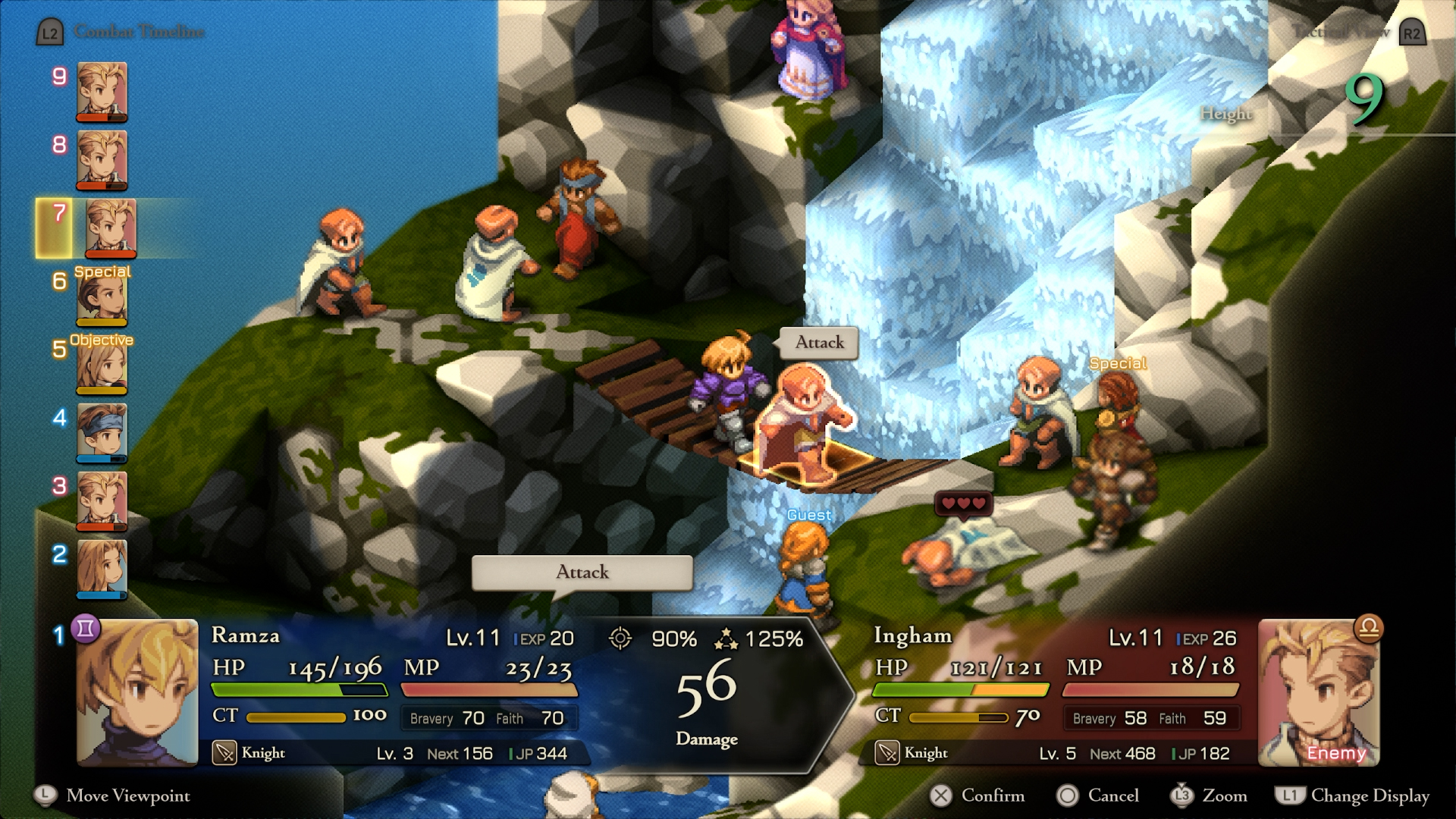
Ivalice is top-tier for players who love political world design.
It trades pure mythic fantasy for layered statecraft, empire pressure, and grounded regional identity. Cities, deserts, skies, and ruins all feel part of a coherent geopolitical map rather than disconnected fantasy set pieces.
If your favorite FF locations are the ones that feel like actual societies with history and consequences, Ivalice is elite.
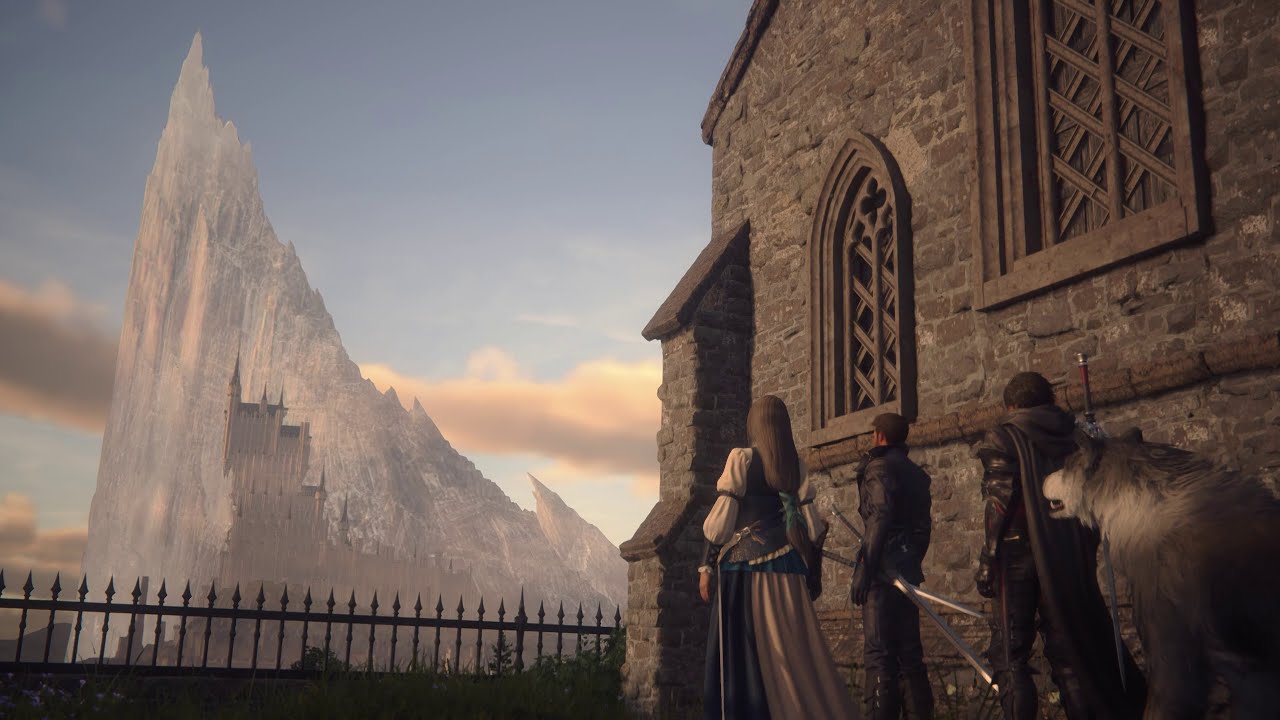
Valisthea is one of the franchise's strongest modern settings.
Its core idea is clear and effective: nations built around Mothercrystals, political violence fueled by resource collapse, and social hierarchies enforced through magic-based oppression. It gives XVI a grounded conflict engine even when the spectacle goes huge.
Valisthea feels harsh, strategic, and narratively functional. Every region reinforces the same thematic pressure.
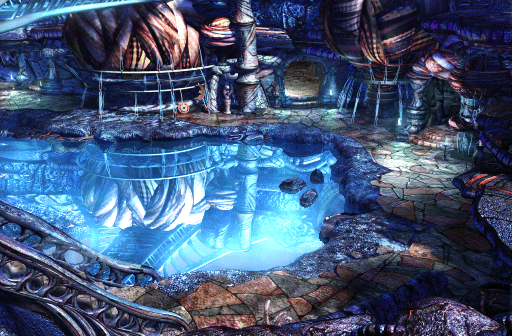
Gaia is one of Final Fantasy's most charming and coherent world maps.
It supports IX's tonal range beautifully: playful towns, ancient mysteries, political conflict, and existential late-game revelations that still feel earned. The world transitions smoothly from storybook fantasy to heavy thematic territory without breaking immersion.
Gaia proves a location can feel magical and emotionally serious at the same time.
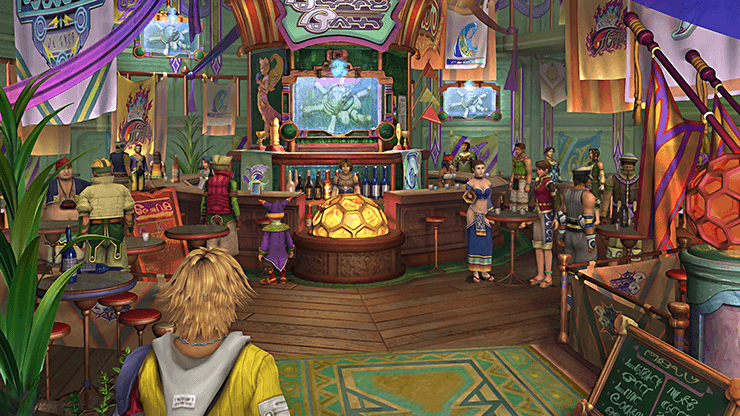
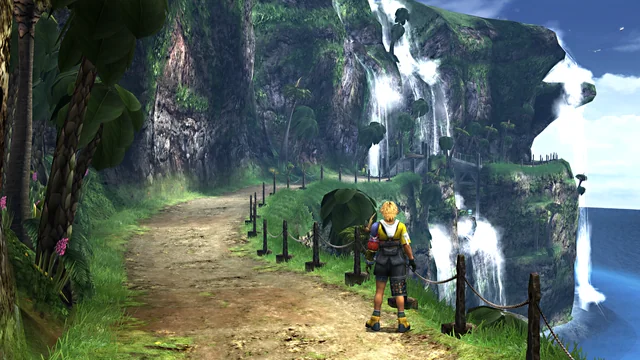
Spira is one of the best-integrated world-and-theme packages in the franchise.
Every place in FFX reflects the central cycle of fear, faith, and ritual sacrifice. The pilgrimage structure turns geography into narrative progression, so locations are not just stops on a map. They are ideological checkpoints.
From Besaid to Zanarkand, Spira consistently reinforces the same story question:
what kind of world are people forced to accept, and can it be changed?
That is elite world design.
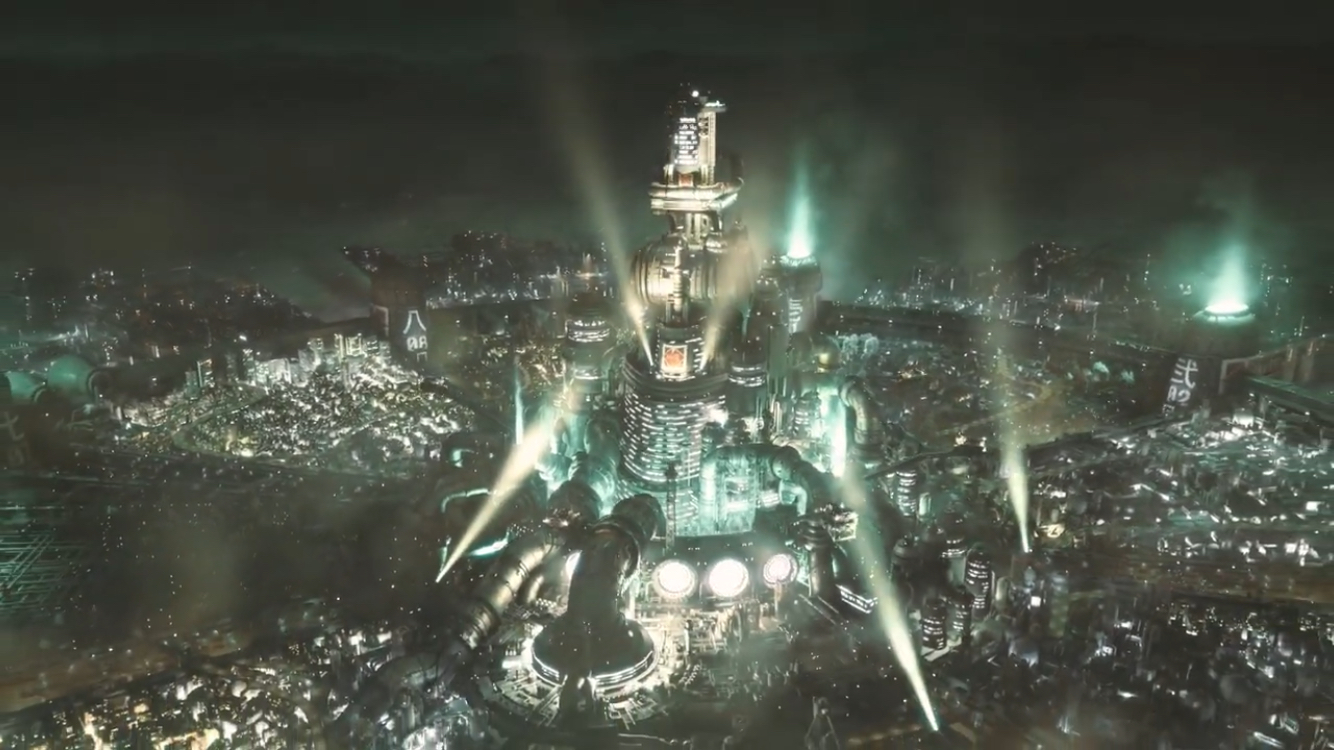
Midgar is not just iconic. It is symbolic.
It visualizes class divide, environmental extraction, corporate authoritarianism, and social decay in one instantly recognizable city structure. The plate-and-slums dynamic remains one of the most effective environmental metaphors in RPG history.
Whether in original VII or modern remake-era rendering, Midgar still feels like a complete statement of what FFVII is about.
Few locations in gaming history communicate theme this efficiently.
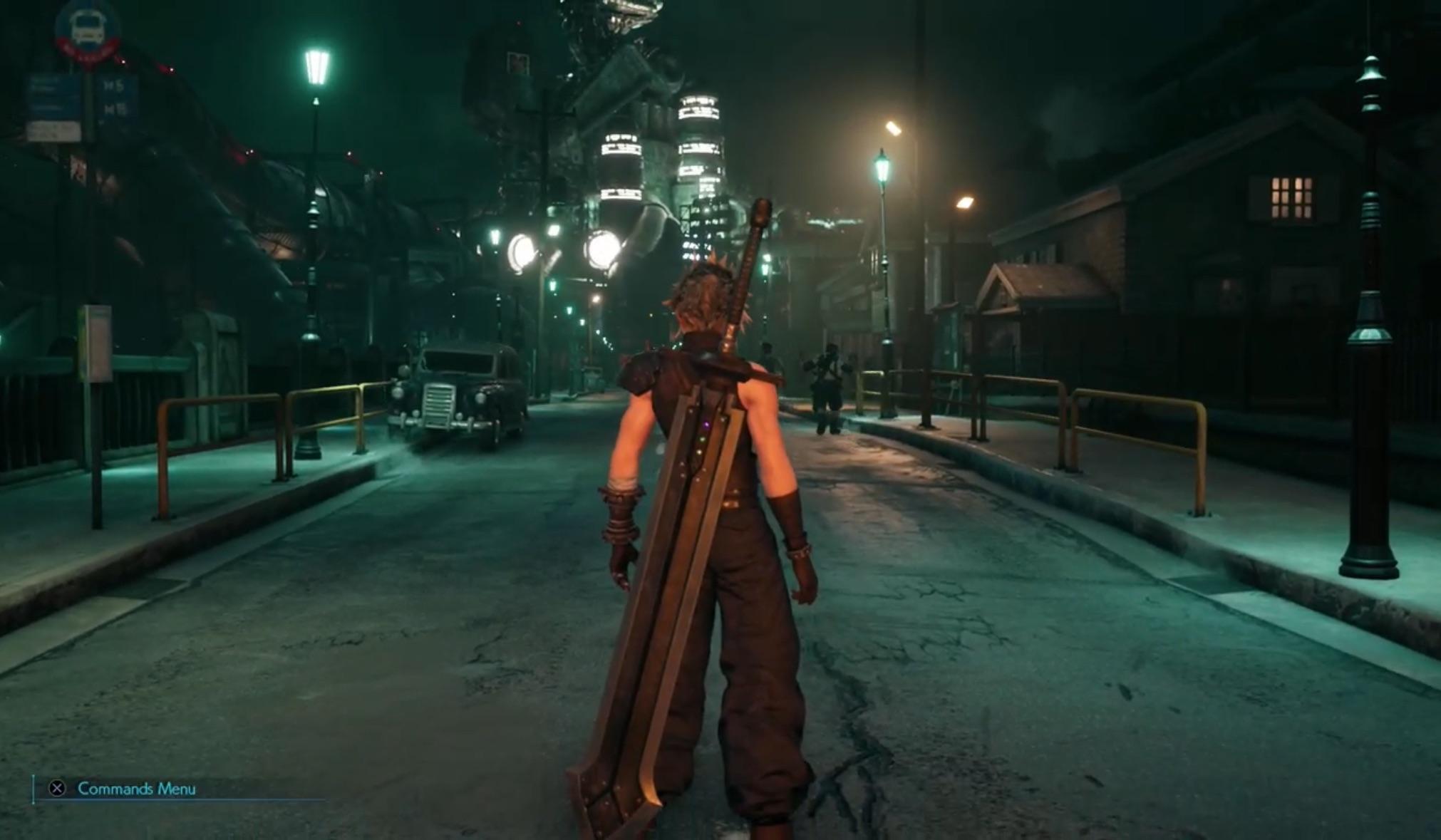
As a full location package, FFVII's world remains the franchise benchmark.
You start in claustrophobic industrial oppression, then expand into diverse regions, cultures, mythic sites, and planetary-scale stakes without losing narrative cohesion. The world is varied, memorable, and thematically unified in a way few RPGs match.
It is not just one iconic city. It is a complete world progression arc.
That is why it still sits at number one.
If you want pure icon power, Midgar is unbeatable.
If you want worldbuilding depth, Spira, Ivalice, and Eorzea are top-tier.
If you want modern political-fantasy intensity, Valisthea delivers.
Final Fantasy changes settings every numbered game, but the best locations all do one thing brilliantly: they make the story feel inevitable.
 AllNews
 AllNews
 AllNews
 AllNews