
 AllMar 06, 2026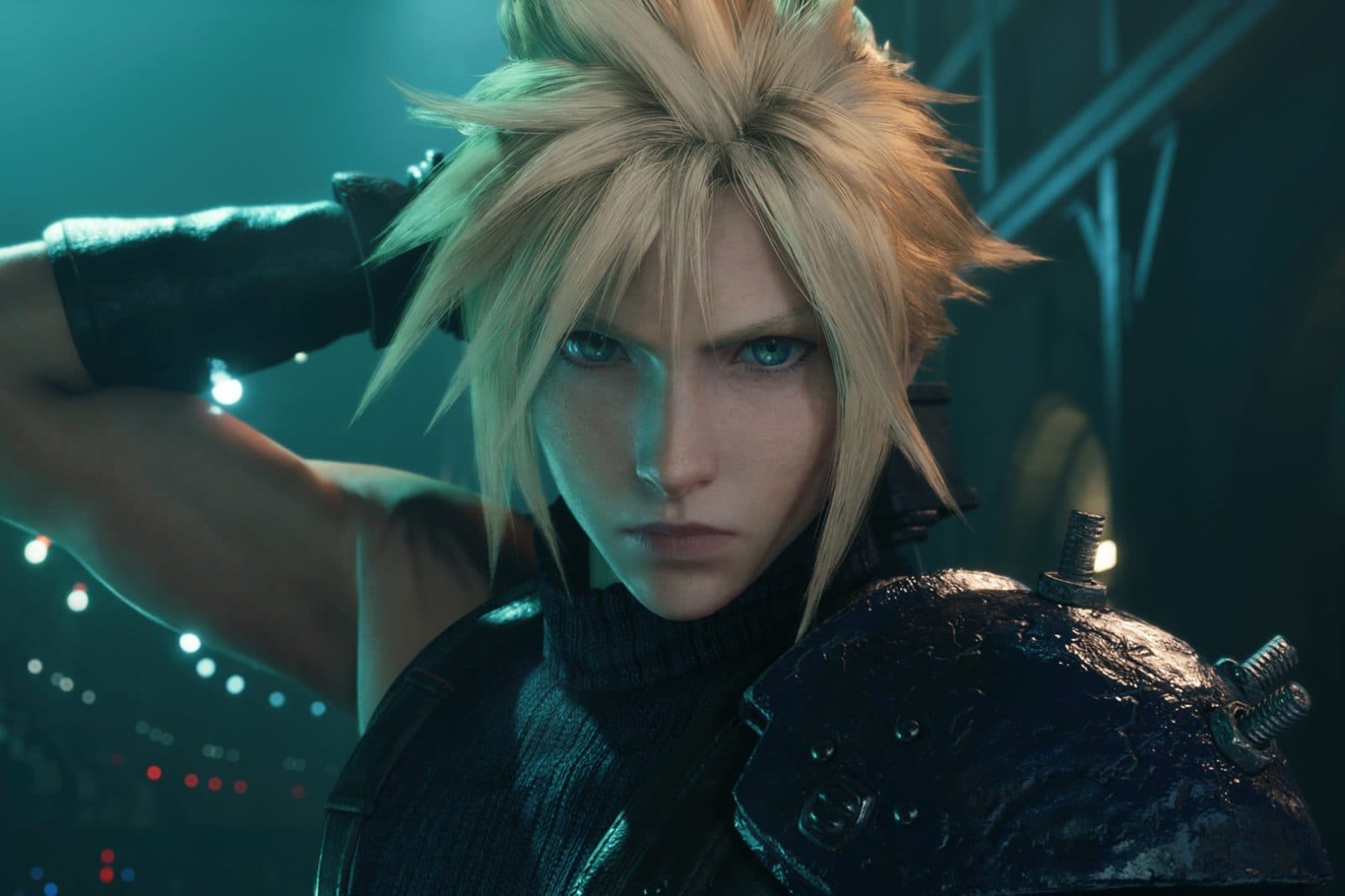
Final Fantasy Story Explained in plain English: standalone worlds, connected sub-series, canon clusters, recurring themes, and the easiest way to understand the franchise in 2026.
If you ever tried to understand Final Fantasy lore and ended up with twelve tabs open, two fan wikis, and mild existential confusion, congratulations. You are doing it correctly.
Final Fantasy is not one giant linear saga. It is a franchise built from mostly standalone worlds, each with its own politics, gods, crystal drama, and very stressed protagonists.
This guide explains the story structure in the cleanest way possible, so you can stop guessing and start enjoying the games.
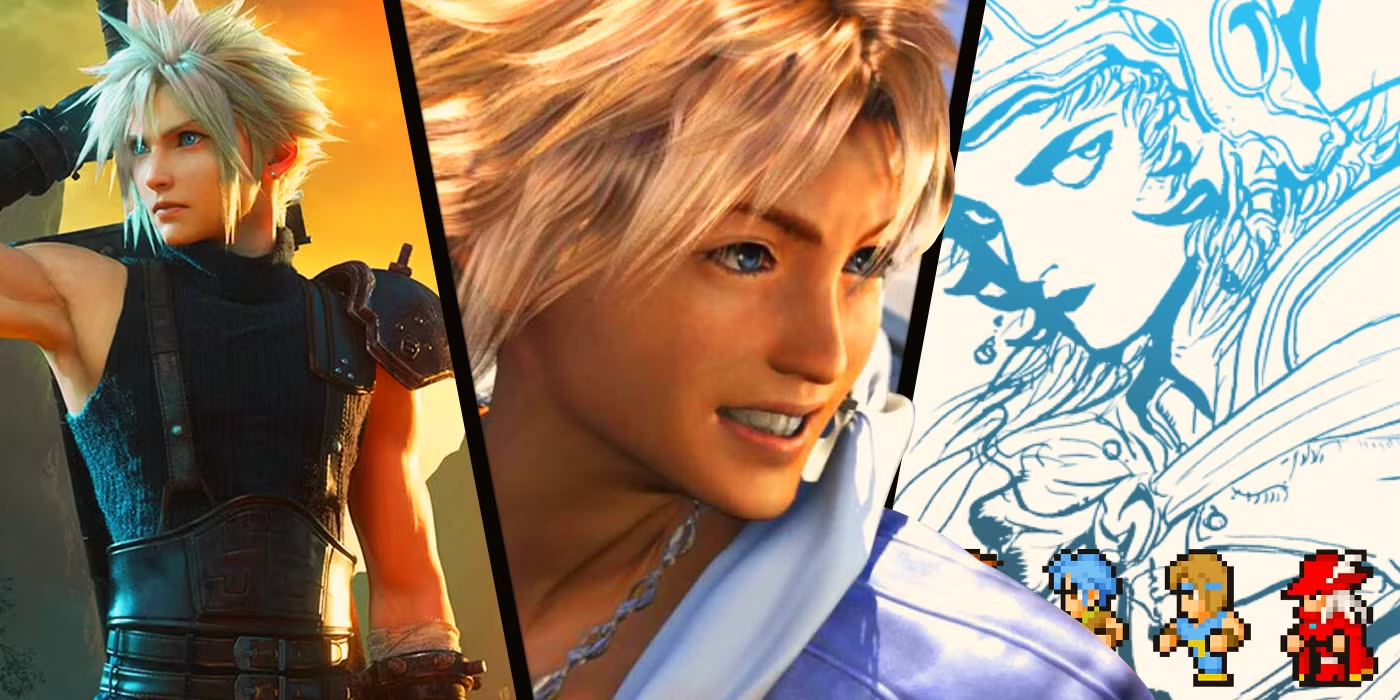
The biggest misunderstanding is thinking Final Fantasy I to XVI is one continuous story.
It is not.
In most cases:
- New number = new world
- New cast = new continuity
- New lore rules = no required homework from previous numbered entries
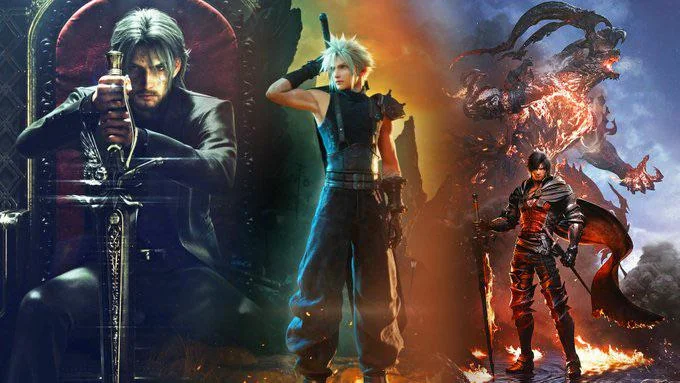
So Final Fantasy VII is not a direct sequel to VI, and XVI is not where XV "ends up later." They are separate narrative universes.
This is why you can jump into many FF games without playing all the older titles first.
Final Fantasy has continuity clusters inside the larger anthology.
The important connected groups are:
Everything else is mostly standalone unless specifically labeled as a sequel or shared setting branch.
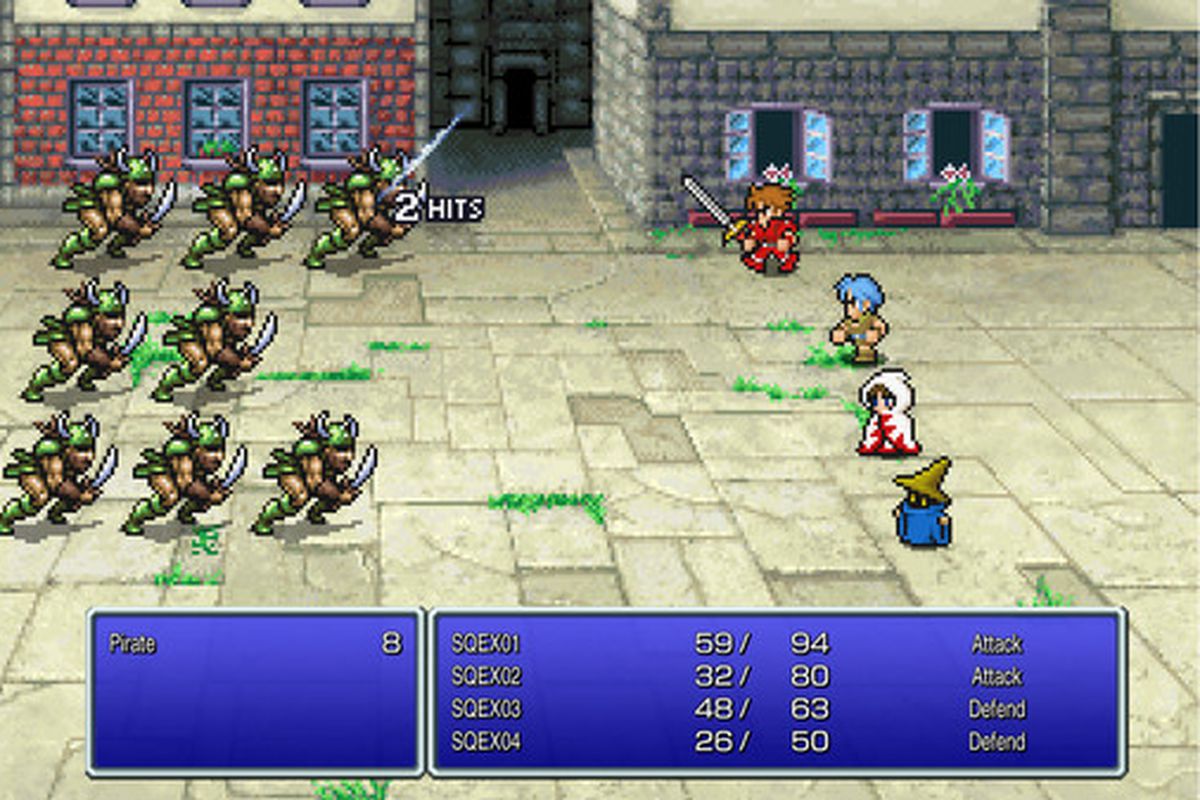
Even when universes change, the storytelling DNA is very consistent.
Final Fantasy repeatedly explores:
Translation: every world is different, but someone is always fighting a giant system that says "this is just how things are."
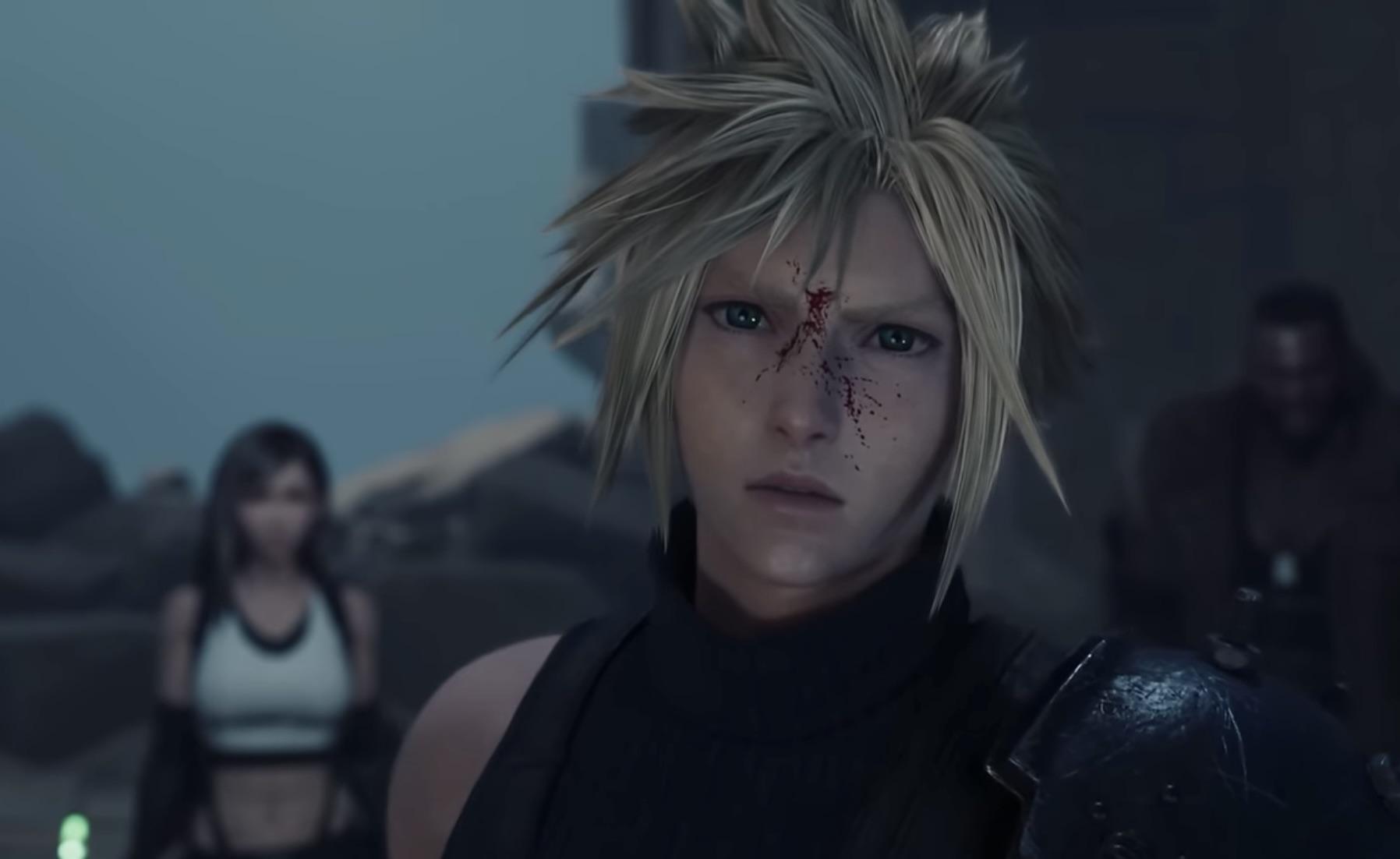
At its core, FFVII is about identity, memory, and resistance against extractive power.
Cloud starts as a mercenary-for-hire inside a conflict against Shinra, then the story expands into a much larger fight tied to Sephiroth, planetary trauma, and personal truth. The game’s emotional strength comes from how personal the stakes stay even when the scale goes cosmic.
The remake-era project adds timeline/meta complexity, but the core emotional axis is still:
- Who are you really?
- What do you protect?
- What are you willing to sacrifice to break destructive cycles?
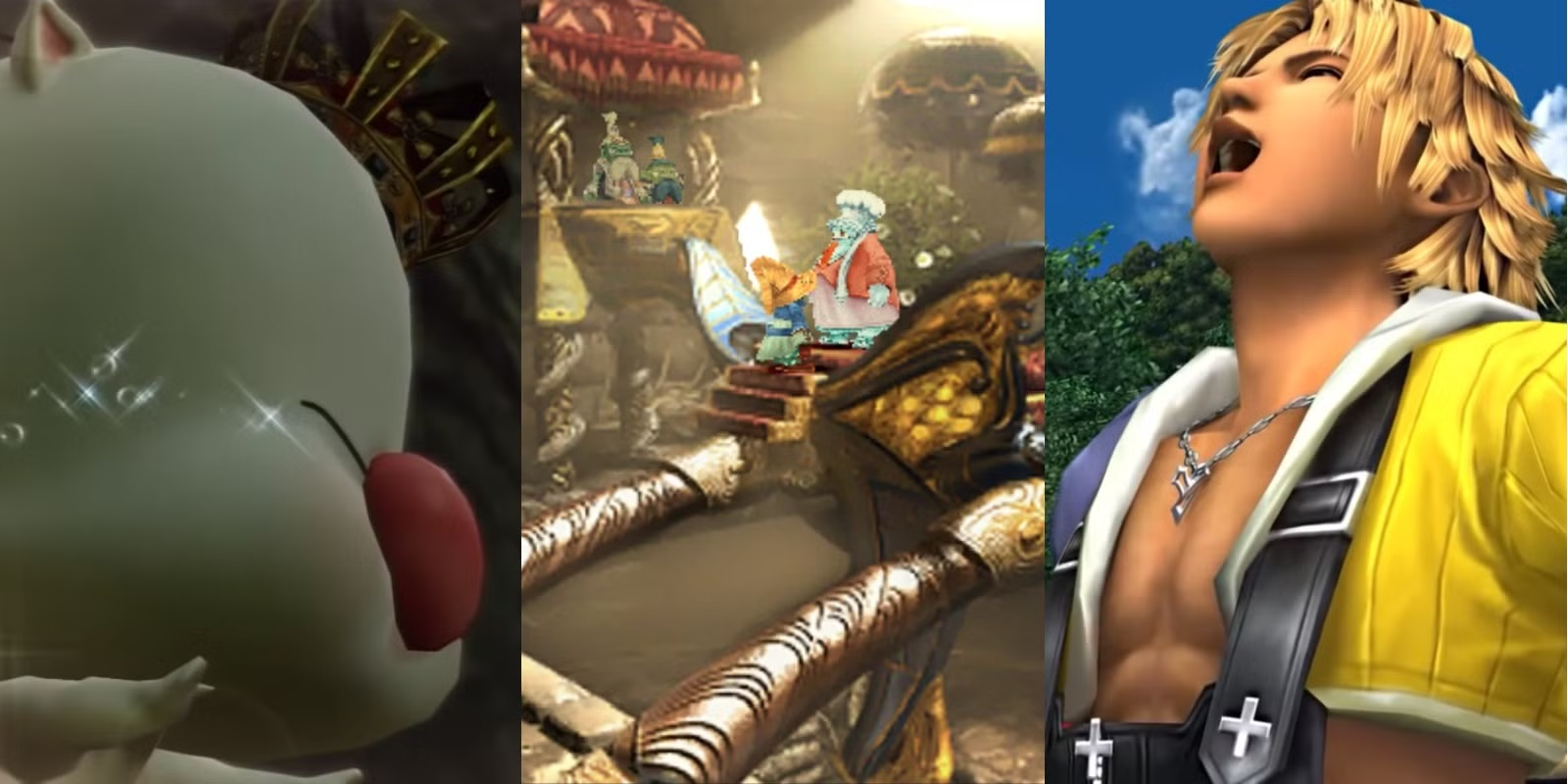
FFX is a pilgrimage story that becomes a systemic rebellion story.
Tidus enters Spira as an outsider, which helps players learn the world’s rules naturally. Yuna’s journey appears to be a sacred path of duty, but the deeper truth reveals a repeating cycle of sacrifice and control disguised as tradition.
The emotional center is not just romance. It is the question of whether people can build a future without repeating the same ritualized suffering forever.
X-2 then explores what happens after that cycle is broken.
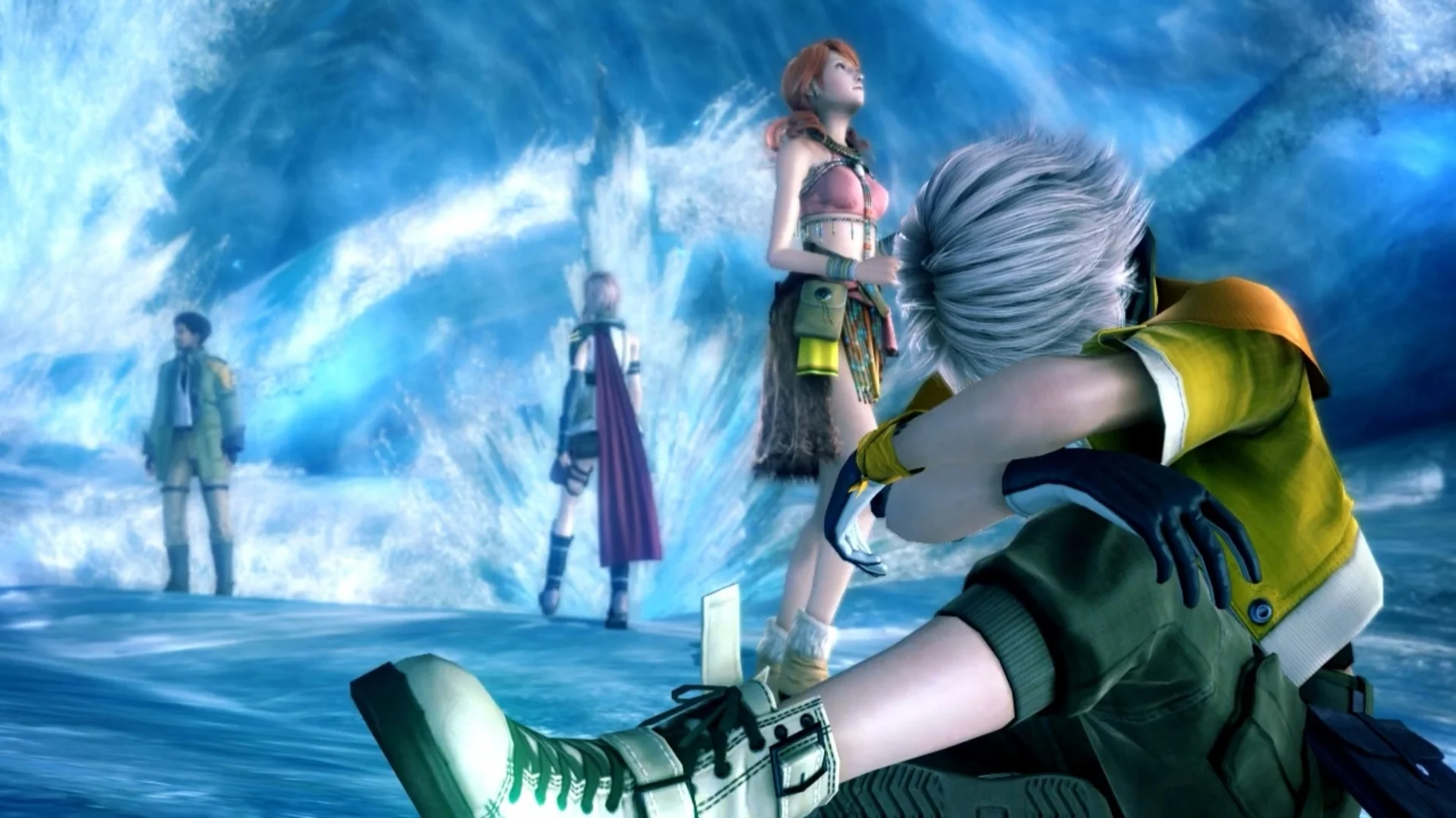
The XIII trilogy is heavily about fate versus agency.
The cast is branded, controlled, and pushed by higher systems that treat humans like tools in cosmic machinery. Lightning’s arc across all three games is basically a long-form resistance narrative against predestination, divine manipulation, and emotional suppression.
People debate the delivery style, but the thematic throughline is clear:
free will must be fought for repeatedly, not won once.
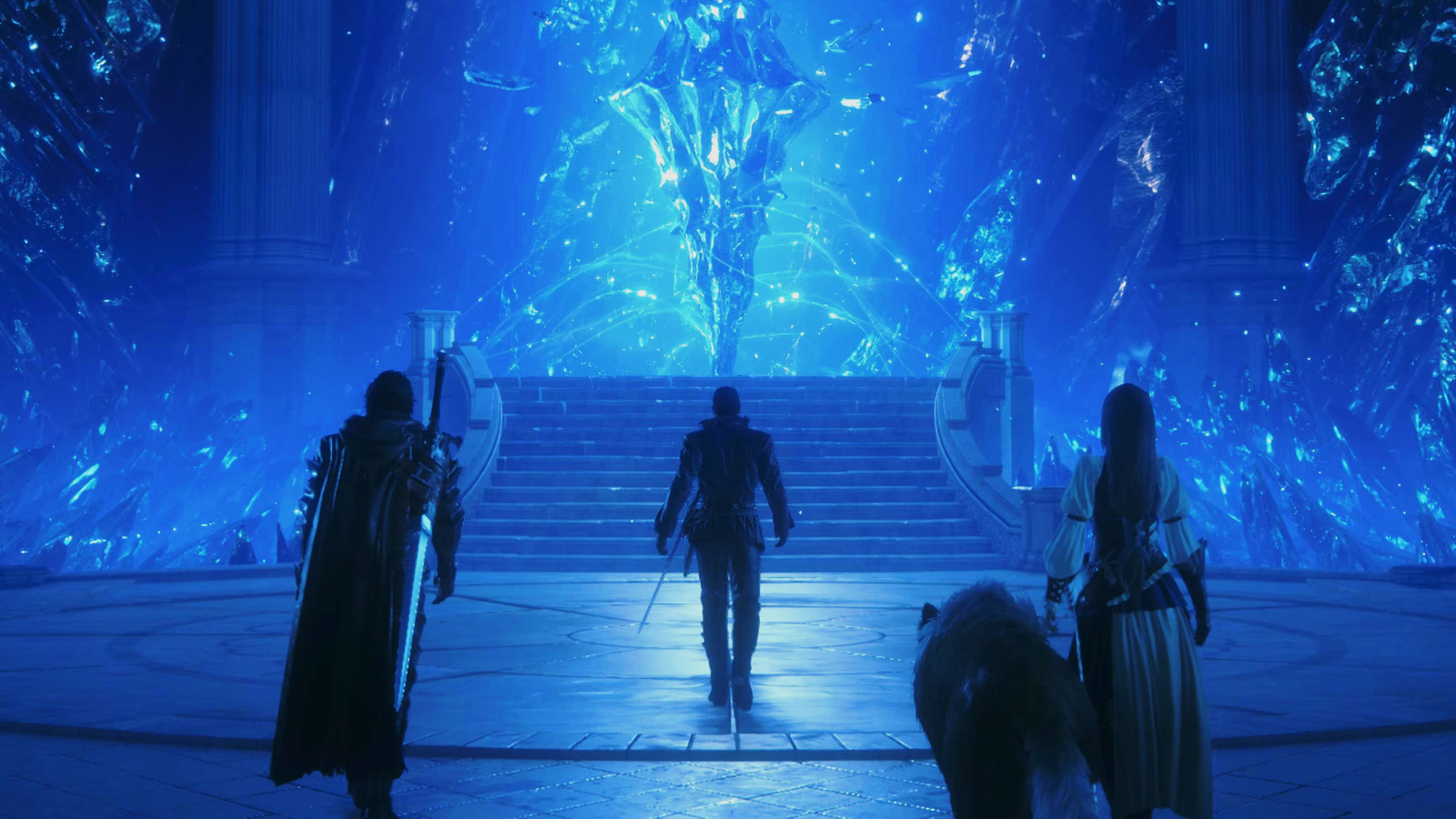
XVI is Final Fantasy at its most direct about power and exploitation.
Clive’s story starts as personal revenge, then expands into a broader struggle against systems built on domination, slavery, and divine-authority narratives. The game frames freedom as costly, imperfect, and worth pursuing anyway.
It is darker than many older entries, but still unmistakably Final Fantasy:
big emotions, giant summons, and ideological conflict wrapped in spectacular boss encounters.
If your goal is story clarity and emotional payoff, use this approach:
This avoids timeline panic while still giving you the best narrative hits first.
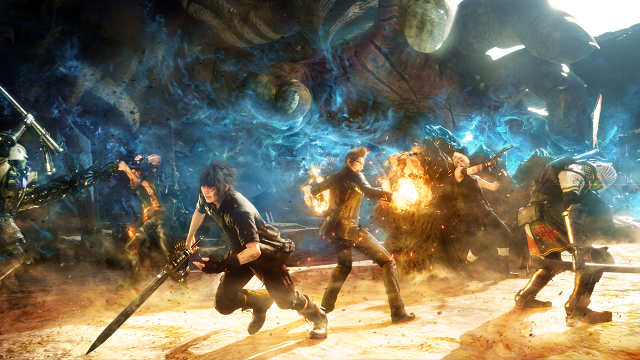
Final Fantasy is easier to understand once you stop forcing one mega-timeline.
Most entries are standalone worlds. A few are connected sub-series. All of them remix the same powerful ideas: identity, sacrifice, corrupt systems, and the fight to choose your own future.
So the real "Final Fantasy story" is not one chronology. It is a storytelling philosophy.
Different world. Same emotional ambush.
 AllNews
 AllGuide
 AllNews
 AllNews