
 AllMar 05, 2026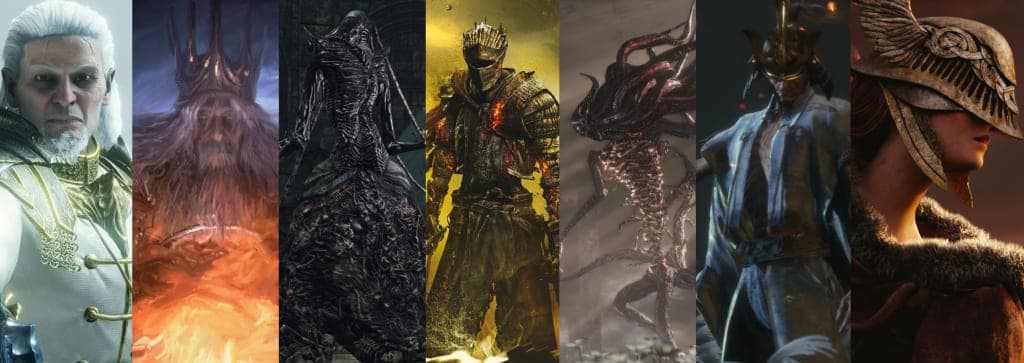
Best Soulsborne Bosses ranked across Demon’s Souls, Dark Souls, Bloodborne, Sekiro, and Elden Ring, with lore impact, mechanics, and pure pain factor.
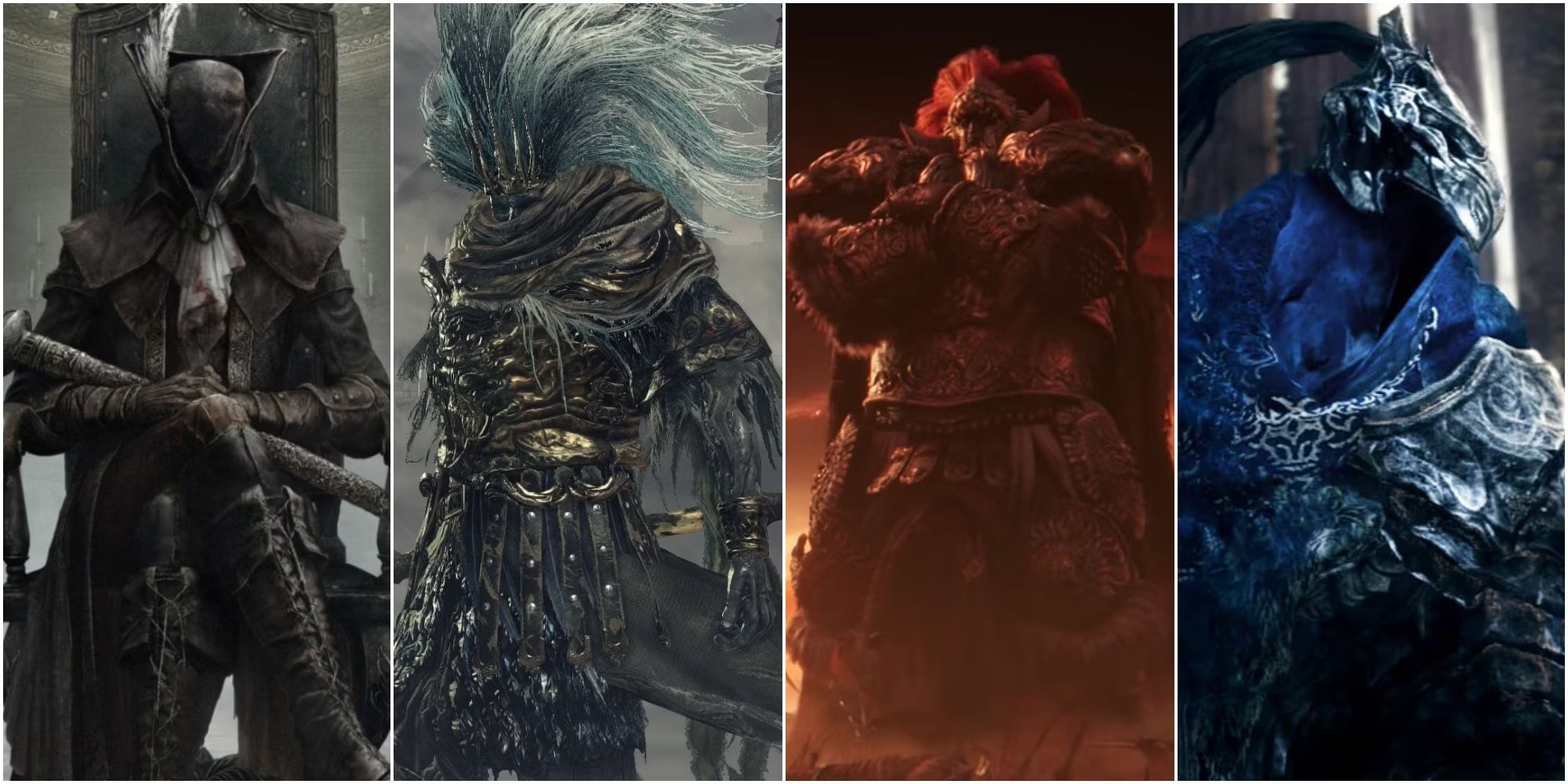
Soulsborne bosses are the reason people buy controllers in bulk.
These fights are not just hard for the sake of hard. The best ones teach you rhythm, spacing, greed control, and emotional maturity you absolutely did not have five attempts ago.
This ranking covers the best Soulsborne bosses across Demon’s Souls, Dark Souls, Bloodborne, Sekiro, and Elden Ring, based on mechanics, presentation, lore payoff, and replay value.
Yes, this list is subjective. No, your favorite is not “too low,” it is “building character.”
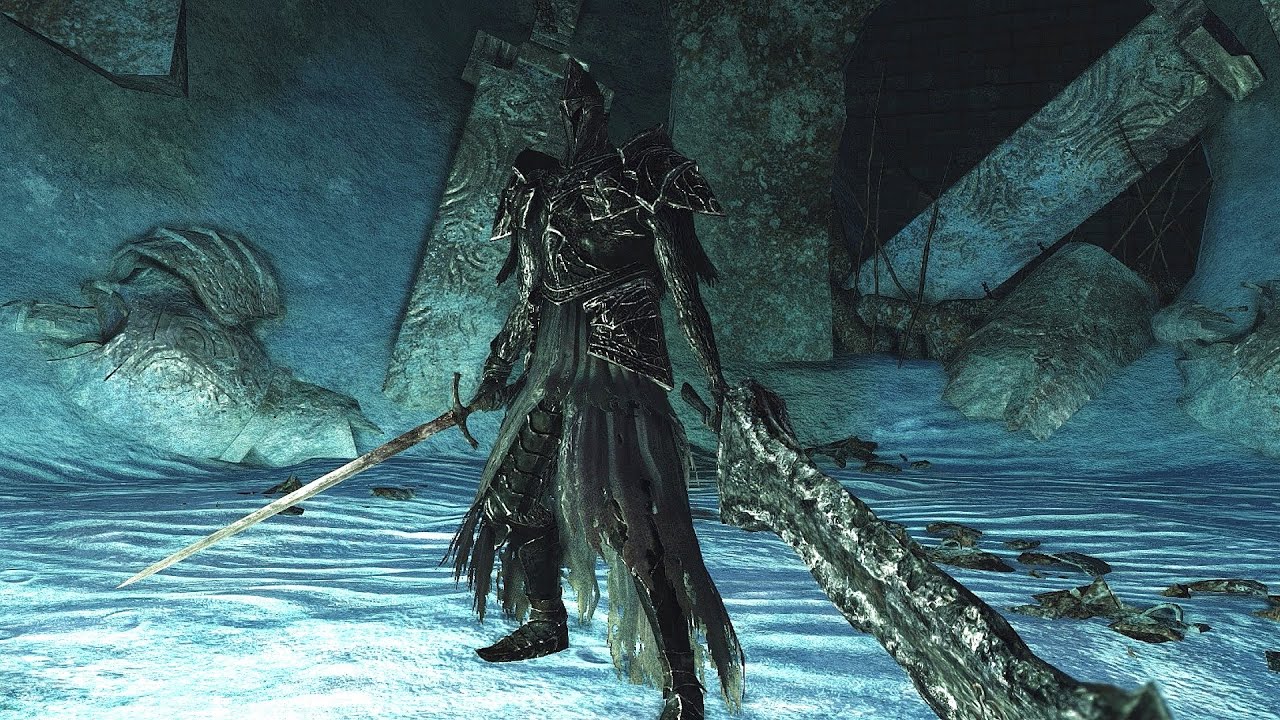
Fume Knight is Dark Souls II at its sharpest: no gimmicks, no arena tricks, just pure combat fundamentals and one very angry knight with huge swords.
His move set forces discipline. You cannot mash through this. You cannot panic-heal for free. You either learn his pace or return to the bonfire with a new respect for consequences.
What makes this fight age well is how fair it feels once you stop blaming the game and admit the dodge timing is your responsibility. Every death teaches something useful, and every win feels earned instead of lucky.
He is not the flashiest boss in the genre, but as a mechanics check, he is elite.
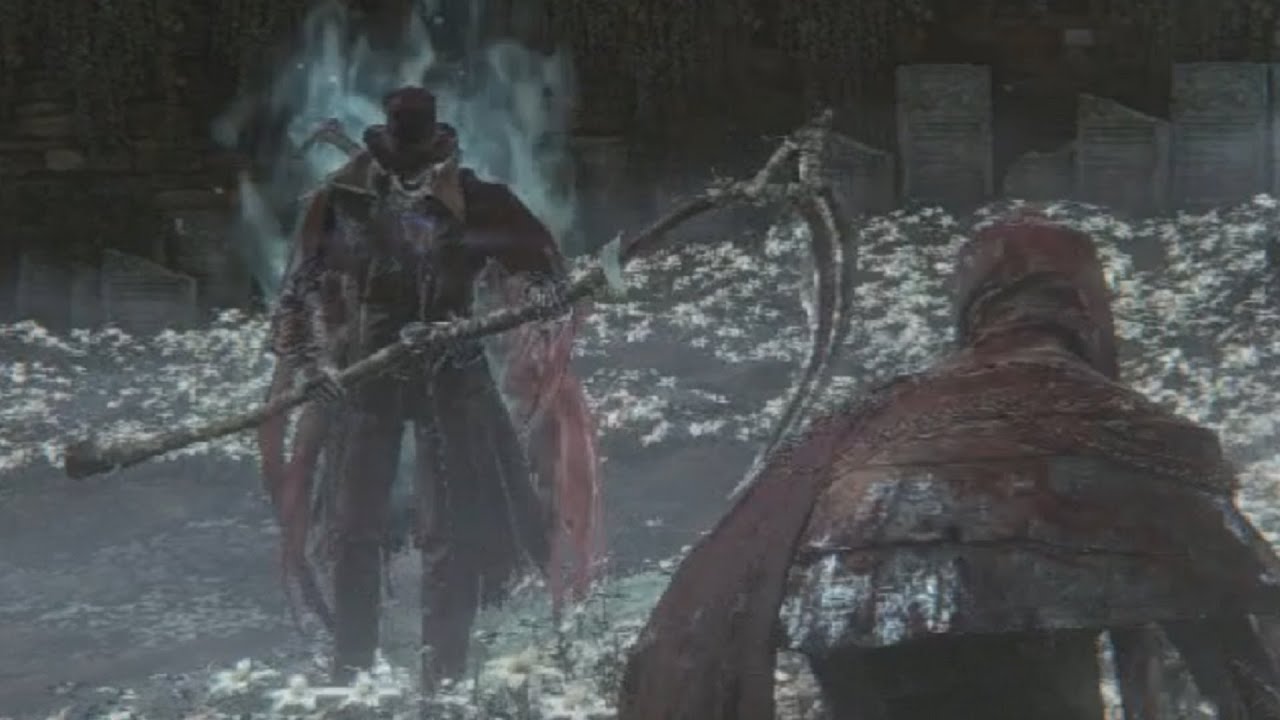
Gehrman is where Bloodborne’s style, speed, and sadness all collide perfectly.
Mechanically, it is a high-tempo hunter duel with relentless pressure and zero room for passive play. Lore-wise, it is devastating: your final test is the man who represents the entire old order of the Hunt.
The arena is simple, the music is heartbreaking, and the fight feels like two generations of hunters trying to end the same nightmare in opposite ways.
It is not just hard. It is poetic. And in Soulsborne, “poetic” usually means somebody is about to get launched by a scythe.
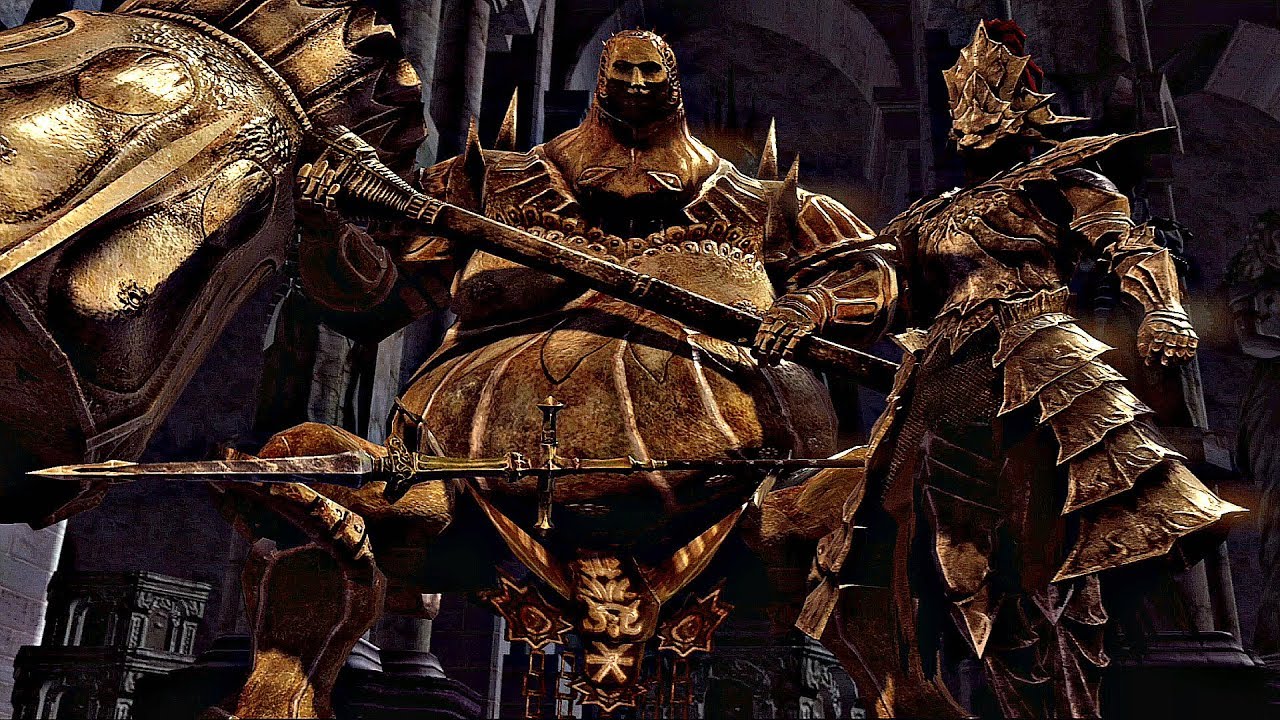
The duo fight that ruined confidence for an entire generation.
Ornstein and Smough work because they create chaos with structure. One is fast, one is heavy, and the arena pillars give you just enough tactical options to avoid total disaster.
When phase two starts and one absorbs the other’s power, the fight becomes a mini-story about survival and target priority under pressure. You feel hunted, outnumbered, and one mistake away from being flattened into medieval wallpaper.
Even now, this fight remains one of the best examples of how to do multi-enemy bosses without turning the experience into random nonsense.
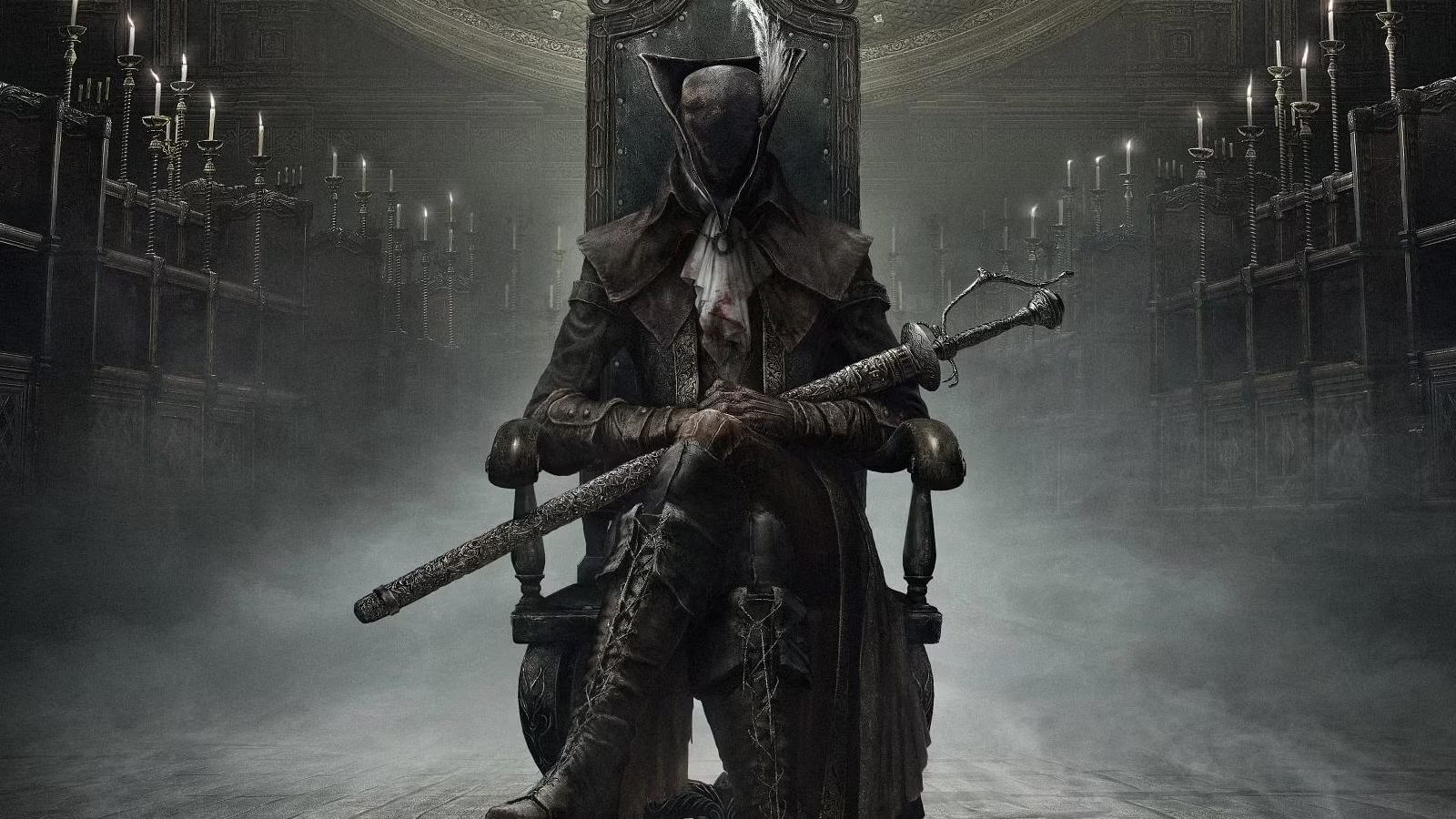
Lady Maria is a pure skill duel with perfect escalation.
Phase one is fast steel-on-steel precision. Phase two adds blood flame and turns spacing into a life-or-death puzzle. Phase three becomes a full panic opera with bigger arcs, heavier damage, and that classic Bloodborne message: attack boldly or die politely.
Her animation work is superb, her soundtrack is unforgettable, and the fight feels like a mirror match against a superior version of your own playstyle.
It is one of those rare bosses where losing still feels cool because the encounter itself is so well crafted.
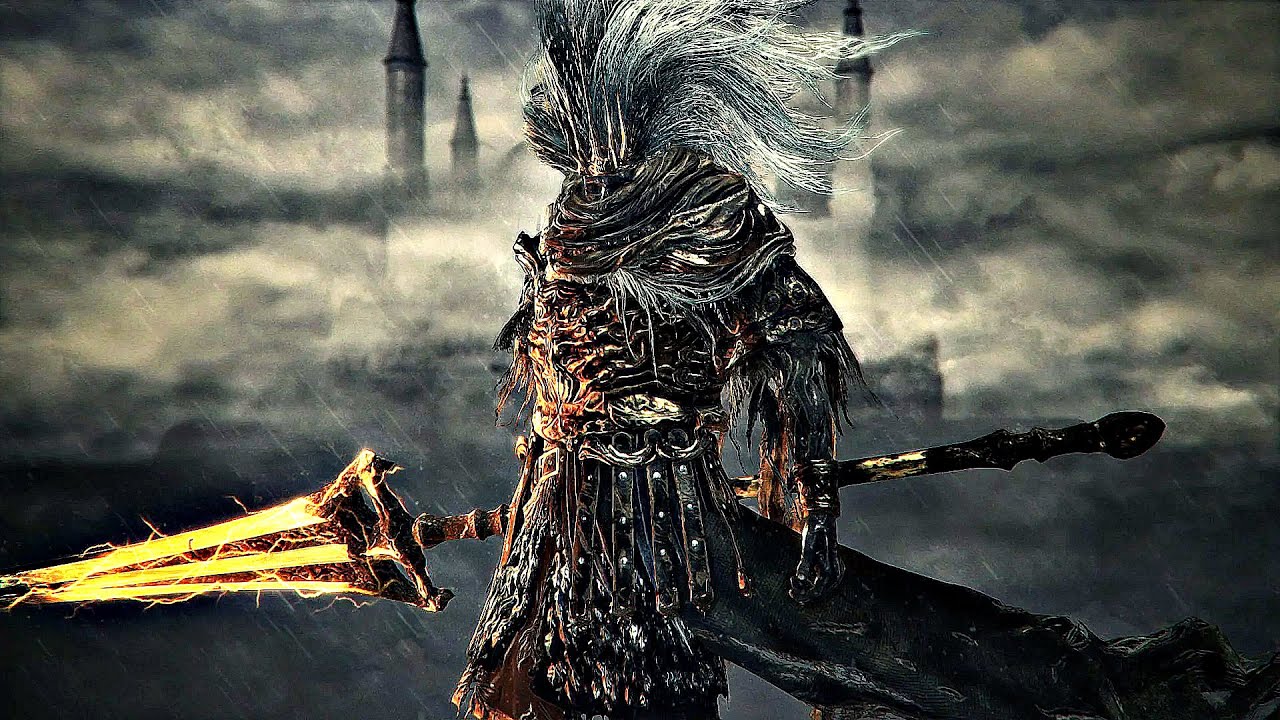
Nameless King is the patron saint of delayed attacks and shattered rhythm.
Phase one with the King of the Storm is cinematic chaos in the clouds. Phase two becomes a disciplined duel against a warrior who punishes early dodges like it is a personal hobby.
This fight is famous for a reason: it retrains your instincts. If you panic-roll on sight, you lose. If you stay calm and read the timing, you start seeing openings and the fight transforms from impossible to brilliant.
He is difficult without being cheap, dramatic without being messy, and still one of the strongest late-game skill checks FromSoftware has ever made.
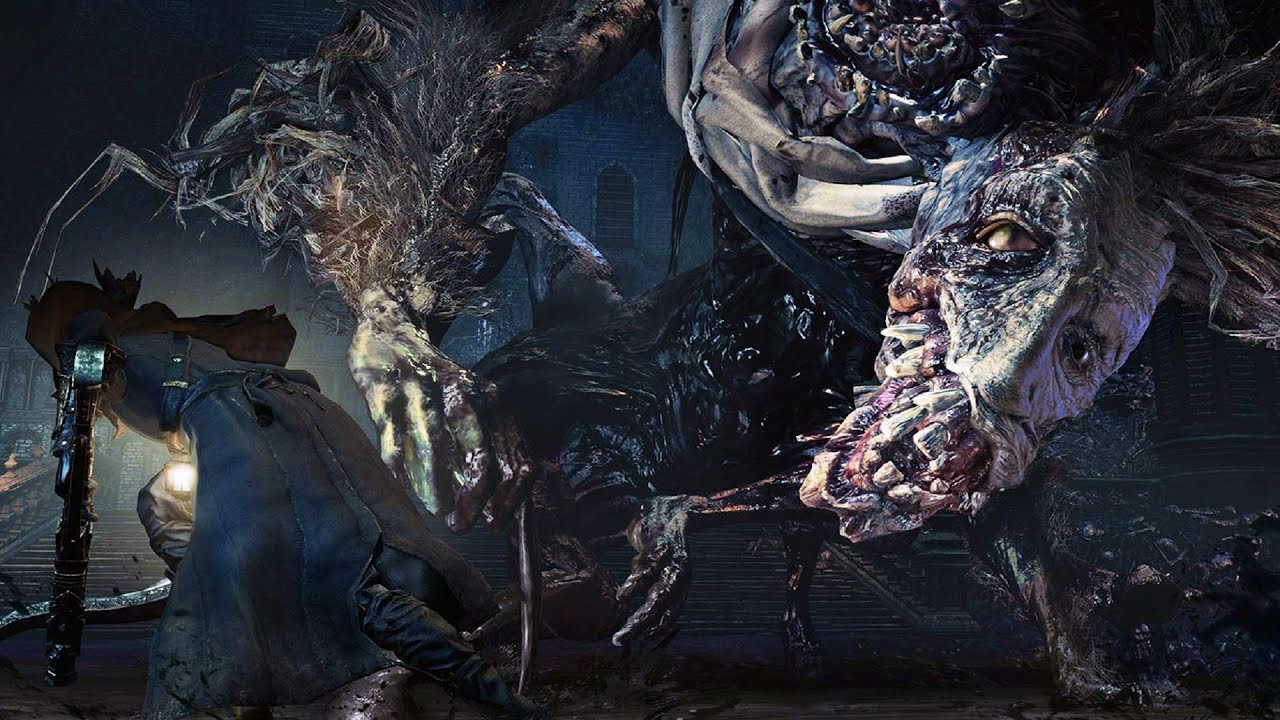
Ludwig is basically two all-time bosses stapled together, and somehow both halves are incredible.
Phase one is feral nightmare movement: wild lunges, erratic angles, and pure terror. Phase two pivots into a graceful greatsword duel with one of the most iconic musical transitions in gaming.
The lore payoff is massive. This is not just a monster; this is a fallen legend briefly reclaiming dignity in the middle of a blood-soaked tragedy.
Mechanically, the encounter asks for adaptation at high speed. Emotionally, it asks whether you are ready to feel sympathy for the thing currently trying to erase you.
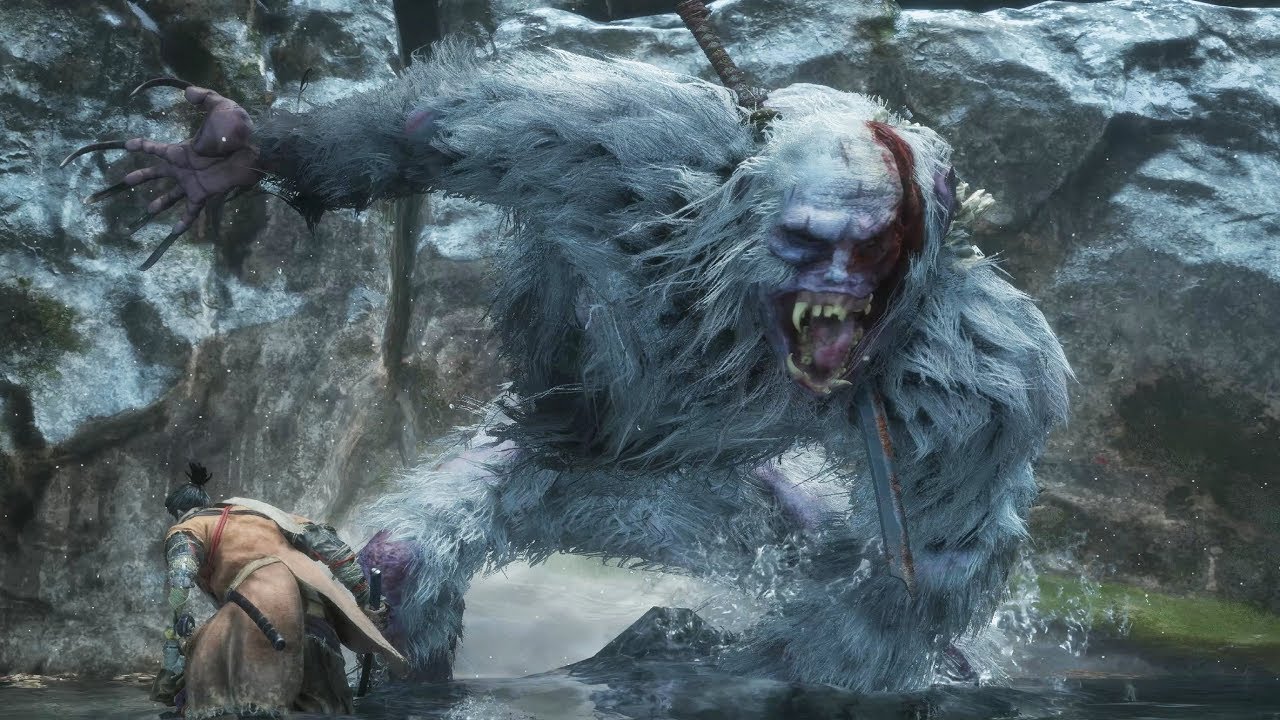
Guardian Ape is the perfect “you thought we were done?” boss.
First phase is frantic animal aggression and arena control. Then you decapitate it, feel amazing for three seconds, and discover phase two exists because joy is temporary.
The second phase shifts into sword patterns, terror pressure, and posture management that flips the fight’s logic on its head. It is weird, memorable, and deeply Sekiro in how it rewards composure over button panic.
Few bosses deliver this kind of surprise without feeling gimmicky. Guardian Ape does it, then does it again in later content just to keep your blood pressure historically high.
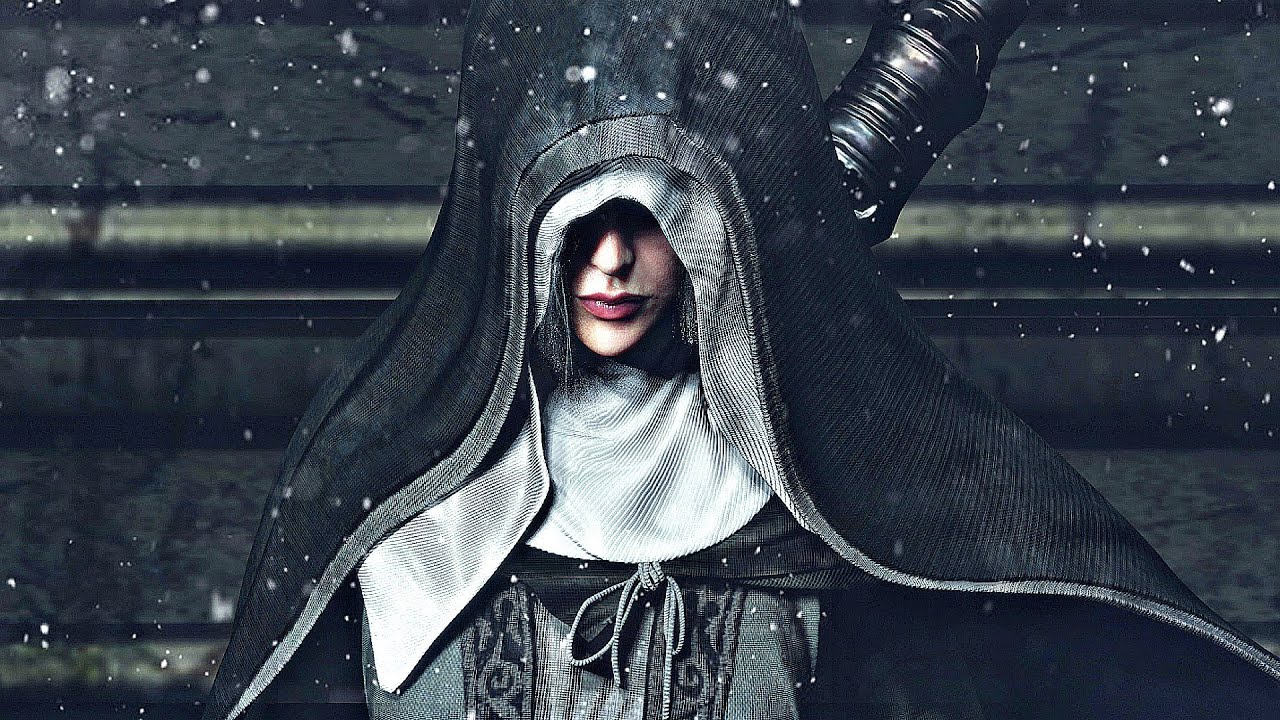
Sister Friede is a three-act boss fight that somehow never loses focus.
Phase one is stealthy scythe footwork and spacing traps. Phase two adds Father Ariandel and turns the fight into controlled chaos. Phase three brings Blackflame Friede, where speed, damage, and aggression spike into absolute endgame panic.
This encounter succeeds because each phase builds on the last instead of feeling tacked on. You are constantly adapting, never coasting, and always one greedy swing away from regret.
It is exhausting, stylish, and one of the best examples of multi-phase escalation FromSoftware has produced.
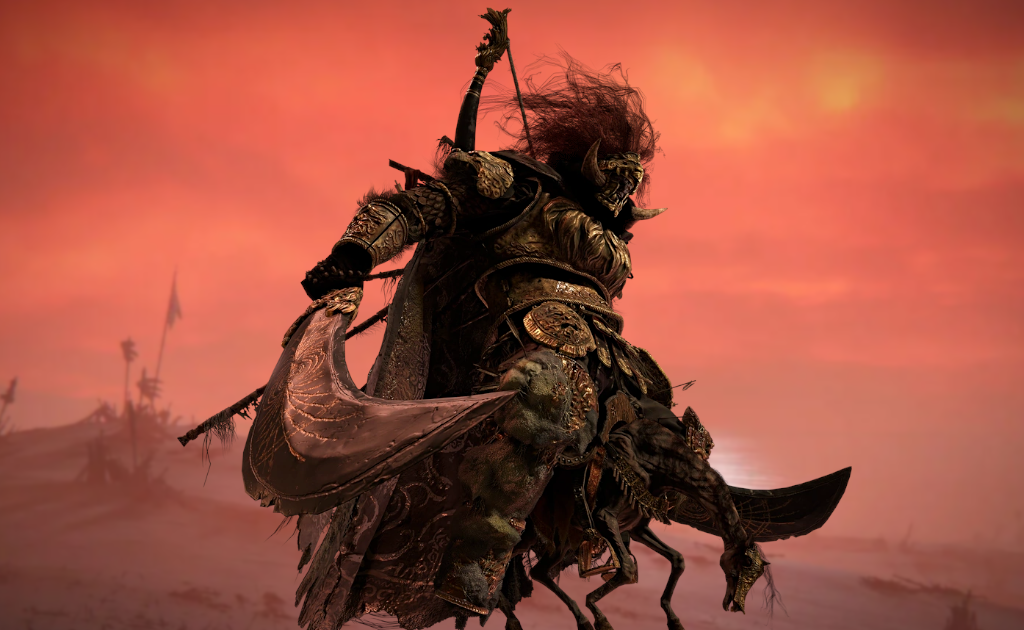
Radahn is spectacle done right.
You charge across a war-torn desert while summoning allies, dodging gravitational artillery, and trying not to become instant sand decoration. It feels like a myth in motion, not just a boss room with bigger numbers.
Mechanically, Radahn blends horseback pressure, close-range punish windows, and large-scale movement in a way few fights even attempt. Narratively, he is a broken war hero still holding the stars in place through sheer will and bad life choices.
This is one of Elden Ring’s defining encounters because it proves open-world boss design can still deliver handcrafted drama and mechanical tension.
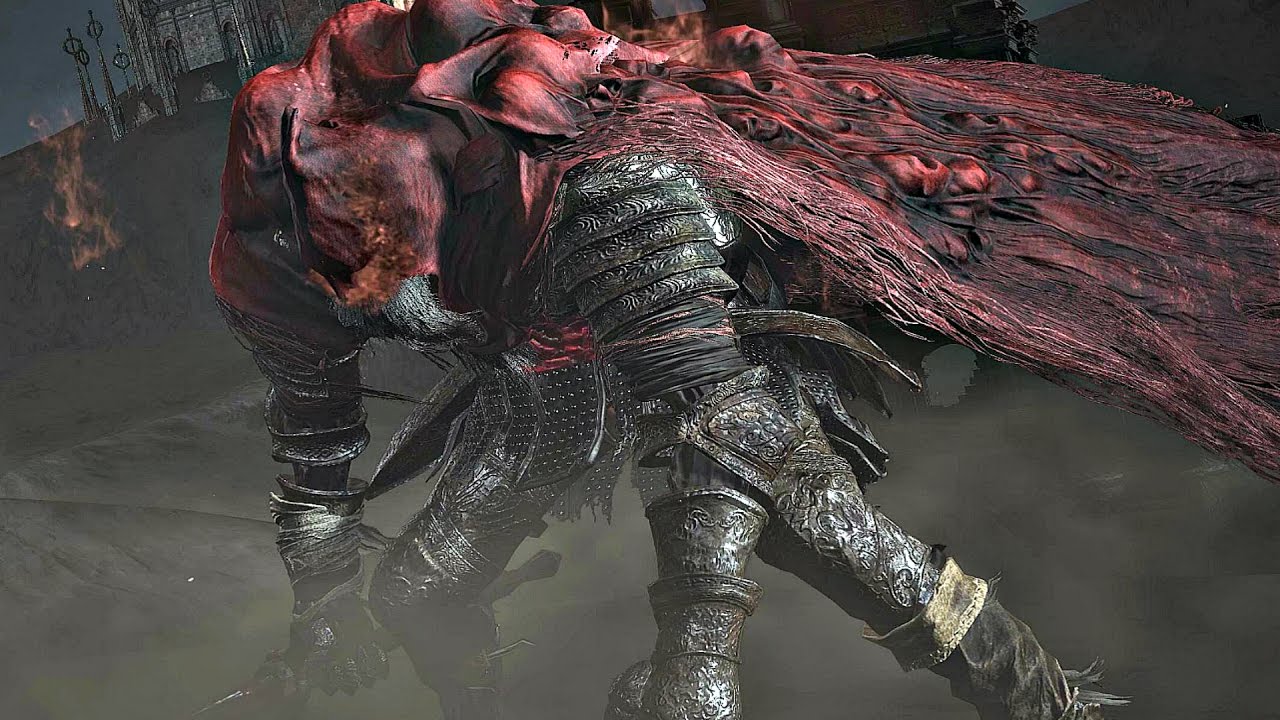
Gael feels like the true final page of the Dark Souls saga.
The setting is apocalyptic, the music is desperate, and the fight evolves from grounded sword duel into lightning-charged chaos without losing readability. Every phase feels like the world itself is running out of time.
What makes Gael special is clarity under pressure. The effects are huge, the aggression is intense, but the fight remains fair if you stay disciplined. You always know why you died, and you always know improvement is possible.
As a mechanical duel and thematic finale, it is almost impossible to overstate how well this encounter lands.
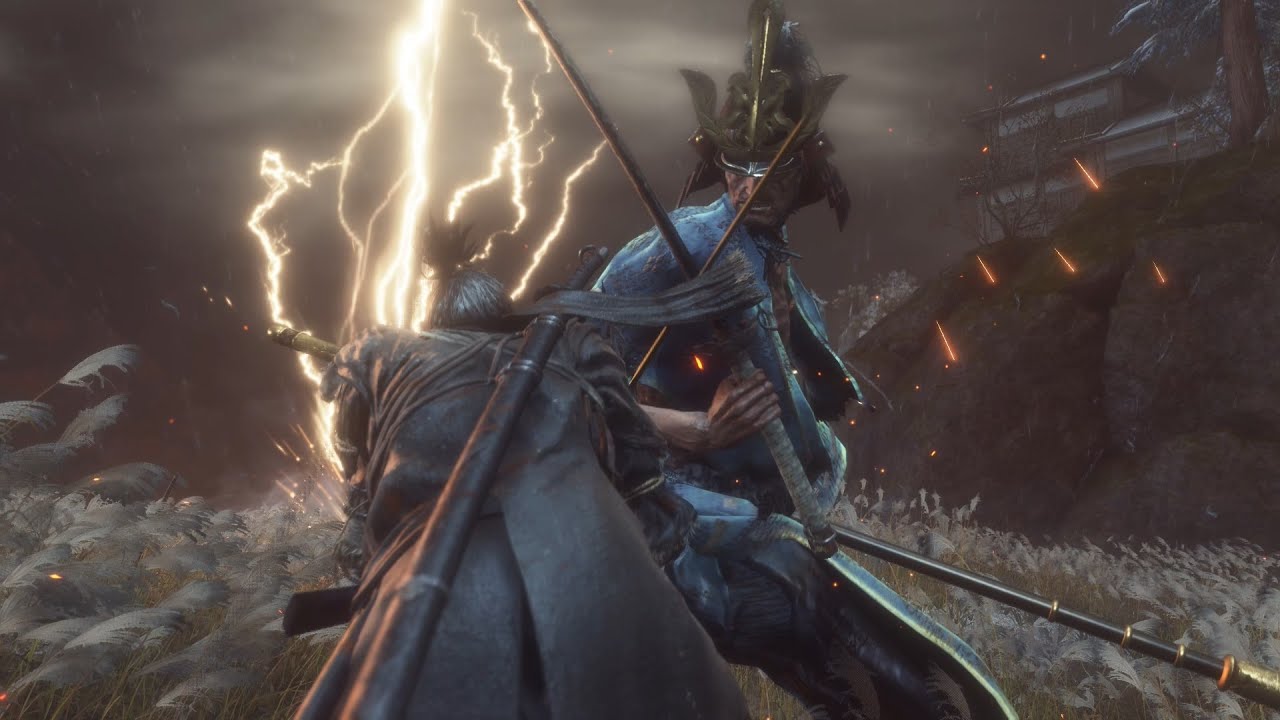
Isshin is one of the greatest final bosses ever made, full stop.
He tests everything Sekiro taught you: deflect timing, posture pressure, spacing, Mikiri counters, and mental stability after your tenth almost-perfect attempt. There is no cheese that saves you from learning the system properly.
Each phase introduces new threats while preserving the duel’s core identity. By the final stretch, you are not improvising anymore. You are performing.
Winning feels less like “I did enough damage” and more like “I finally understood the game.” That is rare. That is master-level design.
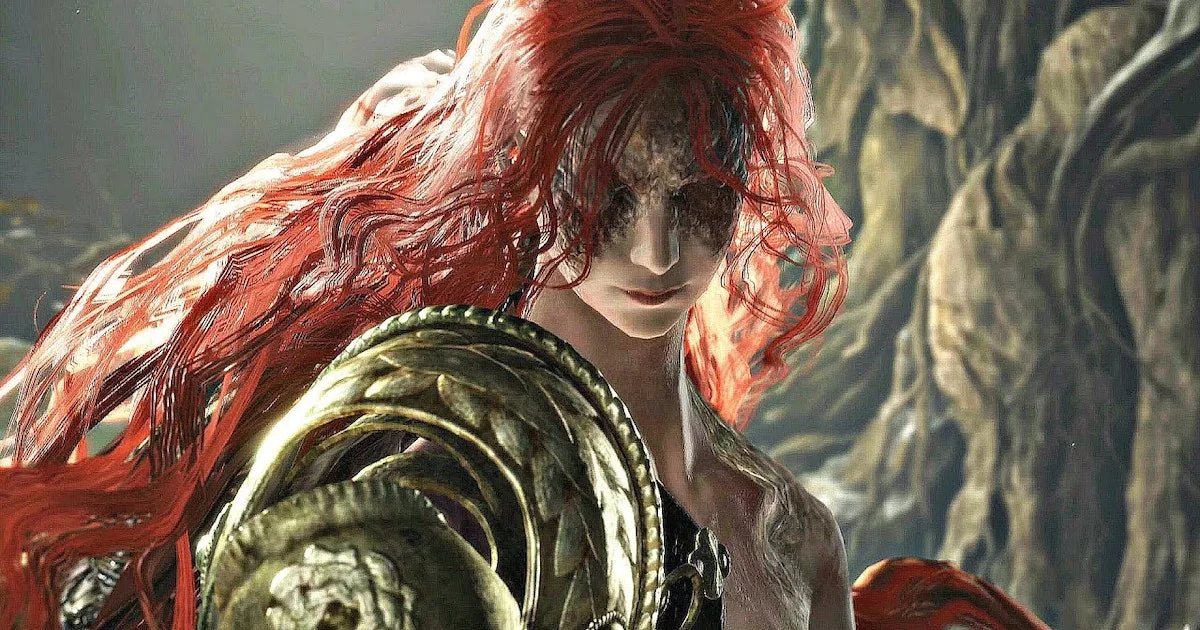
Malenia is the modern Soulsborne benchmark: controversial, terrifying, and unforgettable.
Her life-steal mechanic punishes sloppy defense. Her speed punishes hesitation. Waterfowl Dance punishes optimism. And yet, for players willing to learn her rhythm, this fight becomes one of the most satisfying duels in the genre.
Phase two adds scarlet rot pressure and wider aerial threat without turning the encounter into unreadable chaos. It is still a dance, just faster and meaner.
What makes Malenia number one is impact. She is mechanically demanding, visually iconic, endlessly discussed, and a genuine skill milestone for millions of players. Love her or fear her, she is now part of Soulsborne history.
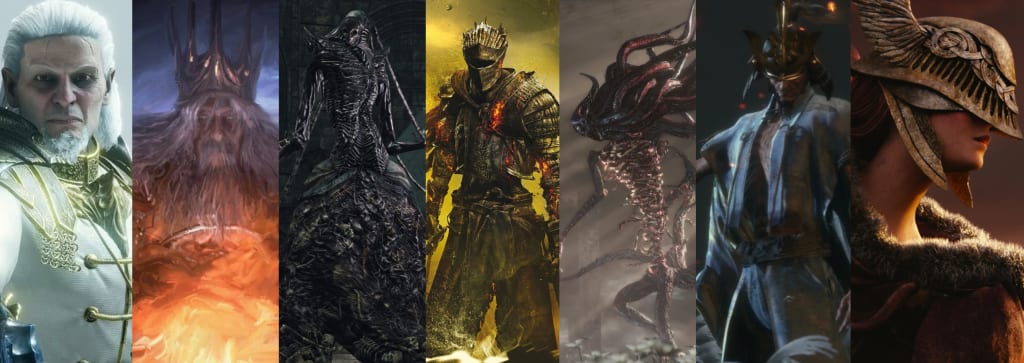
The best Soulsborne bosses do more than hit hard. They tell stories through mechanics.
A tragic hunter fights like grief.
A fallen king fights like denial.
A master swordsman fights like discipline.
A demigod fights like pure unresolved trauma.
That is why these encounters last in memory long after credits roll. They are hard, yes, but never empty.
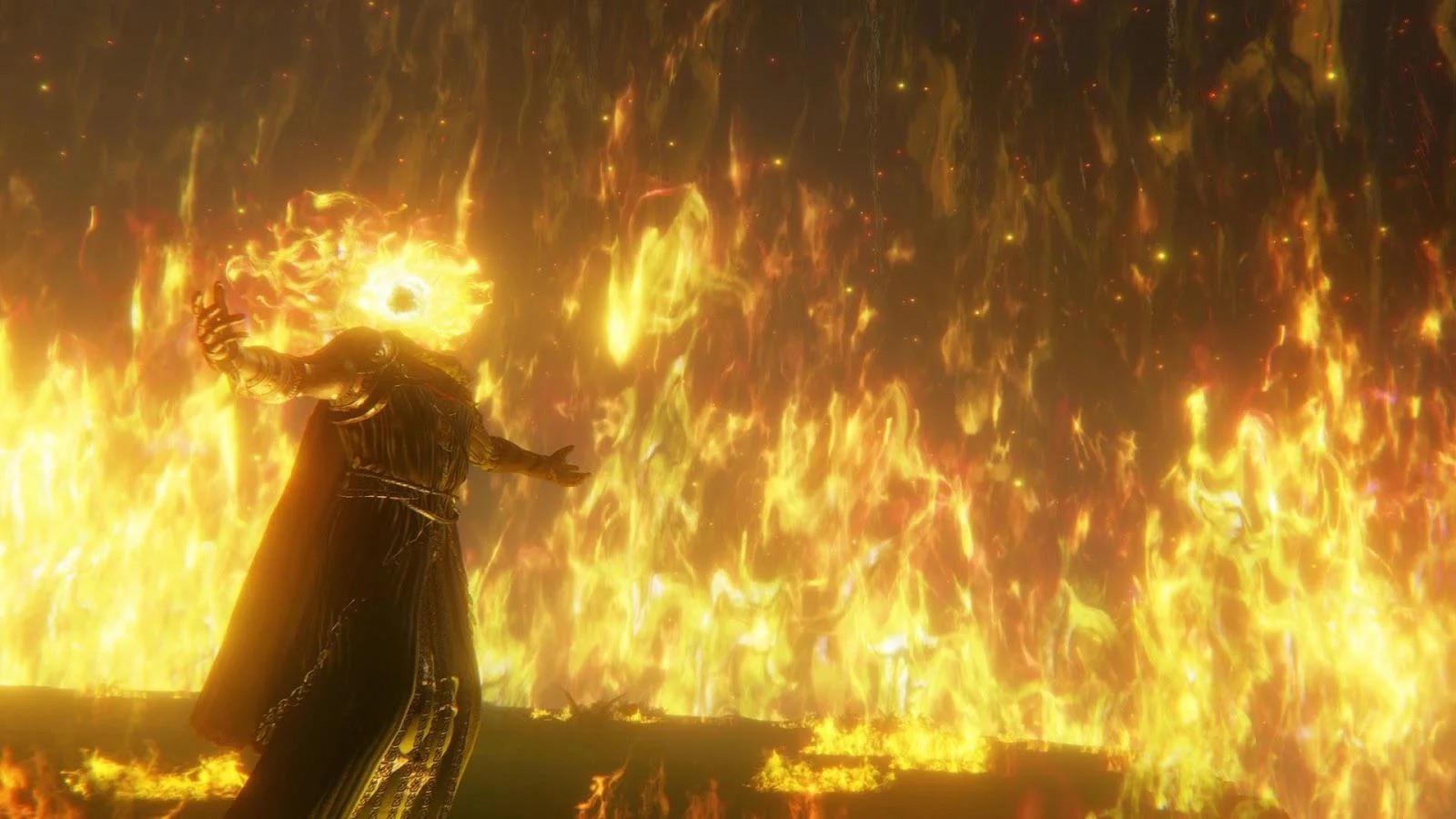
Soulsborne’s greatest bosses are not just difficulty spikes. They are design statements.
They force you to slow down, learn patterns, accept failure, and come back sharper. They punish ego and reward adaptation, which is also suspiciously good life advice for a genre about cursed worlds and catastrophic leadership.
If your hands are shaking after a win, your heart rate is unreasonable, and you immediately want to fight the boss again, congratulations.
That is a top-tier Soulsborne boss.
 AllNews
 AllGuide
 AllNews
 AllNews