
 AllMar 06, 2026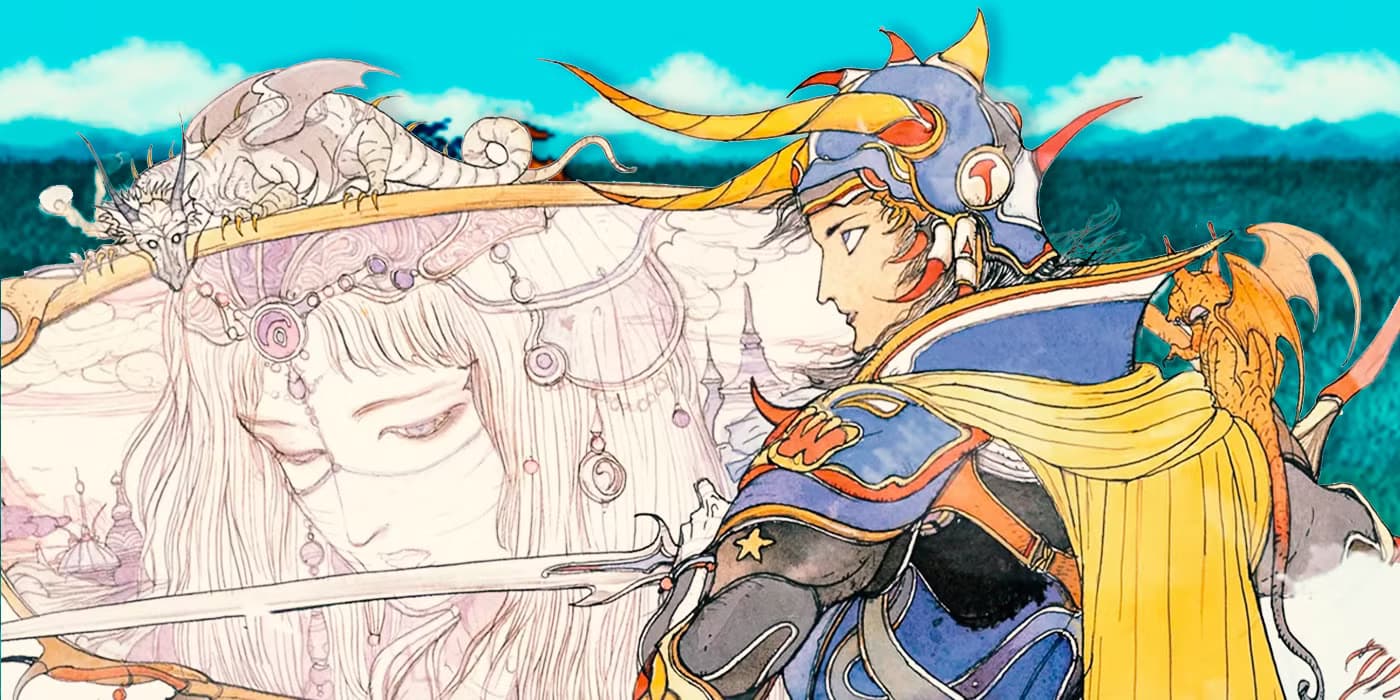
Final Fantasy Games Ranked from classic turn-based legends to modern action RPG blockbusters. Here are the 10 best mainline FF games to play in 2026.
Ranking Final Fantasy is basically asking for chaos.
Every fan has a different top three, someone is always ready to defend their personal "underrated masterpiece," and at least one person will show up to explain why your list is "objectively wrong" in 47 paragraphs.
Still, we are doing it.
This ranking focuses on mainline Final Fantasy games, balancing story, combat, world design, legacy, replay value, and how well each game holds up today.
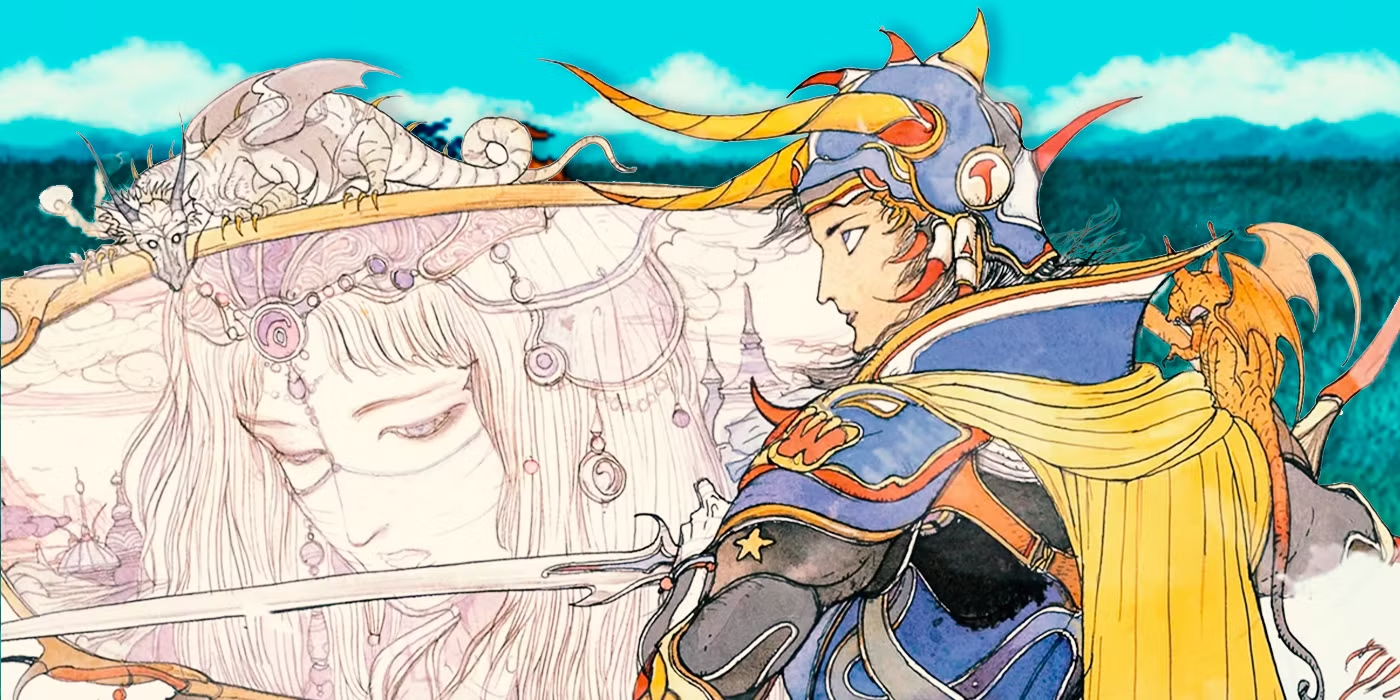
The original Final Fantasy is simple by modern standards, but its impact is impossible to ignore.
It laid down the core RPG loop the franchise would evolve for decades: party building, job identity, elemental crystals, world travel, and increasingly dramatic stakes. The narrative is straightforward, but the structure was bold for its era and still historically fascinating.
The Pixel Remaster versions make it easier to revisit without fighting old hardware limitations.
Is it the most complex entry? No.
Is it essential if you care about JRPG history? Absolutely.
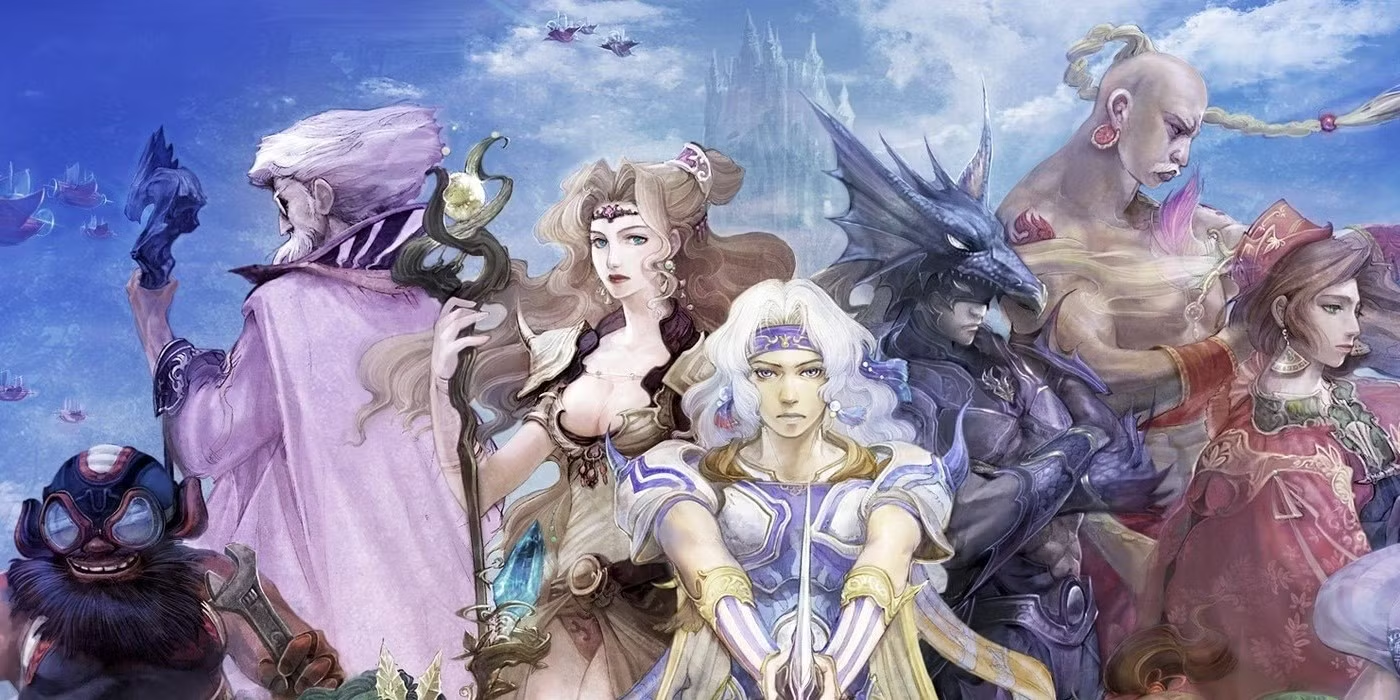
Final Fantasy IV was a huge leap in character-driven storytelling for the series.
Cecil's arc from dark knight to paladin still works, and the game does a strong job of tying personal conflict to larger world stakes. The Active Time Battle system also became a defining mechanic for multiple future entries.
Some story beats are old-school dramatic in a very "everyone gasps at once" way, but that is part of the charm.
IV is where Final Fantasy started feeling like emotional fantasy drama, not just dungeon progression.
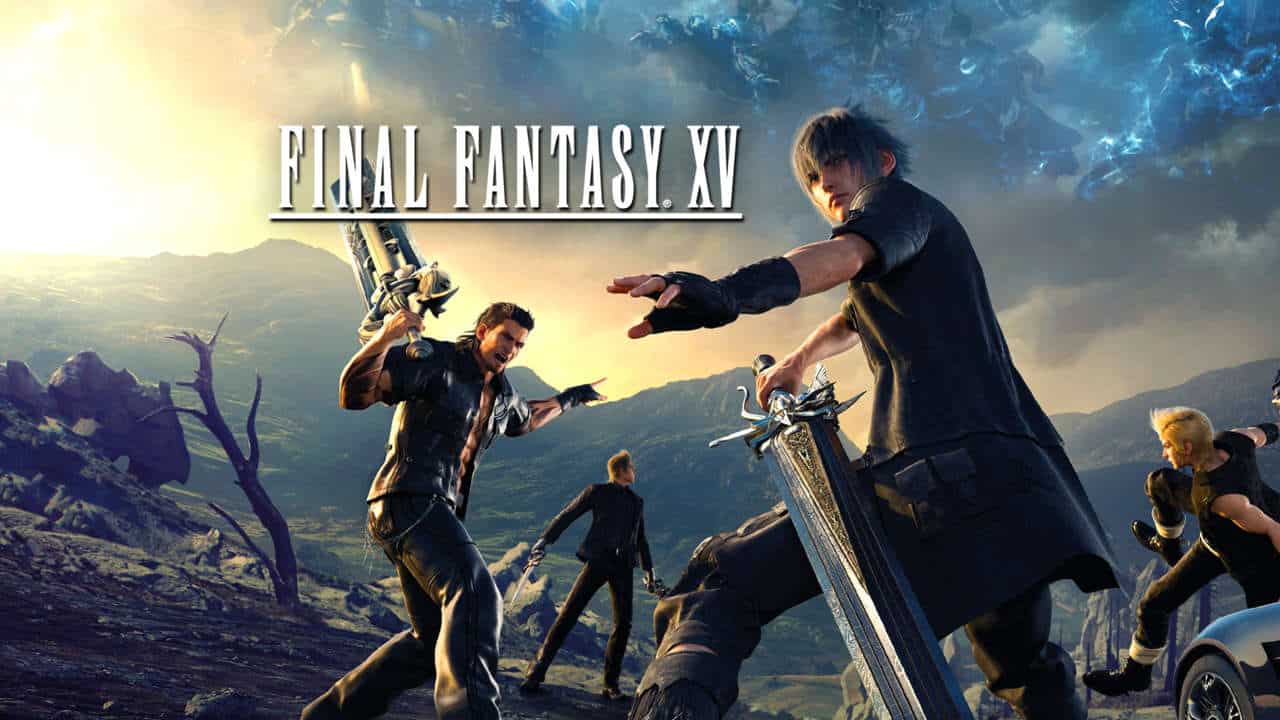
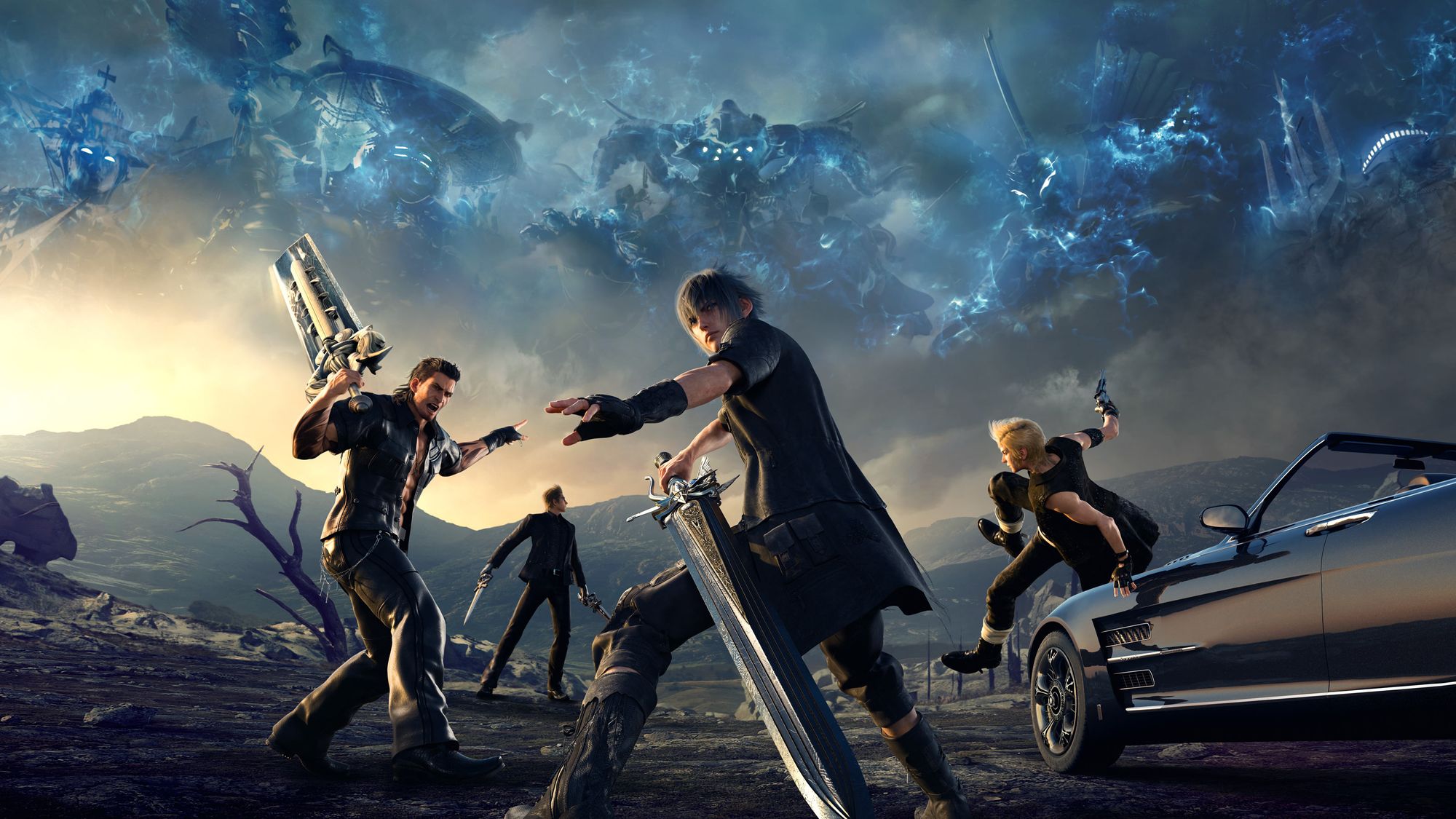
XV is uneven, but when it works, it works hard.
The core strength is party chemistry. Noctis, Ignis, Gladiolus, and Prompto feel like real friends, and that bond carries the emotional weight of the whole game. The road-trip structure gives it a unique atmosphere in the franchise, blending calm exploration with looming disaster.
Yes, narrative pacing is messy in places. Yes, parts feel like cut connective tissue.
But the emotional payoff still lands for many players.
XV is flawed, memorable, and much better than its reputation in some circles.
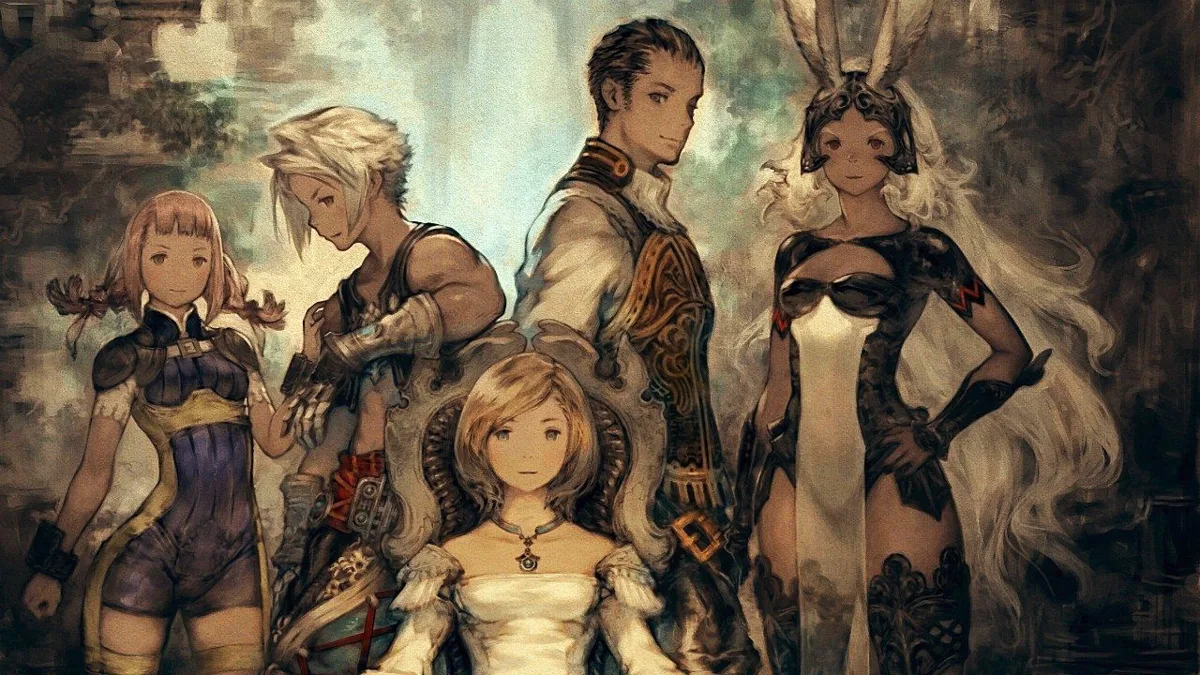
XII is the strategist's Final Fantasy.
Ivalice is one of the best-realized settings in the series, with political conflict that feels grounded and layered. The combat system, especially in The Zodiac Age, rewards planning, gambit logic, and party setup mastery instead of button panic.
It is less romance-driven and less "single chosen hero" focused than other entries, which some people love and others bounce off.
If you want Final Fantasy with deep systems and a strong geopolitical storyline, XII is elite.
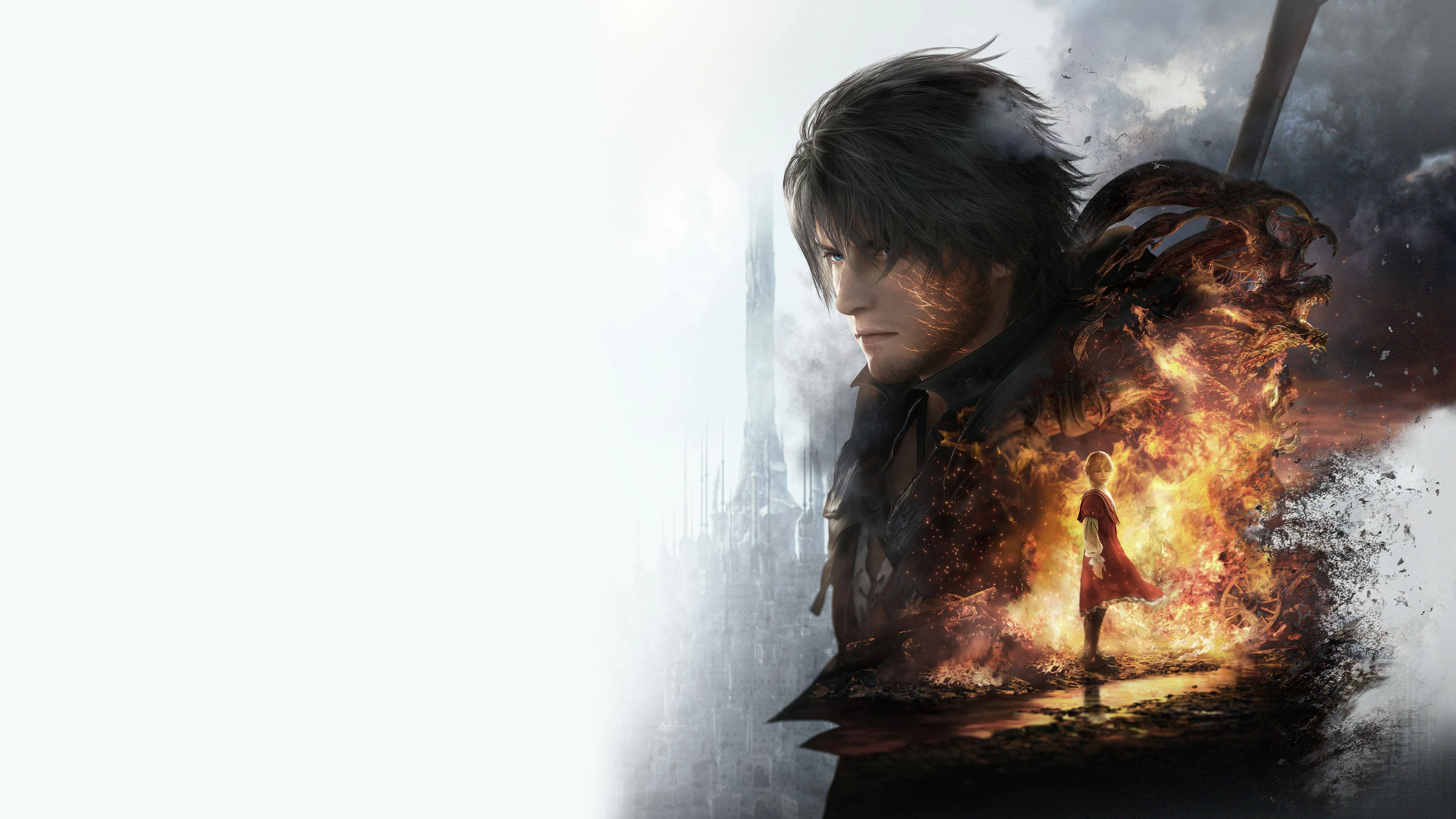
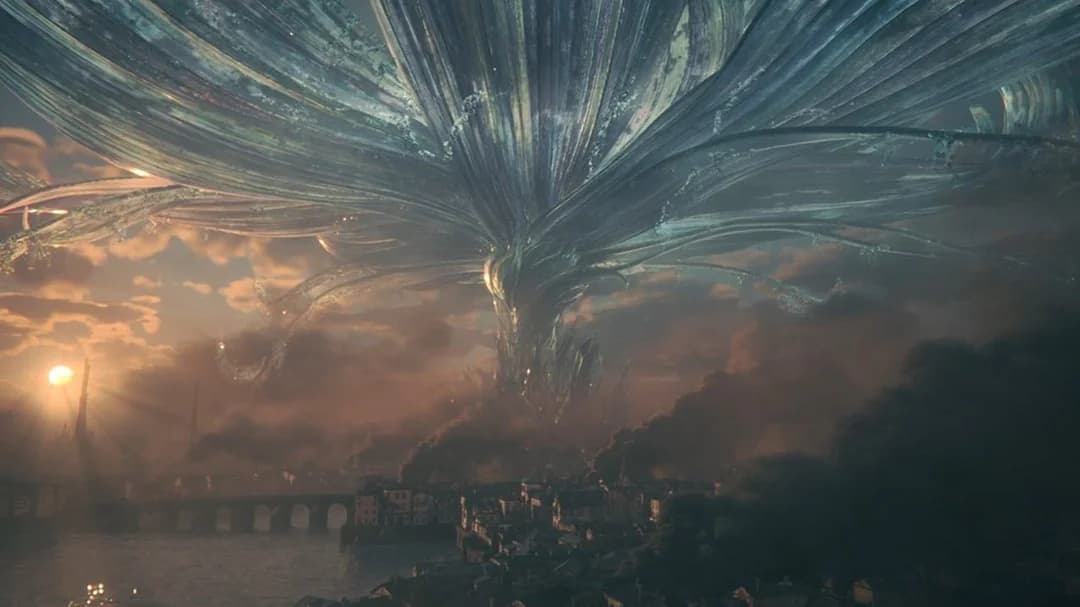
XVI is a bold tonal shift: darker, heavier, and action-first.
Clive Rosfield is one of the strongest modern protagonists, and the game's Eikon battles are some of the most spectacular boss sequences the franchise has ever delivered. Story themes around power, oppression, and free will are ambitious and mostly well-executed.
Traditional party-management fans may miss older systems, and RPG build depth is lighter than some expected.
Even so, XVI succeeds at what it sets out to do: deliver cinematic, emotionally intense Final Fantasy at blockbuster scale.
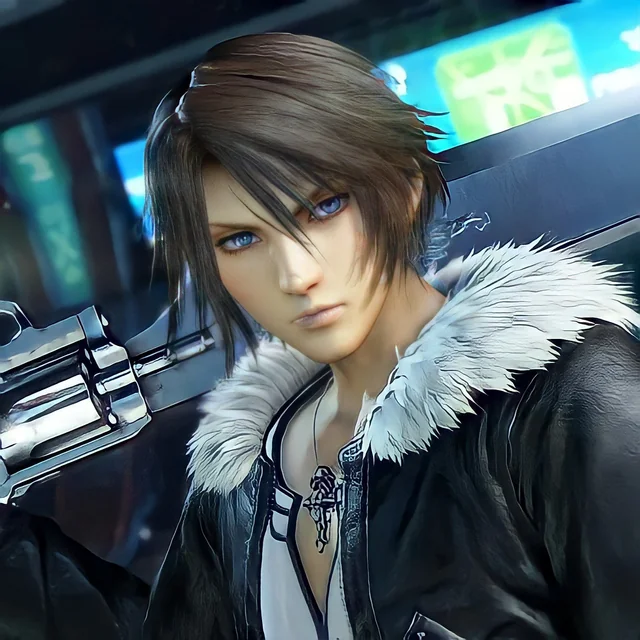
VIII is the stylish wildcard entry that never stops being interesting.
The Junction system is divisive, but it creates a uniquely breakable, experimental combat design that advanced players still enjoy theory-crafting. Squall and Rinoa's relationship carries the emotional center, while the worldbuilding adds strong military-academy-meets-fantasy intrigue.
Plot escalation gets gloriously wild, which is either a feature or a bug depending on your tolerance for late-game cosmic drama.
VIII is not the cleanest Final Fantasy.
It is one of the most memorable.
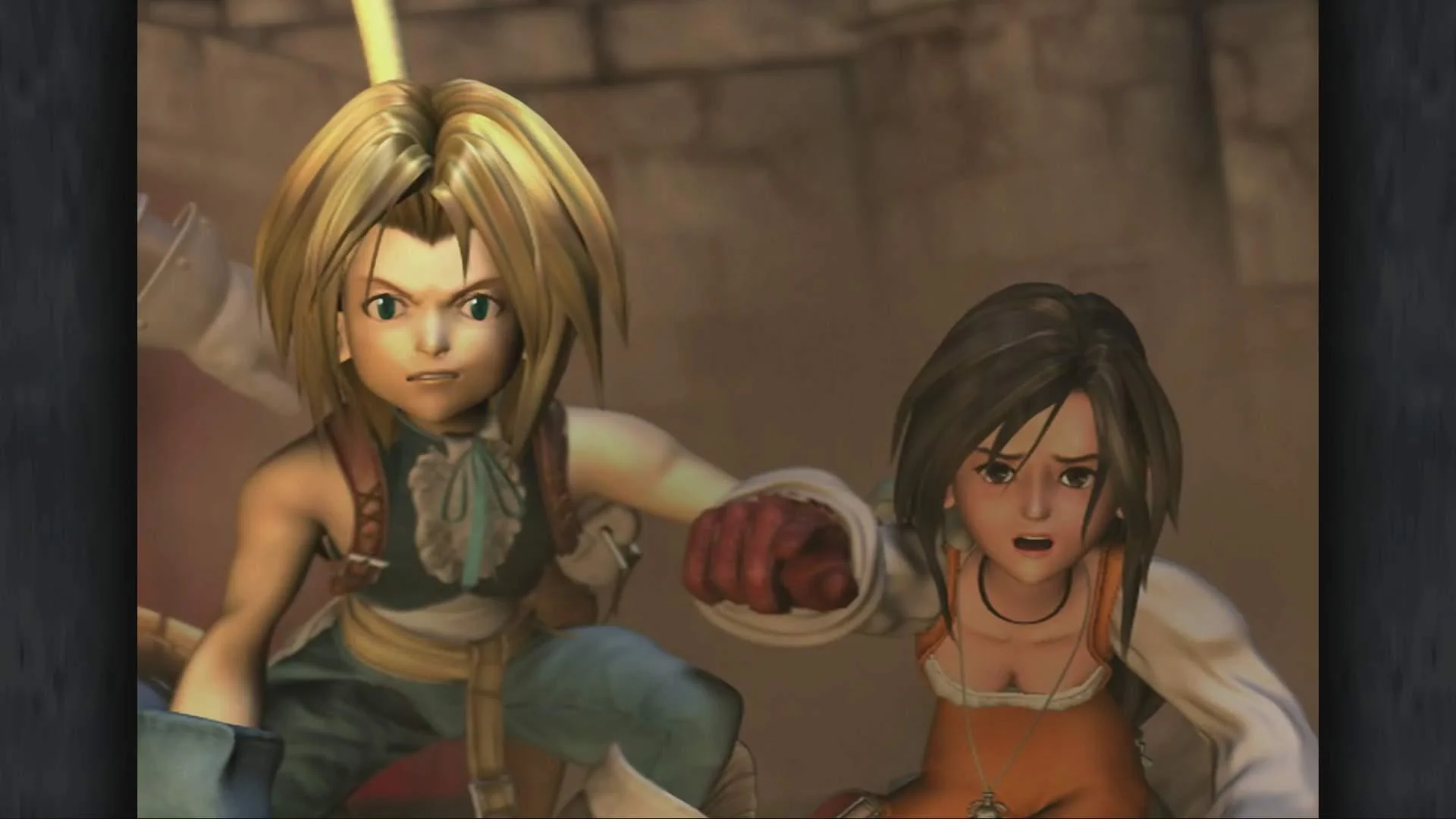
IX is the love letter entry, and it nails it.
It embraces classic medieval fantasy aesthetics while delivering some of the series' best character writing, especially with Vivi and Zidane. The tone balances humor, warmth, and heavy existential themes better than almost any other game in the franchise.
Combat is traditional and readable, the world is charming, and the emotional ending still lands years later.
If you want "pure Final Fantasy energy" in one package, IX is a top-tier recommendation.
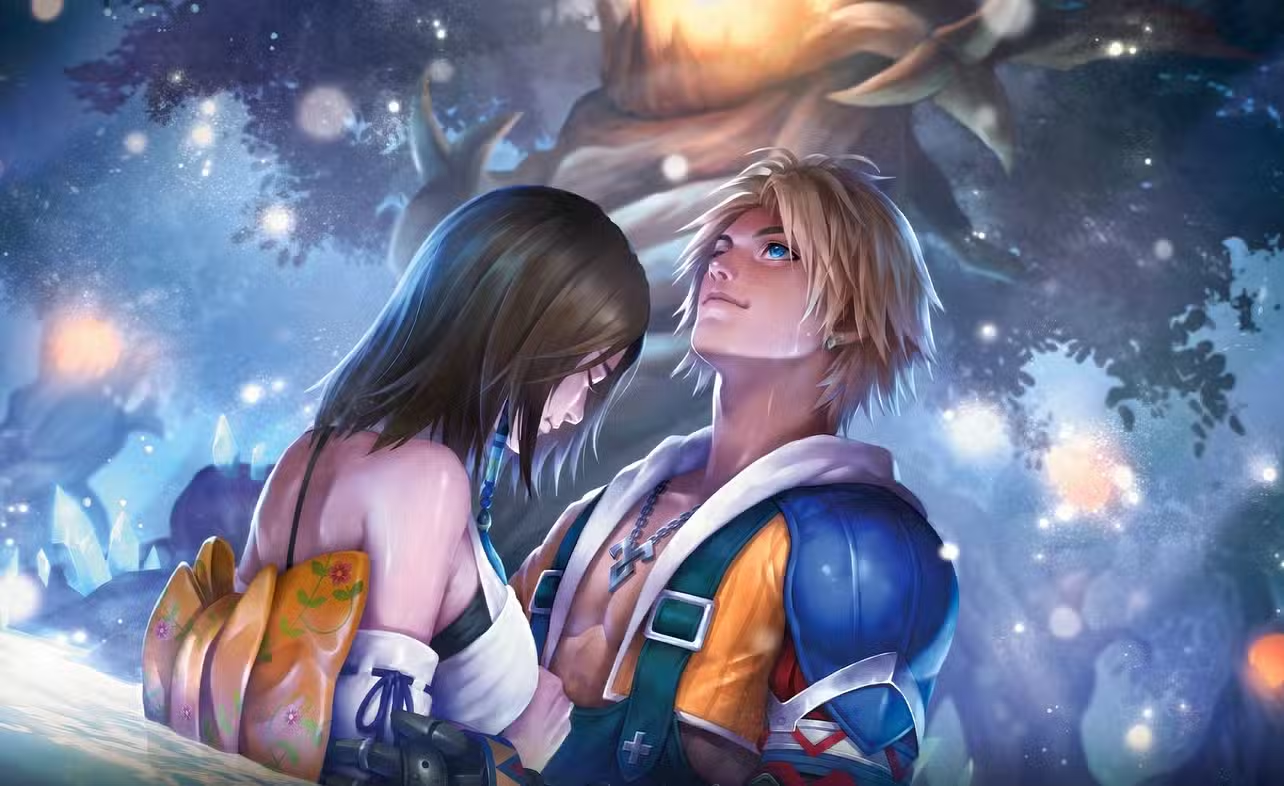
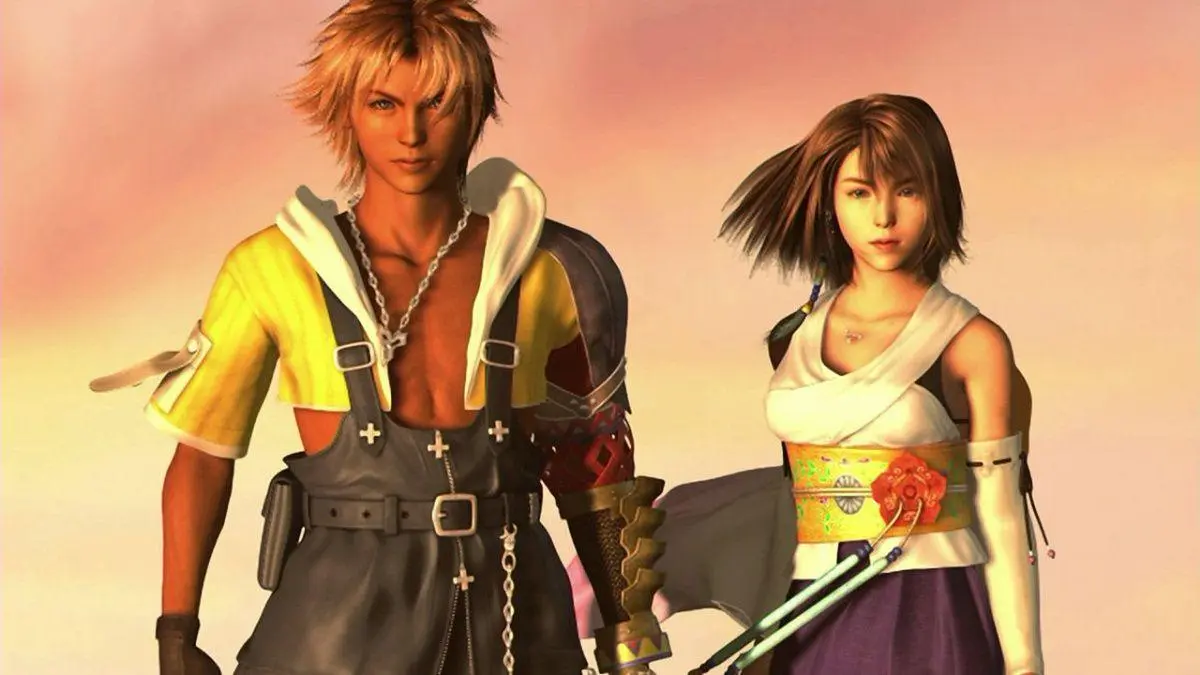
X is one of the most complete Final Fantasy games ever made.
The combat system is clean, tactical, and still excellent. The Sphere Grid progression gives flexibility without overwhelming new players. Spira is a fantastic setting with coherent religious, social, and political tension baked into the story.
Tidus and Yuna's arc remains one of the franchise's emotional high points, and the ending is iconic for good reason.
If someone asks for the safest "start here" Final Fantasy pick, X is still near the top of the list.
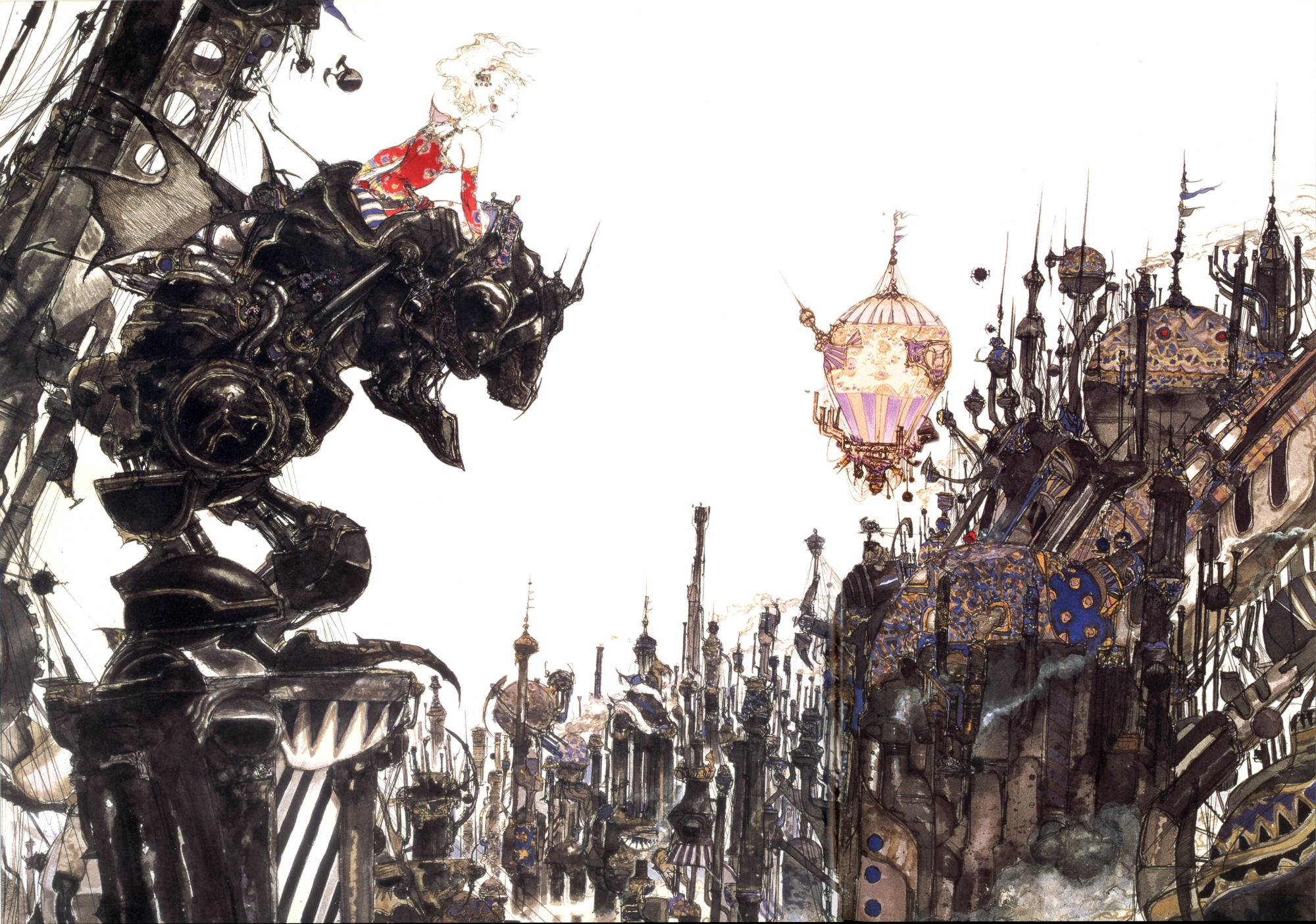
VI is legendary, and yes, it deserves the reputation.
It has a phenomenal ensemble cast, a villain who actually changes the world state, and a tone that moves from hopeful adventure to post-catastrophe survival without losing emotional clarity. The soundtrack is historic, and multiple character arcs still stand among the best in the genre.
For a 16-bit game, its narrative ambition is ridiculous in the best way.
VI is not just "good for its time."
It is still one of the best RPGs ever made, period.
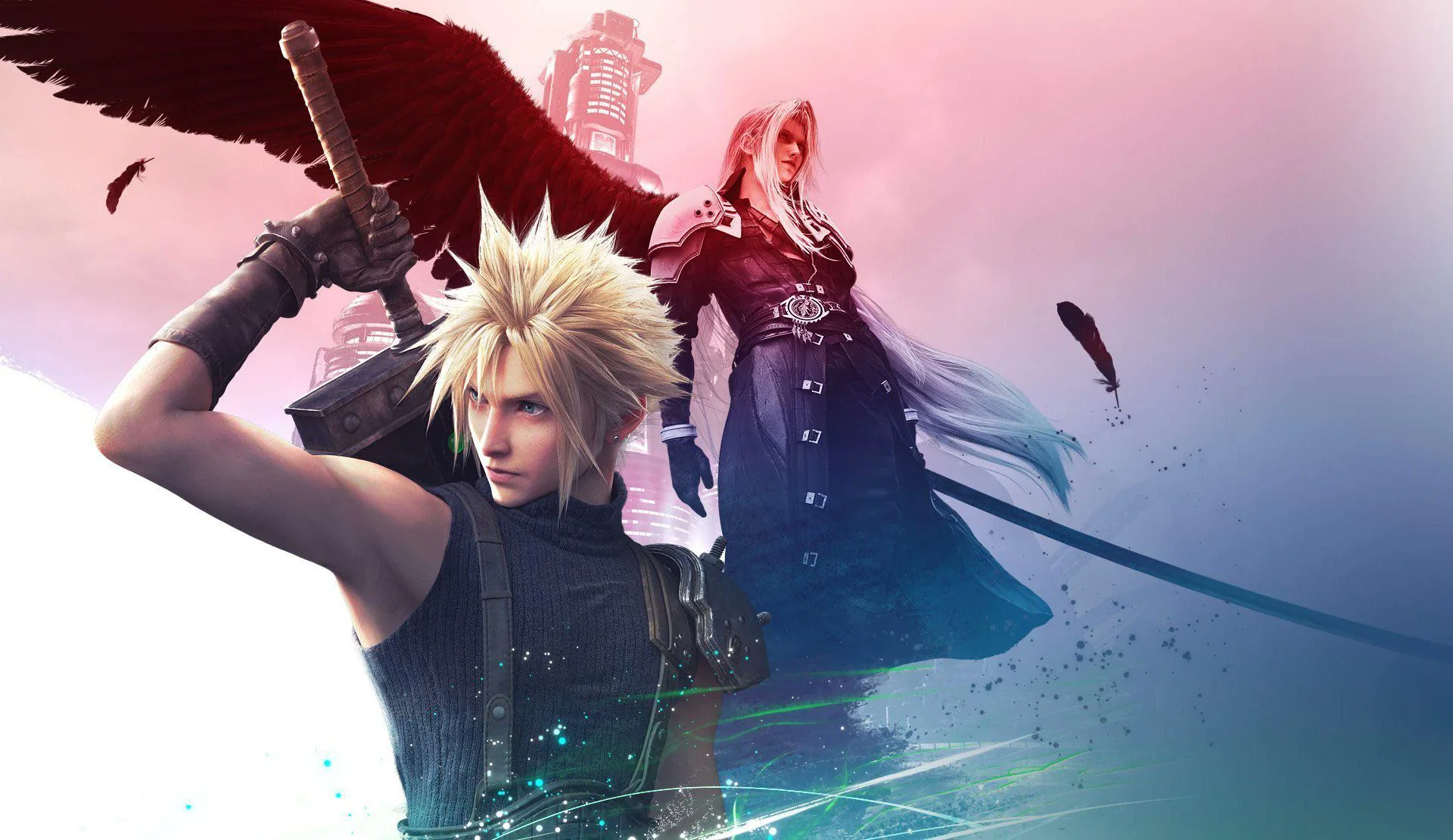
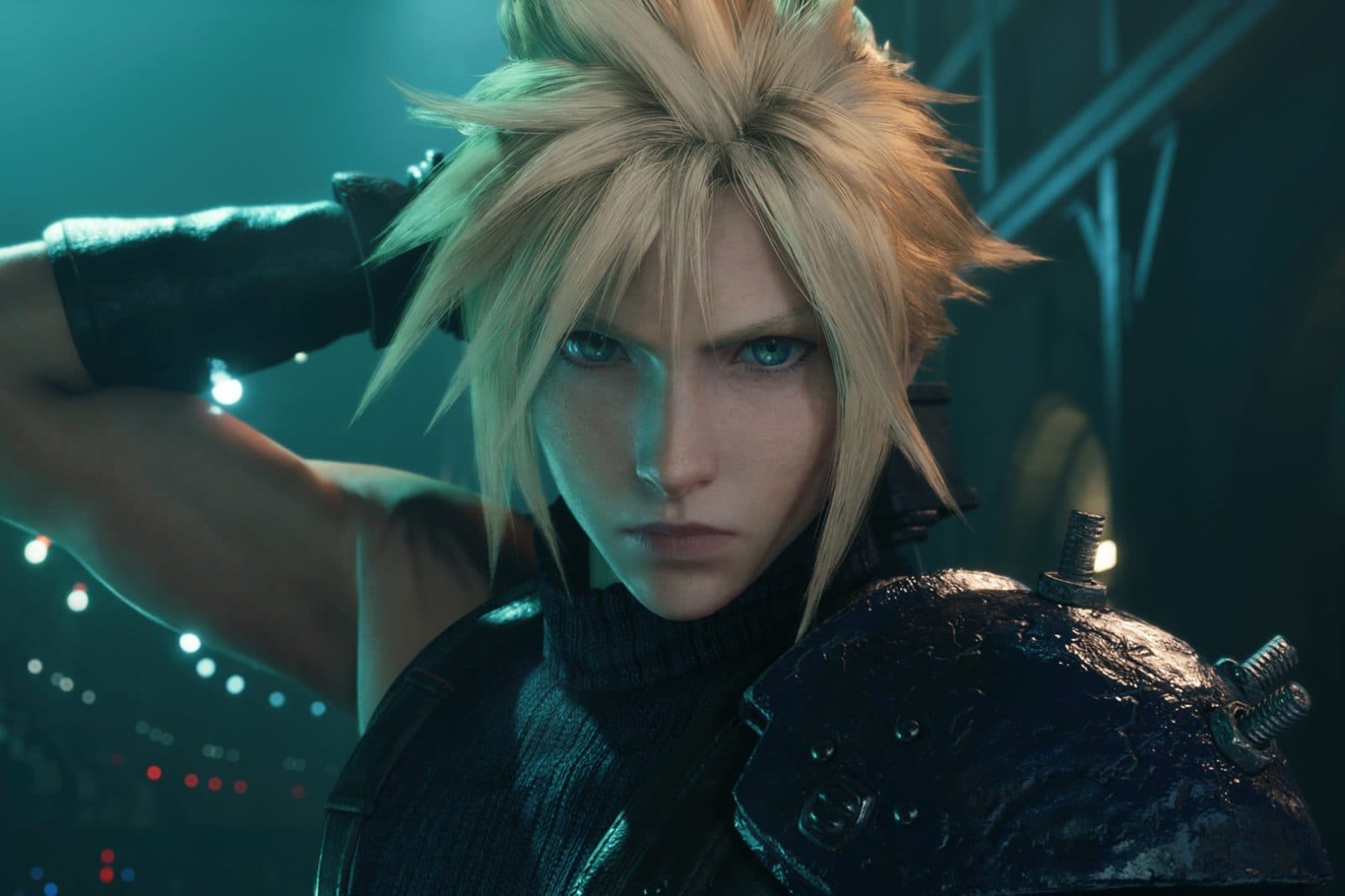
VII remains the franchise benchmark for overall impact and execution.
Cloud, Sephiroth, Midgar, Materia, the soundtrack, the character arcs, the set pieces, the emotional swings, the sheer cultural footprint: it all still matters. This is the entry that pushed Final Fantasy into global mainstream conversation and stayed there.
Mechanically, some systems show their age compared to newer entries, but the core experience remains powerful and highly replayable.
Final Fantasy has many masterpieces.
VII is still the one most likely to define the conversation.
If you want the most iconic all-around entry, play Final Fantasy VII.
If you want peak classic ensemble storytelling, play Final Fantasy VI.
If you want modern accessibility with strong emotional payoff, play Final Fantasy X or Final Fantasy XVI.
And if you disagree with this ranking, that is normal. Final Fantasy discourse is basically a turn-based battle that never ends.
 AllNews
 AllGuide
 AllNews
 AllNews