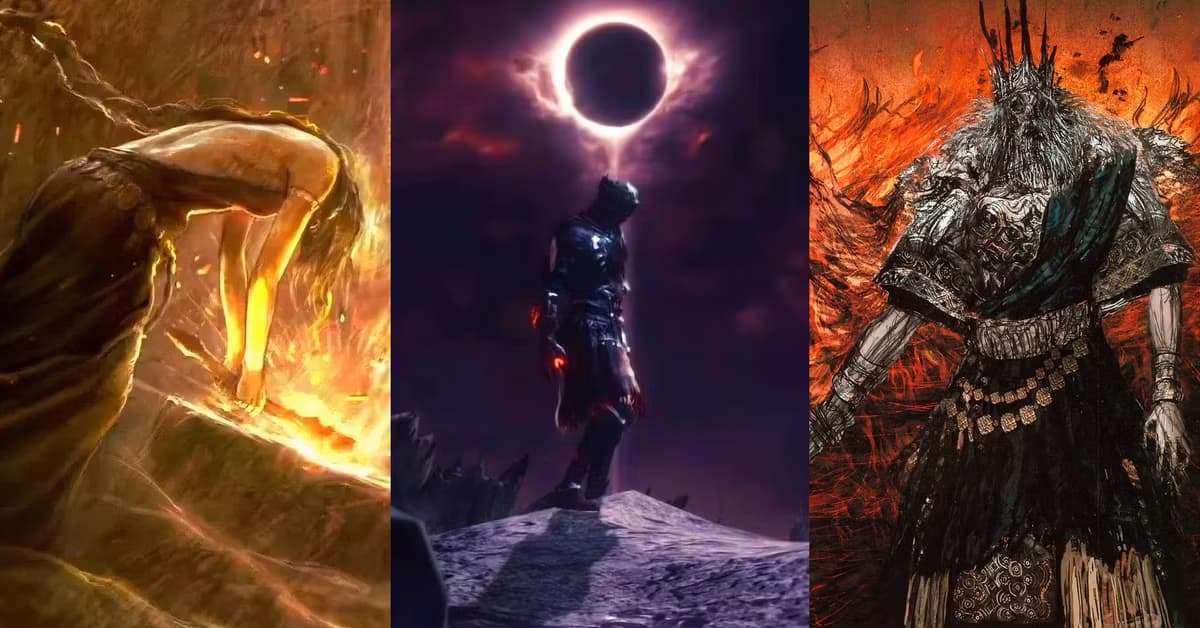
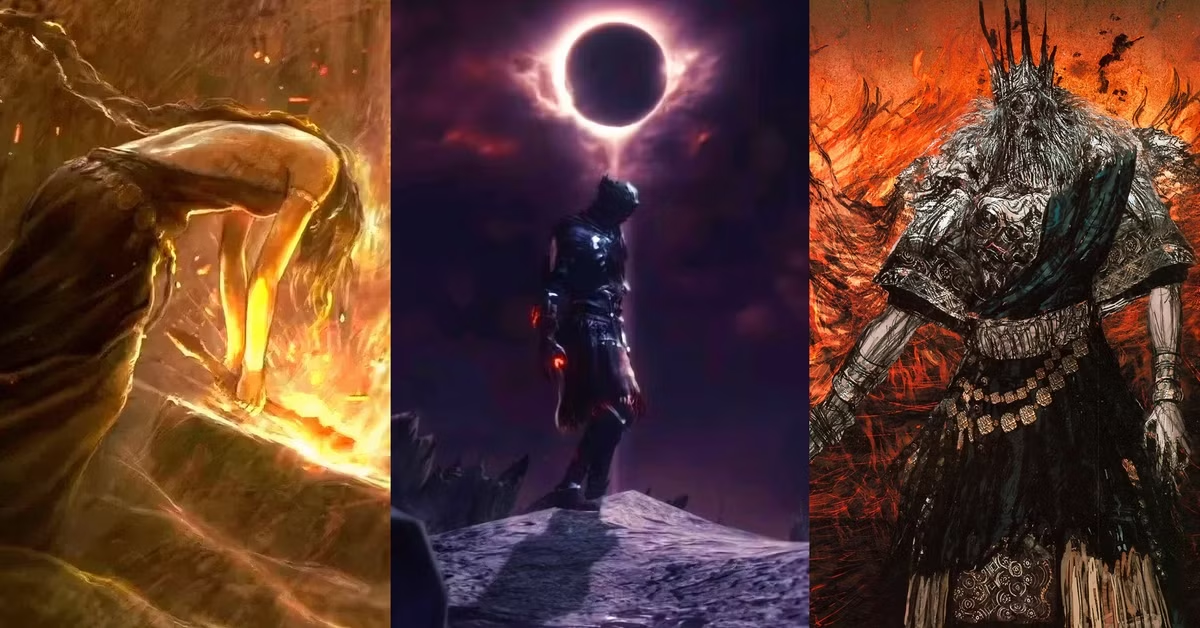
Soulsborne Timeline Guide: Release Order, Lore Order, And Canon Explained
Soulsborne Timeline Guide in plain English: release order, best play order, and lore timelines for Demon’s Souls, Dark Souls, Bloodborne, Sekiro, and Elden Ring.
Soulsborne Timeline Guide: Release Order, Lore Order, And Canon Explained
From Boletaria to the Lands Between, every era comes with consequences.
Soulsborne timelines are confusing for one simple reason: there is a game release timeline, a lore timeline inside each game, and then a giant fan debate about whether everything is secretly connected.
This guide gives you the clean version:
What released when
What order makes sense to play
How each world’s story timeline works
No spreadsheet required. Mild emotional damage still guaranteed.
First: Are All Soulsborne Games In One Canon Timeline?
Shared DNA across games, but not one strict universe timeline.
Short answer: no, not as one strict shared universe.
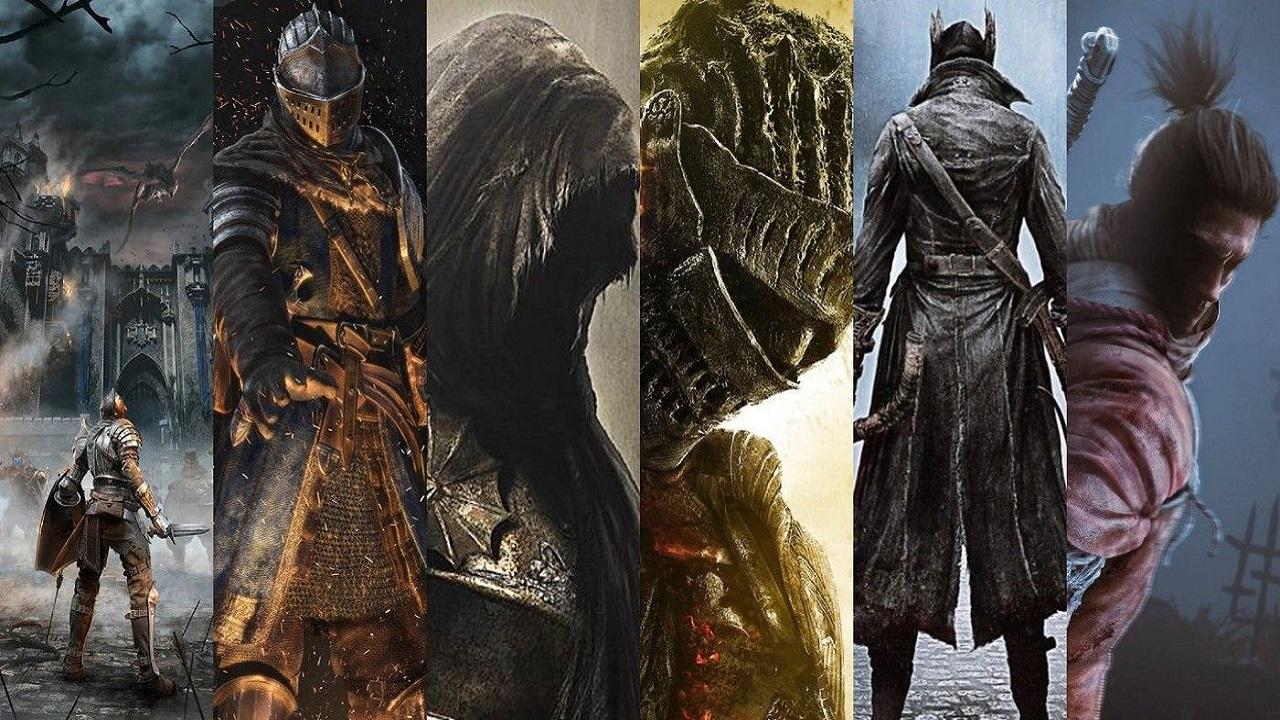
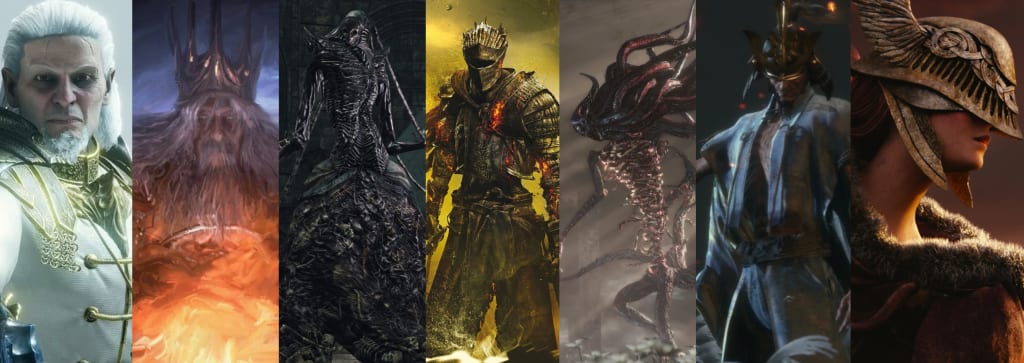
Demon’s Souls, Dark Souls, Bloodborne, Sekiro, and Elden Ring are mostly separate settings with separate mythologies. What they share is design philosophy and themes:
Fading ages
Corrupted power
Cyclical suffering
Bosses with unresolved emotional history
Treat Soulsborne like a “myth family,” not one giant MCU timeline.
Release Timeline (Real-World Order)
If you want historical order, this is the clean list:
Demon’s Souls (2009)
Dark Souls (2011)
Dark Souls II (2014)
Bloodborne (2015)
Dark Souls III (2016)
Sekiro: Shadows Die Twice (2019)
Elden Ring (2022)
Remake note:
Demon’s Souls also got a full PS5 remake in 2020
If you care about how FromSoftware evolved combat and level design, this is the best order to study.
Best Play Order For New Players
Choose order by accessibility, not by suffering speedrun.
If you are new, practical play order:
Elden Ring
Dark Souls III
Dark Souls Remastered
Dark Souls II
Bloodborne
Sekiro
Demon’s Souls (Remake/Original)
Why this works:
Elden Ring is the most approachable on-ramp
Dark Souls III modernizes classic Souls pacing
DS1 and DS2 become easier to appreciate after that
Bloodborne and Sekiro are faster, more specialized combat schools
Demon’s Souls is historically important and easier to enjoy once you know the formula
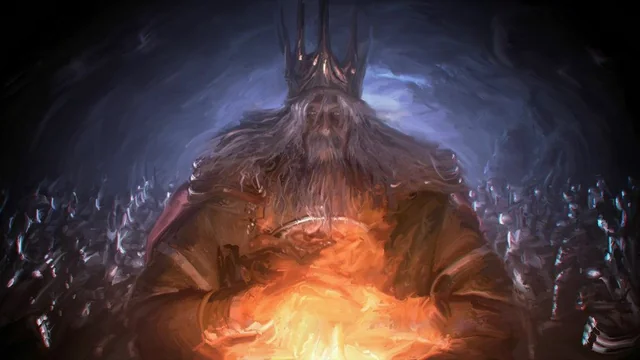
Dark Souls Lore Timeline (Internal Order)
The long decline from first flame to exhausted end of an era.
Inside Dark Souls, broad timeline:
Age of Ancients
Discovery of the First Flame
Gwyn and allies rise (Age of Fire)
Flame begins to fade
Dark Souls 1 events
Long cycle of kingdoms rising/falling
Dark Souls 2 era
Further decay and convergence
Dark Souls 3 era (plus Ringed City finale)
Key theme:
Every age tries to delay change
Every delay makes the next collapse worse
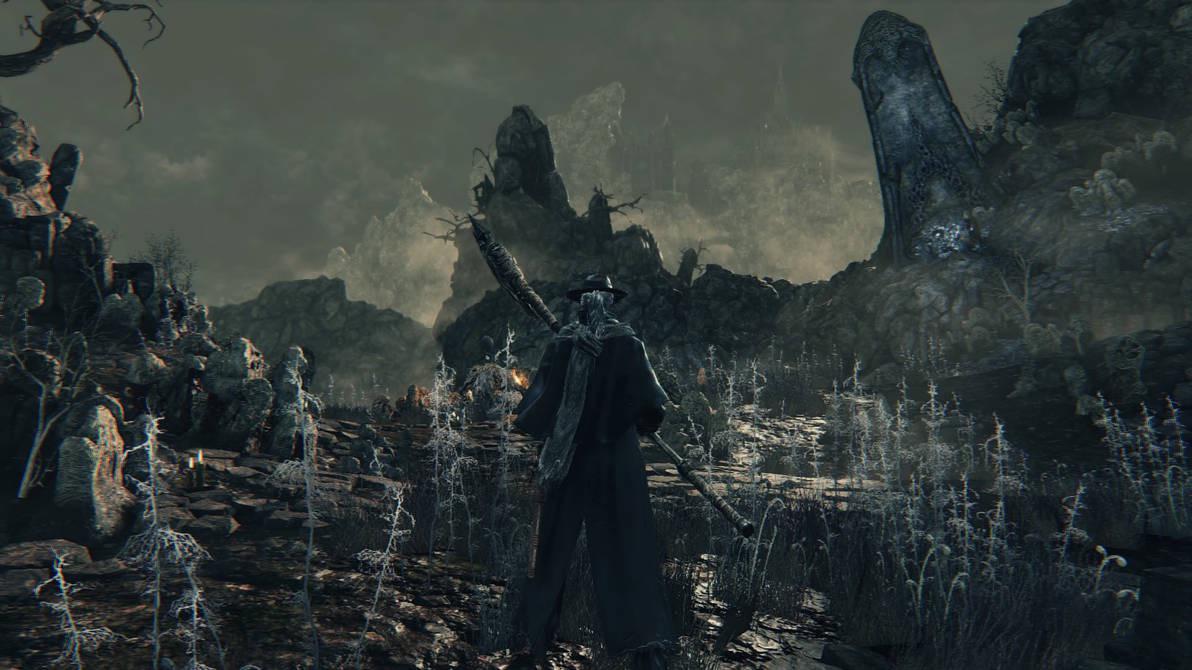
Bloodborne Timeline (One Night, Ancient Mistakes)
One hunt night built on centuries of bad research ethics.
Bloodborne’s playable story is mostly concentrated around a single Hunt night in Yharnam.
Real timeline starts earlier:
Old blood discovery
Healing Church rise
Byrgenwerth and Great Ones experiments
Spread of blood ministration
Beast plague escalation
Current Hunt night (your playthrough)
Gameplay feels immediate, lore is deep-time tragedy.
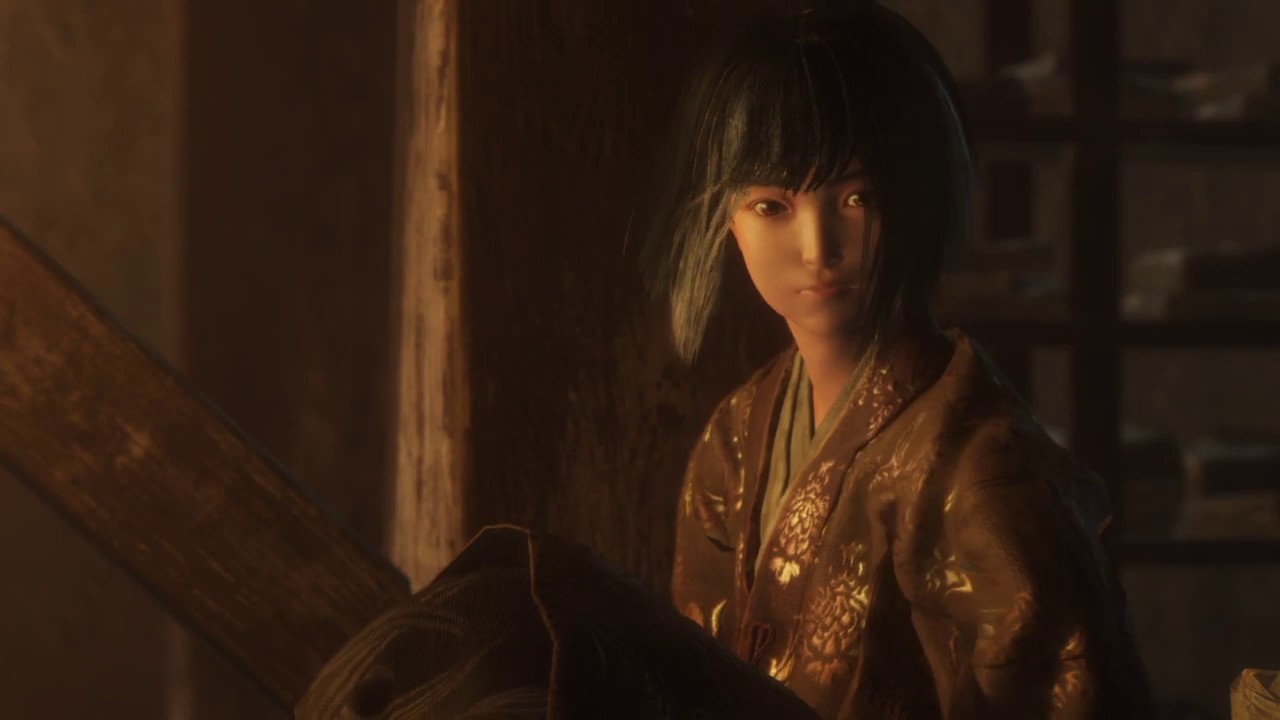
Sekiro Timeline (The Dragon Heritage Conflict)
A personal timeline about loyalty, immortality, and political collapse.
Sekiro has the most direct narrative timeline of the bunch.
Major structure:
Ashina rises through war
Dragon Heritage becomes power target
Genichiro’s desperation grows as Ashina declines
Wolf returns to protect Kuro
Main game conflict over immortality
Ending branch resolves fate of Dragon Heritage
Compared to Dark Souls:
Less cosmic cycle
More focused political/family tragedy
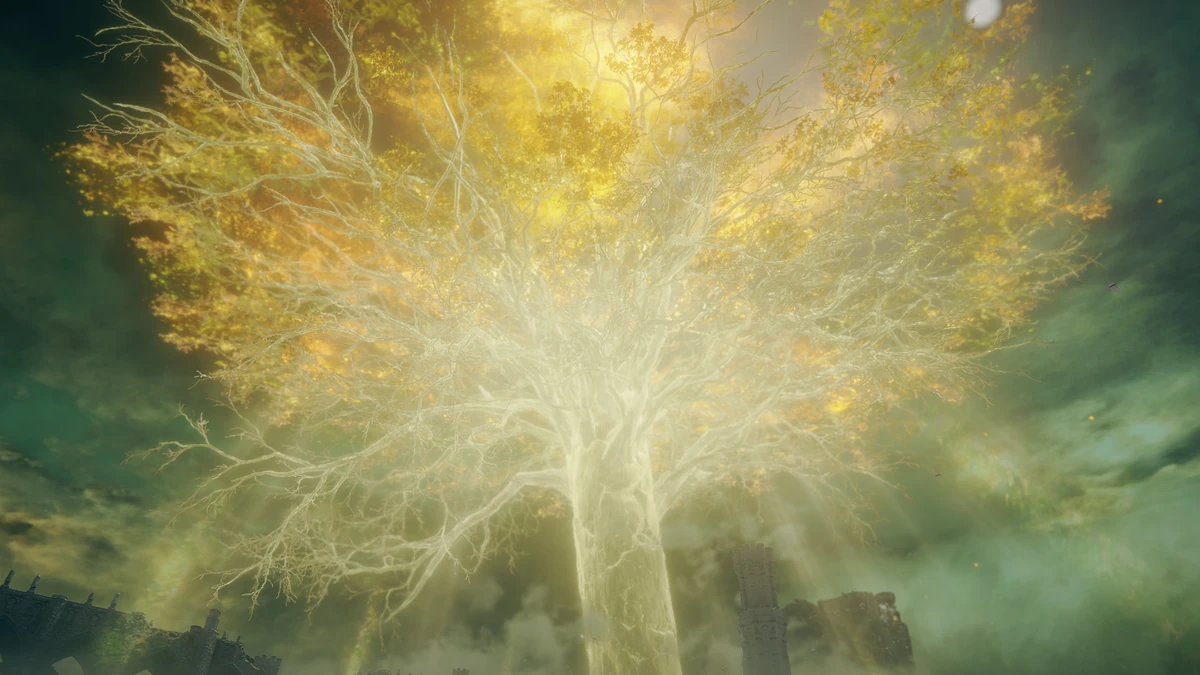
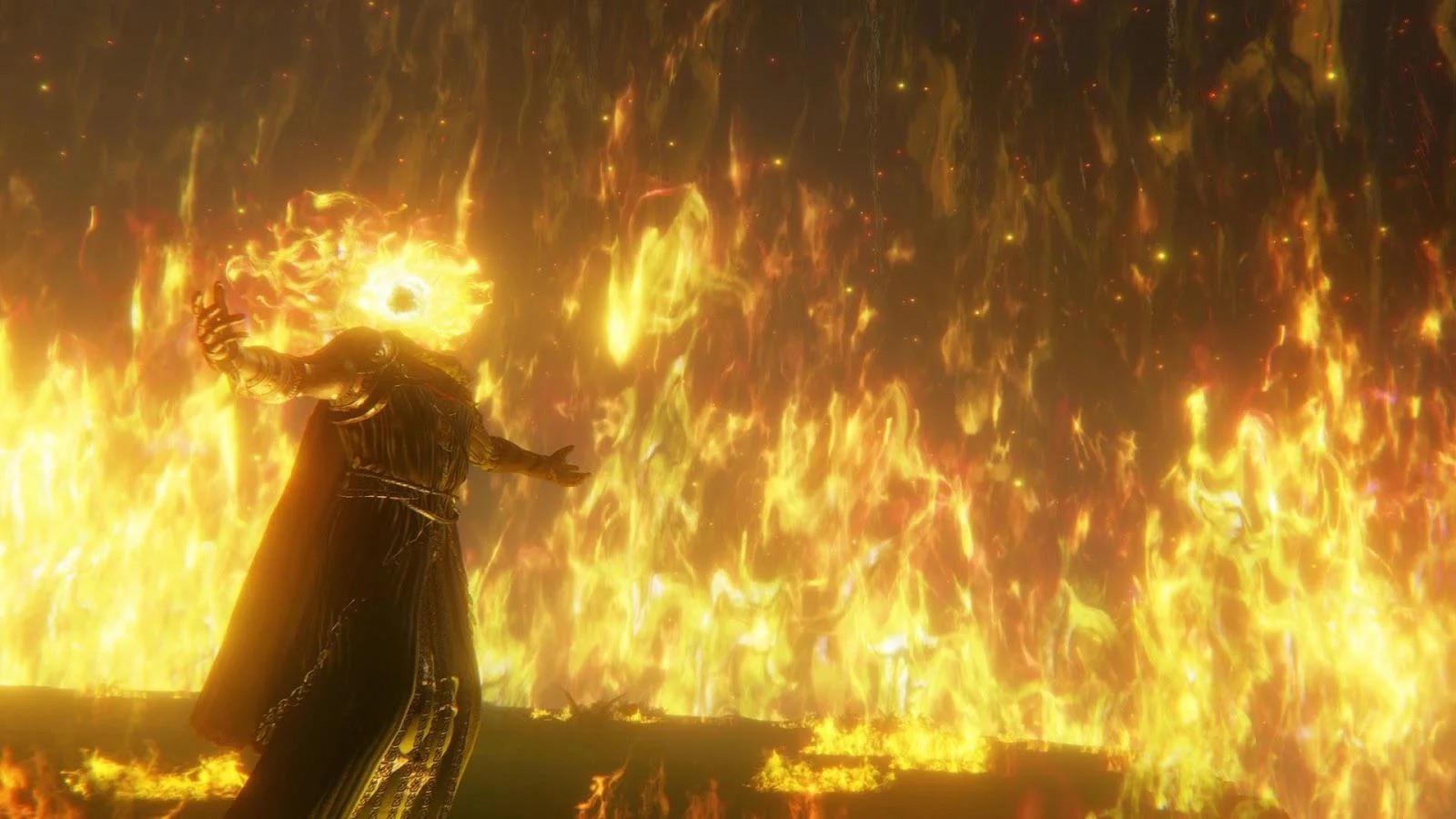
Elden Ring Timeline (Order, Shattering, Aftermath)
Divine order breaks, demigods fracture the world, Tarnished returns.
Elden Ring broad internal timeline:
Greater Will influence and Golden Order era
Marika’s reign under the Elden Ring
Night of the Black Knives
Death of Godwyn (in soul) and systemic fracture
Marika shatters the Elden Ring
Demigod wars (The Shattering)
Stalemate and decay in the Lands Between
Return of the Tarnished (your playthrough)
Like Dark Souls:
Refusal of natural transition
Like Bloodborne:
Elites doing catastrophic experiments with power
Soulsborne Timeline Cheat Sheet
Different worlds, same recurring pattern: fear, control, collapse.
If you only remember one summary:
Release timeline is linear
Lore timelines are separate by franchise
Dark Souls has the longest internal cycle
Bloodborne is compressed present-time with deep past lore
Sekiro is the most straightforward narrative arc
Elden Ring is mythic political collapse plus player-chosen reconstruction
Same formula, different costumes, universal consequences.
Final Bonfire Summary
You survived the timeline explanation. Humanity restored.
Soulsborne timeline confusion usually comes from mixing release order with lore order.
Once you split those two, everything gets cleaner:
Play in release or accessibility order
Read lore inside each world separately
Do not force one mega-canon where it does not exist
FromSoftware gives you many collapsing worlds, not one. That is why the timeline is messy, and why it is so good.

 AllMar 05, 2026