
 AllMar 05, 2026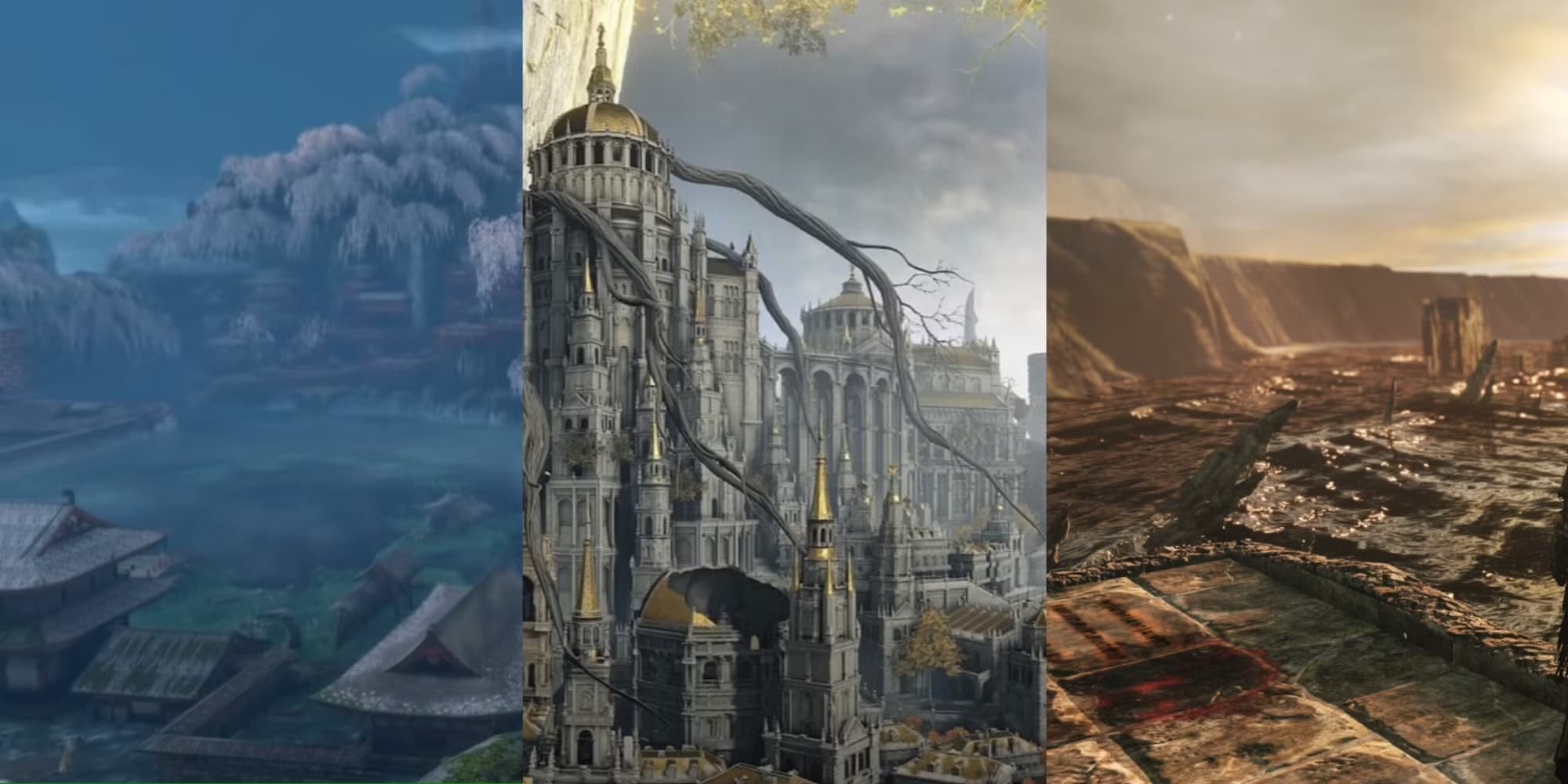
Soulsborne Locations Guide covering the most important areas in Dark Souls, Bloodborne, Sekiro, and Elden Ring, with lore, design, and why they matter.
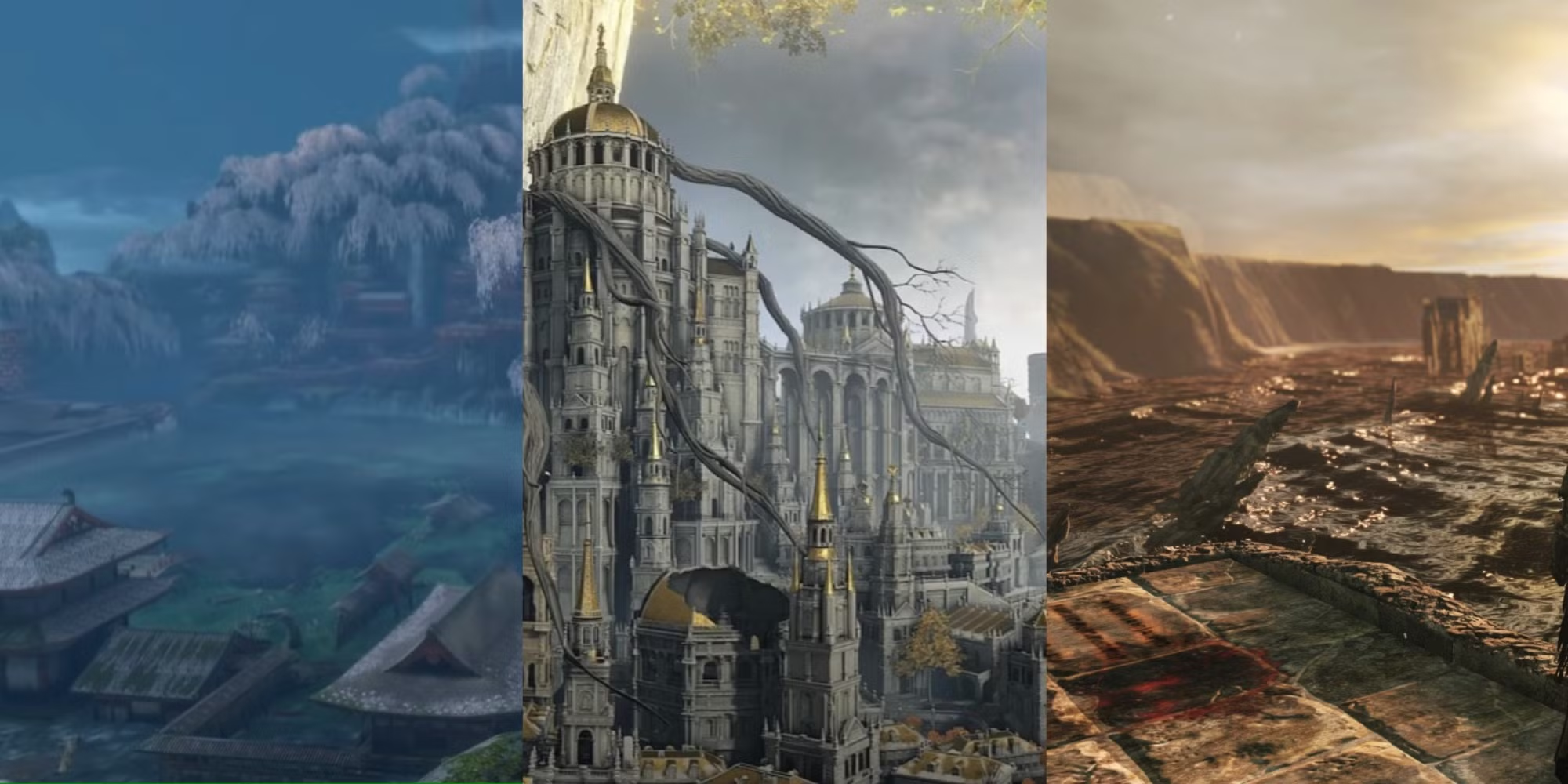
Soulsborne games do not just drop you into pretty maps. They drop you into history, hand you a weapon, and let architecture explain why civilization failed again.
This is your Soulsborne Locations Guide to the places that define Dark Souls, Dark Souls II, Bloodborne, Sekiro, and Elden Ring.
These are not random backdrops. These locations are story engines: they reveal political collapse, religious corruption, ancient wars, and the exact moment someone said, “I can fix this,” and made everything worse.
Yes, spoilers ahead. Yes, we are walking directly into danger.
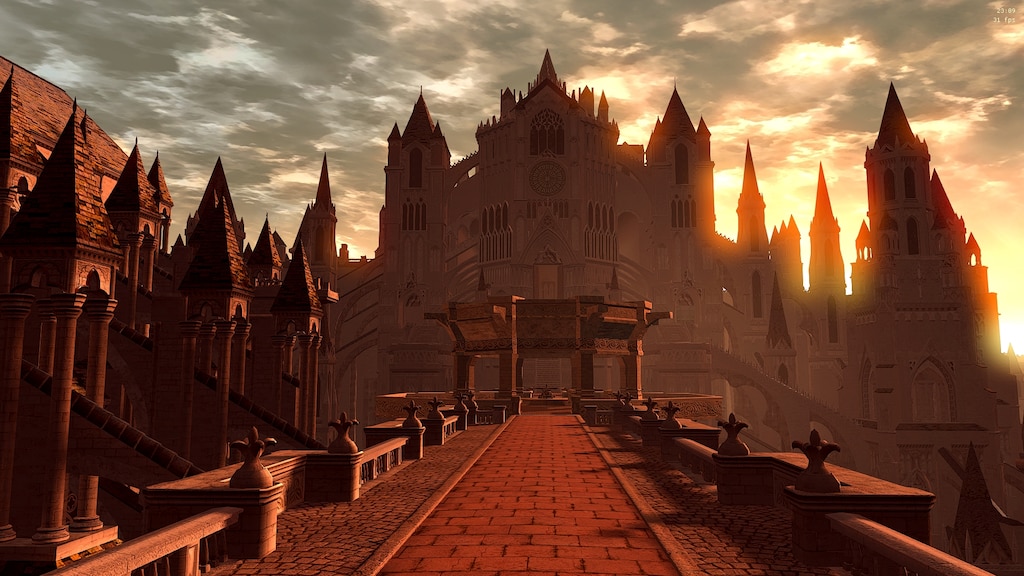
Anor Londo is the poster child of Souls worldbuilding: grand, beautiful, and quietly falling apart.
At first glance, it is divine architecture and golden-age prestige. But once you explore deeper, it becomes clear this place is running on denial, illusions, and a power structure that already peaked centuries ago.
Everything here reinforces Dark Souls’ main theme: institutions will fake stability long after stability is gone.
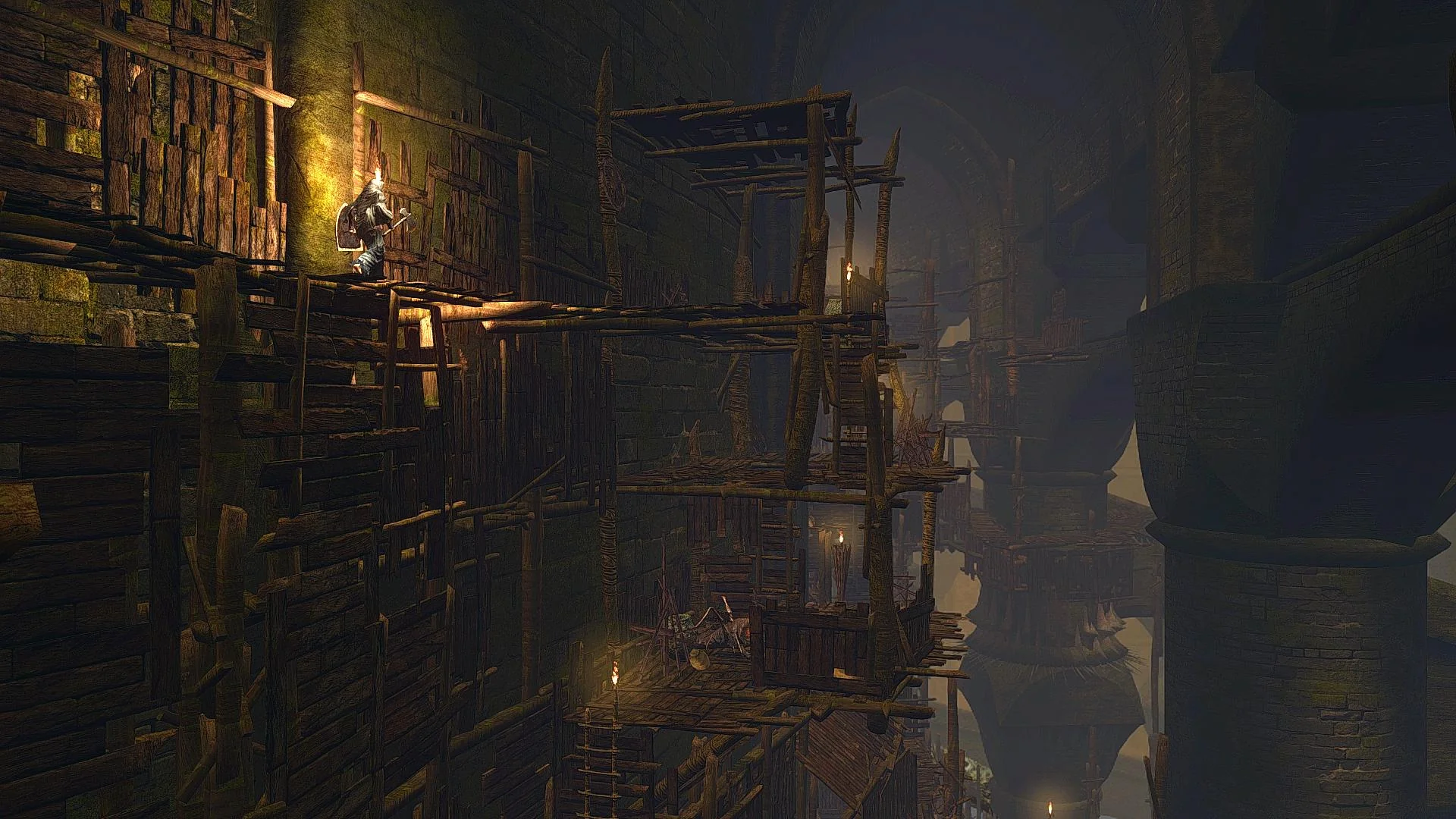
Blighttown is not “fun” in the traditional sense. It is unforgettable in the “I survived this and became a different person” sense.
The stacked wooden ruins, toxic swamp floor, and constant ambush pressure create a location that feels hostile, diseased, and socially abandoned. It is where Lordran’s class divide becomes visible: the gods above, the discarded below.
If Anor Londo is polished myth, Blighttown is the bill coming due.
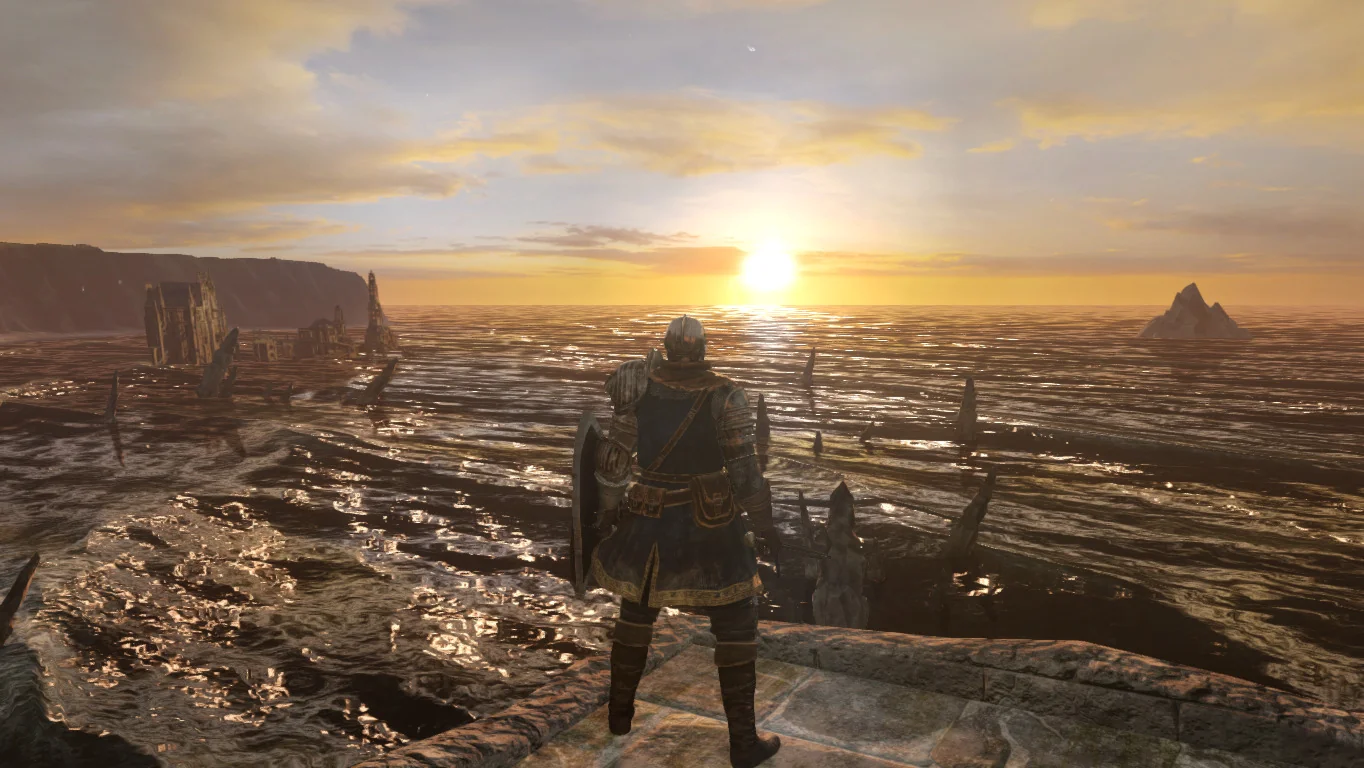
Majula is one of the calmest hubs in Soulsborne, which is exactly why it hurts.
The sea, the light, the quiet music, the open sky, it all feels like relief. Then you talk to the NPCs and realize everyone here is drifting, forgetting, or one bad day from losing themselves.
Majula teaches a subtle lesson: tranquility and tragedy can share the same postcard.
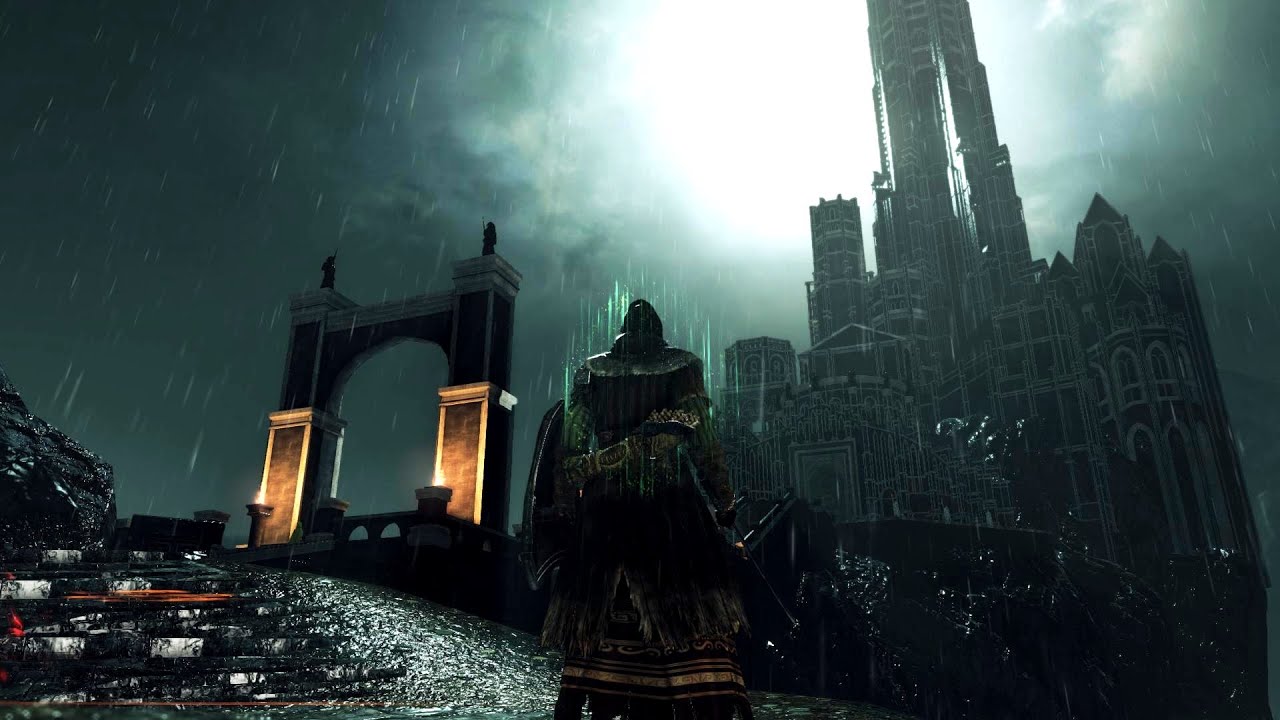
Drangleic Castle feels like a kingdom trying very hard to act normal while everything is spiritually on fire.
The rain, stone halls, and looming throne imagery make it look like classic fantasy royalty. But the deeper truth is rot: curses, manipulation, and rulers obsessed with controlling cycles they do not understand.
This location is Dark Souls II in one sentence: power keeps promising order, then feeding chaos.
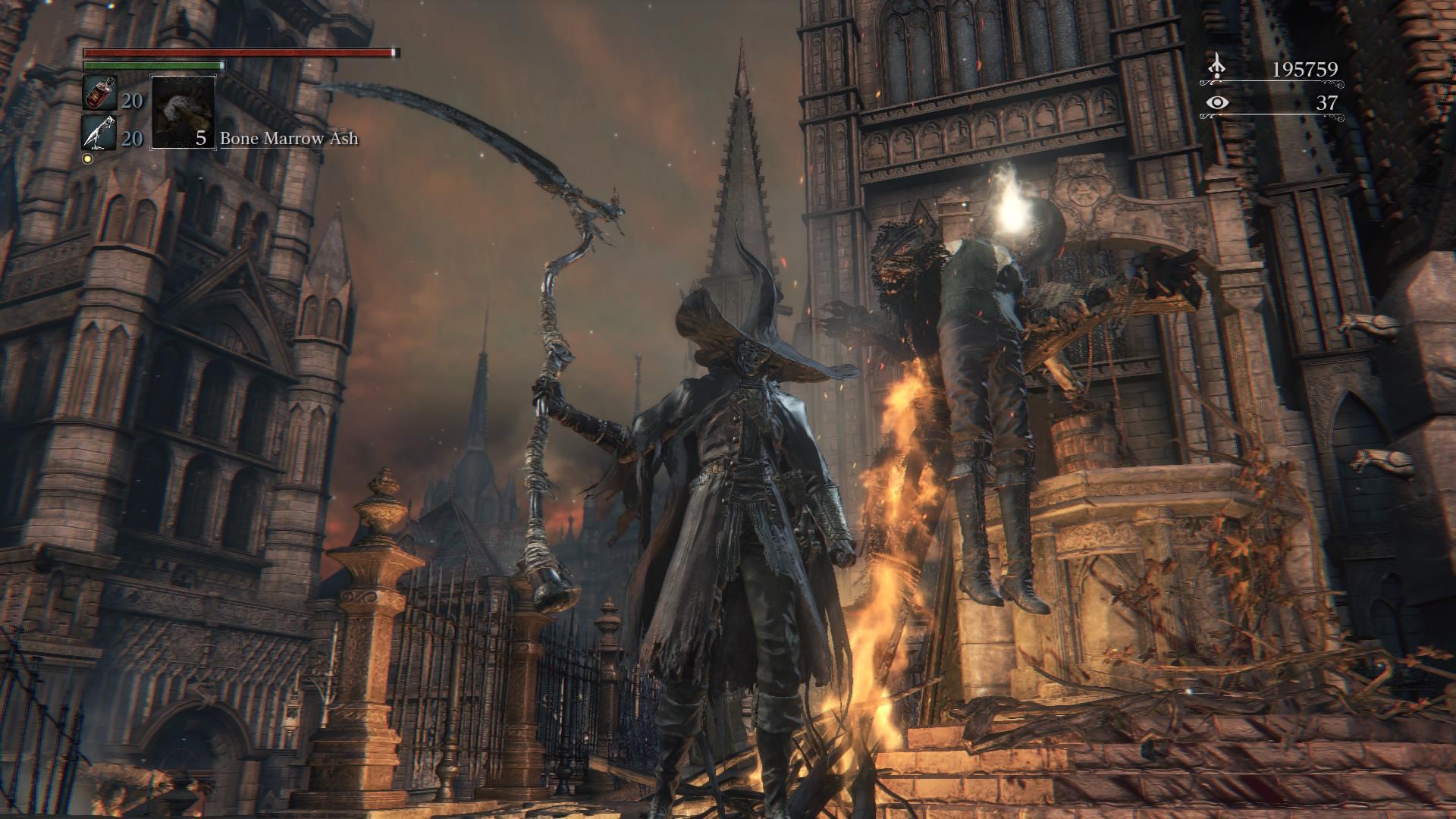
Central Yharnam is one of the best opening areas FromSoftware has ever made.
It teaches combat pace, crowd pressure, and environmental storytelling at the same time. Every street tells you this city normalized blood rituals, then lost control of the consequences.
By the time you clear the early routes, Bloodborne’s thesis is already clear: progress without ethics is just stylish catastrophe.
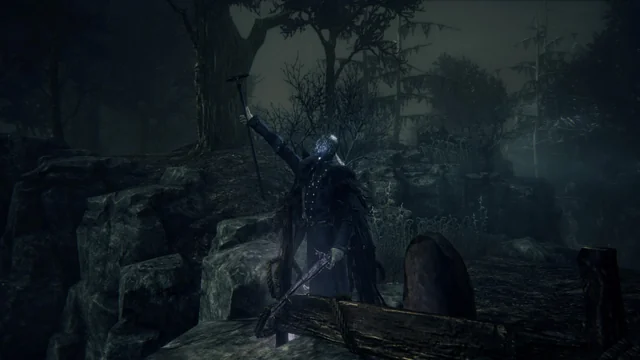
Fishing Hamlet is Bloodborne at maximum dread.
The environment is wet, decayed, and haunted by the aftermath of academic cruelty. What happened here is not vague lore flavor, it is the moral core of the game crashing into you all at once.
Few Soulsborne locations carry this much emotional weight. It is not just creepy. It is accusatory.
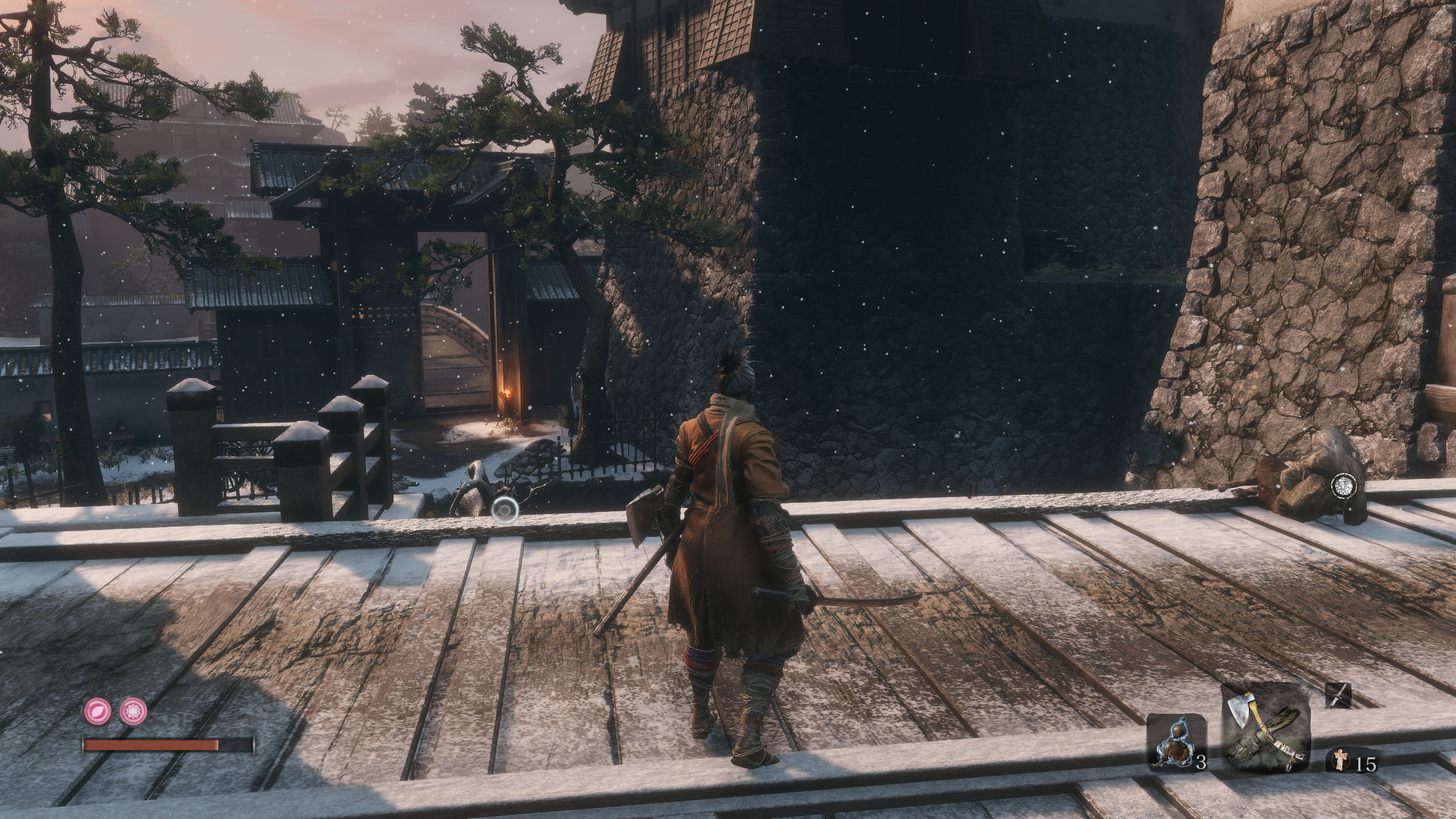
Ashina Castle is Sekiro’s narrative center of gravity.
It changes over the game, tracking military decline and rising desperation in real time. Early on, it is disciplined resistance. Later, it becomes a battlefield of collapsing ideals and increasingly reckless power grabs.
Mechanically, it also showcases Sekiro’s vertical movement brilliantly, turning rooftops and interiors into flowing combat routes instead of static corridors.
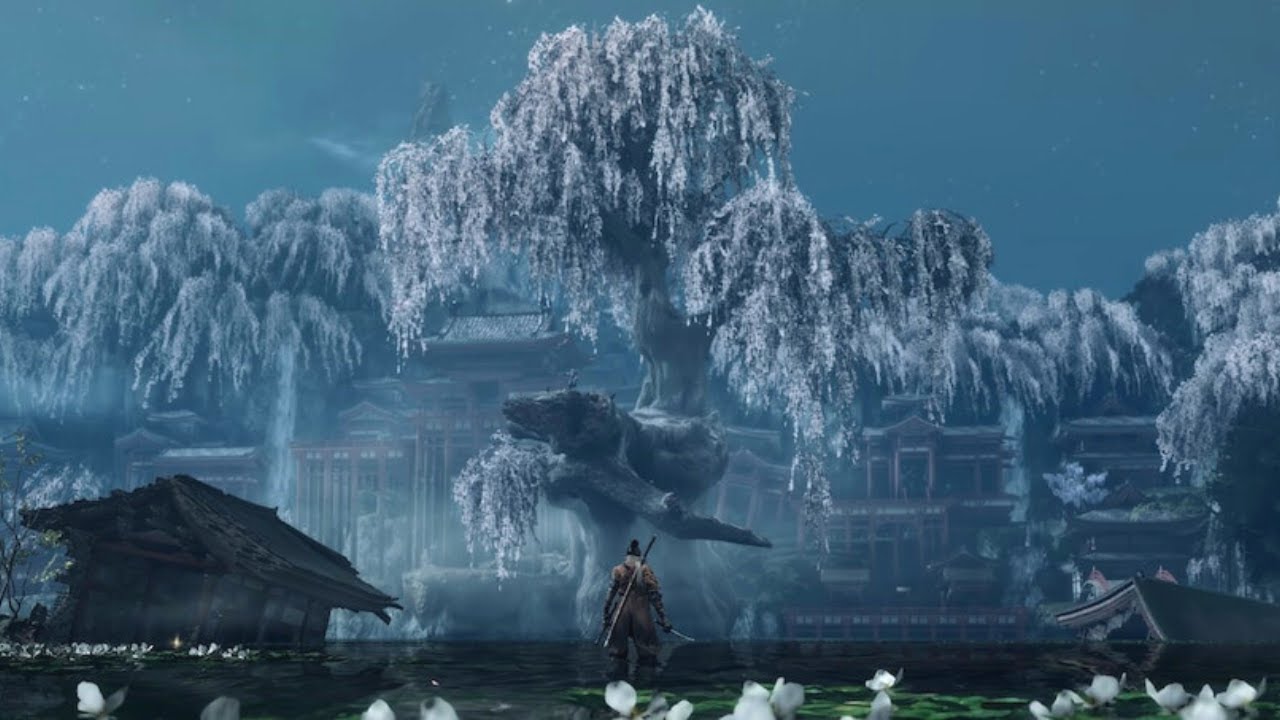
Fountainhead Palace is gorgeous, surreal, and extremely dangerous, basically Sekiro’s whole mood in one location.
Its divine aesthetics contrast with the corruption tied to immortality and stagnation. The place feels like a heavenly court that never processed its own decay.
It also expands Sekiro’s mythic scale, proving the story is not just local clan politics, it is tied to older, stranger systems of power.
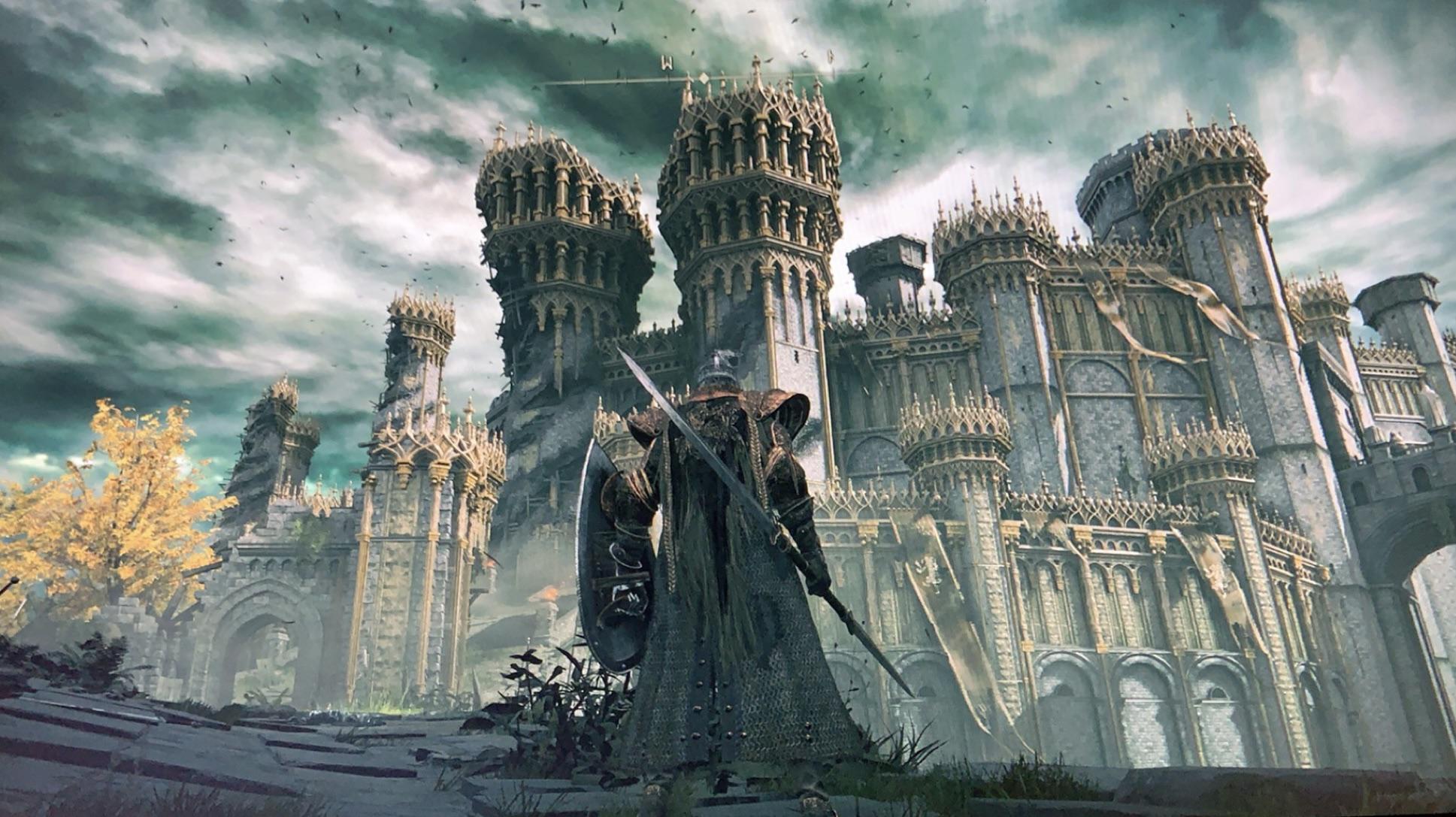
Stormveil is where Elden Ring shows it can merge open-world freedom with classic Souls level design.
You can approach it through multiple paths, but once inside, it is tightly woven: loops, ambushes, hidden routes, and layered verticality that reward curiosity and punish autopilot.
Lore-wise, it introduces the demigod era perfectly. This is not heroic nobility. This is inherited power spiraling in public.
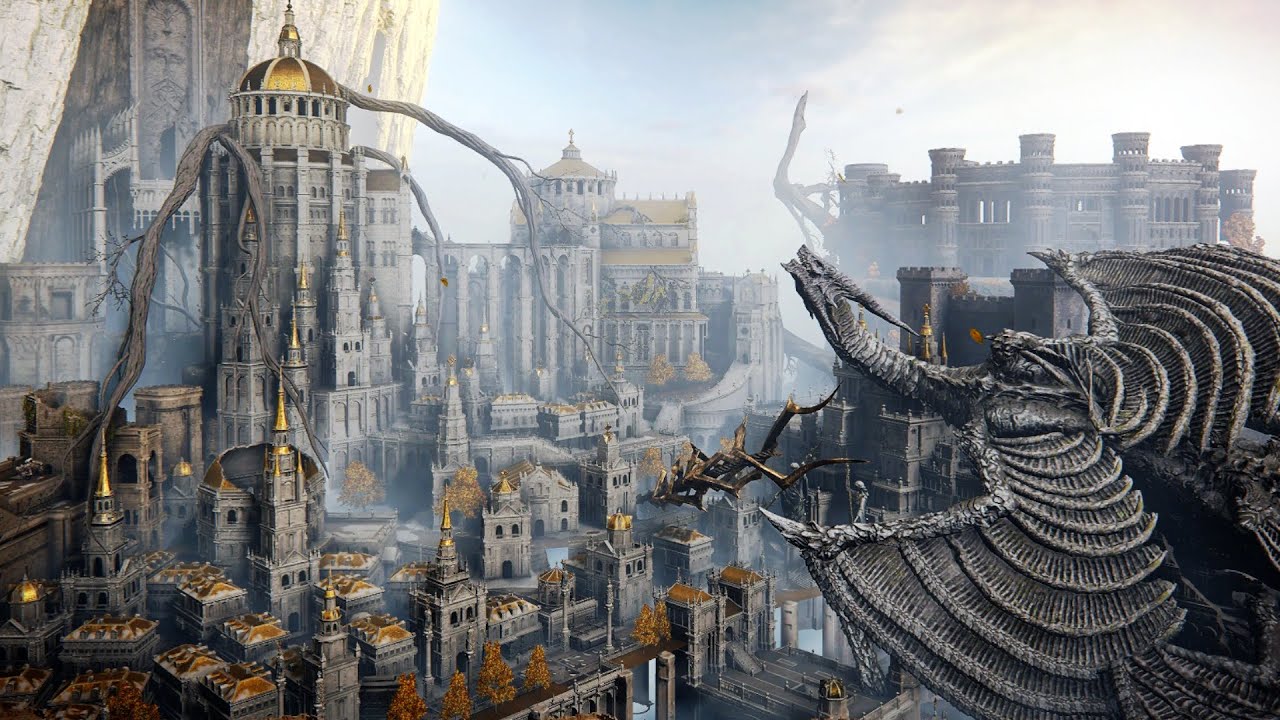
Leyndell is one of FromSoftware’s most ambitious urban spaces.
It feels monumental, ceremonial, and politically loaded. Statues, avenues, and sacred architecture all scream legitimacy, but enemy placement and environmental details tell a different story: fear, control, and fracture.
By the time the city changes in the late game, Leyndell lands like a warning: even divine capitals are temporary.
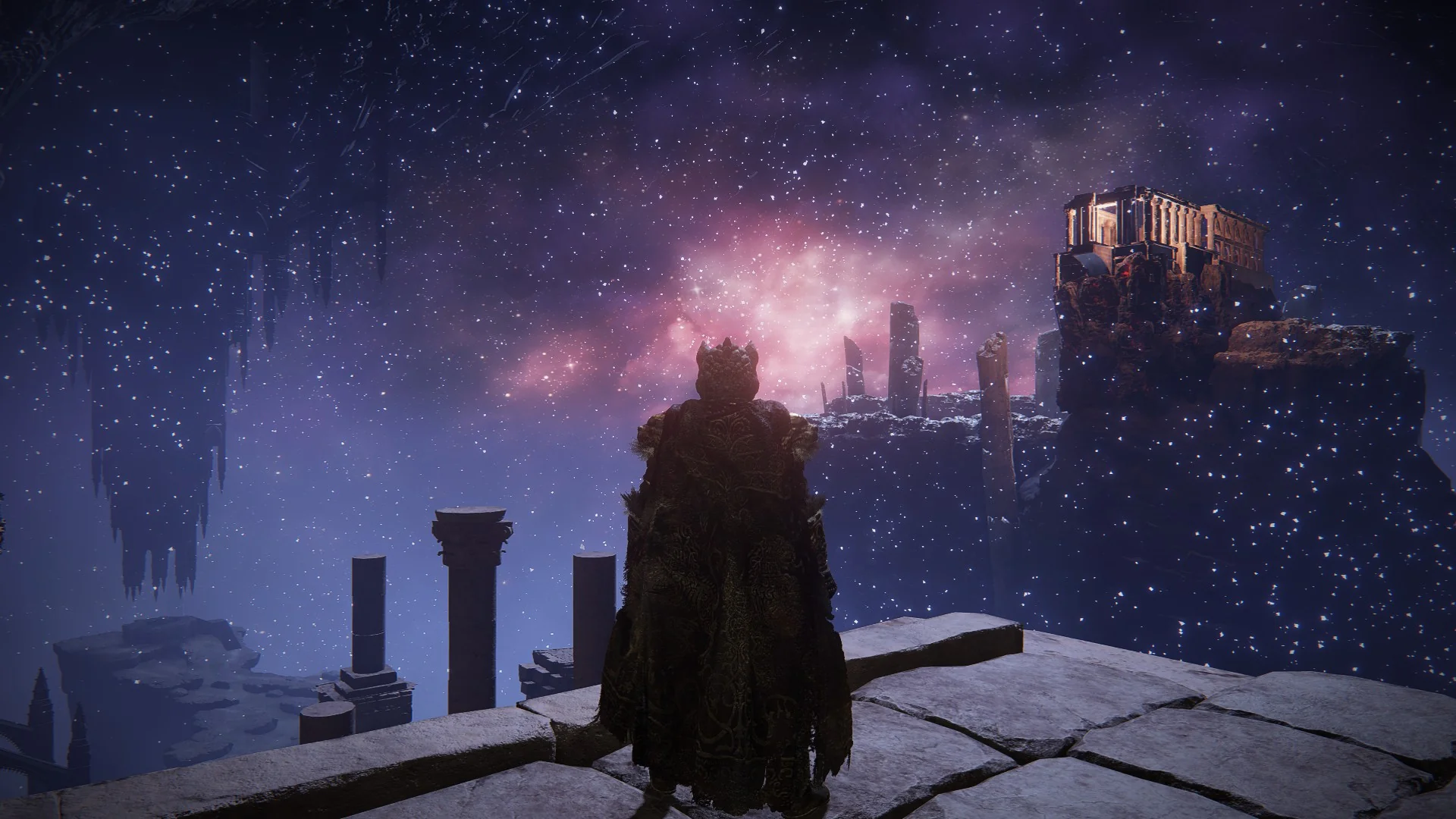
Nokron is that classic Elden Ring moment: “wait, there is a whole world under the world?”
Its star-lit underground skyline is one of the most memorable reveals in modern RPG design. But the beauty is paired with historical punishment, lost civilizations, and the cost of defying higher powers.
Nokron embodies Elden Ring’s strongest quality: discovery that feels magical and ominous at the same time.

The Haligtree starts as a symbol of hope and ends as a brutal gauntlet.
Its lore is tragic, its art direction is incredible, and its difficulty curve politely asks whether you enjoy suffering as a hobby. It is one of Elden Ring’s clearest examples of compassion collapsing under impossible conditions.
By the time you reach the deepest sections, the message is clear: even the purest sanctuary can rot when the world around it breaks.
Great Soulsborne locations do three things at once:
They challenge mechanics.
They reward exploration.
They reveal lore without stopping gameplay.
That is why these places stick in memory. You do not just remember the boss at the end. You remember the climb, the shortcuts, the dread, the skyline, and that one hallway where everything went wrong instantly.

Soulsborne locations are the real storytellers of the genre.
From Anor Londo’s fading glory to Yharnam’s blood-soaked streets to Leyndell’s collapsing order, each area is a lesson in power, decay, and the consequences of refusing change.
If a location can make you admire the view, fear the next doorway, and rethink the lore in the same ten minutes, FromSoftware did its job.
 AllNews
 AllGuide
 AllNews
 AllNews