
 AllMar 05, 2026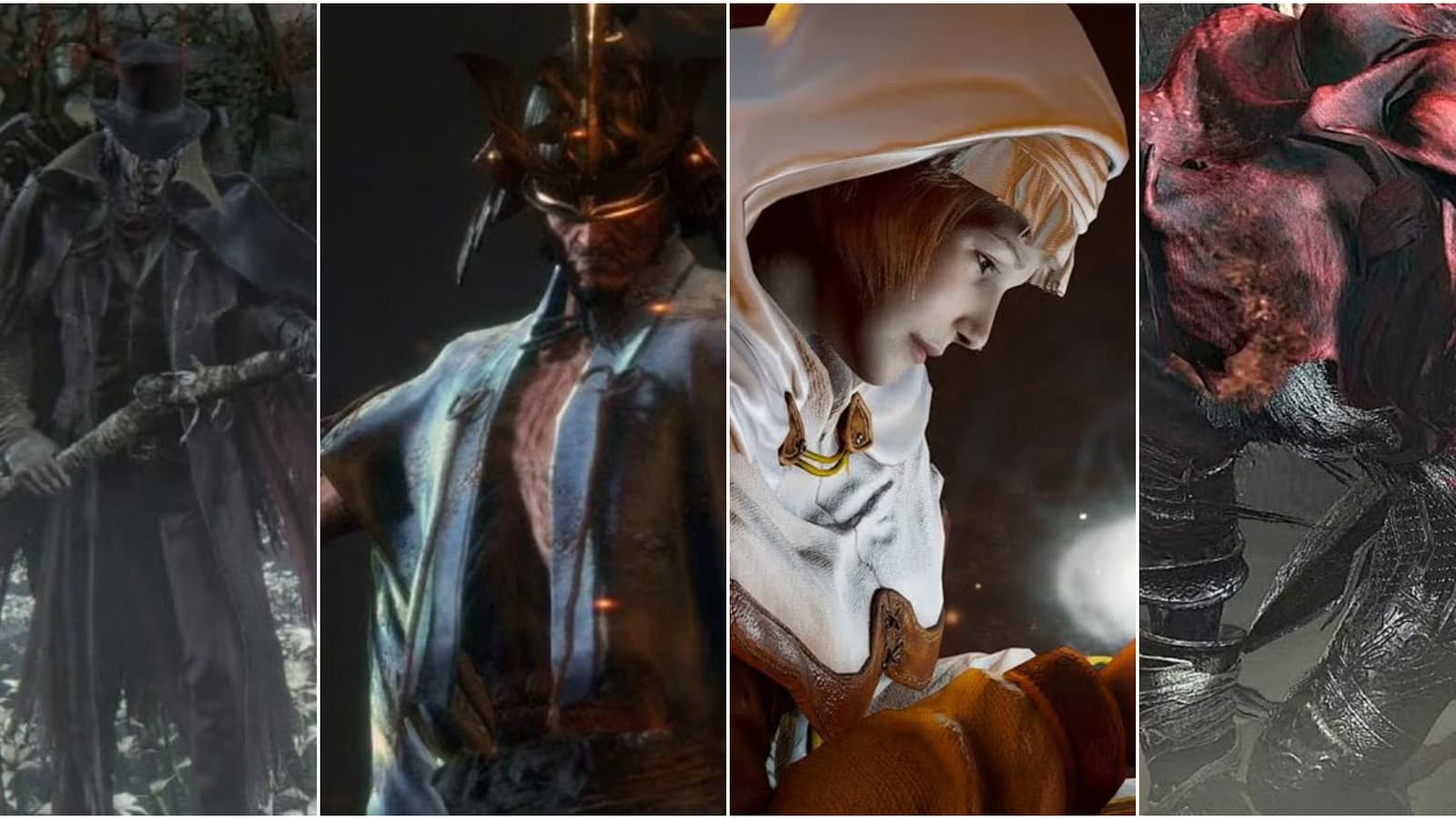
A funny, spoiler-heavy Soulsborne Villains Guide ranking the most manipulative and terrifying bosses across Dark Souls, Bloodborne, Sekiro, and Elden Ring.
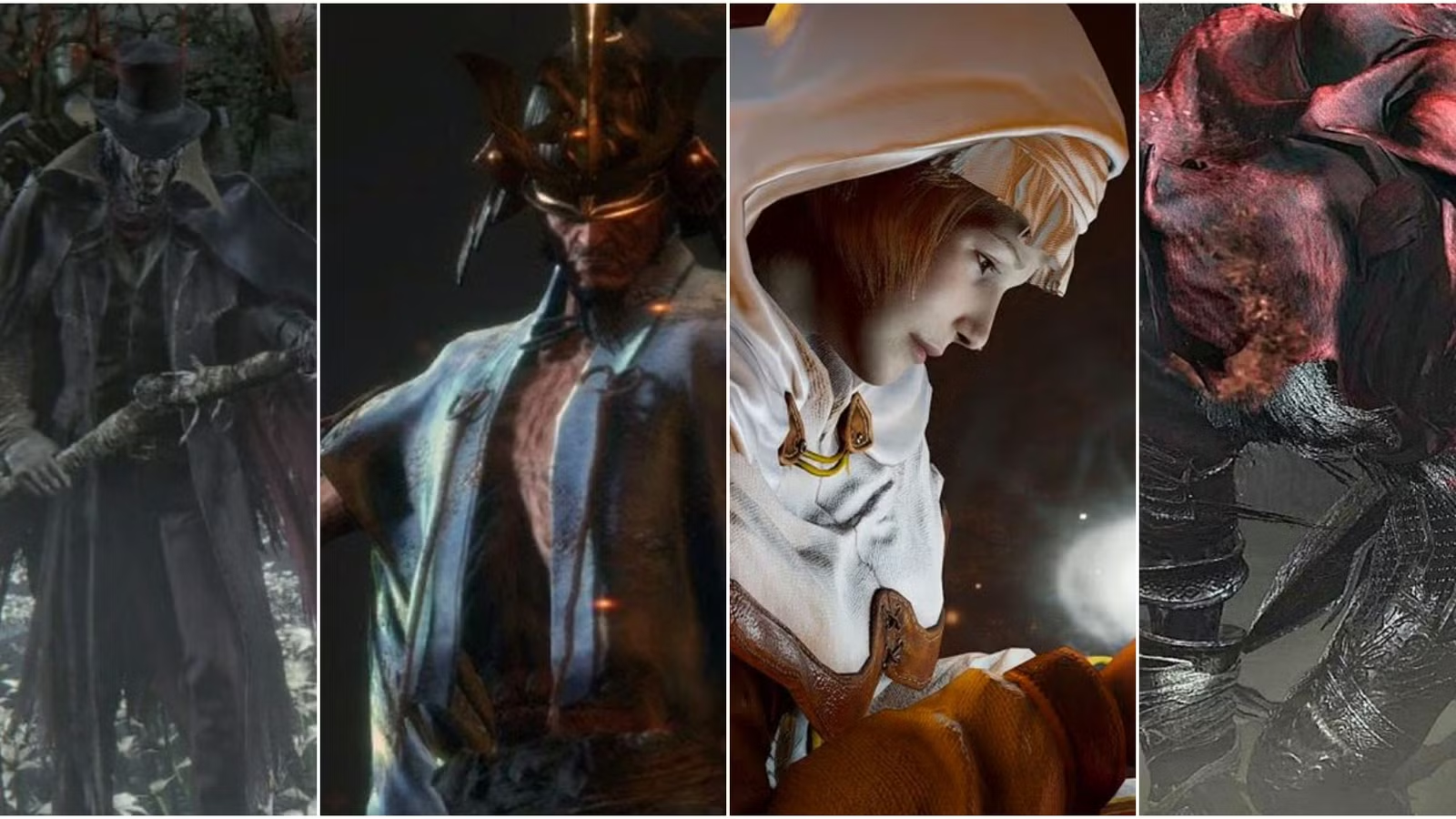
FromSoftware does not do cartoon evil. It does gods with abandonment issues, scholars with zero ethics, and rulers who hear one prophecy and immediately ruin civilization.
This Soulsborne Villains Guide ranks the biggest offenders across Dark Souls, Bloodborne, Sekiro, and Elden Ring.
Yes, spoilers ahead.
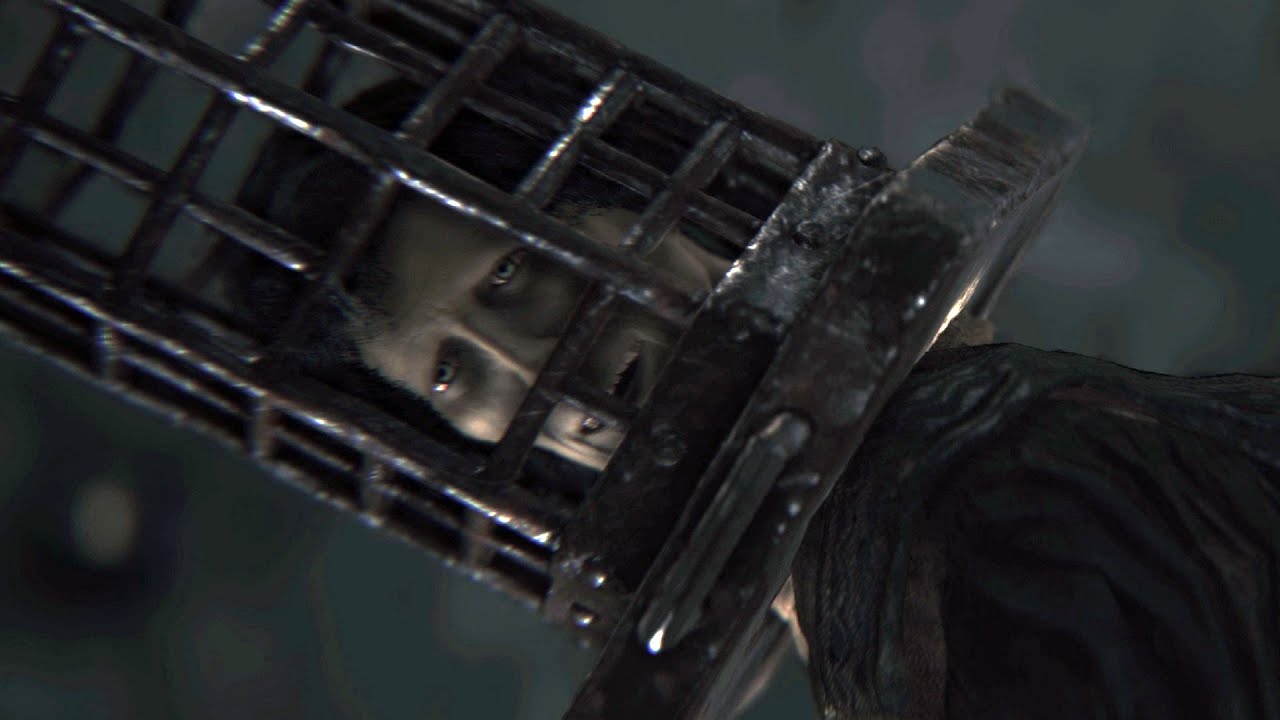
Micolash is what happens when a smart man discovers cosmic knowledge and loses all remaining chill.
He is less “ultimate fighter” and more “dangerous podcast host,” but his obsession with ascension helps drag reality into nightmare territory.
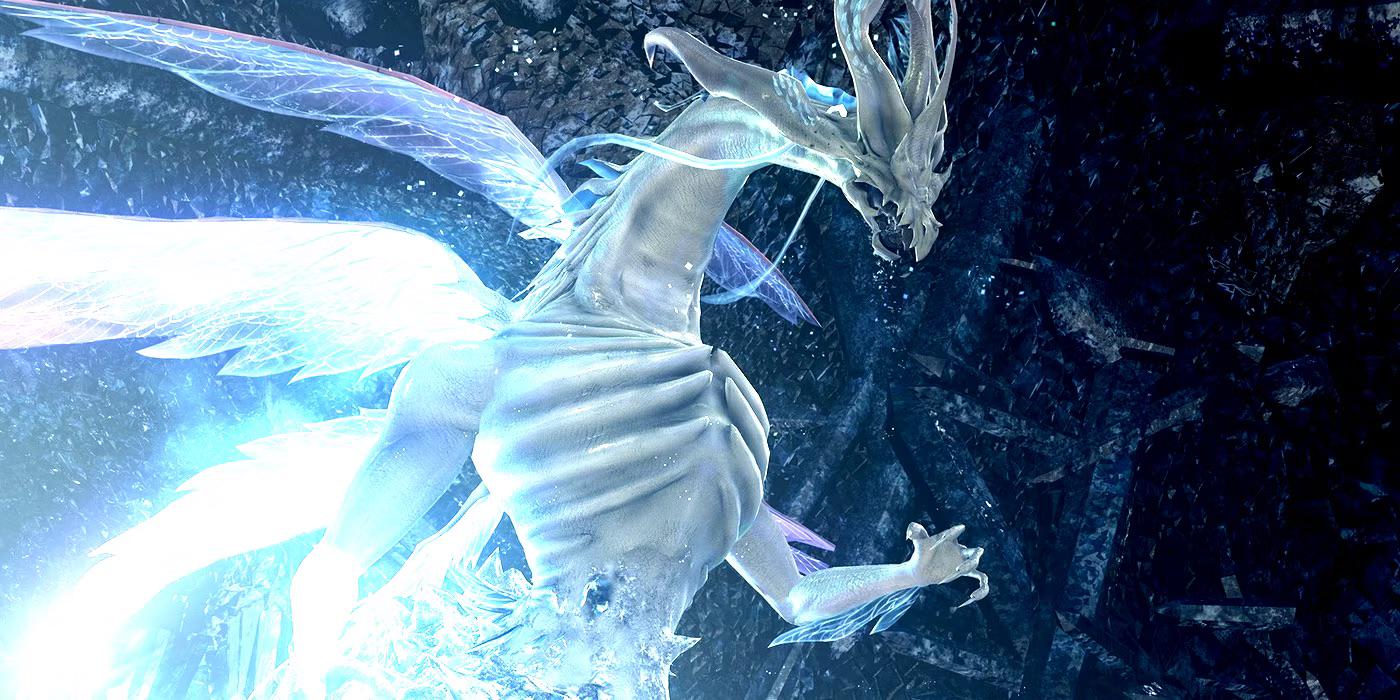
Seath betrays his own kind for status, immortality research, and deeply cursed science.
He represents classic Souls villain energy: fear of death mutating into cruelty toward everyone else.
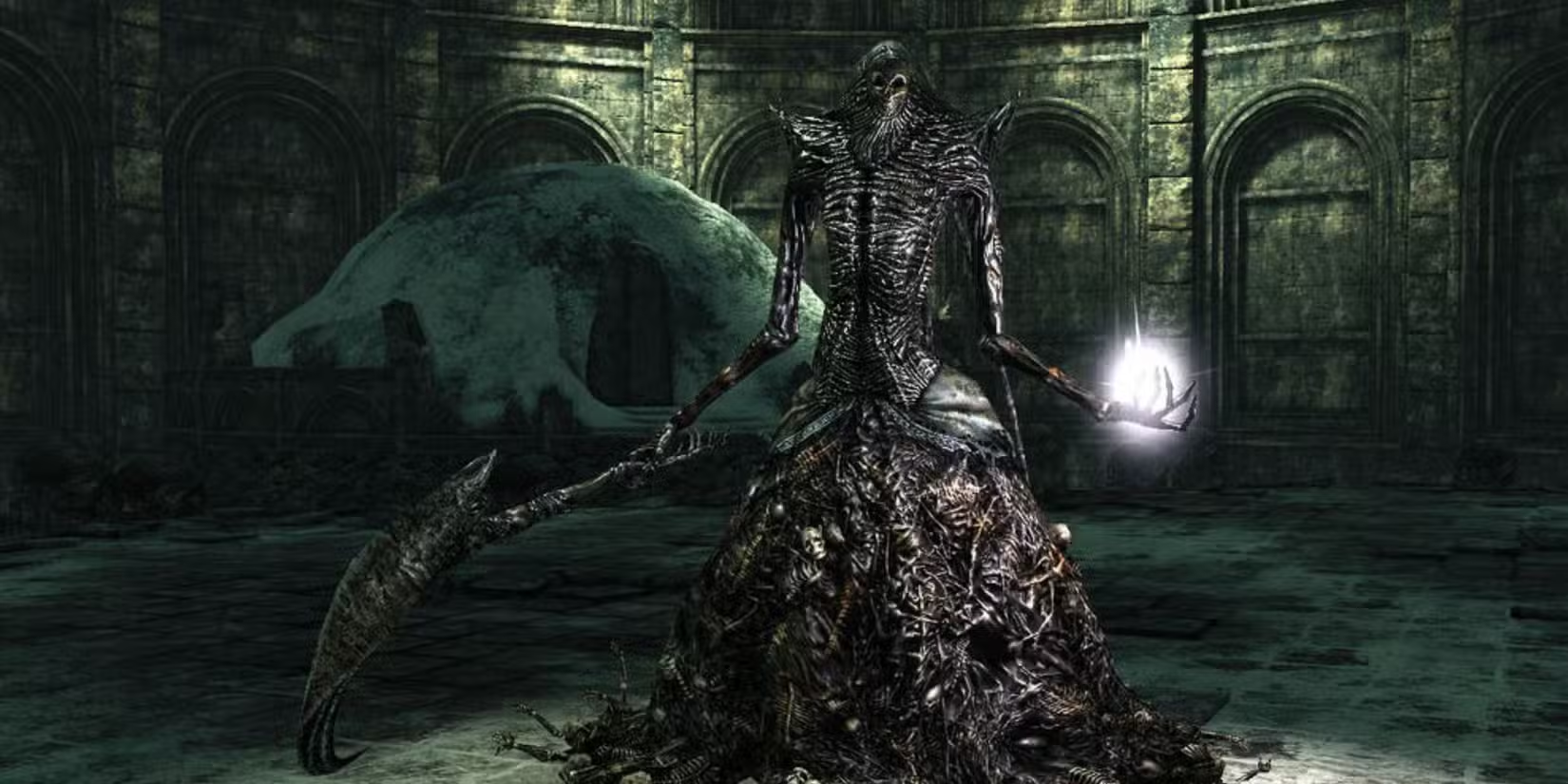
Nashandra enters like a mysterious queen and exits like pure abyssal manipulation.
She weaponizes ambition, corrupts kingdoms from the inside, and lets people self-destruct before taking the throne.
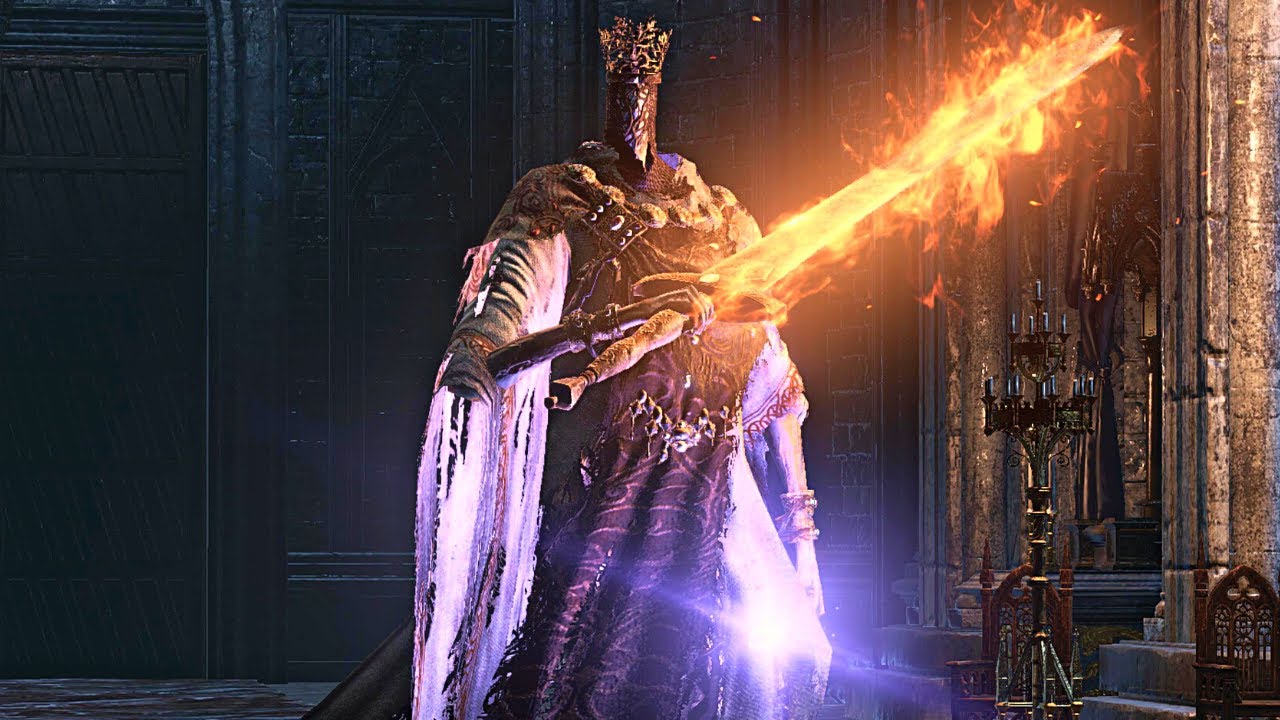
Sulyvahn is the CEO of bad outcomes in Irithyll.
He installs tyrants, manipulates gods, and turns a once-glorious city into a cold police state with fancy architecture and zero mercy.
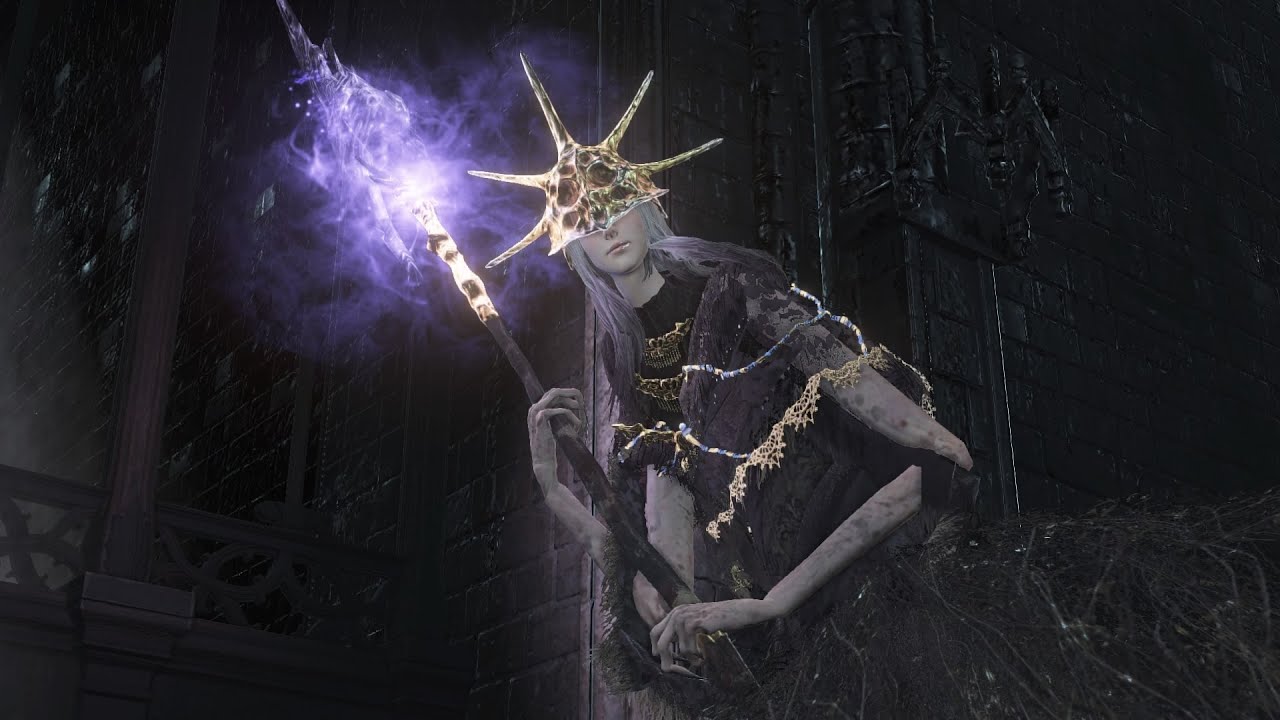
Aldrich starts as a cleric and ends as a god-eating horror slug.
His whole arc is spiritual corruption at maximum intensity, proving that “religious authority” and “ethical behavior” are not always teammates.
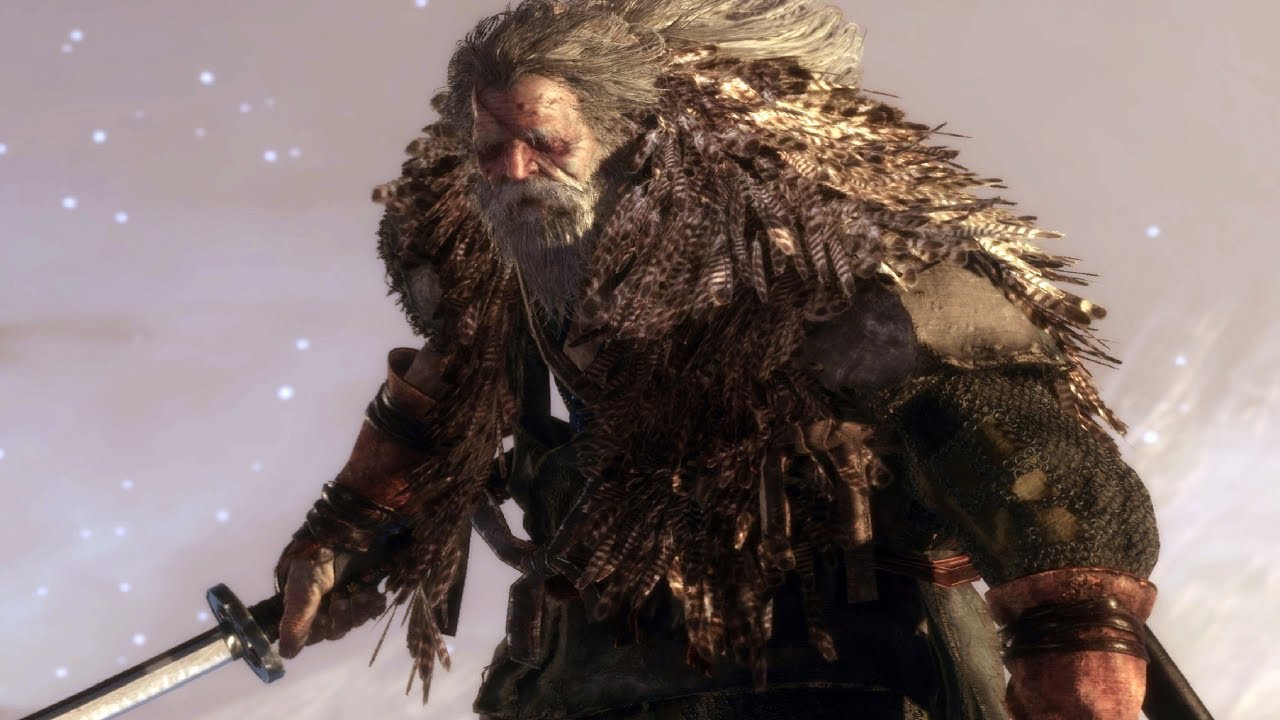
Owl is a master shinobi and an even better backstabber.
He treats loyalty like a disposable tool, using his own son as a weapon in a power game that screams “dad of the year” for all the wrong reasons.
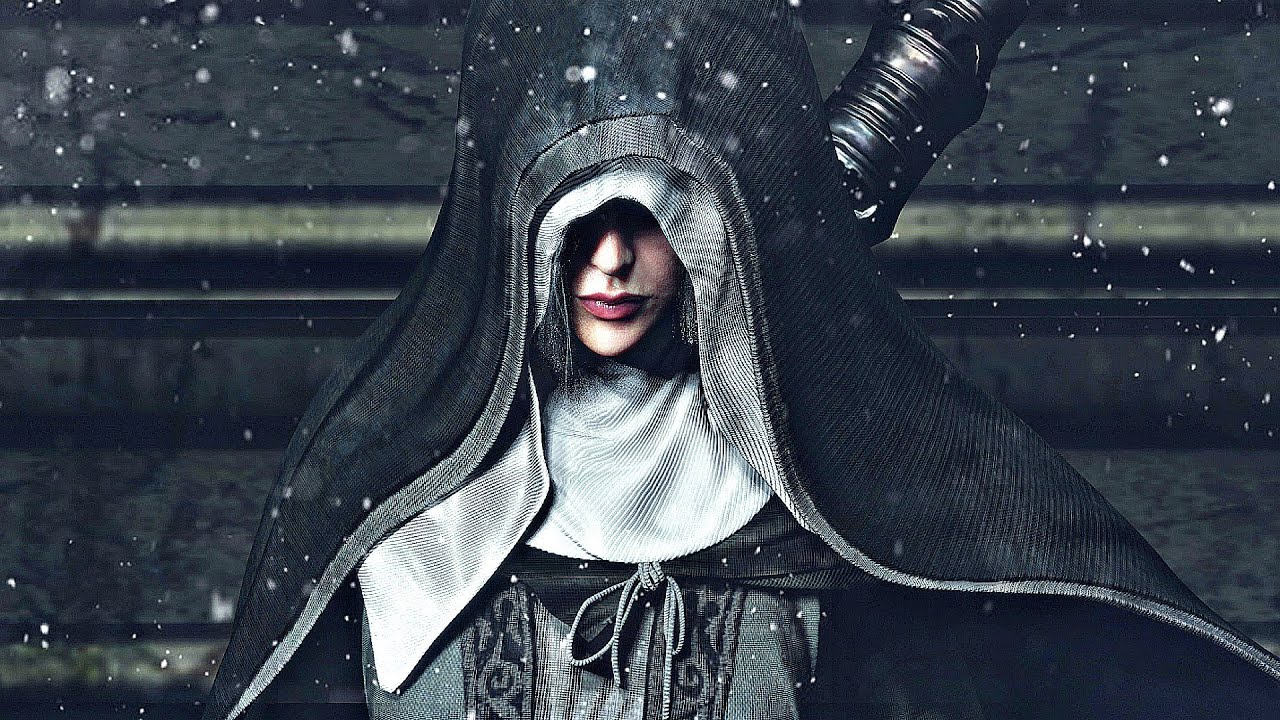
Friede is calm, elegant, and absolutely committed to trapping a whole painted world in endless decay.
She is tragic, yes, but still chooses control over renewal, turning preservation into slow-motion cruelty.
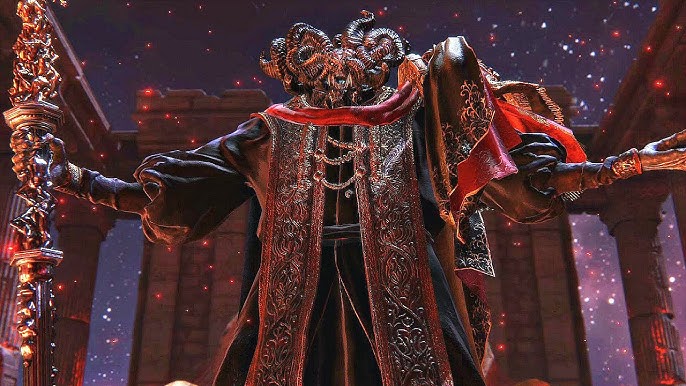
Mohg builds a blood cult, kidnaps a demigod, and tries to force a dynasty into existence.
He is one of Elden Ring’s clearest examples of charisma plus delusion plus power becoming a full-scale nightmare.
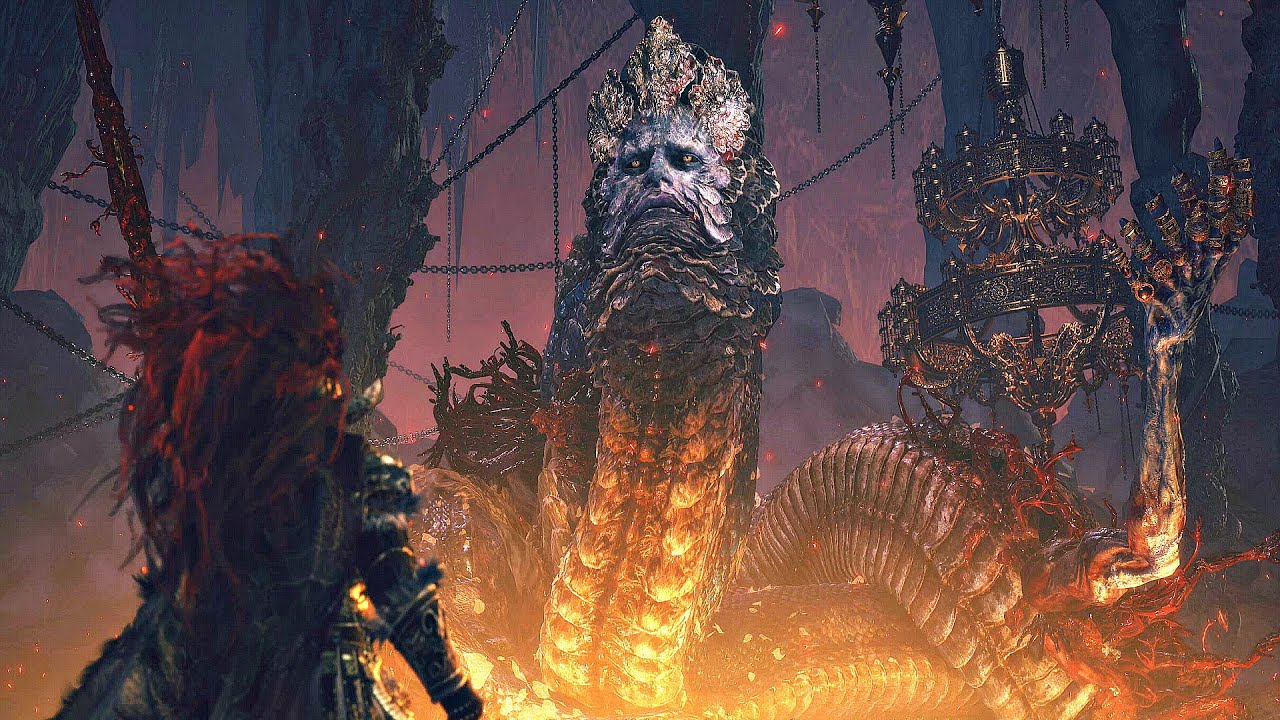
Rykard decides the best way to resist divine order is to become a giant god-devouring serpent.
His “join the serpent king” pitch is equal parts rebellion, body horror, and cult recruitment poster.
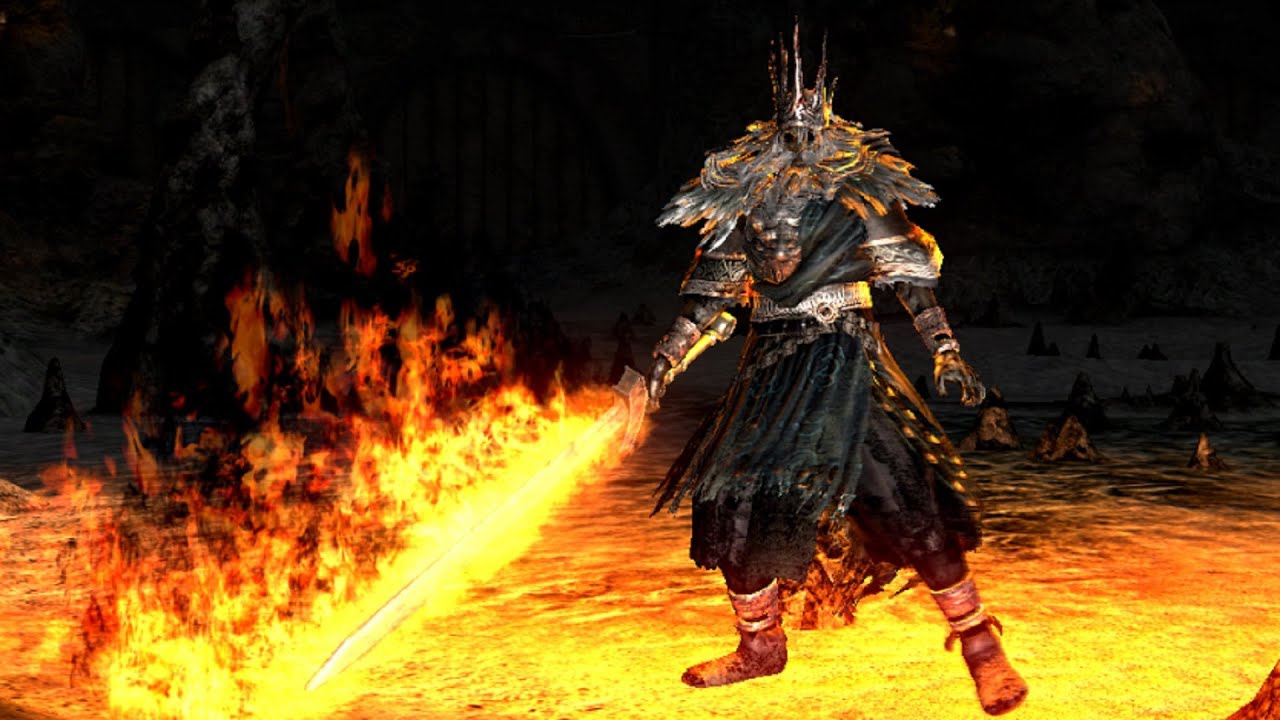
Gwyn is the blueprint: a legendary ruler so terrified of change that he burns himself to prolong a dying age.
Everything that follows in Dark Souls traces back to this one decision, making him less a villain of one game and more a villain of an entire era.
Soulsborne villains are rarely evil for fun. They are terrified of death, obsessed with control, or convinced only they can “fix” the world.
That is why they stick with players: under the armor, robes, and cosmic slime, they feel uncomfortably human.
In Soulsborne worlds, most villains are not random monsters. They are leaders, mentors, scholars, and legends who had power, made one catastrophic choice, and doubled down forever.
So yes, we beat them. But the real boss fight is always the same: pride, fear, and the refusal to let the world move on.
 AllNews
 AllGuide
 AllNews
 AllNews