
 AllMar 05, 2026
Soulsborne Character Guide covering the most important figures across Dark Souls, Bloodborne, Sekiro, and Elden Ring, from Gwyn and Artorias to Ranni and Melina.
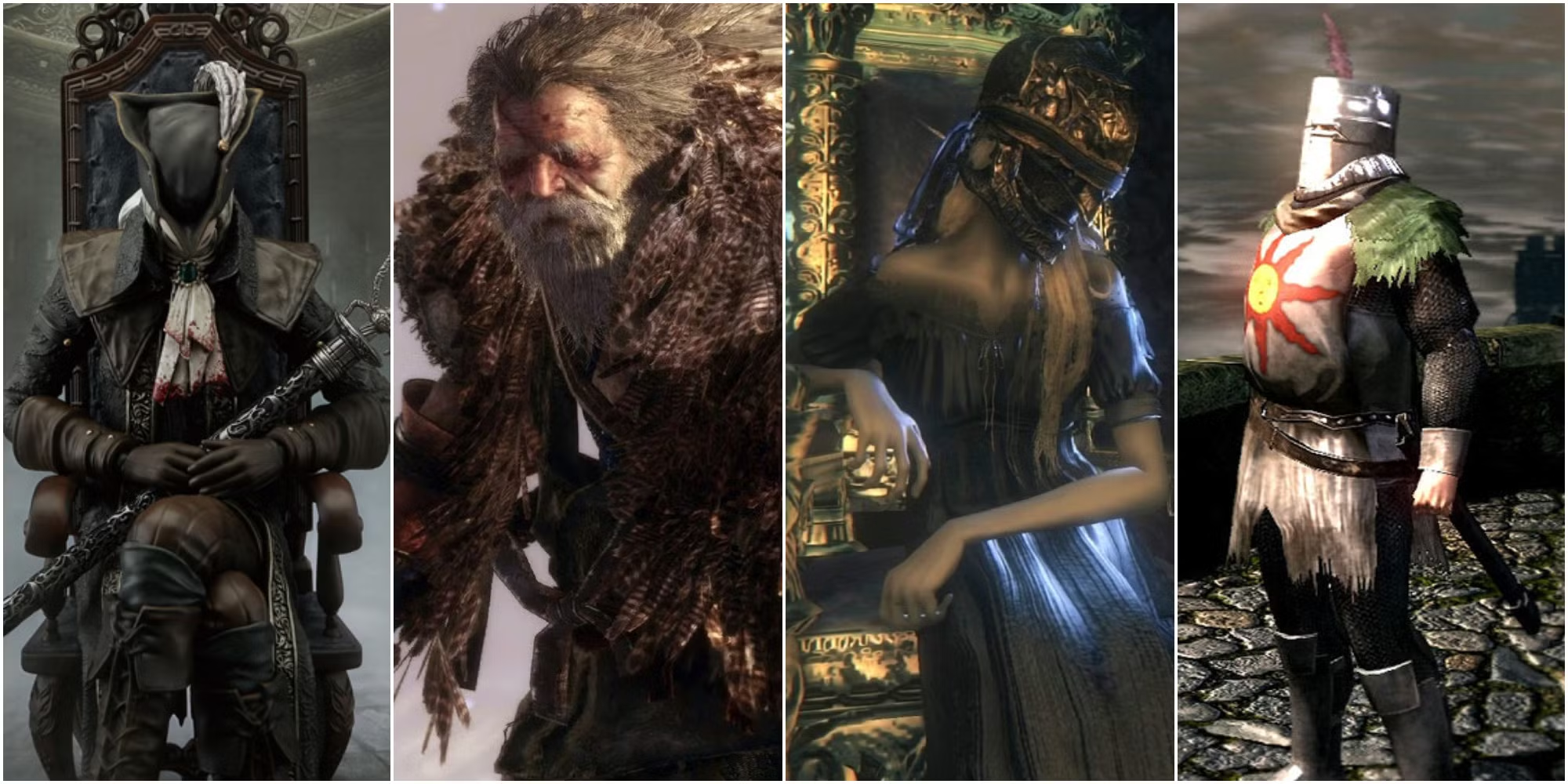
Soulsborne games are famous for difficult combat, but the real reason people stay obsessed is the characters.
FromSoftware writes legends like crime scenes:
This guide breaks down the most important Soulsborne characters across Dark Souls, Bloodborne, Sekiro, and Elden Ring in plain language.
Yes, spoilers ahead. Yes, everyone needs therapy.
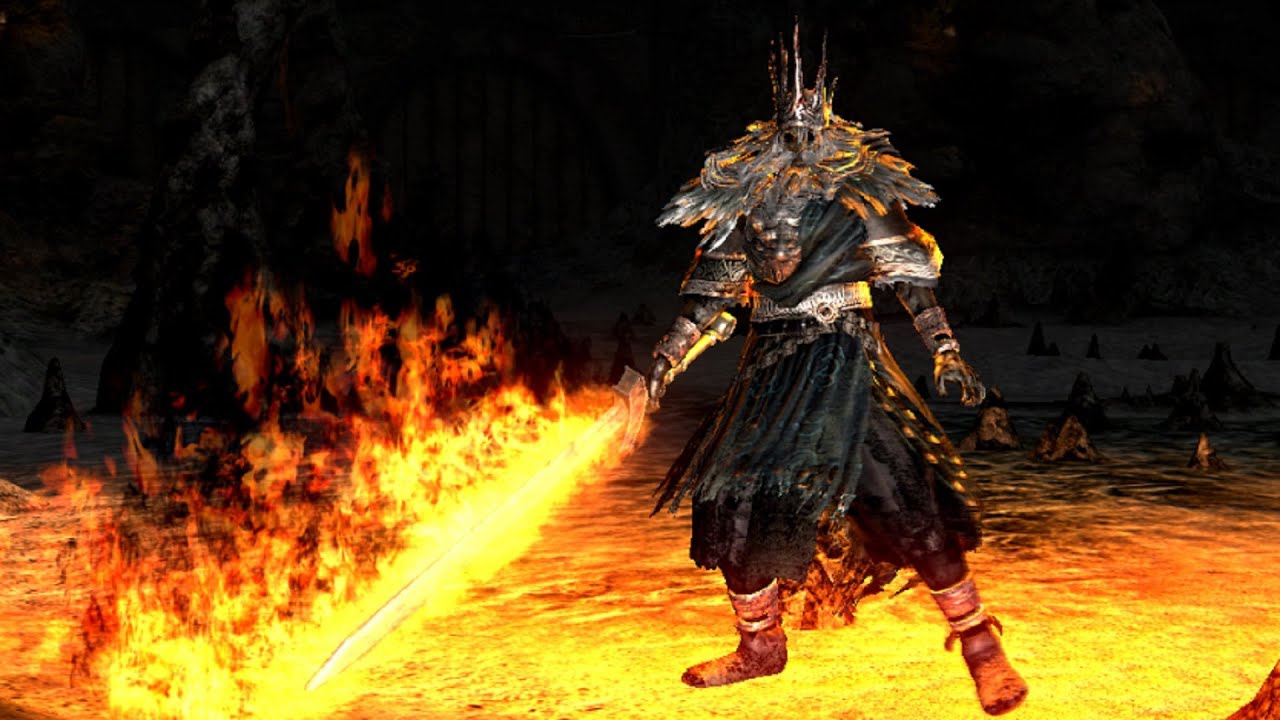
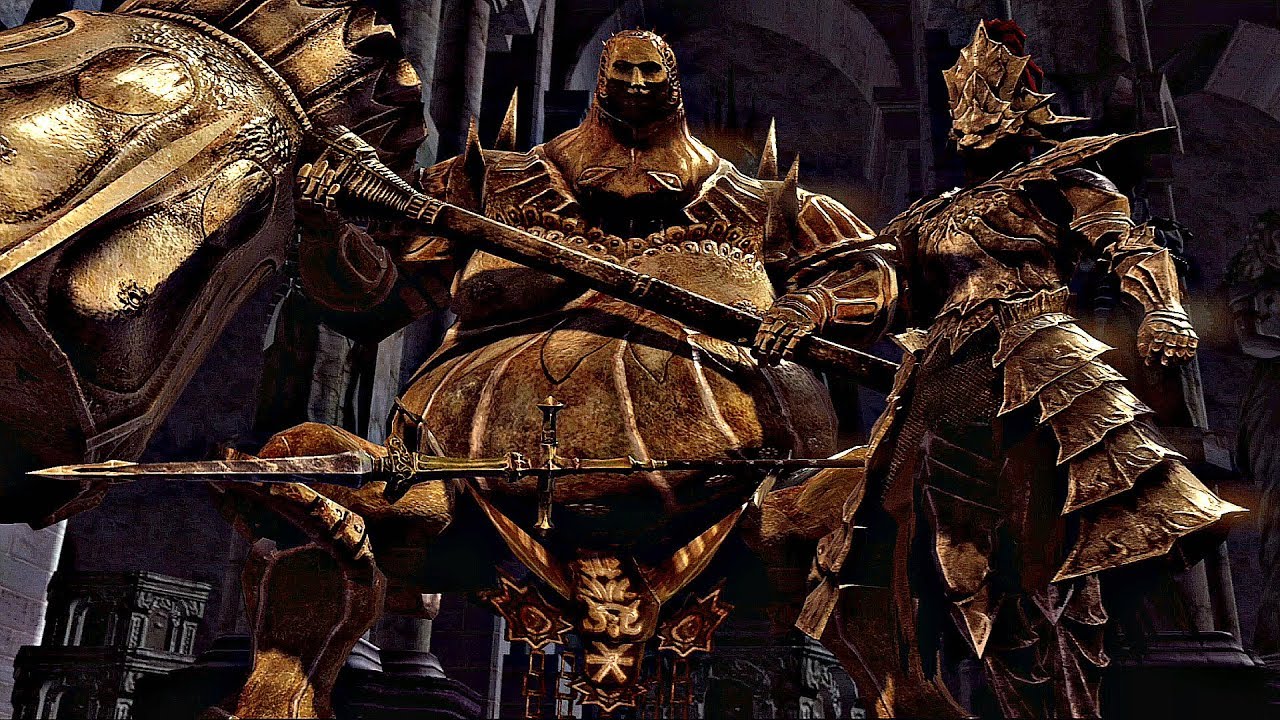
Gwyn is the foundational Souls character because his single choice defines the series.
When the First Flame fades, he refuses to let the natural cycle proceed and links the fire himself, creating a prolonged age built on denial and sacrifice.
Core role:
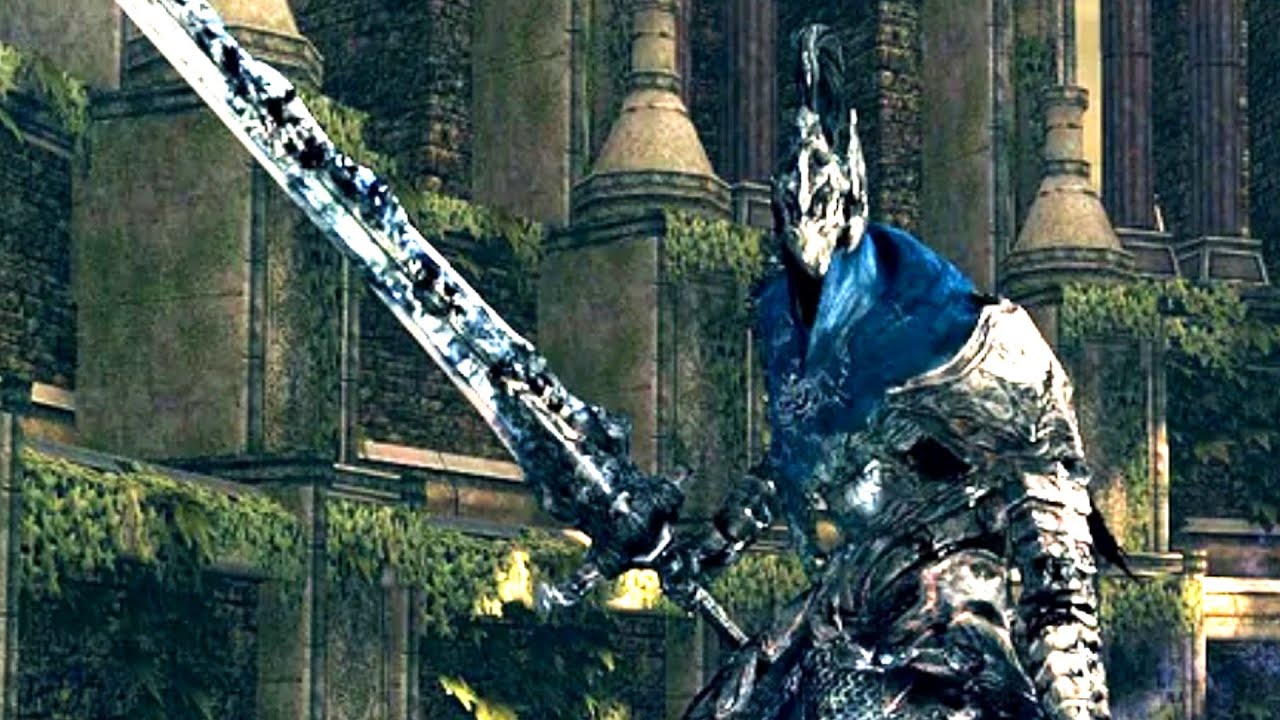
Artorias is one of Souls’ strongest “myth vs reality” characters.
He is remembered as an unstoppable hero, but what you discover is a warrior consumed by the Abyss while still trying to protect what mattered.
Why he matters:
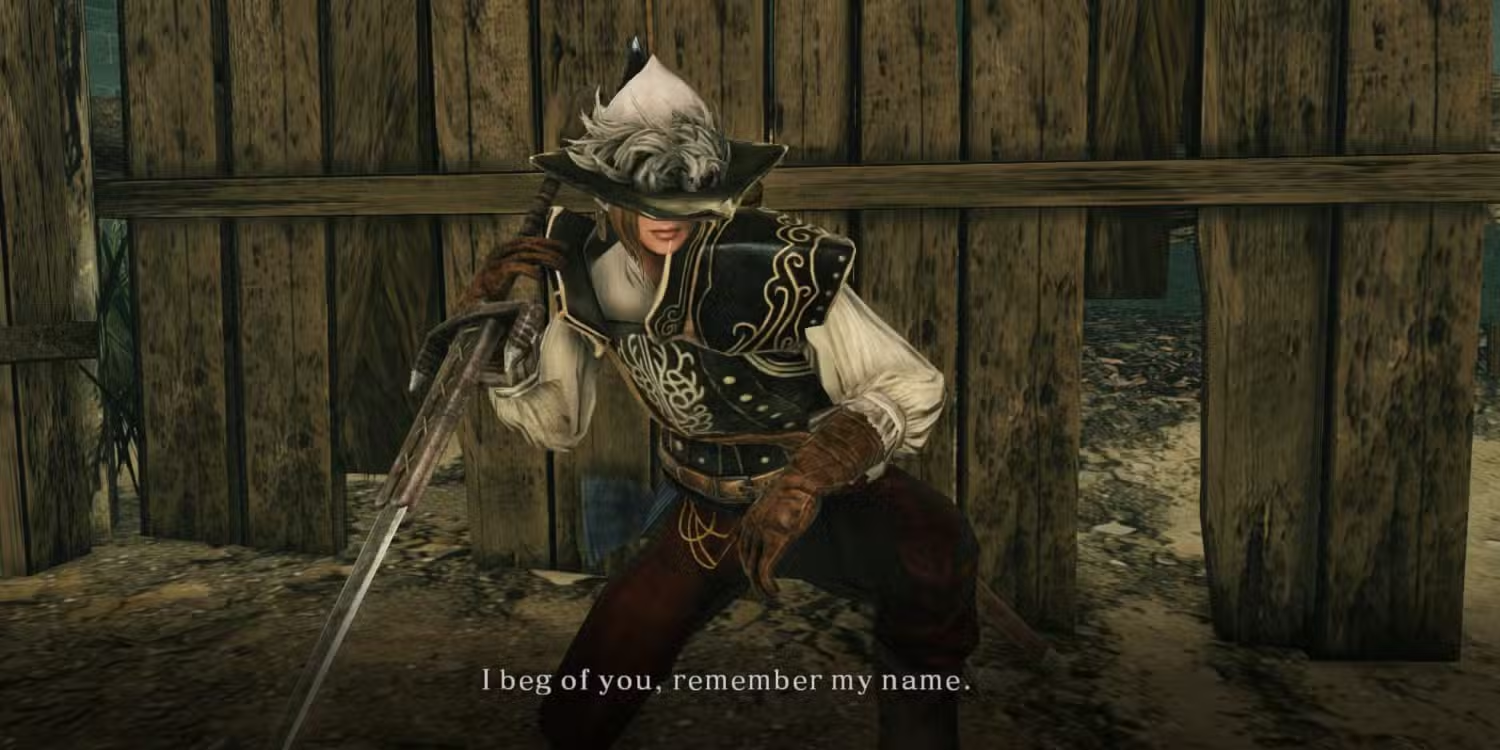
Lucatiel is one of the most human characters in the franchise.
She is skilled, determined, and gradually losing identity to the Undead curse. Her story is not about cosmic destiny, it is about memory, dignity, and fear of being forgotten.
Key theme:
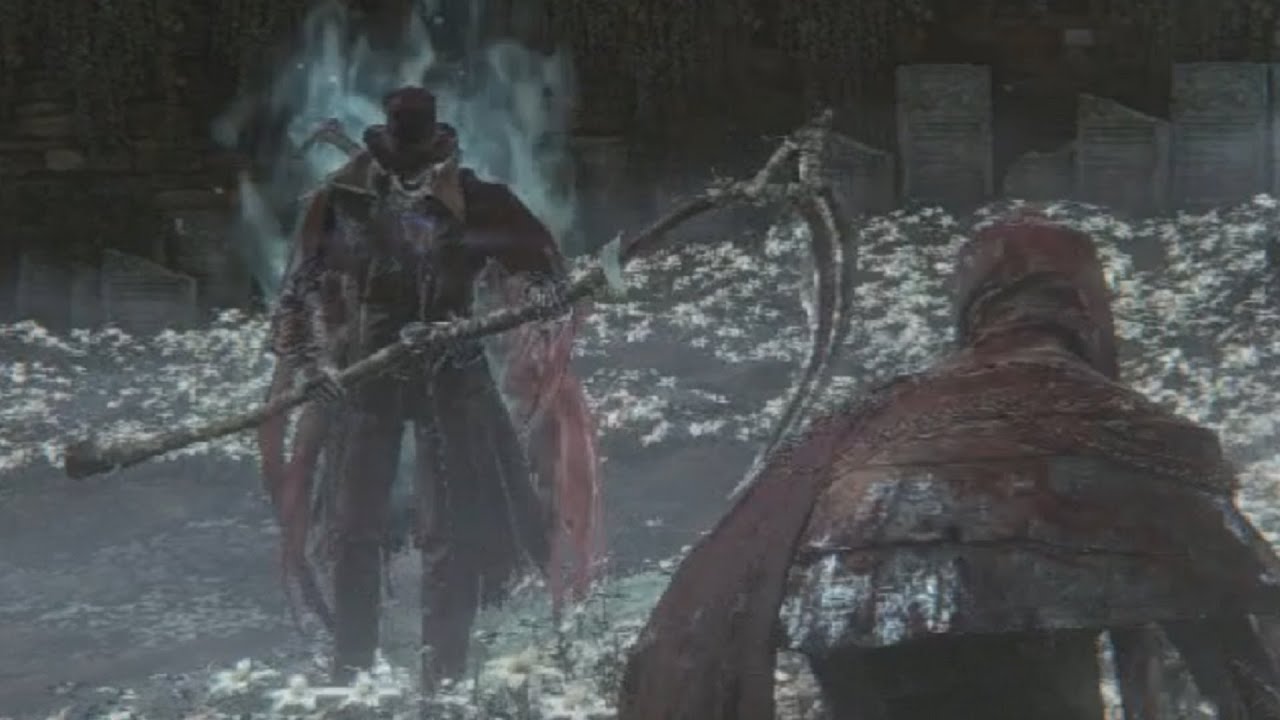
Gehrman is Bloodborne’s emotional hinge.
He appears as guide and caretaker, but he is also bound to the system he helped create, exhausted by endless cycles of violence and nightmare logic.
Why he matters:
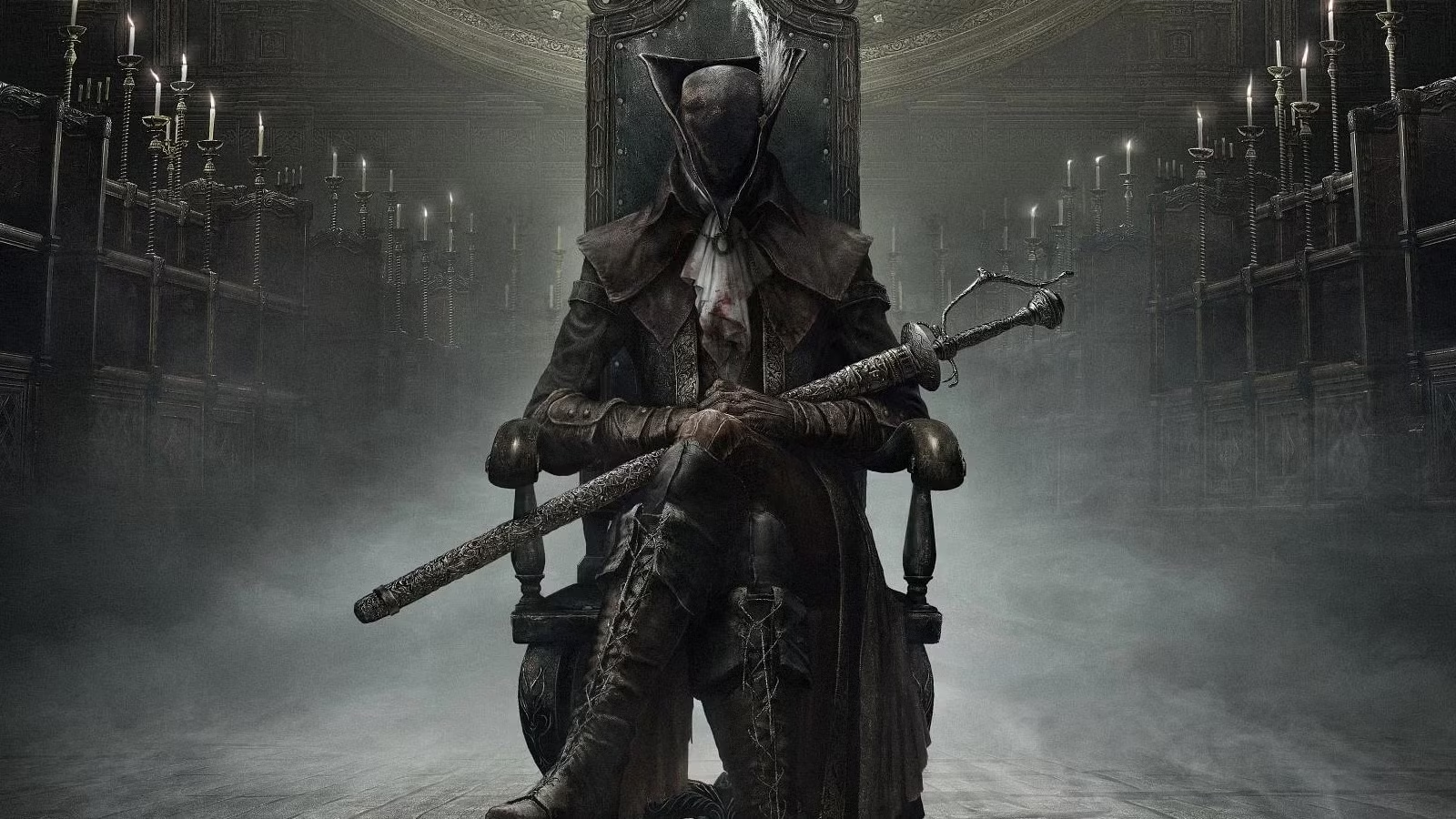
Lady Maria is one of Bloodborne’s most layered figures.
She is elegant and controlled, but haunted by past atrocities linked to the Fishing Hamlet and the Hunter system. Her restraint is part of her character writing, not just style.
Character value:

Micolash is the “knowledge without ethics” warning label.
He is obsessed with ascension and insight, and his actions help drag humanity deeper into nightmare territory. He is less physically imposing, more ideologically catastrophic.
Why he stands out:
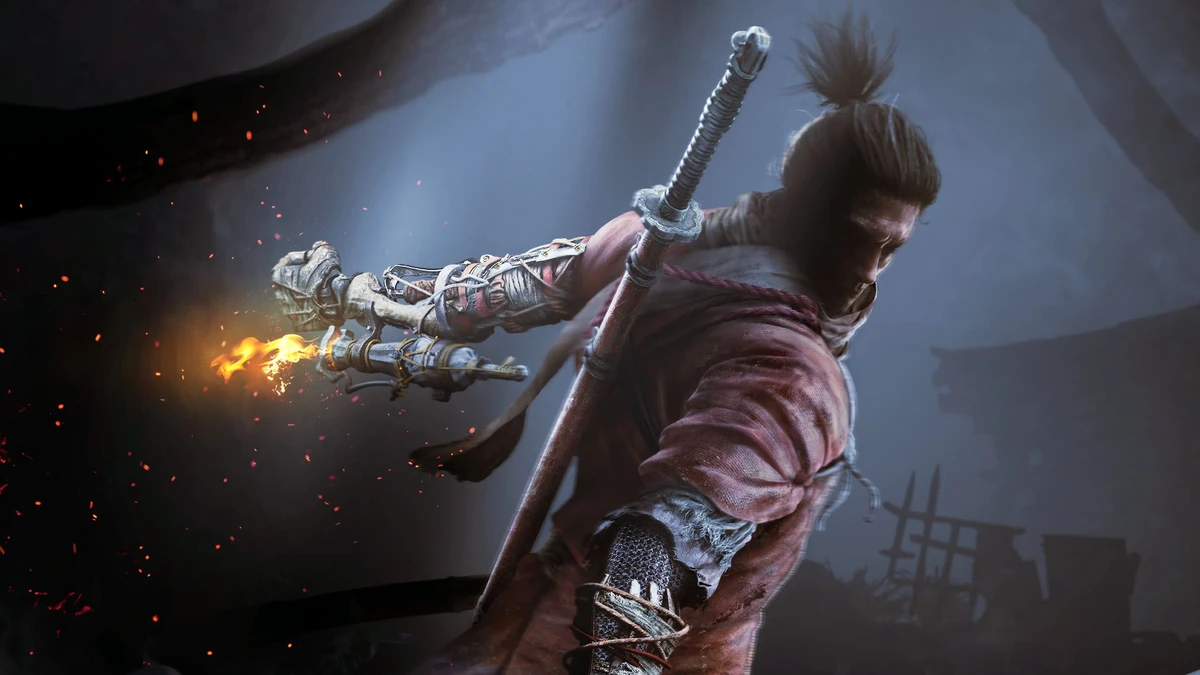
Wolf is one of FromSoftware’s most direct protagonists.
Unlike silent/blank Souls archetypes, he has a clear personal arc: moving from obedience-driven weapon to someone who actively chooses what loyalty means.
Core importance:
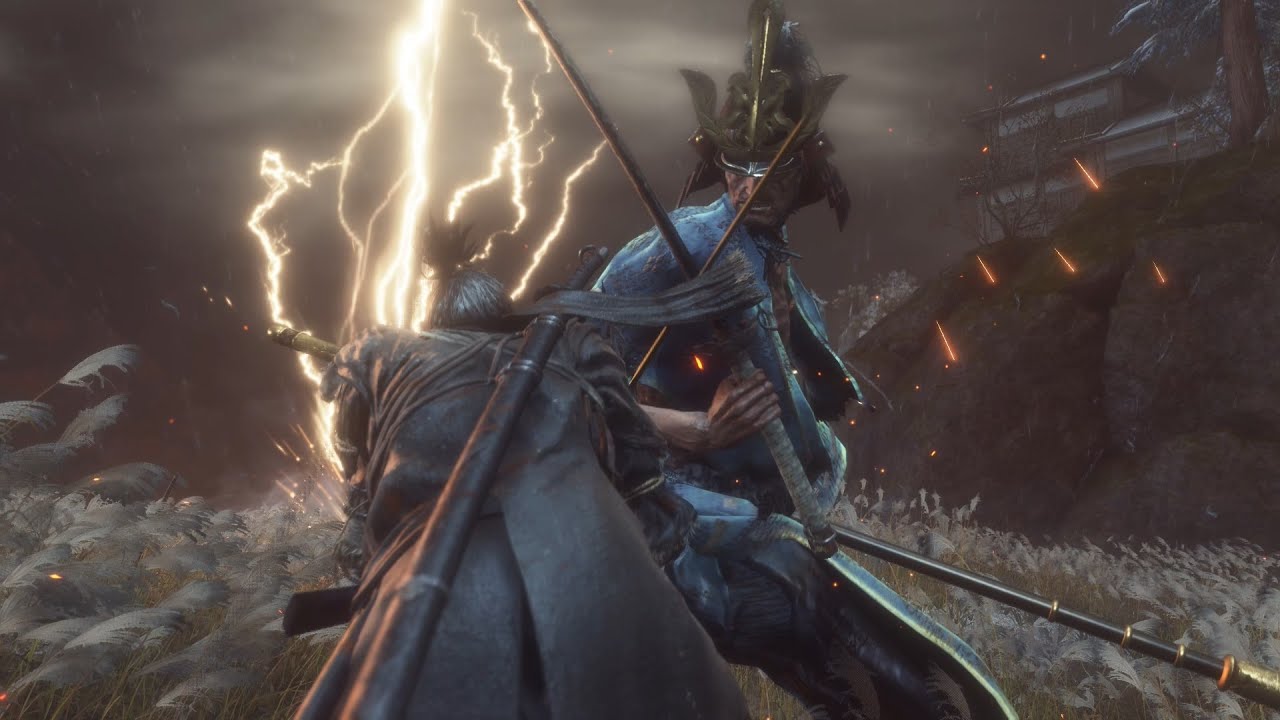
Isshin is both character writing and gameplay design at top level.
He is charismatic, terrifying, and ideologically consistent: strength, resolve, and martial truth over excuses. His role caps Sekiro’s themes with rare clarity.
Why he matters:
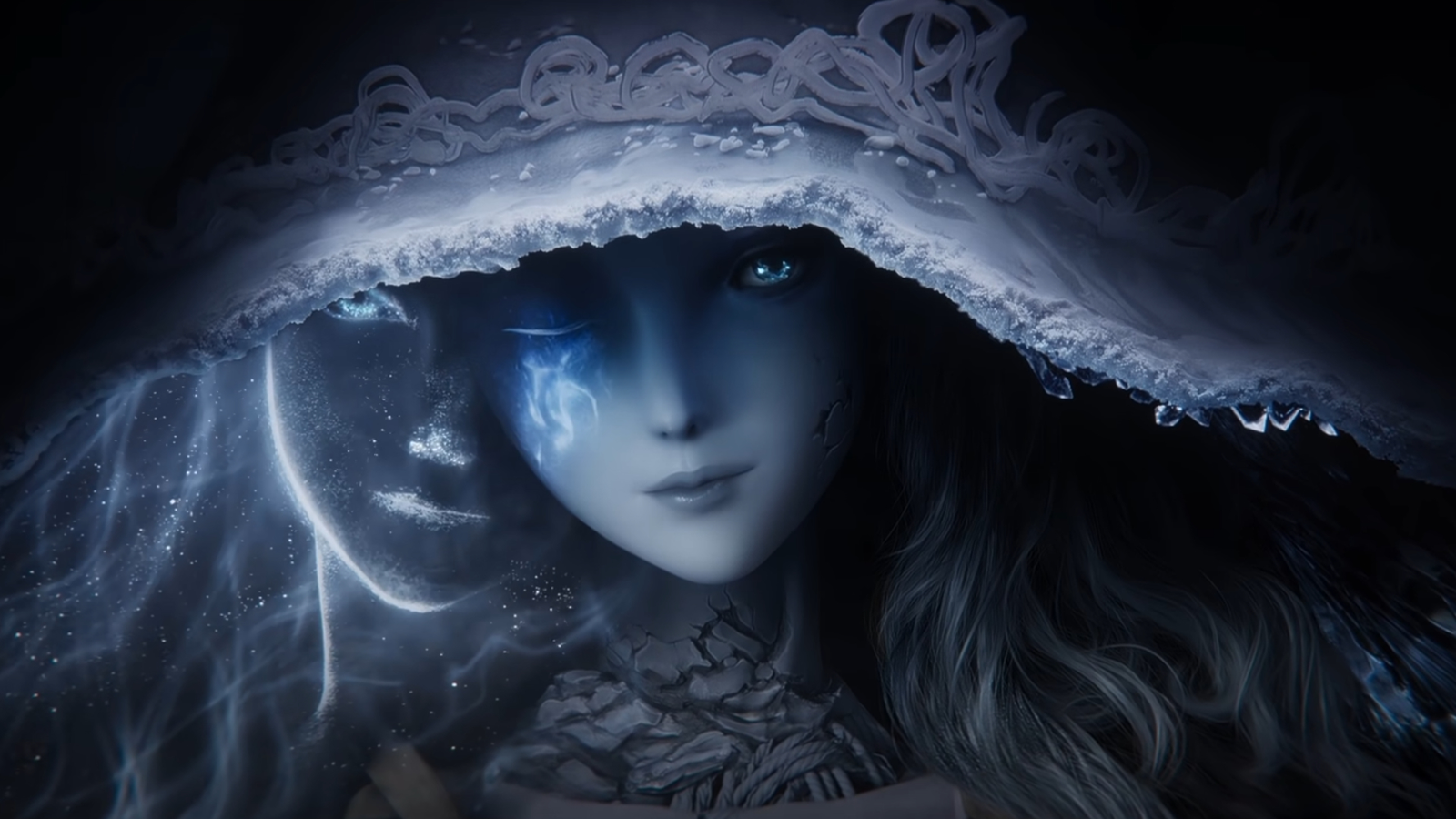
Ranni is one of Elden Ring’s most influential characters.
She is calculating, independent, and willing to break divine systems rather than preserve them. Her questline reframes the game’s central question from “restore order?” to “what kind of order deserves to exist?”
Character impact:
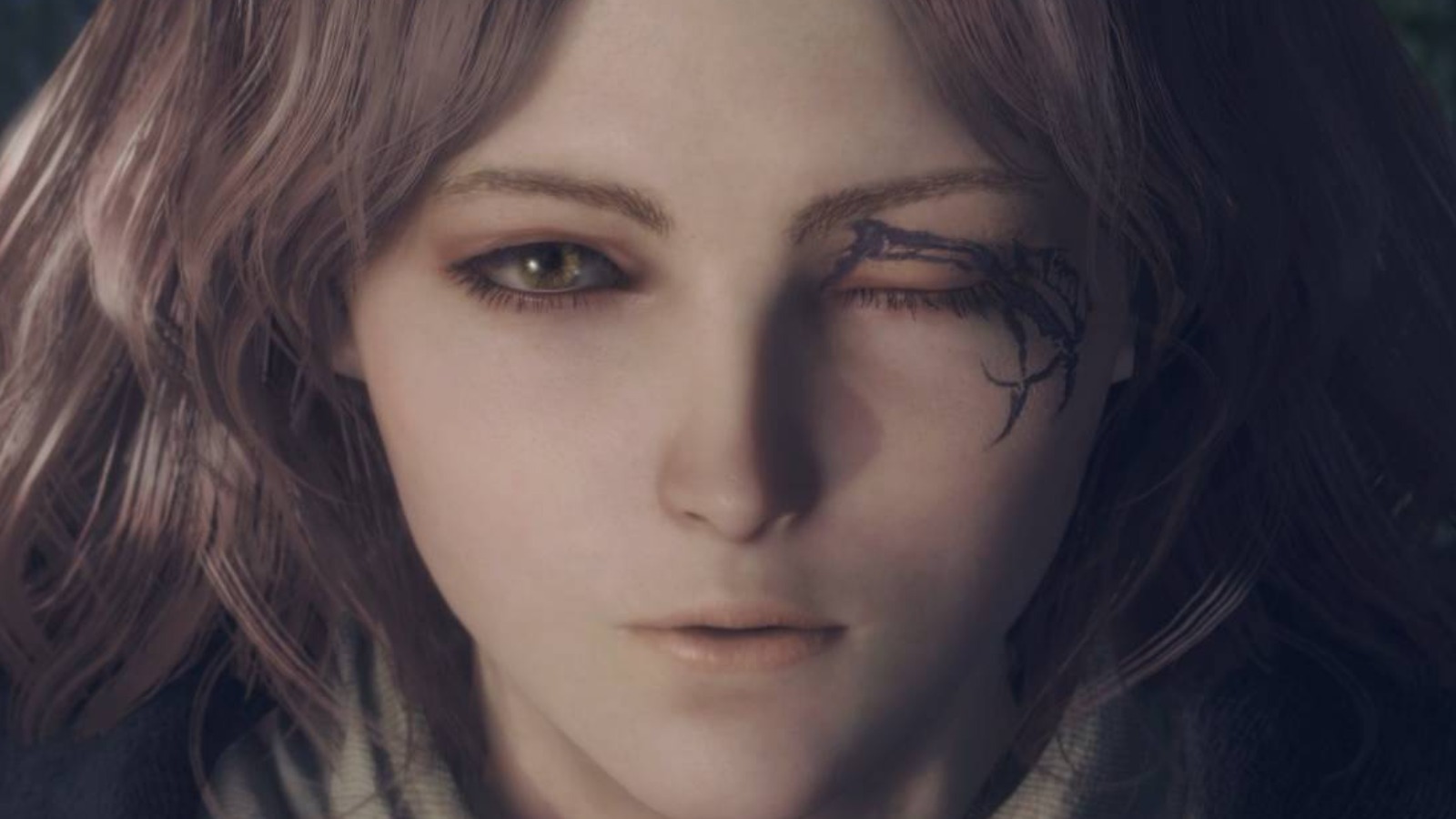
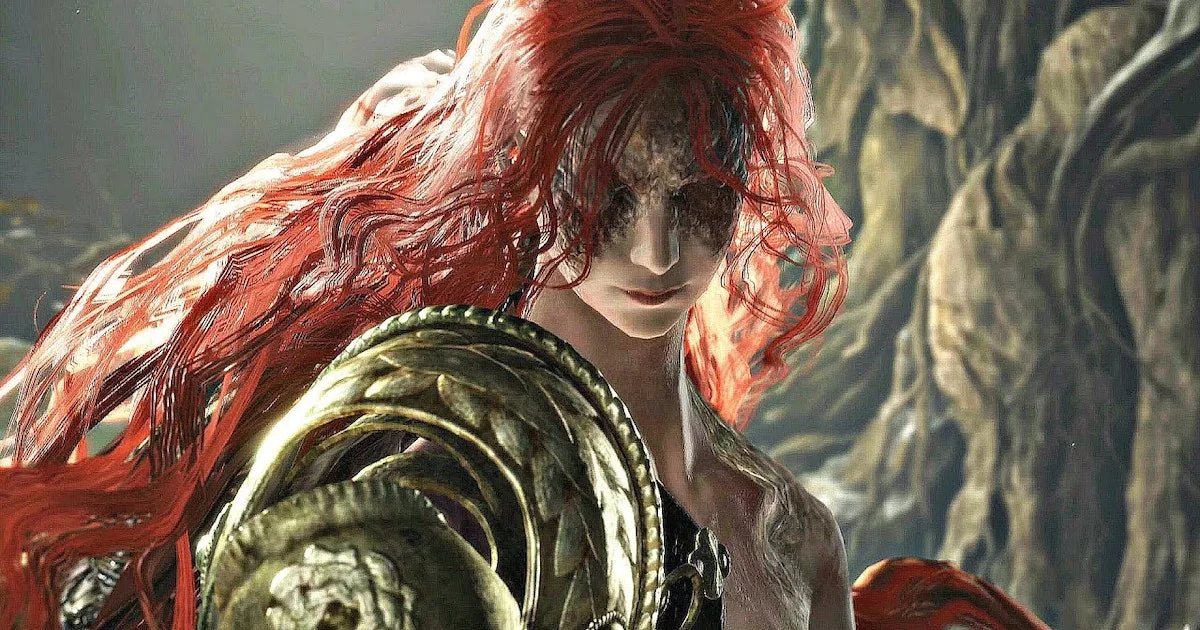
Melina is subtle but central.
She begins as a practical guide and becomes a major ethical voice in the Tarnished journey. Her identity remains partly veiled, but her narrative function is clear: force the player to confront cost and consequence.
Why she matters:
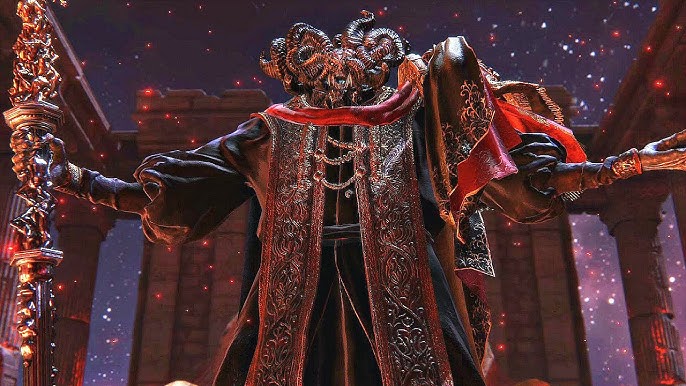
Mohg is one of Elden Ring’s clearest villain case studies.
He builds a blood cult, manipulates power structures, and attempts to force a new order through kidnapping and ritual ideology.
Role in cast:
The best Soulsborne characters are not simple heroes or villains.
They are pressure-tested people inside collapsing systems:
That is why they stay memorable long after the boss bar disappears.
Soulsborne character writing works because it treats power as burden, not reward.
Every world looks different, but the core drama repeats:
If you understand the characters, you understand the franchise.
 AllNews
 AllGuide
 AllNews
 AllNews