
 AllMar 09, 2026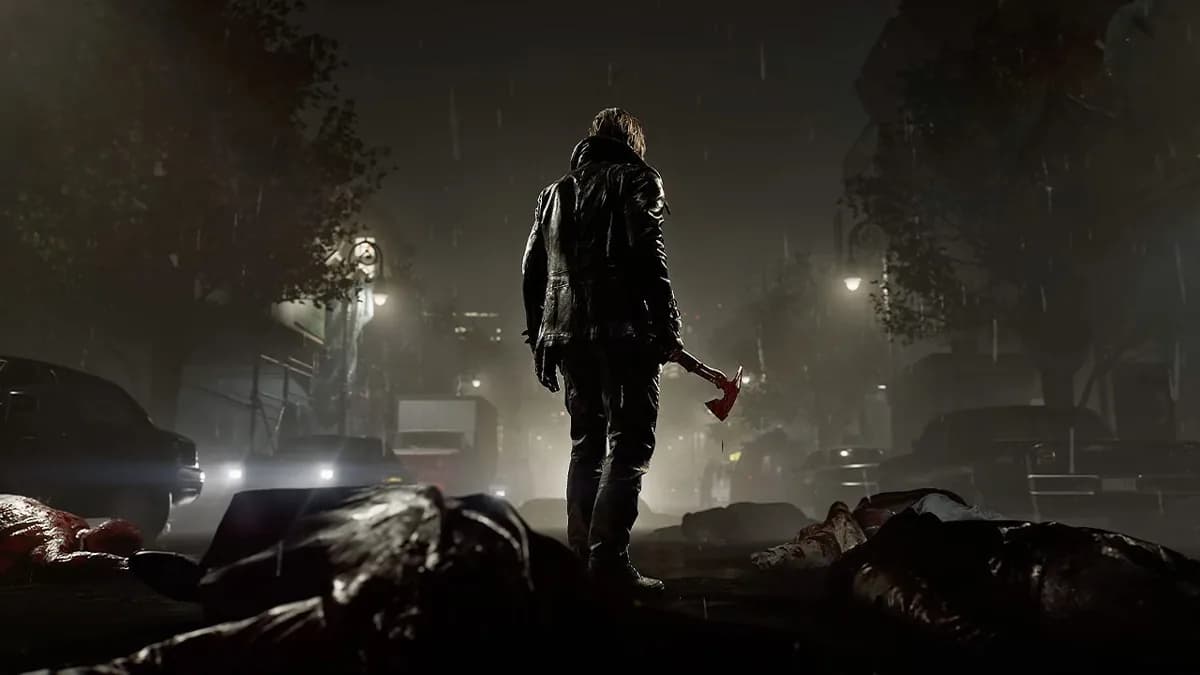
Ranking the best Resident Evil games from mainline classics to modern remakes, including why each entry still matters to survival horror fans.

Ranking Resident Evil games is always risky business.
No matter what order you choose, someone will politely disagree, then immediately bring up inventory slots, door-loading tension, and why one specific game is "criminally underrated."
This ranking focuses on mainline impact, replay value, atmosphere, and how well each entry balances horror, action, and identity.
So yes, this list will start arguments.
That is how you know it is a proper Resident Evil ranking.

Resident Evil 6 is ambitious to the point of chaos.
It tries to be four games at once, juggling multiple campaigns, global stakes, and a mountain of set pieces. When it works, it is fun and loud. When it does not, it feels like the series sprinting away from its horror roots at full speed.
Still, it matters in franchise history. RE6 is the moment Capcom realized the formula needed recalibration, which directly opened the door for the horror-first reset in RE7.

RE3 Remake is short, stylish, and still very replayable.
Jill feels great to control, Carlos is excellent, and the presentation quality is high throughout. The game also moves fast, which can be either a strength or a disappointment depending on what you wanted from a remake.
Its biggest issue is legacy comparison. Many players expected broader scope and deeper city exploration. What we got is tighter and more linear.
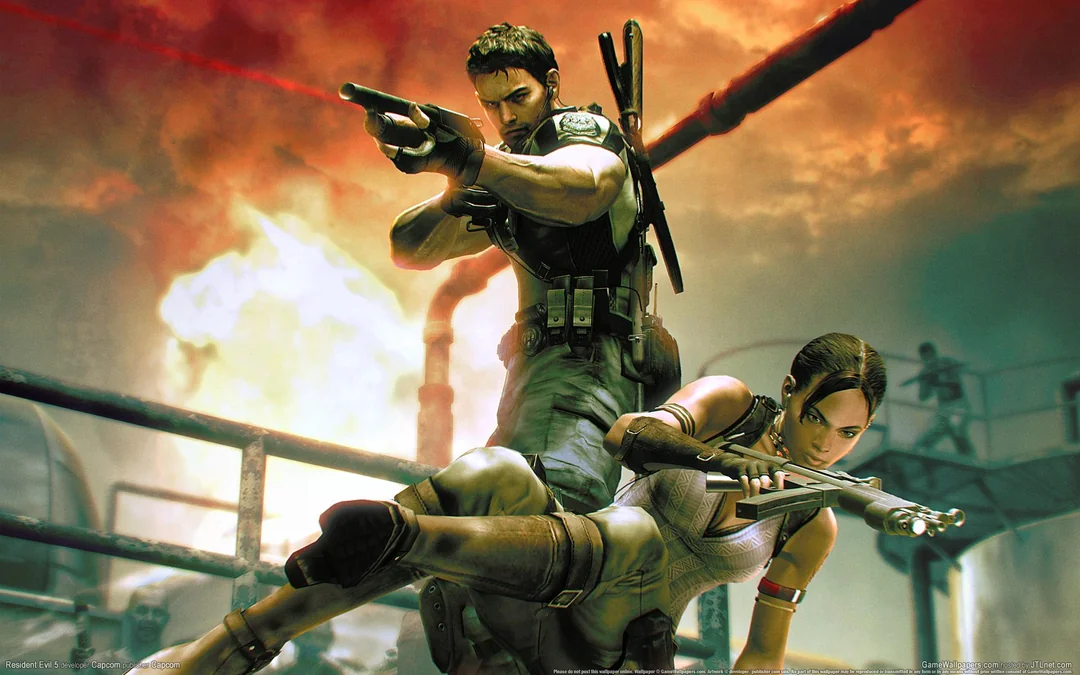
Resident Evil 5 is one of the most successful co-op horror-action games ever released.
Playing with a friend transforms the entire experience into a tactical survival shooter with great momentum, memorable encounters, and high replay value. Chris and Sheva are a strong duo, and the game delivers major lore payoffs around long-running antagonist arcs.
Its weaknesses are clear: less fear, more firepower, and occasional pacing that leans too hard into spectacle.
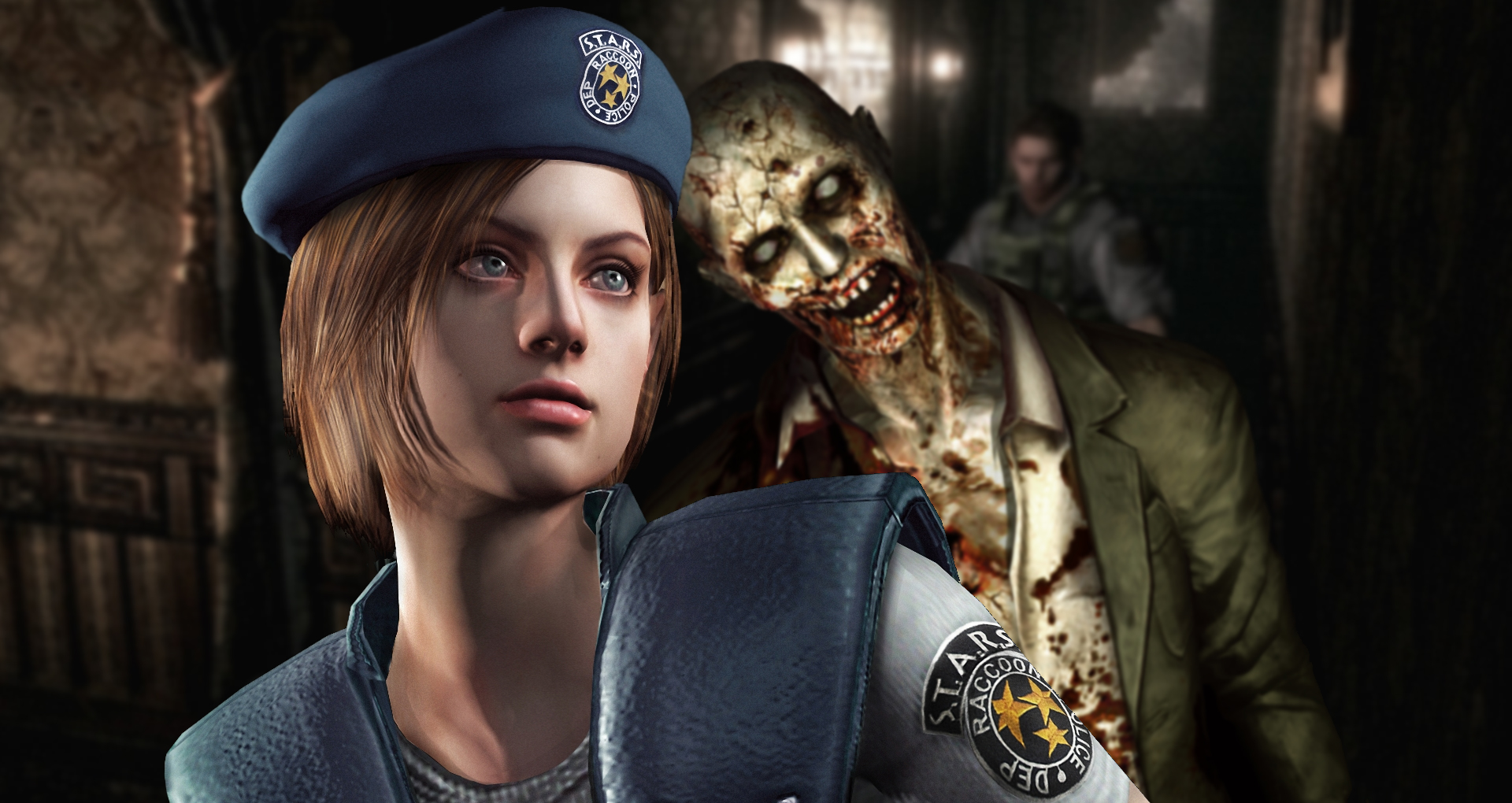
The Resident Evil remake is one of the greatest remakes in gaming history, full stop.
Spencer Mansion is still a masterclass in dread, navigation, and item-pressure design. Every room feels dangerous, every trip feels expensive, and every new key feels like both progress and a trap.
Modern players may bounce off fixed-camera pacing at first, but if you adapt to it, the tension remains elite.

Original RE3 is still one of the most stressful games in the series, in the best possible way.
Nemesis changed the feel of survival horror by adding persistent pressure that could break safe habits and force snap decisions. The game's branching touches and live-selection moments also gave it replay personality beyond simple route optimization.
Compared to RE2, it is leaner and more aggressive, and that identity still works.
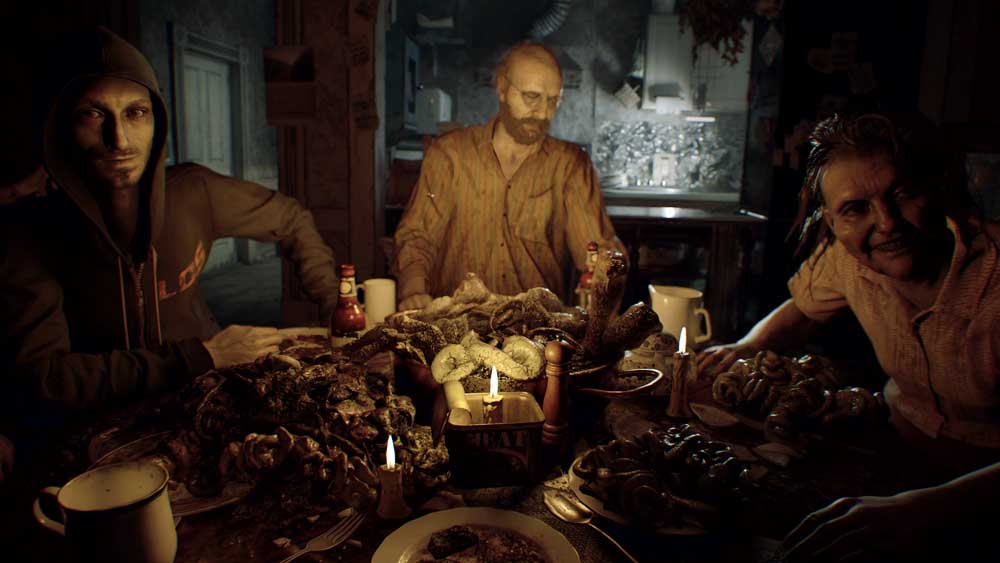
RE7 saved Resident Evil from becoming a pure action brand.
By shifting to first-person and returning to intimate, claustrophobic horror, Capcom rebuilt tension from the ground up. The Baker Estate is one of the best modern horror locations in any game, and Jack Baker is an all-time threat.
This game also introduced a new narrative lane with Ethan and Mold-era lore, proving the series could evolve without abandoning identity.

Village is one of the best-balanced modern Resident Evil games.
It keeps RE7's first-person intensity but adds broader variety, bigger set-piece rhythm, and location diversity that keeps the campaign fresh from start to finish. Castle Dimitrescu alone became instantly iconic, and late-game lore reveals expand the franchise meaningfully.
Some fans prefer RE7's tighter horror focus, but Village's mix of fear, momentum, and spectacle gives it massive replay appeal.

Resident Evil Requiem earns a top-three position by doing the hardest thing in long-running franchises: moving forward without losing identity.
It builds on the modern horror-action balance, expands post-Village continuity, and has already received standout player reception compared to recent releases. The game feels like an evolution, not a nostalgia recycle.
For a ninth mainline entry, that level of confidence is rare and a big win for Capcom.
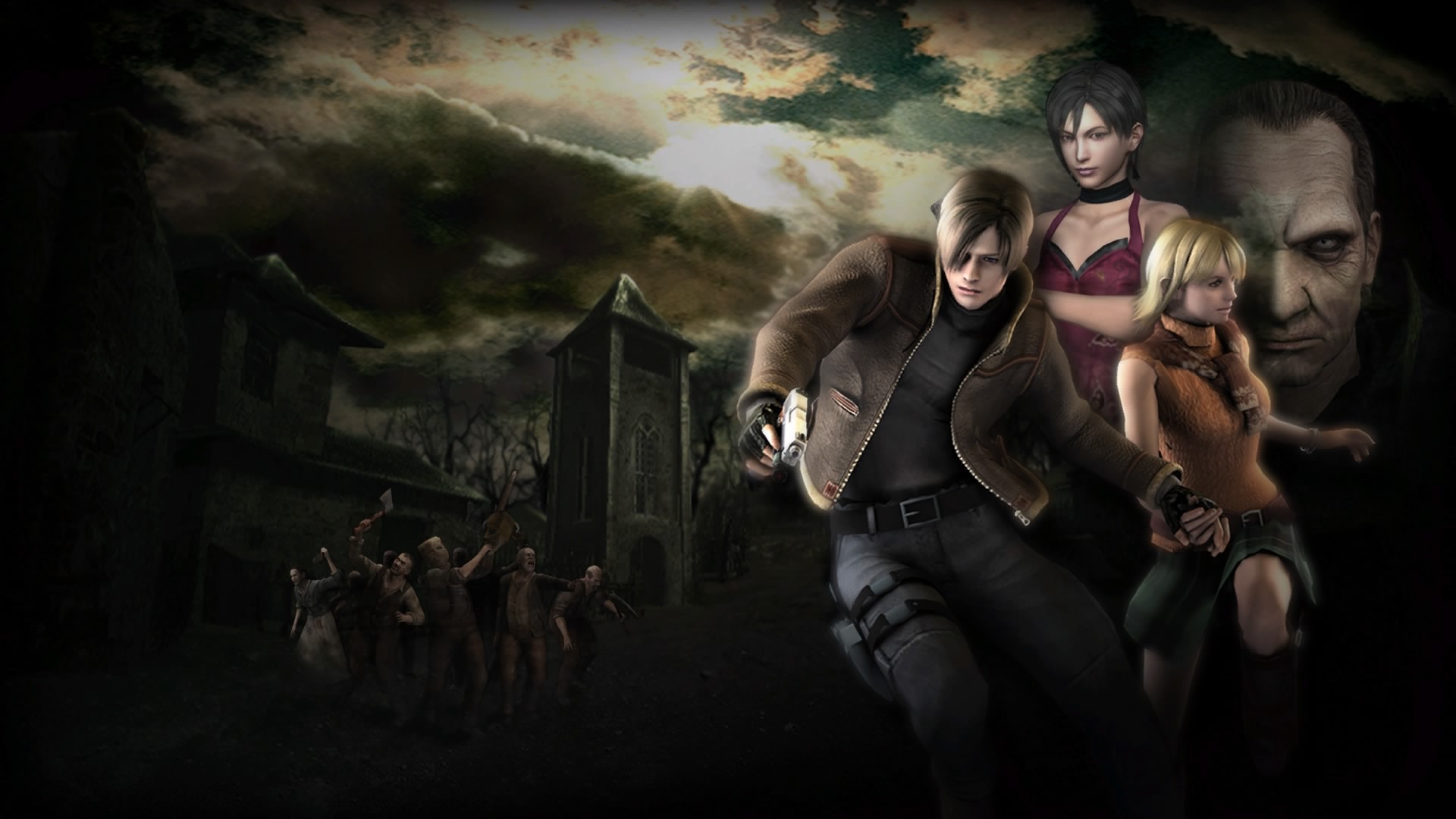
RE4 is one of the most influential games ever made.
The original reinvented action-horror pacing for an entire industry. The remake modernized the formula without losing the identity that made it legendary. Both versions are elite in different ways, and both deserve to sit near the top of any serious ranking.
Combat flow, encounter variety, and set-piece density are exceptional.
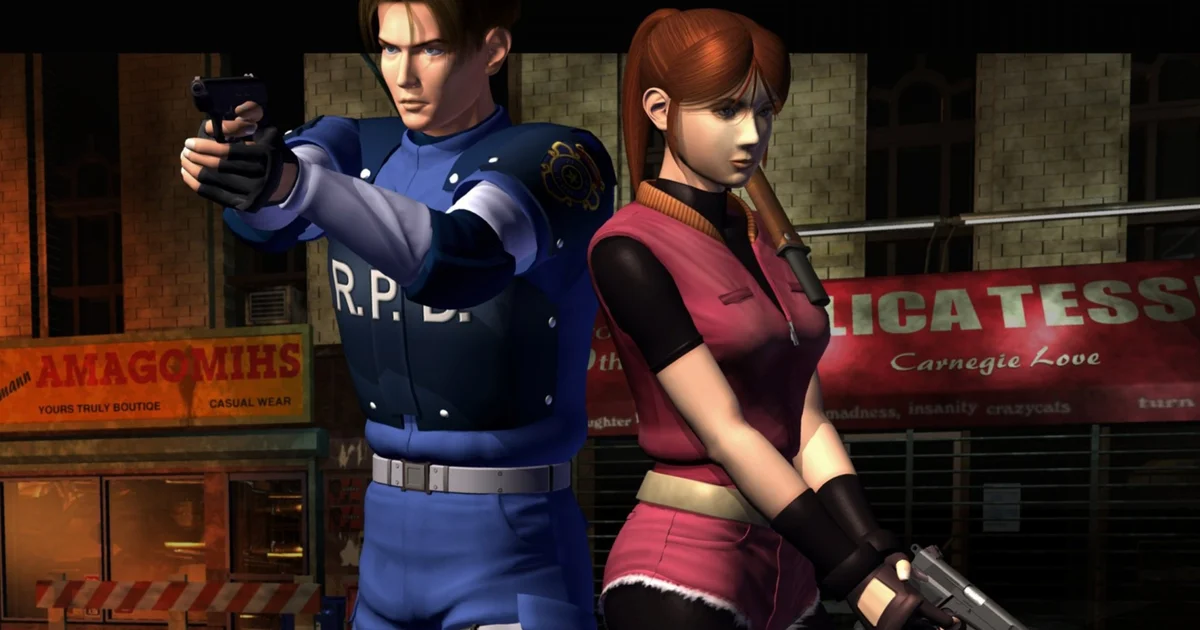
RE2 takes first place because it nails everything Resident Evil should be.
The original expanded the franchise into urban catastrophe with two beloved protagonists and unforgettable setting design. The remake then updated those strengths with modern controls, incredible atmosphere, and one of the best stalker implementations in horror gaming.
RPD remains the single best map in the franchise. Leon and Claire remain top-tier leads. The pacing remains almost perfectly tuned for fear and progression.

Resident Evil's strength is not that every game is identical.
Its strength is that the franchise can reinvent tone, camera, and combat style while still feeling unmistakably Resident Evil.
From mansion-era survival dread to modern remakes and first-person horror chapters, the series keeps finding new ways to stay relevant without losing its core.
And yes, every ranking will be debated.
That is part of the tradition.
By Aiden Nguyen
Senior Editor, Console Pulse
Images Credit
Official artwork, cover art, and in-game screenshots are credited to Capcom and associated Resident Evil rights holders. Images are used for editorial coverage.
 AllNews
 AllNews
 AllNews
 AllGuide