
 AllFeb 28, 2026
Explore the main Resident Evil characters, from Jill and Leon to Ethan Winters. A complete guide to the heroes shaping the timeline.
Resident Evil has a large cast.
Scientists. Soldiers. Civilians. Villains with questionable lab ethics.
But despite decades of outbreaks, remakes, and bioweapons with increasingly creative names, the series keeps returning to a handful of core anchors.
If you are trying to understand the Resident Evil characters timeline, this guide breaks down the key heroes, the modern arc, and the recurring threats that define the franchise.
No corkboard required.
The Legacy Leads: The Faces of the Classic Era
These are the characters who carried the Raccoon City era and the global bioterror escalation that followed.
First appearance: Resident Evil
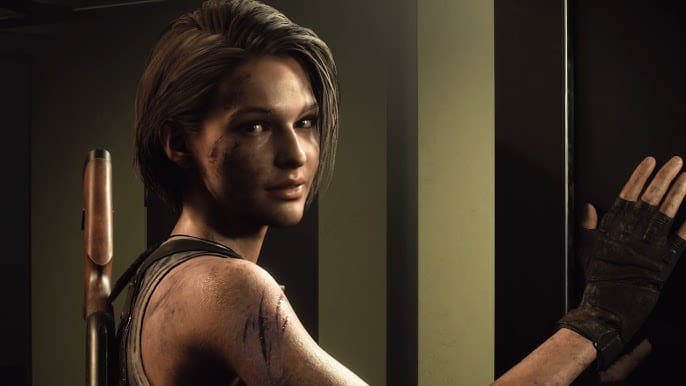
Jill is one of the original S.T.A.R.S. members and one of the most resilient characters in the series. From the Spencer Mansion incident to the fall of Raccoon City, she represents tactical skill and composure under pressure.
Across remakes and sequels, Jill evolves from police officer to seasoned anti-bioterror operative. She is consistently portrayed as resourceful, capable, and very tired of corporate negligence.
If Resident Evil has a backbone, Jill is part of it.
First appearance: Resident Evil
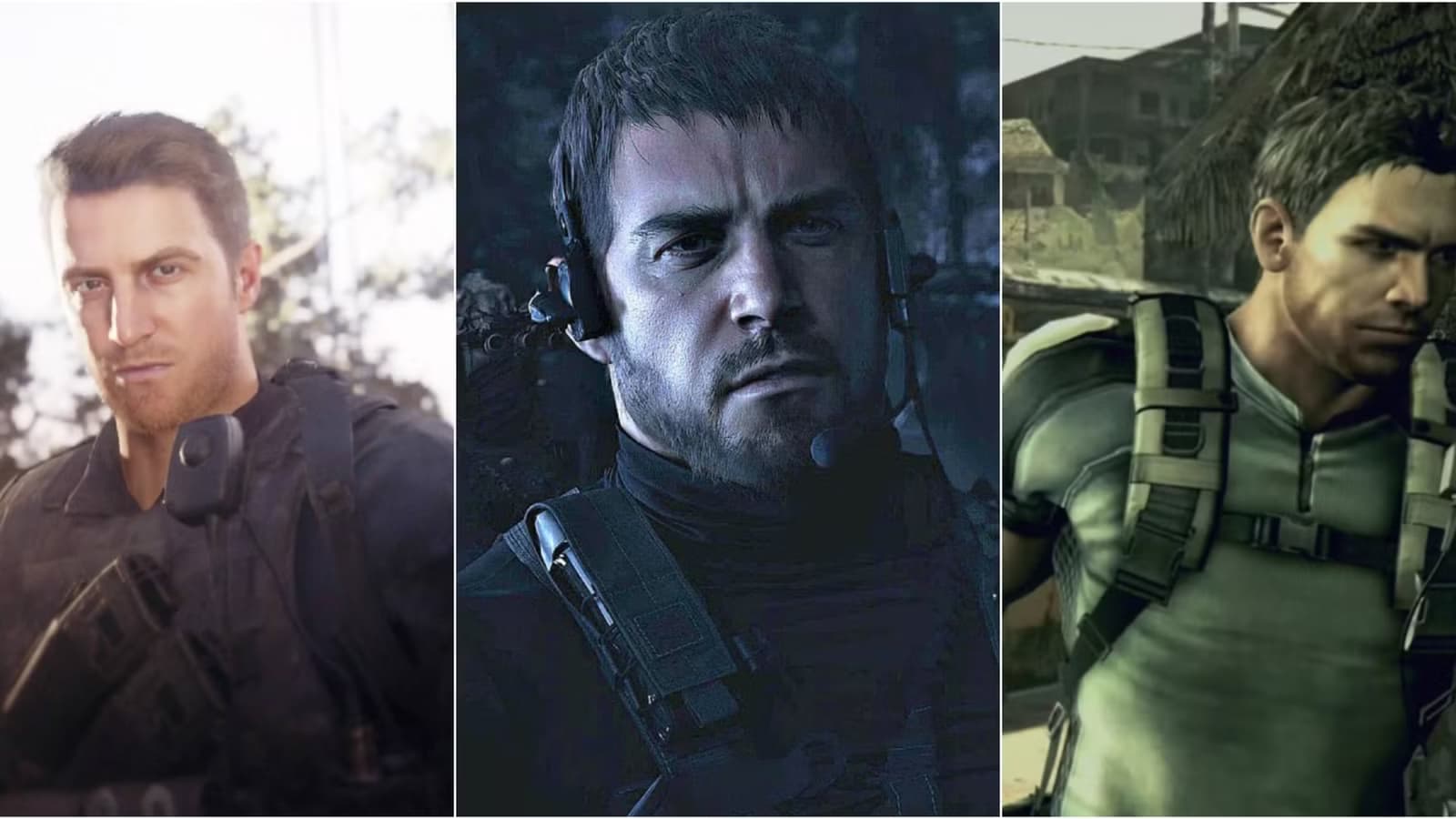
Chris begins as a S.T.A.R.S. member investigating Umbrella. Over time, he becomes one of the central anti-bioterror figures in the series.
Unlike some characters who remain grounded in survival horror, Chris transitions into more militarized operations during the global bioterror era.
His arc reflects the franchise’s tonal shift from contained outbreaks to worldwide biological warfare.
He does not retire. He escalates.
First appearance: Resident Evil 2

Leon’s introduction is one of the most iconic in the franchise. A rookie police officer who arrives in Raccoon City on the worst possible day.
Over time, Leon becomes a government agent tasked with confronting bio-organic threats around the world. His journey bridges the survival horror roots of Resident Evil with its more action-oriented era.
Leon balances competence with reluctant heroism. He is the franchise’s steady hand when things inevitably spiral.
First appearance: Resident Evil 2
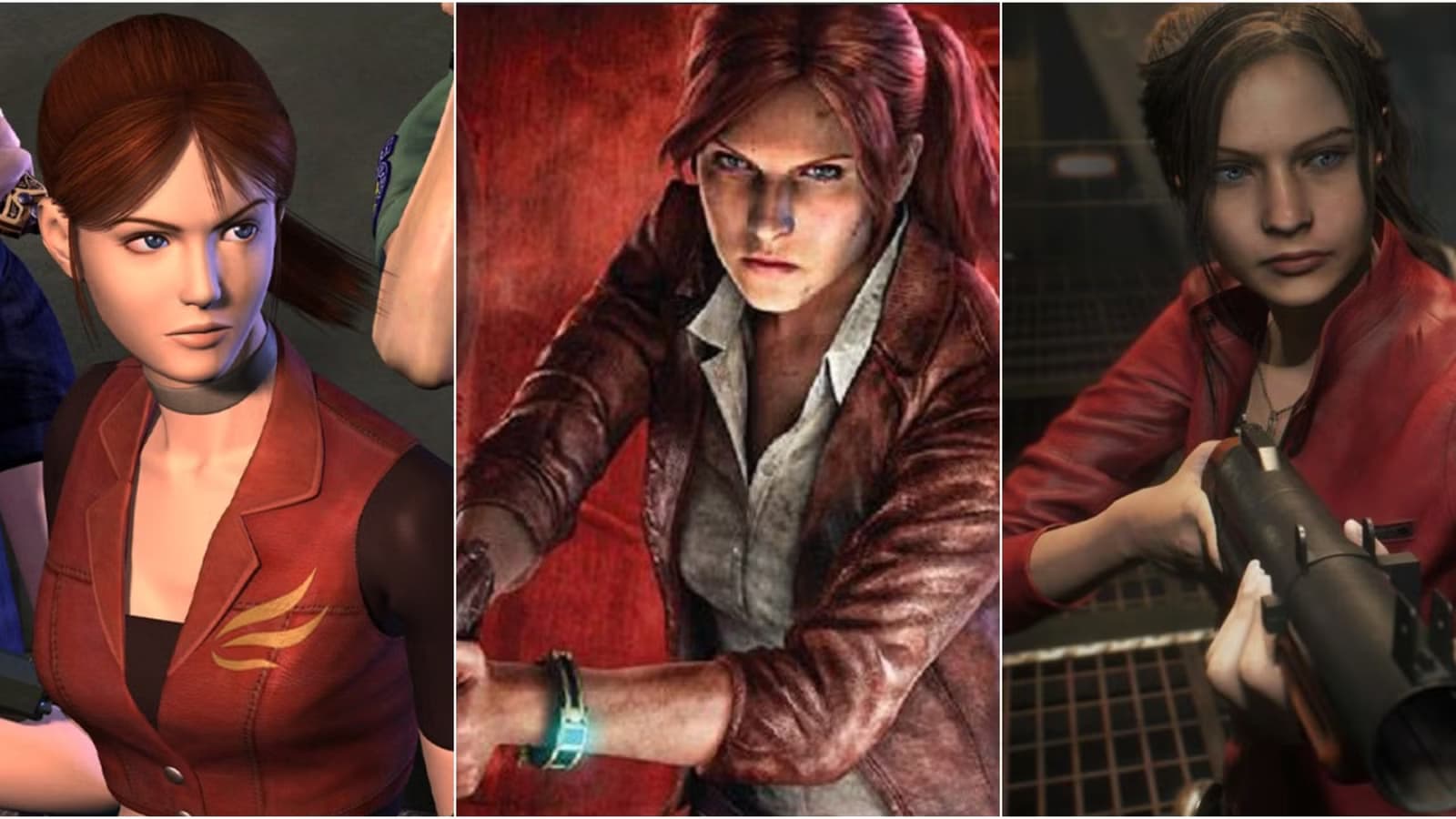
Claire enters the series searching for her brother and quickly becomes one of its most grounded protagonists.
She often serves as a civilian perspective within a world dominated by soldiers and operatives. Her character emphasizes empathy and persistence, particularly in her relationship with younger survivors.
Claire represents the human cost of the outbreaks.
The Modern Era Leads: Personal Horror
The modern Resident Evil arc narrows its focus.
Instead of global conspiracies dominating every scene, the tone shifts toward intimate horror and personal consequences.
First appearance: Resident Evil 7
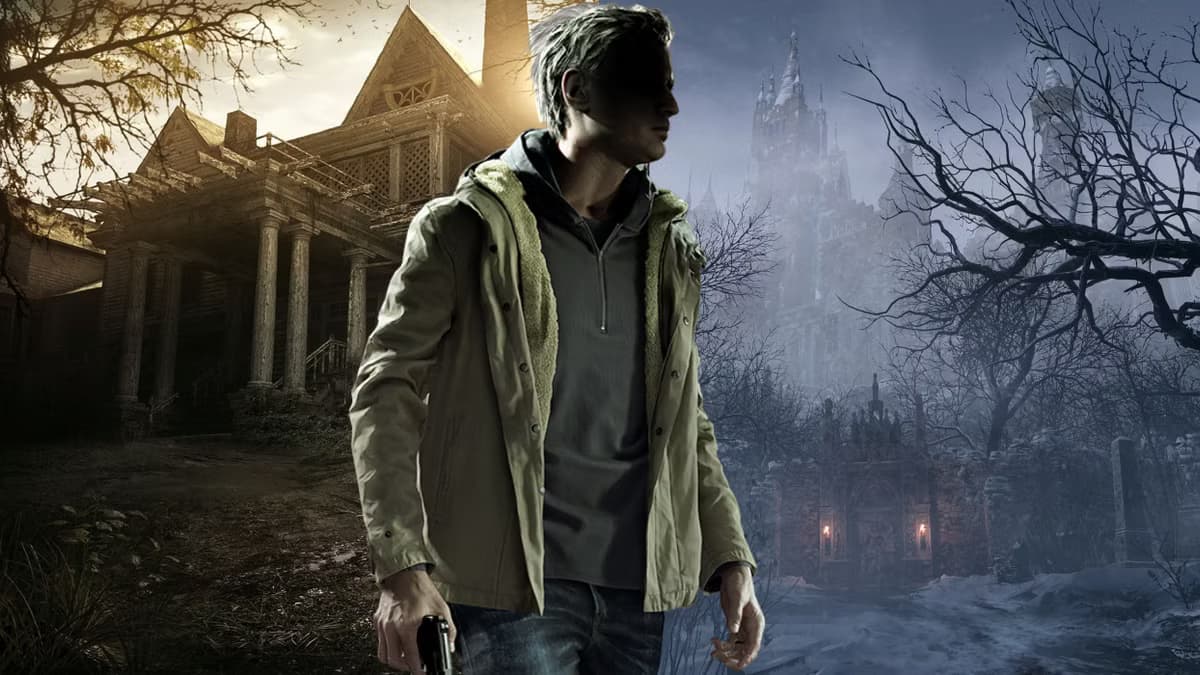
Ethan is not a trained operative. He is not a government agent. He is simply a man looking for answers.
His perspective shifts the tone back to vulnerability. Resident Evil 7 uses Ethan to return the series to claustrophobic horror. Resident Evil Village expands his story into something larger while maintaining a personal core.
Ethan’s arc reconnects Resident Evil to its roots of isolation and uncertainty.
First appearance: Resident Evil 7
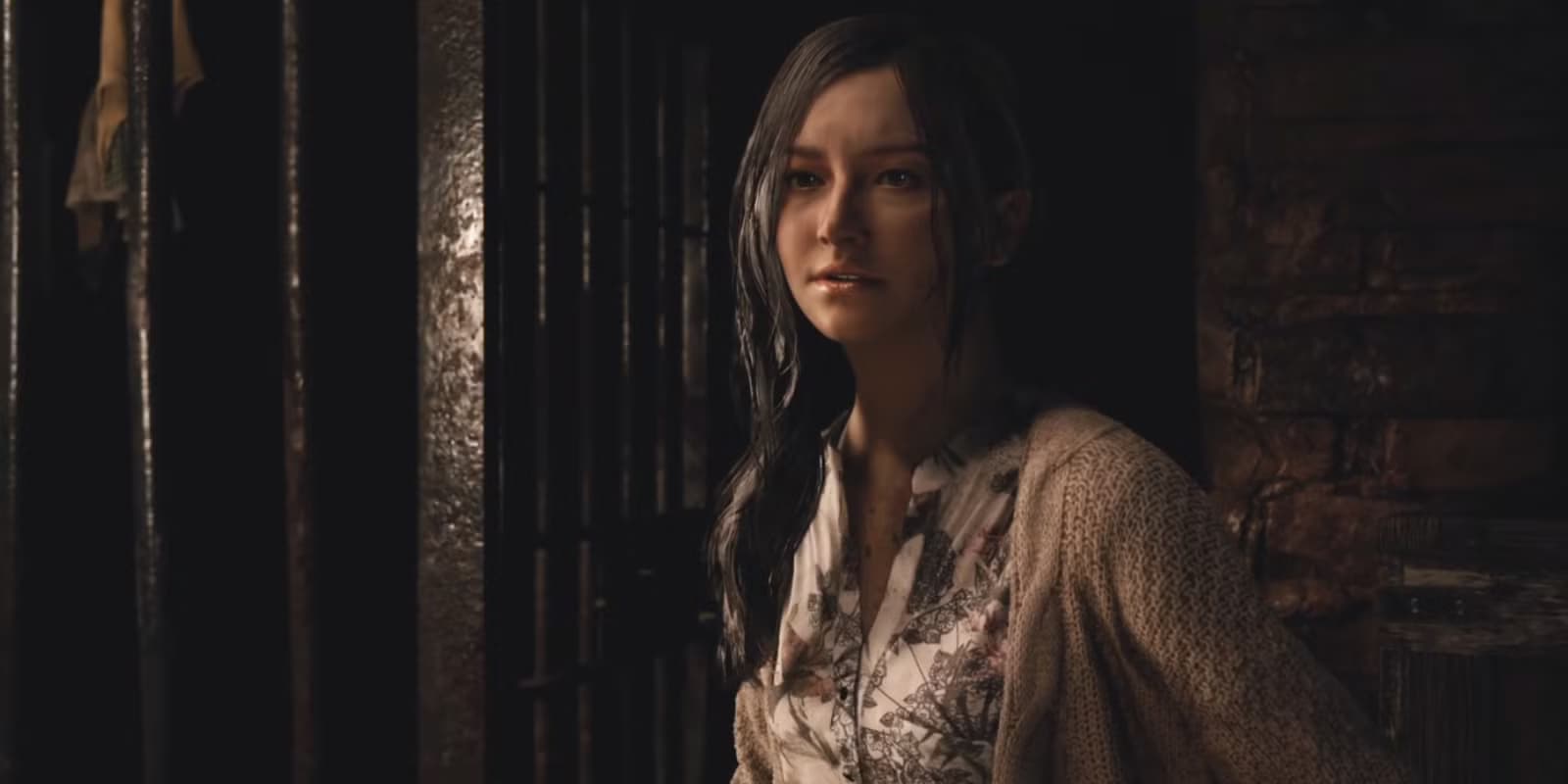
Mia’s role complicates the modern storyline. Her past involvement in biological incidents blurs the line between victim and participant.
She is central to the events of both Resident Evil 7 and Village, tying the modern arc together in ways that are gradually revealed.
Her presence reinforces a recurring Resident Evil theme: consequences do not disappear.
First appearance: Resident Evil Village
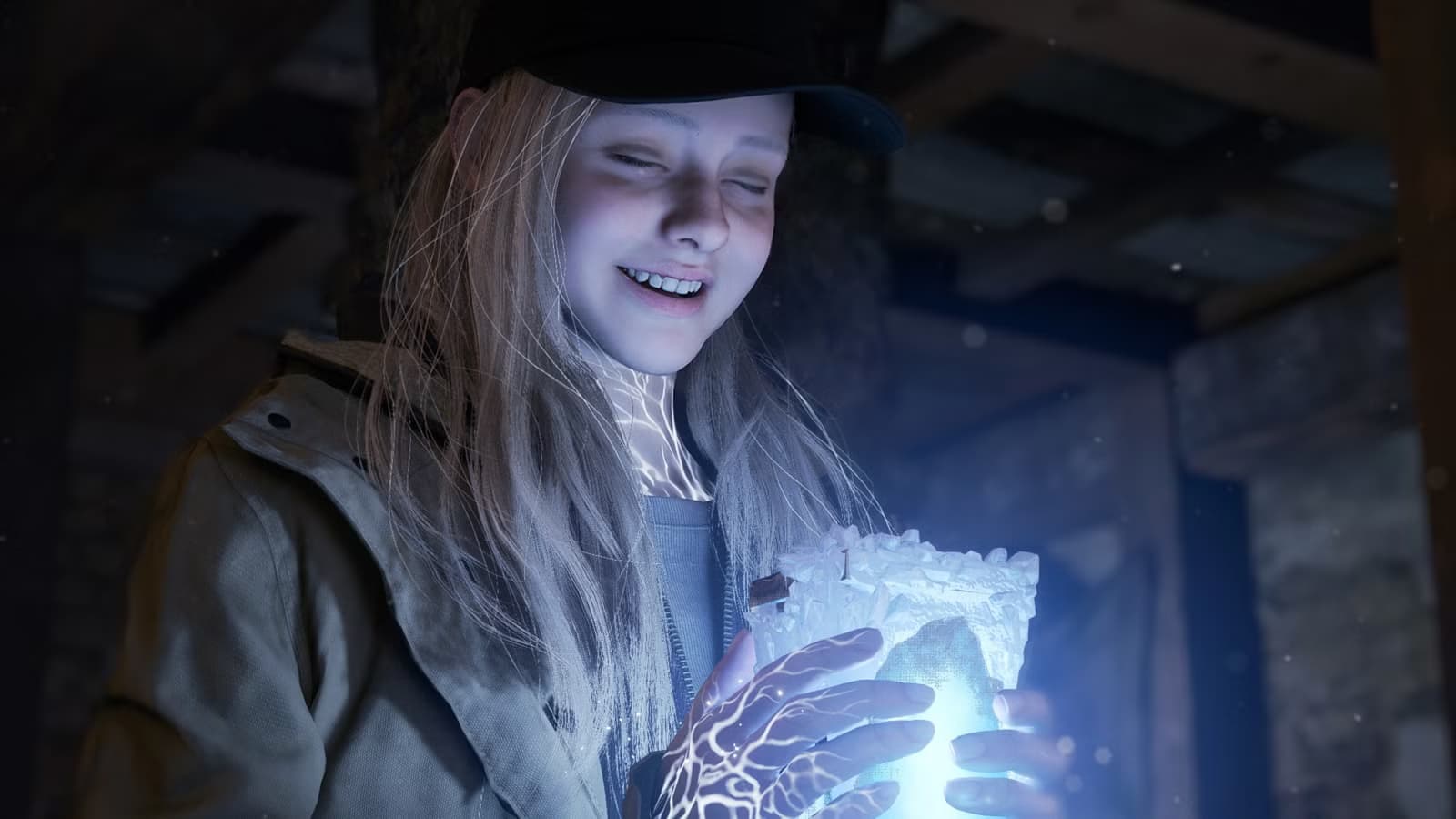
Rose represents the continuation of the modern timeline.
Her existence signals that the franchise is still evolving. While legacy characters defined earlier eras, Rose suggests that Resident Evil is building toward a new generational shift.
The story is not ending. It is transitioning.
New era lead
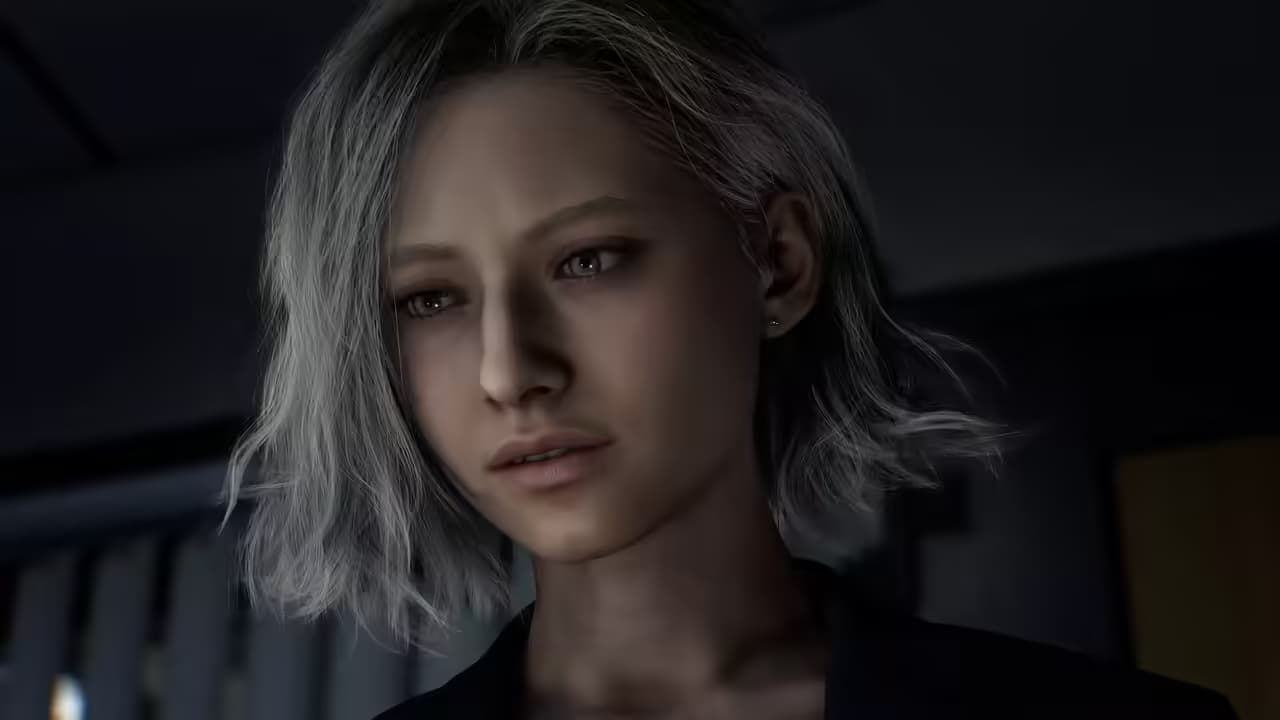
Grace is Resident Evil 9: Requiem ’s new protagonist and a very different kind of Resident Evil lead. She is not a boulder-punching veteran. She is an FBI analyst who gets pulled into a case tied to the ruins of Raccoon City, which is basically the franchise’s way of saying “welcome to trauma, please enjoy your stay.”
Characters come and go.
The real constant in Resident Evil is systemic failure.
Umbrella Corporation is the catalyst for the original outbreaks. Its experiments with the T-virus create the foundation for everything that follows.
Even after Umbrella falls, rogue labs, splinter organizations, and independent researchers continue the cycle.
The faces change.
The labs move.
The viruses get rebranded.
But the pattern remains consistent.
Resident Evil is ultimately about ambition without accountability.
Resident Evil characters are not isolated heroes.
Their stories intersect.
Chris and Jill share the original outbreak experience. Leon and Claire survive Raccoon City. Later entries bring veterans back into the fold, linking modern crises to past events.
Even when new protagonists take center stage, the legacy cast remains relevant.
The timeline is not just about viruses.
It is about people dealing with consequences across decades.
Classic era anchors:
• Jill Valentine
• Chris Redfield
• Leon S. Kennedy
• Claire Redfield
Modern arc:
• Ethan Winters
• Mia Winters
• Rose Winters
Recurring threat:
• Umbrella Corporation and its successors
If you are new to the series, understanding these names will clarify most of the timeline.
Resident Evil has reinvented itself multiple times, but its character core remains steady.
The franchise moves from mansion horror to global warfare to personal tragedy, yet it consistently returns to familiar faces.
Outbreaks may start in secret labs.
But the story is carried by the people forced to survive them.
 AllNews
 AllGuide
 AllNews
 AllNews