
 AllMar 06, 2026
Grand Theft Auto Story Explained in plain English: 2D, 3D, and HD universes, key character arcs, canon order, and the themes Rockstar keeps repeating.
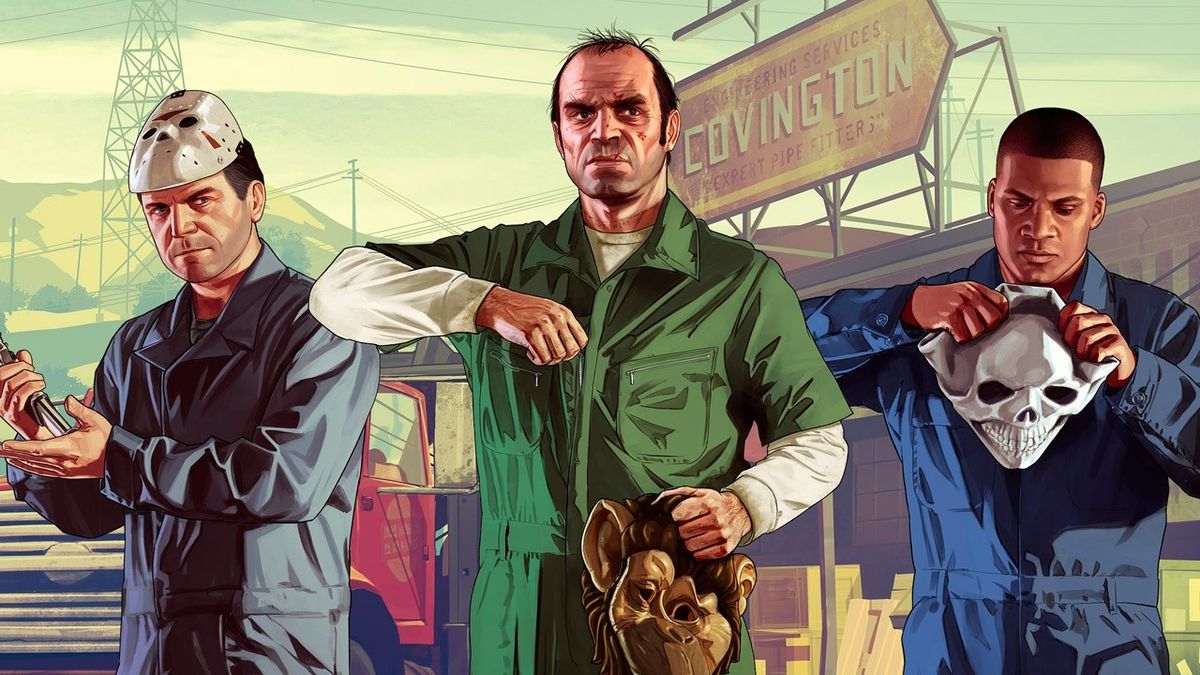
If GTA lore feels confusing, that is because Rockstar made multiple continuities and then filled each one with criminals, liars, and people who think betrayal is networking.
So here is the clean version.
This is Grand Theft Auto Story Explained:
Yes, there is chaos. No, it is not random.
The biggest mistake people make is assuming every GTA game shares one continuous story world.
It does not.
Rockstar splits the franchise into separate universes:
That means characters from older universes can be referenced as easter eggs, but they are not automatically part of modern canon continuity.
So no, CJ is not secretly running a legal consulting firm in GTA V canon. Let him rest.
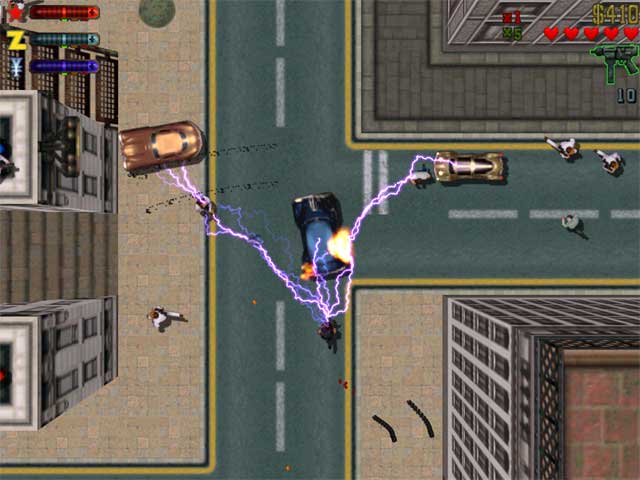
The 2D era (GTA 1, London, GTA 2) is the foundation.
Narratively, it is lighter and less character-driven than modern GTA. But mechanically, it creates the formula:
Think of this era as prototype DNA, not deep serialized drama.
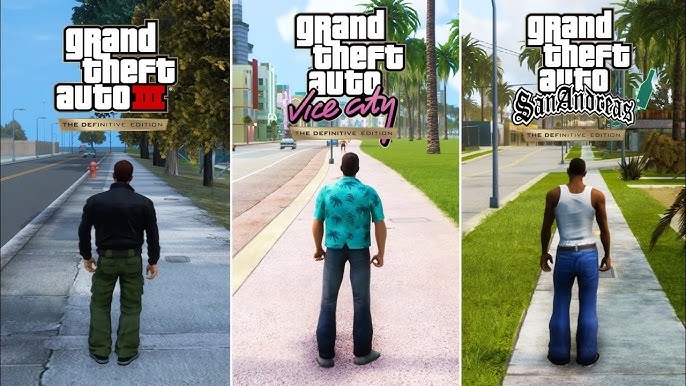
The 3D era is where GTA becomes mythic.
Games like GTA III, Vice City, and San Andreas shift the series toward character arcs and city identity. Each protagonist climbs through a corrupt ecosystem by mixing ambition, violence, and increasingly questionable alliances.
Core 3D-era story pattern:
If the 2D era created the system, the 3D era gave it personality.
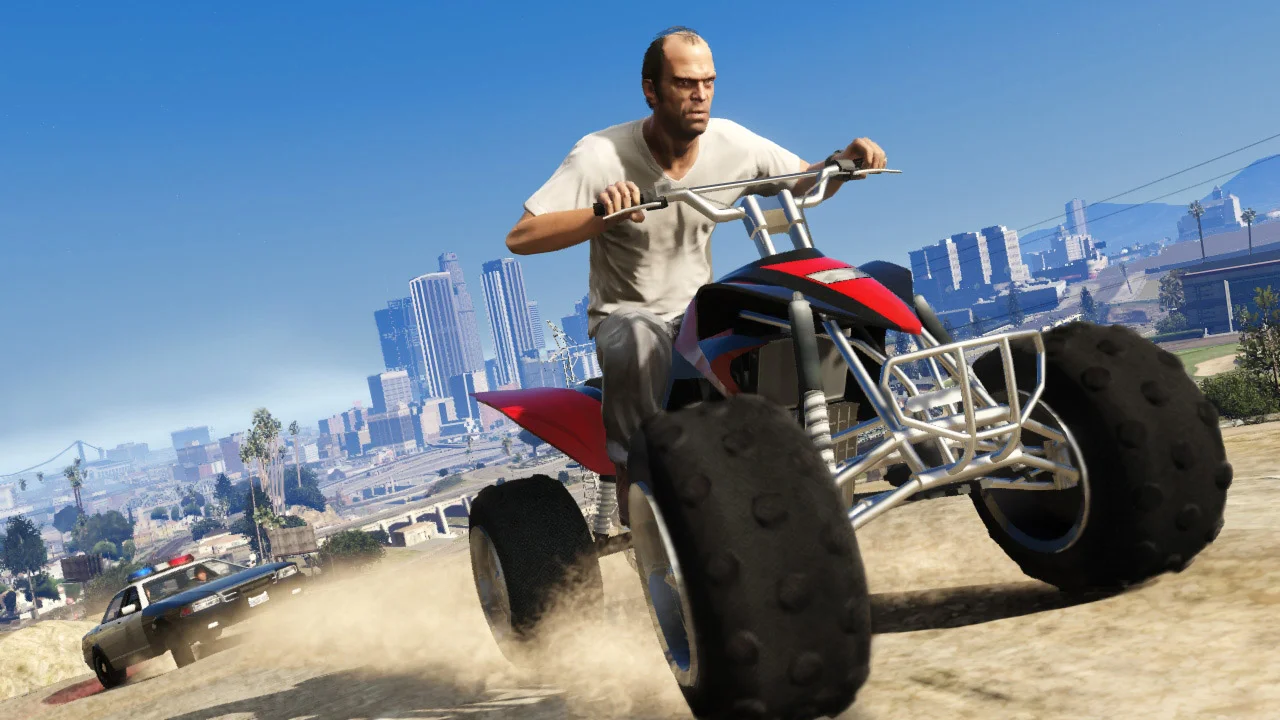
The HD Universe (GTA IV, Episodes, Chinatown Wars, GTA V, GTA Online, and GTA VI era continuity) is the current canon framework.
This era is more grounded in tone than the 3D era, especially in GTA IV, and more character-contrast driven in GTA V.
The big shift is thematic clarity:
Rockstar stops treating crime as just power fantasy and starts framing it as a loop of survival, corruption, and identity collapse in modern systems.
In short: you still steal cars, but now the existential dread is premium quality.
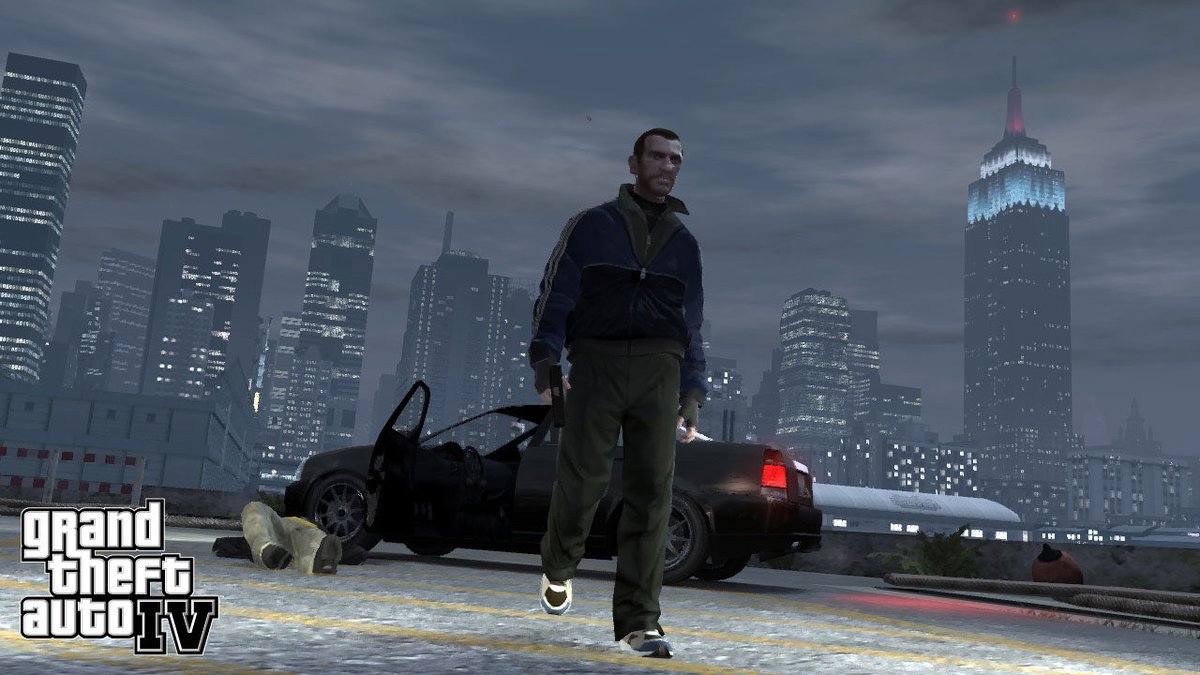
Niko Bellic arrives in Liberty City chasing opportunity and closure.
What he finds is a city that monetizes desperation. Every faction uses him. Every “new start” is another compromise. His revenge quest is not a heroic arc. It is a slow realization that violence does not restore what was lost.
Why GTA IV matters in franchise narrative terms:
It is the most emotionally heavy GTA story for a reason.
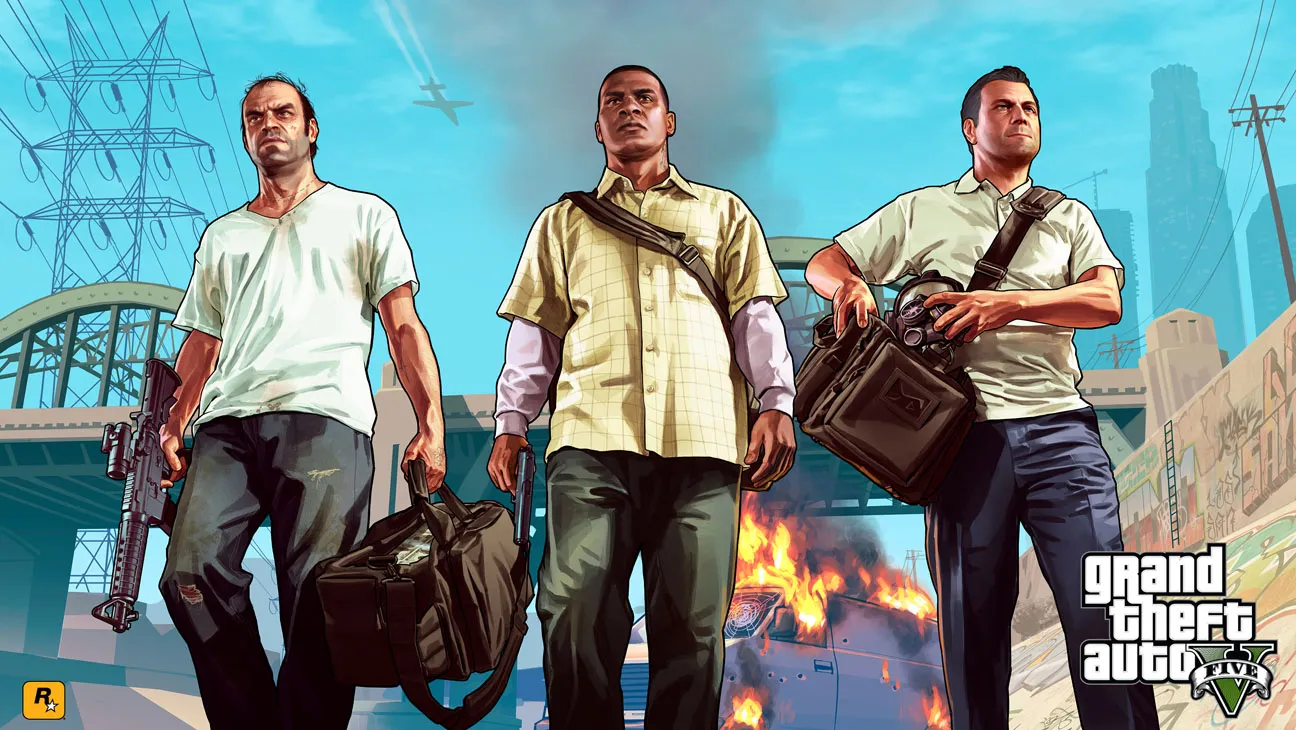
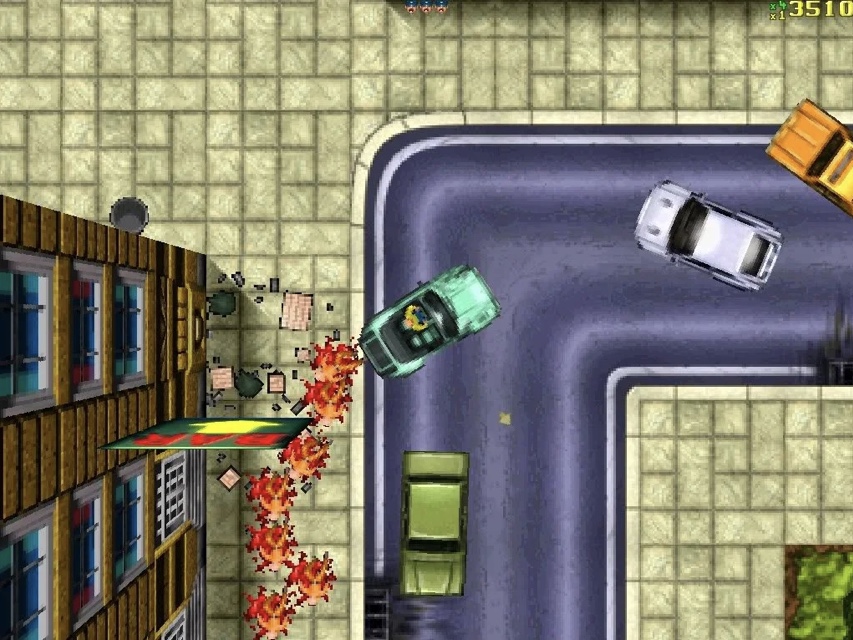
GTA V uses three leads to show three survival models inside the same world.
Their stories collide because the same forces pressure all of them:
state corruption, elite manipulation, gang conflict, and economic opportunism.
The game is funny, loud, and often absurd, but its core point is consistent:
everyone claims moral superiority while doing the same dirty work.
It is satire, yes. It is also a mirror.
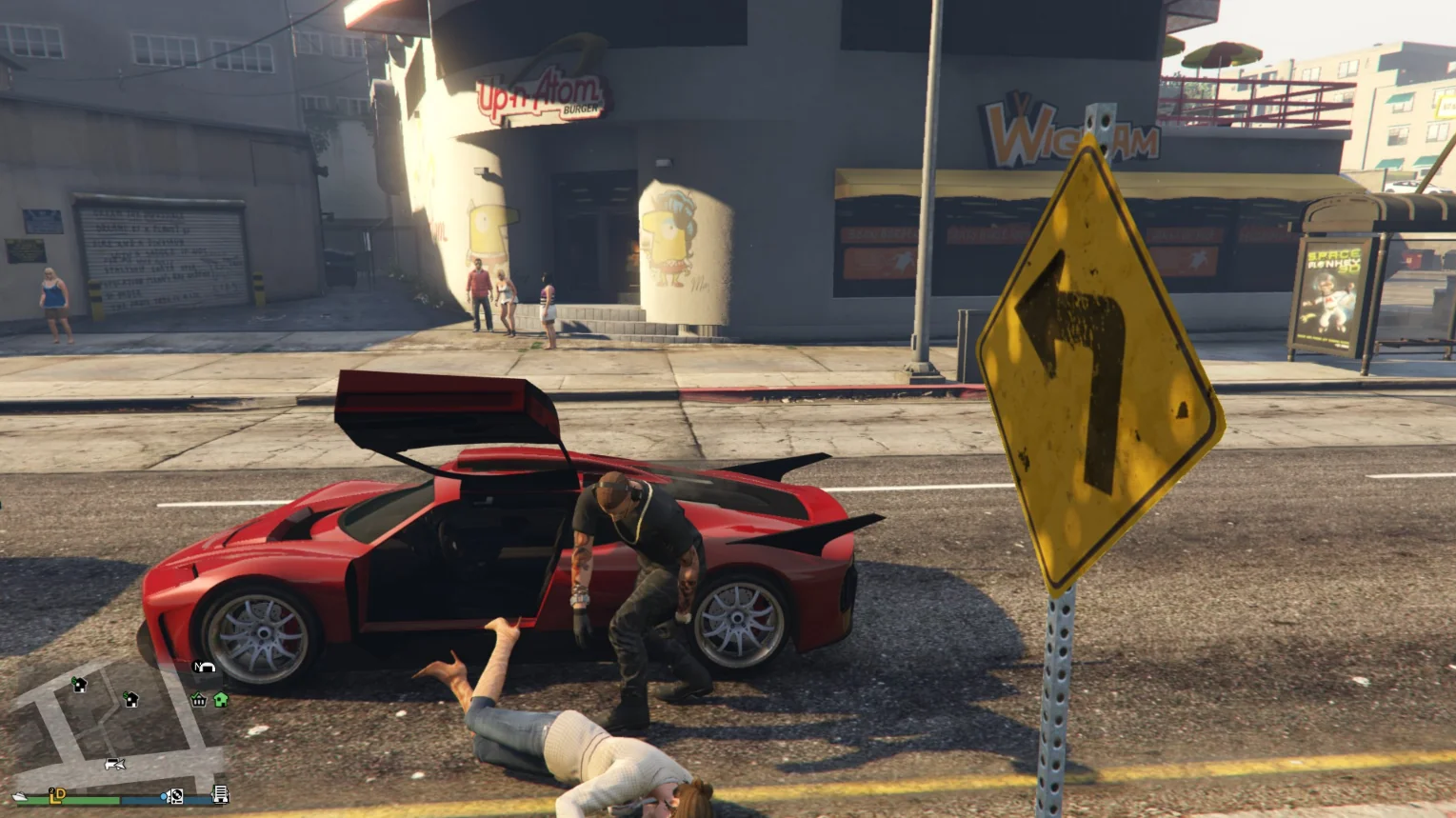
GTA Online sits inside HD continuity and begins around GTA V’s period before evolving through later updates.
Canon-wise, it functions like a rolling criminal timeline:
new operations, new contacts, bigger ventures, and escalating absurdity that still tracks with Rockstar’s “crime economy as lifestyle” idea.
So yes, GTA Online is chaotic. But narratively, it still reinforces the same franchise thesis:
power in this world is rented, never owned.
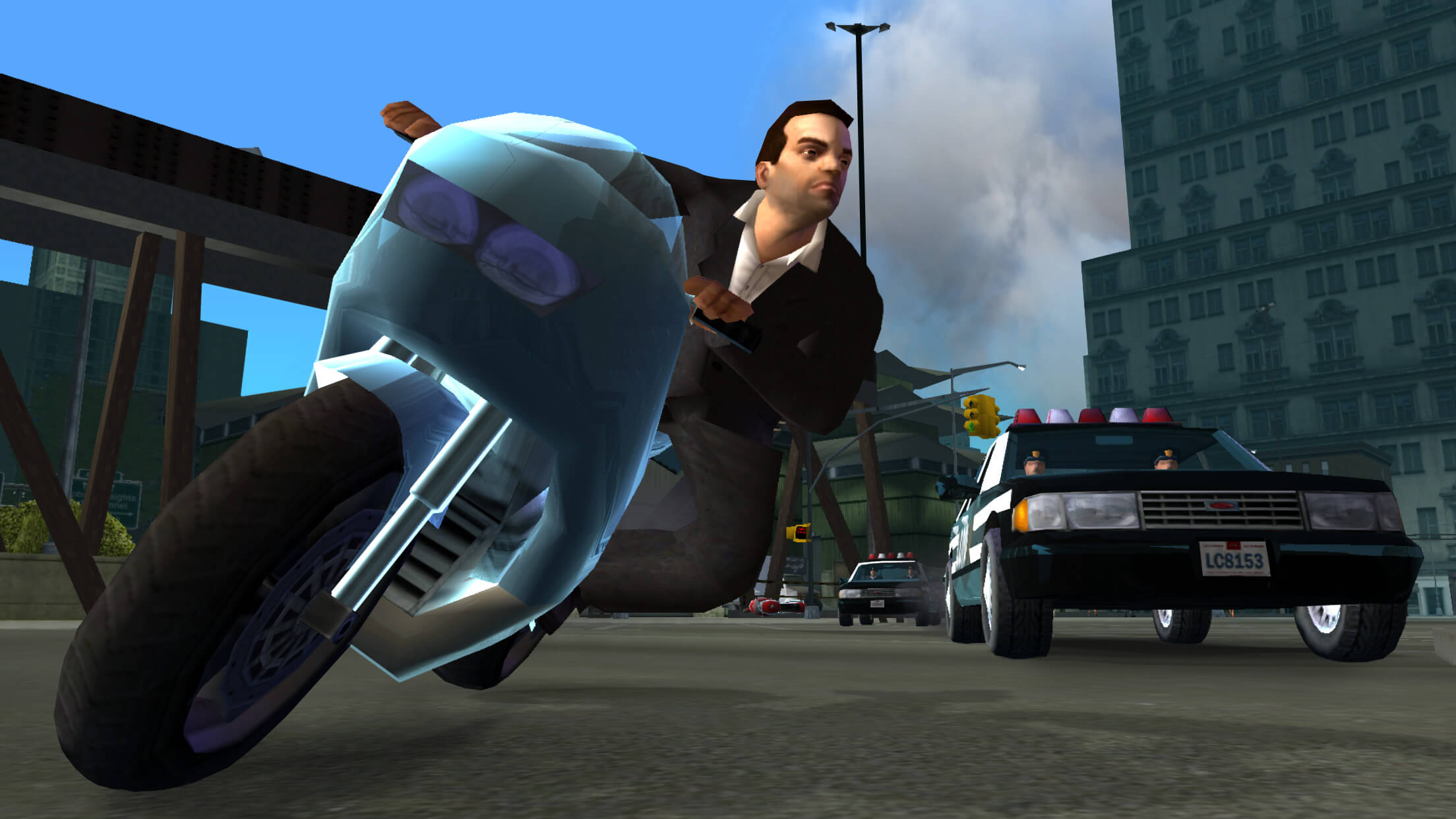
Under all the jokes, radio ads, and explosions, GTA keeps repeating one message:
The system is the villain, and everyone adapts by becoming part of it.
Recurring GTA story truths:
That is why GTA stories feel coherent even when protagonists and cities change.
The surface details rotate. The machinery stays the same.
The GTA story is not “one hero saves the city.”
It is a rotating set of protagonists trying to survive worlds built on corruption, ambition, and performance. Some rise. Some break. Most do both.
If you remember only one thing from this guide, remember this:
Everything else is just different routes through the same brutal thesis:
in GTA, chaos is not an accident.
It is the business model.
 AllNews
 AllGuide
 AllNews
 AllNews