
 AllMar 05, 2026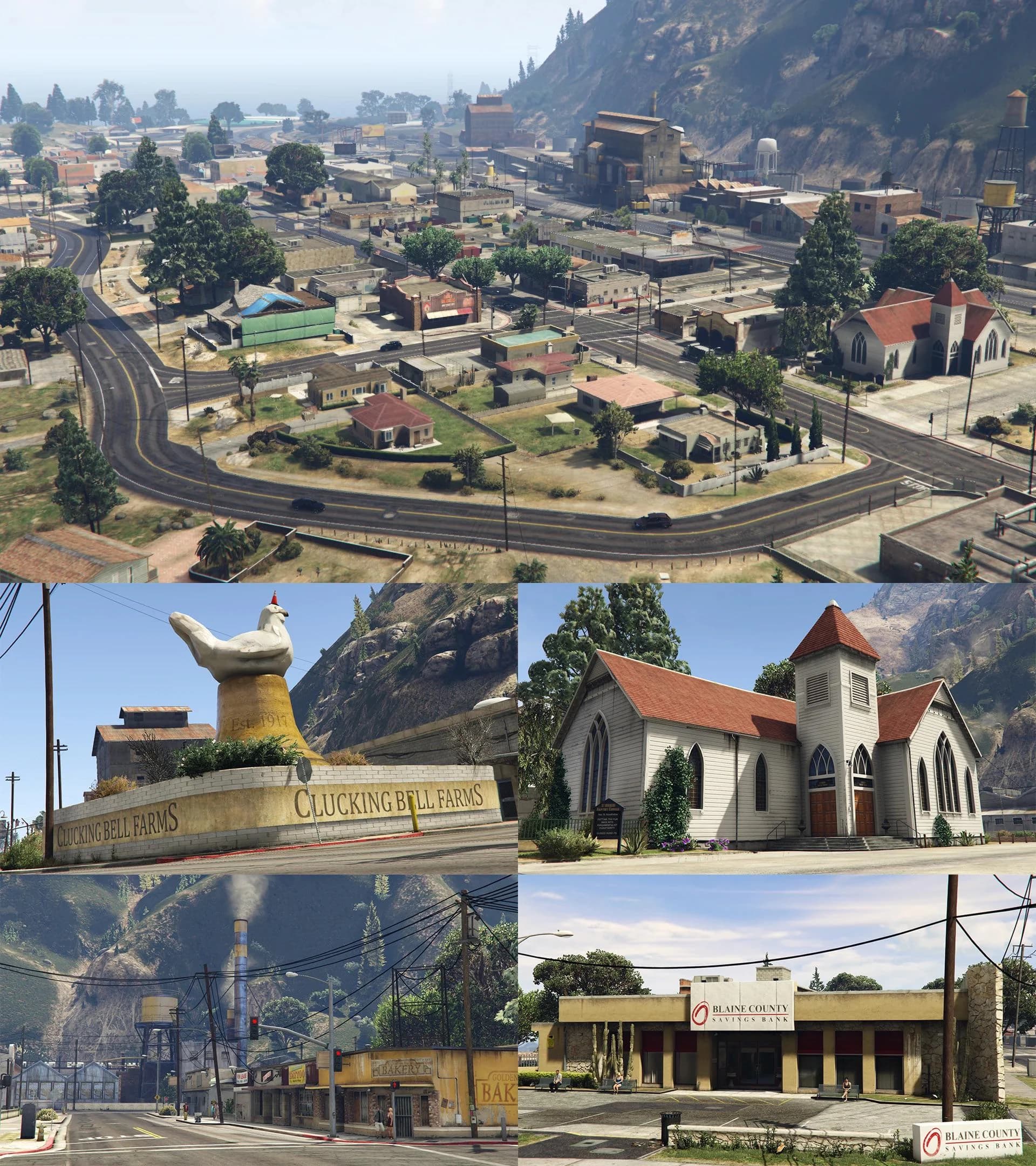
Explore the most iconic Grand Theft Auto locations from Liberty City and Vice City to Los Santos and Blaine County in this complete GTA Locations Guide.
GTA does not just build maps. It builds criminal playgrounds with personality disorders.
Every era has locations that define the experience: cities that feel alive, regions that shift the game’s tone, and neighborhoods where things always go wrong in very memorable ways.
This Grand Theft Auto Locations Guide covers the most iconic places across the franchise and why each one still matters.
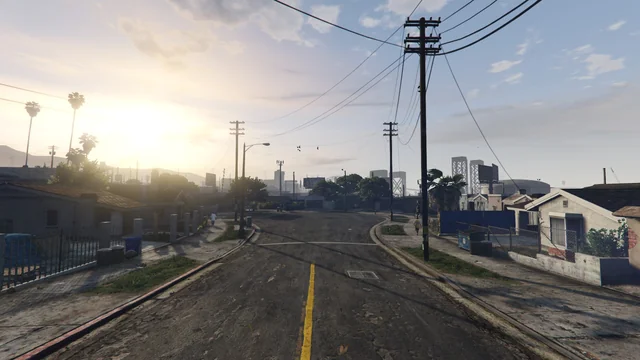
Broker is where Niko Bellic’s Liberty City journey begins, and that first impression is rough in the best way.
It feels dense, worn down, and believable, immediately telling you GTA IV is going for a more grounded mood than earlier entries. Small apartments, cramped streets, and street-level crime pressure make Broker feel like survival mode before the game opens up.
It is not flashy, but it is foundational. Broker does exactly what an opening region should do: define tone and set stakes fast.
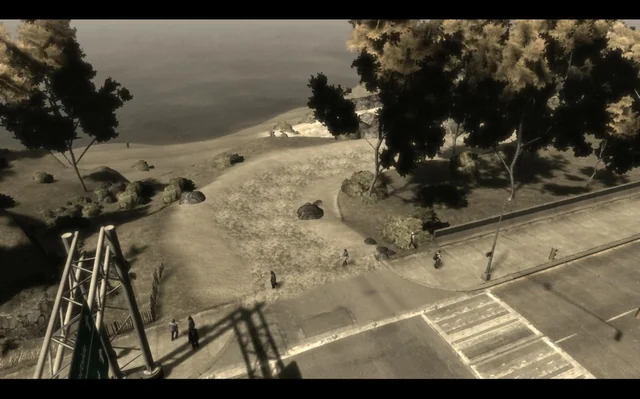
Bohan is smaller than other Liberty City areas, but it punches above its weight in atmosphere.
The borough’s compact layout and gritty presentation make it ideal for close-quarters chases, messy gunfights, and early-mid game escalation. It also reinforces GTA IV’s core mood: everyone is trying to climb, and almost everyone is failing loudly.
Bohan is not the city’s headline district, but for tone consistency and mission pacing, it is one of the most effective.
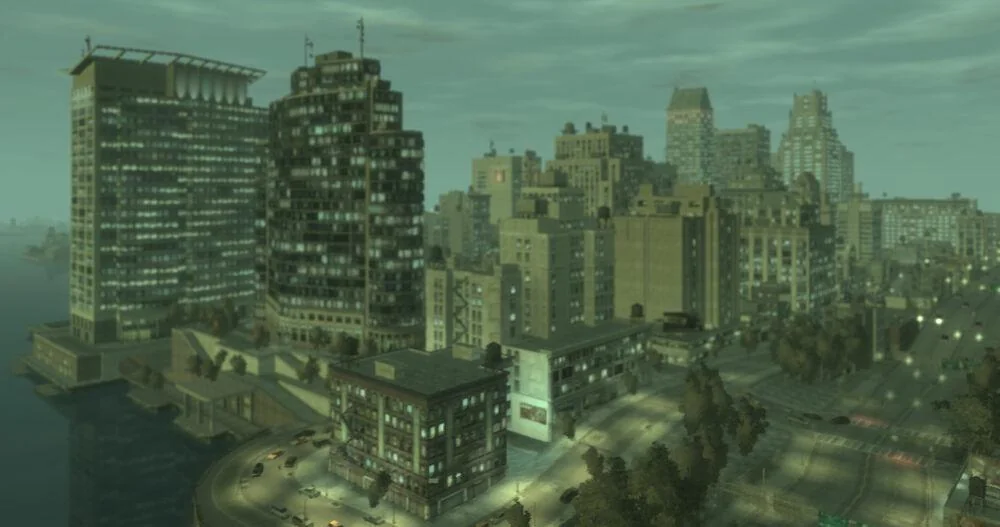
Alderney expands GTA IV’s world with a more industrial, hard-edged feel.
Compared to central Liberty City districts, it offers wider roads, heavier infrastructure vibes, and a strong sense of organized-crime territory. It is where parts of the game start to feel bigger and more dangerous, with missions that lean into momentum and endgame pressure.
Alderney is not glamorous, and that is the point. It gives GTA IV’s map a necessary texture shift.
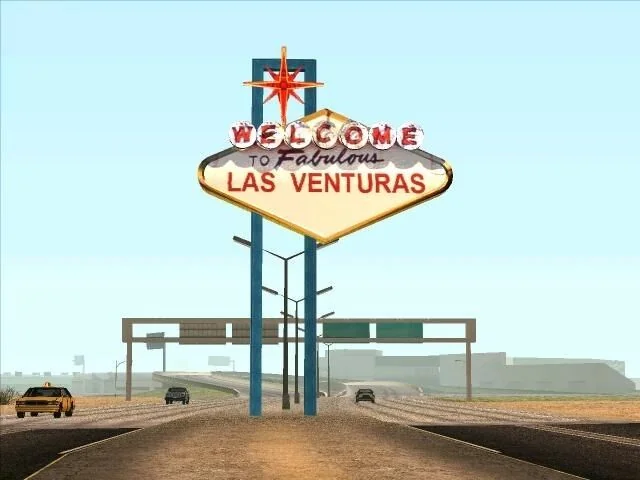
Las Venturas is GTA’s over-the-top desert casino city done exactly right.
It brings a bright, flashy contrast to Los Santos and San Fierro while still feeling part of the larger San Andreas road-trip structure. The gambling themes, neon visuals, and surrounding desert create one of the most distinct vibes in the 3D universe.
It also represents a key strength of San Andreas: the game constantly reinvents its own tone by moving you through radically different regions.
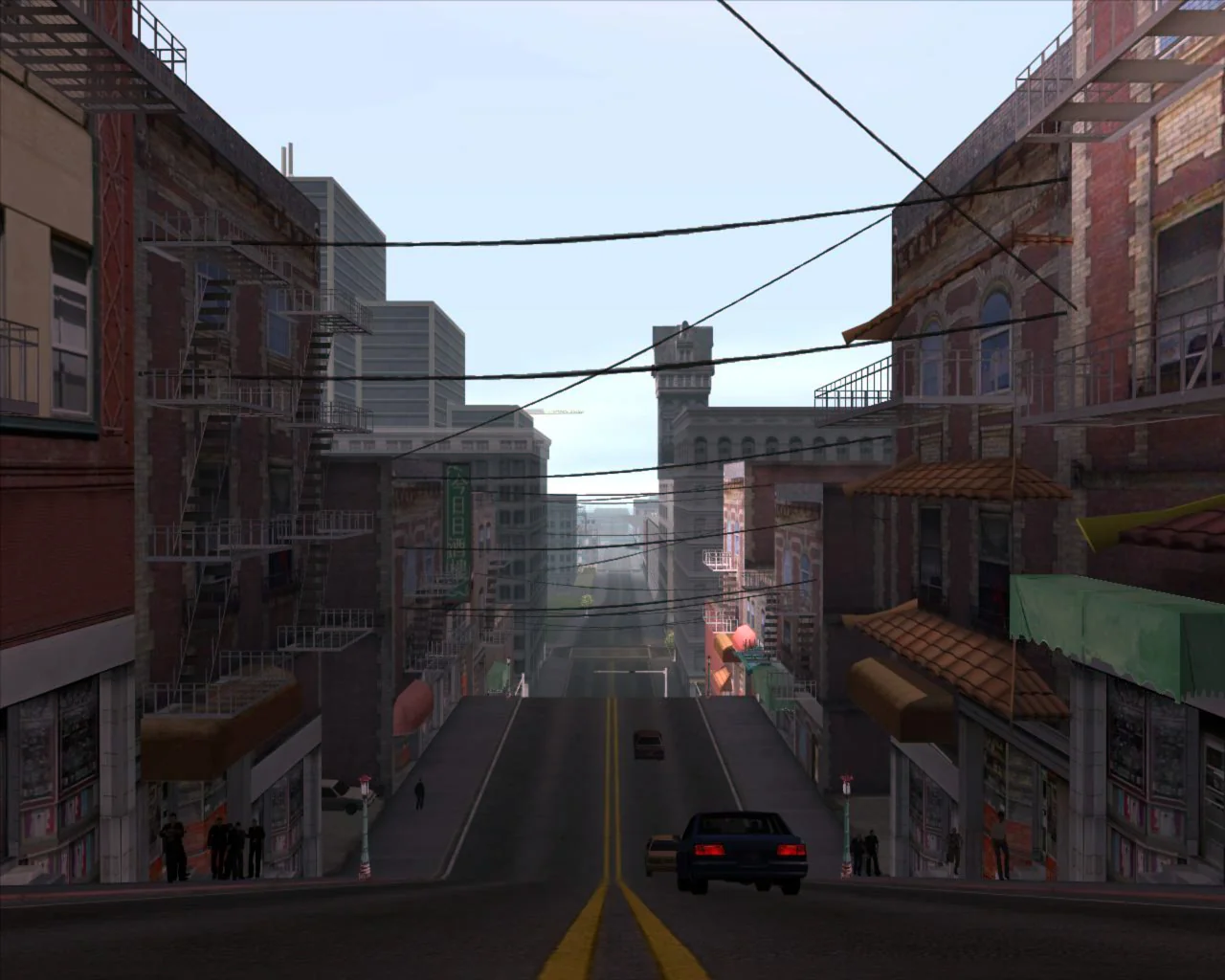
San Fierro gives San Andreas one of its best pace changes.
The city’s hill-heavy layout, coastal mood, and different gang/business ecosystem create a fresh chapter after Los Santos. It feels less purely gang-war focused and more like building new operations in a city with different rules.
For many players, San Fierro is where San Andreas starts to feel truly massive and structurally ambitious. It is a crucial part of why that map still gets praised today.
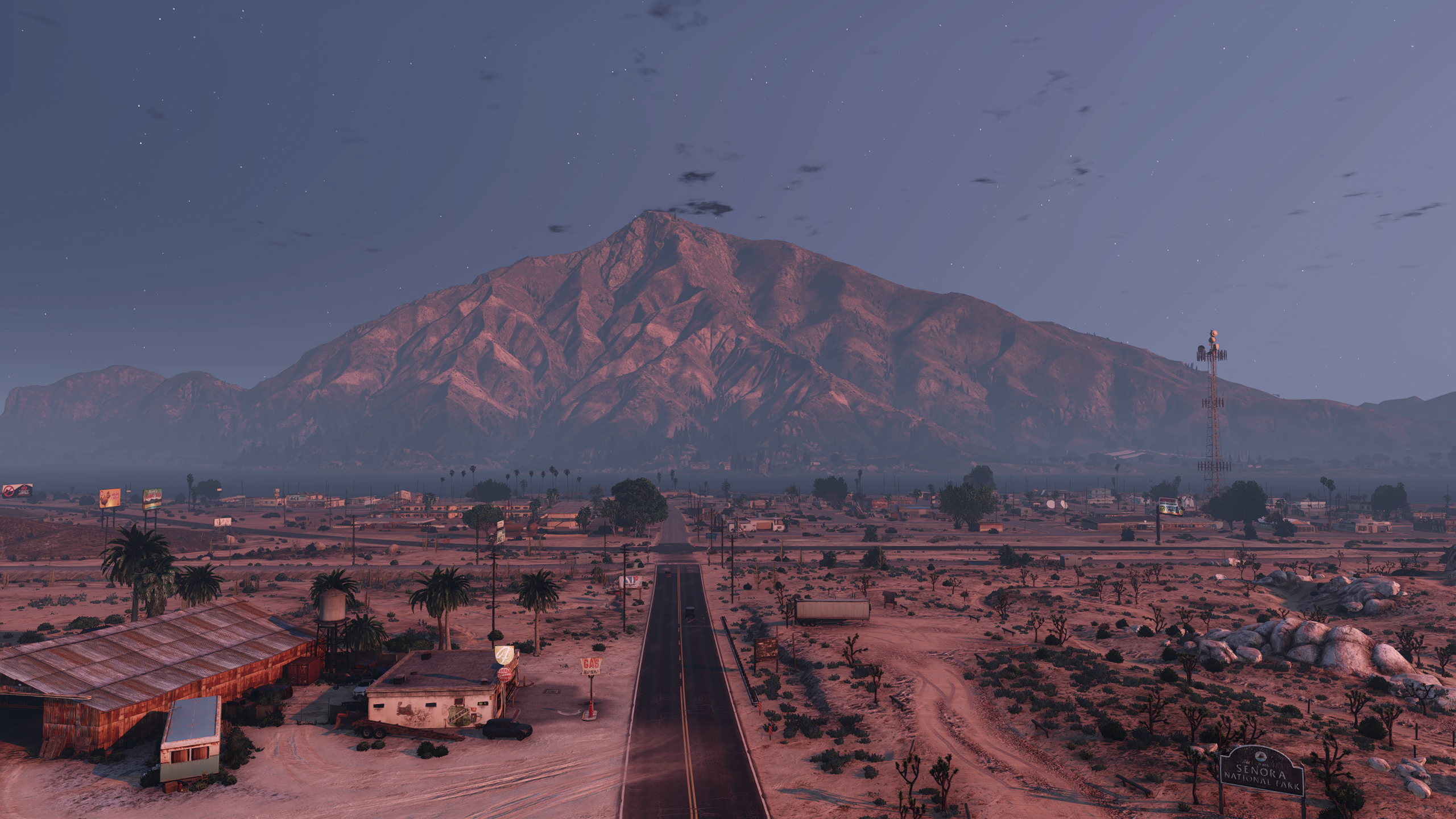
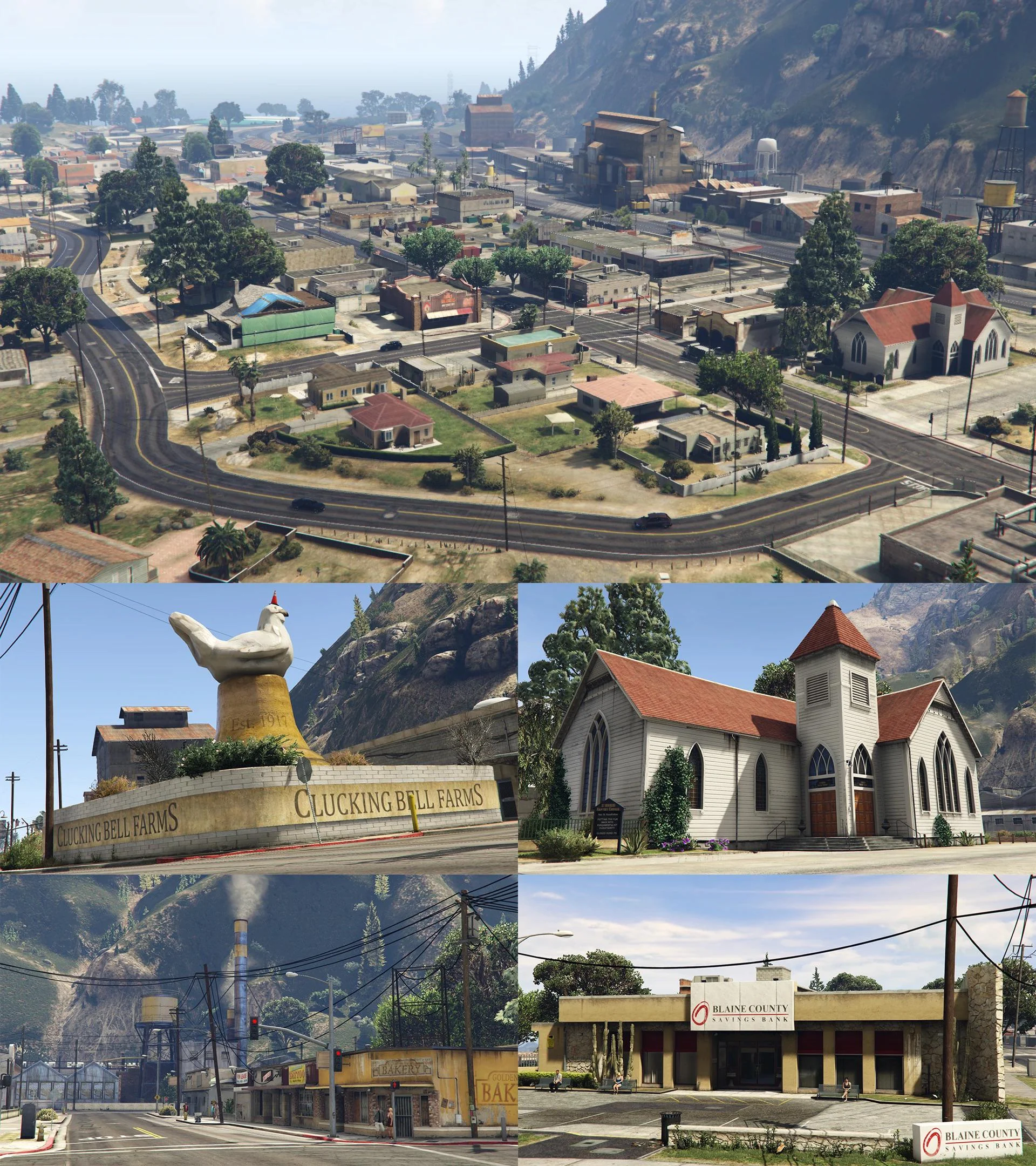
Blaine County is where GTA V breathes and breaks bad at the same time.
Outside Los Santos, you get desert highways, trailer parks, mountain roads, and wide-open spaces built for stunts, chases, and Trevor-grade unpredictability. It is the perfect counterbalance to dense city gameplay.
Blaine County is also essential for tonal variety. Without it, GTA V would be just another city sandbox. With it, the map feels like a full region with multiple identities.
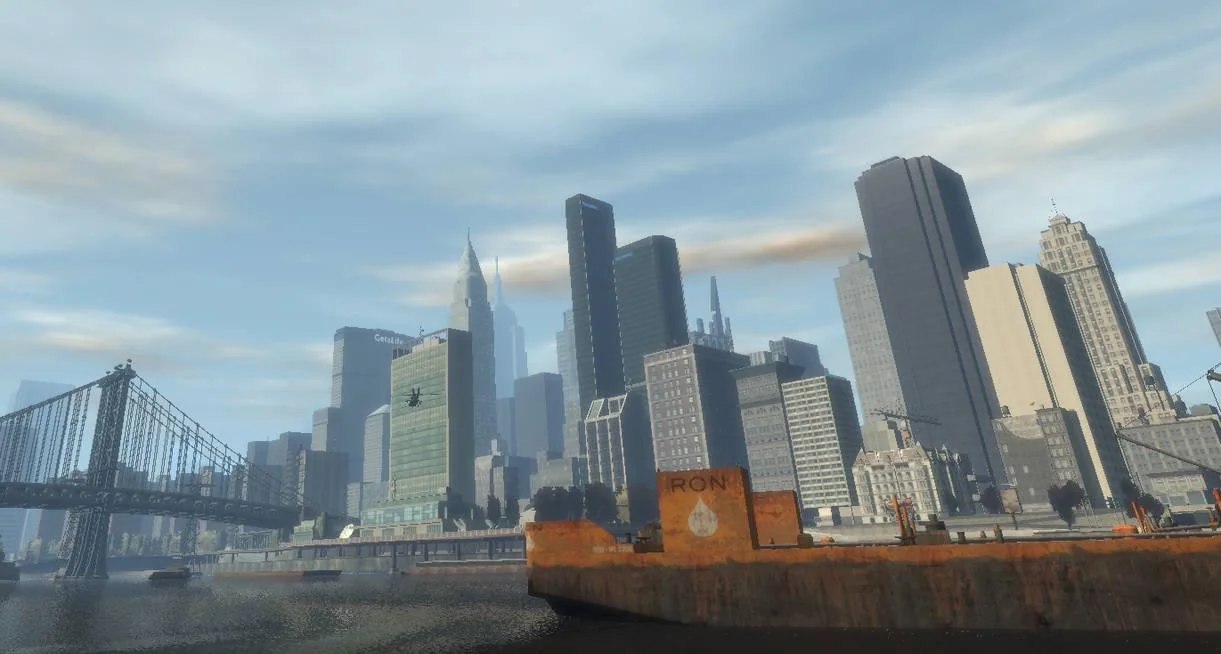
Liberty City in GTA IV is still one of Rockstar’s strongest urban maps.
It is dense, atmospheric, and carefully layered so each district feels socially and visually distinct. The city supports GTA IV’s grounded story perfectly, reinforcing themes of immigration, ambition, corruption, and survival.
Driving through Liberty City at night in the rain still feels like a mood by itself. This map is not just technically impressive for its time. It is narratively aligned in a way many open worlds still miss.
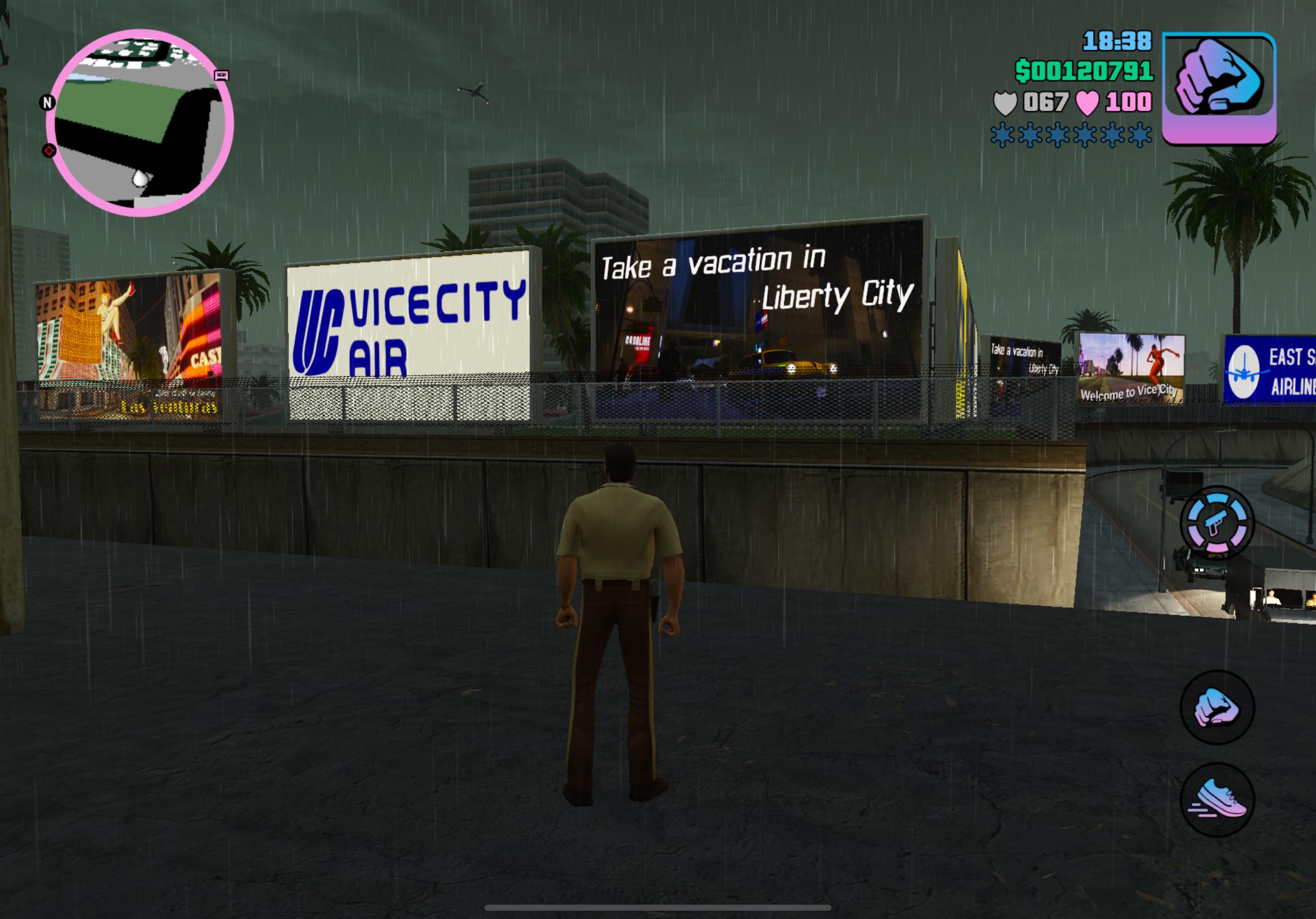
Vice City is GTA style turned up to maximum.
From neon-lit boulevards to pastel beachfront roads, this location is pure identity. It is one of the clearest examples of a map and soundtrack working together to create a complete vibe. You are not just doing missions; you are living inside an 80s crime fantasy.
Even today, Vice City remains one of Rockstar’s most memorable settings because it feels so intentionally designed around tone.
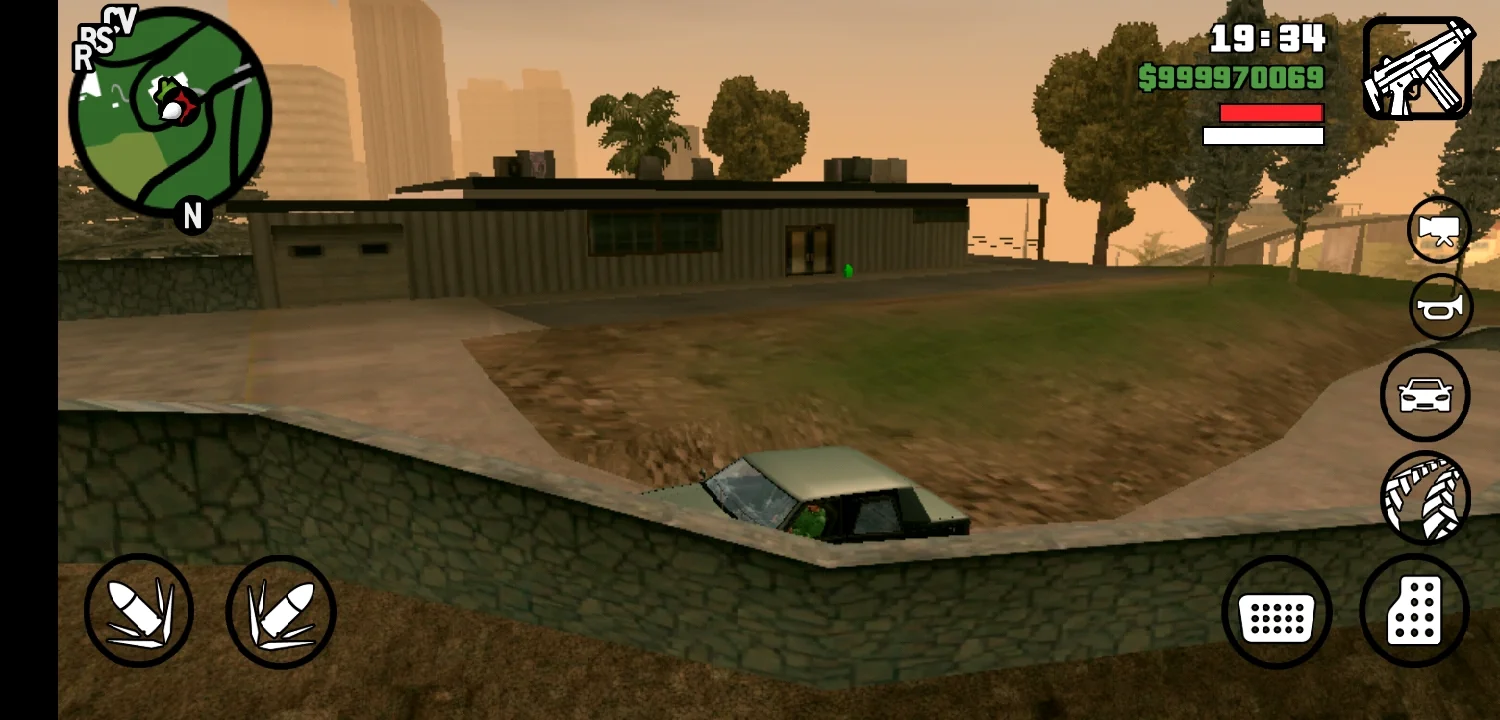
The original 3D-era Los Santos in San Andreas is legendary for a reason.
It anchors CJ’s personal and gang-centered narrative, then acts as the emotional baseline for everything that follows across the state. Neighborhood identity, faction conflict, and mission variety all hit hard here.
For many players, this was the first GTA city that felt truly alive on a huge scale. It is not just nostalgia. It is genuinely strong map storytelling for its time.
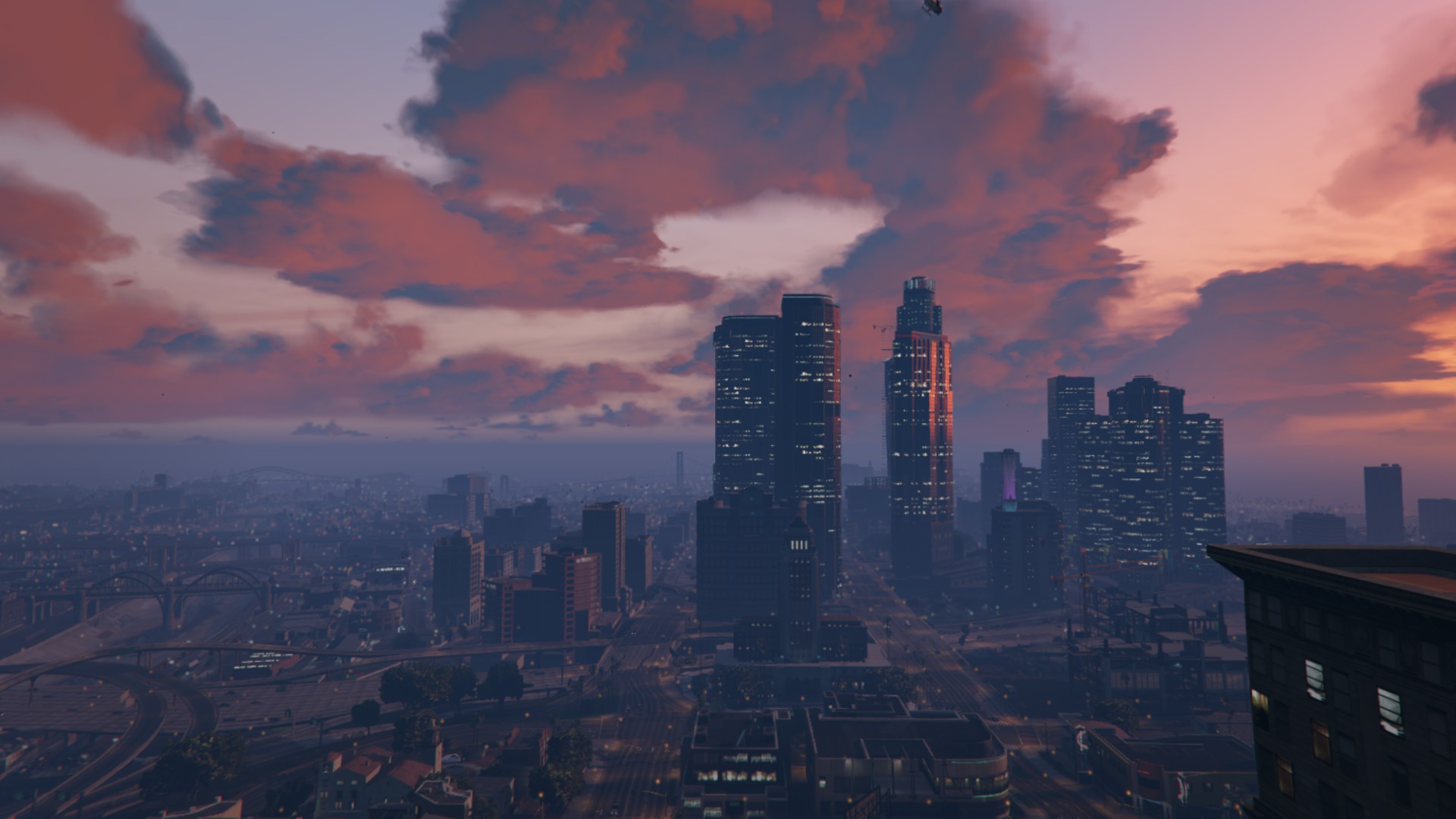
GTA V’s Los Santos and surrounding San Andreas region is still Rockstar’s most complete GTA world package.
You get city density, rural contrast, environmental diversity, and mission design that uses all of it. From upscale hills and crowded downtown blocks to dusty county roads and ocean highways, the map constantly supports different gameplay moods.
It is also the backbone of GTA Online’s long-term success. A map this flexible can support years of content because it does not feel one-note.
As a full franchise location achievement, this is still number one.
If you want peak atmosphere, Vice City and Liberty City are unmatched classics.
If you want scale and variety, San Andreas (both eras) is the franchise’s strongest location concept.
If you want the most complete modern sandbox, GTA V’s Los Santos + Blaine County remains the benchmark.
In GTA, cities are not just places to drive through.
They are the reason the stories work.
 AllNews
 AllGuide
 AllNews
 AllNews