
 AllMar 06, 2026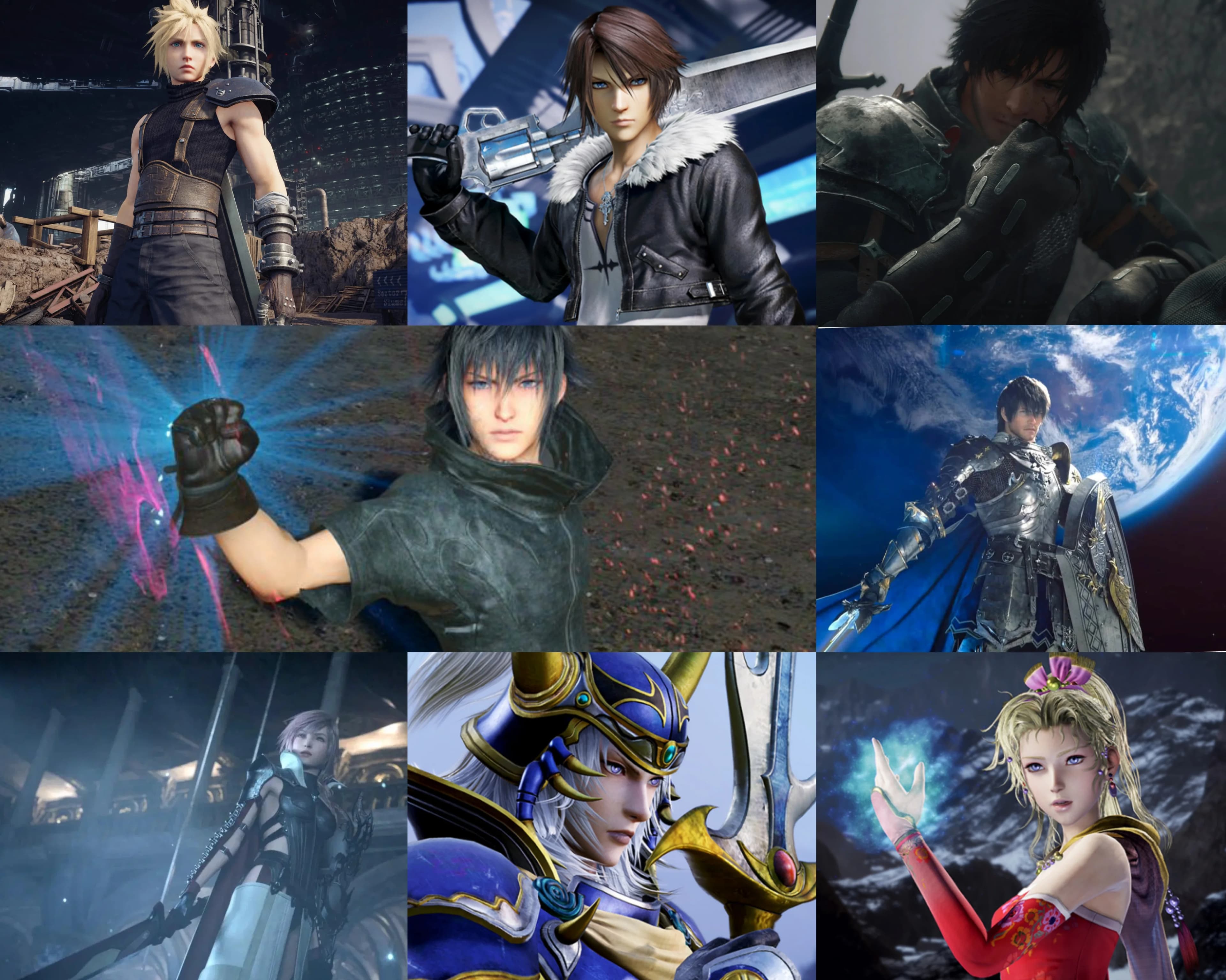
From Cloud and Sephiroth to Yuna and Vivi, here are the best Final Fantasy characters ranked by writing, impact, and pure legendary status.
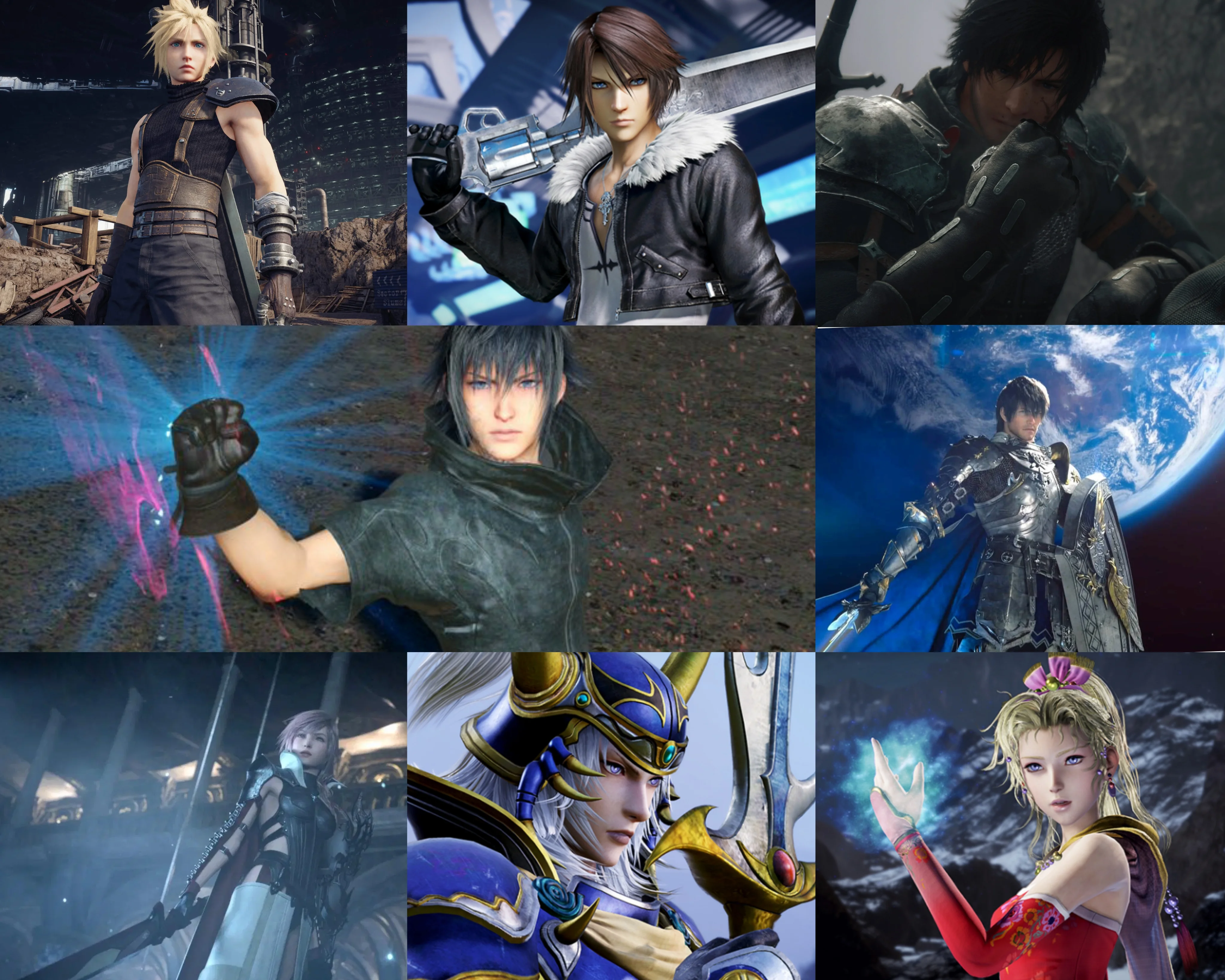
Final Fantasy keeps changing worlds, rules, and battle systems, but one thing never changes: the characters do the heavy lifting.
These are the people who made us care, panic, cry, and occasionally stare at the screen in silence while a soundtrack track ruins our emotional stability for the week.
This list ranks the best Final Fantasy characters by writing quality, impact, legacy, and how impossible they are to forget.
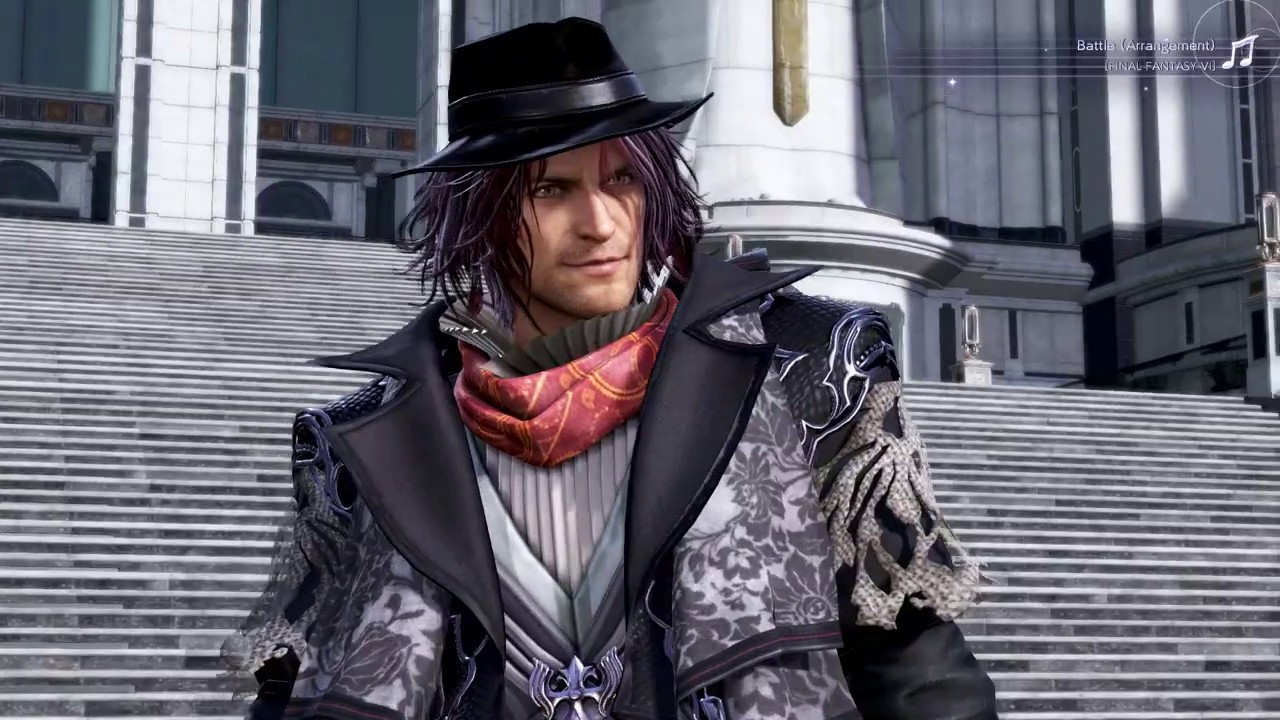
Ardyn is one of Square Enix’s best “charismatic nightmare” characters.
He walks into scenes like he already knows everyone’s trauma points, then starts pressing buttons with a smile. The writing gives him just enough tragedy to be compelling without excusing his chaos.
He is funny, cruel, dramatic, and genuinely dangerous, which is a very efficient villain package.
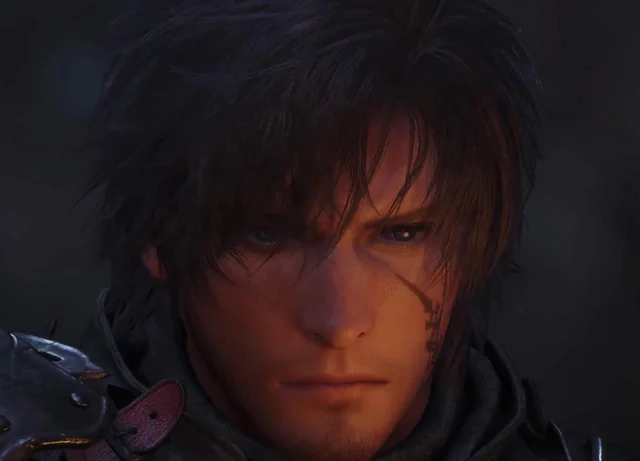
Clive is a modern FF lead done right: grounded, intense, and emotionally coherent.
His arc has real weight, moving from vengeance to responsibility without feeling forced. Even when XVI goes full-scale political and cosmic, Clive’s personal motivation stays clear.
He is not the flashiest protagonist in the franchise, but he is one of the most consistent.
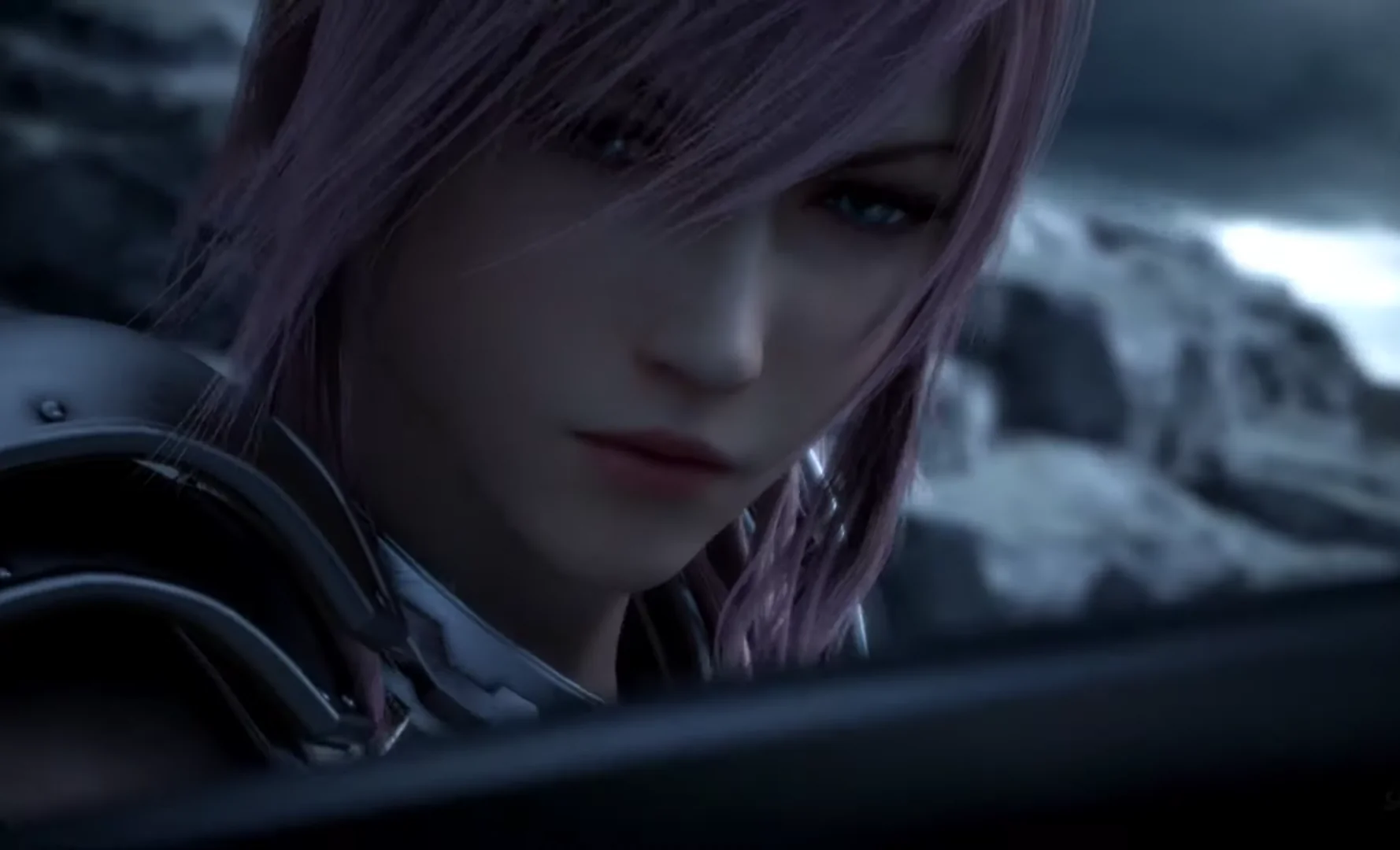
Lightning started as “cold soldier with zero patience,” then became one of FF’s most developed leads over multiple games.
Her trilogy arc gives her range, depth, and a lot more vulnerability than first impressions suggest. She also carries one of the strongest visual identities in the series.
If Cloud is old-school icon status, Lightning is the modern-era equivalent.
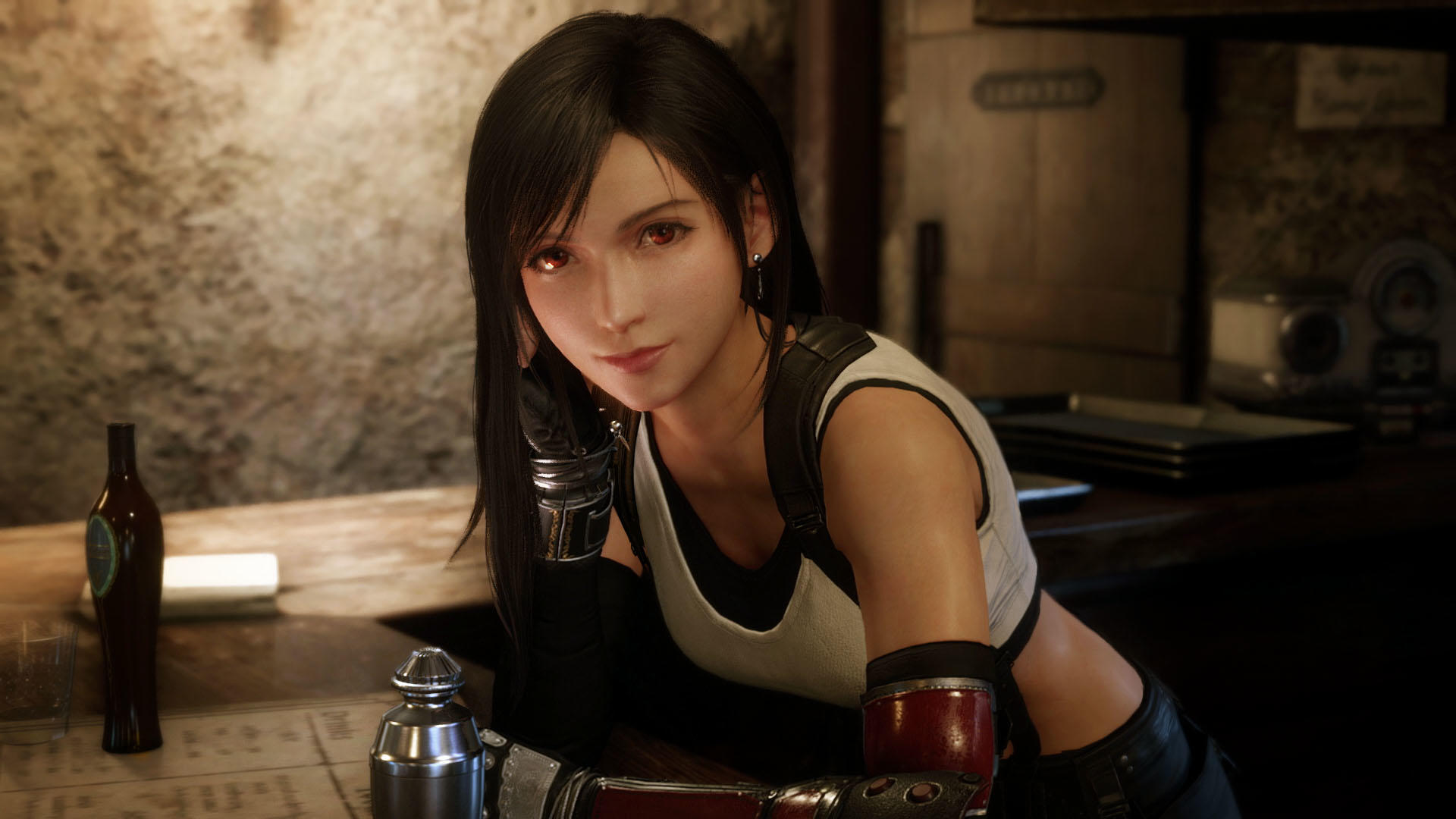
Tifa is the emotional center that keeps FFVII from collapsing under its own chaos.
She is strong without being one-note, compassionate without being passive, and essential to Cloud’s recovery arc in ways that are easy to underestimate until you replay the story.
Also, she punches gods and corporate monsters with her bare hands. Efficiency.
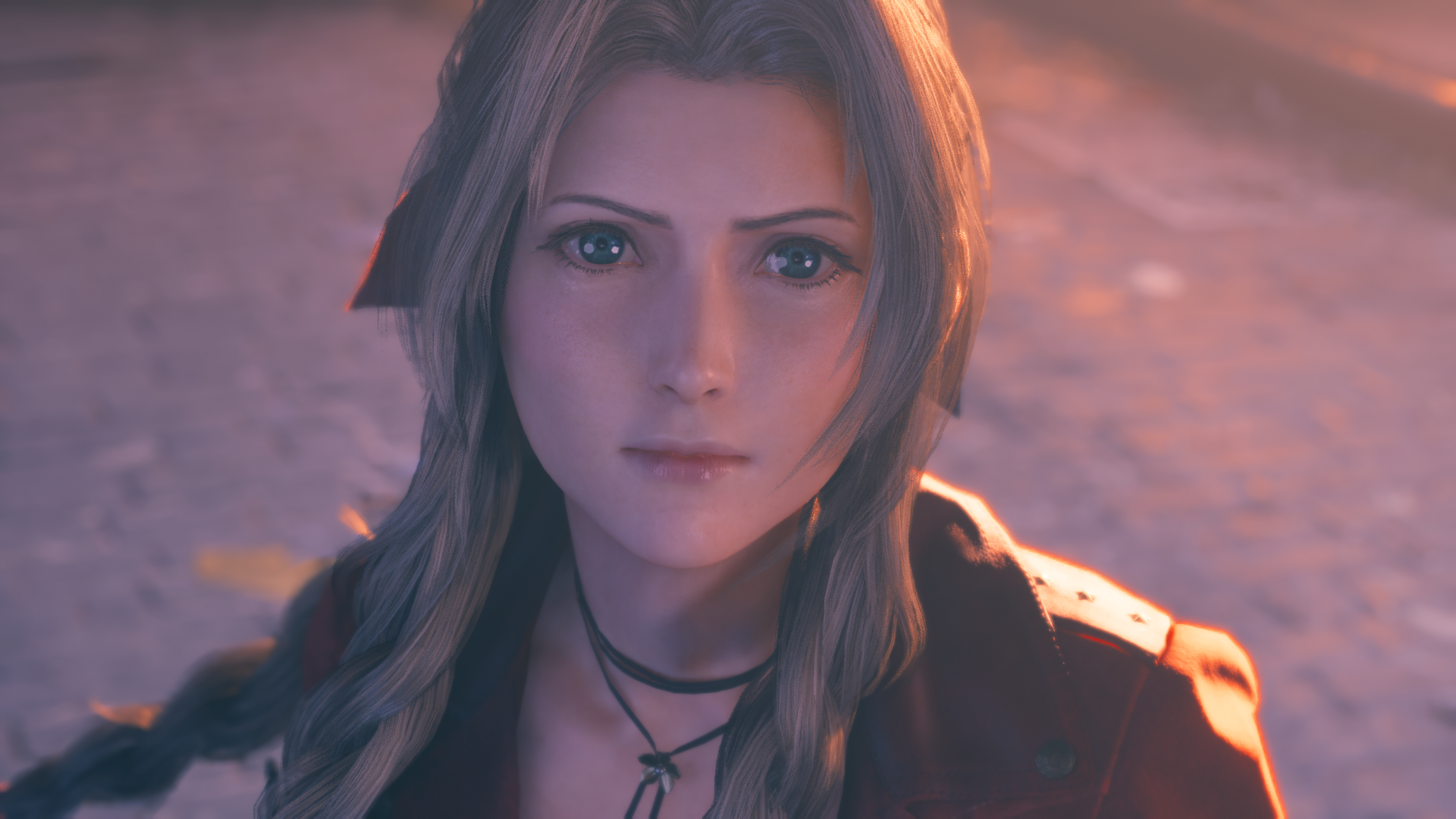
Aerith is iconic for more than one moment.
She brings warmth, humor, and surprising resilience to a story that desperately needs it. Her role in VII is mythic now, but what still works is her moment-to-moment writing: playful, grounded, and emotionally sharp.
She is one of the clearest examples of a character who changes the entire tone of a game simply by being present.
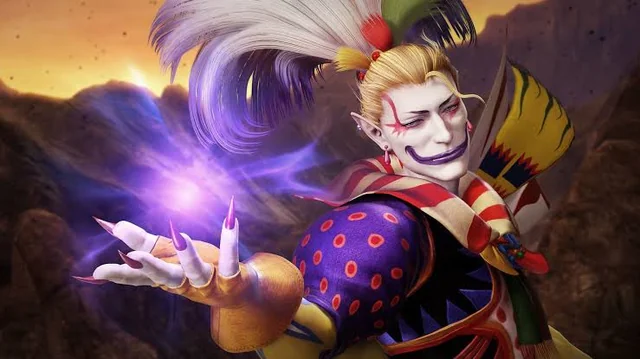
Kefka is the villain who did not just threaten the world. He changed it.
That alone puts him in elite territory. Add the theatrical madness, cruelty, and complete ideological collapse, and you get one of the most memorable antagonists in JRPG history.
He is chaotic, yes. He is also extremely effective, which is why he still terrifies strategy and story fans alike.
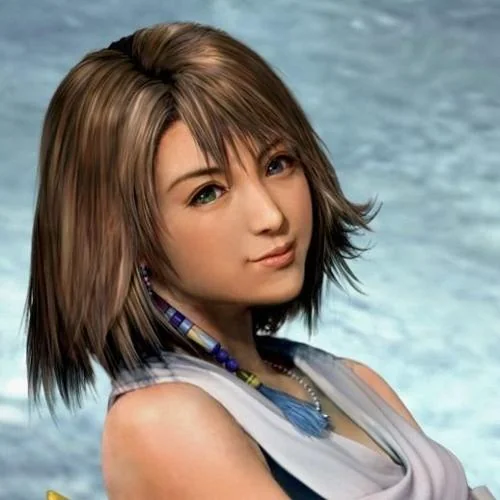
Yuna is one of Final Fantasy’s best-written examples of quiet power.
She carries enormous expectations without losing empathy, and her arc is about choosing her own path even when every institution around her says otherwise.
She is not loud. She does not need to be. Yuna’s strength is conviction under pressure, and it gives FFX its emotional core.
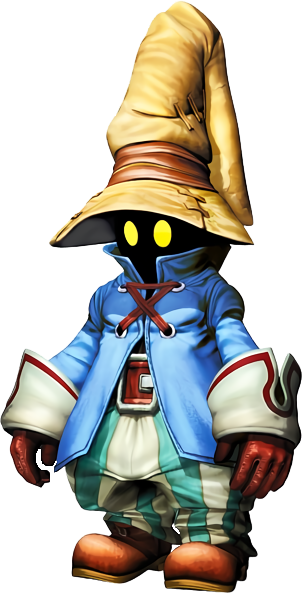
Vivi has one of the most human arcs in Final Fantasy, which is impressive for a character who is technically not human.
His story tackles identity, mortality, fear, and purpose with unusual clarity. IX uses him to ask hard questions and actually sit with the answers instead of dodging them.
He is adorable, heartbreaking, and philosophically devastating. Great character design, no notes.
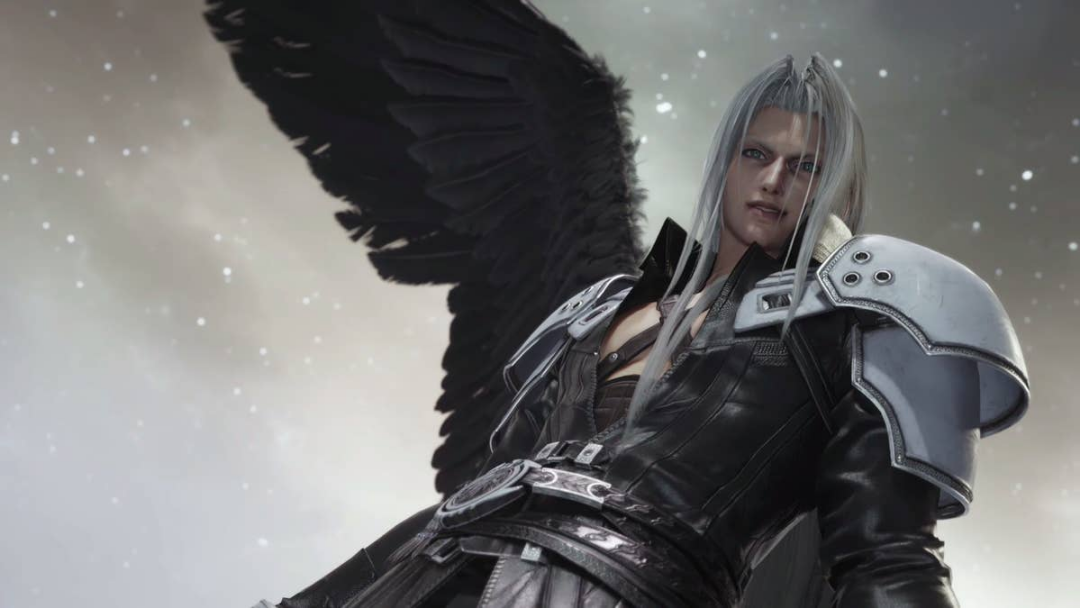
Sephiroth is still the benchmark villain in the genre.
He has presence, symbolism, personal connection to the protagonist, and a design that became instantly legendary. But what keeps him at the top is narrative function: he is not just “strong enemy.” He is the psychological and thematic pressure point of VII.
He is iconic because he works, not just because he is famous.
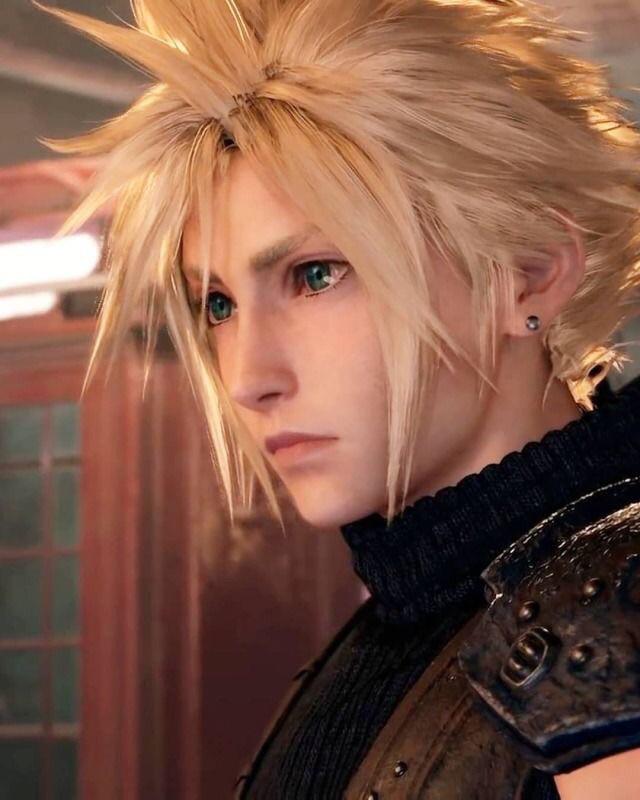
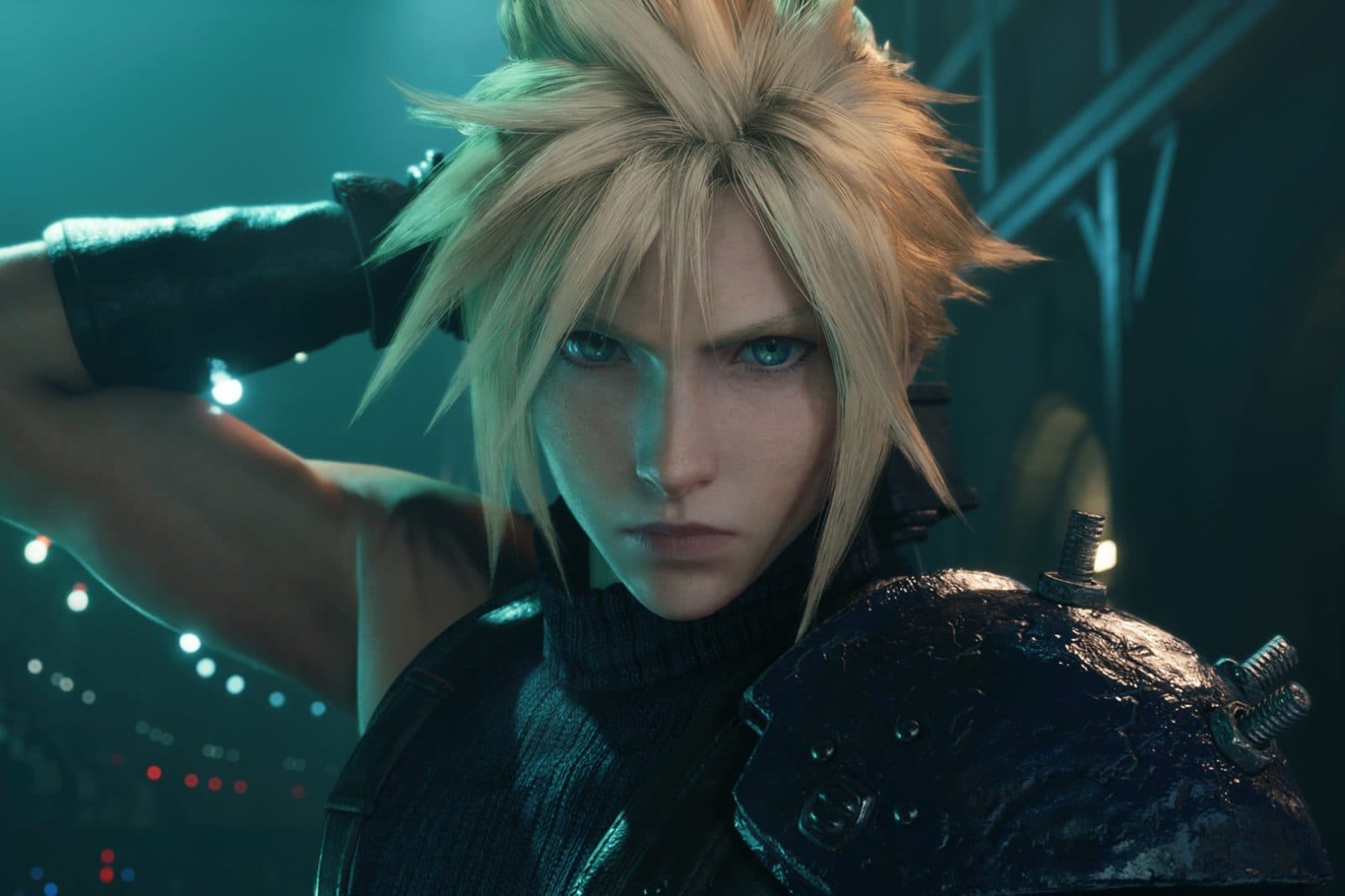
Cloud remains the franchise standard.
His arc blends identity fracture, trauma, insecurity, self-reconstruction, and eventual growth without losing narrative momentum. He can carry spectacle-heavy action scenes and deeply personal emotional beats in equal measure.
That balance is rare, and it is why Cloud still sits at number one for many fans decades later.
When people think “Final Fantasy character,” they think Cloud first for a reason.
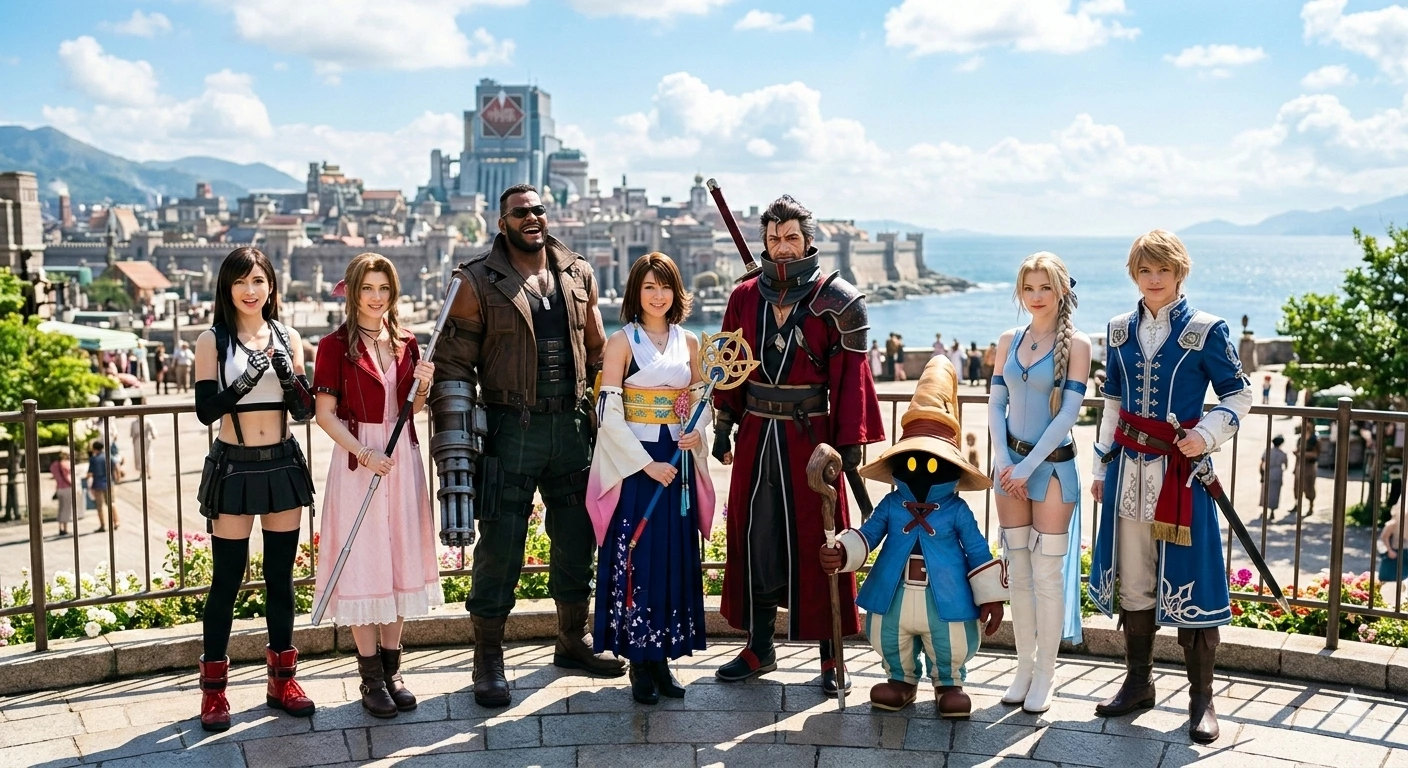
If you want the full franchise symbol, Cloud is still the top pick.
If you want peak villain writing, Sephiroth and Kefka are permanent top-tier choices.
If you want emotional character storytelling, Yuna and Vivi are among Final Fantasy’s best work.
Different worlds, different systems, same truth: Final Fantasy is a character franchise first.
 AllNews
 AllGuide
 AllNews
 AllNews