
 AllMar 06, 2026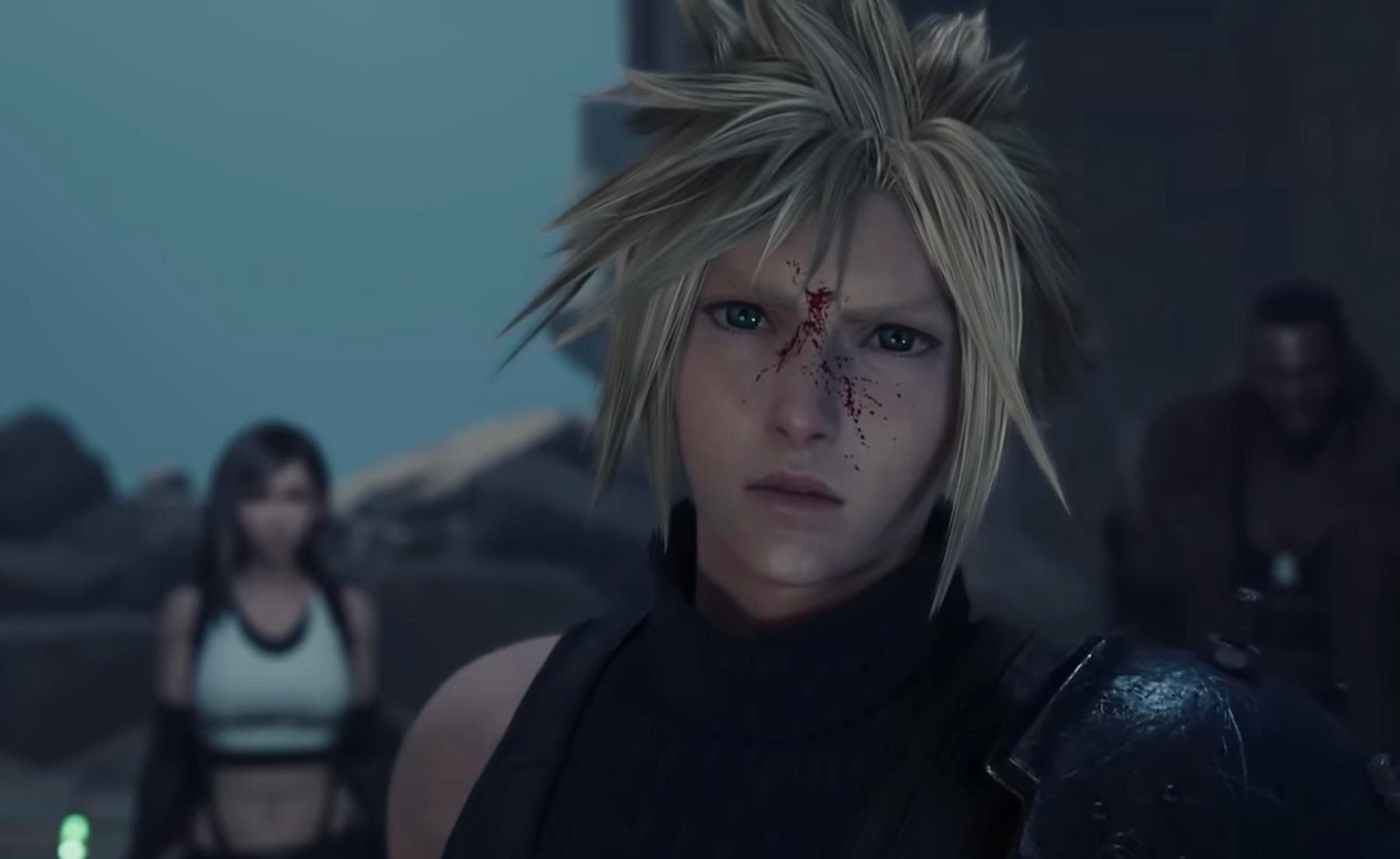
From Cloud and Lightning to Tidus and Clive, here are the best Final Fantasy protagonists ranked by writing, growth, impact, and pure main-character energy.
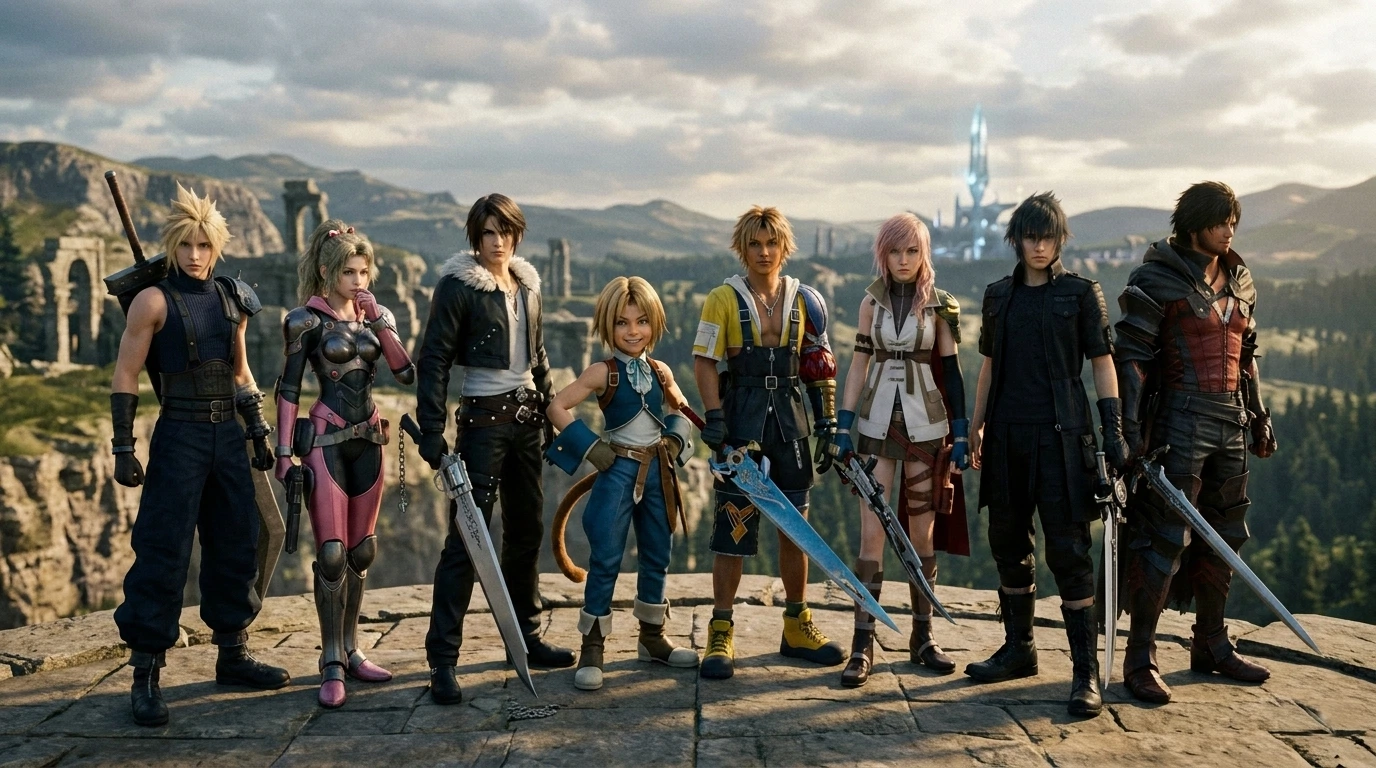
Final Fantasy never keeps the same world for long, but it always keeps the same rule: if the protagonist fails, the whole story collapses.
Some leads are loud and iconic. Others start awkward and grow into greatness. A few are walking identity crises with a sword and unresolved trauma, which is honestly the franchise's favorite flavor.
This ranking looks at the best Final Fantasy protagonists based on character writing, emotional growth, narrative impact, and long-term legacy.
Yes, your #1 may be different. No, that does not mean this list is wrong. It just means Final Fantasy has too many good leads and not enough peace.
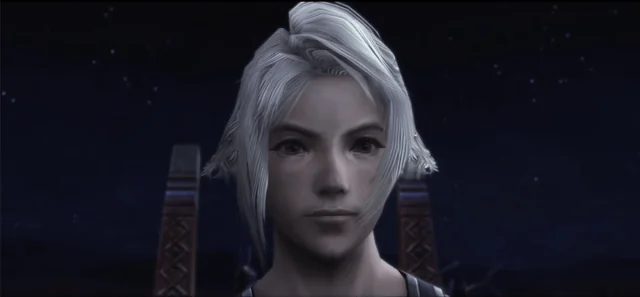
Vaan gets underrated because XII's political heavyweights dominate the spotlight, but he serves an important role.
He is the ordinary perspective inside a very extraordinary conflict: empires, judges, sky pirates, and diplomatic backstabbing on a national scale. Without him, XII risks becoming only high-politics worldbuilding. With him, the story keeps a human entry point.
Is he the deepest lead in the franchise? No. But he is not supposed to be the kingmaker mastermind. He is the audience-facing outsider learning how power really works, and that perspective matters more than critics admit.
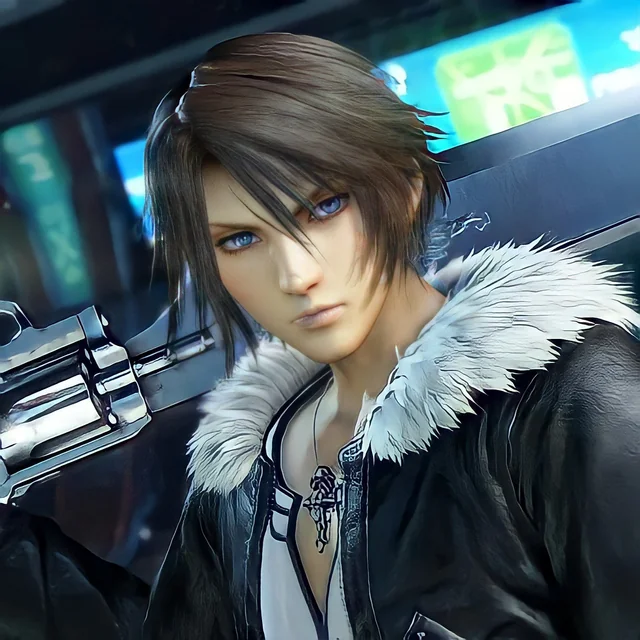
Squall starts as the poster child for emotional shutdown.
He is distant, defensive, and convinced relying on people is a tactical error. VIII then spends the whole game forcing him to grow through leadership pressure, attachment, and responsibilities he absolutely did not request.
What makes him work is that his arc feels awkward in a believable way. He does not transform overnight into a speech machine. He gradually learns trust, and that progression gives the romance and party dynamics real payoff.
Also, he has one of the coolest weapons in the series, so that helps.
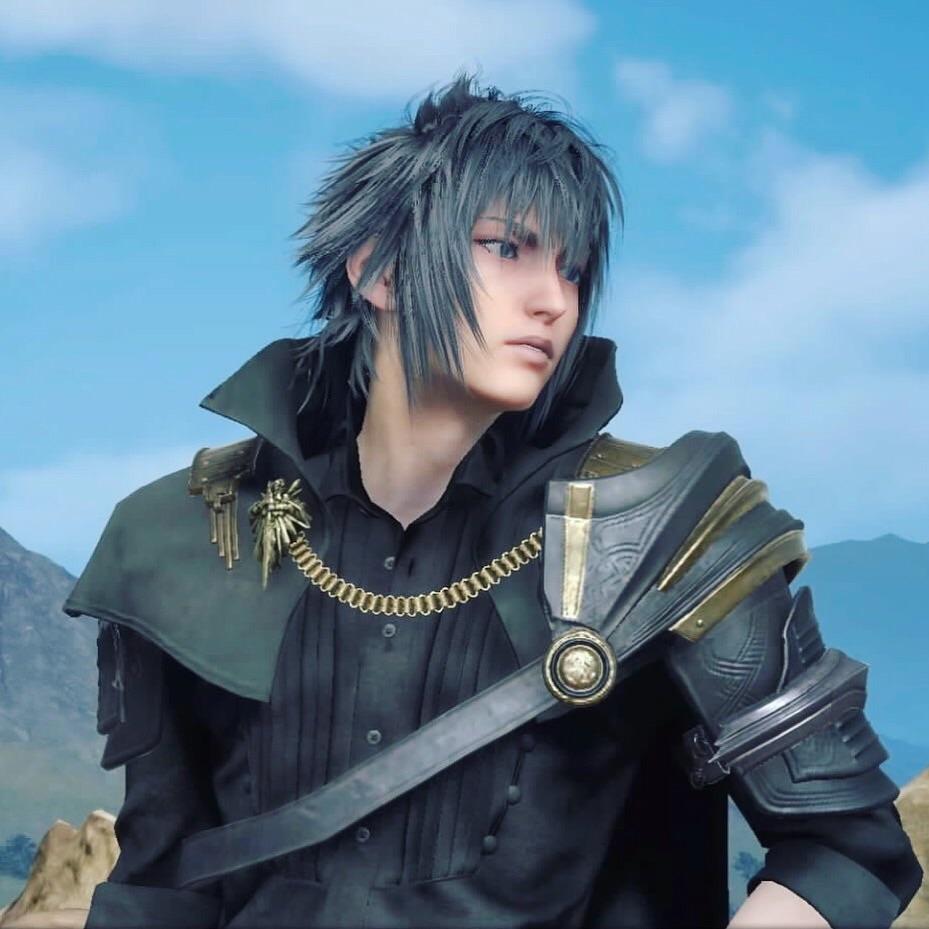
Noctis begins as a reluctant heir and ends as one of the franchise's heaviest tragic leads.
XV's road-trip structure lets you watch his growth in small moments first, then hit him with escalating loss, duty, and impossible expectations. The bond with his party does a lot of emotional lifting, and by the end, his decisions carry genuine weight.
The game's storytelling structure is uneven, sure, but Noctis himself lands. He feels like a kid forced to become a king on a timeline he did not choose.
When his arc clicks, it hits hard.
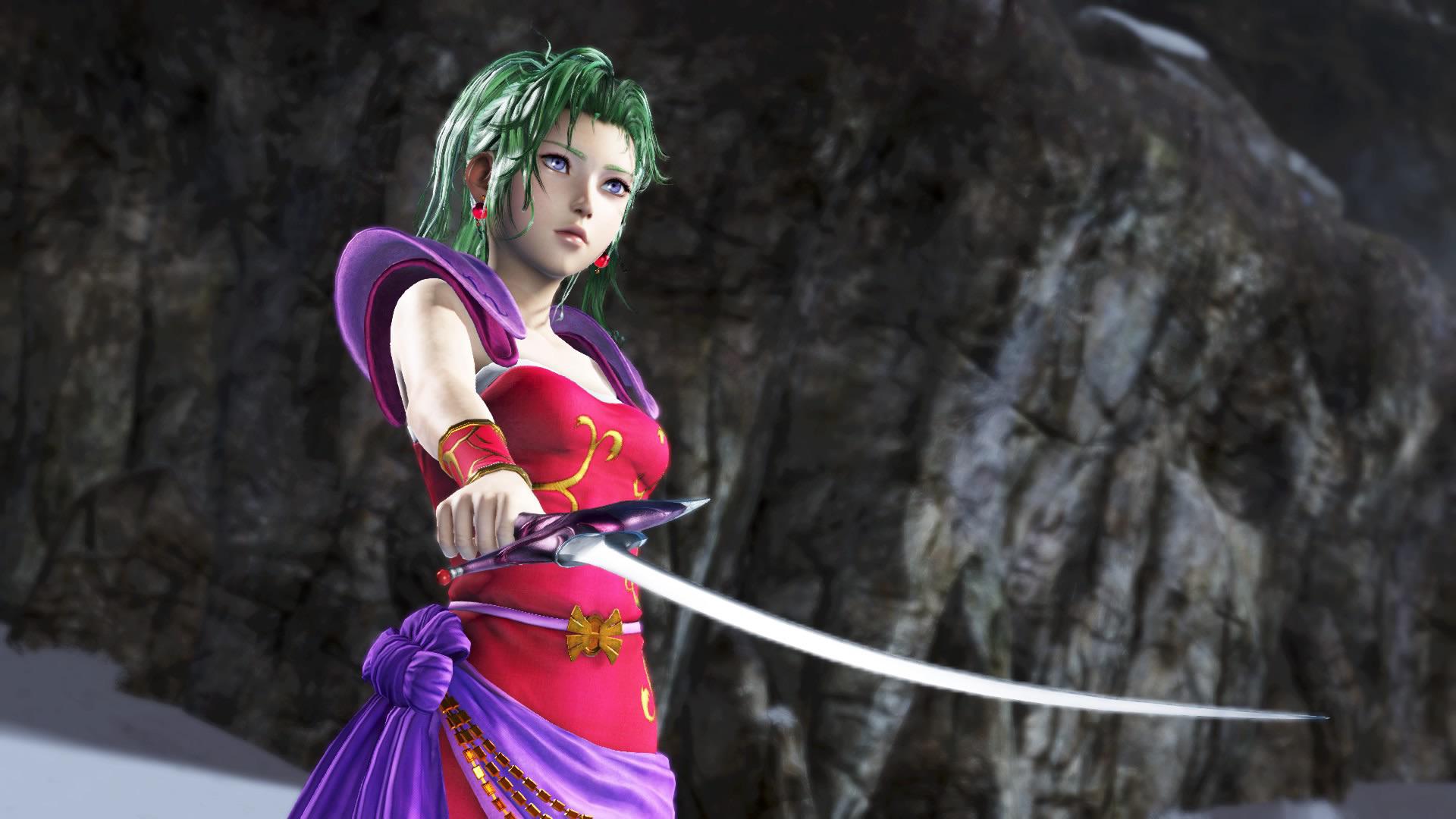
Terra is one of Final Fantasy's strongest classic-era protagonists because her conflict is deeply personal.
She is not chasing power or revenge. She is trying to understand who she is and what kind of life she wants in a world that keeps treating people as tools. VI builds her arc around identity, empathy, and chosen purpose, and it still holds up beautifully.
Even in a giant ensemble cast, Terra remains emotionally central. She represents VI's core theme: hope is not naive, it is a decision you keep making under pressure.
Quietly, she is one of the franchise's most important leads.
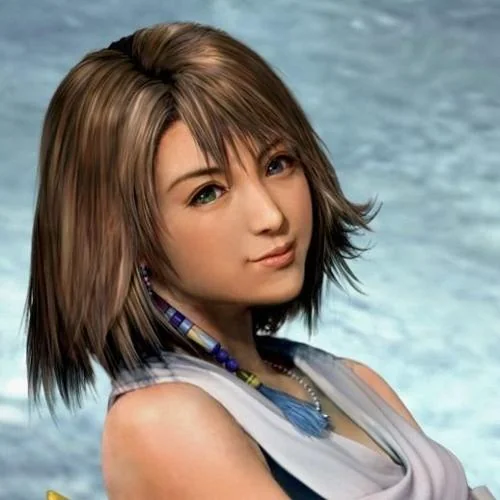
Yuna is one of Final Fantasy's best examples of strength without noise.
In X, she carries impossible expectations with grace. In X-2, she evolves from dutiful symbol into an active decision-maker with her own direction. That full arc gives her more range than people who only remember “calm summoner” realize.
She is not built around flashy one-liners. Her power is conviction, emotional intelligence, and the ability to keep moving when everyone else is spiraling.
If you value character growth over pure spectacle, Yuna is elite tier.
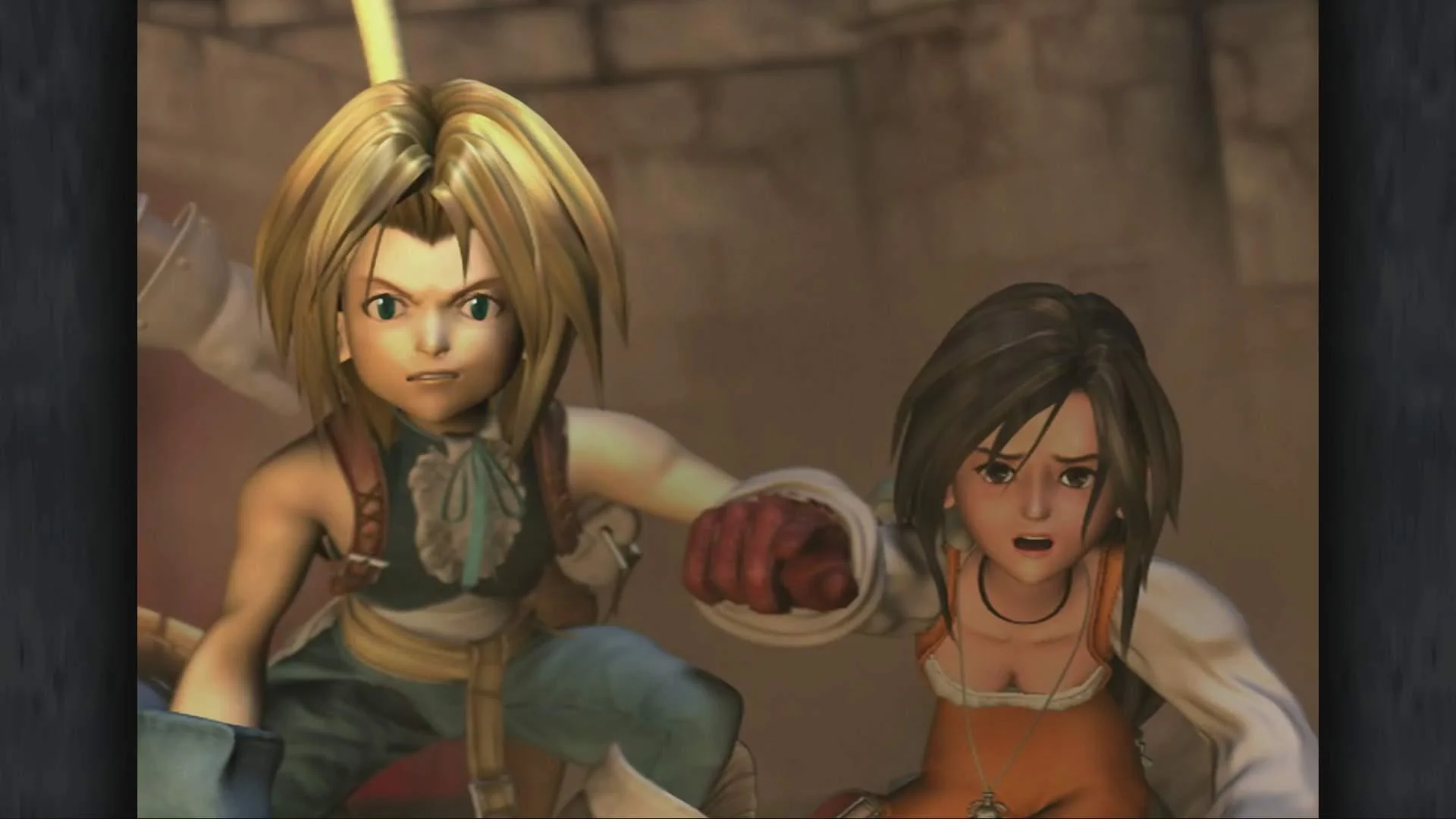
Zidane is proof that a cheerful protagonist can still carry deep themes.
He starts as charismatic and empathetic, which makes him immediately likable, then IX flips the script and forces him through one of the series' best identity crises. The contrast works because his optimism is not fake. It is challenged, broken, and rebuilt.
He also elevates the party around him. Zidane's relationships feel warm and believable, giving IX one of Final Fantasy's best team dynamics.
He is funny, kind, and emotionally resilient. That combination is rarer than it should be.
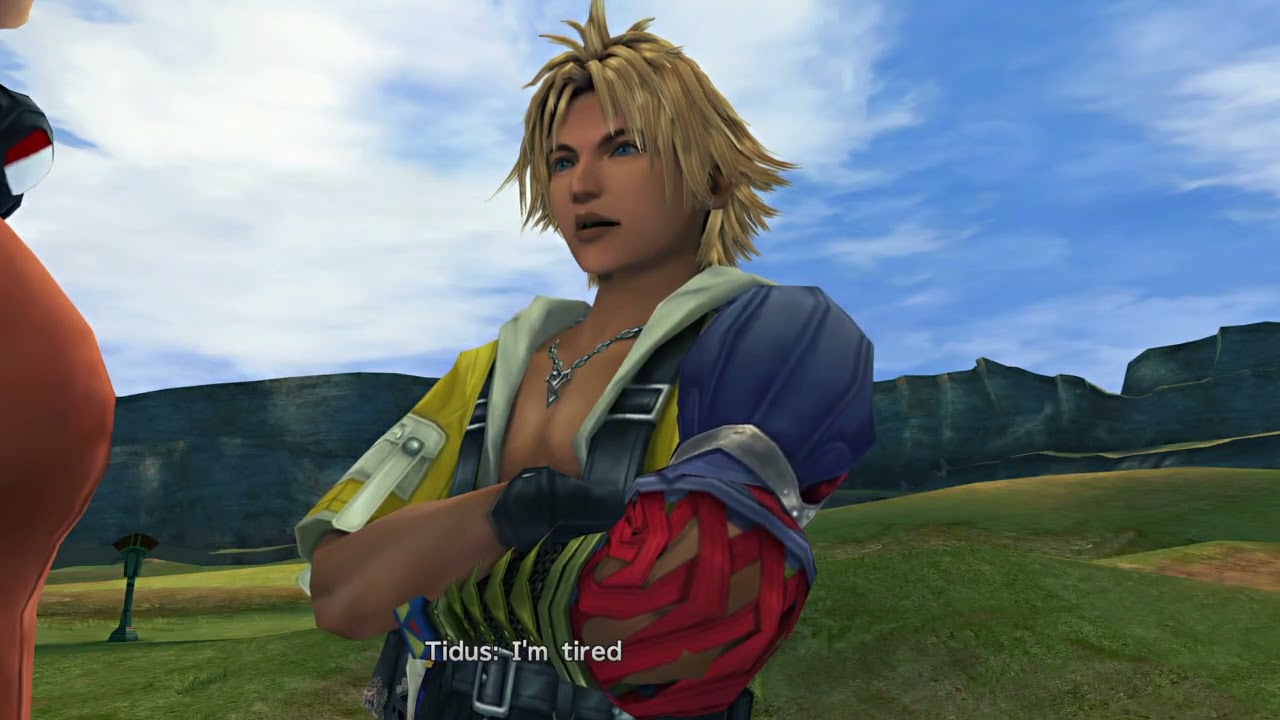
Tidus does exactly what a great audience-entry protagonist should do: ask the questions you are asking.
He starts loud and immature, then grows through grief, responsibility, and one of the most emotionally devastating world reveals in the franchise. Because he begins as an outsider, Spira's rules and tragedies land harder for both him and the player.
His arc is also deeply tied to Yuna's, and that partnership gives X its emotional core. By the finale, Tidus is no longer the confused newcomer. He is fully committed, fully aware, and fully heartbreaking.
He is much better written than early memes gave him credit for.
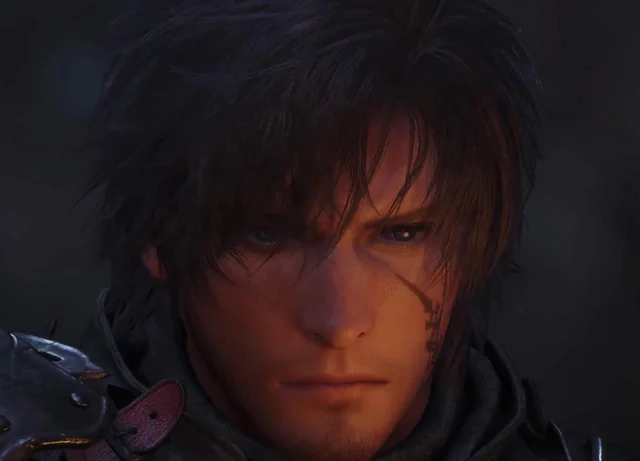
Clive is one of the franchise's strongest modern leads.
His journey moves through revenge, guilt, political violence, and personal redemption without losing emotional clarity. He is older, rougher, and more grounded than many past protagonists, which gives XVI a distinct tone from the start.
What makes Clive stand out is consistency. Even when the plot goes huge, his motivation stays understandable and human. He does not feel like a generic chosen one. He feels like someone trying to break a cycle while carrying the cost of every decision.
XVI lives and dies on him, and he delivers.
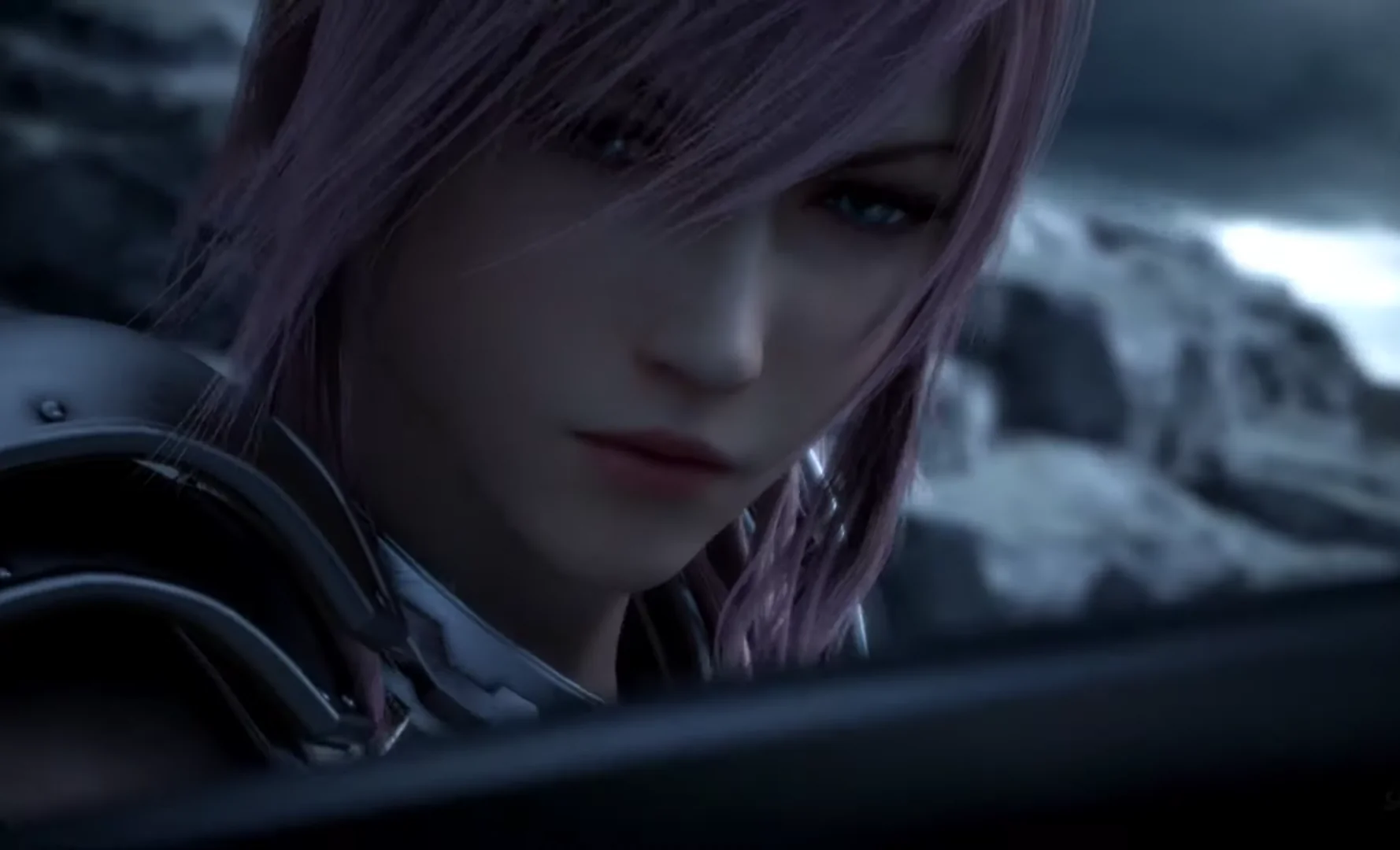
Lightning starts as guarded and severe, then gradually becomes one of the most layered protagonists in the series across the trilogy.
Her arc spans duty, family, faith, identity, and finally agency on her own terms. Even when XIII's worldbuilding gets dense, Lightning remains a stable emotional center with clear motivation and strong presence.
She is also one of the franchise's most recognizable modern icons for good reason: sharp design, strong voice, and real narrative weight over multiple games.
If Cloud is the classic era symbol, Lightning is the modern-era standard bearer.
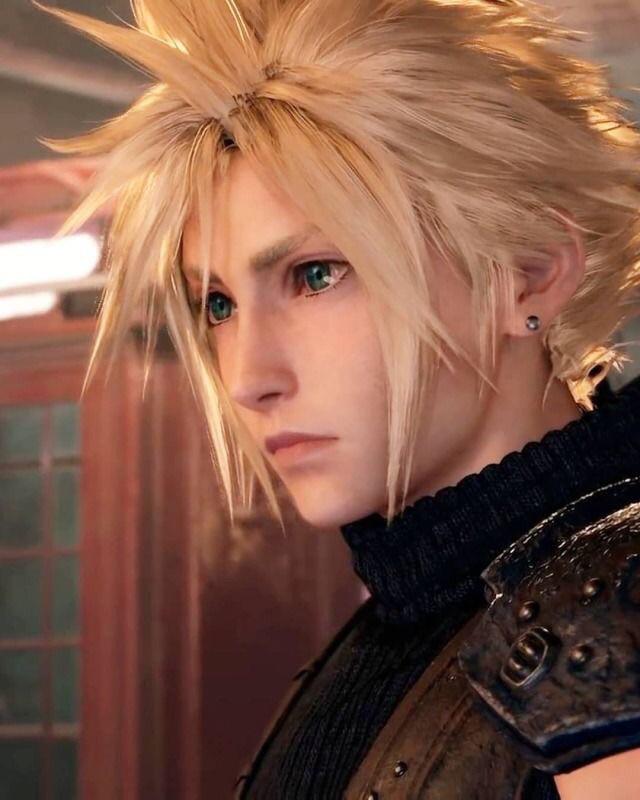
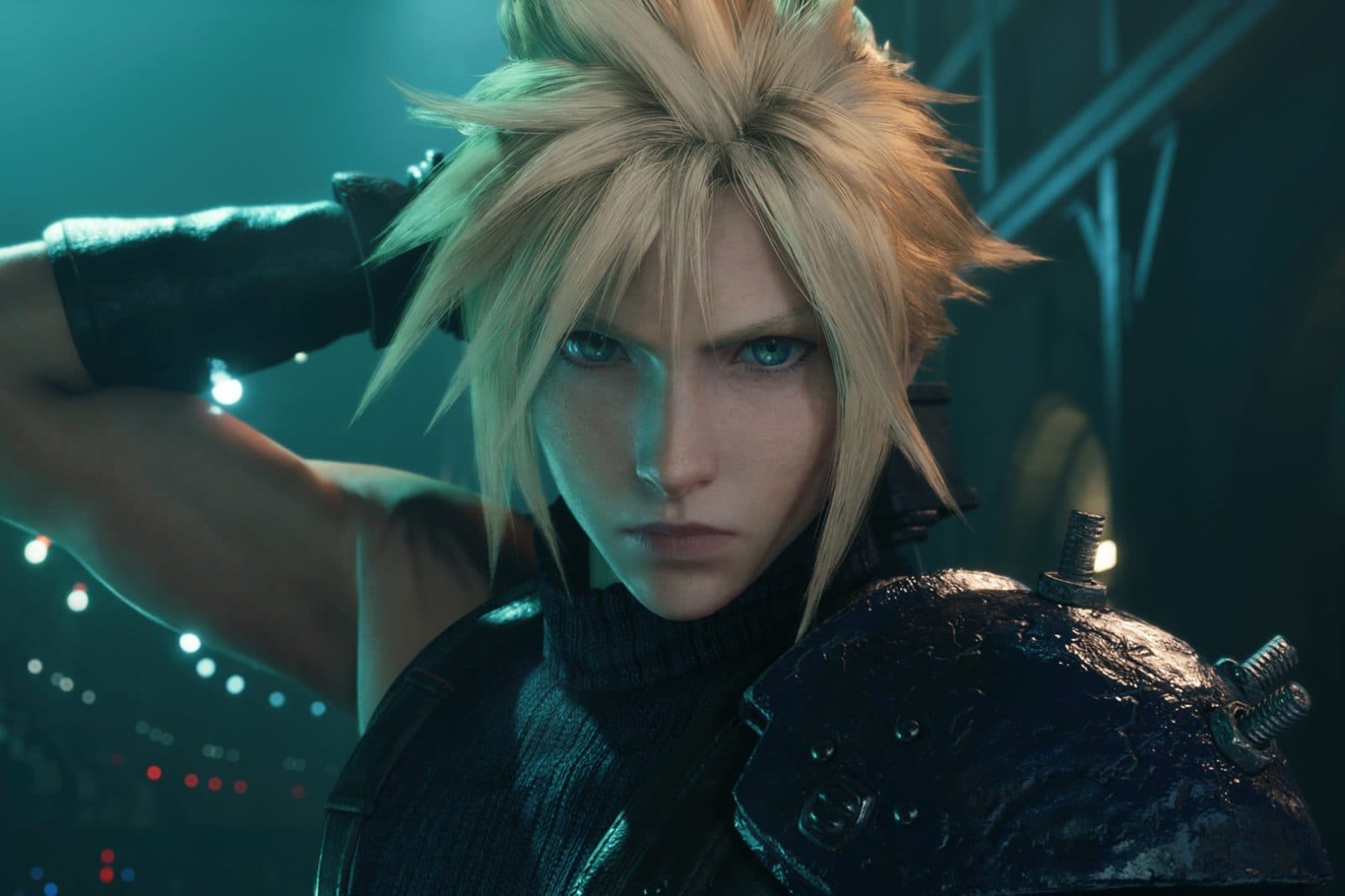
Cloud is still the benchmark.
He is iconic visually, yes, but his ranking is not just legacy points. His character arc is genuinely great: identity fracture, memory distortion, trauma, vulnerability, and eventual self-acceptance. VII gives him spectacle and depth, then keeps developing him across later projects.
What makes Cloud special is balance. He can carry action-heavy set pieces and introspective emotional beats without feeling like two different characters stitched together.
He is the face of the franchise because he earned it, not because marketing said so.
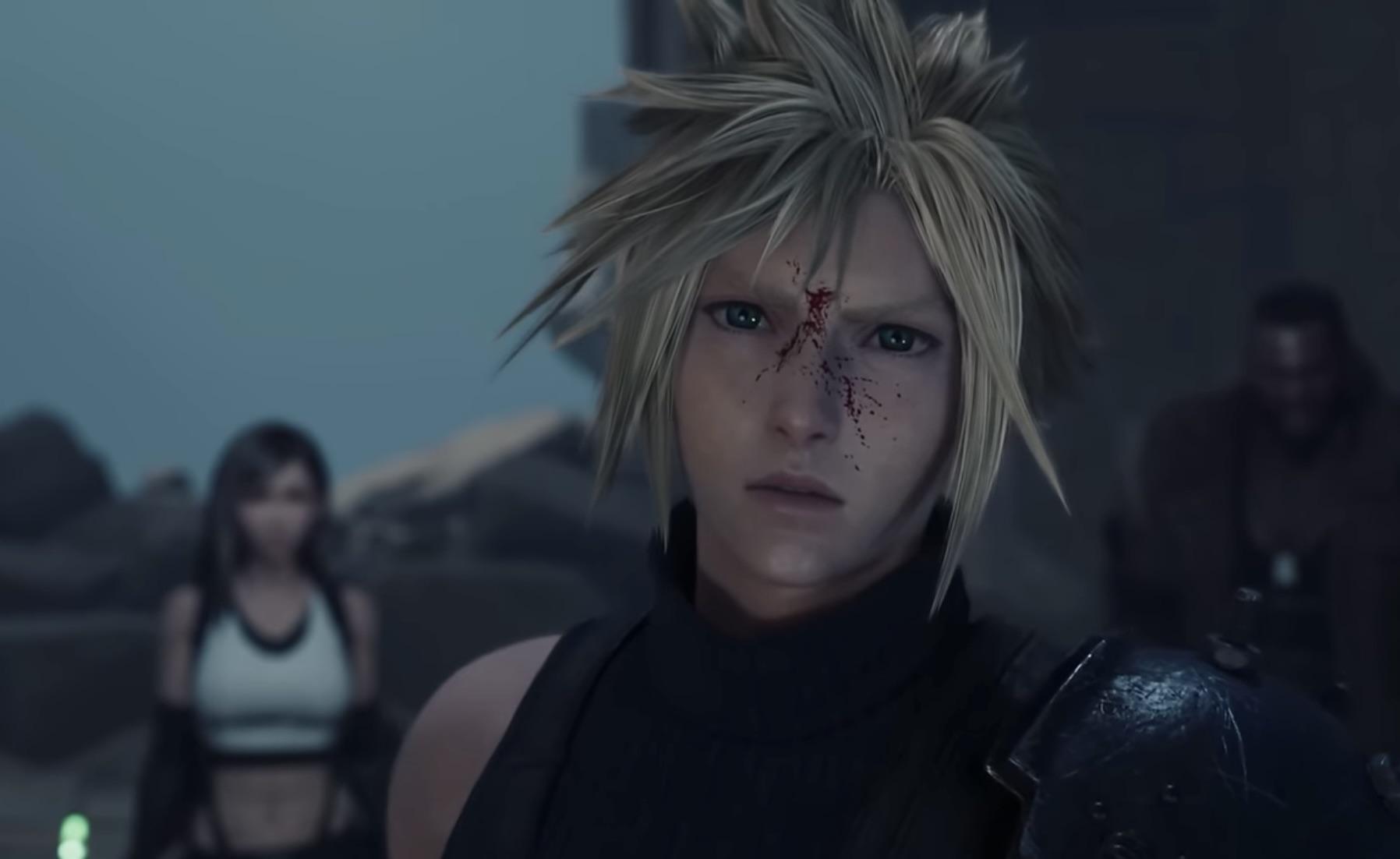
If you want the most complete classic-era protagonist, pick Cloud.
If you want modern intensity, Clive and Lightning are top tier.
If you want emotional ensemble storytelling, Tidus, Yuna, and Zidane still hit incredibly hard.
Final Fantasy keeps changing worlds, but great protagonists do the same job every time: make you care enough to keep fighting when everything goes off the rails.
 AllNews
 AllGuide
 AllNews
 AllNews