
 AllMar 06, 2026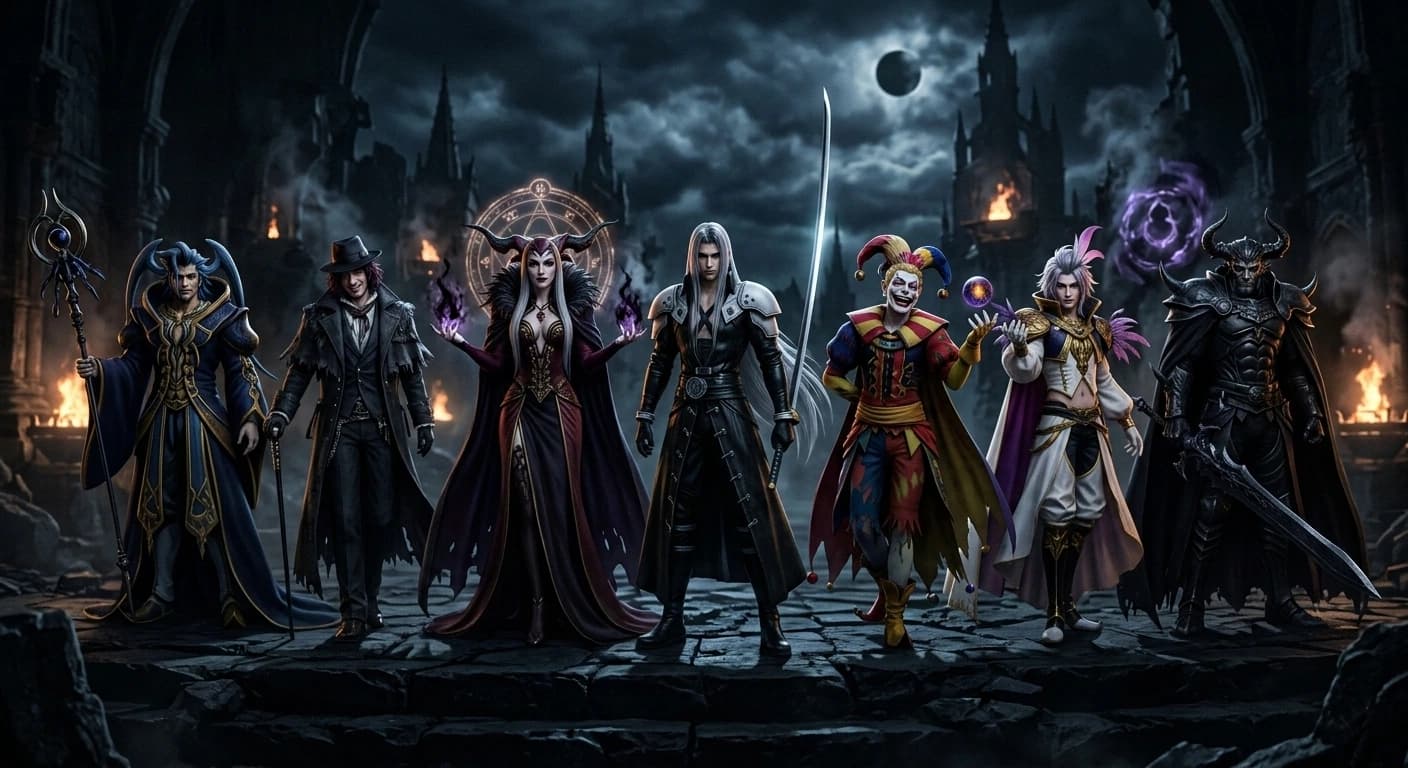
From Sephiroth to Kefka and Ardyn, this Final Fantasy Villains Guide ranks the most iconic antagonists by impact, writing, and world-ending commitment.
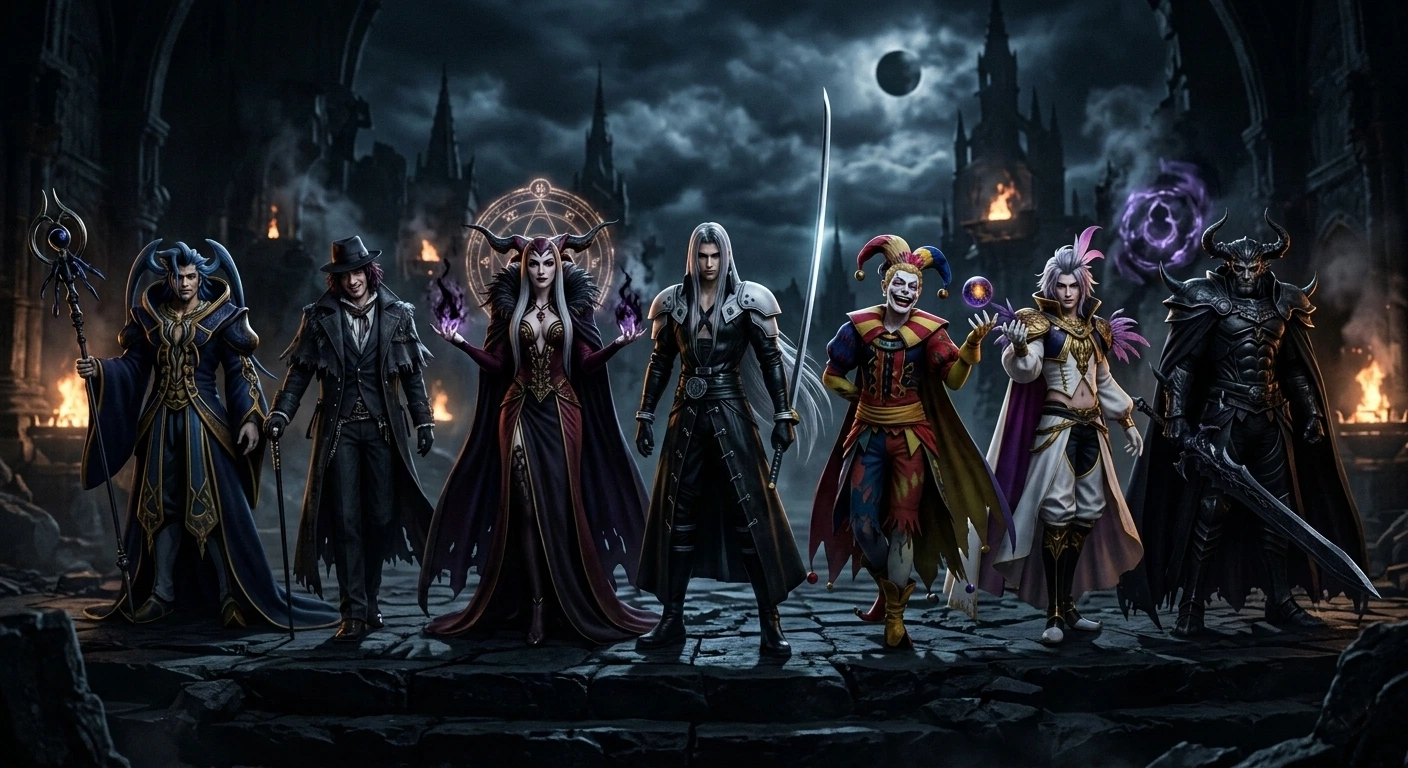
Final Fantasy villains are rarely just “bad guys with boss music.”
They are gods with abandonment issues, nobles with apocalypse hobbies, and charismatic manipulators who heard the word “therapy” and immediately chose planetary destruction instead.
This guide ranks the most important Final Fantasy villains by story impact, writing quality, and how effectively they made everyone’s life dramatically worse.
Spoilers ahead across multiple Final Fantasy games.
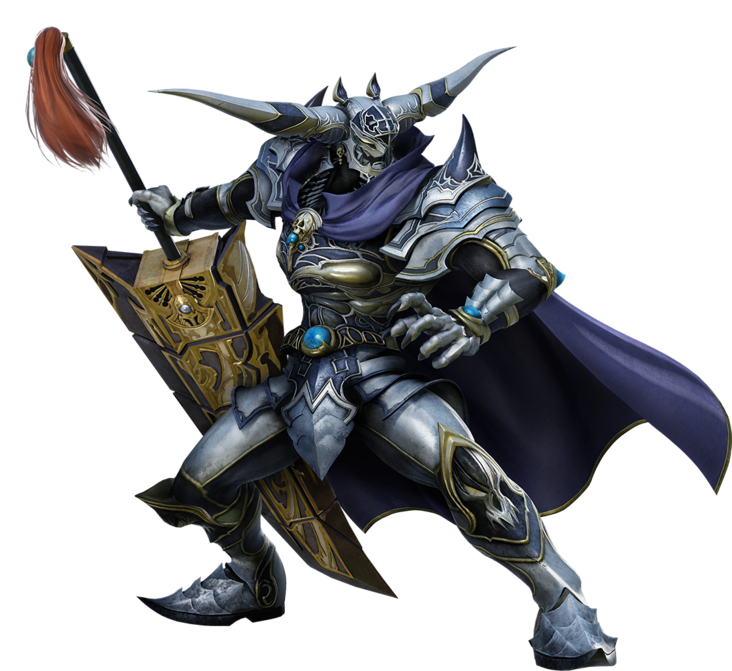
Garland is the old-school blueprint: a fallen knight who escalates from “kidnap princess” to “time-loop nightmare management.”
By modern standards, he is simple. By historical standards, he is foundational. He established the franchise habit of turning personal rage into cosmic-scale problems.
He matters because he is the beginning of Final Fantasy’s villain tradition: if a normal grudge can become a metaphysical crisis, it probably will.
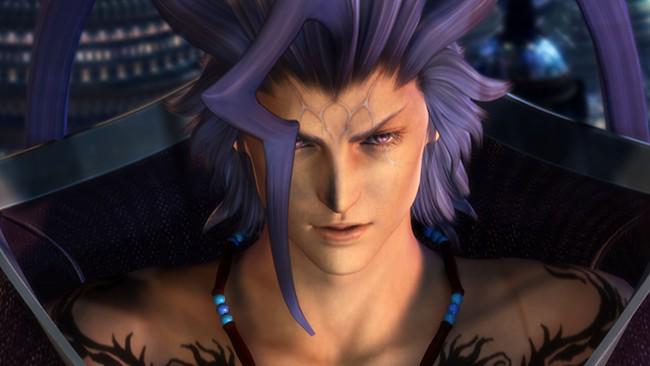
Seymour is one of the series’ best “polite monster” villains.
He presents himself as composed, spiritual, and above the chaos, then repeatedly reveals layers of manipulation, obsession, and pure nihilism. His relationship to Yuna and Spira’s religious structure gives him real narrative weight, not just “boss fight of the week” energy.
He is creepy, theatrical, and very effective at making every scene more uncomfortable.
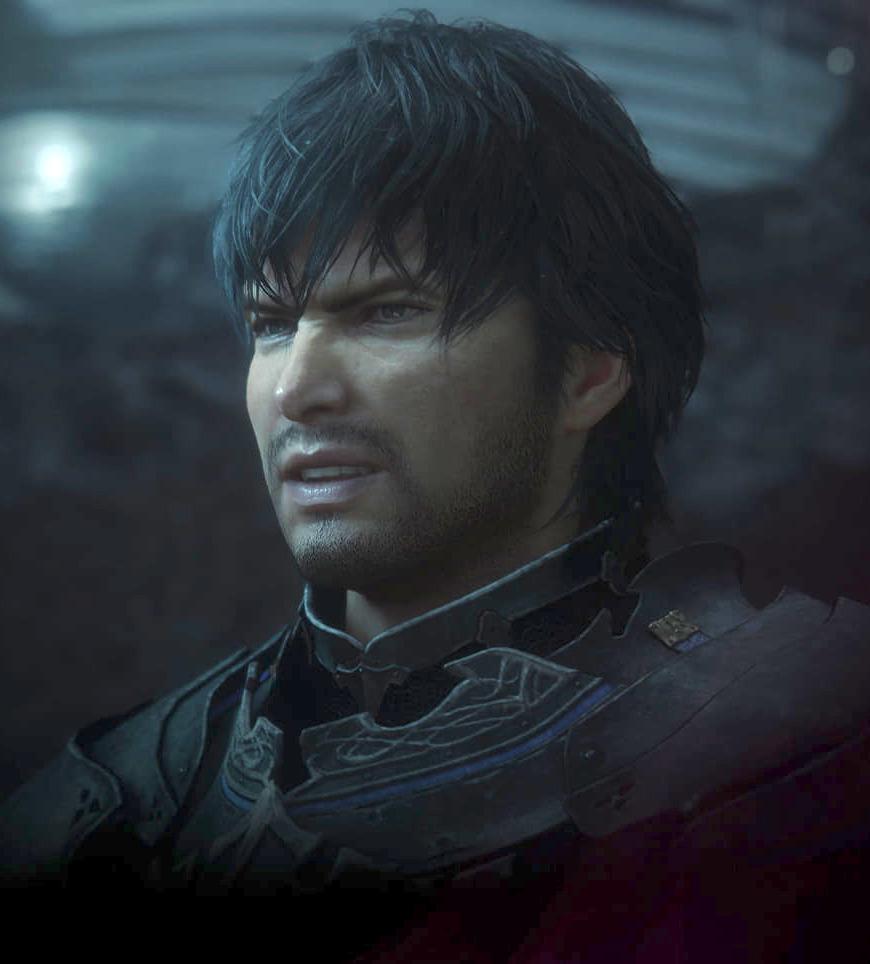
Barnabas is what happens when absolute conviction meets absolute power.
He is calm, controlled, and terrifyingly certain that his worldview is the only valid one. In a game full of loud conflict, Barnabas is dangerous precisely because he is so composed while enforcing brutal ideology.
He may not be the most emotionally layered villain in the franchise, but as an authoritarian force in XVI’s world, he is unforgettable.
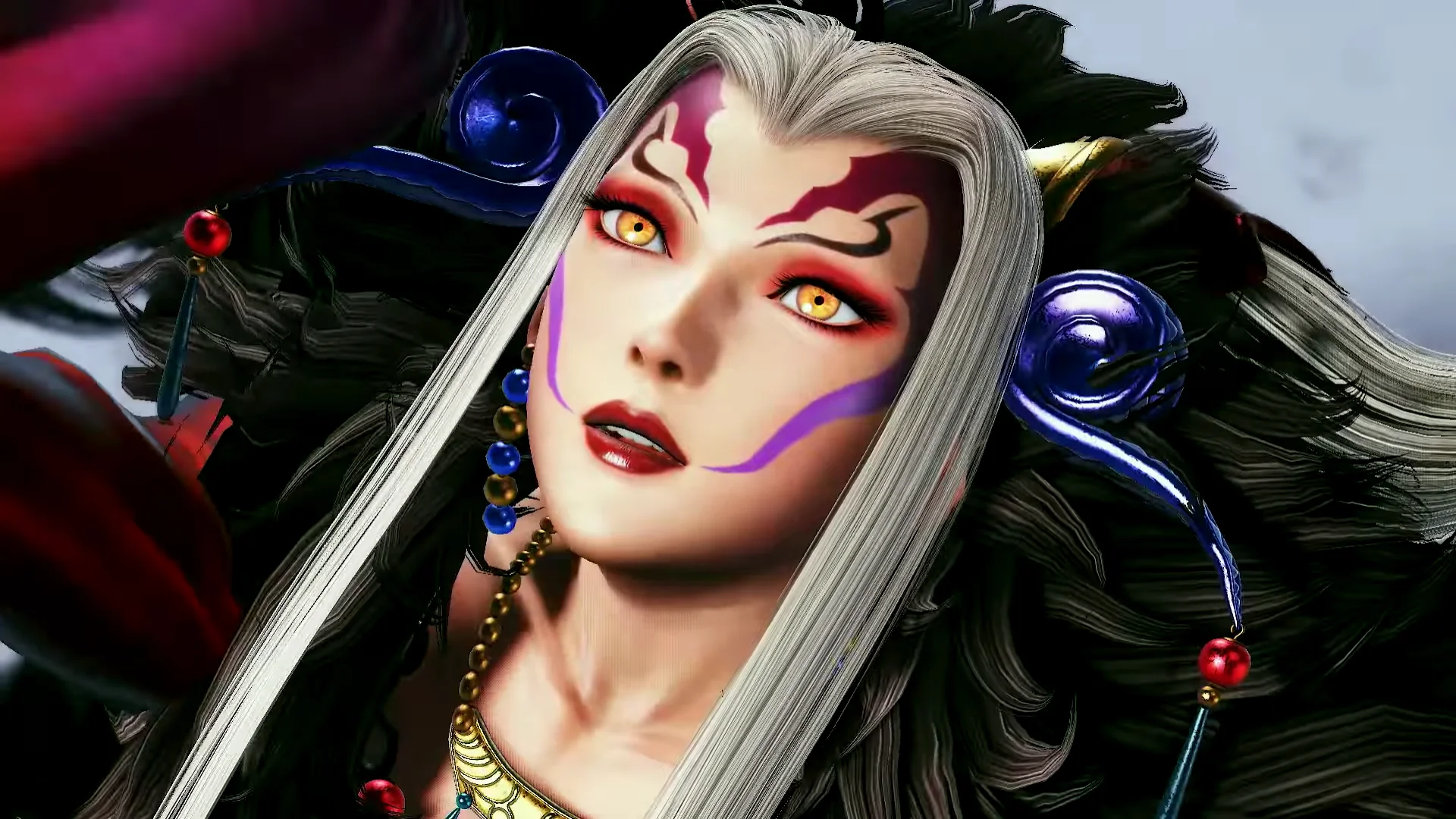
Ultimecia is peak “Final Fantasy goes cosmic.”
Her entire threat model is basically: compress time, dominate reality, and make everyone else deal with the consequences. VIII’s wild narrative swings make her feel mythic rather than grounded, and that works in her favor.
She is not the easiest villain to summarize in one sentence, but she absolutely nails the series’ love of high-concept antagonists with huge thematic stakes.
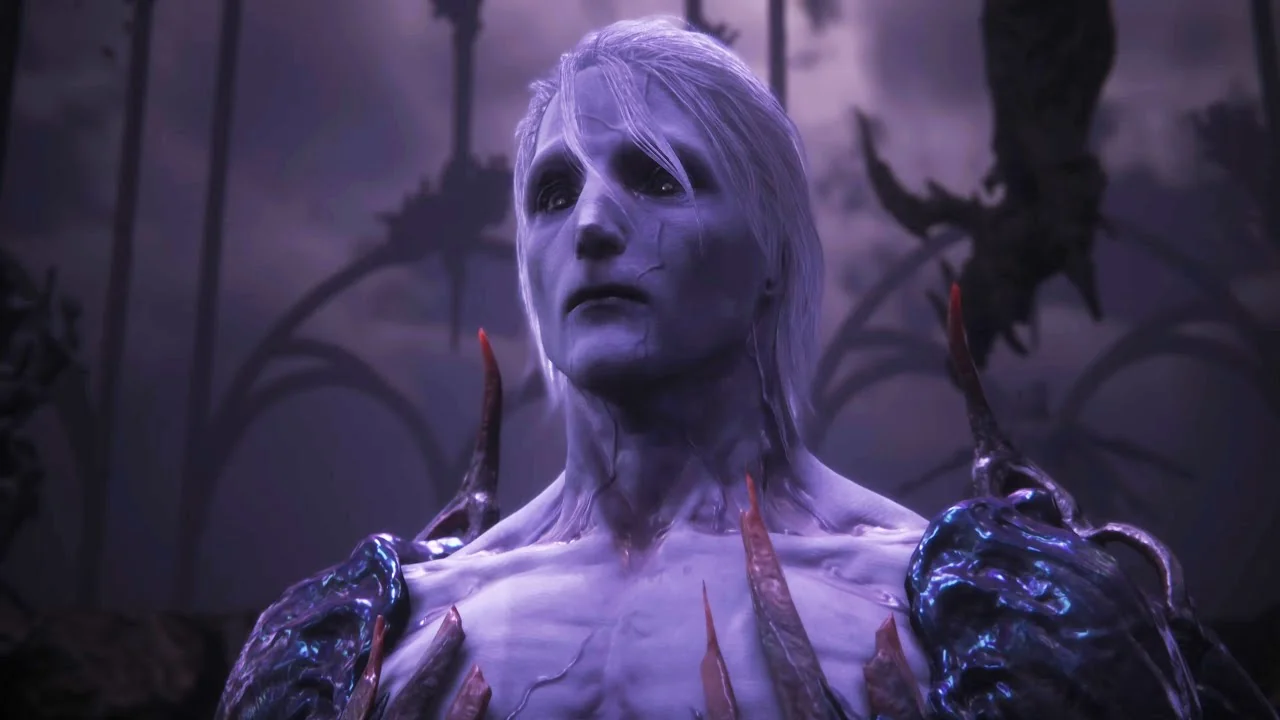
Ultima represents the “divine authority as control system” theme at the center of XVI.
He is less personal and more ideological than villains like Sephiroth or Ardyn, but that is intentional. Ultima is a structural threat, not just a rival. He embodies a worldview where humanity exists to serve a predetermined design.
As a final-era antagonist, he works because he pushes Clive’s arc into a direct fight over free will itself.
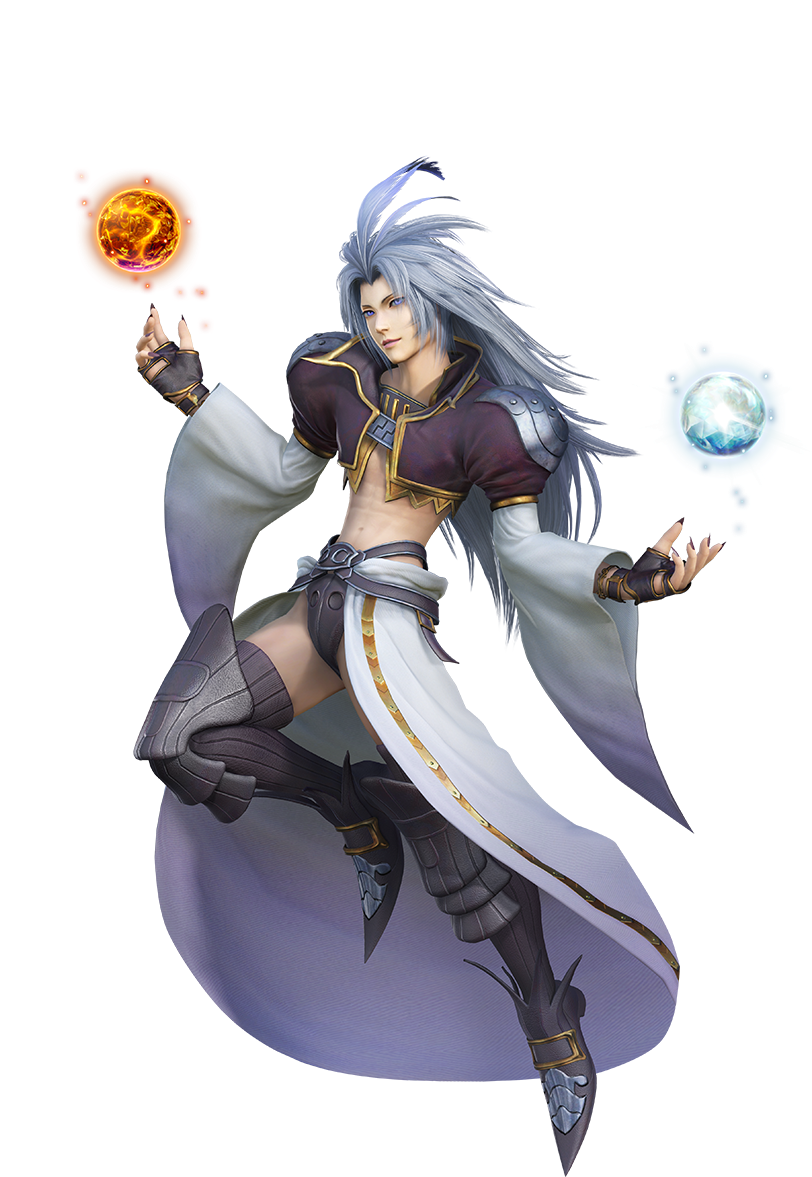
Kuja is one of Final Fantasy’s best tragic narcissists.
He is stylish, manipulative, and deeply afraid of mortality, which turns him from flamboyant mastermind into emotionally unstable world-ending threat. IX uses him brilliantly as a thematic mirror to Zidane, making their conflict about identity and meaning, not just raw power.
Kuja is dramatic in the best way: every scene with him feels like the game understands exactly how much chaos one insecure genius can cause.
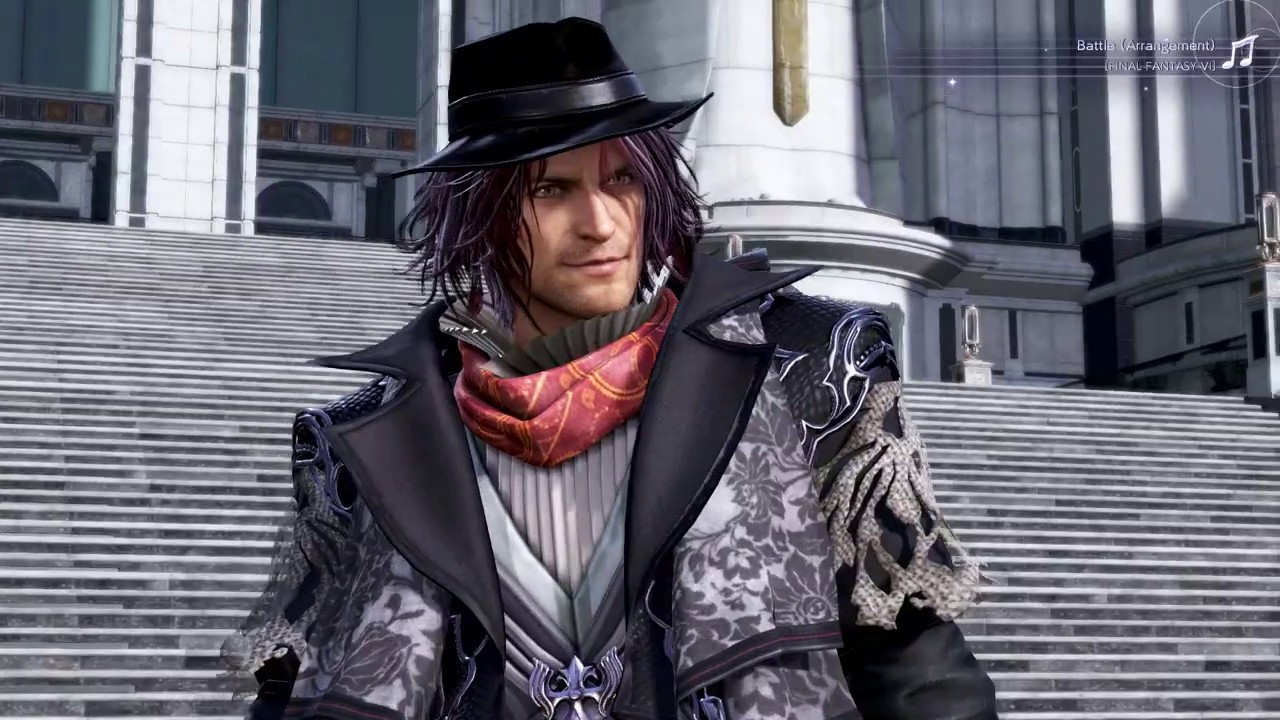
Ardyn is one of the most entertaining villains in the modern era.
He is funny, elegant, cruel, and clearly enjoying every second of everyone else’s discomfort. But beneath the showmanship is real tragedy, which gives his rivalry with Noctis emotional depth that carries the late game.
Ardyn’s strength is balance: he is both a compelling character and a serious narrative threat. Not many villains pull off both this cleanly.
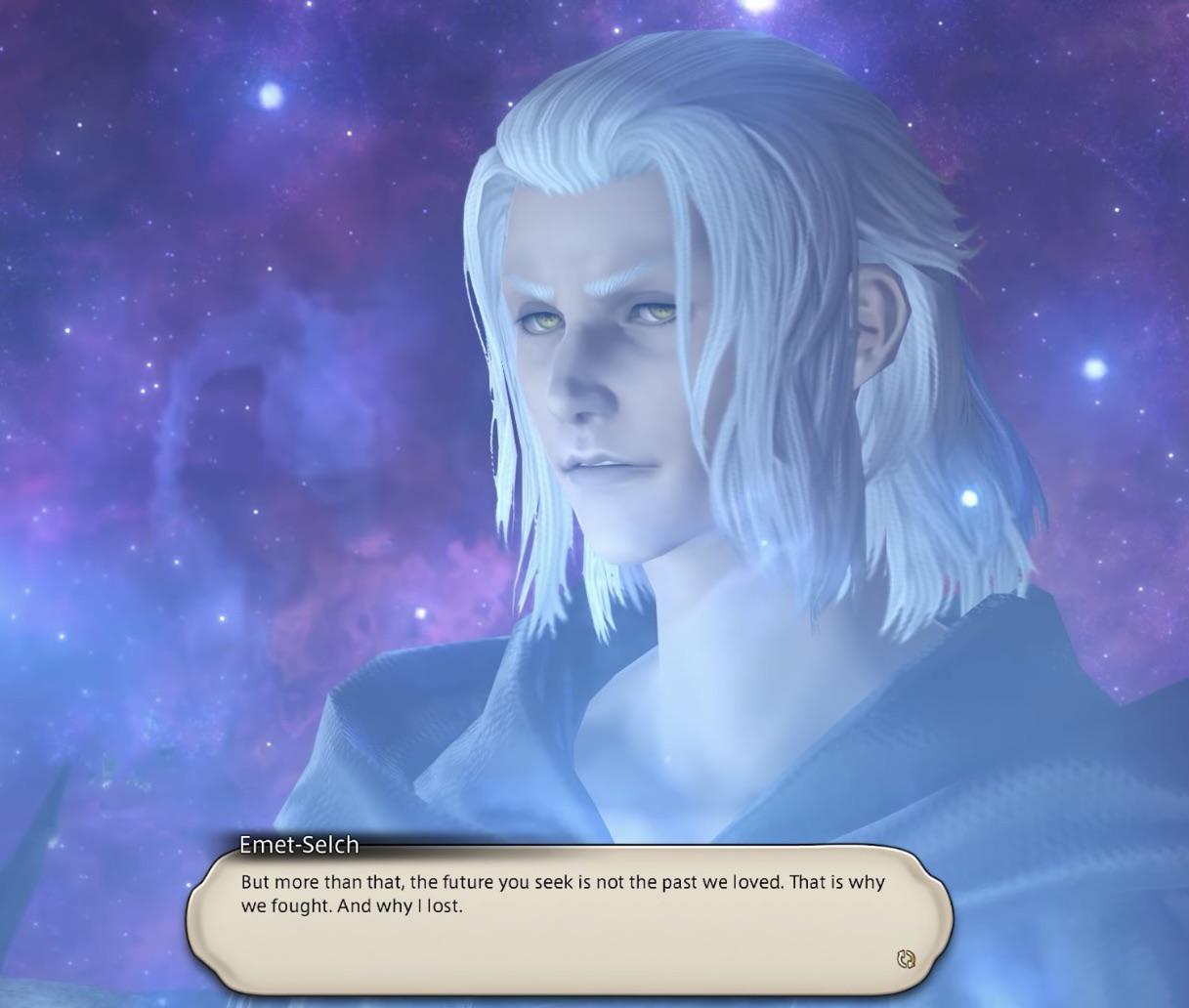
Emet-Selch is the “I understand your pain, I just still disagree with your existence” villain done perfectly.
He is intelligent, witty, and emotionally grounded in a way few cosmic antagonists are. You may oppose him completely, but you understand him, and that is what makes him so dangerous and memorable.
In pure writing terms, he is one of Final Fantasy’s strongest antagonists ever. XIV used him to prove MMO storytelling can absolutely deliver top-tier character work.
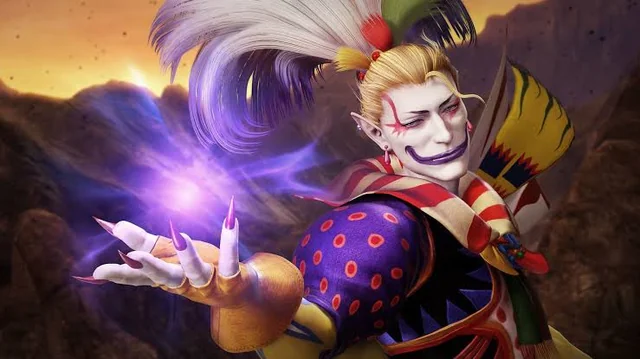
Kefka is chaos weaponized.
He starts as an unstable imperial operative and evolves into one of the most destructive villains in genre history. What makes him special is not just personality, it is consequence. He does not merely threaten the world. He changes it.
His mix of cruelty, unpredictability, and god-complex escalation makes him iconic for a reason. Kefka is what happens when Final Fantasy stops pretending villains always lose before irreversible damage is done.
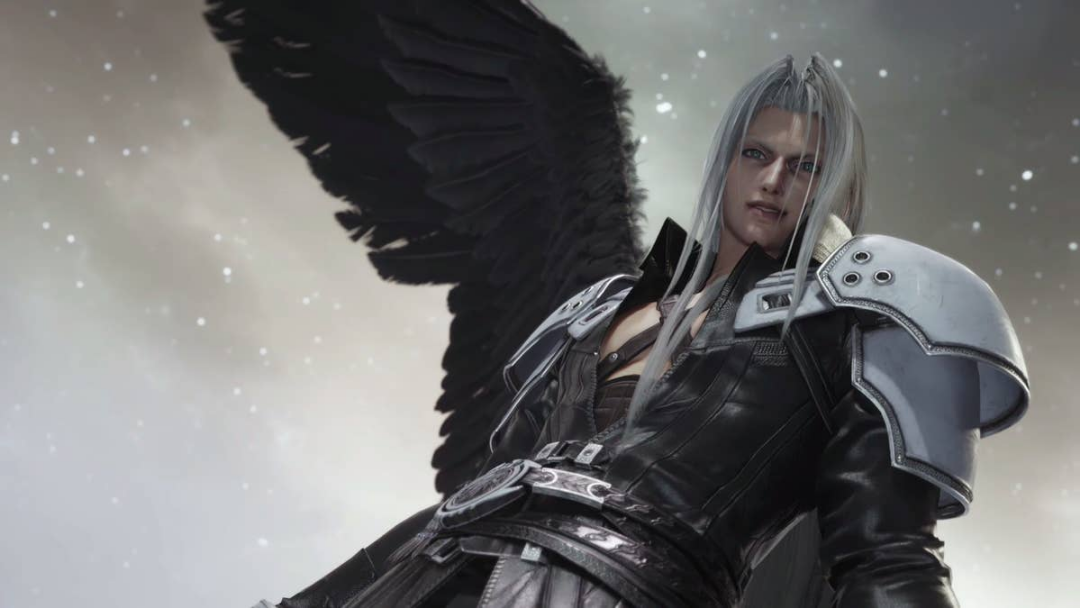
Sephiroth is still the standard.
He combines mythic presence, personal connection to the protagonist, unforgettable visual identity, and narrative impact that extends far beyond one game. His arc from elite SOLDIER legend to existential threat is one of gaming’s most recognizable villain transformations.
Most importantly, Sephiroth is not just famous. He is effective. Every major appearance reinforces his role as VII’s central psychological and thematic force.
He is the face of Final Fantasy villainy for a reason.
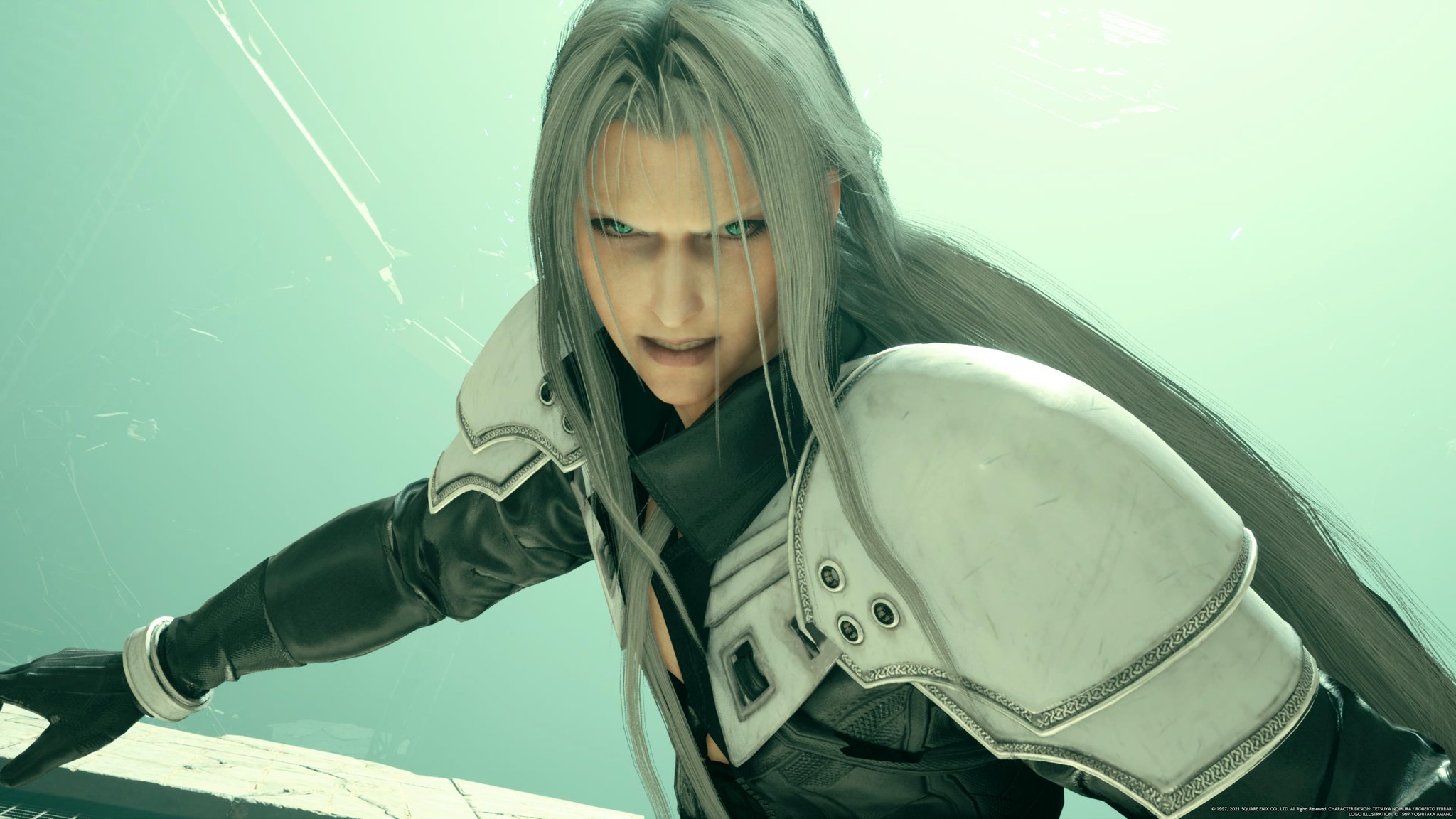
If you want pure icon status, Sephiroth is still number one.
If you want maximum chaos and consequence, Kefka is undefeated in destructive energy.
If you want modern layered writing, Ardyn and Emet-Selch are elite.
Final Fantasy changes settings every entry, but one rule never changes: the best villains are the ones who force heroes to question everything.
 AllNews
 AllGuide
 AllNews
 AllNews