Final Fantasy Character Guide: The Most Important Heroes, Villains, And Legends
Meet the most important Final Fantasy characters across the series, from Cloud and Sephiroth to Yuna, Clive, and Lightning in this complete character guide.
Final Fantasy Character Guide: The Most Important Heroes, Villains, And Legends
Different worlds, one franchise full of unforgettable people and emotional damage.
Final Fantasy changes worlds every game, but one thing stays consistent: the characters carry everything.
Whether it is a mercenary with identity issues, a summoner carrying everyone's hopes, or a villain who discovered one tragic backstory and chose planetary violence, this series lives or dies on its cast.
This guide breaks down the most important Final Fantasy characters across eras, what role they play, and why they still matter.
Why Final Fantasy Characters Hit So Hard
Final Fantasy character writing always ties personal pain to world-scale stakes.
Final Fantasy characters work because they combine strong personal arcs with world-ending pressure.
The series also loves emotional contrasts: hope versus despair, duty versus freedom, memory versus identity, sacrifice versus survival. Even when the lore gets huge, the emotional anchor stays human.
That is why so many characters remain iconic decades later. You do not just remember their powers. You remember their choices.
Core Protagonists You Should Know
The leads who define each major era of Final Fantasy.
If you are new and want a clean starter map, begin with these protagonists:
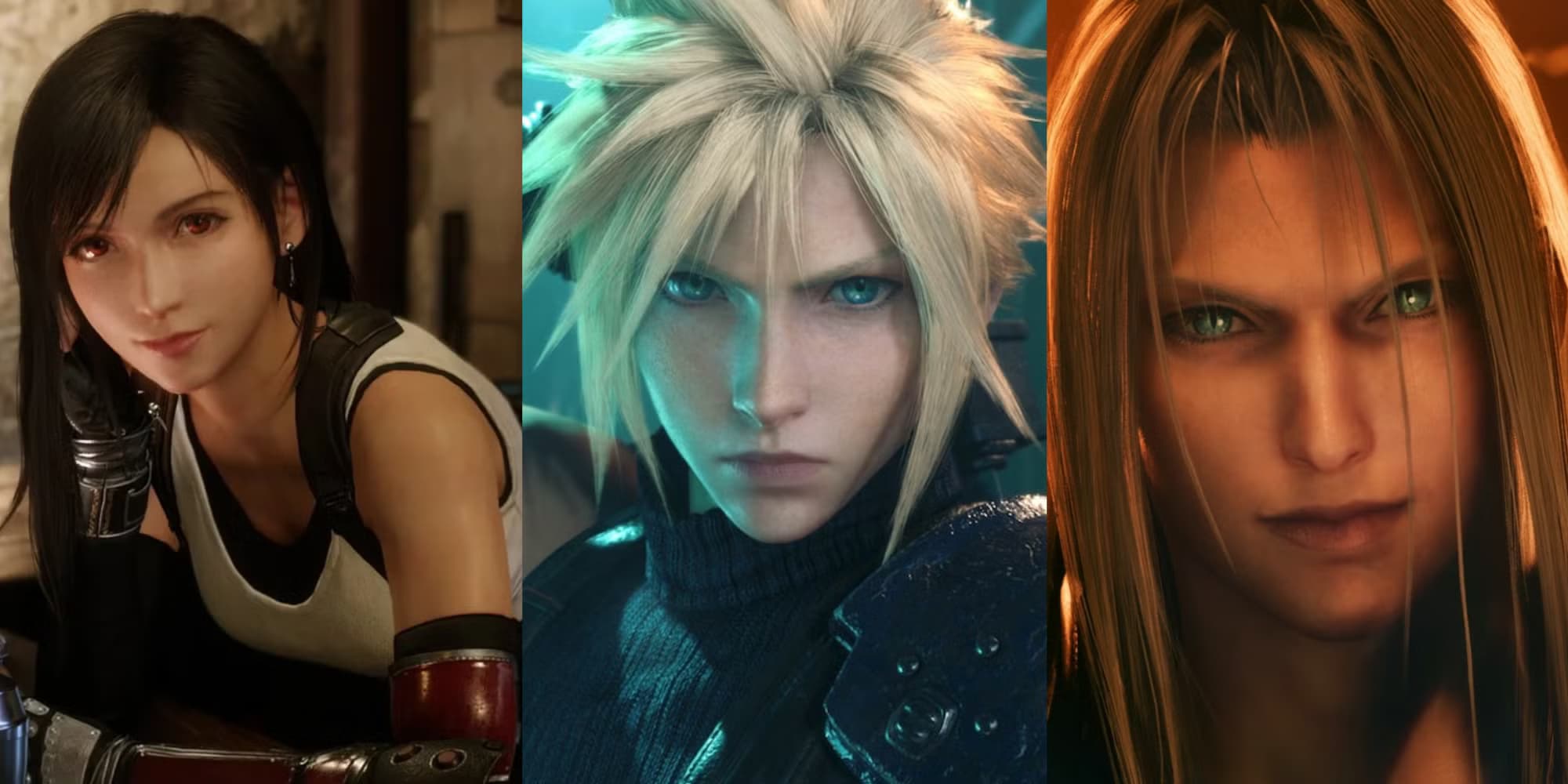
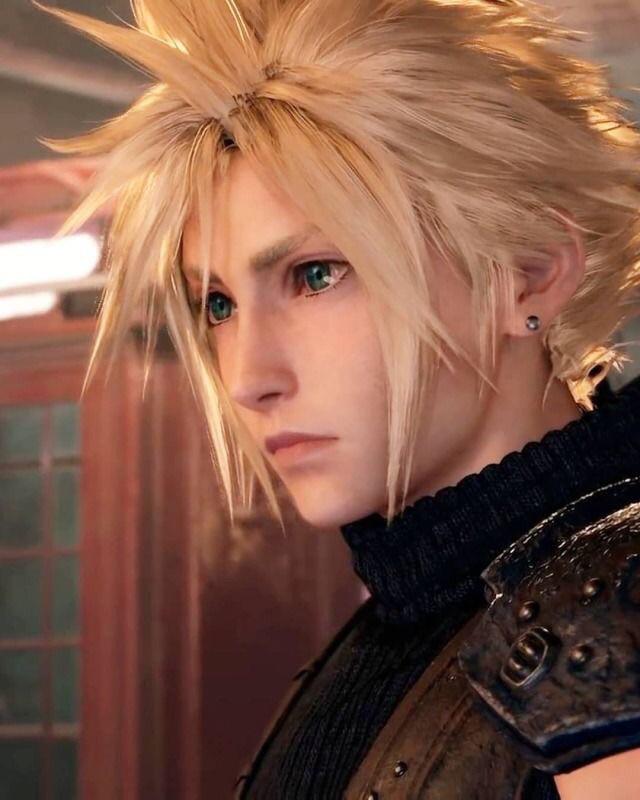
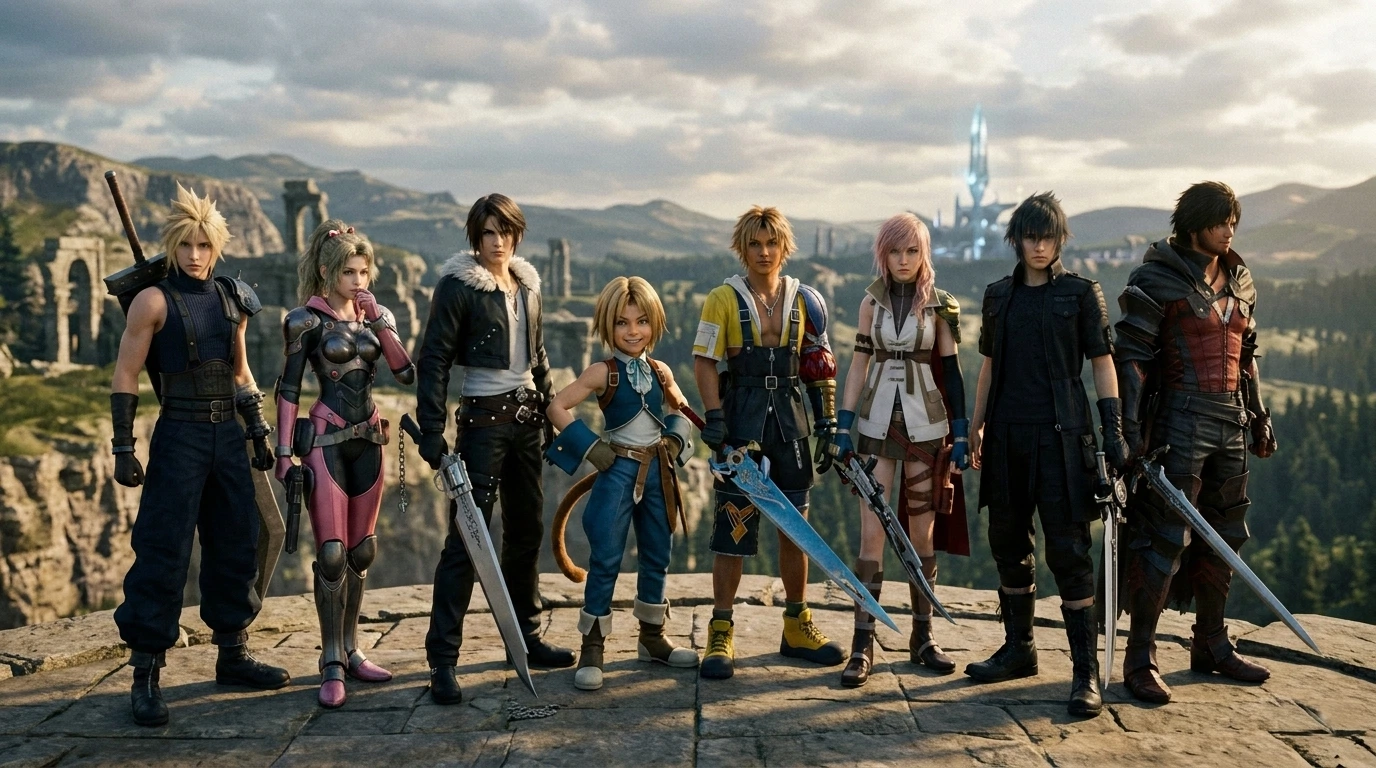
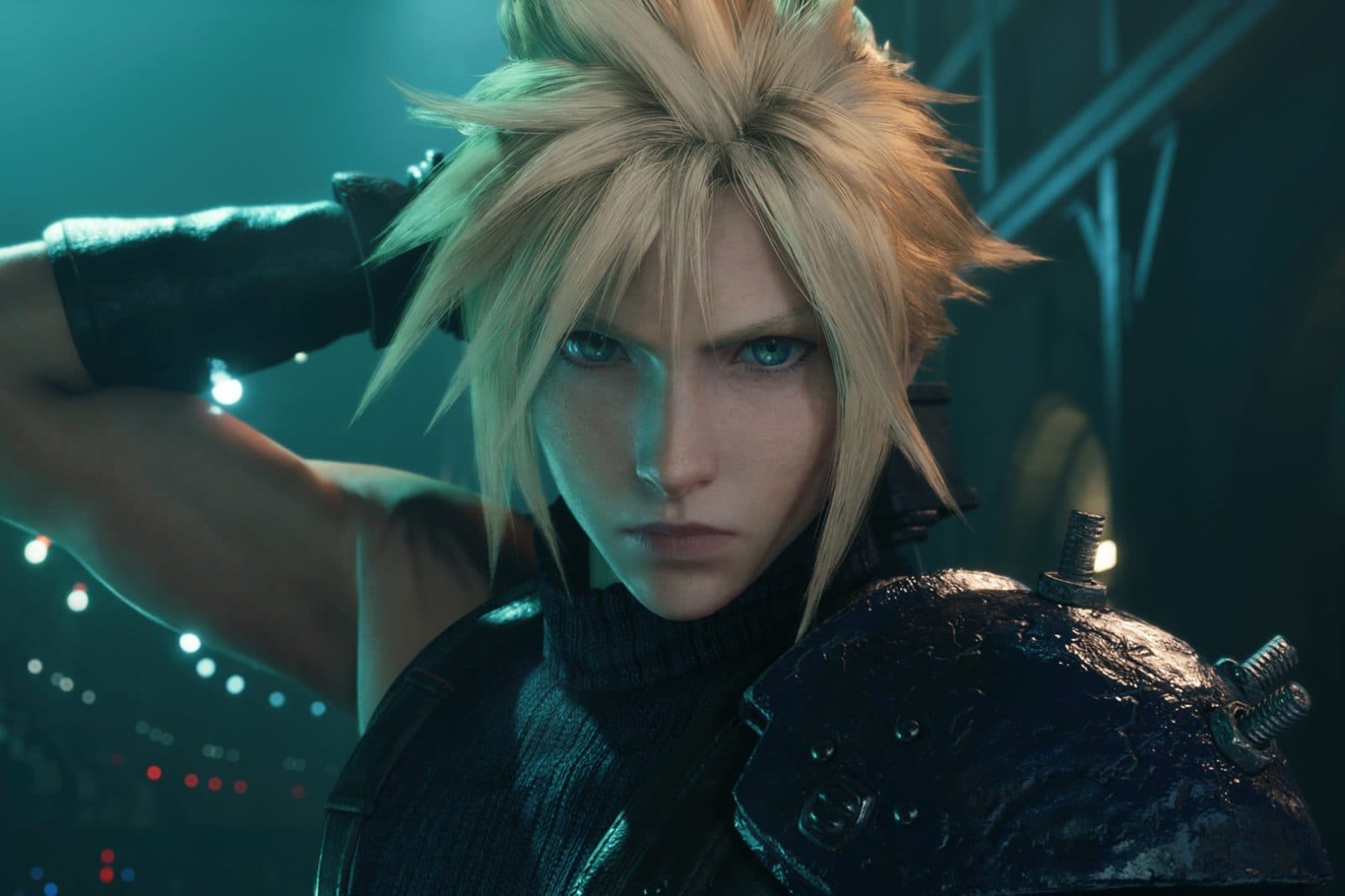
Cloud Strife (Final Fantasy VII): iconic but deeply fractured hero navigating memory and identity collapse.
Terra Branford (Final Fantasy VI): one of the series' best arcs about self-worth, belonging, and humanity.
Squall Leonhart (Final Fantasy VIII): emotionally closed-off lead who grows into responsibility.
Zidane Tribal (Final Fantasy IX): empathetic thief protagonist with strong party chemistry.
Tidus (Final Fantasy X): outsider perspective used brilliantly for worldbuilding and emotional payoff.
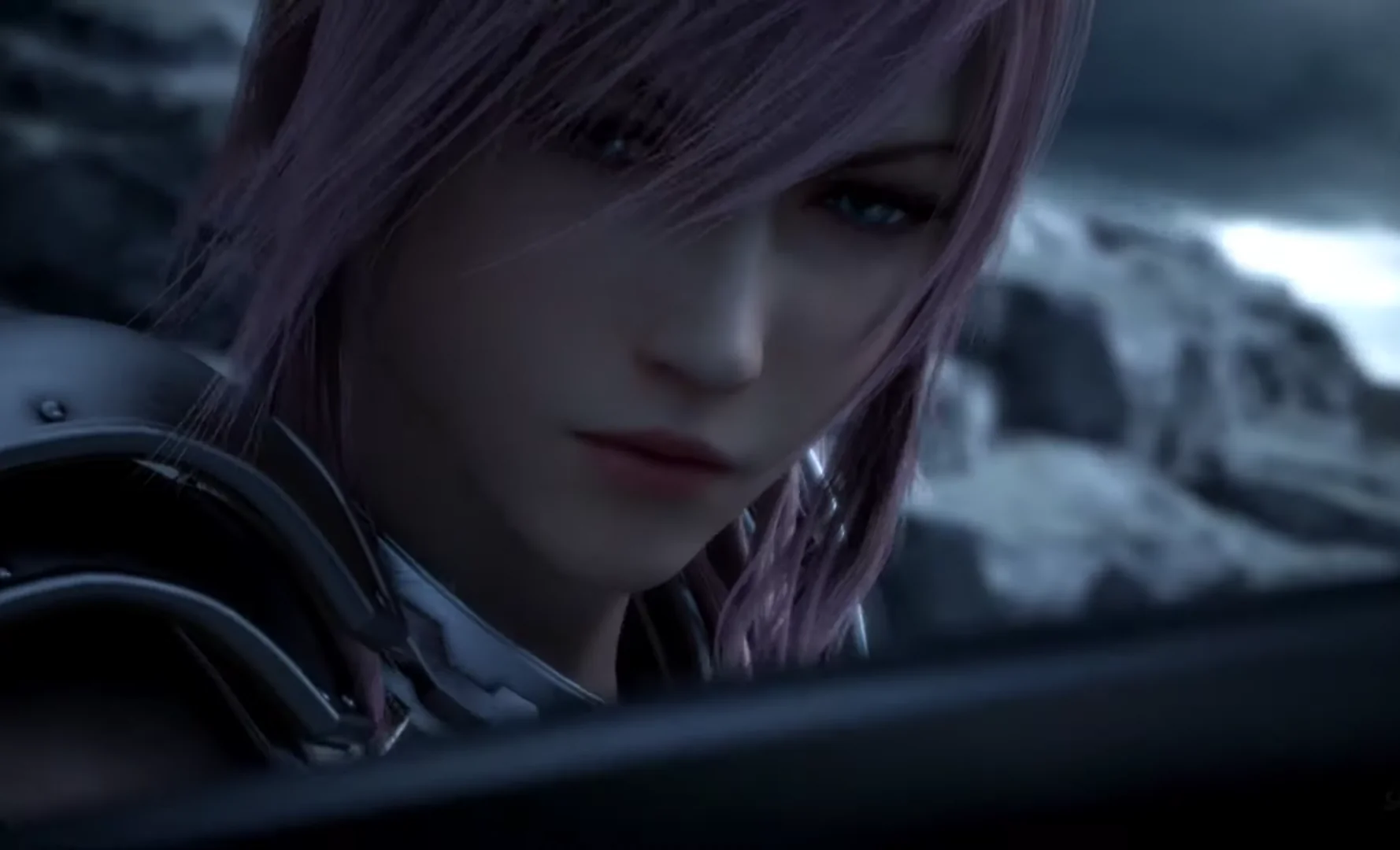
Lightning (Final Fantasy XIII trilogy): stoic lead whose arc broadens significantly across the trilogy.
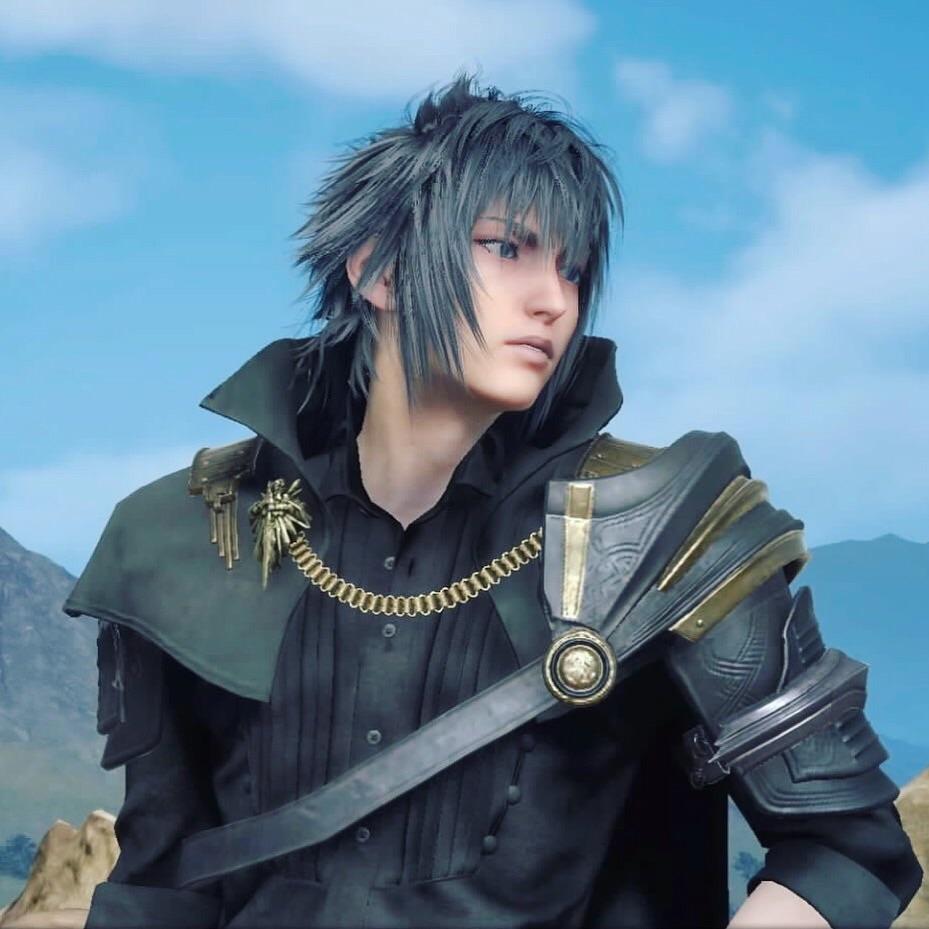
Noctis Lucis Caelum (Final Fantasy XV): a prince's coming-of-age story shaped by loss and duty.
Clive Rosfield (Final Fantasy XVI): revenge-driven lead with one of the franchise's heaviest tonal arcs.
These characters are the easiest way to understand Final Fantasy's protagonist evolution across generations.
Essential Supporting Characters
The party members and allies who make each journey work.
Final Fantasy is rarely about one person alone. The supporting cast is usually where the heart lives.
Key names worth knowing:
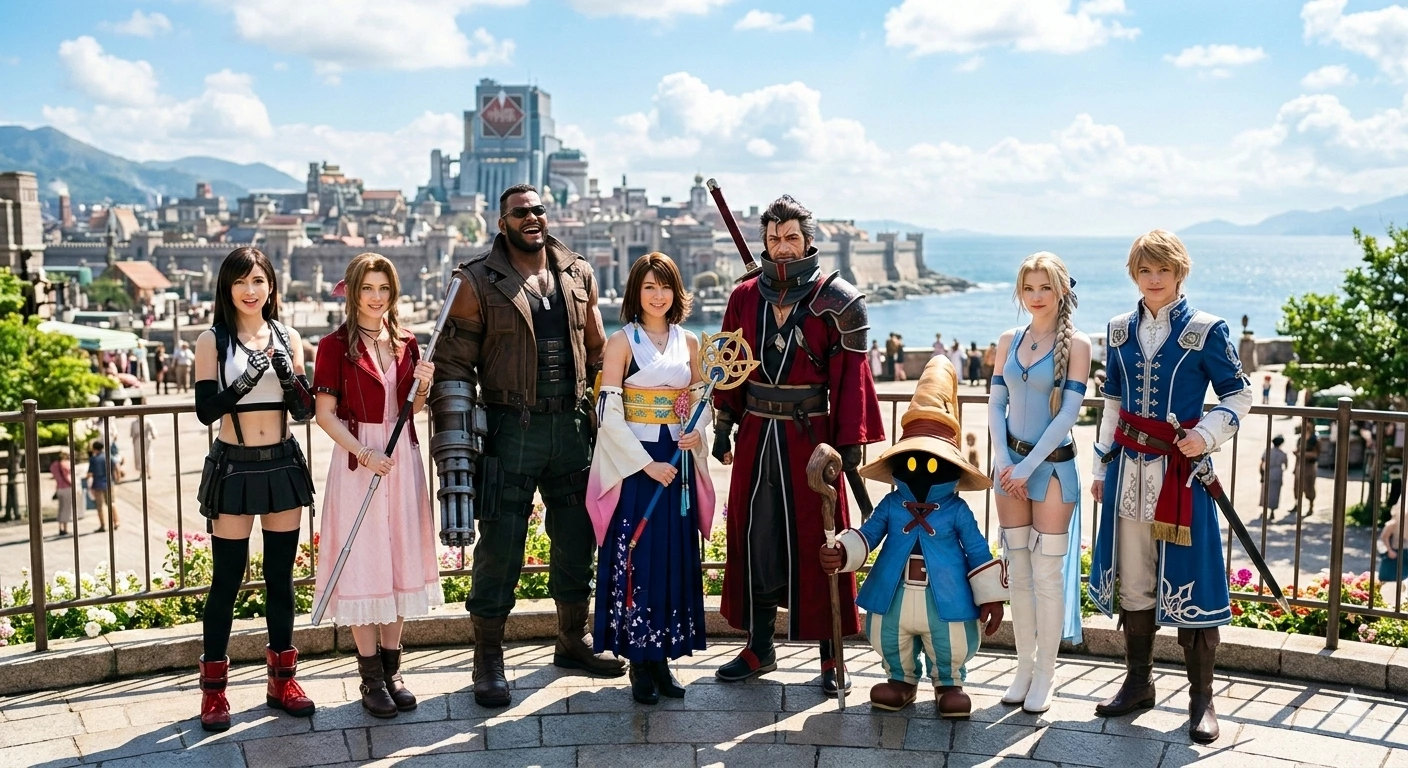
Tifa Lockhart (VII): emotional anchor and one of the strongest interpersonal arcs in the series.
Aerith Gainsborough (VII): spiritual core and one of gaming's most famous narrative pivots.
Barret Wallace (VII): ideological voice, father figure, and anti-corporate force.
Yuna (X): summoner whose quiet strength drives the entire narrative.
Auron (X): mentor archetype done right, with major endgame relevance.
Vivi Ornitier (IX): one of the best existential character arcs in JRPG history.
Celes Chere (VI): survival and redemption arc with huge emotional weight.
Joshua Rosfield (XVI): central to Clive's arc and the game's emotional spine.
A great Final Fantasy party does not just support the lead. It reshapes them.
The Villains Everyone Should Recognize
Ambition, nihilism, and trauma scaled to world-ending levels.
Final Fantasy villains are famous for one reason: they are dramatic, dangerous, and usually terrifyingly committed to their worldview.
Essential villain names:
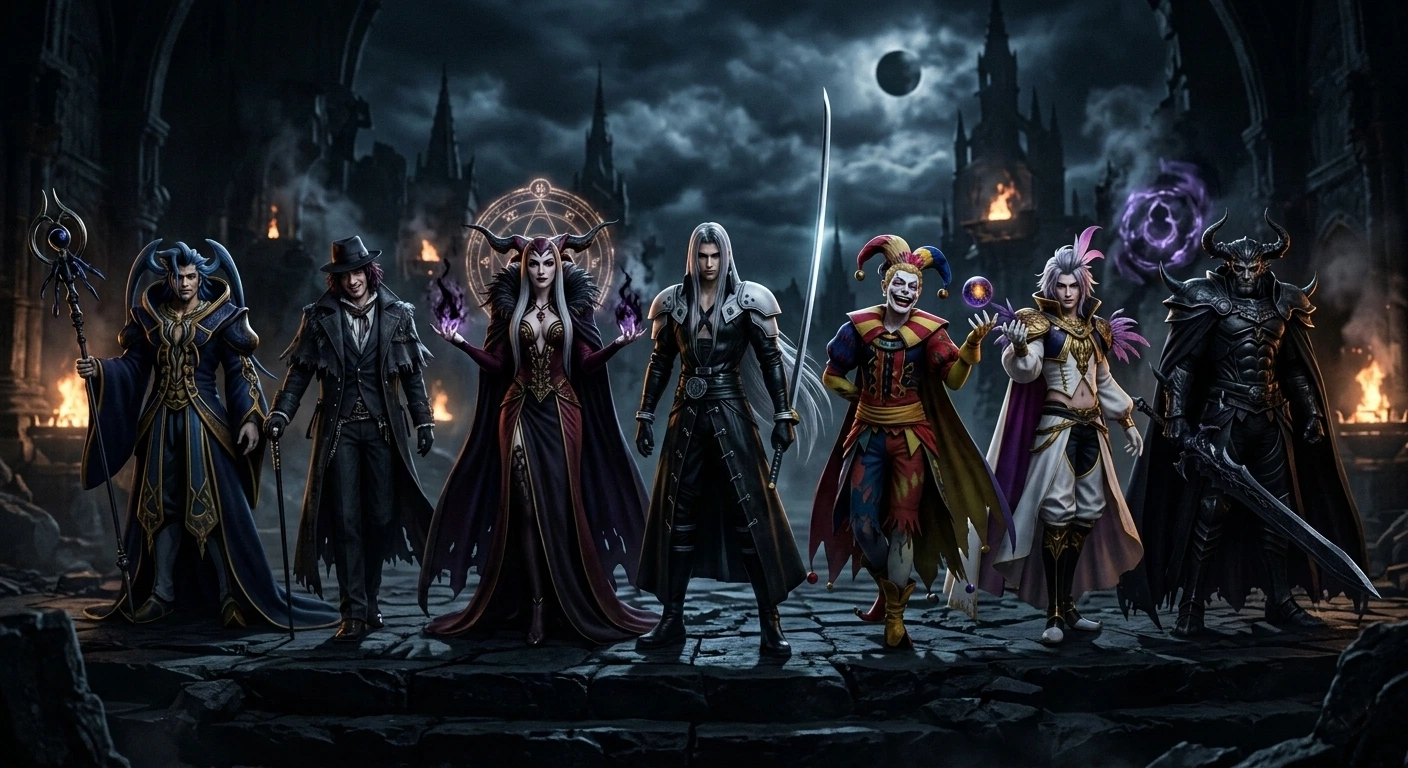
Sephiroth (VII): the benchmark JRPG antagonist, still unmatched in icon status.
Kefka Palazzo (VI): chaotic nihilist whose arc actually changes the world state.
Ultimecia (VIII): time-compression threat with mythic-scale stakes.
Kuja (IX): theatrical, tragic, and one of the series' best mirror-villains.
Seymour Guado (X): manipulative power-seeker tied closely to Spira's corruption.
Ardyn Izunia (XV): charismatic and bitter antagonist with deep lore roots.
Barnabas and Ultima (XVI): ideological and cosmic threat layers framing Clive's journey.
Not every villain lands equally, but the best ones reinforce the same franchise theme: power without empathy destroys everything around it.
Character Archetypes Final Fantasy Reuses Brilliantly
Recurring character patterns that make the series feel connected.
Even with new worlds each entry, Final Fantasy loves recurring archetypes:
The reluctant hero with identity conflict
The hopeful healer or summoner with moral clarity
The rival or foil who exposes the hero's weakness
The comic relief character with hidden depth
The mentor with painful history
The tragic antagonist broken by belief or betrayal
These patterns are why the franchise feels familiar even when settings and mechanics change.
Quick Character Starter List For New Players
If you only want a short "learn these first" character set:
Cloud Strife
Sephiroth
Tifa Lockhart
Aerith Gainsborough
Terra Branford
Kefka Palazzo
Yuna
Vivi Ornitier
Lightning
Clive Rosfield
This list gives you strong coverage across classic, PS1/PS2, modern, and current-era FF conversation.
Final Verdict
Final Fantasy characters are the franchise's real superpower.
Mechanics shift. Battle systems evolve. Worlds reset every numbered entry. But great character writing is what keeps players attached across decades.
If you are exploring FF for the first time, follow protagonists and their key companions first, then branch into villains and side lore.
The timelines are separate. The emotional damage is universal.

 AllMar 06, 2026