
 PlayStationMar 10, 2026
Marvel’s Spider-Man story explained in plain language, from Peter’s 2018 crisis and Miles’ rise to Spider-Man 2’s Kraven-Venom endgame and where the canon is headed next.

Insomniac’s Spider-Man story looks simple on the surface:
bad guys appear, Spider-People swing in, city explodes, repeat.
But the real throughline is much stronger: responsibility under pressure, and what happens when grief, power, and guilt collide.
This guide explains the full story in plain language across Spider-Man (2018), Miles Morales, and Spider-Man 2.

At heart, this universe runs on one cycle:
So yes, it is superhero action.
It is also emotional debt with web-shooters.
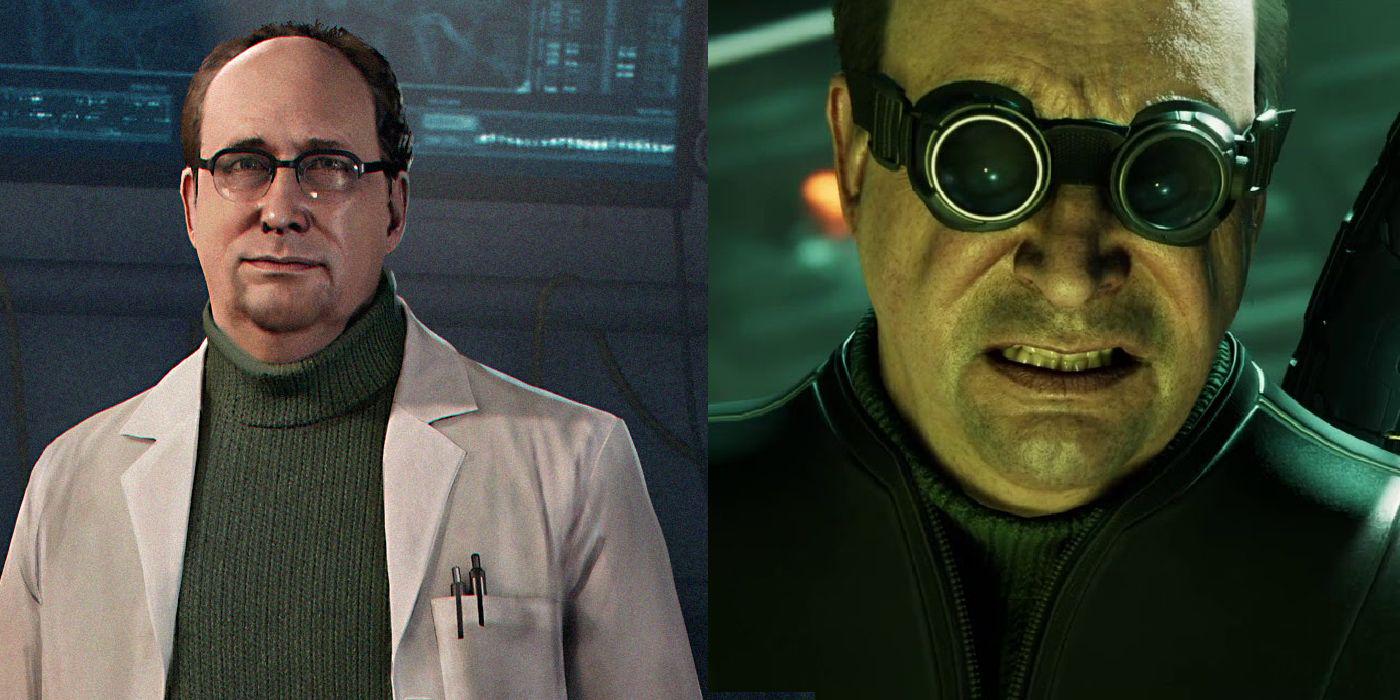
Peter starts as an experienced Spider-Man, not an origin version.
The story escalates from Fisk’s takedown into a citywide disaster involving Mister Negative, escaped supervillains, and Otto Octavius’ downfall into Doctor Octopus.
The emotional core is brutal: Peter is forced to choose responsibility over personal relief, and that choice defines the whole franchise tone.

Martin Li is not just “villain of the week.”
He connects directly to Peter’s emotional world through FEAST and Aunt May, which makes the conflict intimate and devastating, not just flashy.
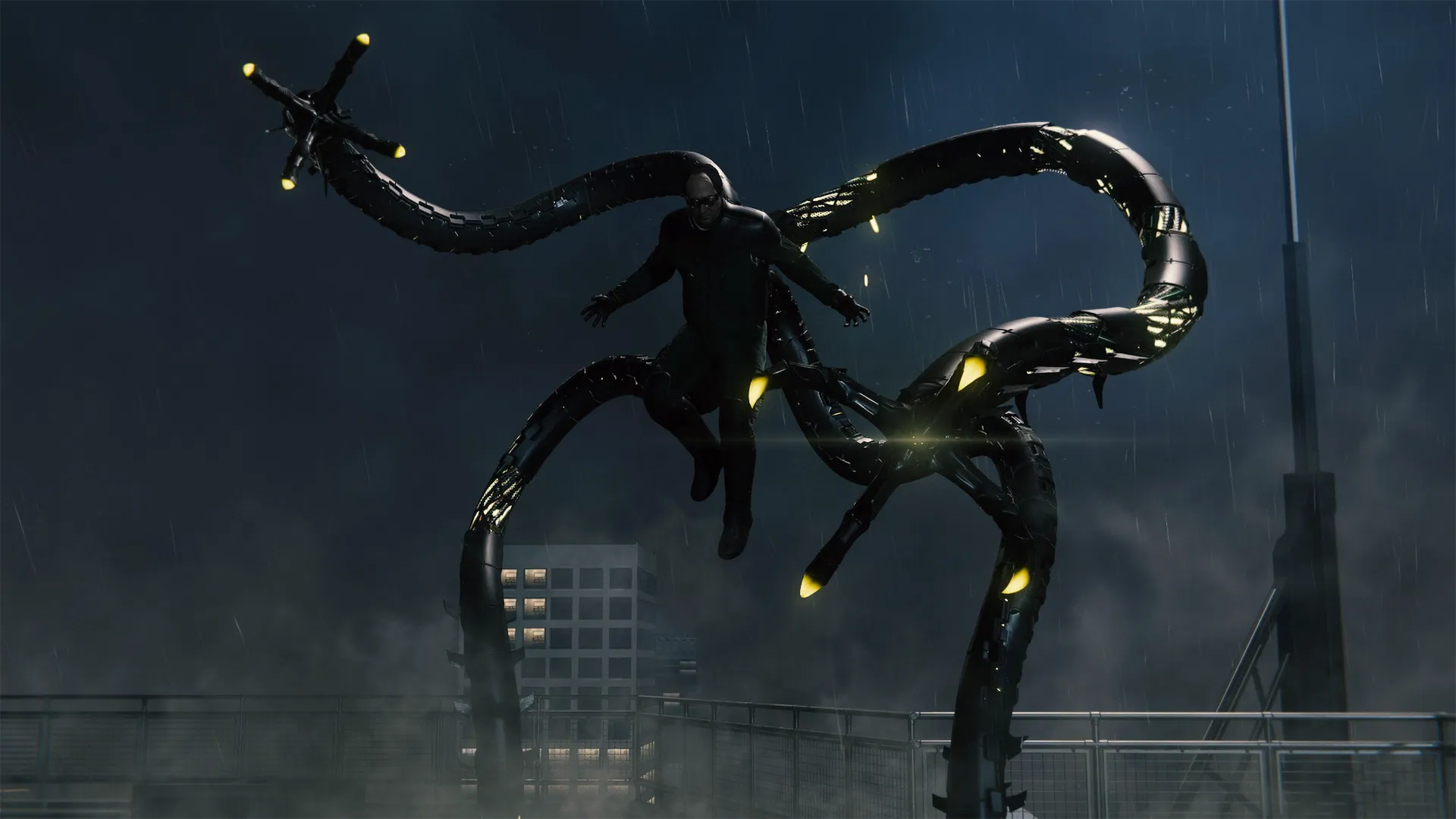
Otto’s transformation into Doc Ock is the first game’s major tragedy.
Peter stops him, but at a massive personal cost. That ending is why this universe hits harder than standard superhero comfort food: heroic choices are expensive here.
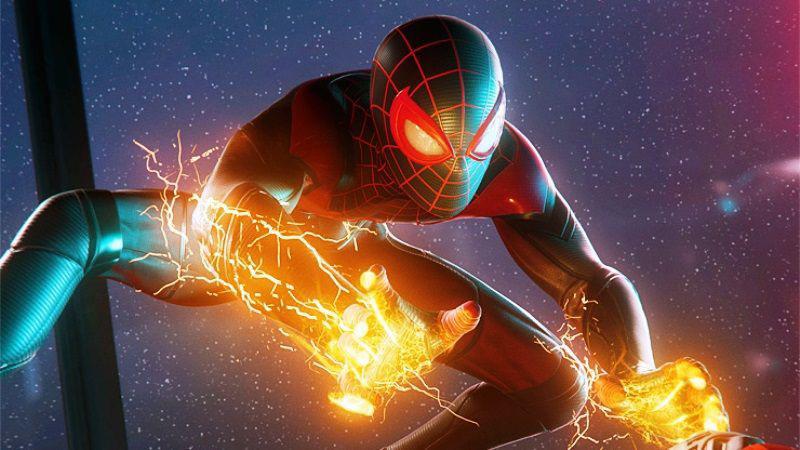
Miles Morales is a smaller-scale story with huge character value.
Miles protects Harlem, navigates grief and family pressure, and faces Tinkerer/Phin in a conflict that hurts because it is personal, not abstract.
This game’s job is clear: make Miles a full lead, not “Spider-Man Jr.”
Mission accomplished.

Miles’ story pits community survival against corporate exploitation and revenge logic.
Krieger/Roxxon represent polished institutional harm; Tinkerer represents personal grief turning destructive.
Different villains, same outcome: Harlem pays the price.
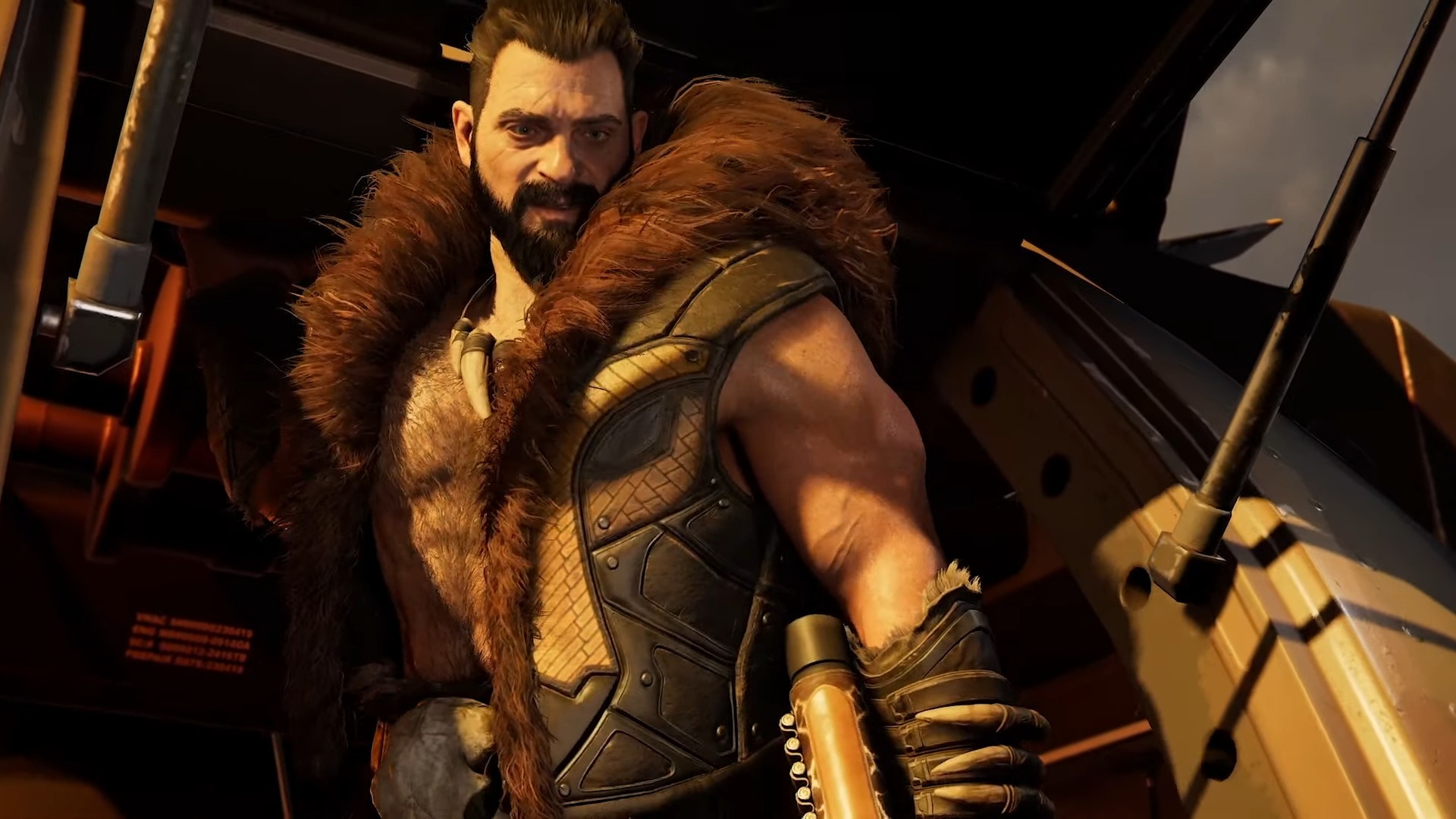
Spider-Man 2 starts as a dual-protagonist balancing act and escalates fast:
The game’s central idea is clear: power without emotional stability becomes a citywide threat.
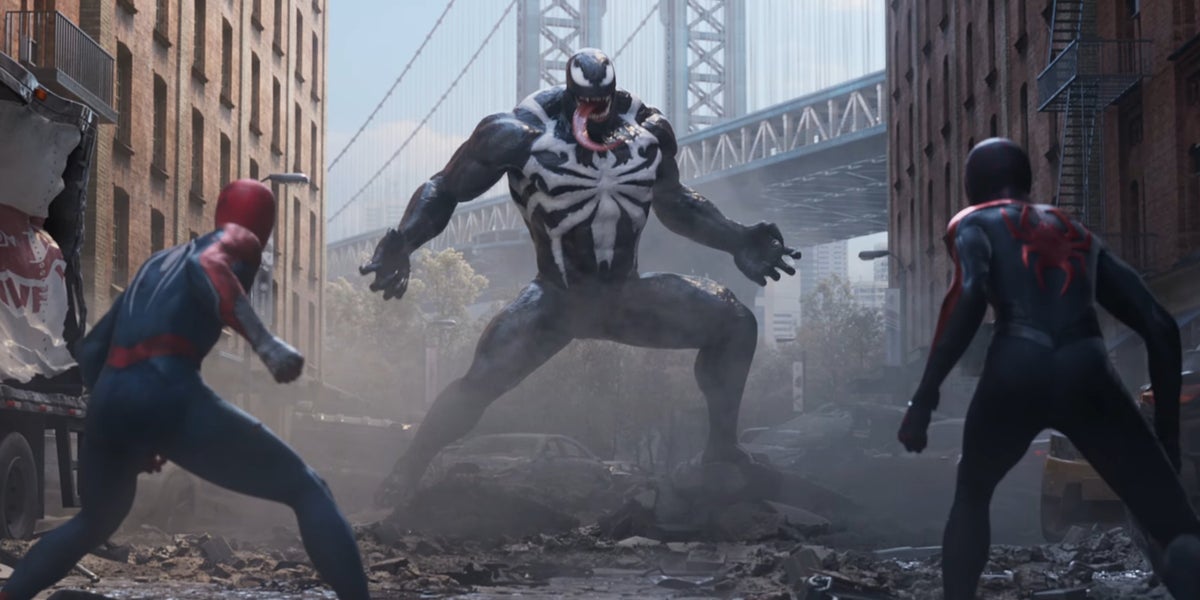
Venom is not just a final boss spectacle (though yes, it is very spectacular).
Narratively, Venom represents control disguised as protection, and the final act forces Peter and Miles to confront what responsibility looks like when love, fear, and obsession merge.
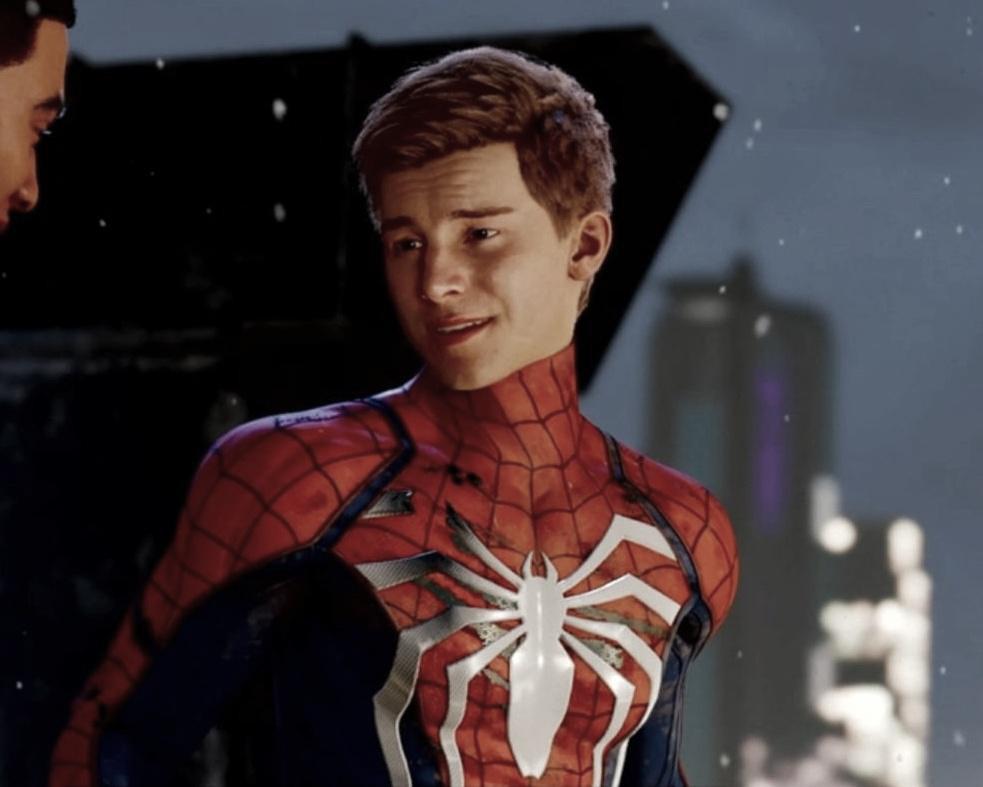
By the end of Spider-Man 2, the status quo shifts:
So the trilogy phase closes emotionally, but the universe absolutely does not.

If you want the clean canon sequence:
That is the core narrative spine.
Play in that order and all major character arcs land properly.
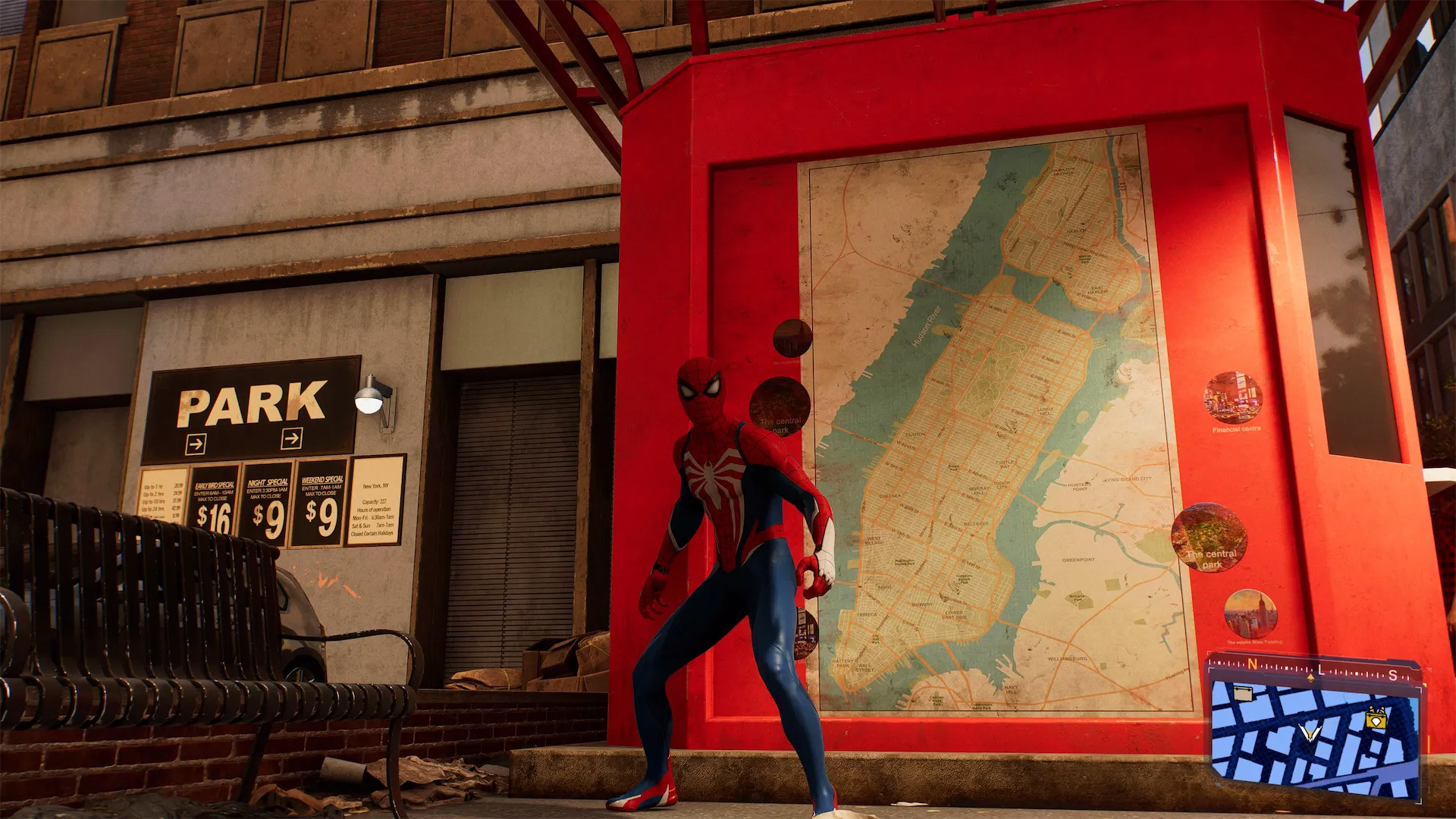
Insomniac’s Spider-Man story works because it balances spectacle with consequence.
Peter, Miles, and their allies are not solving clean comic-book episodes. They are managing grief, duty, and power in a city that never stops breaking.
You start with web-swinging.
You stay because every major victory costs something real.
Staff Writer, Console Pulse
Images Credit
Official artwork, promotional assets, and in-game screenshots are credited to Sony Interactive Entertainment, Insomniac Games, Marvel, and associated rights holders. Images are used for editorial coverage.
 PlayStationNews
 PlayStationNews
 PlayStationGuide
 PlayStationGuide