
 SwitchMar 11, 2026
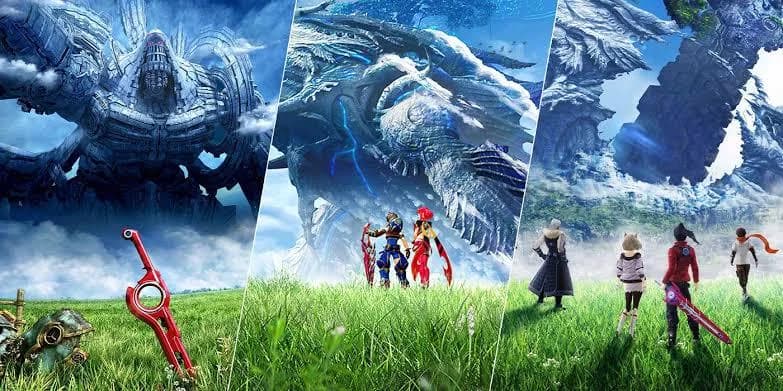
Xenoblade Chronicles story explained in plain language, from Bionis and Alrest to Aionios, including Klaus, Origin, and how the trilogy connects.
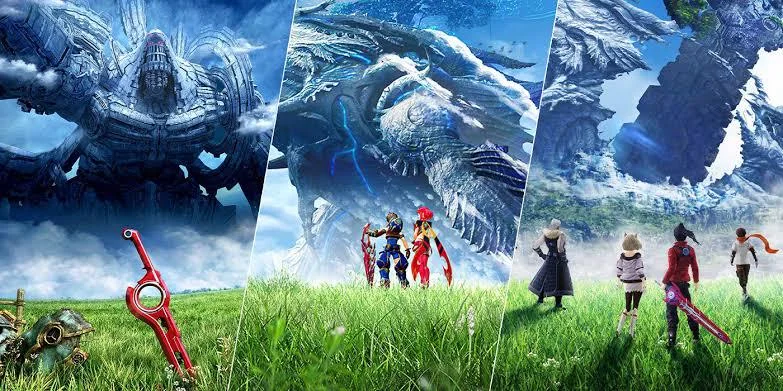
Xenoblade lore looks scary at first because it has giant terminology, giant swords, giant emotions, and giant plot reveals.
But the core is simple:
People inherit broken worlds.
Powerful systems trap everyone in cycles.
A small group decides to break fate anyway.
This guide explains the Xenoblade canon clearly, without requiring a PhD in anime metaphysics.
Spoiler warning: yes, major trilogy spoilers ahead.
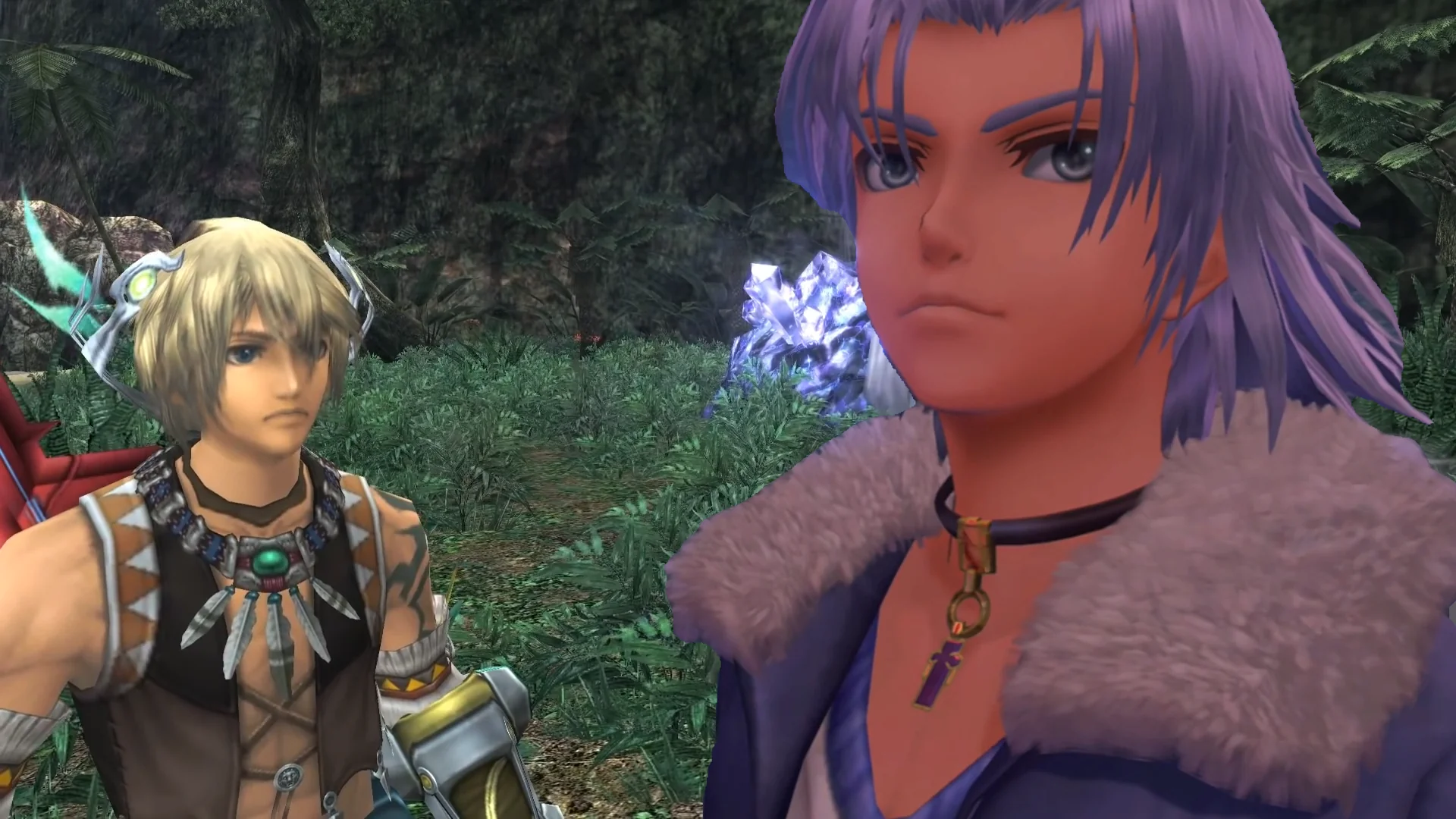
At its heart, Xenoblade is about freedom versus control.
Every era repeats a similar conflict:
So yes, there are gods, titans, and reality machinery.
But the emotional throughline is very human: choosing your own future when the universe says "please remain seated."
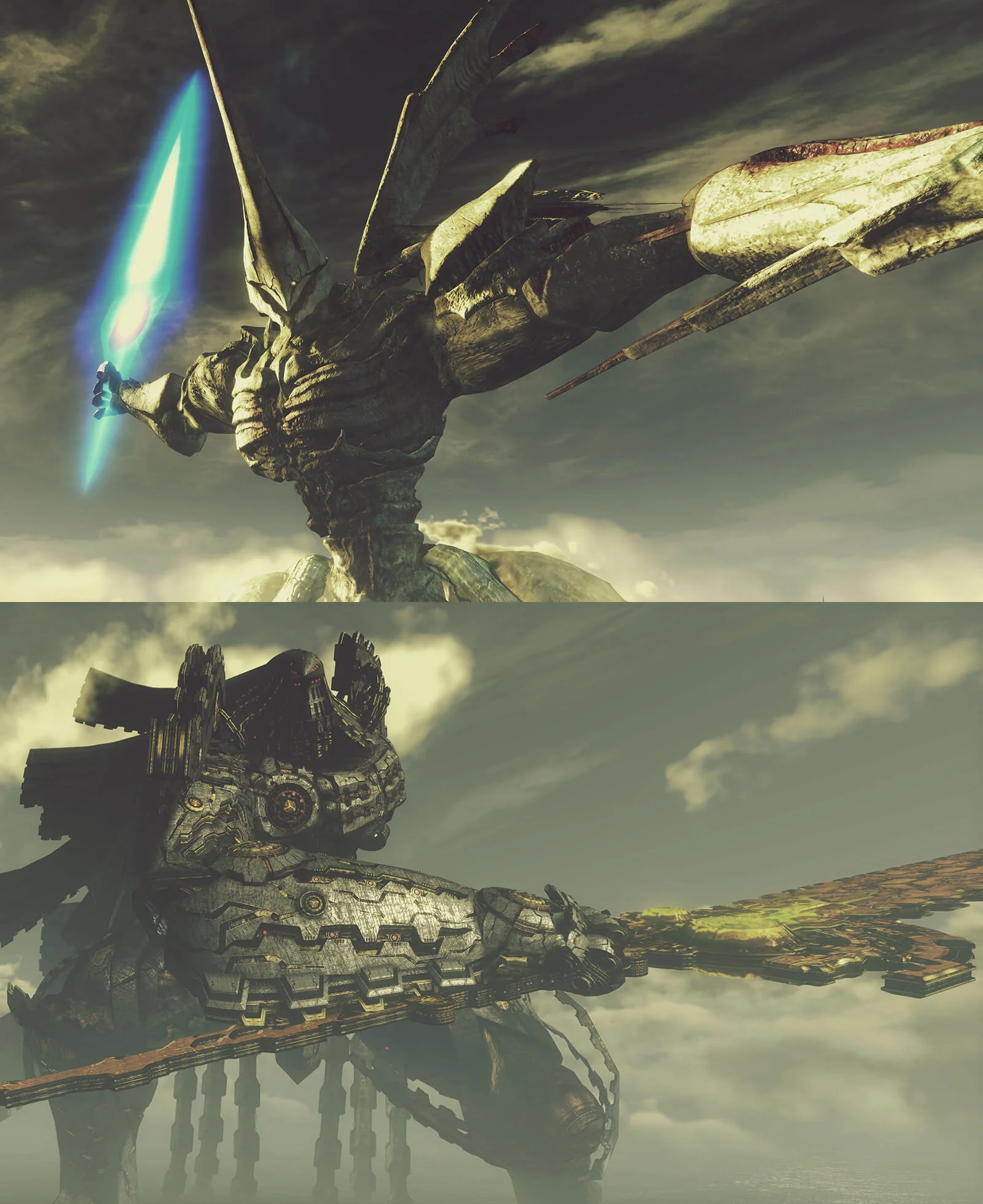
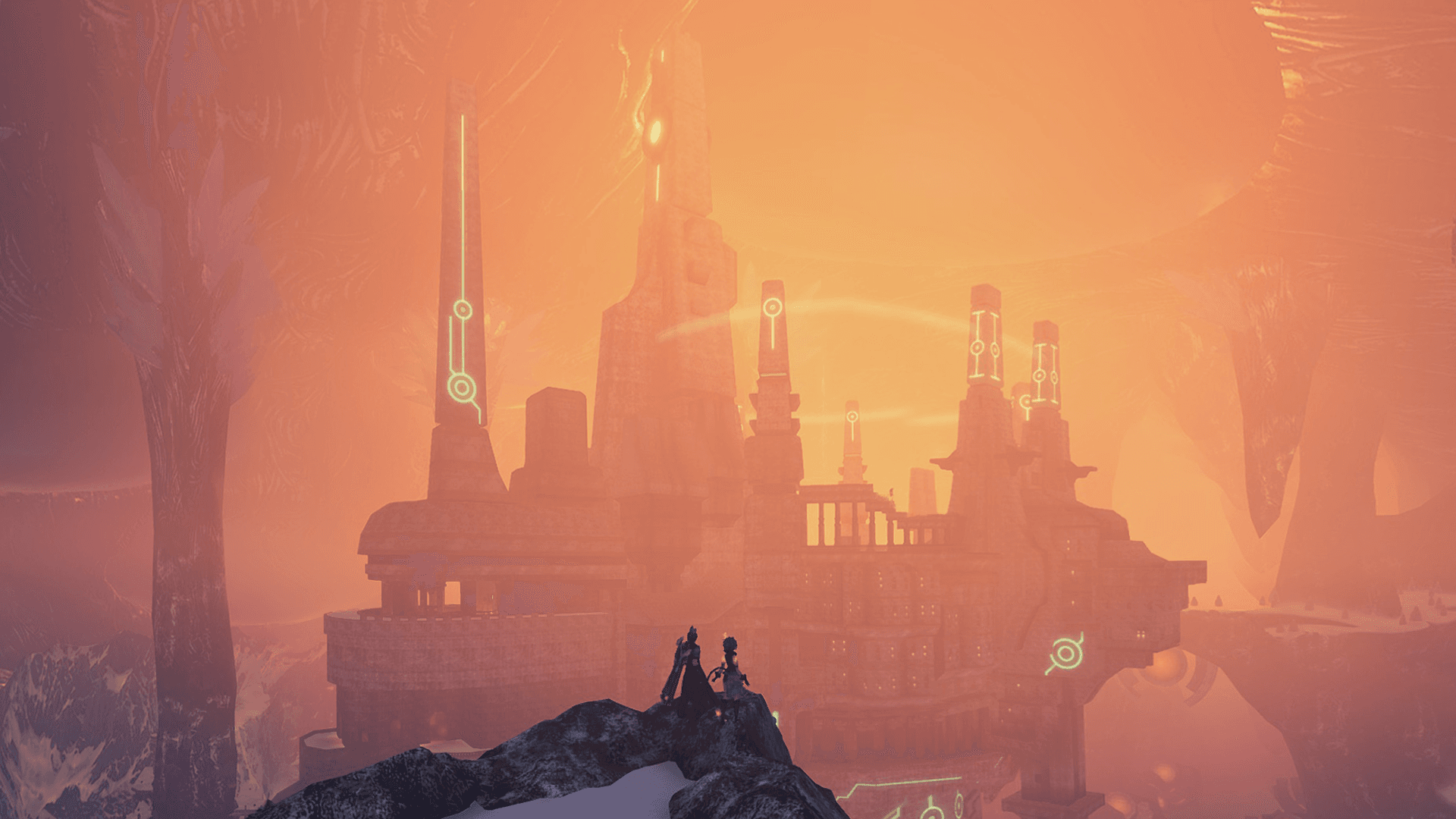
XC1 begins on two colossal titans, Bionis and Mechonis, where organic and mechanical civilizations are stuck in endless war.
Shulk starts as a researcher with the Monado and a revenge motive. Naturally, this escalates into JRPG standard procedure: question reality, expose god, rewrite existence.
Key outcomes:
Translation: "nice omnipotence, but we're going with democracy."
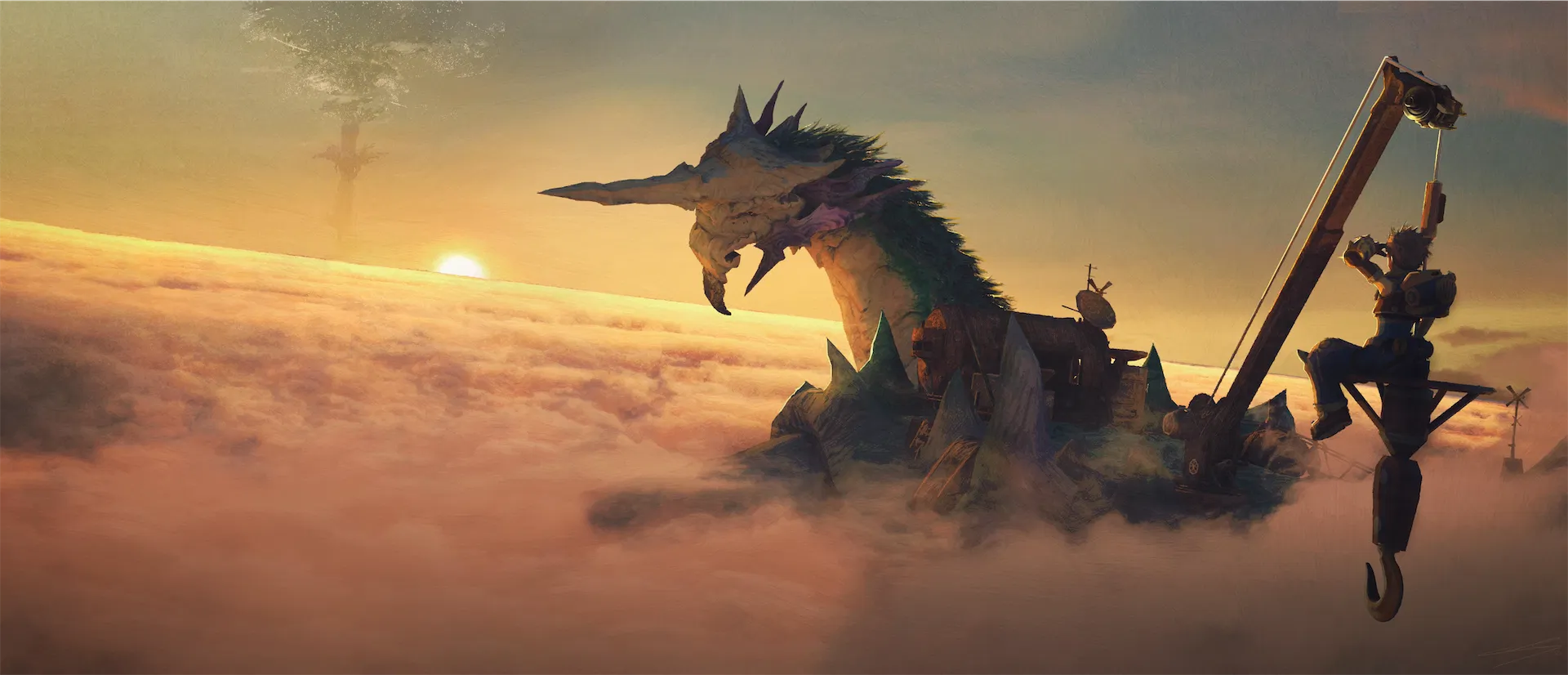
XC2 moves to Alrest, where people live on Titans above a Cloud Sea and depend on Blades for survival and power.
Rex, Pyra, and Mythra chase Elysium, while every faction around them proves that humanity can turn any miracle into a political disaster in record time.
Key outcomes:
XC2 is less "defeat evil empire" and more "process grief while carrying civilization on your back."
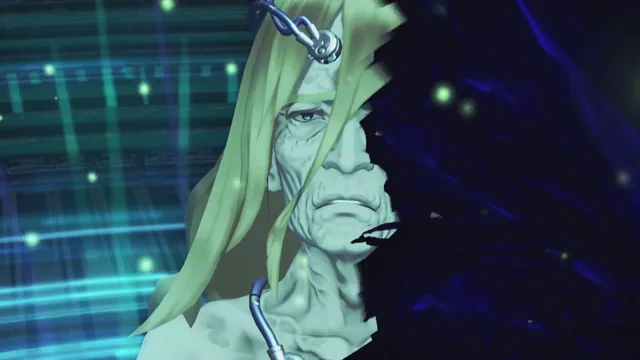
Here is the franchise's main glue:
So the first two games are not random separate fantasies.
They are parallel consequences of the same original disaster, viewed from different sides.
That reveal is why Xenoblade lore feels huge but still coherent.
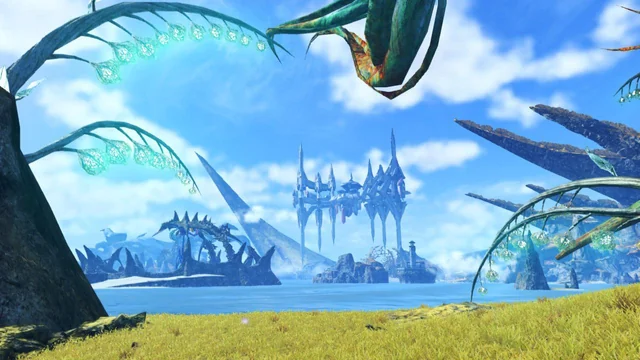
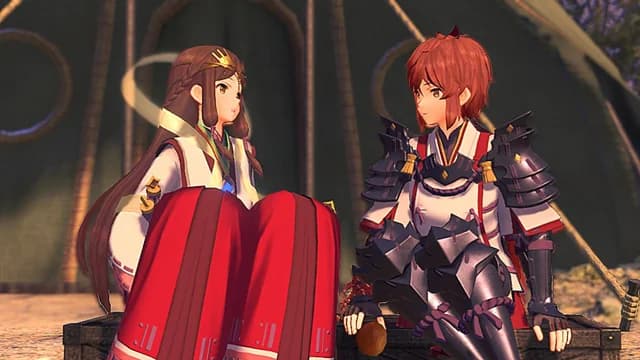
XC3 merges legacies from XC1 and XC2 into Aionios, a world locked in permanent war between Keves and Agnus.
People are born to fight, live short terms, and die for a system that feeds on conflict. Very normal, very healthy civilization design.
Noah, Mio, and team become Ouroboros and challenge Moebius, whose whole ideology is simple:
"If change is scary, let's freeze reality forever."
Key outcomes:
XC3 is the trilogy's emotional punch: freedom is worth it, even when it hurts.
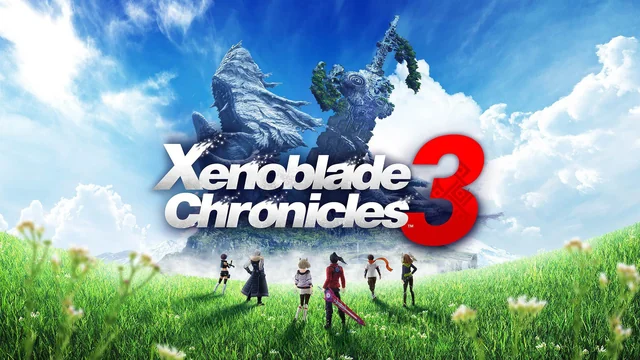
Future Redeemed works as the connective capstone for the Klaus saga.
It clarifies major legacy threads, expands the Origin conflict, and gives long-time players the "yes, this all ties together" confirmation they wanted.
In plain terms: it is the lore handshake between trilogy eras, and it lands.
If you want the clean route:
Xenoblade Chronicles X currently sits as a separate continuity thread from the main numbered saga.
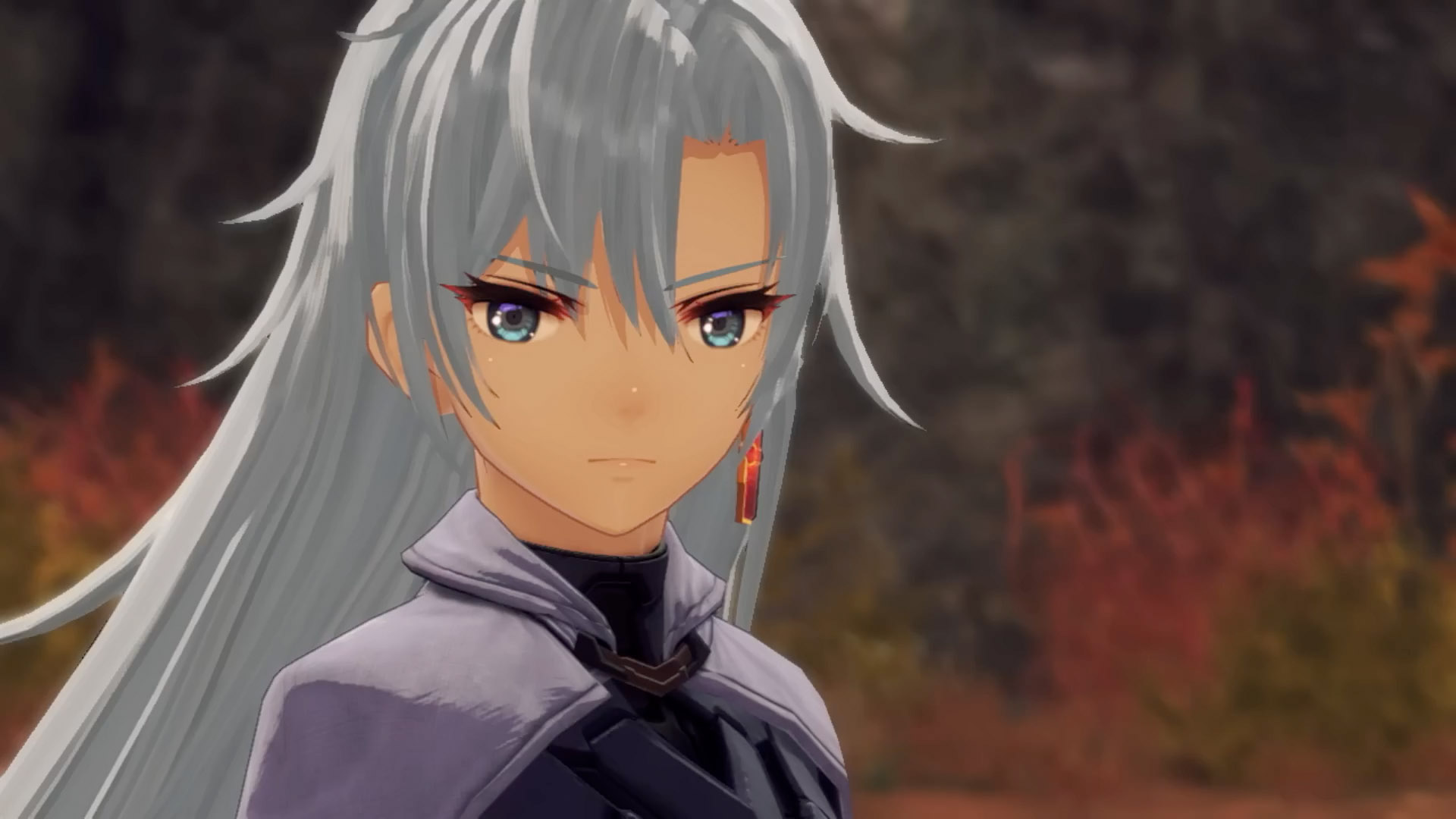
Xenoblade Chronicles is one long argument against fatalism.
From Bionis and Mechonis, to Alrest, to Aionios, the central message stays consistent:
**Power will always try to lock people into a story.
People can still choose a different ending.**
That is why Xenoblade works.
Not just because it's big and dramatic, but because under all the cosmic lore, it is still about ordinary people refusing to surrender their future.
By Aiden Nguyen
Senior Editor, Console Pulse
Images Credit
Official artwork, promotional assets, and in-game screenshots are credited to Nintendo, Monolith Soft, and associated Xenoblade Chronicles rights holders. Images are used for editorial coverage.
 SwitchNews
 SwitchNews
 SwitchGuide
 SwitchGuide