
 PlayStationMar 10, 2026
Ghost of Tsushima story explained in plain language, from Komoda Beach and Jin’s transformation to the final Shimura choice and Iki Island’s deeper trauma arc.

Ghost of Tsushima starts like a classic samurai defense story.
Then it quietly turns into:
“What if saving your people requires becoming the thing your old code forbids?”
This is the full story explained in plain language, no lore gymnastics required.
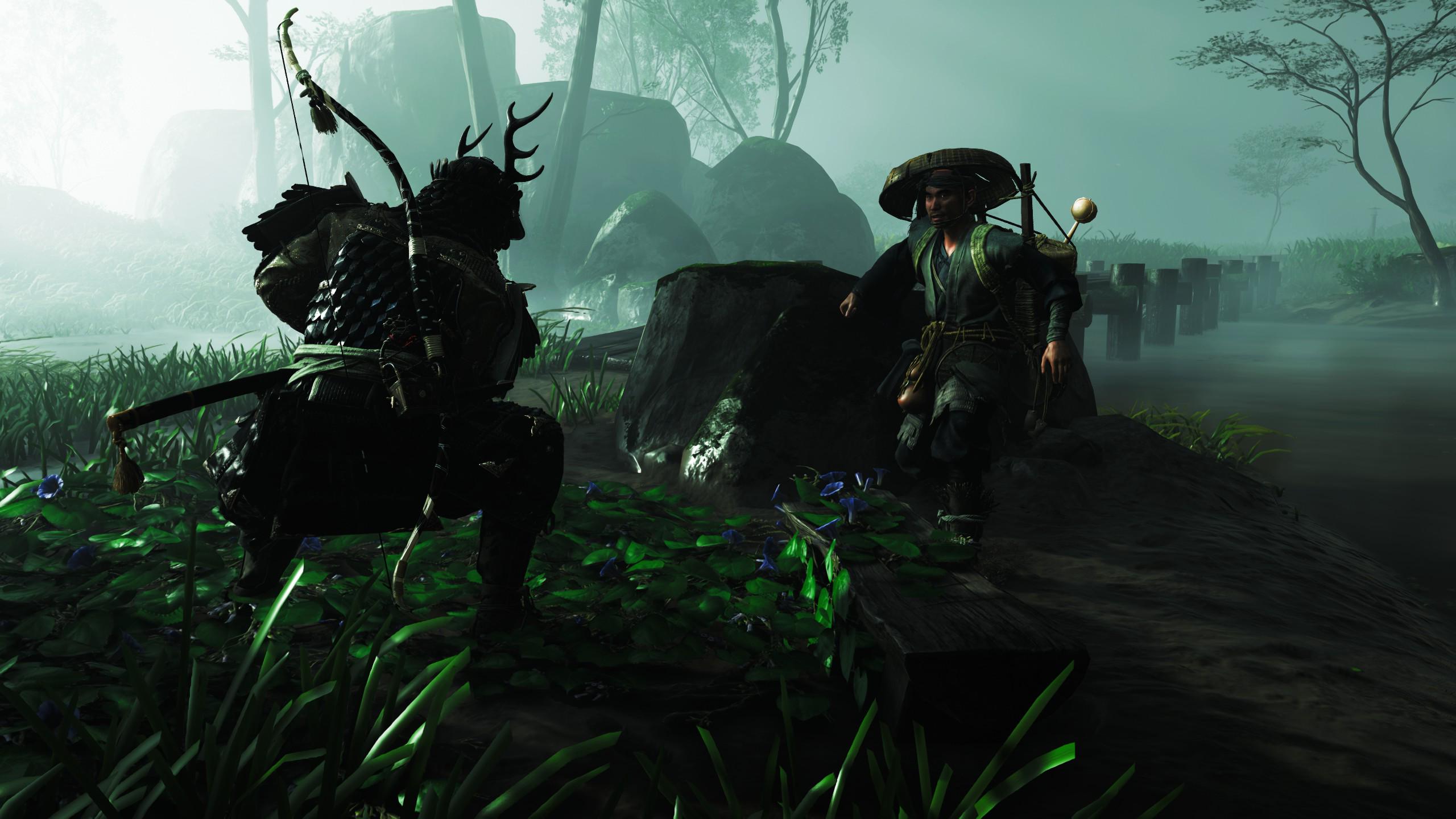
At its core, Ghost is about one conflict:
Jin is trapped between them, and the game’s whole emotional power comes from that squeeze.
So yes, it is a sword game.
It is also a philosophy argument with fatalities.
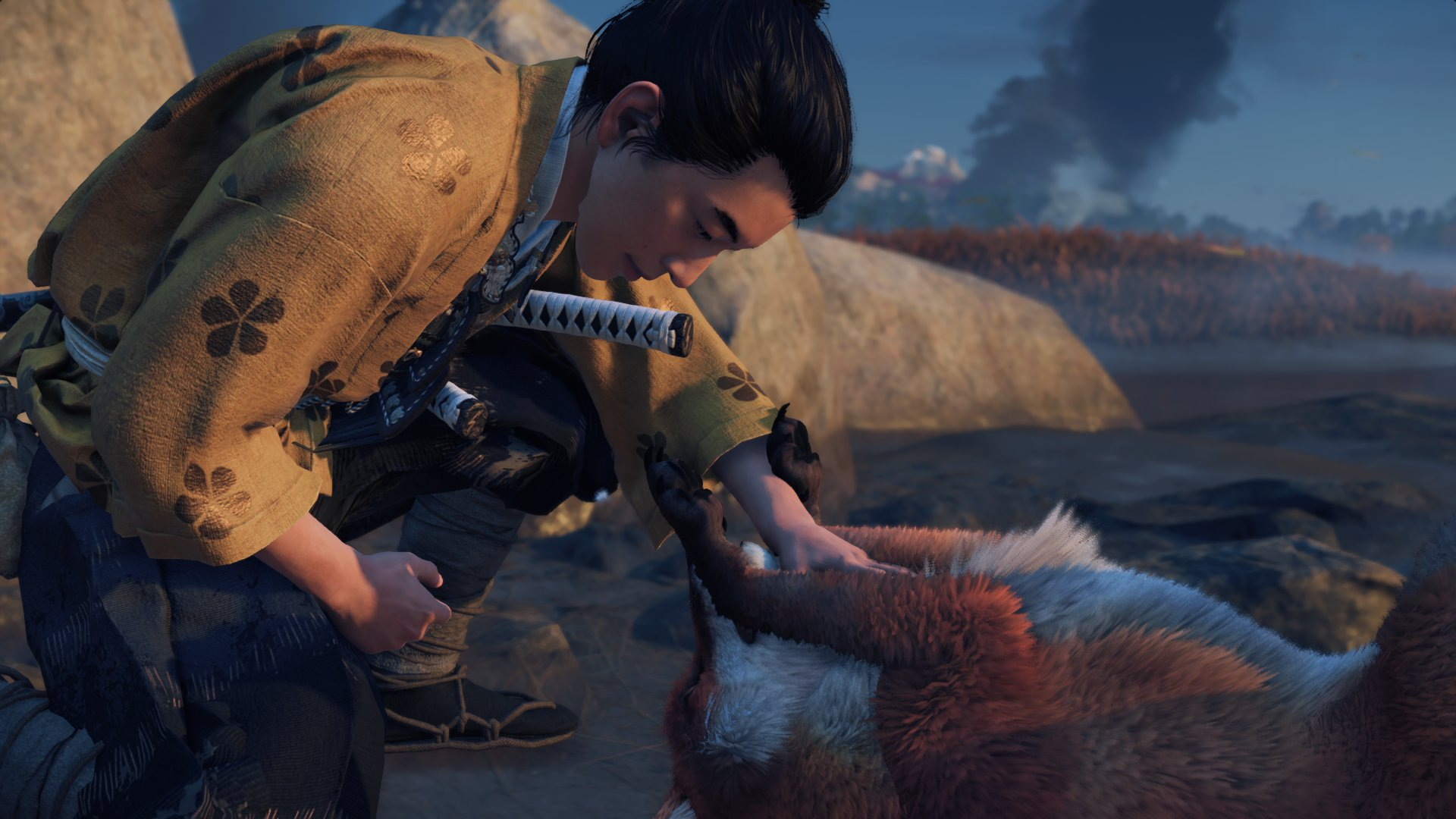
In 1274 CE, Mongol forces led by Khotun Khan invade Tsushima.
At Komoda Beach, samurai forces are devastated. Jin barely survives and is rescued by Yuna.
This is the story’s true point-of-no-return: the old rules fail, and Jin knows it.
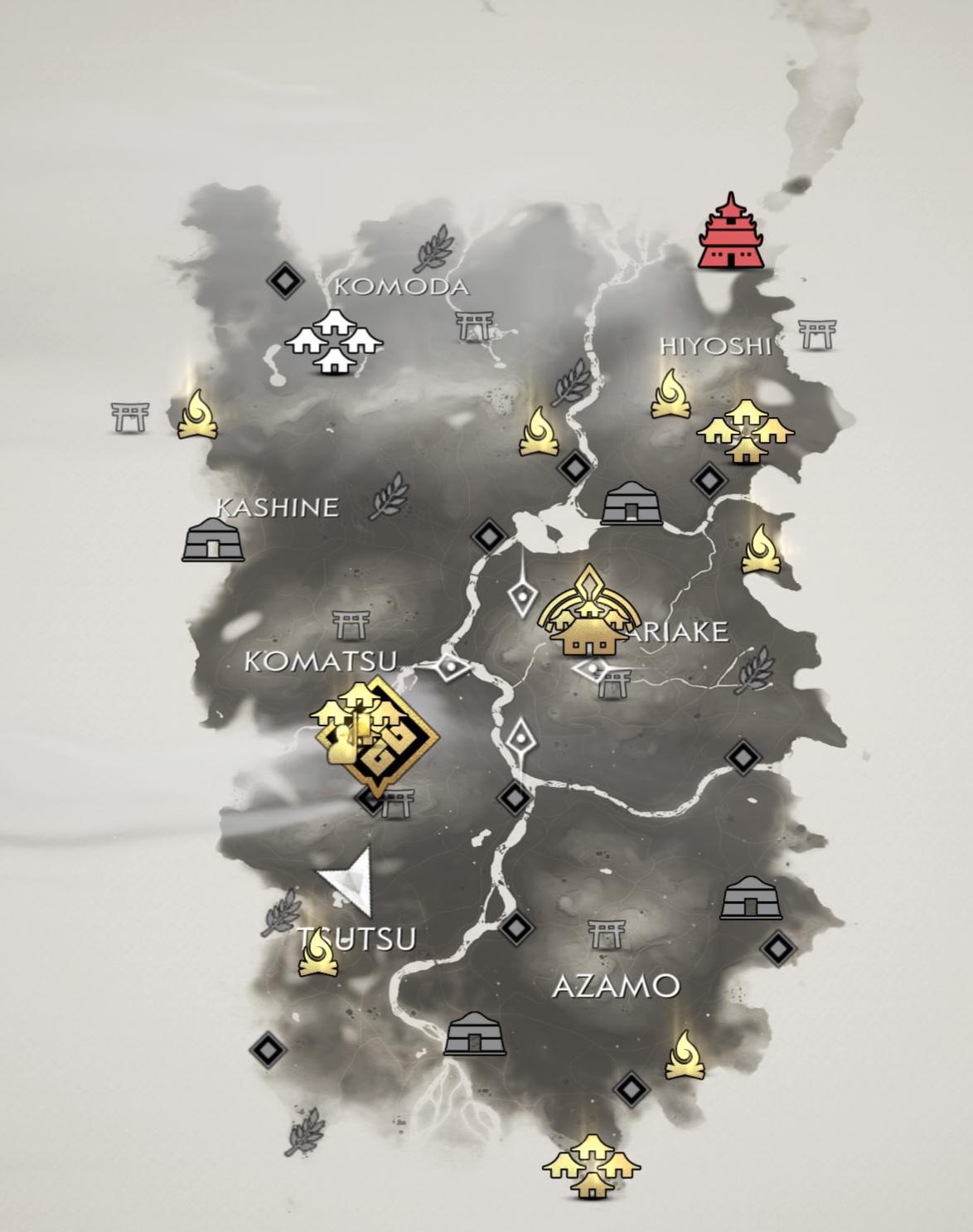
Jin recruits allies, liberates settlements, and pushes toward Castle Kaneda to rescue Lord Shimura.
By the end of Act 1, he is still trying to be “honorable” inside a war that clearly does not care.

Act 2 escalates everything: bigger battles, deeper betrayal (Ryuzo), and sharper conflict with Shimura’s worldview.
Jin adopts increasingly ruthless methods, including poison tactics, and fully becomes The Ghost.
He saves lives, but also crosses lines that cannot be uncrossed.

After being condemned by samurai authority, Jin fights on from exile status.
He pushes north, dismantles Mongol positions, and ultimately defeats Khotun Khan.
Military victory is achieved, but socially and politically, Jin’s old life is over.

The final duel with Lord Shimura is the story’s emotional climax.
Neither is a cartoon villain.
They simply represent incompatible futures:
That is why the ending hurts. Someone wins the duel, but no one wins the argument.

You choose to kill Shimura (honor his final wish) or spare him (reject old code completely).
Both endings keep the same big-picture outcome: Jin remains the Ghost, outside formal samurai order.
So the choice is about emotional philosophy, not timeline reset.

Iki is not just bonus map content. It is character surgery.
The Eagle’s manipulation forces Jin to confront unresolved trauma, especially around his father and legacy.
If the base game is “How Jin changed,” Iki is “What that change cost him internally.”
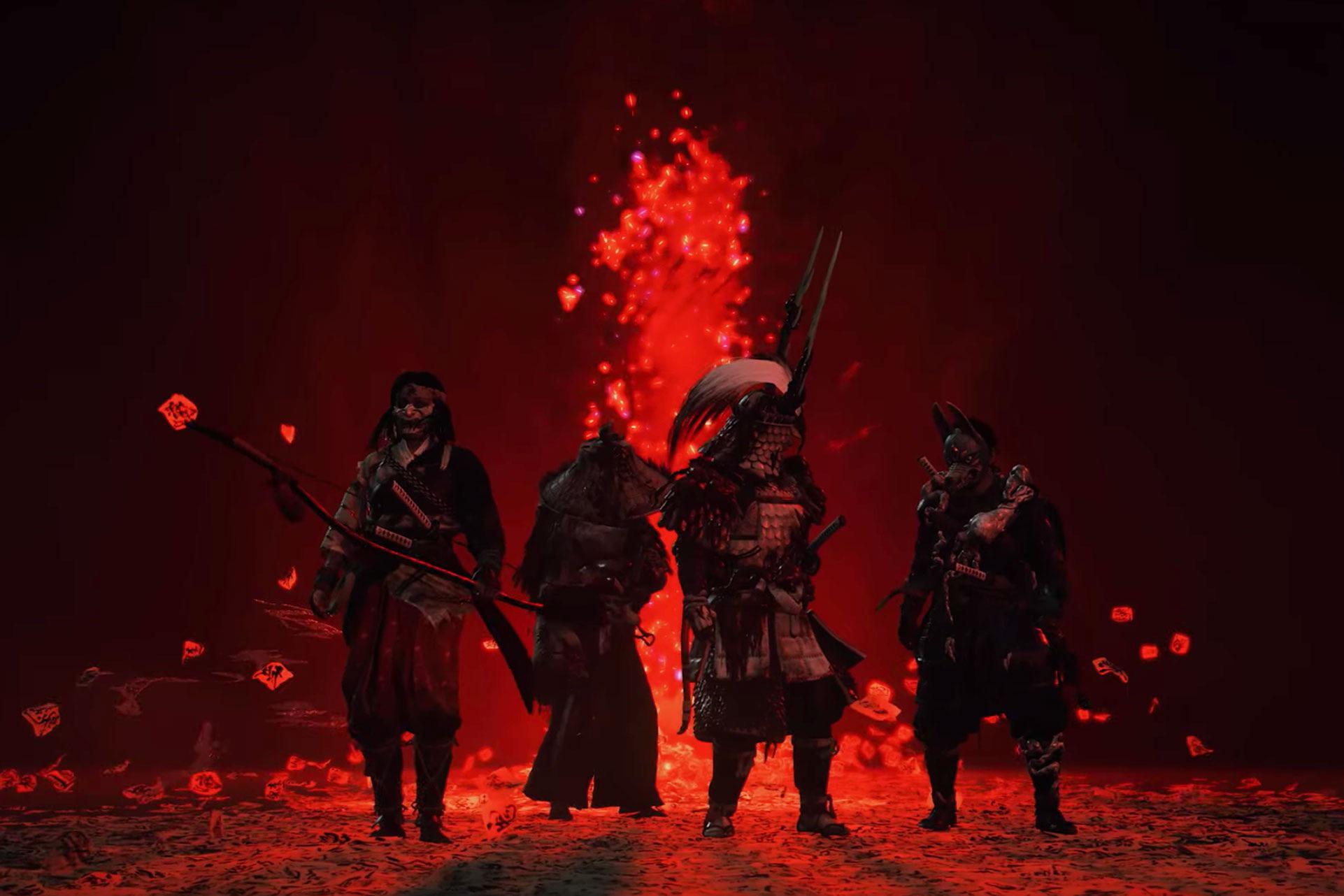
Legends mode is a mythic folklore layer inspired by Tsushima’s world.
It is excellent, but separate from the core single-player chronology.
Think: companion legend anthology, not mainline chapter.
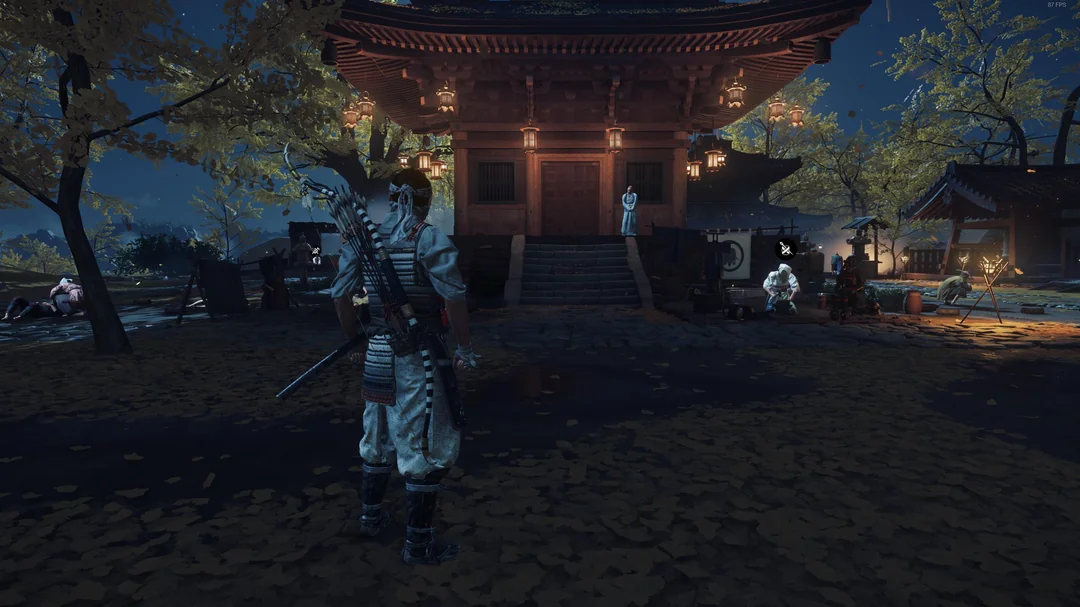
If you want the clean canon path:
That is the full narrative spine you need.
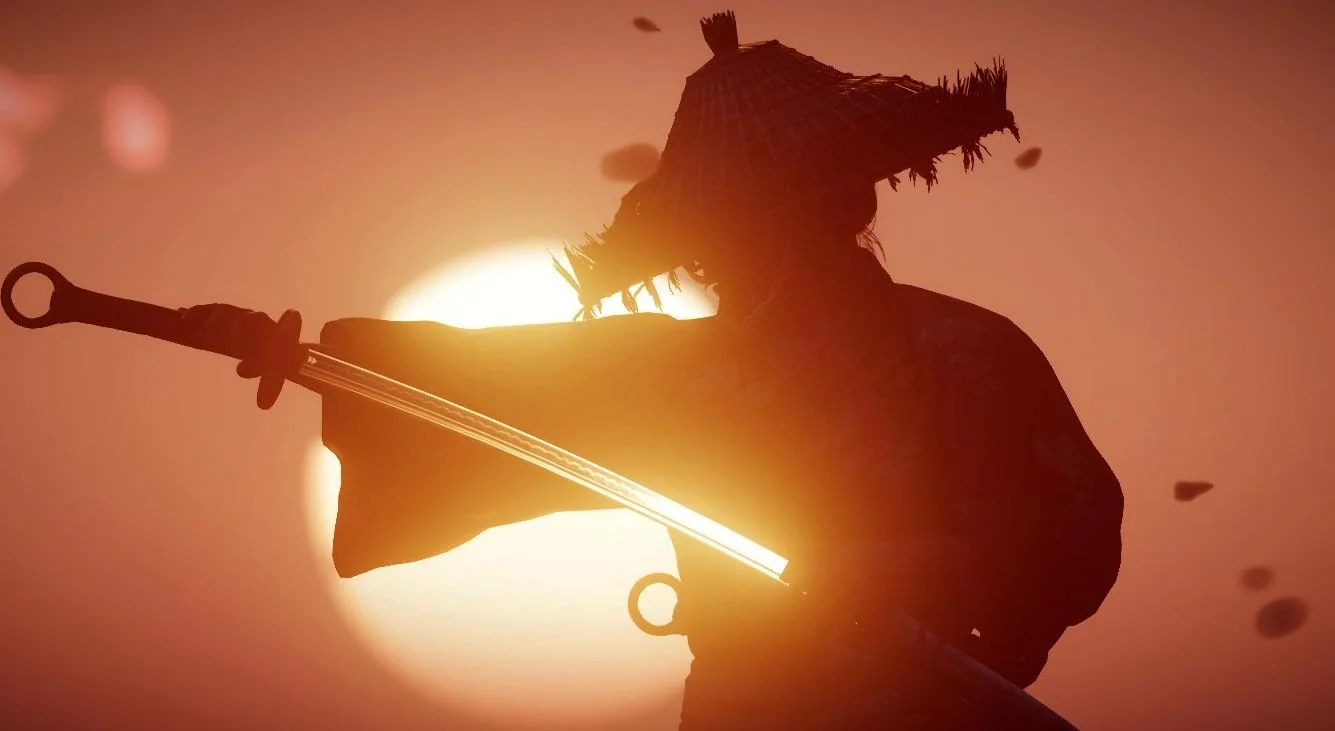
Ghost of Tsushima is a story about necessary transformation and irreversible cost.
Jin saves Tsushima, but he cannot save the version of himself that existed before Komoda.
That is why the story sticks: victory comes with grief, not celebration.
You begin as a samurai.
You end as a legend your own world can’t comfortably accept.
By Aiden Nguyen
Senior Editor, Console Pulse
Images Credit
Official artwork, promotional assets, and in-game screenshots are credited to Sony Interactive Entertainment, Sucker Punch Productions, and associated Ghost of Tsushima rights holders. Images are used for editorial coverage.
 PlayStationNews
 PlayStationNews
 PlayStationGuide
 PlayStationNews